
Three months after launching military operations against Iran, U.S. President Donald Trump faces an increasingly uncomfortable question:
Did the United States win the battles — but begin losing the war?
On paper, the military campaign delivered major tactical victories.
Iran’s missile stockpile was degraded.
Senior military leaders were killed.
Much of Tehran’s naval capability suffered severe damage.
American and Israeli airpower demonstrated overwhelming battlefield superiority in the opening weeks of the campaign.
But wars are ultimately judged not by tactical achievements — they are judged by whether they achieve:
Strategic objectives.
And three months into the conflict,
many of Trump’s central goals remain unresolved.
Iran still maintains leverage over the:
Strait of Hormuz
Its nuclear program remains intact.
Its political system has survived.
And rather than collapsing,
Iran may now possess greater geopolitical leverage than before the war began.
Trump’s Victory Narrative Faces Growing Scrutiny
Trump has repeatedly declared success.
But analysts increasingly argue the administration faces a widening gap between:
Military success
and
Political outcomes.
The core problem is simple:
Iran did not capitulate.
Instead, Tehran adapted.
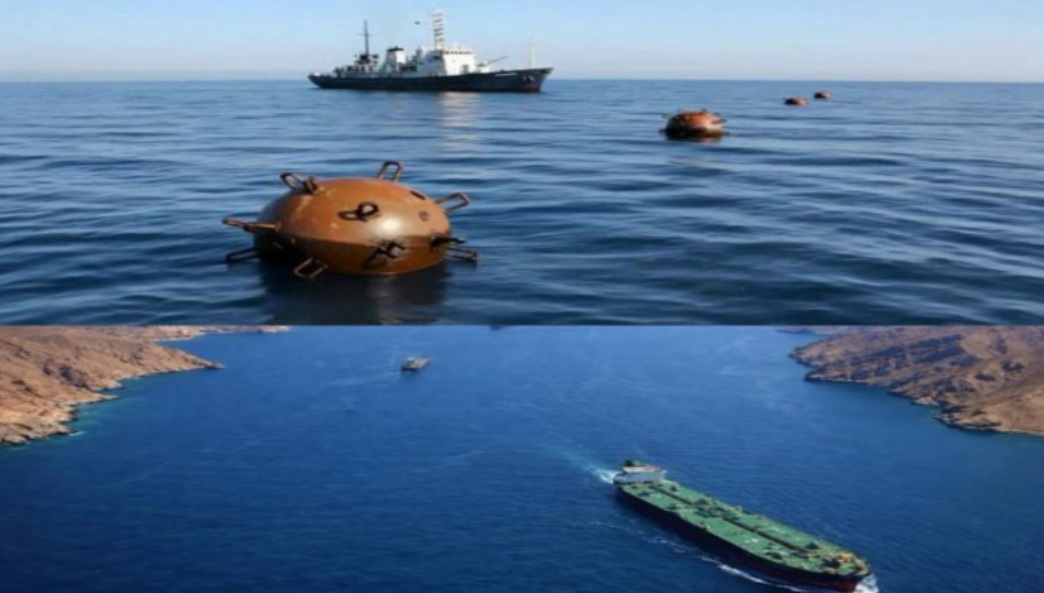
It responded by restricting traffic through the Strait of Hormuz, sending energy prices sharply higher and reminding global markets that roughly One-fifth of global oil and gas supplies remain vulnerable to disruption.
Iran also retaliated against regional targets while absorbing major economic and military damage without surrendering to U.S. demands.
For critics, that raises uncomfortable comparisons to previous conflicts where battlefield dominance failed to produce political victory.
The War Was Supposed to Be Short
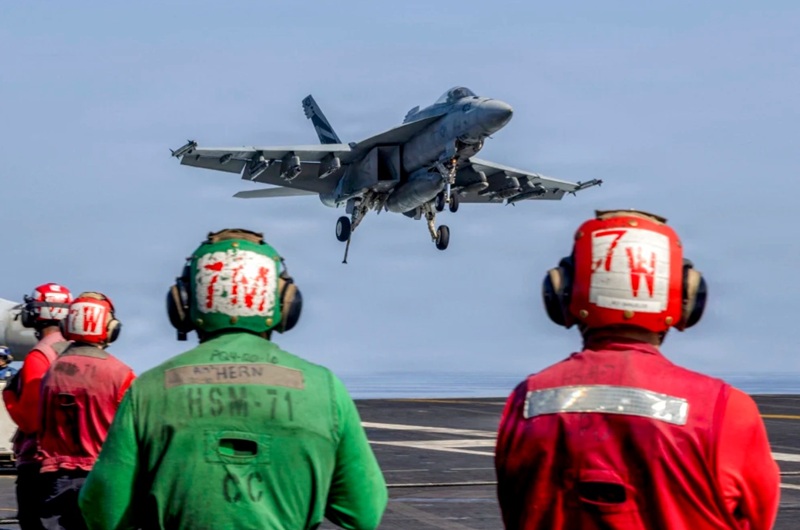
According to Trump’s own timeline, the campaign was expected to last No more than six weeks after military operations began on February 28.
Instead, the war has stretched to double that timeframe.
Diplomacy remains uncertain.
The threat of renewed strikes persists.
And Washington still lacks a clearly defined political endgame.
Former Middle East negotiator Aaron David Miller offered one of the harshest assessments.
“We’re three months in, and it’s looking like a war that was designed to be a short-term romp for Trump is turning into a long-term strategic failure,” Miller said.
What Were Trump’s Objectives?
Trump initially framed the war around several key goals:
1. Block Iran’s Path to a Nuclear Weapon
2. End Iran’s Ability to Threaten the Region
3. Weaken Iran’s Proxy Networks
4. Encourage Internal Pressure on the Regime
But analysts increasingly question whether any of those objectives have been achieved.
Iran’s Nuclear Program Still Exists
Perhaps the biggest unresolved issue is:
Iran’s nuclear capability
Despite extensive U.S. and Israeli strikes,
analysts believe a significant stockpile of:
Highly enriched uranium
remains buried underground and recoverable.
Iran also retains:
- Scientific expertise
- Enrichment infrastructure
- Technical knowledge
necessary to continue progressing toward weapons-grade material if it chooses.
Iran insists its nuclear program remains peaceful.
But Tehran has shown little willingness to accept major restrictions demanded by Washington.
Reuters reported that Iran’s supreme leader has reportedly ordered that near-weapons-grade uranium:
Cannot be sent abroad
complicating negotiations further.
Some analysts now argue the war could produce the opposite of Washington’s intended outcome:
A stronger Iranian incentive to pursue nuclear deterrence
similar to:
North Korea.
Hormuz: Iran’s Most Powerful Leverage
The conflict has also reinforced one reality often underestimated in Washington:
Iran’s control over Hormuz matters.
Even after months of military pressure,
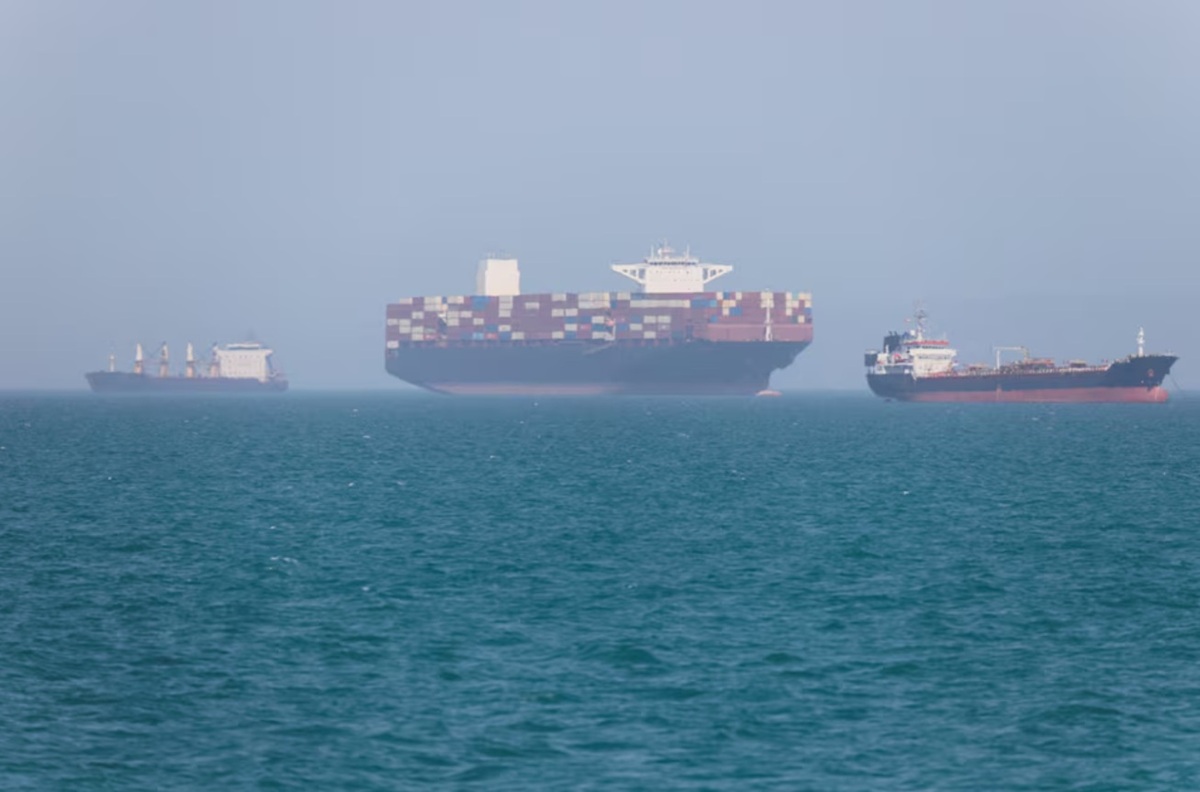
Tehran has demonstrated it can still disrupt shipping in the:
Strait of Hormuz
with enormous consequences for energy markets.
According to Jonathan Panikoff Iran appears increasingly confident that it can tolerate economic pain longer than Washington can tolerate prolonged instability.
“What they discovered is they can exercise that leverage and with few consequences for them,” Panikoff said.
For Gulf Arab states, that perception has become increasingly important.
Many regional governments now appear focused less on defeating Iran militarily — and more on Avoiding further escalation.
A Harder Iranian Leadership May Emerge
Another unintended consequence may be Political hardening inside Iran
Rather than regime collapse,
post-war power dynamics increasingly favor:
More hardline factions
inside Iran’s political and military establishment.
New leaders emerging after wartime losses are widely viewed as:
More confrontational
and potentially less willing to compromise with Washington.
Iran also reportedly retains:
- Missile capabilities
- Drone inventories
- Proxy relationships
capable of threatening regional security for years.
Trump’s Political Risks Are Growing
The Iran war also presents political risks at home.
Trump’s:
MAGA base
has largely remained supportive.
But cracks have begun emerging among some:
Republican lawmakers
who increasingly question the cost and strategic direction of the war.
Trump has responded aggressively to criticism,
accusing sections of the media of:
“Treason”
while continuing to frame the campaign as a success.
Yet the longer the war continues without a clear political resolution,
the harder that narrative may become to sustain.
China and Russia Are Watching Closely
The war’s consequences extend beyond the Middle East.
Analysts say China and Russia are closely studying lessons from the conflict.
Particular attention is reportedly focused on:
- U.S. weapons consumption
- Asymmetric warfare vulnerabilities
- Military logistics strain
- Limits of American coercive power.
Some experts argue the war may shape future calculations involving:
- Taiwan
- Ukraine
- Indo-Pacific deterrence.
The Bigger Strategic Question
Supporters of Trump argue it is too early to judge.
Former Trump adviser Alexander Gray described the military damage inflicted on Iran as:
“Strategic success”
and argued Gulf states have moved closer to Washington as a result.
But critics say battlefield damage alone does not determine victory.
Historically, military power has often struggled against adversaries willing to absorb punishment in pursuit of political survival.
That challenge increasingly defines Washington’s dilemma with Iran.
Conclusion: Tactical Victory, Strategic Uncertainty
Three months into the war,
Trump confronts a reality familiar to many wartime leaders:
Winning militarily is easier than winning politically.
Iran has been weakened.
But it has not surrendered.
Its regime remains intact.
Its nuclear issue remains unresolved.
Its leverage over Strait of Hormuz still matters.
And the conflict increasingly raises a difficult question for Washington:
Can overwhelming military superiority produce a political outcome when the opponent simply refuses to break?
For now,
the answer remains unclear — and that uncertainty may be the most consequential outcome of the war so far.