The fragile diplomatic framework designed to end the US-Iran war came under severe strain on Sunday after Iran launched missiles and drones targeting American military installations in Kuwait and Bahrain, only hours after President Donald Trump warned Tehran that the United States would resume military action if Iran failed to honour the interim peace agreement.
The latest escalation represents the most serious challenge yet to the 14-point interim agreement that was intended to halt hostilities, reopen the Strait of Hormuz, and create a pathway toward broader negotiations on Iran’s nuclear programme and regional security.
At the same time, Israel announced fresh military strikes against Hezbollah positions in southern Lebanon, further complicating an already fragile diplomatic process in which Lebanon remains one of the most contentious issues.
Iran Targets US Military Bases
According to Iran’s Islamic Revolutionary Guard Corps (IRGC), missile and drone attacks targeted American military facilities in both Kuwait and Bahrain in response to what Tehran described as repeated US violations of the ceasefire agreement.
The IRGC stated that recent American airstrikes and continued military operations had effectively undermined the diplomatic process and warned that US military facilities across the region could face further attacks if hostilities continued.
“The ceasefire has been violated,” the IRGC declared, adding that American military bases “will experience hell in the coming days.”
Kuwaiti authorities confirmed that air defence systems intercepted ballistic missiles without casualties or significant damage, while Bahrain reported missile alerts and minor damage to a residential building in Muharraq Province, with no fatalities.
A US defence official acknowledged attacks on American facilities but stated that no US personnel were killed and no major military infrastructure was damaged.
Trump Issues Stark Warning to Tehran
The attacks followed an unusually forceful warning from President Donald Trump, who suggested the United States could dramatically escalate military operations if negotiations failed.
“There may come a point when we are no longer able to be reasonable,” Trump wrote on social media.
“If that happens, the Islamic Republic of Iran will no longer exist.”
Earlier, during an interview with Fox News, Trump also suggested the United States could assume control over the Strait of Hormuz if negotiations collapsed, arguing that Iran should never be allowed to dominate one of the world’s most strategically important maritime corridors.
Those remarks reportedly angered Iranian negotiators and briefly stalled ongoing diplomatic discussions before mediators succeeded in bringing both sides back to the negotiating table.
Strait of Hormuz Again Becomes the Centre of the Crisis
The latest confrontation once again highlights the central importance of the Strait of Hormuz.
The strategic waterway carries roughly one-fifth of global seaborne oil and liquefied natural gas exports, making any disruption an immediate concern for global energy markets.
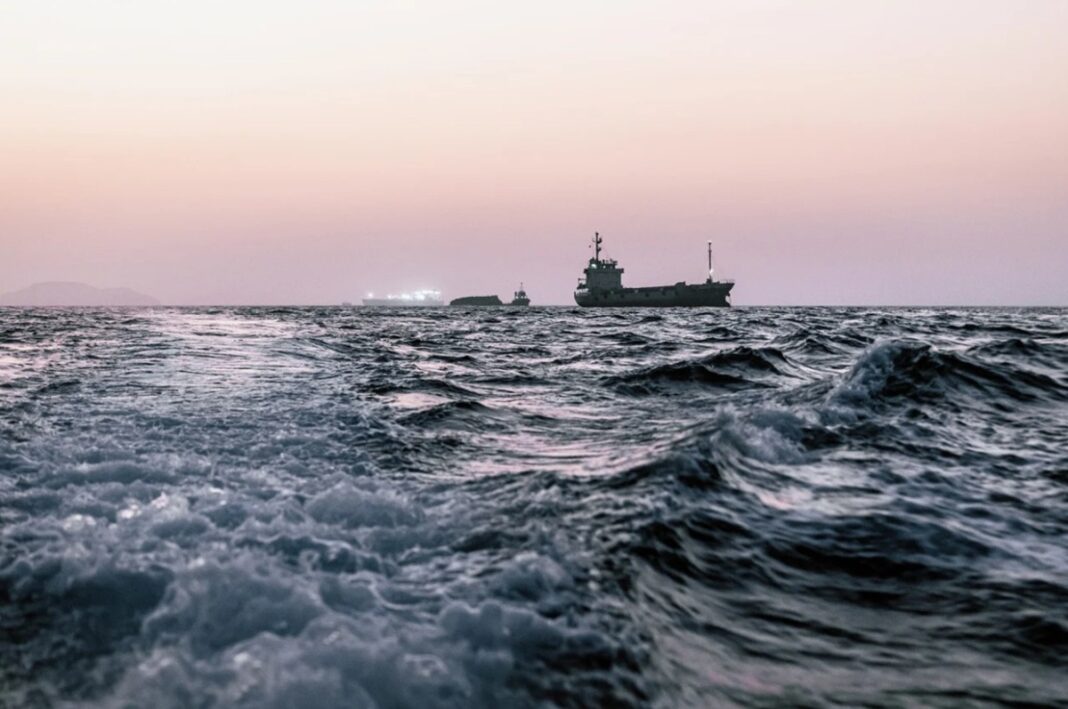
US Central Command said its latest strikes against Iranian military facilities were conducted after an Iranian drone attacked a commercial tanker in the Strait of Hormuz.
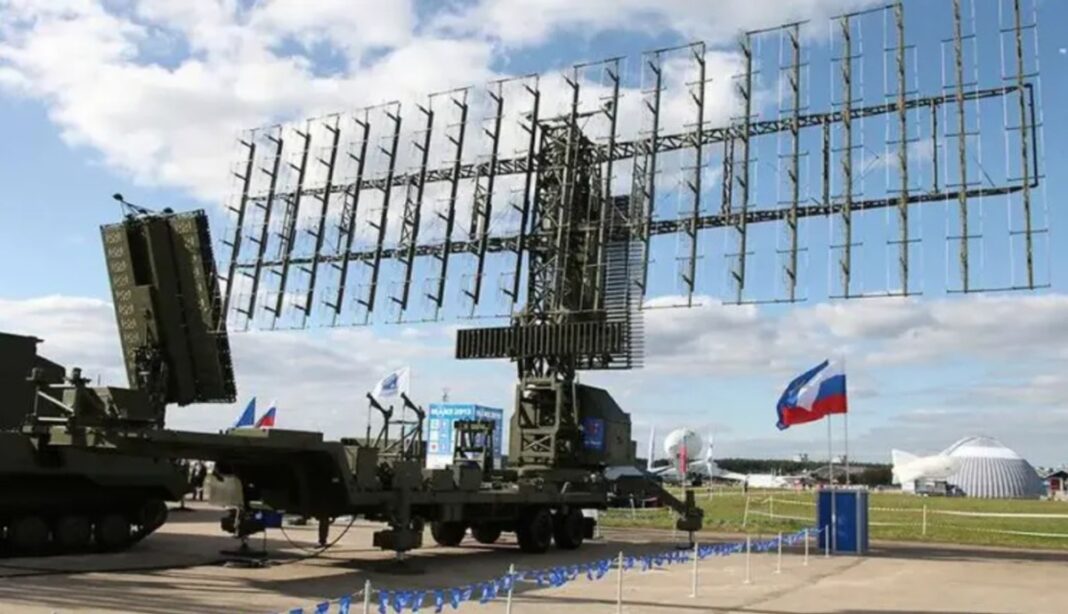
According to CENTCOM, the operation targeted Iranian surveillance systems, communications infrastructure, drone storage facilities, mine-laying capabilities, and air-defence assets involved in threatening commercial shipping.
Iran rejected Washington’s narrative.
Tehran insisted that responsibility for restoring maritime traffic rests exclusively with Iran and reiterated that foreign powers should not interfere in what it described as Iran’s administration of the Strait.
Iranian officials also continue advocating a future maritime management arrangement that would place greater operational responsibility on Tehran in coordination with neighbouring Gulf states.
Lebanon Remains the Biggest Obstacle to Peace
Even before the attacks on US bases, the ceasefire framework was already under pressure because of renewed fighting in Lebanon.
Israel confirmed that it had conducted strikes against Hezbollah fighters and rocket-launch positions in southern Lebanon only one day after a new ceasefire arrangement had been announced.
From Tehran’s perspective, Israeli military operations in Lebanon directly undermine the broader US-Iran agreement.
Iranian Foreign Minister Abbas Araghchi has repeatedly argued that ending Israeli military operations inside Lebanon remains an essential condition for sustaining the wider diplomatic framework.
The difficulty is that Israel is not formally a party to the US-Iran agreement.
This leaves Washington in the politically difficult position of attempting to preserve negotiations with Tehran while simultaneously supporting one of its closest regional allies.
Diplomacy Faces Its Toughest Test
Despite the latest violence, negotiators continue working through mediation led by Pakistan and Qatar.
Previous talks in Switzerland produced agreement on establishing a High-Level Committee overseeing negotiations, technical working groups on sanctions and nuclear issues, and a direct communication mechanism aimed at reducing incidents in the Strait of Hormuz.
Those diplomatic achievements now face their first major test.
Military escalation risks undermining months of painstaking negotiations before the more difficult issues—including sanctions relief, Iran’s nuclear programme, and regional security arrangements—can even be addressed.
What Happens Next?
The coming days are likely to determine whether the latest violence represents a temporary escalation or the collapse of the broader diplomatic process.
Both Washington and Tehran continue insisting they prefer negotiations to war.
Yet both sides also appear determined to preserve deterrence and avoid appearing strategically weak.
The result is an increasingly dangerous cycle in which military retaliation and diplomatic engagement now proceed simultaneously.
For the United States, protecting freedom of navigation through the Strait of Hormuz remains a strategic priority.
For Iran, maintaining leverage over the world’s most important energy corridor continues to be one of its strongest bargaining tools.
Meanwhile, Lebanon remains the most likely spoiler.
Unless fighting between Israel and Hezbollah is brought under control, even successful US-Iran negotiations may struggle to produce lasting regional stability.
The interim agreement was designed to create space for diplomacy.
Instead, it is now being tested by exactly the kind of military escalation it was intended to prevent.
Whether the current crisis ends in renewed negotiations or a wider regional war will depend on decisions made in Washington, Tehran, Jerusalem, and the Gulf capitals over the coming days.