The United States and Iran say they have reached an agreement that could reopen the Strait of Hormuz and end one of the Middle East’s most dangerous military confrontations in years.
If signed in Geneva as expected, the agreement could halt the US naval blockade of Iranian ports, reduce pressure on global energy markets, and potentially end a war that has shaken the regional balance of power.
But the harder question is not whether Washington and Tehran can sign an agreement.
It is whether they can actually implement one.
Despite public optimism from President Donald Trump, the reality is that any agreement between the United States and Iran now enters a far more difficult stage — one shaped by decades of hostility, technical complexity, domestic opposition, and profound strategic mistrust.
Trump Says the War Is Ending — But Key Questions Remain
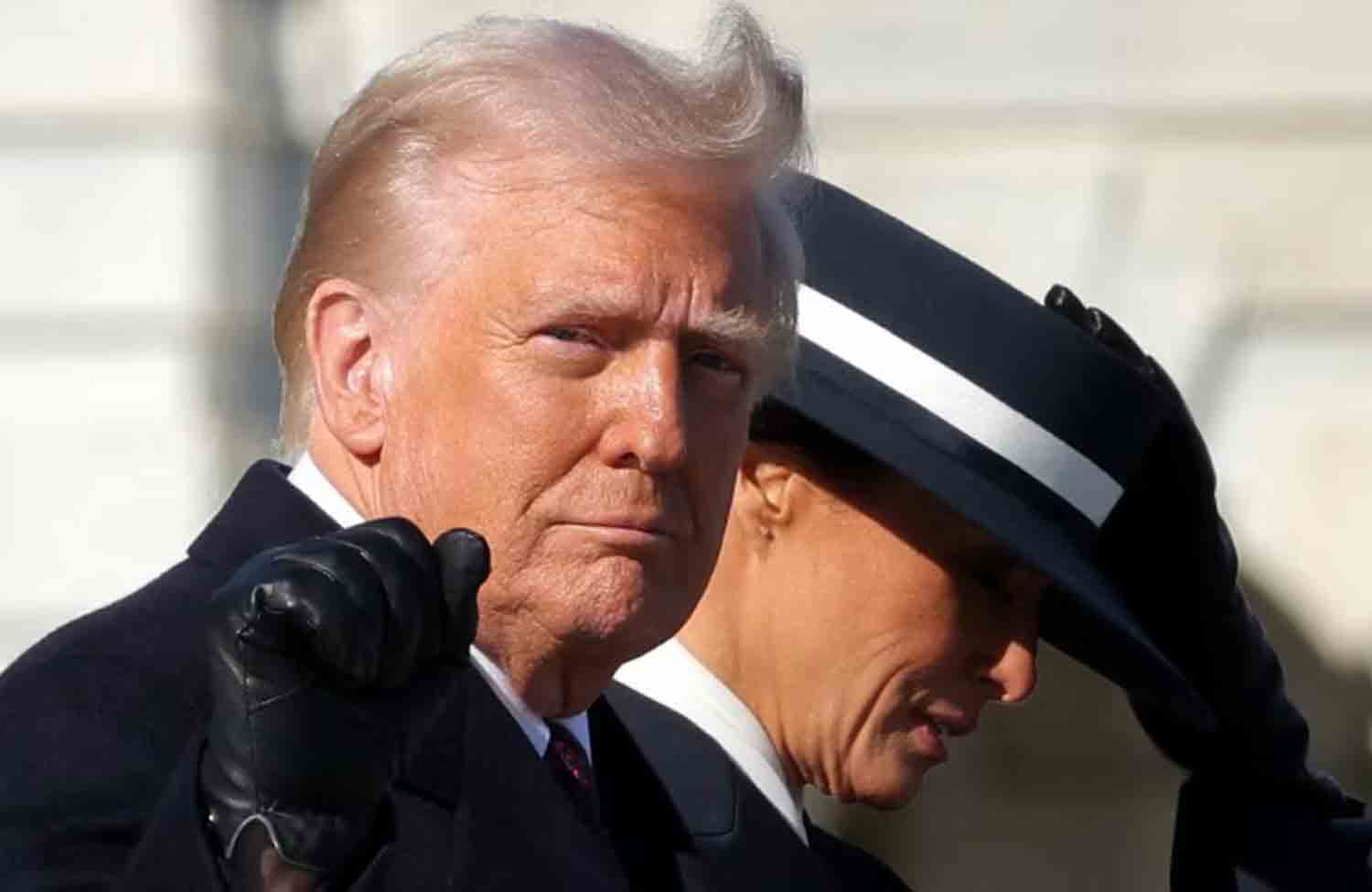
President Donald Trump has framed the reported agreement as a major diplomatic breakthrough capable of ending hostilities and reopening the Strait of Hormuz.
Yet Washington and Tehran appear to be offering different interpretations of what exactly comes next.
Iran has reportedly linked the deal to an end to fighting in Lebanon, while Israeli Defence Minister statements suggest military operations in southern Lebanon will continue regardless.
That contradiction matters.
Israeli strikes reportedly continued in Beirut just hours before the agreement announcement, provoking unusually public frustration from Trump toward Prime Minister Benjamin Netanyahu.
This highlights one of the agreement’s earliest vulnerabilities: implementation depends not only on Washington and Tehran but also on regional actors whose interests do not fully align.
Why the Strait of Hormuz Deal Matters
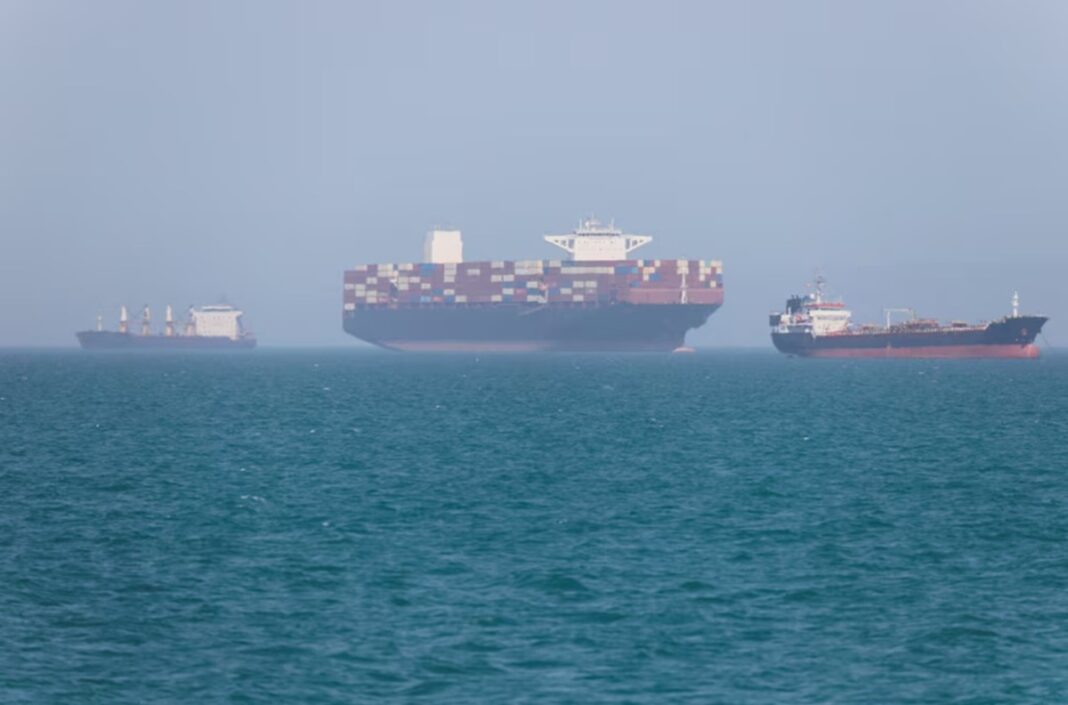
The immediate significance of any agreement centres on the Strait of Hormuz.
The strategic waterway handles a major share of global energy shipments, making prolonged disruption economically dangerous far beyond the Middle East.
The maritime industry has welcomed signs of de-escalation — cautiously.
Richard Meade, editor-in-chief of maritime publication Lloyd’s List, described shipping industry sentiment as closer to “wary disbelief” than celebration.
Even if the ceasefire holds, he warned, the strategic environment has fundamentally changed.
Iran’s months-long blockade demonstrated something global markets long feared: Tehran retains the ability to weaponise the Strait of Hormuz during major crises.
That lesson is unlikely to disappear quickly.
For shipping companies, insurers, and energy markets, risk calculations may remain permanently elevated even if traffic resumes.
Why the Hardest Negotiations Are Still Ahead
If Friday’s Geneva signing proceeds, negotiators will face an immensely difficult 60-day process.
And many analysts believe even that timeline may prove unrealistic.
Unlike a simple ceasefire agreement, Washington and Tehran must now untangle half a century of accumulated disputes involving military strategy, international law, nuclear oversight, sanctions, frozen assets, maritime security, and regional deterrence.
The list of unresolved issues remains daunting:
- Demining the Strait of Hormuz
- Sanctions waivers and legal implementation
- Access to frozen Iranian financial assets
- Oversight of Iran’s nuclear programme
- Uranium enrichment limits
- Management of highly enriched uranium stockpiles
- Verification mechanisms for compliance
Unlike the 2015 nuclear agreement, which took nearly two years of negotiations involving multiple world powers and specialist teams, the current process unfolds under the pressure of an active regional conflict and deep political distrust.
Why This Deal Looks Different From the 2015 Nuclear Agreement
Perhaps the most important difference lies in structure.
According to emerging Iranian accounts, Tehran appears determined to avoid repeating what it sees as the central flaw of the 2015 agreement: one-sided vulnerability.
Under the new framework, implementation reportedly becomes phased and reciprocal.
In simple terms, Iran may not move forward unless Washington first fulfils specific obligations.
This is strategically significant.
The issue Washington cares about most — Iran’s nuclear programme — reportedly shifts into second-phase negotiations.
That means Tehran first seeks sanctions relief, economic access, and practical implementation before major nuclear concessions move forward.
From Iran’s perspective, this creates leverage.
If Washington fails to comply, Tehran can quickly reverse measures such as reopening or restricting Hormuz without the political and technical costs associated with rebuilding suspended nuclear infrastructure.
This marks a notable shift from the post-2015 environment, when the United States withdrew from the agreement in 2018 while Iran had already implemented major commitments.
The Politics of Mistrust
Even if negotiators reach technical compromises, politics may still derail implementation.
The agreement faces opposition across multiple fronts.
Inside Israel, many officials remain sceptical of any arrangement leaving Iran’s nuclear capability partially intact.
Inside Iran, hardliners may resist concessions seen as rewarding American pressure.
And in Washington, critics will likely argue the deal rewards Iranian defiance after months of confrontation.
That political pressure could become especially intense if sanctions relief begins flowing before visible nuclear restrictions emerge.
Trump himself may also face a credibility challenge.
Unlike the Obama administration’s 2015 agreement, this deal must appear clearly different — and, in Trump’s view, superior — to an accord he repeatedly criticised as “one of the worst deals ever made.”
A Necessary Compromise, Not a Strategic Victory
The broader reality may be simpler than political messaging suggests.
Neither side appears to have achieved decisive strategic success.
Military pressure failed to force Tehran into abandoning its core positions.
At the same time, Iran faced substantial economic strain and growing risks of wider conflict.
This makes the emerging framework look less like a clean diplomatic victory and more like a reluctant compromise born from battlefield realities.
The military option appears to have reached practical limits.
Washington struggled to fully secure Hormuz or eliminate Iran’s enriched uranium stockpile.
Tehran, meanwhile, faced sustained economic pressure and military vulnerability.
Under those conditions, phased diplomacy increasingly became the least costly option available.
The Bottom Line
The struggle between Iran and the United States is far from over.
What appears to be emerging is not a final settlement, but a structured pause — one built on gradual implementation, verification, and reciprocal commitments.
The real test begins after signatures are placed on paper.
Can Washington and Tehran sustain trust long enough to move beyond immediate crisis management?
Or will old grievances, regional spoilers, and domestic political pressure unravel the agreement before it reaches its second phase?
For now, one thing seems increasingly clear:
Ending a war is often easier than building a peace capable of surviving it.