US President Donald Trump has declared that the United States has “ended the war with Iran,” announcing what he described as a “great settlement” that could reopen the Strait of Hormuz and potentially bring one of the Middle East’s most dangerous crises to a close.
Trump suggested that a signing ceremony could take place in Europe within days and said Vice President JD Vance may attend, signalling confidence that diplomacy is finally moving forward after months of military escalation.
But despite the optimism coming from Washington, serious questions remain over whether a deal actually exists — and if it does, whether it can survive the profound mistrust between Tehran and Washington.
Iran’s Foreign Ministry has already poured cold water on expectations, with a spokesperson describing reports of an agreement as “merely speculation” and insisting that no final decision has yet been taken.
That caution matters.
Trump has repeatedly predicted imminent breakthroughs throughout the conflict, only for negotiations to stall or tensions to intensify.
What Is the Reported 14-Point Iran Deal?
According to Iran’s Mehr News Agency, citing a source described as close to Tehran’s negotiating team, discussions are centred around a reported 14-point memorandum of understanding that could temporarily halt the crisis while postponing the most difficult issues for future negotiations.
The reported framework allegedly includes:
- A permanent and immediate halt to war across multiple fronts, including Lebanon
- Reopening the Strait of Hormuz within 30 days under Iranian arrangements
- Suspension of the reported US naval blockade
- Limited sanctions relief for Iranian oil and petrochemical exports
- Release of billions of dollars in frozen Iranian funds
- A 60-day negotiation framework focused primarily on nuclear issues and sanctions removal
- Iran reaffirming its commitment not to build nuclear weapons under the Nuclear Non-Proliferation Treaty (NPT)
Perhaps most significantly, reports suggest contentious issues such as Iran’s missile programme and support for regional armed groups may have been removed from immediate negotiations.
That detail alone would likely generate intense political debate in Washington and among US regional allies.
Still, Iranian officials stress that the text remains under internal review and has not been finalised.
Meanwhile, the White House has yet to publicly release detailed terms of any agreement.
Why the Strait of Hormuz Is Central to the Deal
One of the clearest drivers pushing diplomacy forward may be the Strait of Hormuz.
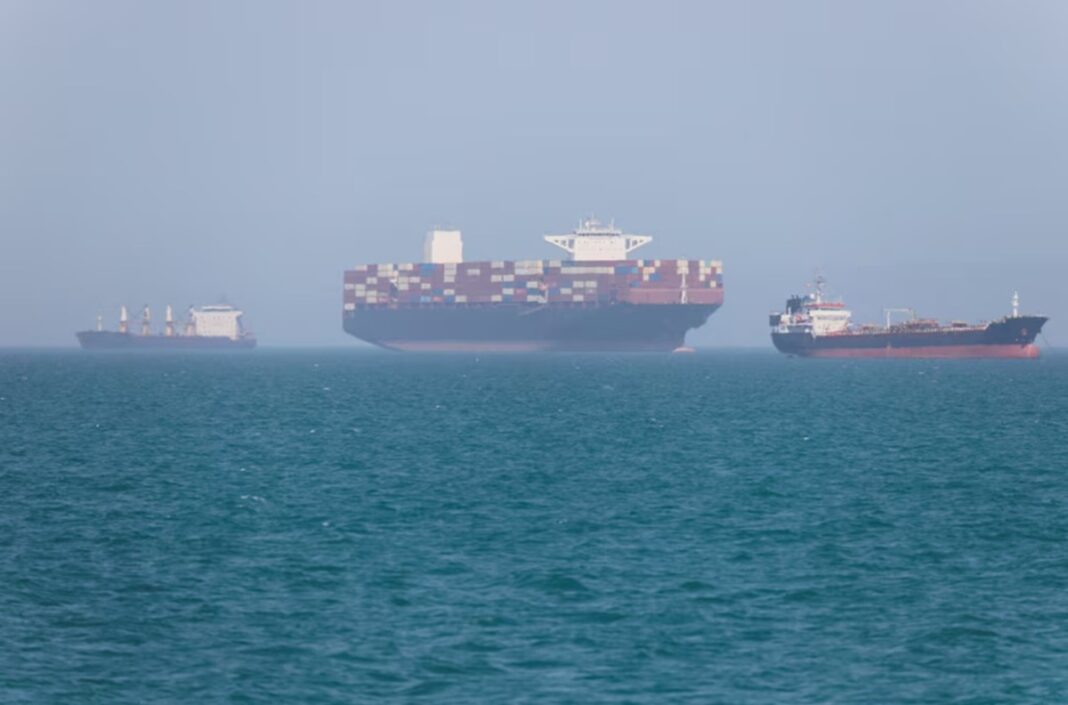
The strategic maritime chokepoint carries a substantial portion of the world’s oil shipments, making any prolonged disruption economically dangerous far beyond the Middle East.
The conflict has already fuelled fears of a wider energy crisis, contributing to higher oil prices, inflation concerns, and growing pressure on global markets.
A workable arrangement reopening Hormuz while reducing risks of further escalation would therefore carry enormous strategic and economic significance.
From Washington’s perspective, stabilising maritime traffic may have become an urgent necessity.
For Tehran, control over Hormuz remains one of its most powerful strategic leverage points.
Why Trump May Have Few Good Alternatives
The broader political reality confronting Washington may explain why negotiations appear increasingly attractive.
After months of military confrontation, the administration appears to have encountered several difficult constraints.
According to growing assessments among analysts, the United States struggled to fully prevent Iranian threats against maritime traffic and could not reliably eliminate Iran’s stockpile of roughly 440 kilograms of uranium enriched to 60%.
That limitation matters because military pressure alone failed to resolve core strategic problems.
Washington found itself confronting an increasingly uncomfortable choice:
- Prolong a costly conflict with uncertain outcomes
- Accept continued regional escalation
- Pursue an imperfect diplomatic arrangement
Viewed through that lens, the emerging agreement increasingly resembles a compromise born of strategic necessity rather than diplomatic preference.
Why Many Experts Remain Skeptical
Despite Trump’s confidence, many analysts remain cautious.
Political scientist Robert Pape told CNN that the conflict appears closer to a “middle game” than an actual endgame.
Similarly, Seth Jones of the Center for Strategic and International Studies warned there remains “no reliable evidence” confirming a final deal exists or would ultimately hold if reached.
Skepticism also stems from Trump’s negotiating history.
The president has publicly declared imminent agreements with Iran dozens of times during the conflict, often only to see diplomacy unravel.
That history makes verification essential.
Until formal texts emerge and implementation begins, many observers are likely to treat announcements cautiously.
Why Tehran Appears Unlikely to Surrender Core Demands
Another major factor shaping negotiations is Iran’s negotiating posture.
Military pressure does not appear to have fundamentally altered Tehran’s core demands.
Iranian leaders have repeatedly signalled unwillingness to surrender issues they consider central to national sovereignty, particularly uranium enrichment and sanctions relief.
From Tehran’s perspective, economic pressure, naval restrictions, and military threats reinforced the belief that compromise without guarantees would simply weaken Iran strategically.
This suggests Washington faced limited leverage despite military escalation.
In practical terms, Iran appears to have calculated that it could absorb costs longer than Washington was politically willing to sustain the conflict.
A Historic Breakthrough — Or a Temporary Pause?
If a verifiable agreement ultimately emerges, it could represent one of the most consequential diplomatic breakthroughs in years.
Ending the war, reopening the Strait of Hormuz, stabilising energy markets, and establishing a framework for nuclear negotiations would carry major global implications.
It could also save lives — from American personnel and Israeli civilians to Iranians caught in the conflict.
But there is an equally plausible alternative scenario.
The reported agreement may simply postpone the hardest disputes rather than resolve them.
Questions surrounding Iran’s enriched uranium stockpile, sanctions, missile capabilities, and regional influence networks remain unresolved.
That means diplomacy may still be entering a fragile transition phase rather than reaching a final settlement.
The Bottom Line
For now, Trump’s declaration that the war with Iran has ended should be viewed with cautious realism.
The outlines of a diplomatic framework may be emerging.
But the gap between political announcements and durable agreements remains significant.
This appears less like a clean diplomatic victory and more like a reluctant compromise reached after both sides confronted the limits of military pressure.
In that sense, if a deal ultimately materialises, it may not be remembered as an agreement born of trust or strategic alignment.
It may instead be remembered as an agreement born of necessity.