


U.S. President Donald Trump declared on Wednesday that the Memorandum of Understanding (MoU) between the United States and Iran is effectively “over,” signaling the collapse of recent diplomatic efforts after a sharp escalation in military tensions across the Middle East.
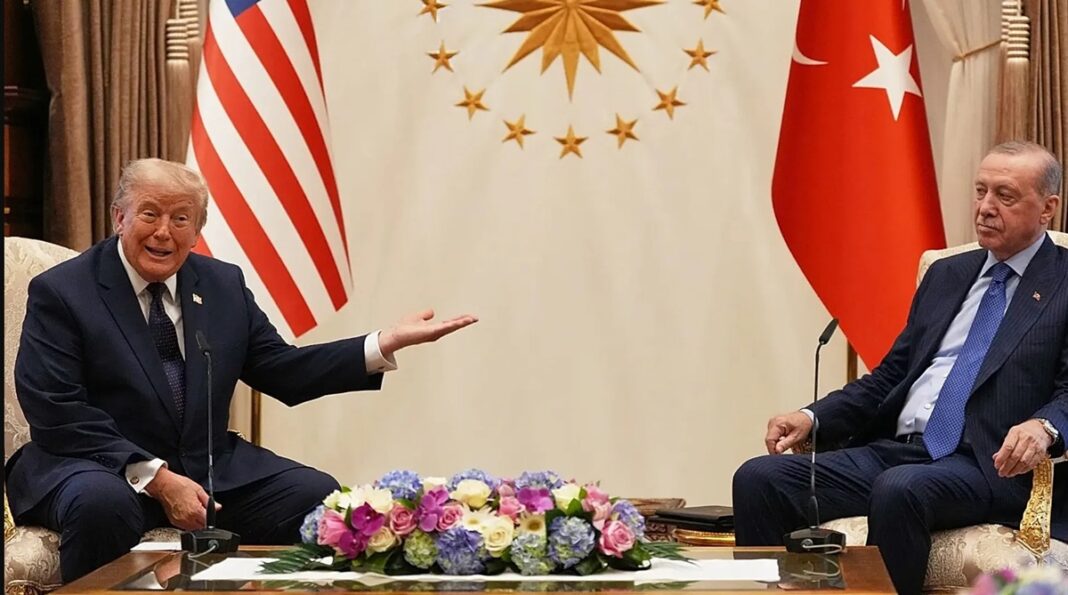
Speaking on the sidelines of the NATO summit in Ankara, Turkey, Trump dismissed continued negotiations with Tehran as “a waste of time” following Iranian missile and drone attacks targeting U.S. military installations in Bahrain and Kuwait.
BREAKING: Trump says he thinks Iran ceasefire is over:
“I don’t wanna deal with them, they’re scum, they’re sick people.” pic.twitter.com/IS4dDCwdbr
— Conflict Radar (@Conflict_Radar) July 8, 2026
The remarks mark the clearest indication yet that Washington’s latest diplomatic initiative with Tehran has unraveled, raising fresh concerns about regional stability, global energy markets, and the future of nuclear negotiations.
Trump Says Diplomacy With Iran Is ‘A Waste of Time’
Addressing reporters before NATO meetings, Trump expressed deep frustration with Iran’s recent military actions.
“It’s a waste of time dealing with them.”
The U.S. president described Iran’s leadership in unusually harsh terms, calling them “evil, sick people” and accusing Tehran of violating the ceasefire framework established only weeks earlier.
Trump said U.S. negotiators could continue discussions if they wished but made clear he had little confidence that diplomacy would succeed.
“We’ll let them keep talking if they want, but we’re wasting time.”
Using forceful language, Trump compared Iran’s actions to a spreading disease.
“We have to rid their cancer. You’ve got to cut out cancer early.”
His comments suggest Washington is preparing for a more confrontational approach after weeks of increasingly strained relations.
Iran Launches Missile and Drone Strikes
Trump’s remarks came shortly after Iran’s Islamic Revolutionary Guard Corps (IRGC) announced it had launched missiles and drones against 85 U.S. military targets across Bahrain and Kuwait.
According to Iranian officials, the attacks were retaliation for recent U.S. airstrikes on military sites inside Iran and Washington’s decision to reimpose sanctions on Iranian oil exports.
The strikes represent one of the largest direct attacks against U.S. military facilities in the Gulf in recent years and significantly heighten the risk of broader regional conflict.
Strait of Hormuz Attacks Raise Global Energy Concerns
Trump also accused Iran of targeting commercial shipping in the Strait of Hormuz, one of the world’s most strategically important maritime chokepoints.
The narrow waterway carries roughly one-fifth of global oil supplies, making any disruption a major concern for international energy markets.
Recent attacks on commercial vessels have already pushed global oil prices higher as traders fear prolonged instability in the Gulf.
The United States says its latest military operations and renewed sanctions were intended as a response to those maritime attacks.
Memorandum Appears to Have Collapsed
The Memorandum of Understanding signed only weeks earlier had been viewed as an initial framework aimed at reducing tensions while creating space for broader negotiations over Iran’s nuclear program.
One of its key provisions temporarily allowed Iran greater access to international oil markets.
However, Washington has since reversed that policy by reinstating sanctions on Iranian oil exports, a move that Tehran says effectively undermined the agreement.
Trump’s latest statement that the deal is “over” appears to confirm that both sides have largely abandoned the framework.
Nuclear Negotiations Face Uncertain Future
Although Trump dismissed ongoing diplomacy, he stopped short of formally ending negotiations.
A U.S. negotiating team reportedly led by Vice President JD Vance had been working under a 60-day timeline to secure technical agreements limiting Iran’s nuclear activities.
Those talks had progressed slowly and focused primarily on implementing the Memorandum of Understanding signed in June.
With military tensions now escalating, the prospects for reviving broader nuclear negotiations appear increasingly uncertain.
Pakistan and Qatar Face Diplomatic Challenge
Pakistan and Qatar, which reportedly played key mediation roles during negotiations between Washington and Tehran, are now expected to intensify diplomatic efforts to prevent a complete collapse of the agreement.
Both countries have maintained communication channels with the United States and Iran throughout the recent crisis and could again serve as intermediaries if both sides decide to return to negotiations.
Diplomatic observers say their role may become increasingly important as regional tensions continue to rise.
Israel Closely Watching Washington’s Position
Trump’s comments are also likely to be closely examined by Israel.
Israeli Prime Minister Benjamin Netanyahu has consistently expressed skepticism about diplomatic engagement with Iran and has argued that military pressure remains necessary to counter Tehran’s regional influence and nuclear ambitions.
Analysts believe Israel could interpret Trump’s remarks as a sign that Washington may be less committed to diplomacy, potentially affecting future military operations involving Iran or Iranian-backed groups across the Middle East.
Gulf States Condemn Iranian Attacks
The latest Iranian strikes have drawn criticism from Gulf Arab governments.
A senior adviser to the President of the United Arab Emirates, Anwar Gargash, condemned attacks on commercial shipping and Gulf states, arguing they demonstrate Tehran’s failure to commit to regional de-escalation.
He said repeated attacks against Bahrain, Kuwait, and commercial vessels in the Strait of Hormuz threaten regional stability and place Gulf nations at unacceptable risk.
Gargash urged Iran to abandon military escalation and return to diplomatic engagement.
Tehran Blames Washington for Escalation
Iran’s Foreign Ministry rejected U.S. accusations and instead blamed Washington for the latest deterioration in relations.
In an official statement, Tehran said recent U.S. military strikes inside Iran, renewed oil sanctions, and continued regional military operations had rendered major parts of the previous agreement ineffective.
Iran also accused the United States of violating its commitments under the memorandum and described Washington’s actions as treaty-breaking.
Officials in Tehran insist their missile and drone strikes were conducted in response to U.S. military actions rather than as an attempt to widen the conflict.
Regional Security and Oil Markets Under Pressure
The renewed exchange of military strikes has increased concerns about wider instability across the Middle East.
Energy analysts warn that any prolonged disruption to shipping through the Strait of Hormuz could have significant consequences for global oil supplies, inflation, and international trade.
Military analysts also caution that continued exchanges between U.S. and Iranian forces raise the possibility of miscalculation, potentially drawing additional regional actors into the conflict.
Outlook
President Trump’s declaration that the U.S.-Iran Memorandum of Understanding is effectively over marks a significant setback for recent diplomatic efforts aimed at easing tensions between Washington and Tehran.
With missile attacks, renewed sanctions, military retaliation, and stalled nuclear negotiations all unfolding simultaneously, the Middle East appears to be entering another period of heightened uncertainty.
Whether diplomatic mediators can revive negotiations—or whether the crisis escalates into a broader regional confrontation—will likely shape the security landscape of the Gulf and beyond in the months ahead.


[…] Trump Declares Iran Memorandum ‘Over’ After Regional Strikes, US-Iran Tensions Escalate […]