Wednesday, April 22, 2026
Home Blog Page 111

Syrian opposition forces claim to have liberated Damascus, asserting that Bashar al-Assad has fled the capital

0
An anti-government fighter tears down a portrait of Syria's President Bashar al-Assad in Aleppo, after jihadists and their allies entered the northern Syrian city.

Syria’s rebel factions assert that they have successfully entered Damascus, with a source close to the situation informing CNN that operatives are establishing significant positions within the capital. “From a military standpoint, Damascus has fallen,” the source stated, following a rapid offensive by the rebel coalition across the nation.

According to a source, Syrian President Bashar al-Assad is currently unaccounted for in Damascus; however, officials from Syria‘s presidential office and Iranian representatives insist that he remains in the capital. U.S. officials have indicated  that his regime may be on the verge of collapse. The rebels report that they are in communication with high-ranking officers from the Assad regime who are contemplating defection.

Additionally, Syrian rebels have announced the “full liberation” of Homs, the country’s third-largest city, just over a week after seizing Aleppo. Residents have been observed removing posters of Assad, evoking memories of the pro-democracy demonstrations that took place during the Arab Spring over a decade ago.

On Sunday, rebel forces in Syria proclaimed Damascus “free,” asserting that Bashar al-Assad has abandoned the capital, as stated in a message released by the Military Operations Command on Telegram.

“We declare the city of Damascus liberated from the tyrant Bashar al-Assad,” the statement read.

“To all those displaced around the world, a free Syria awaits you,” it continued.

The rebels had previously claimed to have entered the capital and taken control of the infamous Saydnaya Military Prison located north of Damascus.

Syria’s military leadership has informed its officers that the 24-year authoritarian regime of President Bashar al-Assad has come to an end, according to a Syrian officer who spoke to Reuters. This announcement follows a swift offensive by rebel forces that caught the international community off guard.

Rebels declared that Damascus is “now free of Assad.” Reports indicate that the leader, who has suppressed all opposition, departed from Damascus for an undisclosed location on Sunday, as two senior military officials confirmed to Reuters that rebels had entered the capital without any visible military presence.

Witnesses reported that thousands gathered in a central square in Damascus, celebrating and chanting “Freedom” in response to the end of the Assad family’s long-standing rule. The rebels expressed their joy, stating, “We celebrate with the Syrian people the news of freeing our prisoners and releasing their chains and announcing the end of the era of injustice in Sednaya prison.” Sednaya prison, located on the outskirts of Damascus, has been notorious for holding thousands of detainees.

Around the time reports emerged of the capital being overtaken by rebels, a Syrian Air plane departed from Damascus airport, as indicated by data from the Flightradar website. The aircraft initially headed towards Syria’s coastal region, a stronghold of Assad’s Alawite sect, but then made a sudden U-turn and flew in the opposite direction before vanishing from radar. Reuters has not yet been able to confirm the identity of those on board.

The leader of Syria’s primary opposition group abroad, Hadi al-Bahra, announced on Sunday that Damascus is now “without Bashar al-Assad.” As Syrians celebrated this development, Prime Minister Mohammad Ghazi al-Jalali expressed his readiness to support the ongoing governance and collaborate with any leadership that the Syrian populace selects.

For years, the frontlines of Syria’s intricate civil war had been relatively quiet. However, Islamist factions previously linked to Al Qaeda have recently re-emerged, presenting a significant challenge to Assad, who had managed to endure years of intense conflict and international isolation with the backing of Russia, Iran, and Hezbollah from Lebanon. Yet, as these allies became preoccupied with other crises, Assad found himself increasingly vulnerable to his adversaries.

Just hours before entering Damascus, rebel forces declared their complete control over the crucial city of Homs after a mere day of combat, putting Assad’s 24-year regime in jeopardy. Following the army’s withdrawal from the central city, thousands of Homs residents took to the streets, celebrating with chants of “Assad is gone, Homs is free” and “Long live Syria and down with Bashar al-Assad.” Rebels celebrated by firing into the air, while young people removed posters of the Syrian president, whose grip on territory has rapidly deteriorated in a tumultuous week of military setbacks.

The capture of Homs has granted the insurgents control over Syria’s strategic core and a vital highway junction, effectively isolating Damascus from the coastal region, which serves as the stronghold of Assad’s Alawite sect and is home to Russian naval and air bases.

The capture of Homs serves as a significant emblem of the rebel movement’s resurgence in the 13-year-long conflict. Much of Homs was devastated by intense siege warfare between the rebels and government forces in previous years, which ultimately weakened the insurgents and led to their expulsion.

Abu Mohammed al-Golani, the leader of Hayat Tahrir al-Sham, described the recapture of Homs as a pivotal moment and urged combatants to spare “those who lay down their arms.” In a notable development, rebels liberated thousands of prisoners from the city’s jail, while security personnel fled rapidly, incinerating their documents in the process.

Syrian rebel commander Hassan Abdul Ghani announced early Sunday that efforts were underway to “fully liberate” the areas surrounding Damascus, with rebel forces setting their sights on the capital. In one neighborhood, a statue of Hafez al-Assad, the former president and father of the current leader, was toppled and destroyed.

Beyond the city limits, rebels advanced rapidly across the entire southwestern region within a span of 24 hours, establishing their control.

EXISTENTIAL THREAT TO ASSAD RULE

The swift developments have taken Arab capitals by surprise and heightened concerns about a potential resurgence of regional instability. A joint statement from Qatar, Saudi Arabia, Jordan, Egypt, Iraq, Iran, Turkey, and Russia characterized the crisis as a perilous situation and called for a political resolution. The civil war in Syria, which began in 2011 as a revolt against Assad’s regime, has drawn in major foreign powers, provided a breeding ground for jihadist groups to orchestrate global attacks, and resulted in millions of refugees fleeing to neighboring countries.

Hayat Tahrir al-Sham, the most powerful rebel faction, is the former al-Qaeda affiliate in Syria, which the United States and other nations classify as a terrorist organization. Many Syrians continue to express concerns about the potential for the group to enforce strict Islamist governance.

Golani has made efforts to reassure minority communities that their rights will be respected and has communicated to the international community his opposition to Islamist violence beyond Syria’s borders. In Aleppo, recently captured by the rebels, there have been no reports of retaliatory actions.

When asked on Saturday about his trust in Golani, Russian Foreign Minister Sergei Lavrov remarked, “The proof of the pudding is in the eating.”

THE ROLE OF ALLIES IN SUPPORTING ASSAD

Assad’s prolonged rule has depended on the support of allies to suppress the rebels. Russian airstrikes have targeted opposition positions, while Iran has deployed allied forces, including Hezbollah and Iraqi militias, to strengthen the Syrian military and assault insurgent strongholds.

However, since 2022, Russia has shifted its focus to the conflict in Ukraine, and Hezbollah has incurred significant losses in its ongoing struggle with Israel, which has greatly diminished both its and Iran’s capacity to support Assad. U.S. President-elect Donald Trump has stated that the United States should refrain from involvement in the conflict and allow it to unfold naturally.

Trump says U.S. should avoid involvement in the Syrian conflict

0

President-elect Donald Trump stated on Saturday that the United States should refrain from engaging in the Syrian conflict, where rebel groups are challenging the regime of President Bashar al-Assad.

Syria is chaotic and not an ally of ours; THE UNITED STATES SHOULD STAY OUT OF IT. THIS IS NOT OUR CONCERN. LET IT UNFOLD. AVOID INVOLVEMENT!” Trump expressed in a message on his social media platform, Truth Social.

He noted that Russia, an ally of Assad, is currently preoccupied with its war in Ukraine, which “appears unable to halt the ongoing situation in Syria, a nation they have supported for many years.”

Trump suggested that if Russia were to withdraw from Syria, it “could potentially be beneficial for them,” as “there has never been significant advantage for Russia in Syria.”

His remarks seemed to indicate his disapproval of the approximately 900 U.S. troops stationed in Syria, primarily in the northeast, where they have been assisting a Kurdish-led coalition in countering the resurgence of Islamic State militants.

In 2018, during his first term, Trump announced his desire to withdraw U.S. forces, citing the near defeat of the Islamic State. However, he delayed this decision after advisors cautioned that a withdrawal could create a power vacuum likely to be exploited by Iran and Russia.


Oreshniks are set to be stationed in Belarus: Current information available

0

Following the signing of security agreements in Minsk by the presidents of Russia and Belarus, Alexander Lukashenko inquired with Vladimir Putin about the possibility of acquiring advanced Oreshnik missiles from Moscow. Putin indicated that these missiles could be stationed in Belarus by the latter half of 2025, coinciding with the system’s full operational capability. The Oreshnik missiles are designed to carry kinetic warheads that can strike at hypersonic speeds, reaching up to Mach 10. Russia has previously stationed nuclear weapons in Belarus and has extended its nuclear defense commitments to include Belarus as part of their Union State alliance.

For a detailed overview of the announcement made in Minsk, please refer to the official summary.

As anticipated, the Oreshnik missile may indeed be deployed in Belarus.

We advise reviewing the official transcript rather than relying solely on media reports.

Here are some noteworthy points to consider:

1. The deployment decision was initiated by a request from Belarus.

2. This decision stems from the security guarantees agreement signed today, and we await the complete text.

3. The Oreshnik missile will remain under the jurisdiction of Russia’s Strategic Missile Forces (RSMF).

4. The deployment will utilize infrastructure from the Soviet era, which is expected; however, the condition of this infrastructure requires further evaluation, and there are concerns regarding potential costs.

5. It remains unclear how the Belarusian leadership will select and communicate targets to specific missile regiments of the RSMF. It appears that while Belarus may have some influence in target selection, the ultimate decision-making authority likely resides with another entity, possibly serving in an advisory capacity without voting rights.

6. A significant question also arises regarding the structure of the combat control system that will be integrated with the new medium-range missiles.

7. It is indeed accurate that the power of the warhead is inversely proportional to its range, a fact that South Korea can corroborate.

8. Our aim is to analyze the results of a group strike utilizing high-precision non-nuclear weapons in comparison to nuclear weapons, emphasizing the capability to target specific types of objectives rather than the extent of destruction each weapon can inflict.

9. It is important to highlight that the deployment is scheduled for the latter part of 2025. We believe that Russia has allowed Donald Trump’s administration approximately six months to pursue a productive dialogue regarding the moratorium.

Lavrov states that employing terrorists for geopolitical objectives is unacceptable

0
Russian Foreign Minister Sergey Lavrov

Russian Foreign Minister Sergey Lavrov has stated that utilizing terrorist groups to achieve geopolitical objectives, as seen with the Hayat Tahrir al-Sham faction in Syria, is unacceptable.

“We firmly believe that employing terrorists like Hayat Tahrir al-Sham for geopolitical purposes is inadmissible, particularly as it pertains to the current offensive in the Idlib de-escalation zone,” Lavrov remarked on Sunday following discussions with his Iranian and Turkish counterparts in Qatar.

The foreign ministers of Türkiye, Iran, and Russia convened in Doha on Saturday to address the rapid advances made by rebel forces in Syria.

The militant organization Hayat Tahrir al-Sham (HTS), which is linked to Jabhat al-Nusra, along with its allies, initiated a sudden offensive against Syrian government troops last week, seizing significant territories, including areas in Aleppo and the city of Hama. In response, the Syrian military has repositioned forces to vulnerable areas, aided by Russian air support.

Earlier this week, Lavrov indicated that the HTS offensive might be receiving backing from the US and the UK, underscoring that Moscow is collaborating with Türkiye and Iran to restore stability in the region.

President Bashar Assad has pledged to eradicate the “terrorists” responsible for attacks on the nation and to hold accountable their “sponsors and supporters,” following reports that militants have received training from Ukrainian military intelligence.

According to Syrian media, government forces have successfully neutralized approximately 2,500 terrorists, aided by Russian air support.

The Syrian military has indicated that state-affiliated troops in the Daraa and Suwayda regions of southern Syria have been repositioned to create a robust and unified defensive perimeter aimed at thwarting terrorist assaults on checkpoints. The military characterized these incursions as efforts to distract Damascus from the situations in Homs and Hama.

Since 2011, the government has been involved in multiple localized conflicts, initiated by various anti-government factions attempting to oust Assad. Jihadist groups, particularly those receiving foreign military support, have become prominent among the opposition and have been classified by the US and other Western nations as “moderate rebels.”

In 2015, Russia intervened in the conflict at the request of the Syrian government, assisting Assad’s forces in regaining control over a significant portion of the country.

In 2017, Türkiye, Iran, and Russia reached an agreement to uphold Syria’s territorial integrity and work towards concluding the war instigated by anti-government insurgents.

Syria’s opposition claims to be surrounding Damascus, but the military denies any withdrawal

0
A Syrian opposition flag flies above a market square in central Aleppo.

Syria’s rebel coalition is advancing towards the capital, Damascus, following a rapid offensive that has seen anti-regime forces make significant gains across the nation.

The rebels have announced the commencement of their “final phase” to encircle the capital. In response, the Syrian army has rejected claims of retreat, accusing the rebels of inciting fear among the populace.

In the southern region, a fresh uprising has emerged in Daraa province, where rebels assert they have taken control of a key military base as they move closer to the capital.

Meanwhile, on Syria‘s western front, rebel forces are hastening towards the significant city of Homs, prompting residents to evacuate in anticipation of potential clashes between anti-regime and government troops.

On Saturday, opposition fighters infiltrated the town of Kanaker, located in the outskirts of Damascus, as the rebel coalition continued its approach to the capital.

Footage geolocated by CNN captures the sound of gunfire, followed by armed individuals raising their weapons skyward.

The rebel coalition is engaged in combat with the forces of President Bashar al-Assad from both the northern and southern extremes of the country, effectively surrounding Damascus.

While the rebels’ assertion of encircling the capital has not been independently verified by CNN, it coincides with observable progress in the southwestern city of Daraa, the epicenter of the uprising that began in 2011.

Further north, armed rebel factions entered the central city of Palmyra on Saturday, as anti-regime forces navigated through areas controlled by the government during a 10-day offensive.

In video footage geolocated by CNN, armed men are seen traversing a dusty, open path. Palmyra, known for its archaeological significance dating back to the Neolithic era, is a key landmark in the region.

Syria’s President Bashar al-Assad missed a critical opportunity to mend his relationship with the Syrian populace during a time when the civil war had subsided, as stated by Qatari Prime Minister Mohammed bin Abdulrahman Al Thani.

“We had a chance during that period of relative calm in the conflict, yet Assad failed to take that opportunity to engage with and rebuild trust among his people,” Al Thani remarked during a discussion with CNN’s Christiane Amanpour at a conference in Doha, the capital of Qatar.

“We did not observe any significant efforts regarding the repatriation of refugees or reconciliation with his citizens,” he added.

Currently, rebel forces in Syria are rapidly advancing to reclaim cities that were under Assad’s control in both the northern and southern regions of the country. In the last ten days alone, opposition troops have taken at least four cities.

The Qatari prime minister, who also holds the position of foreign minister, noted that “the speed and effectiveness of their advances have surprised everyone globally.”

Al Thani emphasized the need for a political and sustainable resolution to the ongoing crisis.

“Our concerns are that this situation could lead us back into cycles of internal strife and civil war, jeopardizing Syria’s territorial integrity,” he stated. “Without a sense of urgency to establish a political framework for the current situation, it will inevitably harm and devastate what remains.”

Following the capture of Aleppo and Hama, Syrian rebel forces are now advancing rapidly from the north towards the significant city of Homs, prompting residents to evacuate in anticipation of possible confrontations between opposition and government troops.

In a different region, various rebel factions are engaged in combat against the forces of Syrian President Bashar al-Assad in the southern part of the country.

These opposition groups assert that they have gained control of Daraa city in southwestern Syria, bringing them closer to the capital, Damascus.

Additionally, rebel factions representing the Druze community in the nearby city of as-Suwayda have initiated an offensive against regime forces in that area.

The southern factions differ from those in the north, which are led by the Islamist group Hayat Tahrir al-Sham (HTS), responsible for the recent captures of Aleppo and Hama during their offensive that began over a week ago. Nevertheless, all these groups share a common objective: the overthrow of Assad.

Implications of the Syrian uprising for the power dynamics in the Middle East

0
Syrian anti-government fighters celebrate as they pour into the captured central-west city of Hama.

Global stakeholders are now faced with the geopolitical ramifications of a rebel offensive spearheaded by an Islamist faction in Syria, which poses a potential threat to President Bashar al-Assad’s grip on power.

Syrian rebels have rapidly advanced in the northern region, capturing two significant cities: Aleppo, the nation’s second-largest city, and Hama, a city of strategic importance located along a crucial supply route. The rebels have indicated their intention to push further south towards Homs, which is situated just over 100 miles from the capital, Damascus.

Abu Mohammad al-Jolani, a former Al Qaeda operative now leading the rebellion, stated in a CNN interview on Thursday, “When we discuss our objectives, the ultimate aim of the revolution is to dismantle this regime. We have the right to employ all means necessary to achieve that aim.”

Although Assad faces numerous adversaries both regionally and internationally, his removal may not be universally welcomed.

Western nations, Arab states, and Israel are keen to diminish Iran’s influence in Syria; however, they are not in favor of a radical Islamist regime succeeding Assad. For Russia, the fall of Syria could result in the loss of its closest ally in the Middle East, jeopardizing its capacity to exert influence while engaged in the conflict in Ukraine. For Iran, it could disrupt its so-called Axis of Resistance, which includes allied nations and militias.

The developments in Syria could have significant implications for key players in the Middle East:

Arab states

The advances made by rebels in Syria represent a critical test of the commitment of influential Arab states to reconcile with Assad.

During the peak of the Syrian civil war, Sunni Arab nations, including major players like Saudi Arabia and the United Arab Emirates, severed ties with the Iran-aligned Assad regime, sought to isolate it, and supported opposition factions aiming to overthrow it, viewing this as an opportunity to limit Tehran’s regional dominance.

Assad, supported by Russia, Iran, and Hezbollah from Lebanon, managed to endure and regain territories previously lost to rebel forces. Amid stringent U.S. sanctions, Syria has been described by some analysts as a “narco-state,” contributing to a drug crisis in surrounding nations.

This new situation in Syria has led Arab countries to reach out to the Assad regime, with Saudi Arabia and the UAE taking the lead in efforts to reintegrate him into the regional and international community. In 2023, the Syrian government was readmitted to the Arab League.

More than ten years after initially supporting the Syrian opposition, Gulf Arab states, including Saudi Arabia and the UAE, are now aligning with Assad as he confronts renewed rebellion.

“In 2011, many nations quickly concluded that they would be better off with Assad’s removal… however, the Saudis, Emiratis, and other regional players now perceive his potential fall as a destabilizing threat,” stated Trita Parsi, executive vice president of the Quincy Institute in Washington, D.C.

During their recent Gulf Cooperation Council (GCC) summit, Gulf Arab leaders emphasized the importance of maintaining Syria’s territorial integrity, affirmed respect for its sovereignty, and opposed any external interference in its domestic matters. In stark contrast, the statement from the 2011 GCC summit urged Assad to “immediately halt the violence, end the bloodshed, and release prisoners.”

Many of these nations may seek to leverage the current circumstances to enhance their standing within Syria, especially in relation to Iran. However, this requires a scenario where Assad is diminished yet remains in power, which contrasts sharply with their previous stance of attempting to oust him entirely, according to Parsi.

Iran

Iran has utilized Syria as a means to bolster its influence in the region through various proxy groups based there. The Islamic Republic, along with its key ally Hezbollah, has played a crucial role in supporting Assad’s regime by assisting Syrian forces in reclaiming lost territories and deploying commanders from the Islamic Revolutionary Guard Corps (IRGC) to provide military guidance.

Following the attack by the Palestinian militant group Hamas on Israel in October of the previous year, Hezbollah engaged in skirmishes with Israeli forces, leading to retaliatory strikes that resulted in the assassination of key Hezbollah leaders and a significant reduction in the group’s operational capabilities. Consequently, Hezbollah withdrew its forces from Syria to concentrate on its conflict with Israel, leaving Assad vulnerable, according to experts.

In its operations, Israel has persistently targeted Iranian personnel and the supply lines used for transferring arms to its proxies. The capture of Aleppo and potentially other cities near the Lebanese border could further disrupt these supply routes, placing Iran in a precarious situation. Recently, Iranian Foreign Minister Abbas Araghchi indicated to the Qatari news outlet Al Araby Al Jadeed that Tehran would contemplate deploying troops to Syria if requested by the Assad government. However, intensifying the conflict in Syria could jeopardize Iran’s diplomatic efforts with Western and Arab nations.

Losing Syria would represent a significant setback for Iran, according to Parsi. He emphasized the substantial investments made by Iran in Syria, highlighting its role as a crucial land corridor to Lebanon. Additionally, the longstanding alliance between Iran and the Assad regime has been a defining feature throughout the history of the Islamic Republic.

Parsi also noted that Iran might leverage its regional proxies in potential negotiations with the incoming Trump administration.

He raised a critical question: “If Iran loses too much influence in the region, will it become too weak to engage in negotiations? Conversely, if they attempt to maintain their position through resistance, could they escalate the conflict to a level where diplomatic solutions become unattainable?” He remarked that Iran is navigating a precarious situation.

Israel

Israel finds itself in a challenging predicament as well. Although Assad regards Israel as an adversary, he has not directly threatened the nation, choosing instead to refrain from retaliating against the frequent Israeli airstrikes in Syria over the past year. However, Assad’s regime has permitted Iranian operations within its borders to support Hezbollah in Lebanon.

Hadi al-Bahra, a leader of the Syrian opposition representing anti-Assad factions, including the Turkey-backed Syrian National Army (SNA), indicated that recent Israeli actions against Hezbollah have emboldened rebels to advance towards Aleppo.

Al Bahra informed Reuters in an interview that the ongoing Lebanese conflict and the reduction of Hezbollah’s forces have resulted in diminished support for Assad’s regime. He noted that Iran-backed militias are also experiencing a decline in resources, while Russia is offering less aerial support to Assad’s forces due to its challenges related to Ukraine.

The primary faction leading the rebellion is Hayat Tahrir Al Sham (HTS), whose leader, Abu Muhammad Al Jolani, has a background as a former al Qaeda fighter and adheres to an Islamist ideology that is antagonistic towards Israel.

Avi Melamed, a former Israeli intelligence official, stated to CNN that Israel finds itself caught between Iran, its proxies, and the Islamic rebels in Syria. He remarked that while none of the options are favorable for Israel, the current weakening of Iran and its affiliates is a positive development.

Melamed emphasized the importance for Israel to ensure that the offensive does not escalate into a new threat from HTS and the Sunni rebels spearheading the assault in Syria.

Russia

Assad faced significant setbacks in Syria until the intervention of Russian President Vladimir Putin in 2015. The absence of Russian air support would have made the recapture of Aleppo in 2016, a pivotal moment for Assad, exceedingly challenging, if not unfeasible.

This week, the Kremlin reaffirmed its commitment to support Assad, as Russian aircraft intensified their strikes against opposition forces in northern Syria.

Nicole Grajewski, a fellow in the Nuclear Policy Program at the Carnegie Endowment for International Peace specializing in Russia, noted that the Assad regime was taken by surprise during the recent offensive by rebels. She suggested that the rebels might have exploited Russia’s preoccupation with Ukraine to gain territory in Syria.

While Moscow has not deployed a significant number of forces to Syria, Grajewski indicated that it could still provide support. However, she emphasized that Russia’s capacity to mobilize troops would be challenged by the rapid advances of the rebels in northern Syria.

Turkey

Grajewski described the rebels’ progress, aided by Turkey, as a considerable threat to Russia. She remarked, “Russia has invested heavily in Assad, and losing Syria would represent a significant blow to its status as a great power and its influence in the Middle East.”

Turkey has sought to distance itself from the actions of the rebels in northern Syria, yet it remains the main supporter of the Syrian National Army, one of the factions leading the offensive.

Ankara has also acted as a representative for the opposition in negotiations with Russia over the past decade, culminating in a ceasefire agreement in 2020 involving the various parties in Syria that each side supports.

Despite backing opposition forces, Turkey has not dismissed the possibility of improving relations with Syria. President Recep Tayyip Erdogan has expressed a desire to meet with Assad, whom he previously labeled a terrorist, in an effort to reset diplomatic ties. However, Assad has declined to engage in talks as long as Turkey maintains its military presence in parts of Syria.

Turkey is actively seeking a resolution for the approximately 3.1 million Syrian refugees it accommodates, the highest number of any nation. This situation has become a significant source of tension within Turkey, often resulting in anti-Syrian protests and demands for mass deportations from opposition factions.

Previously, the prevailing view in Turkey regarding the Syrian conflict was that the regime was gaining strength while the opposition was faltering, with developments largely influenced by the Iran-Russia alliance, according to Galip Dalay, a senior consulting fellow at Chatham House in London. However, recent advances by rebel forces have altered this power balance.

Dalay noted to CNN that there is now a clear desire among Turks to engage in negotiations, aiming to demonstrate to Assad that he is entering discussions from a position of vulnerability. He emphasized that for any negotiations to yield meaningful results, Assad must offer substantial concessions rather than superficial ones.

Additionally, Turkey aims to counter Kurdish militant groups situated along its border with Syria and establish a buffer zone. President Erdogan has consistently opposed Kurdish nationalism, making it evident that his primary objective is to dismantle the Kurdistan Workers’ Party (PKK), a militant and political organization that has been in conflict with the Turkish state for over thirty years.

Qatar is discussing a Gaza ceasefire with the Trump administration before the inauguration, says the Qatari Foreign Minister

0
Qatar's Prime Minister and Foreign Minister Sheikh Mohammed Bin Abdulrahman Al-Thani

Qatar is actively communicating with the incoming Trump administration regarding the situation in Gaza, having detected a renewed interest in ceasefire discussions. This was stated by Qatar‘s Prime Minister and Foreign Minister, Sheikh Mohammed bin Abdulrahman Al Thani, during the Doha Forum on Saturday.

Al Thani noted that his country has received positive signals from the Trump administration aimed at achieving a ceasefire in Gaza prior to Trump’s inauguration in January.

Syrian opposition forces are gaining strength while Assad works to reinforce his defenses

0
Smoke billows in the aftermath of what the White Helmets say is a strike, in Idlib, Syria.

Syrian rebels were set to continue their rapid advance on Saturday after reaching the outskirts of the central city of Homs, while government forces struggled to reinforce their faltering frontlines in an effort to preserve President Bashar al-Assad‘s 24-year regime.

Following the rebels’ capture of Aleppo a week prior, government defenses have deteriorated swiftly across the nation, as insurgents have taken control of several key cities and reignited uprisings in areas where resistance had previously waned.

In addition to Aleppo in the north, the rebels have also seized Hama in the center and Deir al-Zor in the east, with reports emerging on Friday of their control over the southern cities of Suweida and Deraa, accompanied by videos of celebratory gatherings among the insurgents.

The Syrian military announced it was conducting airstrikes in the Hama and Homs regions and bolstering its presence on those fronts. They also indicated a repositioning of forces around Deraa and Suweida, while refraining from acknowledging the rebels’ takeover of those cities.

The rapid developments have taken Arab capitals and Western officials by surprise, heightening concerns about a potential resurgence of regional instability. The civil war in Syria, which began in 2011 as a revolt against Assad’s governance, has drawn in significant foreign powers, facilitated the rise of jihadist groups, and resulted in millions of refugees fleeing to neighboring countries.

Western officials assert that the Syrian military is in a precarious position, unable to counter the advances of the rebels and compelled to retreat.

Assad has historically depended on allies to suppress the insurgency, with Russian airstrikes supporting ground operations while Iran dispatched allied forces, including Hezbollah from Lebanon and Iraqi militias, to strengthen the Syrian military’s efforts against the rebels. However, since 2022, Russia has shifted its focus to the conflict in Ukraine, and Hezbollah has suffered significant losses in its ongoing battle with Israel. On Friday, Russia advised its citizens to leave Syria, and an Iranian official confirmed the evacuation of families of diplomats from the country.

Hezbollah deployed “supervising forces” to Homs on Friday; however, any substantial troop movement could expose them to Israeli airstrikes, according to Western officials. On the same day, Israel targeted two border crossings between Lebanon and Syria, as reported by Lebanon.

In a related development, Iran, Russia, and Turkey, the primary foreign backer of the rebels, are scheduled to convene on Saturday to address the ongoing crisis in Syria, as indicated by a diplomatic source.

BATTLE FOR HOMS

Rebels claimed they were “at the walls” of Homs after capturing the last village on the northern outskirts late Friday, following their recent takeover of Hama after a brief confrontation near the city. Gaining control of Homs, a crucial junction linking the capital to the Mediterranean, would sever Damascus from the coastal stronghold of Assad’s Alawite minority and from the naval and air bases operated by his Russian allies in the area.

Overnight, rebels outside Homs faced heavy bombardment, while the military and its allies were reportedly fortifying their defenses in the city, according to both parties. A coalition of rebel factions, including the Islamist group Hayat Tahrir al-Sham (HTS), issued a final appeal for forces loyal to Assad’s government in Homs to defect. In anticipation of the rebel advance, thousands of residents fled Homs towards the coastal regions of Latakia and Tartus, which are strongholds of the government, as reported by witnesses and local residents.

Homs is crucial. It will be extremely challenging for Assad to maintain his position, but if Homs were to be lost, the primary route from Damascus to Tartus and the coastline would be severed, isolating the capital from the Alawite Mountains, stated Jonathan Landis, a Syria expert at the University of Oklahoma. “However, the Syrian army is unlikely to engage in combat. There is little willingness to sacrifice lives for Assad and his regime,” he added.

THE SOUTH AND EAST

Securing Deraa and Suweida in the south could facilitate a coordinated offensive on the capital, which is the center of Assad’s authority, according to military sources. Rebel sources reported on Friday that an agreement had been reached for the military to withdraw from Deraa in an orderly fashion, allowing army officials safe passage to the capital, Damascus, located approximately 100 km (60 miles) to the north. Deraa, with a pre-war population exceeding 100,000, holds significant symbolic value as the birthplace of the uprising. It serves as the capital of a province with around 1 million residents, adjacent to Jordan.

In the east, a U.S.-backed coalition led by Syrian Kurdish fighters captured Deir el-Zor, the government’s primary stronghold in the expansive desert, on Friday, according to three Syrian sources who spoke to Reuters, threatening Assad’s land link to allies in Iraq. Bassam Al-Kuwatli, president of the small Syrian Liberal Party, mentioned that the upcoming meeting of Turkish, Iranian, and Russian foreign ministers in Doha on Saturday could lead to an agreement aimed at preventing violence in Homs. “Should Homs fall, the regime would be cornered in Damascus with no escape route to the coast,” he told Reuters. “Assad may be left with three choices: resign, flee to the coast, or engage in political dialogue—the option that many would favor.”

Military leaders are concerned about a list of ‘woke’ officers that a group wants Hegseth to dismiss

0

Military officials are unsettled by a roster of “woke” senior officers that a conservative organization has urged Pete Hegseth to remove if he is confirmed as the head of the Pentagon.

The American Accountability Foundation has compiled a list featuring 20 general officers and senior admirals, notably including a significant number of female officers. This development has created a chilling atmosphere within the Pentagon, complicating candid discussions as leaders navigate potential dismissals and diversity challenges under President-elect Donald Trump.

Many individuals on the list appear to have been singled out for their public remarks regarding diversity, whether made during interviews or at events, and in some instances for retweeting content that advocates for diversity.

Tom Jones, a former aide to Republican senators and the leader of the foundation, stated on Friday that those included on the list are “pretty egregious” supporters of diversity, equity, and inclusion (DEI) policies, which he deems problematic.

“The nominee has been quite clear that such views have no place in the military,” Jones remarked regarding Hegseth.

Hegseth has supported Trump’s initiative to eliminate programs that foster diversity within the military and to dismiss individuals who embody those principles. Other Trump appointees, such as Kash Patel for FBI director, have indicated a desire to target government personnel who do not align with Trump’s ideology.

Hegseth is actively working to secure his nomination amid allegations of excessive drinking, sexual assault, and controversial views regarding women’s roles in combat. Throughout the week, he has been engaging with Republican senators on Capitol Hill, as their confirmation is essential for him to lead the Pentagon. His efforts included participating in a radio interview and writing an opinion piece.

In the past, some service members have expressed concerns about the Pentagon’s Diversity, Equity, and Inclusion (DEI) initiatives, arguing that they contribute to an already burdensome workload. The Pentagon still faces challenges in achieving a general officer corps and specialized roles, such as pilots, that accurately reflect the racial and gender diversity of the nation.

A defense official, who requested anonymity due to the sensitive nature of the information, indicated that senior leaders are optimistic about discussing these issues further once Trump assumes office. They are ready to offer additional context to the new administration, as reported by The Associated Press.

Former Defense Secretary Chuck Hagel remarked on Friday that the list would have “considerable, wide and deep consequences.” He noted that when military personnel see individuals being singled out, their focus may shift from the mission to their own job security.

“You will drive people out,” Hagel stated. “It affects morale as widely and deeply as anything — it creates a negative dynamic that will trickle through an organization.”

The list, initially reported by The New York Post, comprises nine Air Force general officers, seven Navy admirals of various ranks, and four Army general officers. Notably, eight of the twenty individuals listed are women, despite females constituting only 17% of the military. There are no Marines included in the list.

A female Navy officer was highlighted for delivering a speech at a 2015 Women’s Equality Day event, where she pointed out that 80% of Congress is male, influencing the progression of legislation. She faced criticism for stating that “diversity is our strength,” a phrase commonly used by military personnel throughout the Pentagon to emphasize the significance of a military that mirrors the diverse educational, geographic, economic, gender, and racial backgrounds of the nation.

An Air Force colonel, identified as white, received backlash for an opinion piece he authored after George Floyd’s death, which began with, “Dear white colonel, we must address our blind spots about race.”

Another female Air Force officer was criticized for her “multiple woke posts” on her X feed, which included tweets advocating for LGBTQ rights, discussing “whiteness,” and commemorating the late Supreme Court Justice Ruth Bader Ginsburg with a stamp.

Additionally, a female Air Force officer was mentioned for participating as a panelist in a diversity, equity, and inclusion discussion in 2021.

The list also includes an Army officer who visited 14 historically Black colleges to enhance the military’s intelligence recruitment initiatives, along with an Air Force officer who co-chairs the Asian-Pacific Islander subgroup of the service’s diversity task force.

Karoline Leavitt, a spokesperson for the Trump transition team, stated that “No policy should be deemed official unless it comes directly from President Trump.”

During an interview on Wednesday with Megyn Kelly’s SiriusXM satellite radio show, Hegseth revealed that Trump expressed his desire for a “warfighter” to eliminate what he referred to as “woke crap.”

On Friday, Trump endorsed Hegseth, stating on his social media platform that Hegseth “will be a fantastic, high energy, Secretary of Defense.” The president-elect emphasized that “Pete is a WINNER, and there is nothing that can be done to change that!!!”

In June, Jones informed the AP that his American Accountability Foundation was probing numerous federal employees believed to be antagonistic toward Trump’s policies. This initiative is in line with the Heritage Foundation’s extensive Project 2025 plan for a conservative administration.

A letter from Jones to Hegseth, dated Tuesday, emphasizes the necessity of “purging the woke from the military.” It highlights the ongoing tensions with Iran, Russia, and China, asserting that “we cannot afford to have a military distracted and demoralized by leftist ideology. Our nation’s security is at stake.”

Conservatives perceive the federal workforce as having overstepped its boundaries, evolving into a power center capable of influencing or obstructing a president’s agenda. During Trump’s first term, government officials faced criticism from the White House and congressional Republicans, as members of Trump’s own Cabinet frequently opposed some of his more unconventional or even unlawful proposals.

Arctic region is poised to become the next focal point of tension among superpowers

0

The Arctic region remains largely uncharted and is acknowledged as a significant reservoir of untapped natural resources, especially oil, gas, and marine biodiversity. Historically, it has been perceived as a potential hotspot for geopolitical tensions among major powers.

Russia has consistently held a prominent position in this area. However, NATO‘s northern expansion has prompted Moscow to enhance its military presence considerably. Meanwhile, China, as a rising superpower, has demonstrated an increasing interest in Arctic issues, and India, despite its distance, has also made inroads into the region.

As the United States intensifies its confrontations with both China and Russia, these two nations have strengthened their collaboration and coordination regarding Arctic affairs.

Spanning over one-sixth of the Earth’s land area, the Arctic includes the North Pole and is marked by extensive floating ice, with some ridges reaching thicknesses of up to 20 meters. It is estimated that the region contains nearly 22% of the world’s undiscovered oil and natural gas reserves, with Russia holding 52% of the Arctic’s total energy resources and Norway accounting for 12%.

The effects of global industrialization and the rising emissions of carbon dioxide and other greenhouse gases have led to increased temperatures, resulting in accelerated glacial melting. In 2024, the minimum extent of Arctic sea ice was recorded at 4.28 million square kilometers, which is about 1.8 million square kilometers below the long-term average. The rate of sea ice loss is approximately 13% per decade, indicating that the Arctic may become ice-free during the summer months by 2040.

The implications of melting ice are significant, with the potential to elevate sea levels and pose risks to numerous island nations and coastal urban areas. Climate change and global warming have attracted global focus, as evidenced by discussions at recent events like COP29 in Baku, Azerbaijan.

In contrast to Antarctica, which is regulated by a 1959 treaty that permits only peaceful endeavors, there is no similar treaty for the Arctic region. The Arctic Council, formed in 1996, addresses matters relevant to Arctic countries, which include the United States, Canada, Denmark, Iceland, Norway, Sweden, Finland, and Russia. Countries with observer status must respect the sovereignty and jurisdiction of Arctic nations while acknowledging the comprehensive legal framework that governs the Arctic Ocean. In May 2013, India became the 11th nation to achieve permanent observer status within the Arctic Council.

Both Russia and the United States have historically maintained military installations and surveillance systems in the Arctic, including capabilities for nuclear deterrence.

Russia has been operating nuclear-powered icebreakers in the area for an extended period. While the Arctic Military Environmental Cooperation (AMEC) agreement among Russia, the US, and Norway has aided in the decommissioning of certain Soviet and US assets, the growing interest from other nations has ignited a new dynamic reminiscent of a Cold War between the two leading powers.

The previously cooperative environment has significantly declined, especially due to the geopolitical tensions arising from the Ukraine situation since 2014.

Arctic Sea Routes

The ongoing melting of ice is progressively making the Arctic region accessible for extended periods during the summer months. There are three primary routes that have the potential to transform the international commercial shipping sector in the 21st century.

The Northern Sea Route (NSR) runs along the Arctic coastline of Russia. This route experiences the earliest ice clearance, allowing for longer navigational periods. It also presents the greatest commercial opportunity, as it shortens the maritime distance between East Asia and Europe from 21,000 kilometers via the Suez Canal to 12,800 kilometers, resulting in a transit time reduction of 10 to 15 days. Historically, the NSR was heavily utilized for the extraction and transportation of natural resources during the Soviet Era.

In 2009, two German vessels, accompanied by a Russian icebreaker, completed the first commercial voyage along the NSR from Busan, South Korea, to Rotterdam, Netherlands, thereby demonstrating promising commercial viability.

The North West Passage (NWP) serves as another route connecting the Atlantic and Pacific Oceans, traversing Canada’s Arctic Archipelago, with its first use recorded in 2007. It is anticipated that this route may soon see more regular traffic. While Canada asserts it as an internal waterway, the United States and other nations argue that it constitutes an international transit passage, necessitating free and unobstructed navigation.

This route has the potential to shorten shipping distances between the Middle East and Western Europe to approximately 13,600 km, in contrast to the 24,000 km required when navigating through the Panama Canal. However, certain sections of this route are only 15 meters deep, which limits its practicality. China appears to be interested in utilizing this passage to access the eastern United States, as the Panama Canal also imposes restrictions on ship size and tonnage.

Another prospective route is the Transpolar Sea Route (TSR), which could connect the Bering Strait directly to the Atlantic Ocean port of Murmansk by traversing the central Arctic. This route remains theoretical for the time being but may become viable as climate change progresses.

Moscow’s Strategy

Russia holds the largest stake in the Arctic, a region that contributes roughly 10% to the nation’s gross domestic product (GDP) and represents 20% of all Russian exports. The Arctic has taken on increased importance in the 2023 iteration of the Kremlin’s Foreign Policy Concept, which highlights the need for peace and stability, enhanced environmental sustainability, and diminished national security threats.

The advancement of the Northern Sea Route (NSR) is a primary goal, with Russia reiterating its dedication to upholding international law in the Arctic. The Concept emphasizes the role of the United Nations Convention on the Law of the Sea (UNCLOS) in regulating interstate relations in the Arctic Ocean and indicates Russia’s willingness to engage in “mutually beneficial cooperation with non-Arctic states that adopt a constructive approach towards Russia.”

Russia’s Arctic Policy 2035, enacted in 2020, firmly establishes its claim to sovereignty and territorial integrity over the Northern Sea Route (NSR), a stance that has drawn criticism from the United States, which advocates for the NSR to be recognized as an international waterway subject to broader Freedom of Navigation Operations (FONOPs).

Moscow has issued warnings of potential force against vessels that fail to adhere to Russian regulations within the NSR. While Russia has made gestures indicating a desire for cooperation, Western narratives consistently depict the country as the antagonist in discussions surrounding the Arctic.

Emerging Influence

China, identifying itself as a “Near-Arctic State,” aims to play a significant role in Arctic affairs. In January 2018, China published its official Arctic Policy document, outlining its interests in Arctic resources and the necessity for infrastructure development for research, military, and other applications.

China’s investment in Arctic research surpasses that of the United States, and it operates a Polar Research Institute in Shanghai. The country boasts a fleet of research vessels, including two MV Xue Long icebreakers, and established the Arctic Yellow River Station in 2004. In 2018, COSCO Shipping Corporation Limited, headquartered in Shanghai, completed eight transits through the Arctic route connecting Europe and China.

China’s “Polar Silk Road,” initiated in 2018 in collaboration with Russia, seeks to improve regional connectivity. Similar to Russia, China intends to deploy nuclear-powered icebreakers in the Arctic, positioning itself as the second nation to achieve this capability. However, Denmark, with support from the United States, declined China’s proposal to acquire an old military base in Greenland and construct an international airport there.

India’s Aspirations

As an emerging global power, India is keen to establish a prominent role in the Arctic. Since July 2008, it has operated the “Himadri” permanent Arctic research station located in Svalbard, Norway. Svalbard, recognized as the northernmost permanent settlement on the planet, has a population of approximately 2,200 and is situated nearly 1,200 kilometers from the North Pole.

India’s research initiatives encompass a range of topics, including fjord dynamics, glacier studies, carbon recycling, glaciology, geology, atmospheric pollution, and space weather. In 2014, India launched an underwater moored observatory named “IndARC” in Kongsfjorden, Svalbard, with the goal of exploring connections between Arctic meteorological conditions and the southwest monsoon. Furthermore, India’s ONGC Videsh has expressed interest in investing in Arctic liquefied natural gas projects in Russia.

In March 2022, India unveiled its Arctic policy, titled “India and the Arctic: Building a Partnership for Sustainable Development.” This document delineates India’s interests, which encompass economic and resource opportunities, maritime connectivity, and strengthening its presence in the Arctic region.

The Arctic is becoming increasingly significant for New Delhi as it aims to enhance maritime trade routes to tap into additional markets for its expanding exports and ensure secure pathways for the transportation of oil and other essential goods.

India and Russia have made notable strides in advancing the 7,200-kilometer International North South Transport Corridor (INSTC), which facilitates freight movement between India, Iran, Azerbaijan, Russia, Central Asia, and Europe, thereby significantly cutting costs and transit times. Additionally, the Chennai-Vladivostok corridor has the potential to integrate into the Northern Sea Route (NSR).

Recent developments suggest that New Delhi is in talks with Moscow about the possibility of constructing icebreakers at Indian shipyards, underscoring India’s dedication to Arctic involvement and the prospects for enhanced collaboration.

Furthermore, India may consider exploring mining prospects in the Arctic region, despite widespread international calls for a halt on deep-sea mining activities. Notably, Norway is poised to be the first country to commence commercial operations in this area, a crucial step given its membership in the Arctic Council and its influential role in Arctic geopolitics.

The next great game

The Arctic region continues to draw the interest of researchers as a significant geopolitical contest unfolds. Unlike Antarctica, the Arctic states have established territorial claims under the Law of the Sea, leading to heightened discussions about great power dynamics, competition, and potential conflicts in the area, which are increasingly capturing the focus of strategic analysts.

Russia’s Northern Fleet is strategically deployed throughout the Arctic, giving it a commanding presence in the region. The United States became an Arctic nation with its acquisition of Alaska from Russia for $7.2 million in 1867. Canada and Northern European countries have considerable interests in Arctic matters, prompting the US to strengthen its alliances with these nations.

A key aspect of this geopolitical landscape is the Northern Sea Route (NSR), which provides a shipping path that is 37% shorter for cargo traveling from London to Yokohama, Japan, compared to the Suez Canal. Russia aims to capitalize on this economic opportunity by developing a comprehensive support infrastructure along its Arctic coastline. Moscow views the US and its NATO allies as challenges to its ambitions in the Arctic.

As the competition in the Arctic intensifies, Russia’s resource-driven economy is at the forefront of exploitation efforts, having secured rights to approximately 1.7 million square kilometers of seabed. Additionally, Russia has revitalized several military bases from the Soviet era and enhanced its naval capabilities, now operating seven nuclear-powered icebreakers along with around 30 diesel-powered vessels. In contrast, both the US and China have only two diesel-powered icebreakers each. NATO has also increased military exercises in the Barents Sea and Scandinavian regions.

China perceives the Arctic as a crucial reservoir of energy and mineral resources, whereas India advocates for a cooperative regional strategy instead of conflict. However, the escalating global rivalry among the US, Russia, and China is already producing significant repercussions.

Although the US is recognized as the leading global superpower, Russia has established itself as the dominant force in the Arctic region. With strong connections to Russia and a recent acquisition of four icebreakers, India is strategically positioned to contribute meaningfully to Arctic matters. It is essential for India to remain actively involved and solidify its presence in the Arctic.

In an interview with Carlson, Lavrov said Russia and the U.S. are not at war, describing Ukraine as a tragedy and Palestine as a catastrophe

0
Russian Foreign Minister Sergey Lavrov

Russian Foreign Minister Sergey Lavrov, in a recent exclusive interview with prominent US media figure Tucker Carlson, discussed a variety of issues related to global tensions, the relationship between Moscow and Washington, and the ongoing conflicts in Ukraine and the Middle East.

Here are the key points from the discussion held in Moscow, which was released early Friday morning, highlighting Lavrov’s remarks.

Russia and the US are not ‘at war’

Lavrov dismissed the notion that Russia and the US are engaged in direct hostilities, asserting that Moscow does not desire such a scenario with Washington. “We officially are not at war,” he remarked, while recognizing the perilous nature of the Ukraine conflict, which he referred to as a “hybrid war.” He claimed that the “direct involvement of American servicemen” in the conflict is apparent, as the US provides arms and operational assistance to Ukraine.

The diplomat emphasized that Russia seeks “normal relations” with the US, reiterating President Vladimir Putin’s regard for the American populace. “We don’t see any reason why Russia and the United States cannot collaborate for the benefit of the world,” he stated.

US military role in Ukraine

Lavrov accused the US of being a key player in the Ukraine conflict, asserting that the supply of long-range weaponry to Kiev, including ATACMS and other advanced systems, has directly facilitated strikes on Russian territory. He cautioned that these actions could heighten tensions. Lavrov described the conflict as a Western strategy aimed at weakening Russia, noting that NATO officials have recently indicated that “limited nuclear strikes” could be considered justified.

Russia’s hypersonic Oreshnik missile test: A warning to the West

Lavrov commented on Russia’s recent Oreshnik missile test, characterizing it as a warning to the United States and its allies. He stated, “The message is that we… will be prepared to employ any means necessary to prevent them from achieving what they refer to as the strategic defeat of Russia.” Lavrov positioned this action as a defensive strategy, emphasizing that Moscow is safeguarding its “legitimate security interests” rather than seeking global dominance.

Ukraine as a ‘tragedy’, Palestine as a ‘catastrophe’

Lavrov drew a distinction between the situations in Ukraine and Palestine, labeling the former a “tragedy” and the latter a “catastrophe.” He accused the Ukrainian government of oppressing Russian speakers and suppressing their culture and religion, describing Vladimir Zelensky’s administration as a “Nazi regime.” Additionally, Lavrov criticized the West for its selective attention to human rights issues, claiming it overlooks violations against the Russian-speaking community in Ukraine.

NATO membership for Ukraine is unacceptable

Lavrov reaffirmed Russia’s strong opposition to Ukraine’s accession to NATO or the establishment of foreign military bases on its territory. He condemned the alliance’s expansion towards Russia’s borders, deeming it a breach of international norms. “No NATO. Absolutely. No military bases, no military exercises on Ukrainian soil with the involvement of foreign troops,” he asserted.

Conflict in Ukraine linked to the events of the 2014 Maidan coup

Lavrov linked the ongoing conflict in Ukraine to the events of the 2014 Maidan in Kiev, which he characterized as a “military coup d’état” with Western support. He contended that this coup undermined Ukraine’s stability and legitimacy, resulting in the rejection of Kiev’s authority by both Crimea and certain regions of Donbass.

Additionally, Lavrov criticized Western nations for prompting Kiev to disregard the Minsk Agreements, which aimed to provide autonomy to Donbass while maintaining Ukraine’s territorial integrity.

US exploitation of Russia post-Cold War

Lavrov accused the United States of taking advantage of Russia’s vulnerabilities in the 1990s following the Soviet Union’s collapse, treating Moscow as a “junior partner” and meddling in its domestic matters. He described Western policies as neglectful of Russia’s interests, which he believes contributed to the current geopolitical strife. “After the fall of the Soviet Union… the West sought to shape Russia according to its own preferences,” Lavrov stated.

Lavrov on Donald Trump: ‘He’s not pro-Russian’

Lavrov dismissed the idea that President-elect Donald Trump was pro-Russian, noting that numerous sanctions against Russia were enacted during Trump’s initial term. He portrayed the Republican as “a very strong individual” focused on outcomes, but stressed that this does not imply any bias in favor of Moscow.

A serious caution regarding nuclear escalation

Lavrov articulated significant apprehensions about the risks of nuclear escalation, condemning certain Western officials for considering “limited nuclear strikes” as a feasible strategy. He underscored the necessity of preventing any form of nuclear conflict, citing Russia’s adherence to the 2022 joint declaration by the permanent members of the UN Security Council, which asserts that “nuclear war can never be won, and therefore nuclear war is not possible.”

An appeal for negotiations in light of new circumstances

Lavrov reaffirmed Moscow’s readiness to engage in negotiations, contingent upon Ukraine and the West acknowledging Russia’s security concerns and the “realities on the ground,” which include Crimea’s status as part of Russia and the integration of regions like Donetsk and Lugansk into the Russian Federation. He criticized Western peace proposals as ultimatums that favor Ukraine, pointing out Kyiv’s reluctance to participate in constructive dialogue as an obstacle to achieving resolution.

In closing, Lavrov highlighted the necessity for equitable relations among nations, accusing the US and NATO of jeopardizing global stability in their quest for dominance. He reiterated Russia’s commitment to safeguarding its interests while striving to prevent further escalation, urging the US to understand that mutual respect is crucial for peace.


Iran and Hezbollah are bolstering Assad as rebel forces escalate in Homs

0
A drone view shows Hama governor's building with an image of Syrian President Bashar al-Assad, after rebels led by HTS have sought to capitalize on their swift takeover of Aleppo in the north and Hama in west-central Syria by pressing onwards to Homs, in Hama, Syria.

A senior Iranian official announced on Friday that Iran will be dispatching missiles, drones, and additional advisers to Syria, as rebel forces launched a rapid offensive southward towards Homs, presenting the most significant challenge to President Bashar al-Assad‘s authority in years. Capturing Homs would sever the connection between Syria’s capital, Damascus, and the coast, which has long been a stronghold for Assad’s minority Alawite sect and where Russian allies maintain both a naval and an air base.

After years of stagnation along established front lines, insurgents have emerged from their stronghold in northwestern Idlib, achieving the fastest military advance by either side since the civil war erupted 13 years ago following a street uprising against Assad. Although Assad had regained control over most of Syria with the support of key allies—Russia, Iran, and Hezbollah—these allies have recently faced challenges that have weakened their positions, allowing Syrian Sunni militants a chance to counterattack.

In an interview with CNN, the leader of the Syrian faction spearheading the offensive, formerly known as an Al-Qaeda affiliate and now called Hayat Tahrir al-Sham (HTS), expressed the group’s intention to “build Syria” and facilitate the return of Syrian refugees from Lebanon and Europe. This marked Abu Mohammed Al-Golani’s first interview since his group began reclaiming territory from Assad’s forces on November 27. Rebels have already taken two major cities and are advancing towards the strategically important city of Homs.

HTS separated from Al-Qaeda in 2016, asserting that it does not pose a threat to Western nations and has dedicated years to reshaping its image as a legitimate alternative to Assad.

UNEXPECTED OFFENSIVE

The rebels’ advance has caught the region off guard. Iran has been concentrating on its longstanding tensions with Israel since the outbreak of the Gaza conflict in October 2023. An official, speaking anonymously, indicated that it is probable Tehran will need to supply military equipment, missiles, and drones to Syria. “Tehran has taken all necessary measures to increase the presence of its military advisers in Syria and deploy additional forces,” the official stated. “Currently, Tehran is also offering intelligence and satellite support to Syria.” The Israeli military announced that it is bolstering its aerial and ground forces in the Israeli-occupied Golan Heights and is prepared for any eventualities.

Iranian-backed Hezbollah has deployed a limited number of “supervising forces” from Lebanon to Syria overnight, aiming to thwart anti-government fighters from capturing Homs, according to two senior Lebanese security sources who spoke to Reuters.

HTS rebels have claimed control over the towns of Talbisa and Rastan, positioning themselves just a few miles from Homs. In response, the Syrian military has denied reports of a withdrawal from Homs, asserting in a statement that it maintains “steady and solid defense lines” in the area.

A local resident in Homs reported that the offices of the main security branches had been vacated, with personnel leaving the city. The Syrian Observatory for Human Rights, a monitoring organization based in the UK, indicated that thousands began fleeing Homs on Thursday night, heading towards the coastal regions of Latakia and Tartus, which are government strongholds.

A resident from the coast noted that many people were arriving from Homs, driven by fears of the rebels’ swift progress. Wasim Marouh, a Homs resident who chose to stay, observed that most of the main commercial streets were deserted, while pro-government militia groups patrolled the area. A senior U.N. official warned on Friday that up to 1.5 million people could be compelled to flee if fighting escalates in Syria.

The ongoing violence has already forced 280,000 individuals to flee since it began in late November, according to Samer AbdelJaber from the World Food Programme, who spoke to reporters in Geneva.

ISLAMIC STATE

In a concerning turn of events for Assad, the leader of the U.S.-backed Syrian Kurdish forces reported that the extremist group Islamic State, which previously instilled fear across large parts of Iraq and Syria until its defeat by a U.S.-led coalition in 2017, has regained control over certain regions in eastern Syria.

“Recent developments have led to an uptick in the movement of Islamic State militants in the Syrian desert, particularly in the southern and western areas of Deir Al-Zor and the outskirts of al-Raqqa,” stated Mazloum Abdi during a press conference, highlighting the situation in eastern Syria.

Rebels affiliated with HTS are attempting to leverage their rapid capture of Aleppo in the north and Hama in west-central Syria by advancing towards Homs, which is located approximately 40 km (24 miles) to the south. An operations room for the rebels called on Homs residents through an online message to rise up, declaring, “Your time has come.”

In response, Russian airstrikes overnight targeted and destroyed the Rastan bridge along the M5 highway, the primary route to Homs, in an effort to hinder the rebels’ progress, as reported by a Syrian army officer to Reuters.

Government troops were deploying additional forces to areas surrounding Homs, he noted. During the peak years of the civil war, Assad depended significantly on military support from Russia and Iran, which enabled him to regain control over much of the territory and major cities in Syria before the front lines stabilized in 2020. However, since 2022, Russia has shifted its focus to its invasion of Ukraine, and numerous high-ranking members of Hezbollah have been killed by Israeli actions in recent months. According to a report from the TASS state news agency on Friday, Russia’s embassy in Damascus has advised its citizens to exit Syria using commercial flights.

Modi’s BJP claims the US State Department is targeting India

0
Indian Prime Minister Narendra Modi attends the narrow format meeting of the BRICS summit in Kazan.

Indian Prime Minister Narendra Modi‘s Bharatiya Janata Party (BJP) has leveled accusations against the U.S. State Department and certain “deep state” actors, claiming they are attempting to destabilize India in collaboration with investigative journalists and opposition leader Rahul Gandhi. This assertion is unexpected, given the robust relationship that has developed between New Delhi and Washington over the past two decades, with both nations committed to enhancing their partnership despite existing differences.

The Congress party, led by Gandhi, has utilized articles from the Organized Crime and Corruption Reporting Project (OCCRP), which have focused on the Adani Group and its purported ties to the government, to challenge Modi’s leadership, according to the ruling party’s statement on Thursday. Last month, Gautam Adani and seven others were indicted in the U.S. for allegedly participating in a $265 billion bribery scheme involving Indian officials, a claim that the Adani Group has dismissed as unfounded.

Additionally, OCCRP’s reports have accused state-sponsored hackers in India of employing Israeli-made Pegasus spyware to target critics of the government. The Indian government has previously refuted both of these allegations. The BJP has also accused Gandhi, the OCCRP, and 92-year-old billionaire philanthropist George Soros of orchestrating attacks against Modi. On Thursday, the party referenced a French media report suggesting that OCCRP receives funding from the U.S. Agency for International Development and other “deep state” figures, including Soros.

The BJP asserted in a series of posts on X that “The Deep State aimed to undermine India by focusing on Prime Minister Modi.” They claimed, “The U.S. State Department has consistently been behind this initiative… OCCRP has acted as a media instrument for advancing a deep state agenda.” Sambit Patra, a national spokesperson for the BJP, reiterated these allegations during an official media briefing on Thursday.

Patra stated, “A French investigative media organization has disclosed that 50% of OCCRP’s funding originates directly from the U.S. State Department.” He emphasized, “OCCRP has acted as a media instrument for advancing a deep state agenda.” Requests for comments from the State Department, U.S. AID, Soros, and the Congress party went unanswered. The Indian foreign ministry also did not respond to inquiries regarding the ruling party’s claims against the State Department.

In response, OCCRP issued a statement asserting its independence as a media outlet, denying any affiliation with political parties. “While the U.S. government provides some funding to OCCRP, it does not influence our editorial decisions or control our reporting,” the statement read.

The government has recently faced scrutiny following the U.S. indictment of Gautam Adani, whom opposition leaders allege Modi has consistently shielded. Additionally, the parliament experienced multiple suspensions last week as opposition lawmakers called for discussions on the matter. Both Modi’s BJP and Adani have refuted the allegations.

Iran has launched an advanced module for deploying satellites at high altitudes, according to reports

0

Iran successfully launched its heaviest payload to date on Friday using the Simorgh carrier rocket, which included an advanced module designed for transferring satellites to higher-altitude orbits, according to state television reports.

The broadcast detailed that the Samān-1 transfer module, along with a CubeSat and a research payload, were effectively placed into an elliptical orbit, reaching a maximum altitude of 410 km (255 miles) and a minimum of 300 km.

This launch occurs amid allegations from the United States and European nations that Iran is supplying ballistic missiles to Russia, potentially for use in the ongoing conflict in Ukraine, a claim that Iran has refuted. The Simorgh, a two-stage liquid-fueled satellite launch vehicle, is developed by Iran’s defense ministry and Armed Forces Logistics, as reported by Iranian media.

During this eighth launch, the vehicle achieved a significant milestone by successfully deploying the Samān-1 Orbital Transfer Block along with two additional research payloads, totaling approximately 300 kg (660 pounds), thus setting a new national record for the heaviest payload sent into orbit.

Earlier in January, Iran announced its first simultaneous launch of three satellites using the Simorgh rocket. This included one satellite weighing 32 kg (70 pounds) and two nano-satellites, each under 10 kg, which were intended for testing narrowband communication and geopositioning technologies, with a minimum orbit of 450 km (280 miles). In September, Iran also successfully placed the Chamran-1 research satellite into a 550-km (340-mile) orbit using the Qaem-100 satellite carrier.

Russia’s strategy for achieving victory in Ukraine

0
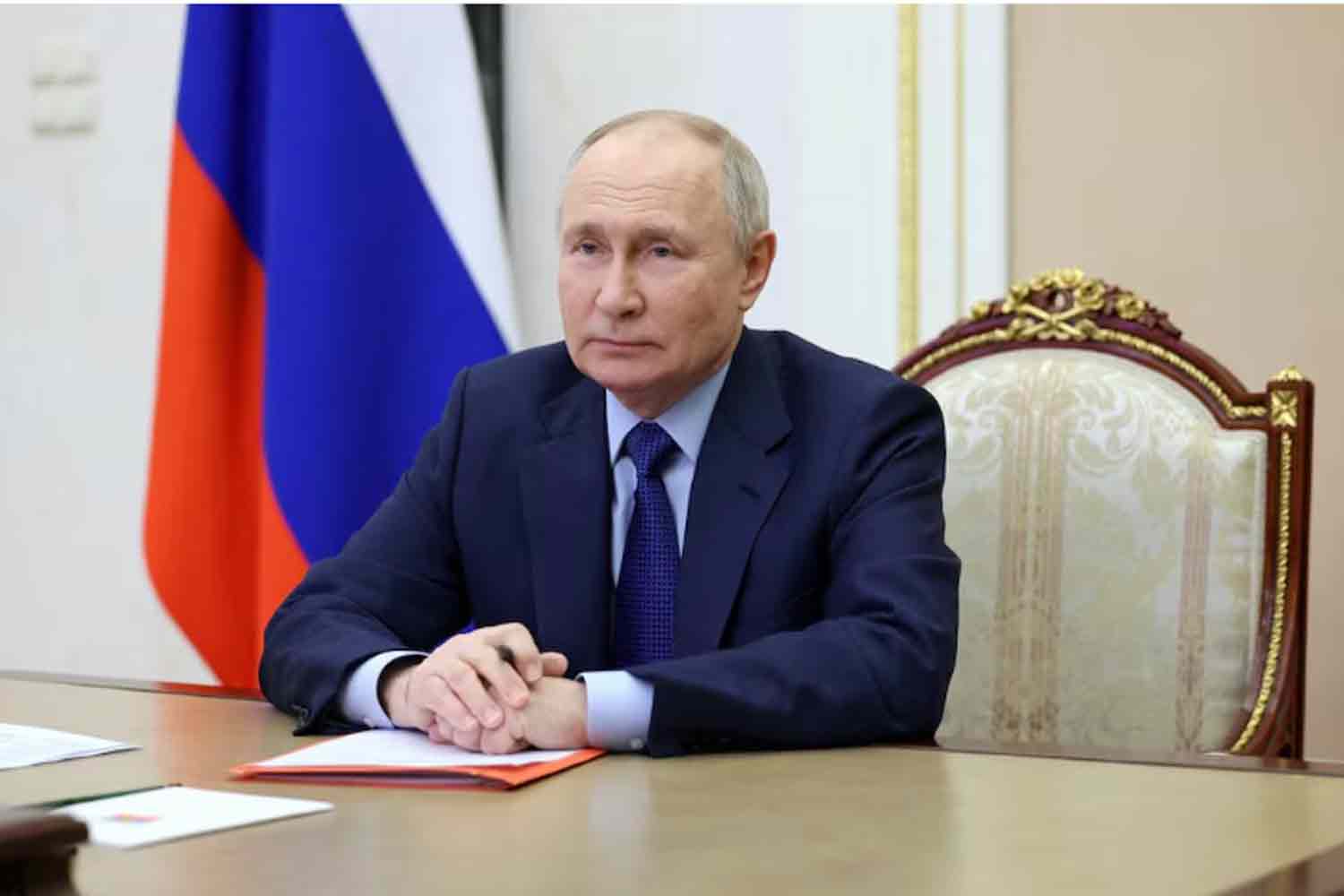
Russian President Vladimir Putin chairs a meeting

Russia’s military engagement in Ukraine has fundamentally challenged many assumptions regarding contemporary warfare. While the emergence of drones has received considerable focus, a more significant issue is unfolding. This conflict signifies a direct, albeit indirect, confrontation between two nuclear superpowers in a region of critical importance to one of them.

Historically, during the Cold War, such conflicts occurred on the fringes of major power rivalries, with considerably lower stakes involved. However, the situation in Ukraine today mirrors the tensions of the Cuban Missile Crisis from sixty years ago, as the world once again finds itself on the edge of a potential nuclear disaster.

The inadequacy of strategic deterrence

The crisis in Ukraine has revealed a concerning truth for Russia: its strategic deterrence framework has failed to prevent hostile actions. Although it has effectively deterred a large-scale nuclear strike from the United States or significant conventional threats from NATO, it has not been able to counter a new and subtle form of warfare. The United States and its allies have taken a calculated risk, aiming to deliver a strategic setback to Russia through a client state that they control, supply, and guide.

Moscow’s nuclear doctrine, originally crafted for a different context, has proven insufficient. It did not succeed in averting Western intervention initially and permitted its escalation. In light of this, the Kremlin has acknowledged the necessity for adaptation. In the third year of the operation, a long-awaited revision of the doctrine was announced. This summer, President Vladimir Putin detailed the essential modifications. By November, the updated document—titled Fundamentals of the State Policy of the Russian Federation in the Field of Nuclear Deterrence—was officially adopted.

What are the changes in the doctrine?

The revised doctrine signifies a significant transformation in Russia’s nuclear strategy, shifting towards a more proactive deterrent approach. Previously, the use of nuclear weapons was limited to scenarios where the state’s very survival was threatened in conventional conflicts. This high threshold effectively allowed adversaries to take advantage of the situation. Now, the criteria for nuclear response have been considerably expanded.

A notable addition is the acknowledgment of “joint aggression.” If a non-nuclear state engaged in conflict with Russia receives direct support from a nuclear power, Moscow asserts its right to respond, potentially with nuclear weapons. This clearly communicates to the United States, Britain, and France that their assets and territories are no longer exempt from potential retaliation.

The doctrine now explicitly addresses situations involving large-scale aerospace assaults, such as those from drones and cruise missiles, as well as potential aggression towards Belarus. Additionally, there is a significant expansion of the list of threats considered intolerable to Russia’s security. Collectively, these modifications indicate a more assertive stance, aligning with the current conflict dynamics and serving to deter possible miscalculations by the West.

Reaction from West

Western reactions to these developments have been predictable. Media outlets have portrayed Putin as reckless, while politicians have attempted to project composure, asserting they will not be intimidated. Meanwhile, the military and intelligence sectors have largely refrained from public commentary, opting instead to formulate their own assessments.

These updates emerge in a context that appears increasingly bleak for the West. Realists within NATO recognize that the war in Ukraine is essentially unwinnable. The Russian military maintains the initiative along the front lines and is making consistent progress in the Donbass region. The Ukrainian forces are unlikely to reverse this trend in the near future, if at all. As a result, Western strategists are now considering a ceasefire along the current battle lines as the most feasible course of action.

There has been a noticeable change in the narrative surrounding the conflict. Reports from Reuters and other Western media indicate that Moscow might also contemplate a freeze in hostilities. However, such a development would need to be in line with Russian strategic interests. For Russia, anything short of a complete victory is perceived as a defeat, which is an outcome they cannot accept.

Despite the significant electoral setback for the Democrats, the administration of US President Joe Biden seems to have opted to support Donald Trump’s agenda. The decision to authorize the use of US and British long-range missiles against targets in the Kursk and Bryansk regions serves as both a direct challenge to Putin and a strategic advantage for the incoming president. Additionally, the transfer of anti-personnel mines, which are prohibited under the Ottawa Convention, along with a new round of sanctions targeting Gazprombank and efforts to expedite the latest aid package for Zelensky through Congress, further illustrate this approach.

The introduction of the ‘Oreshnik’

Russia’s reaction to the escalating situation has extended beyond mere doctrinal updates. The recent operational test of the ‘Oreshnik’ intermediate-range hypersonic missile represents a significant development. By targeting the Yuzhmash missile factory in Dnepropetrovsk, Moscow has conveyed to NATO that most European capitals are now within the reach of this advanced weaponry.

The ‘Oreshnik’ is capable of carrying both conventional and nuclear warheads, and its speed—reportedly reaching up to Mach 10—renders current missile defense systems ineffective. Although it remains in the experimental phase, its successful testing indicates a pathway toward mass production. The implication is unmistakable: Moscow is serious about its capabilities.

The transition from issuing verbal warnings to taking concrete actions highlights the Kremlin’s firm determination. The West has long held the belief that Putin would refrain from attacking NATO nations. However, the emergence of ‘Oreshnik’ has shattered that assumption.

Escalation and the West’s Risk

The United States and its allies are escalating tensions recklessly, wagering on a potential Russian overreaction. The approval of long-range missile strikes on Russian regions such as Kursk and Bryansk, along with the provision of prohibited weaponry and ongoing sanctions, illustrates their desperation. More alarmingly, there are discussions regarding Ukraine’s possible NATO membership or even the deployment of nuclear arms to Kiev. While the latter scenario seems improbable, the threat of a “dirty bomb” remains a concern.

The West hopes that Russia might initiate a nuclear strike, thereby granting NATO the moral advantage. Such a scenario would enable Washington to diplomatically isolate Moscow, weakening its ties with significant nations like China, India, and Brazil. Nevertheless, Moscow has responded to these provocations with strategic restraint, choosing not to engage.

Russian victory in Ukraine poses a threat to the United States’ global dominance

The introduction of ‘Oreshnik’ and the revised nuclear doctrine underscores Moscow’s determination to secure peace on its own terms. There will be no reverting to the conditions that existed before 2022 or establishing a new Minsk Agreement. Instead, the focus is on ensuring Russia’s long-term security and altering the geopolitical landscape to its advantage.

As the conflict persists, the outcome of the 2024 US presidential election will play a crucial role. The possibility of Donald Trump returning to power could open avenues for dialogue, although the Kremlin remains doubtful. Regardless of who leads the United States, Russia is unlikely to waver in its goals.

The implications are significant. A Russian victory poses a threat to the United States’ global dominance, the unity of NATO, and the future stability of the European Union. For Russia, anything short of complete victory is not an option. As Putin recently articulated, “Russia fights for peace, but it will not settle for a disadvantageous one.”

In this critical confrontation, it is the actions of Russia that will ultimately determine the future, rather than its rhetoric. The military continues to engage—not for the Ukraine of the past, but for the peace of the future.

Rebels’ takeover of Aleppo ignites aspirations for return among Syrians in Turkey

0
People walk at Aleppo's ancient citadel in this picture from a drone, in Aleppo, Syria.

Doctor Mehdi Davut expresses his excitement as he prepares to return to Syria for the first time in eight years, aiming to assess how his aid organization can assist in Aleppo, a significant city that was recently captured by rebels.”The liberation of Aleppo has filled us with joy, as it was a place of great suffering,”  shared with Reuters in Istanbul, where approximately half a million Syrians reside.

Syrian rebels have taken control of Aleppo from President Bashar al-Assad’s forces, igniting hopes among the hundreds of thousands who were displaced from the city, which had been under Assad’s rule since 2016. On Thursday, the rebels announced their advance further south into the city of Hama.

Since the onset of the Syrian war, which began as part of the 2011 Arab Spring uprising against Assad’s regime, hundreds of thousands have lost their lives. Over half of the pre-war population of 23 million has been displaced, with millions seeking refuge abroad, particularly in Turkey.

Many of those who relocated have learned Turkish, enrolled their children in local schools, and some have even obtained Turkish citizenship, yet they remain hopeful of returning to their homeland one day.

According to Turkish Interior Minister Ali Yerlikaya, more than 40% of the 3 million Syrians in Turkey hail from Aleppo, which was once the largest city in the country. However, much of it was devastated when Syrian forces, supported by Russia and Iran, besieged and captured rebel-held territories eight years ago.

Davut, who leads an organization dedicated to aiding Syrians in Turkey, traveled to Aleppo on Thursday to evaluate the need for food and medical supplies. However, he expressed doubts about the likelihood of Syrians returning from Turkey in the near future.

Concerns about a potential new attack were expressed, with references made to military actions by forces loyal to Assad. “He will not relinquish his position easily,” he remarked.

“I believe that even those who are considering returning will likely wait at least six months to a year,” he added.

SYRIANS ADVISED TO EXERCISE PATIENCE

In July, President Tayyip Erdogan extended an invitation to meet with Assad as part of reconciliation efforts. At that time, he noted that 670,000 individuals had returned to Syria from Turkey and anticipated that another million would follow.

However, Yerlikaya urged caution. “Currently, we advise those from Aleppo who express a desire to return immediately to hold off. We will announce when the region is deemed safe,” he informed reporters on Wednesday.

Since 2020, the situation in northwest Syria has stabilized due to an agreement between Turkey, a NATO member supporting the political and armed opposition, and Russia, a significant ally of Assad.

Ankara has stated that it did not authorize or support the recent rebel operation, emphasizing that Assad must reconcile with both his citizens and the opposition. Moscow has expressed strong support for Damascus’s efforts to combat what it describes as terrorist groups receiving external backing.

Hadi al-Bahra, the leader of Syria’s main opposition abroad, informed Reuters that the rebel operation aims, in part, to facilitate the reopening of Aleppo for those displaced on both sides of the border, including up to 600,000 individuals from Turkey, contingent upon the city’s stabilization.

The insurgents comprise a coalition of mainstream secular armed groups supported by Turkey, with Hayat Tahrir al-Sham (HTS) at the forefront. HTS is an Islamist organization that has been classified as a terrorist group by Turkey, the United States, Russia, and several other nations.

Despite concerns regarding potential instability, the developments in Aleppo brought a sense of joy to the health clinic managed by Davut in Istanbul’s Fatih district, where staff celebrated by distributing sweets.

“God willing, we can return to Aleppo, as we are far from our family and loved ones,” expressed nurse Intisar Ashour, 50, who left the city a decade ago. “This joy comes from the depths of our hearts, and I pray for the chance to go back.” She recounted leaving Aleppo with her siblings after one of her brothers was killed in a barrel bombing.

In another part of Fatih, Mahir, a 60-year-old Syrian shopkeeper, noted that everyone he spoke with was pleased about the news from Aleppo, with some contemplating a return. However, he expressed apprehension about the future, having spent a year in prison in Damascus.

“We have endured 50 years under the Assad regime, first the father and then the son. It has been dreadful. You cannot fathom the suffering of the Syrian people,” he remarked. “I hope those currently fighting will prevail, as they can forge a new life and a new country for the next generation.”

Who is Abu Muhammad al-Golani, the leader of the uprising in Syria?

0
Then-Syrian Islamist rebel group Nusra Front leader Abu Mohammed al-Golani speaks at an unknown location in this still image from 2016 file video

As the leader of al Qaeda’s operations during the Syrian civil war, Abu Mohammed al-Golani maintained a low profile, even as his faction emerged as the dominant force opposing President Bashar al-Assad. However, he has since become the most recognized insurgent in Syria, having gradually embraced the public eye after breaking away from al Qaeda in 2016, rebranding his organization, and establishing himself as the de facto authority in the rebel-controlled regions of northwestern Syria.

This shift was evident when Golani’s group, Hayat Tahrir al-Sham (HTS), previously known as the Nusra Front, played a pivotal role in the recent capture of Aleppo. Golani took center stage, delivering messages intended to reassure Syrian minorities who have historically been wary of jihadist groups. As the rebels advanced into Aleppo, the largest city in pre-war Syria, a video captured him in military attire, directing operations via phone and reminding his fighters to prioritize the safety of civilians while prohibiting them from entering private homes.

On Wednesday, he toured the citadel of Aleppo, accompanied by a fighter holding a Syrian revolution flag—an emblem that Nusra had previously rejected as heretical but which Golani has recently adopted, signaling a shift towards Syria’s broader opposition. Joshua Landis, a Syria expert and director of the Center for Middle East Studies at the University of Oklahoma, remarked, “Golani has outsmarted Assad. He has adapted, formed new alliances, and launched a charm offensive towards minority groups.”

Aron Lund, a fellow at the think tank Century International, remarked that both Golani and HTS have undergone significant changes, although they still maintain a “pretty hardline” stance. He noted, “This is a public relations effort, but their willingness to engage in such initiatives indicates a shift from their previous rigidity. Traditional al Qaeda or the Islamic State would not have taken such steps.”

Golani and the Nusra Front rose to prominence as the most formidable among the various rebel factions that emerged during the early stages of the insurgency against Assad over a decade ago.

Prior to establishing the Nusra Front, Golani fought for al Qaeda in Iraq, where he spent five years incarcerated by U.S. authorities. He returned to Syria at the onset of the uprising, having been sent by the then-leader of the Islamic State in Iraq, Abu Omar al-Baghdadi, to strengthen al Qaeda’s foothold in the region. In 2013, the United States designated Golani as a terrorist, citing his role in efforts to overthrow Assad and implement Islamic sharia law in Syria, as well as Nusra’s involvement in suicide attacks that resulted in civilian casualties and promoted a violent sectarian agenda.

Turkey, the primary foreign supporter of the Syrian opposition, has classified HTS as a terrorist organization while backing other factions operating in the northwest.

RAPID EXPANSION

Golani conducted his first media interview in 2013, obscured by a dark scarf and presenting only his back to the camera. In that interview with Al Jazeera, he advocated for governance in Syria based on sharia law. Fast forward eight years, he appeared for an interview with the U.S. Public Broadcasting Service’s FRONTLINE program, facing the camera and dressed in a shirt and jacket.

Golani characterized the terrorist label as unjust and expressed his opposition to the killing of innocent individuals. He elaborated on the rapid growth of the Nusra Front, which expanded from six members accompanying him from Iraq to 5,000 within a year. However, he asserted that his group has never posed a threat to the West. “I emphasize that our association with al Qaeda has concluded, and even during our time with them, we opposed conducting operations outside of Syria. It is entirely against our policy to engage in external actions.”

He engaged in a fierce conflict with his former ally Baghdadi after the Islamic State attempted to absorb the Nusra Front in 2013. Despite its connections to al Qaeda, Nusra was perceived as more lenient and less oppressive in its interactions with civilians and other rebel factions compared to the Islamic State.

The Islamic State was eventually driven from the territories it controlled in both Syria and Iraq by a coalition of adversaries, including a U.S.-led military alliance. As the Islamic State was disintegrating, Golani was solidifying the influence of HTS in the northwestern Syrian province of Idlib, where he established a civil administration known as the Salvation Government. The Assad regime regards HTS as terrorists, along with the other rebels who rose against Damascus.

As Sunni Muslim rebels advance, the HTS administration has released multiple statements aimed at reassuring the Shi’ite Alawites and other minority groups in Syria. One such statement encouraged the Alawites to distance themselves from Assad’s regime and participate in a future Syria that “rejects sectarianism.”

In a message directed at residents of a Christian town located south of Aleppo on Wednesday, Golani assured them of protection and the safeguarding of their property, urging them to stay in their homes and resist the Syrian government’s “psychological warfare.”

Lund remarked, “He is a key figure— the leading rebel leader in Syria and the most influential Islamist.” He noted that HTS has demonstrated “logistical and governance capabilities” by effectively managing its territory in Idlib for several years.

“They have embraced the symbols of the broader Syrian uprising… which they now utilize to assert their claim to the revolutionary legacy— stating that ‘we are part of the 2011 movement, the people who rose against Assad, and we are also Islamists.'”

Syrian opposition forces have entered Hama after the army’s withdrawal

0

Syrian rebels successfully expelled pro-government forces from Hama on Thursday, marking a significant victory for the insurgents following a rapid advance across northern Syria. This development poses a new challenge for President Bashar al-Assad and his allies from Russia and Iran.

The Syrian army reported that the rebels had entered Hama after fierce fighting and announced a strategic redeployment outside the city to safeguard civilian lives and avoid urban warfare.

Rebel forces claimed control over districts in the northeastern part of the city and took over the central prison, releasing detainees in the process. Al Jazeera aired footage purportedly showing rebels within the city, with some interacting with civilians near a roundabout, while others were seen operating military vehicles and mopeds.

Last week, the rebels captured the key northern city of Aleppo and have since advanced southward from their stronghold in northwest Syria, reaching a crucial hill just north of Hama on Tuesday and pushing towards the eastern and western edges of the city on Wednesday.

Hama has remained under government control throughout the civil war, which began in 2011 as a protest against President Bashar al-Assad. The loss of Hama to a resurgent insurgency would send ripples through Damascus and its Russian and Iranian backers. The city is strategically located over a third of the way from Aleppo to Damascus, and its capture would facilitate a rebel push towards Homs, a central city that serves as a vital junction connecting Syria’s most populated areas.

In Hama, the site of a brutal Islamist uprising suppressed by the Assad regime in 1982, a resident reported that the internet was disconnected and the streets were deserted on Wednesday, as their family continues to reside in the city.

US Secret Service Director to testify on Trump assassination attempts

0
Acting Director of the U.S. Secret Service, Ronald L. Rowe, Jr. appears before a Senate Judiciary Committee hearing

The acting director of the U.S. Secret Service is scheduled to testify on Thursday before a House of Representatives committee that is examining security failures related to two unsuccessful assassination attempts on President-elect Donald Trump.

Acting Director Ronald Rowe will provide his testimony as the bipartisan task force, consisting of seven Republicans and six Democrats, prepares to release its final report on the investigation.

“It is crucial that we acknowledge the seriousness of our shortcomings on July 13, 2024. I bear the burden of knowing that we came perilously close to losing a protectee, and our failure resulted in the tragic loss of a father and husband,” Rowe stated in his prepared remarks prior to the hearing.

“This entire situation highlights our inability to fulfill the expectations and obligations of the Secret Service.”

The agency has faced scrutiny regarding its staffing levels and communication systems after Trump survived two assassination attempts during this year’s presidential campaign.

In July, a gunman fired eight shots at a Trump campaign rally in Pennsylvania, injuring Trump in the ear and resulting in the death of another attendee. The assailant was subsequently killed by a Secret Service counter-sniper.

Two months later, a man armed with a gun barricaded himself near a Trump-owned golf course in Florida, allegedly intending to kill the then-Republican candidate while he was golfing. The suspect, Ryan Routh, has pleaded not guilty to federal charges and is currently awaiting trial.

Rowe expressed his “shame” regarding the security failures associated with the Pennsylvania incident but praised the agency’s response to the Florida situation, highlighting the actions of an agent who identified the gunman before he could fire.

Rowe, who assumed leadership after his predecessor stepped down following the shooting in Pennsylvania, has committed to holding accountable those agents who failed in their security duties. He stated during his campaign that the level of protection provided to Trump was comparable to that of the current president, Joe Biden.

The incident at the rally has undermined public confidence in the Secret Service, tarnishing its esteemed “zero fail” reputation for safeguarding presidents and other high-profile officials in the United States.

While the Secret Service has generally avoided criticism from Trump regarding federal law enforcement and his plans for reform, the agency’s handling of the Pennsylvania shooting has faced bipartisan backlash. An interim report from the House task force, published in October, revealed insufficient coordination between the Secret Service and local law enforcement prior to the July rally.

Cyprus has acquired an air defense system from Israel, local media reports

0
Cyprus' President Nikos Christodoulides speaks with members of the media outside the White House

Cyprus has received an Israeli air defense system, according to local media reports on Thursday. This move comes as the eastern Mediterranean island seeks to diversify its defense partnerships following a reduction in supplies from Russia.

TV station Sigma indicated that the initial deliveries occurred on Tuesday, although Cypriot officials refrained from providing specific details regarding the report. Cypriot President Nikos Christodoulides stated, “I can only emphasize that we are committed to enhancing Cyprus‘s deterrence capabilities, not only due to our status as a country under occupation but also as an EU member in a region of significant geopolitical importance.”

Since the Turkish invasion in 1974, Cyprus has been divided, with the internationally recognized government in control of the south and a heavily militarized Turkish Cypriot state in the north. The Barak MX anti-aircraft system is set to augment and eventually replace the older Russian-made Tor M1 system. Historically, Russia has been a primary supplier of military equipment to Cyprus, but the volume of transactions declined even before the comprehensive export ban following Russia’s invasion of Ukraine in 2022.

These sanctions have resulted in a shortage of spare parts for Cyprus’s existing defense systems, hindering their upgrade capabilities, as noted by a senior Cypriot source speaking to Reuters. “This is why Cyprus is seeking partnerships with other EU nations and Israel. We are actively working to enhance our anti-aircraft defense,” the source explained. Cypriot officials typically do not disclose procurement plans due to ongoing tensions with Turkey.

In 1998, Cyprus sought to enhance its air defense capabilities by acquiring surface-to-air S-300 missiles from Russia, which led to a military standoff with Turkey. Consequently, Nicosia quickly redirected the missile system to Crete. At that time, neither Britain nor the United States supported this acquisition; however, relations with Washington have significantly improved in recent years as Cyprus has aligned its policies more closely with the West.