Wednesday, April 22, 2026
Home Blog Page 110

Israeli forces are reportedly near Damascus following airstrikes on Syrian military sites, according to Syrian sources

0
Israeli soldiers operate in a location given as Southern Syria, in this screengrab from a video obtained by Reuters on December 9, 2024.

An Israeli military operation has advanced approximately 25 kilometers (16 miles) southwest of Damascus, according to Syrian security sources on Tuesday. This follows Israel‘s establishment of a buffer zone in southern Syria and subsequent airstrikes targeting Syrian military installations and airbases overnight.

This military action by Israel comes just two days after a swift coup that ousted President Bashar al-Assad, creating unease among Syrians, neighboring countries, and global powers regarding the future of the region.

A Syrian security official reported that Israeli forces have reached Qatana, located 10 kilometers (six miles) into Syrian territory, east of a demilitarized zone that separates the Israeli-occupied Golan Heights from Syria. The Israeli military has refrained from commenting on the situation.

Israel has asserted that it will not engage in the Syrian conflict, characterizing its actions in the buffer zone as defensive. Egypt, Qatar, and Saudi Arabia have condemned the incursion, with Saudi Arabia warning that it could jeopardize Syria’s prospects for regaining stability.

According to regional security sources and officers from the now-defunct Syrian army, extensive Israeli airstrikes targeted military facilities and airbases throughout Syria overnight, resulting in the destruction of numerous helicopters and jets, as well as assets belonging to the Republican Guard in and around Damascus. Reports indicate that around 200 airstrikes have left the Syrian army’s capabilities severely diminished.

Israel has stated that its airstrikes will continue for several days but has informed the U.N. Security Council that it is not intervening in the ongoing conflict in Syria, describing its actions as “limited and temporary measures” aimed solely at safeguarding its own security.

The United Nations Security Council convened privately late on Monday, with diplomats expressing their astonishment at the rapidity of Assad’s ousting, which transpired over a mere 12 days following a 13-year civil war that had reached a stalemate.

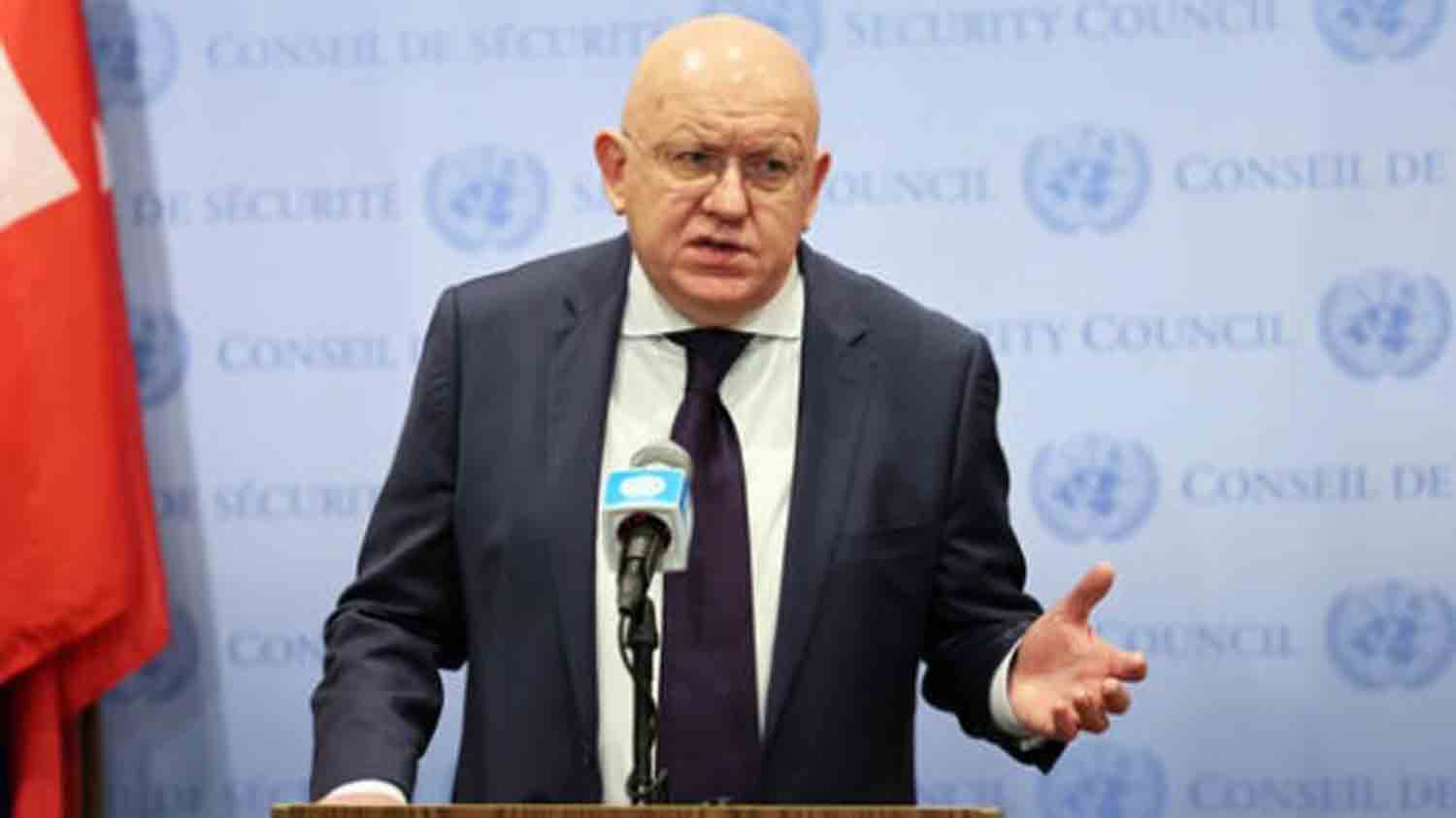
“Everyone was caught off guard, including the council members. We must now observe and assess how the situation unfolds,” stated Russian U.N. Ambassador Vassily Nebenzia to reporters after the meeting.

Russia had been instrumental in backing Assad’s regime and assisting in its conflict against the rebels. The Syrian leader fled from Damascus to Moscow on Sunday, marking the end of over 50 years of oppressive rule by his family.

As celebrations continued in Damascus, Assad’s Prime Minister, Mohammed Jalali, announced on Monday his agreement to transfer authority to the rebel-led Salvation Government, which operates from territory controlled by rebels in northwest Syria.

The primary rebel leader, Ahmed al-Sharaa, commonly known as Abu Mohammed al-Golani, held discussions with Jalali and Vice President Faisal Mekdad regarding the formation of a transitional government, according to a source familiar with the talks. Jalali indicated that the transfer of power could take several days to complete.

Al Jazeera reported that the new transitional authority would be led by Mohamed al-Bashir, who has been at the helm of the Salvation Government. The rapid advance of the militia coalition led by Hayat Tahrir al-Sham (HTS), previously affiliated with al-Qaeda, represents a significant turning point for the Middle East.

The civil war that erupted in 2011 resulted in the deaths of hundreds of thousands, triggered one of the largest refugee crises in recent history, and left cities in ruins, rural areas deserted, and the economy severely weakened by international sanctions. However, the rebel coalition has yet to outline any plans for Syria’s future, and there is no established framework for such a transition in this divided region.

On Monday, oil prices increased by over 1%, driven in part by concerns that the ongoing instability in Syria, despite it not being a significant oil producer, could escalate regional tensions, according to analysts.

“This is a pivotal moment for the Syrian people,” stated Deputy U.S. Ambassador to the U.N. Robert Wood in New York. “Our current focus is on observing the developments. Is there a possibility for a governing body in Syria that honors the rights and dignity of its citizens?”

The U.S. is exploring avenues to engage with Syrian rebel factions and is reaching out to regional partners, including Turkey, to initiate informal diplomatic efforts, as reported by Washington.

On Monday, Qatari diplomats held discussions with HTS, as an official informed Reuters, highlighting the urgency among regional nations to establish communication with the group.

There are early indications of a return to stability. Syria’s banks are set to reopen on Tuesday, and the oil ministry has instructed all employees in the sector to report to work, assuring them of safety measures.

Reuters journalists observed four mini-buses arriving at the Central Bank of Syria, where employees disembarked to begin their first day back since the fall of Assad.

“It’s a new shift, it’s a new day, a new year, a new life,” expressed Sumayra al-Mukli.

Golani has committed to the reconstruction of Syria, while HTS has dedicated years to improving its image in order to gain the trust of foreign nations and minority communities within the country. However, concerns about potential reprisals persist. HTS has stated its intention to hold accountable security and military personnel implicated in the torture of the Syrian populace, labeling them as criminals and murderers.

“We will publish a list featuring the names of the highest-ranking officials involved in the torture of the Syrian people,” Golani declared in a statement. “Incentives will be provided for information leading to the identification of senior military and security officers engaged in war crimes.”

HTS is classified as a terrorist organization by numerous countries and the United Nations, raising questions about its legitimacy as a governing body.

“Syrians aspire to create a state characterized by freedom, equality, the rule of law, and democracy. We will collaborate to rebuild our nation, restore what has been lost, and forge a brighter future for Syria,” stated Koussay Aldahhak, Syria’s U.N. Ambassador, during a press briefing.

Assad’s downfall in Syria reveals the constraints of China’s diplomatic efforts in the Middle East

0
An anti-government fighter tears down a portrait of Syria's President Bashar al-Assad in Aleppo, after jihadists and their allies entered the northern Syrian city.

Just over a year ago, China extended a warm reception to Bashar al-Assad and his wife during their six-day visit, providing the former Syrian leader with a rare respite from years of international isolation that began with the civil war in 2011. While attending the Asian Games, President Xi Jinping pledged support for Assad in “opposing external interference” and in the reconstruction of Syria, while Asma received significant attention from Chinese media.

However, the sudden downfall of the authoritarian leader, who had received explicit backing from Xi just a year prior, has undermined China’s diplomatic aspirations in the Middle East and highlighted the limitations of its regional strategy, according to analysts. A coalition of rebels captured Syria’s capital, Damascus, on Sunday in a swift offensive that dismantled Assad’s regime and concluded his family’s 50-year rule.

“There has been an inflated perception of China’s capacity to influence political developments in the region,” remarked Jonathan Fulton, a nonresident senior fellow at the Atlantic Council.

While the collapse of the Assad regime is expected to diminish the influence of his primary supporters, Iran and Russia, it also represents a setback for China’s global ambitions, Fulton noted. “Much of what China has pursued internationally has depended on alliances with these countries, and their failure to sustain their key partner in the Middle East speaks volumes about their capacity to exert influence beyond the region.”

Following China’s facilitation of a historic agreement between longstanding adversaries Saudi Arabia and Iran in 2023, Chinese media lauded Beijing’s increasing influence in a region traditionally under U.S. sway. Wang Yi, the chief diplomat of China, asserted that the nation aims to take a proactive role in addressing global “conflict zones.”

Earlier this year, China also mediated a ceasefire among Fatah, Hamas, and other competing Palestinian factions, while consistently advocating for a ceasefire in Gaza.

However, despite efforts to convene Middle Eastern leaders in Beijing and extensive “shuttle diplomacy” conducted by its envoy Zhai Jun, the Palestinian factions have yet to establish a unity government, and the situation in Gaza remains unresolved.

Fan Hongda, a Middle East expert at Shanghai International Studies University, remarked, “Beijing does not desire a sudden collapse of Assad’s regime. China favors a more stable and autonomous Middle East, as instability or a pro-American stance in the region contradicts its interests.”

The Chinese foreign ministry’s reaction to Assad’s potential downfall has been subdued, emphasizing the safety of Chinese citizens and advocating for a “political solution” to restore stability in Syria promptly. On Monday, foreign affairs spokesperson Mao Ning suggested a willingness to engage with any future government, stating, “China’s amicable relations with Syria are intended for the benefit of all Syrian people.”

Chinese experts and diplomats indicate that Beijing will take a cautious approach before officially recognizing a new government in Damascus. They suggest that while China could leverage its expertise and financial resources to aid in reconstruction efforts, its commitments are expected to be limited due to a recent trend of minimizing financial risks abroad.

Although Syria became a participant in China’s Belt and Road Initiative in 2022, there have been no notable investments from Chinese companies since then, largely due to sanctions. Bill Figueroa, an assistant professor at the University of Groningen and a specialist in China-Middle East relations, remarked that China is not positioned to fundamentally replace the West as an economic, diplomatic, or military partner in the region.

He noted that in 2024, China’s financial capacity is significantly lower than it was in 2013-2014, when the Belt and Road Initiative was initiated, highlighting a clear shift towards safer investments and a reduction in overall financial risks.

A new chapter is unfolding in Syria, necessitating a transformation in Iran’s regional influence

0

Bashar Assad, the long-standing president of Syria, has departed the country under pressure, signaling the conclusion of a significant chapter that has influenced not only Syria’s destiny but also the wider geopolitical dynamics of the Middle East. This development holds profound implications not just for the Syrian populace but for the entire region and the global community, as it ushers in a new phase in the narrative of a nation steeped in a rich and ancient heritage.

Syria, home to historic civilizations, has endured tremendous hardships over the last decade, including warfare, devastation, the displacement of millions, economic turmoil, and the rise of extremist factions. The nation has become a theater for competing global and regional interests. Assad’s exit could represent a crucial turning point, potentially enabling Syria to escape its persistent cycle of violence and embark on a path toward renewal.

Reactions to this event will likely vary; for some, it may signify the long-awaited onset of reform and healing, while for others, it could introduce new challenges. Ultimately, the future will hinge on the ability of the Syrian people and their leaders to seize this momentous opportunity. Moving forward, the focus will need to be on negotiations, reforms, and the establishment of a governance framework that fosters unity within society.

What remains indisputable is that Syria’s rich historical legacy must not be overlooked. The changes currently unfolding may herald the beginning of a new era, where lessons from the past are integrated with aspirations for the future, paving the way for stability and prosperity in Syria.

Assad’s resignation marks a considerable blow to Iran’s foreign policy objectives. For Tehran, Syria has been an essential component of its ‘Axis of Resistance’—a coalition of alliances and proxy groups aimed at countering Western influence and enhancing Iran’s presence in the Middle East. The perception in Tehran is that Assad’s departure signifies a substantial weakening of this strategy and, more broadly, Iran’s influence across the region.

For decades, Syria has been a strategic ally for Iran, acting as a critical route for arms supplies and support for Hezbollah in Lebanon, while also serving as a political platform to strengthen an anti-Western and anti-Israeli stance. Since the onset of the Syrian civil war in 2011, Iran has committed extensive resources to support Bashar Assad, including military supplies, economic aid, and the deployment of military advisors and Shiite forces. This partnership has been viewed as the cornerstone of the Axis of Resistance.

However, Assad’s resignation alters the power dynamics significantly. New political factions in Syria are likely to seek to distance themselves from Iran to foster better relations with Western nations, other Arab states, and Türkiye. Furthermore, Assad’s exit diminishes Iran’s reputation as a stabilizing force for its allies. The erosion of Iran’s influence in Syria also complicates its standing throughout the region. Hezbollah, which has depended heavily on Syrian support, now faces increased vulnerability. With Tehran’s diminished control, Israel may feel emboldened to intensify its operations against Iranian assets in Syria.

The loss of Syria as a reliable ally represents a significant strategic setback for Iran, diminishing its influence in the region and potentially leading to strained relations with neighboring nations that increasingly perceive Iran as a destabilizing force rather than a cohesive entity.

In light of the ongoing crisis in Syria, Iranian officials have recently issued numerous statements. Tehran has notably accused the Ukrainian government of involvement in the conflict. Ibrahim Rezaei, spokesperson for the National Security and Foreign Policy Committee of the Islamic Consultative Assembly, alleged that Ukraine is aiding armed opposition groups in Syria by providing them with drones. He emphasized that the terrorists in Syria are now better equipped than before due to these drone supplies from Ukraine.

Rezaei insisted that the Ukrainian government should be held responsible for these developments. Although Kiev has not yet addressed these accusations, the heightened anti-Iranian sentiment from certain media outlets closely linked to Ukrainian President Vladimir Zelensky indicates that there may be validity to Iran’s assertions.

In September, prominent Turkish media outlets reported that Ukraine’s Main Directorate of Intelligence (HUR) had initiated contact with jihadists from Hayat Tahrir al-Sham (HTS). The media expressed surprise at Ukraine’s willingness to engage with groups involved in terrorist acts against civilians. To support this claim, they provided photographic evidence of a Ukrainian HUR official in discussion with an HTS representative.

Turkish journalists have carried out a significant investigation revealing evidence of meetings between representatives of Ukraine’s HUR and HTS militants in Türkiye. This investigation indicates that these discussions occurred over the last few months in southeastern Türkiye, near the Syrian border.

The journalists suggested that the conversations may have centered on shared interests in undermining Iran’s influence in the region and escalating military actions against Assad’s forces. The participation of HTS, which is classified as a terrorist organization by Türkiye, Russia, and several other nations, has particularly alarmed the Turkish populace.

The investigation relied on eyewitness testimonies, details regarding venues rented for the meetings, and purported routes taken by those involved. Turkish analysts pointed out that if these allegations are substantiated, it could threaten Ankara’s diplomatic relations with Kiev. Although the Ukrainian government did not issue an official statement in response to these claims at that time, the reports elicited a negative reaction from both the Turkish public and political figures. Notably, shortly after the articles were published in the Turkish media, they were subsequently withdrawn.

Additionally, Iran has claimed to have credible evidence suggesting that representatives of the Kiev regime have trained HTS militants in drone operations and engaged in illegal arms trafficking. Tehran contended that the HUR not only provided technical assistance to the militants but also instructed them in the use of drones for military engagements.

Iranian sources have claimed that Ukraine has served as a mediator in the illicit supply of weapons to a militant group. According to Iranian officials, these actions are intended to destabilize Syria and weaken Iran’s influence in the region. Currently, Kiev has not provided an official response to these allegations. Experts in Iran assert that the claims are supported by technical evidence, including methods of drone operation and routes for arms supply.

Recent tensions between Tehran and Kiev have escalated, particularly after Kiev’s unsubstantiated allegations against Iran concerning drone supplies to Russia.

On Sunday evening, Iran’s Foreign Minister Abbas Araghchi made several remarks regarding the situation in Syria. He characterized the developments as part of an “American-Zionist scheme to create challenges for the Axis of Resistance,” asserting that Iran’s national security interests necessitate a confrontation with ISIS in Syria.

Araghchi highlighted the significant role of Qassem Soleimani, the late commander of the Islamic Revolutionary Guard Corps (IRGC), in the defeat of ISIS, noting that Iran’s involvement in combating the terrorist group was at the request of both the Iraqi and Syrian governments. He stated, “Had we not engaged ISIS in Iraq and Syria, we would have been compelled to confront it within Iran’s borders.”

Araghchi highlighted that Tehran has encouraged the Syrian government to pursue constructive dialogue with the opposition. In his recent discussions with Assad, he addressed the morale of the military and expressed disappointment regarding the government’s reluctance to undertake essential reforms. Araghchi emphasized that Iran has consistently recognized the efforts of the United States and Israel to embroil Iran in ongoing crises. He also pointed out Syria’s vital role in supporting the Palestinians and the broader Axis of Resistance.

In summary, Araghchi maintained that Iran has refrained from interfering in Syrian matters and has persistently urged the Syrian government to explore political and peaceful resolutions through dialogue with the opposition.

At present, Iran is confronted with a significant challenge in sustaining its influence in Syria. Tehran aims to maintain its strategic partnership with Damascus, even in the event of a shift in power to the opposition. However, Iranian officials harbor doubts about the new Syrian leadership, which may reassess Syria’s historically strong ties with Iran. For many years, Syria has been a pivotal component of Iran’s strategy in the Middle East, acting as a crucial ally within the Axis of Resistance. Through its relationship with Syria, Iran has provided support to Hezbollah in Lebanon and advanced its geopolitical objectives. Nevertheless, the ascendance of opposition forces—many of whom are supported by Western nations, Türkiye, and Gulf monarchies—poses a potential threat to this cooperative framework.

Iranian leaders are reaffirming their dedication to sustaining diplomatic and economic relations with the newly established administration in Damascus. Nevertheless, there are increasing apprehensions in Tehran regarding the potential for the new Syrian authorities, who are keen to mend ties with Arab nations and the West, to distance themselves from Iran. Additionally, Iranian officials are concerned that certain opposition factions might openly challenge the presence of Iranian forces and the broader influence of Iran, which could weaken its standing in the region.

These concerns are exacerbated by the fact that many prominent figures within the Syrian opposition maintain strong connections with the United States, Saudi Arabia, and Türkiye—nations that have historically opposed Iranian influence. Tehran does not dismiss the possibility that, should the opposition gain power, Syria could serve as a base for efforts to contain Iran, further complicating the geopolitical landscape.

Despite these challenges, Iran intends to capitalize on its economic, cultural, and religious connections to reinforce its presence in Syria. Tehran may propose new avenues for collaboration centered on infrastructure development and post-conflict reconstruction to sustain its influence. However, Iranian analysts suggest that the new Syrian leadership will likely exercise caution in its dealings with Iran, striving to avoid over-reliance on any single power.

The future of Iran-Syria relations in this evolving context remains unpredictable. Tehran will need to navigate the changing geopolitical environment and identify strategies to maintain its influence, particularly as traditional methods of leverage may become inadequate.

The emergence of a new era in Syria is poised to significantly influence the broader geopolitical landscape of the Middle East, particularly affecting Iran’s foreign policy. Given its profound historical, religious, and cultural connections to Syria, Tehran must adjust its strategy to reflect the evolving circumstances. This juncture signifies the onset of a new phase in Iran’s enduring foreign policy, which has consistently been intertwined with regional developments. Having been a key player in the Syrian conflict, Iran now faces a pivotal decision: it must either reassess its role in Syria or risk the potential loss of this vital ally.

The current dynamics in Syria represent a critical inflection point for the nation, compelling Iran to rethink its conventional foreign policy strategies. Primarily, Tehran should investigate alternative avenues for influence, such as fostering economic collaborations, engaging in cultural diplomacy, and contributing to the reconstruction of the war-affected country. Furthermore, Iran may look to fortify its relationships with other regional partners to mitigate any potential setbacks. This will necessitate adaptability and a readiness to embrace compromise.

Conversely, this transitional period also presents new opportunities for Iran. The shift in power dynamics in Syria could facilitate the development of more equitable relationships, based not solely on military alliances but also on collaborative economic initiatives. Such a strategy could enhance Iran’s reputation as a nation dedicated to fostering stability in the region, particularly in the context of escalating pressures from Western nations and Arab states.

This new phase will undoubtedly present challenges for Iran. The country will encounter competition from other international actors, including Türkiye, Saudi Arabia, and Western nations, all vying for influence in Syria. Consequently, Tehran will need to reassess its long-term strategy and explore innovative approaches to engage with various Syrian political factions.

For Iran, this new era in Syria represents both a challenge and an opportunity to reshape its regional role and adjust its foreign policy to align with current realities. It is a pivotal moment for Iran to leverage its extensive history, diplomatic acumen, and geopolitical expertise to showcase its resilience and adaptability in the face of contemporary challenges.

Taiwan has observed an increase in the activity of Chinese military aircraft and naval vessels in its vicinity

0

Taiwan observed an increase in Chinese military operations surrounding the island on Tuesday, reporting the presence of 47 military aircraft. This heightened activity comes as Taiwan remains on high alert following the return of its president from a trip to the United States.

China, which considers the democratically governed Taiwan as part of its territory, was anticipated to conduct military drills in response to President Lai Ching-te’s recent Pacific tour, which concluded on Friday and included visits to Hawaii and Guam.

In response to China’s actions, Taiwan’s military elevated its alert status on Monday, citing China’s reservation of airspace and the deployment of naval and coast guard vessels. As of now, China’s military has not issued any statements or confirmed the execution of any exercises.

On Tuesday, Taiwan’s defense ministry reported the detection of 47 military aircraft in the vicinity of the island over the previous 24 hours, along with 12 naval vessels and nine ships classified as “official,” which typically includes vessels from civilian agencies like the coast guard.

Among the aircraft, 26 were observed operating north of Taiwan near China’s Zhejiang province, six in the Taiwan Strait, and an additional 15 to the southwest of the island, as detailed in a map provided by the ministry in its daily update on Chinese military activities. A senior security official in Taiwan informed Reuters that the Chinese aircraft were simulating attacks on foreign naval vessels and conducting maneuvers to deter both military and civilian aircraft as part of a “blockade exercise.”

Lai and his administration dispute Beijing’s assertions of sovereignty, asserting that the future of Taiwan should be determined solely by its citizens.

China regards the Taiwan matter as a fundamental aspect of its core interests and warns that it is a boundary the United States must not breach. This year, China has conducted two significant military exercises in the vicinity of Taiwan.

Syria’s rebel coalition working to establish a government and restore stability after Assad’s removal

0
Rebel fighters pose as they hold a Syrian opposition flag inside the Umayyad Mosque, after rebels seized the capital and ousted Syria's Bashar al-Assad, in Damascus, Syria.

The rapid ousting of President Bashar al-Assad has left Syrians, neighboring countries, and global powers anxious about the future, as the rebel coalition initiates a transition to governance. On Monday, the United Nations Security Council convened privately, with diplomats expressing astonishment at the swift nature of Assad’s removal, which occurred over a span of 12 days following a prolonged 13-year civil war that had reached a stalemate.

“Everyone was caught off guard, including the council members. We must now observe and assess how the situation evolves,” stated Russian U.N. Ambassador Vassily Nebenzia to reporters after the meeting. Russia had been instrumental in backing Assad’s regime and combating the rebels. The Syrian leader’s flight from Damascus to Moscow on Sunday marked the end of over five decades of oppressive rule by his family.

While celebrations continued in Damascus, Assad’s prime minister, Mohammed Jalali, agreed on Monday to transfer authority to the rebel-led Salvation Government, which operates from territory controlled by rebels in northwest Syria. The primary rebel leader, Ahmed al-Sharaa, commonly known as Abu Mohammed al-Golani, held discussions with Jalali and Vice President Faisal Mekdad regarding the transitional administration, according to a source familiar with the talks. Jalali indicated that the transfer of power could take several days to complete.

Al Jazeera television has reported that the transitional authority will be led by Mohamed al-Bashir, who previously headed the Salvation Government. The rapid advance of the militia coalition led by Hayat Tahrir al-Sham (HTS), a former affiliate of al-Qaeda, marks a significant turning point for the Middle East.

The civil war that erupted in 2011 has resulted in the deaths of hundreds of thousands, triggered one of the largest refugee crises in recent history, and left cities in ruins, rural areas abandoned, and the economy severely weakened by international sanctions.

However, the rebel coalition has yet to outline any plans for Syria’s future, and there is no established framework for such a transition in this divided region. On Monday, oil prices increased by over 1%, partly due to concerns that instability in Syria, despite it not being a major oil producer, could escalate regional tensions, according to analysts.

“This is a remarkable moment for the Syrian people,” stated Deputy U.S. Ambassador to the U.N. Robert Wood in New York. “Our current focus is on observing how the situation develops. Is it possible to establish a governing authority in Syria that honors the rights and dignity of its citizens?” The U.S. is exploring avenues to engage with Syrian rebel factions and is reaching out to regional partners, including Turkey, to initiate informal diplomatic efforts, as reported by Washington.

Qatari diplomats engaged in discussions with HTS on Monday, according to an official who informed Reuters, as regional nations strive to establish communication with the group.

‘FREEDOM, EQUALITY, RULE OF LAW’

Several insurgent fighters gathered in the capital on Monday, congregating in the central Umayyad Square, and expressed optimism that a civilian administration would soon take charge of the country. “We desire a state where security forces are in control,” stated Firdous Omar, a fighter planning to return to farming in the Idlib province.

Golani has committed to the reconstruction of Syria, and HTS has dedicated years to improving its image to gain the trust of foreign nations and minority communities within Syria. However, the group’s classification as a terrorist organization by numerous countries and the U.N. raises questions about its legitimacy in governance.

“Syrians are eager to establish a state characterized by freedom, equality, rule of law, and democracy. We will collaborate to rebuild our nation, restore what has been lost, and create a better future for Syria,” remarked Koussay Aldahhak, Syria’s U.N. Ambassador, during a press briefing.

There are initial indications of a return to stability. Syria’s banks are set to reopen on Tuesday, and the oil ministry has instructed all employees in the sector to report to work, assuring them of safety measures.

Among the numerous challenges confronting Syria, Israel has taken control of a buffer zone in the southern region, a move that has drawn condemnation from Egypt, Qatar, and Saudi Arabia warned that this action would jeopardize Syria’s prospects for regaining security.

Israel announced that its airstrikes would continue for several days but assured the U.N. Security Council that it was not intervening in Syria’s internal conflict, stating that it had implemented “limited and temporary measures” solely for its own security.

Ukrainian President Zelenskiy suggests stationing foreign troops in Ukraine before NATO membership

0
Ukraine's President Volodymyr Zelenskiy appears at a joint press conference

Ukrainian President Volodymyr Zelenskiy proposed on Monday the potential deployment of foreign troops to Ukraine, which is currently facing the ravages of war, until the nation secures membership in the NATO military alliance. He made this statement during a joint press conference in Kyiv alongside German opposition leader Friedrich Merz, amid growing discussions regarding Donald Trump’s possible return to the White House and its implications for a resolution to Russia’s ongoing conflict, now in its 33rd month.

Throughout the war, Ukraine has actively sought an invitation to join NATO, emphasizing the necessity of security guarantees to deter any future Russian invasions once the current conflict concludes. “A contingent of troops from one or more countries could be stationed in Ukraine until it becomes a NATO member. However, we need a clear timeline for when Ukraine will join the EU and NATO,” Zelenskiy remarked.

In February, French President Emmanuel Macron stirred debate in Europe by suggesting that European nations might send troops to Ukraine, although he noted the lack of a unified agreement on this issue. “Even if we receive an invitation to NATO, what will happen next? Who will ensure our security? We should consider and develop Emmanuel Macron’s proposal,” Zelenskiy stated. He also expressed his intention to reach out to outgoing U.S. President Joe Biden in the coming days to discuss NATO membership.

I plan to reach out to President Biden soon to talk about the possibility of extending an invitation to join NATO, he conveyed via an interpreter. “As the sitting president, his perspective carries significant weight. It wouldn’t be particularly logical to discuss this with Trump before he assumes office.”

Russia has insisted that Ukraine renounce its aspirations for NATO membership, viewing Kyiv’s inclusion in the alliance as a serious security threat.

Iran is in direct communication with factions within the new leadership of Syria, according to an Iranian official

0
Syrian anti-government fighters celebrate as they pour into the captured central-west city of Hama.

Iran has initiated a direct communication channel with the new leadership of rebels in Syria following the ousting of its ally, Bashar al-Assad, as reported by a senior Iranian official to Reuters on Monday. This move aims to “prevent a hostile trajectory” between the two nations.

The rapid advance of a militia coalition led by Hayat Tahrir al-Sham, previously affiliated with al-Qaeda, represents a significant turning point for the Middle East in recent history. The removal of Assad as president has diminished a stronghold from which Iran and Russia exerted their influence throughout the Arab world.

Shortly after Assad’s departure, Iran expressed its expectation for continued relations with Damascus, emphasizing a “far-sighted and wise approach” and advocating for the formation of an inclusive government that reflects all segments of Syrian society.

Tehran is undoubtedly concerned about how this shift in power will impact its influence in Syria, which is crucial to its regional power dynamics. However, three Iranian officials conveyed to Reuters that there is no sense of urgency, as Tehran is exploring diplomatic channels to engage with individuals within Syria’s new ruling factions who share views more aligned with Iran’s interests.

“The primary concern for Iran is whether the successor to Assad will distance Syria from Tehran’s influence,” stated a second Iranian official. “This is a scenario that Iran is eager to avoid.”

A post-Assad Syria that is hostile would cut off Hezbollah’s only land supply route and restrict Iran’s primary access to the Mediterranean, as well as its “front line” with Israel. A senior official indicated that Iran’s clerical leadership, anticipating the loss of a crucial ally in Damascus and the potential return of Donald Trump to the White House in January, is open to engaging with the new Syrian leadership.

“This engagement is essential for stabilizing relations and preventing further regional tensions,” the official noted.

CONTACTS WITH SYRIAN LEADERSHIP

Tehran has initiated contacts with two factions within the new leadership, and the extent of these interactions will be evaluated in the coming days following a meeting at Iran’s Supreme National Security Council, a key security institution. Two Iranian officials expressed concern that Trump might leverage Assad’s ousting to increase economic and political pressure on Iran, potentially aiming to extract concessions or destabilize the Islamic Republic. After withdrawing the United States from the 2015 nuclear agreement with Iran and other major powers in 2018, then-President Trump implemented a “maximum pressure” strategy that resulted in severe economic difficulties and heightened public discontent in Iran. Trump is assembling his anticipated administration with individuals who are known for their hardline stance on Iran.

In 2020, President Trump authorized a drone strike that resulted in the death of Qassem Soleimani, the most influential military leader in Iran and the architect of attacks targeting U.S. interests and those of its allies.

According to Ali Vaez from the International Crisis Group, “Iran is now faced with two choices: retreat and establish a defensive position in Iraq or negotiate with Trump.” The decline of Assad has highlighted Iran’s diminishing strategic influence in the region, further complicated by Israel’s military actions against Hezbollah in Lebanon and Hamas in Gaza.

Throughout the Syrian civil war, which began in 2011, Iran’s clerical leadership invested billions to support Assad, deploying its Revolutionary Guards to ensure the survival of its ally and uphold Tehran’s “Axis of Resistance” against Israeli and U.S. dominance in the Middle East.

The potential fall of Assad would sever a vital link in Iran’s regional resistance network, which has been essential for transporting arms and financing its proxies, particularly Hezbollah.

Syrian militants have pledged to protect Russian military sites, according to reports

0
Naval personnel stand in front of the Russian aircraft carrier Kuznetsov in the Syrian city of Tartous on the Mediterranean sea

Anti-government militants and jihadists who have overthrown President Bashar Assad’s regime in Syria have assured the safety of Russia’s military installations and diplomatic missions within the country, according to a source from the Kremlin cited by TASS news agency.

On Saturday, Hayat Tahrir al-Sham (HTS) jihadists and the US-backed Free Syrian Army (FSA) launched an offensive on Damascus, leading to the Syrian Army’s withdrawal and Assad’s departure to seek asylum in Russia. HTS leader Abu Mohammed al-Jolani, a former commander of Al-Qaeda, announced their victory in a televised address on Sunday, asserting that “the future is ours.”

Later that day, an unnamed Kremlin source informed TASS that Russian officials are maintaining communication with representatives of the armed Syrian opposition. These representatives have assured the safety of Russian military bases and diplomatic entities in Syria, the source stated, expressing hope for ongoing political dialogue that serves the interests of the Syrian populace and fosters the development of bilateral relations between Russia and Syria.

Russia’s involvement in the Syrian Civil War began in 2015, aiding Assad in regaining control from the Islamic State (IS, formerly ISIS) and various foreign-backed militias and jihadist factions. In this latest situation, Moscow refrained from deploying forces to counter the HTS and FSA offensive, with the Russian Foreign Ministry indicating that Assad chose to step down peacefully after private discussions with several opposition factions. The ministry clarified that “Russia did not participate in these negotiations.”

Russia initiated the construction of the Khmeimim Air Base near Latakia shortly after providing assistance to Assad in 2015. Since then, the base has served as a launch point for the Russian Air Force to conduct operations against ISIS and other terrorist factions in Syria, as well as a hub for transporting supplies and armaments into the region.

Situated approximately 60 kilometers from the Russian naval facility at Tartus, which was established by the Soviet Union in 1971, Khmeimim Air Base plays a strategic role. In 2017, Russia secured a 50-year lease for Tartus, granting Moscow complete control over the facility and allowing the Russian Navy to deploy up to 11 vessels there.

The Russian Foreign Ministry has indicated that both installations were placed on high alert during the insurgents’ offensive towards Damascus; however, it has stated that “there is currently no serious threat to their security.”

What will be Turkey’s role in Syria after the fall of the Assad regime?

0
A Syrian opposition flag flies above a market square in central Aleppo.

The swift collapse of Assad regime in Damascus took Ankara somewhat by surprise, although it was not entirely unexpected. The Syrian military had shown minimal resistance, and high-ranking Turkish officials had long regarded Assad’s fall as a foregone conclusion. Nevertheless, the speed of the Syrian government’s disintegration was unforeseen.

Recently, Turkish officials had only authorized a constrained operation by Syrian opposition groups affiliated with Hay’at Tahrir al-Sham (HTS) to apply pressure on Assad and his Iranian backers. However, they did not foresee the abrupt takeover of Aleppo. This operation was primarily motivated by the ongoing assaults from Syrian government forces on civilian areas in Idlib, which consistently pushed residents toward the Turkish border.

The circumstances were also favorable; Russia was distracted by its conflict in Ukraine, while Hezbollah and Iran were preoccupied with Israel. Furthermore, the United States was undergoing a transition, with President-elect Donald Trump poised to assume office in a month. Ankara was contemplating a limited operation to secure the strategically significant area of Tal Rifaat as HTS initiated its offensive.

What started as a modest operation rapidly transformed into a large-scale campaign, leading to the capture of entire cities within just 11 days. This turn of events has established Ankara as the preeminent power in Syria.

Since the onset of the offensive, Turkey has consistently advocated for dialogue between the Syrian government and opposition forces, highlighting the importance of maintaining the state’s institutional integrity.

HTS leader Ahmed al-Sharaa, commonly known as Abu Mohammad al-Jolani, has so far upheld the Syrian government’s administrative structure, including its prime minister and state institutions, while committing to respect all religious groups. He has made gestures towards Russia and permitted Christians and other minorities to remain in cities without harm.

A crucial role for Turkey

Khaled Khoja, the former president of the National Coalition for Syrian Revolutionary and Opposition Forces, asserts that Turkey has been instrumental since the beginning of the operation.

“It’s a very sterile revolution, so to say,” Khoja remarked to media. “From the initiation of the operation to local implementations, Turkey’s influence is apparent at every stage.”

In October, Turkish President Recep Tayyip Erdogan notably stated that “there would be soon good news” that would enhance the security of Turkey’s southern borders.

Khoja acknowledges the adept efforts of Turkish Foreign Minister Hakan Fidan and other high-ranking officials in successfully involving Russia in the new dynamics of Syria.

He observes that numerous actions taken by Jolani—such as the formation of a transitional government and the advocacy for national peace and reconciliation—reflect ideas that the Syrian opposition has been discussing in workshops with Russian officials for several years.

“Khoja commented that while Jolani operates independently, this initiative clearly indicates a strategic planner working behind the scenes.”

For an extended period, Turkey has sought to moderate HTS, using its influence to control the group. Analysts point out that Jolani’s previously hardline position has gradually softened since the 2017 Astana Agreement, which marked the entry of Turkish forces into Idlib to uphold a ceasefire.

A regional analyst at the SETA think tank in Ankara, stresses that Turkey has incurred significant costs over the years for being the sole regional nation to consistently support the Syrian opposition, both politically and economically.

He identifies two primary objectives for Ankara in Syria: to promote reconciliation among the various Syrian armed opposition factions operating from Idlib to Deir Ezzor and to aid in the formation of an interim government that encompasses all political groups in the country.

He points out that Turkey has already established a governance framework in northern Syria following its military operations against the Islamic State and Kurdish forces.

This framework comprises the Syrian Interim Government, the Syrian National Army, local governance through assemblies, and a cohesive local economy.

He is of the opinion that Turkey can impart its experience to a transitional government in Syria following Assad’s regime. Turkish state institutions are anticipated to play a crucial role in aiding this transitional government shortly.

“Preserving existing institutions is vital, Turkey needs to create a framework to facilitate this process by offering technical expertise and addressing urgent requirements.”

Focus on the SDF

Turk analyst further emphasizes that a transitional government centered in Damascus will need to address critical challenges, including access to energy resources, water supplies, and agricultural lands. He points out that many of these resources are under the control of the US-backed Syrian Democratic Forces (SDF) in eastern Syria, which has significantly weakened Assad’s authority.

Khoja proposes that HTS might engage in negotiations with the SDF, predominantly composed of Kurdish forces, to secure access to resources like fuel from oil fields near Deir Ezzor.

Turk analyst remarked that Turkey would not accept SDF dominance in key towns within predominantly Arab regions. He indicated that Ankara might consider military actions in the near future to eliminate the SDF, which it views as a terrorist organization due to its connections with the Kurdistan Workers’ Party (PKK), from border areas, contingent on the prevailing political situation.

A significant challenge facing Turkey is the repatriation of over 3 million Syrian refugees currently living within its territory. Turk analyst estimates that around 55 percent of these individuals originate from the Aleppo area, known for its industrial activities. Recently, Syrian authorities have reported the reopening of factories in Aleppo.

“Logistical routes linking regions such as Tal Rifaat, Gaziantep in Turkey, and Aleppo have been established, promoting economic integration,” analyst stated. “This development could draw investment aimed at facilitating the return of Syrian refugees. However, it is unrealistic to anticipate that all refugees will come back. Some families, having adapted to life in Turkey and learned the language, may opt to remain.”

The process of refugee return is expected to be gradual, shaped by socio-economic conditions and security considerations. A secure environment must be established first, followed by efforts in reconstruction and rehabilitation. Turkey is likely to take a prominent role in coordinating these initiatives.

The remaining Syrian refugees in Turkey mainly come from areas such as Hama, Homs, and Manbij, which were taken by rebel forces during recent conflicts.

There is a widespread agreement that Syria will need significant reconstruction. Khoja points out that estimates from 2017 indicated the necessity to rebuild 2 million homes and restore essential infrastructure, with projected costs reaching as high as $360 billion.

Analysts believes that the Organisation of Islamic Cooperation (OIC) and Gulf nations are expected to be major contributors during this reconstruction phase, with Ankara overseeing and leading the efforts.

US officials considered lifting the $10 million bounty on the HTS leader

0
The leader of Syria's Hay'at Tahrir al-Sham (HTS) group, Abu Mohammed al-Jolani, addresses a crowd in Damascus' landmark Umayyad Mosque on 8 December, 2024.

US officials have been evaluating the possibility of lifting the $10 million bounty on Hayat Tahrir al-Sham (HTS) leader Abu Mohammad al-Jolani. This comes in light of recent events where his rebel group made significant advances in Damascus, leading to the fall of Bashar al-Assad’s government, as reported by Middle East Eye.

Abu Mohammad al-Jolani, also known as Ahmed al-Sharaa, has been labeled a terrorist by the United States since 2013. His group, HTS, was designated as a terrorist organization by the Trump administration in 2018, coinciding with the imposition of the bounty.

For several years, HTS has sought to be removed from the terrorist list, but these efforts have largely been ignored, leaving the group in control of a small area in northwest Syria.

However, the recent rapid advances by the rebels, culminating in the dramatic end of Assad’s regime, have prompted Washington to reconsider its approach to the former al-Qaeda affiliate.

The senior Arab official, who requested to remain unnamed due to the sensitive nature of the discussions, indicated that opinions within the Biden administration are divided on this matter. In contrast, a former official from the Trump transition team criticized the Biden administration when asked about these discussions.

Jowlani, 42, delivered an impassioned victory address at the historic Umayyad Mosque in Damascus on Sunday, and he is anticipated to play a significant role in Syria’s transition following 54 years of Assad family governance.

“Today marks the purification of Syria,” Jowlani declared to a gathering of supporters in Damascus, emphasizing that “this victory is a result of the people who have suffered in prison, and the mujahideen (fighters) have shattered their chains.”

He criticized the Assad regime, stating that Syria had become a hub for “Iranian ambitions, where sectarianism thrived,” alluding to Assad’s alliances with Iran and its Lebanese ally, Hezbollah.

“moment of risk and uncertainty”

In a statement made hours after the fall of Damascus, US President Joe Biden referred to the rebel takeover as a “fundamental act of justice,” while also warning that it represents “a moment of risk and uncertainty” for the Middle East.

“We will remain vigilant,” Biden asserted. “It is important to note that some of the rebel factions responsible for Assad’s downfall have their own troubling histories of terrorism and human rights violations,” he added, remarking that these groups are “articulating the right messages now.”

Biden stated, “As they assume increased responsibilities, we will evaluate not only their statements but also their actions.”

Subsequently, a senior official from the Biden administration, when questioned about interactions with HTS leaders, indicated that Washington was engaging with various Syrian groups.

The official, who requested anonymity due to the sensitive nature of the discussion, also mentioned that the US was concentrating on securing chemical weapons within Assad’s military stockpile.

In the meantime, the New York Times reported that US intelligence agencies were assessing Jolani, who had reportedly initiated a “charm offensive” to mitigate concerns regarding his previous associations.

Jolani hails from a family originally from the occupied Golan Heights and participated in the Iraq insurgency, spending five years in an American-operated prison in Iraq before returning to Syria as a representative of Islamic State founder Abu Bakr al-Baghdadi.

The US official remarked, “A charm offensive may suggest that individuals are attempting to change their ways and hold different views, warranting consideration. However, one must remain vigilant, as such offensives can sometimes be deceptive.”

“We need to deliberate on this matter. We must observe their conduct and engage in indirect communication to gauge the outcomes,” the official concluded.

US President-elect Donald Trump, set to assume office in just five weeks, has made his stance on the Syrian conflict quite clear, asserting that Washington “should have nothing to do with it [Syria].”

In a social media update on Saturday, Trump stated that Assad has “lost” due to the current weakened states of Russia and Iran, attributing this to the situation in Ukraine and economic challenges for Russia, as well as Israel’s military successes.

Trump seized upon Assad’s potential downfall to advocate for an end to the war in Ukraine, notably omitting any reference to the Syrian opposition or the US’s allies in Syria.

Jordan is actively advocating for the Syrian Free Army

The potential removal of Assad has allowed NATO ally Turkey to strengthen its influence in Syria, diminishing the positions of both Iran and Russia.

Meanwhile, the US maintains significant territorial control in Syria through its allies, who have rushed to fill the power vacuum left by the Assad regime as its forces retreated from various locations.

The US supports rebel groups operating from the al-Tanf desert outpost, located at the junction of Jordan, Iraq, and Syria.

As Assad’s regime falters, the Syrian Free Army (SFA) has taken the initiative, successfully capturing the city of Palmyra.

The Syrian Free Army (SFA) collaborates closely with the United States, with its operations primarily managed from Jordan. Additionally, the SFA maintains strong connections with Jordanian intelligence services.

A former Arab security official informed MEE that King Abdullah II of Jordan recently met with high-ranking US officials in Washington, advocating for ongoing support for the Syrian Free Army.

The former official emphasized that ensuring stability in post-Assad Syria is crucial for Jordan, particularly as the country aims to repatriate hundreds of thousands of refugees and prevent a power vacuum that could facilitate increased captagon trafficking across its borders.

In northeastern Syria, approximately 900 US troops are stationed alongside the Kurdish-led Syrian Democratic Forces (SDF).

On Friday, Arab tribes associated with the SDF advanced across the Euphrates River, capturing a significant number of strategic towns, including Deir Ezzor and al-Bukamal, the latter being a vital border crossing with Iraq.

The US’s backing of the SDF has created tensions in its relationship with Turkey, which perceives the SDF as an affiliate of the banned Kurdistan Workers’ Party (PKK).

The PKK has conducted a guerrilla campaign in southern Turkey for several decades and is designated as a terrorist organization by both the United States and the European Union.

In response to its concerns regarding the PKK, Turkey initiated a military incursion into Syria in 2016, aiming to prevent Kurdish fighters from establishing a quasi-state along its border. This was followed by two additional military operations in 2018 and 2019.

Currently, the Syrian Democratic Forces (SDF) are facing pressure in the north as Turkish-backed rebels, known as the Syrian National Army, have entered the strategically important city of Manbij. Reports from Reuters indicate that these Turkish-supported fighters now control approximately 80 percent of the area surrounding the city center.

Throughout the prolonged conflict in Syria, the United States has imposed sanctions on the Assad regime, permitted Israel to conduct strikes against Iranian targets within Syria, and supported opposition groups that govern roughly one-third of the nation.

South Korean President Yoon faces travel restrictions amid rising leadership challenges

0

South Korean President Yoon Suk Yeol has been prohibited from leaving the country following an unsuccessful attempt to impose martial law, as reported by a justice ministry official on Monday. This development comes amid increasing demands for his resignation and a worsening leadership crisis.

Yoon has expressed regret over the failed initiative and stated that he would leave his political and legal future in the hands of his ruling People Power Party (PPP), although he has not stepped down. Local media indicate that he is now under criminal investigation.

On Monday, the defense ministry confirmed that Yoon remains the legally recognized commander in chief. However, his authority is being questioned as dissent rises among senior military officials, and his party has announced plans to form a task force to manage his potential resignation. Oh Dong-woon, head of the Corruption Investigation Office for High-ranking Officials, confirmed that a travel ban has been imposed on Yoon during a parliamentary hearing regarding actions taken against him.

Justice ministry official Bae Sang-up informed the committee that the travel ban has been enforced. The panel, established in 2021 to investigate high-ranking officials, including the president and their families, lacks the power to prosecute the president directly and is mandated by law to refer such matters to the prosecutors’ office. Although Yoon survived an impeachment vote in parliament on Saturday, his party’s decision to transfer presidential powers to the prime minister has led to a constitutional crisis for the key U.S. ally.

Yoon has declined requests, including those from members of his own ruling party, to resign, and his prospects appeared increasingly precarious over the weekend following reports from Yonhap news agency indicating he is under criminal investigation for alleged treason.

On Sunday, prosecutors detained former defense minister Kim Yong-hyun in connection with his purported involvement in the declaration of martial law on December 3, as reported by Yonhap.

On that date, Yoon granted the military extensive emergency powers to eliminate what he termed “anti-state forces” and obstructive political adversaries. However, he revoked the order just six hours later after parliament voted unanimously against the decree, defying military and police barriers.

In response to the backlash, several military officials, including the acting defense minister, have stated they would not comply with any future orders to impose martial law.

The main opposition party, the Democratic Party, has called for Yoon to be stripped of his military command authority and has also demanded the arrest of Yoon and any military personnel involved in the martial law incident.

In light of the situation, Yoon’s People Power Party (PPP) has formed a task force to address issues related to “political stabilization following martial law and (Yoon’s) orderly early resignation,” according to a spokesperson on Monday.

PPP leader Han Dong-hoon announced on Sunday that the president would be sidelined from foreign and other state matters, with Prime Minister Han Duck-soo overseeing government operations until Yoon ultimately resigns.

The proposal has faced backlash from the opposition, which argues that it violates the constitution. They are calling for Yoon to either be impeached or to resign and face legal consequences, with plans to introduce another impeachment bill on Saturday. Chang Young-soo, a professor at Korea University’s School of Law, noted that while the president can delegate authority to the prime minister, particularly regarding military oversight, there is ongoing debate about the prime minister’s capacity to act as head of state in diplomatic affairs. He added, “Unlike the vice president in the U.S., the South Korean prime minister is not elected, which raises questions about democratic legitimacy. This raises concerns about the sustainability of this system.”

MILITARY REACTION

Opposition leader Lee Jae-myung cautioned on Monday that the ongoing political turmoil could inflict lasting damage on South Korea, the fourth-largest economy in Asia and a key global supplier of memory chips. The finance ministry and regulatory bodies in South Korea have stated their commitment to stabilizing financial markets by implementing contingency measures and enhancing liquidity by the end of December.

In a recent indication of unrest within military ranks, the commander of South Korea’s special forces revealed that he was instructed to deploy his troops to parliament last week to prevent a vote against martial law. Colonel Kim Hyun-tae, head of the 707th Special Missions Group, expressed that he accepted responsibility for his troops’ actions but was following orders from the then-defense minister, Kim Yong-hyun. “We were all victims who were manipulated by the former defense minister,” the colonel stated to reporters outside the defense ministry in Seoul.

He mentioned that he refrained from informing the military about his intention to speak with the media due to concerns that he might be prevented from doing so. Yoon’s choice to impose emergency rule and provide the military with extensive authority sparked protests in the streets and raised concerns among Seoul’s allies. U.S. Defense Secretary Lloyd Austin canceled his trip to South Korea, while Secretary of State Antony Blinken reached out to his South Korean counterpart, expressing his hope that the democratic process would prevail.

The United States maintains a presence of 28,500 troops in South Korea, a remnant of the Korean War from 1950 to 1953. The unrest in Seoul occurs at a critical geopolitical juncture, as North Korea is reportedly dispatching troops to support Russia’s efforts in Ukraine, amid increasing military cooperation between Moscow and Pyongyang. South Korean Foreign Minister Cho Tae-yul expressed his sorrow that this incident arose during a period of escalating security threats facing the nation.

Taiwan has raised its alert level due to China’s deployment of 90 ships for military exercises

0

Taiwan elevated its alert status on Monday, citing China‘s establishment of seven designated airspace zones and the deployment of naval fleets and coast guard vessels. A security source characterized this as the first extensive military exercises conducted across a significant portion of the region’s waters.

A senior official from Taiwan‘s security agency informed Reuters that China currently has nearly 90 naval and coast guard ships operating in the waters surrounding Taiwan, the southern Japanese islands, and the East and South China Seas, with approximately two-thirds of these being navy vessels.

China’s defense ministry has not yet responded to a request for comment from Reuters. Anticipation had been building that China would initiate another series of military exercises in reaction to Taiwan President Lai Ching-te’s recent trip to the Pacific, which included visits to Hawaii and the U.S. territory of Guam, according to security sources.

According to Taiwan’s defense ministry, China has designated seven “temporary reserved areas” of airspace to the east of its Fujian and Zhejiang provinces, effective from Monday through Wednesday. These zones are temporarily allocated for specific users, although other flights may transit through with the necessary permissions from air traffic controllers, in accordance with international regulations.

In Washington, the White House has not yet provided a response to a request for comment. The Taiwan security official, who requested anonymity, noted that the scale of China’s naval and coast guard presence is greater than during the previous two significant drills conducted around Taiwan this year, referred to as “Joint Sword 2024-A” and “Joint Sword 2024-B.”

A source indicated that this marks the first instance of targeting the entire island chain, which extends from Japan through Taiwan, the Philippines, and down to Borneo, effectively encircling China’s coastal waters. The objective is to establish complete military dominance by positioning forces to control the inner regions of this island chain.

In response, Taiwan’s military has initiated “combat readiness exercises” at key locations, with naval and coast guard vessels actively monitoring Chinese military operations.

Taiwan’s defense ministry warned that any unilateral, irrational, or provocative actions could severely undermine peace and stability in the Indo-Pacific, a sentiment that would not be supported by the international community.

Additionally, Taiwan’s coast guard reported that seven Chinese coast guard ships have engaged in “grey-zone harassment” against the island earlier in the day. The coast guard emphasized that China has no authority to conduct any intrusions or law enforcement activities in Taiwan’s waters, asserting Taipei’s right to take necessary countermeasures.

Taiwan has accused China of employing “grey-zone” tactics that fall short of direct conflict to test and exert pressure on Taiwanese forces, which includes routine air and naval operations around the island, as well as consistent coast guard patrols.

China views Lai as a “separatist” and has dismissed his repeated overtures for dialogue. Lai and his administration reject Beijing’s claims of sovereignty, asserting that only the people of Taiwan have the authority to determine their future.

What caused Syria’s rapid decline, and what are the possible future developments in Middle East ?

0
People gather at Saadallah al-Jabiri Square as they celebrate, after Syria's army command notified officers on Sunday that President Bashar al-Assad's 24-year authoritarian rule has ended, a Syrian officer who was informed of the move told Reuters, following a rapid rebel offensive that took the world by surprise, in Aleppo, Syria.

As time progresses since October 7, 2023, the dynamics of the Middle East are becoming increasingly evident. This date marked a pivotal moment for the region, leaving behind numerous unresolved questions.

Israel’s Mossad, one of the most powerful intelligence agencies globally, was caught off guard by the assault from Palestinian factions, leading to widespread disbelief.

Yet, this shocking incident is merely a surface-level event, masking a series of underlying processes that are driving the region toward significant change. Previously obscured mechanisms are now surfacing, indicating a calculated effort to transform nations that have historically resisted Western influence and expansion.

On the morning of December 8, the region was jolted by news that had previously seemed inconceivable: the fall of Damascus to opposition and terrorist forces. The rule of the Ba’ath Party under President Bashar Assad has been effectively dismantled. The absence of Assad and the lack of communication from official channels heightened the perception of an irreversible shift.

In the wake of a protracted conflict with Hamas and the near-total defeat of Hezbollah in Lebanon, both international and regional stakeholders have redirected their attention to Syria, a crucial component of the ‘Axis of Resistance’ against Israel. Once a linchpin of Iranian strategy in the region, Syria has now become the latest nation to yield to escalating internal and external pressures.

These developments seem to be part of a larger strategy aimed at fundamentally reshaping the political and social dynamics of the Middle East. As key players in the Axis of Resistance—ranging from Palestinian factions to Syria and Lebanon—experience a decline in influence, a pressing question emerges: Who will be the next target of this swiftly evolving agenda? The future of the region, along with the implications of external involvement in these events, remains ambiguous. However, it is evident that the Middle East is on the brink of significant change.

What transpired in Syria and what are the reasons behind it?

The situation in Idlib province, which escalated 11 days ago, has quickly evolved into a series of events that have significantly altered the landscape in Syria. On December 7, armed opposition groups and fighters from Hay’at Tahrir al-Sham (HTS, classified as a terrorist organization and banned in Russia) surrounded Damascus, the capital. In a single night, they captured the strategically important city of Homs with minimal resistance and advanced into Damascus itself. Along their route, they liberated prisoners from various detention centers, including Saydnaya, the largest prison in Syria, highlighting the regime’s complete loss of authority.

By midday on December 7, panic spread throughout the city. Syrian soldiers abandoned their uniforms for civilian clothes and fled the capital in a rush, leaving it almost defenseless. By nightfall, military personnel had vanished from the streets of Damascus, replaced by terrified citizens who were desperately trying to gather supplies and escape their homes. This mass departure was particularly pronounced in the affluent northern neighborhoods, where residents left in large numbers, fearing impending chaos. In stark contrast, the southern part of the city witnessed a different atmosphere: the opposition was greeted as liberators. Crowds gathered in jubilation, waving flags, and in a powerful act of defiance, the statue of Hafez Assad, the architect of the modern Syrian regime and father of Bashar Assad, was toppled.

In the midst of these significant developments, Syrian Prime Minister Mohammed Ghazi al-Jalali issued an urgent statement. According to Al Arabiya, he announced the government’s surrender and expressed his willingness to collaborate with the new leadership emerging in the country.

Al-Jalali emphasized that the majority of ministers had chosen to stay in Damascus to maintain the operation of state institutions and to avert disorder during this transitional phase. He also disclosed that a pivotal agreement had been established with HTS leader Abu Mohammed al-Julani, which represents a crucial step towards reducing destruction in the capital.

Hadi al-Bahra, the head of the Syrian National Coalition, conveyed a message of optimism regarding a new era in Syria’s history. He remarked, “The situation is secure. The dark times in Syria have concluded, and there is no room for revenge in the new Syria.”

This announcement aimed to reassure citizens and underscore the opposition’s commitment to preventing retaliation. However, beneath the surface of these declarations lies a palpable concern regarding Syria’s future—its political trajectory and stability during this time of significant change. A new chapter has begun for the nation, yet the question of whether it will lead to lasting peace remains unresolved.

The unfolding events in Syria are not mere coincidences; they stem from long-standing dynamics that have been developing over the years. This crisis appears to have been set in motion by a combination of internal conflicts, external influences, and historical errors, collectively creating a situation capable of dismantling even the most entrenched regimes. What began as a confrontation between the government and specific opposition factions has transformed into a protracted conflict driven by a complex interplay of local, regional, and international interests.

Years of continuous conflict and a refusal to pursue compromise resulted in escalating economic disparity, a significant exodus of skilled professionals, the disintegration of state institutions and infrastructure, and the fragmentation and corruption of the political elite. Society, exhausted by a lack of opportunities, became increasingly divided, and the rising dissatisfaction among the populace only accelerated the decline of the central government.

However, the situation was not solely a product of internal dynamics. Syria transformed into a theater for geopolitical rivalries, with external powers taking advantage of the crisis to further their own interests. Various Western and Arab nations supported the opposition, while foreign entities directly engaged on Syrian territory, each pursuing their own objectives and exacerbating the conflict. Regional actors such as Türkiye, Saudi Arabia, and Israel viewed Syria’s instability as a chance to enhance their influence. For years, these ambitions were thwarted by the strong backing Syria received from Russia and Iran. The involvement of militant and terrorist organizations further complicated the situation, turning the power struggle into a chaotic and lawless conflict.

A significant turning point occurred when Assad lost the backing of those who had previously supported him. Economic difficulties, sanctions, and a growing sense of despair led many to conclude that change was unavoidable, even if it came with destruction. The strategic error of the ruling elite—relying on a military resolution to the conflict while neglecting political dialogue, both at home and abroad—ultimately rendered Assad vulnerable to determined and well-organized opponents.

A crucial element in this narrative is the persona of Bashar Assad himself. Born in 1965 to Hafez Assad, Syria’s long-standing leader, Bashar initially had no aspirations for a political role, opting instead to study medicine. He trained as an ophthalmologist in Damascus and later specialized in London, presenting himself as a secular and educated individual, distinct from the more abrasive elements of Middle Eastern politics. However, a family tragedy—the death of his older brother Basil—changed the course of his life, compelling him to return to Syria and take on the mantle of his father’s successor. In 2000, after Hafez Assad’s passing, Bashar became president, inheriting a nation filled with potential yet plagued by significant internal conflicts.

As time progressed, Bashar Assad faced increasing difficulties. Corruption within his administration, external pressures, and a prolonged conflict took a toll on both the country and Assad himself. Additionally, his wife Asma’s ongoing battle with cancer added to his burdens. These factors may have contributed to his openness to change. Reports from various media suggested that Assad was prepared to transfer power to the opposition, although concrete evidence for this was lacking. It is possible that the exhaustion from war, personal losses, and the recognition of unavoidable change made him more amenable to negotiation. Recently, the Russian Foreign Ministry indicated that after discussions with different armed groups in Syria, Assad made the decision to resign from the presidency, leave the country, and facilitate a peaceful transition of power.

The recent takeover of Homs and the subsequent fall of Damascus represent the concluding chapter of this tragic saga. Syria has become ensnared by its own errors and the ambitions of outside powers, with its citizens reduced to mere pawns in a struggle where the objectives are not peace but rather control and resources. This crisis transcends Syria’s own destiny; it serves as a poignant reminder of the vulnerability of any nation that disregards the signals from its populace and permits external influences to shape its future.

Who stands to gain and what lies ahead?

The fall of Damascus marks a pivotal moment in Middle Eastern politics, indicating not only the decline of Assad’s regime but also a notable diminishment of Iran’s influence, which had invested years in cultivating its power through its partnership with Syria. Tehran viewed Syria as an essential component of the Axis of Resistance, which includes Lebanon, Yemen, and various Palestinian factions. Syria acted as a vital logistical center for arming Hezbollah and offering both political and economic backing. However, the downfall of the Syrian capital and the resulting turmoil disrupted these supply lines. Seizing the opportunity, Israel has moved forces into the buffer zone on the Golan Heights, effectively extending its occupied territory. This action not only strengthens Israel’s strategic position but also limits Iran’s capacity to respond effectively to its maneuvers in the region.

Iranian media and officials have been searching for individuals to blame for the ongoing crisis, with Assad emerging as the main target of their criticism. Pars Today explicitly attributes the failure to Assad, asserting: “Bashar chose not to endure until the end, and no external factors could alter the outcome. Even direct appeals from Iran failed to sway him, as he recognized that the army and society (due to issues such as betrayal, lack of motivation, or corruption) would not rally behind him. It became evident five days ago that resistance was unlikely; only the rapidity of the events was unexpected. Bashar lacks the ideological commitment of leaders like Yahya Sinwar, who can withstand adversity until the end. For him, leaving Damascus was a viable option. Nevertheless, he will likely remember that Tehran was his sole genuine ally over the past 13 years.” These statements illustrate the profound frustration among the Iranian elite, who are acutely aware of their diminishing strategic influence.

The regional situation has evolved into not only a foreign policy setback for Iran but also an internal dilemma, further deepening societal divisions. Tensions are escalating between reformist factions advocating for engagement with the West and conservatives who argue that a hardline stance is essential for maintaining power and influence. This rift is exacerbated by the expected transition of power from Supreme Leader Ali Khamenei to his son Mojtaba Khamenei, which many analysts predict could happen as soon as 2025. Such a transition is likely to incite a new wave of domestic political strife. There are growing concerns that the Islamic Republic may experience internal divisions, potentially leading to open conflict among various political and ethnic groups.

Iran faces significant challenges, particularly with the imminent risk of direct military conflict with Israel, which is solidifying its influence in the region. Exploiting Iran’s weakened condition and the fragility of its allies, the Israeli military may take the opportunity to strike at remaining infrastructure associated with Iran, further diminishing Tehran’s capacity to protect its interests. Consequently, the fall of Damascus transcends a mere local incident; it epitomizes Iran’s broader systemic crisis, one that is altering the power dynamics in the Middle East and could result in substantial transformations both within Iran and throughout the region.

The Syrian crisis extends beyond a mere local dispute; it signifies a broader aspect of both regional and global tensions. It is clear that Western nations, spearheaded by the United States and its Middle Eastern partners, are supporting the actions of rebels, opposition factions, and terrorist groups. A notable example of this is the recent interview with HTS leader al-Julani on the American network CNN, despite HTS being officially classified as a terrorist organization by the US. This highlights the political backing provided by Western nations, which perceive these groups as instruments for advancing their geopolitical aims in the region, even when it contradicts their stated commitment to combating terrorism.

The assault extended beyond Syria and Iran, also impacting Russia’s interests in the Middle East. Western nations, led by Washington and London, have consistently voiced their concerns regarding Moscow’s increasing influence in the region over the last decade. As a vital ally of Assad and a key player in establishing strong ties with various Middle Eastern countries, Russia has become an essential actor in this strategically important area. Its successes in military and diplomatic efforts, including conflict resolution and partnerships with nations like Türkiye, Iran, and Gulf states, have caused significant unease among Western powers. The attempt to undermine the Syrian regime was therefore aimed at diminishing Russia’s regional influence, removing a crucial ally, and potentially expelling its military presence from Syria. While this may appear to be a setback for Moscow, it would be misleading to claim that it fundamentally changes Russia’s overarching strategy in the Middle East or its relationships with regional partners.

Washington, London, and their allies are not simply engaged in a struggle for control over the Middle East; they are also working to reinforce their dominance on the global stage. Their actions reflect a readiness to employ any means necessary, including backing terrorist organizations, to fulfill their strategic goals. This conflict represents yet another arena of global confrontation, where the battle for influence in the Middle East is intricately linked to the West’s pursuit of maintaining its global supremacy.

Turkey appears to be another potential beneficiary, celebrating the downfall of Assad alongside opposition forces. While Ankara’s objectives may currently align with those of the Syrian opposition, it is improbable that these developments occurred in direct collaboration with Turkey. More likely, Ankara has responded to the evolving situation, aiming to position itself as a key player in the opposition’s achievements. Regardless of the details, this could result in a deterioration of relations between Moscow and Ankara, especially if Turkey is found to have directly coordinated actions in Syria, breaching prior agreements.

It is premature to assert that Syria’s turmoil has come to an end, as the situation in Libya serves as a stark reminder that regime change rarely results in stability. After the ousting of Muammar Gaddafi, Libya struggled to attain peace, spiraling into a cycle of violent conflicts, factional strife, and shattered aspirations for millions. The nation remains fragmented among competing factions, each with its own agenda, leaving the populace engulfed in chaos, insecurity, and devastated infrastructure. A similar outcome may be in store for Syria, where the tenuous achievements of the opposition and its Western allies mask the imminent danger of prolonged conflicts that could further divide and exhaust the country.

Jolani’s victory speach warned Iran and addressed the U.S., Israel, and Arab nations

0
People welcome the leader of Syria's Islamist Hayat Tahrir al-Sham (HTS) group, Abu Mohammed al-Jolani, before his speech at the Umayyad Mosque on December 8, 2024.

Abu Mohammad al-Jolani’s journey to Damascus has been extensive. He has candidly discussed his evolution throughout this period, transforming from a young al-Qaeda fighter two decades ago into a rebel leader advocating for sectarian tolerance.

This path has afforded him ample opportunity to strategize how he would announce his arrival and refine his narrative—his communication aimed at those who elevated him to power, those who could potentially undermine him, and others who might help sustain his authority.

It is fitting that the Islamist rebel selected the revered Umayyad Mosque in Damascus—not a television studio or a recently vacated presidential palace, but a site of immense religious importance, one of the oldest mosques in the world at 1,300 years old—to convey his message.

“This victory, my brothers, is a triumph for the entire Islamic nation,” he proclaimed to his small group, who followed him against the backdrop of the mosque’s striking black and white stone architecture.

This statement was directed at all who had supported his rise to power and facilitated the rapid advance of his Hayat Tahrir al-Sham (HTS) fighters across Syria to displace President Bashar al-Assad.

It was also a message for the newly liberated Syrian populace. “This victory, my brothers, by the grace of God Almighty, is the result of the sacrifices made by martyrs, widows, and orphans. This victory, my brothers, has been achieved through the suffering of those who have endured imprisonment,” he stated.

In a nation where the deity one follows and the manner of worship can dictate social status, limit ambitions, and create divisions among neighbors, Jolani conveyed a powerful message at the Umayyad Mosque. As a Sunni Muslim, he represents the majority in Syria, while Assad belongs to the Alawite sect. The country is also home to Christians, Druze, Shia Muslims, Ismailis, and others.

However, Jolani’s choice of words seemed aimed at transcending these historical divisions. “This new victory, my brothers, signifies a fresh chapter in the region’s history, one filled with peril that has turned Syria into a battleground for Iranian ambitions, fostering sectarian strife and corruption,” he stated.

By specifically targeting Iran, he appears to be sending a clear warning to Tehran’s regime—indicating that their interference is at an end, their straightforward access to their significant proxy Hezbollah in Lebanon is finished, their backing of Syrian Hezbollah is concluded, and the sanctuary for Iran’s weaponry is no more.

This message is likely to resonate in both Tel Aviv and Washington, where Jolani is viewed as a member of a designated terrorist group with a $10 million bounty on his head. It communicates to them that ‘your interests are acknowledged in the new Syria,’ while also recognizing that these are the entities capable of undermining his position.

Jolani has made considerable efforts to ensure that U.S. President Joe Biden and even President-elect Donald Trump are aware of his intentions. It is no accident that he chose to speak with CNN, a U.S. network, rather than an Arab outlet, for a significant interview shortly before he displaced Assad, asserting that he had distanced himself from other jihadists due to their violent methods.

A few hours later, Biden remarked that he had heard Jolani “saying the right things,” but emphasized that the rebel leader’s actions would ultimately determine his credibility.

Jolani’s address was also aimed at regional powers whose support he needs, as he vowed to implement significant changes. “Syria is being purified,” he stated, alluding to the country’s notorious reputation as a narco-state, claiming that Assad’s regime had “become the world’s leading source of Captagon,” an amphetamine-type substance, along with widespread criminal activity in the region.

Jolani’s speech at the mosque focused on themes of arrival and survival. However, it is his actions that will ultimately ensure his continued existence.

What factors helped the rebels gain an advantage in toppling the Assad regime in Syria?

0
A Syrian opposition flag flies above a market square in central Aleppo.

After 13 years of civil conflict, Syria‘s opposition militias identified a chance to weaken President Bashar al-Assad‘s hold on power. Approximately six months ago, they shared plans for a significant offensive with Turkey and believed they had received its implicit endorsement, according to two informed sources.

The operation, which commenced just two weeks ago, achieved its initial objective of capturing Syria’s second-largest city, Aleppo, much faster than anticipated. Within a week, the rebel coalition advanced to Damascus, ultimately ending five decades of Assad family dominance.

This rapid progress was facilitated by a unique convergence of favorable conditions for the anti-Assad forces: the Syrian army was demoralized and fatigued; key allies Iran and Hezbollah were significantly weakened due to their conflicts with Israel; and Russia, another crucial military supporter, was preoccupied and losing interest in the situation.

The rebels understood that they could not proceed without first informing Turkey, a principal supporter of the Syrian opposition since the conflict began, as noted by a regional diplomat and a member of the Syrian opposition.

Turkey maintains a military presence in northwest Syria and supports certain rebel factions, including the Syrian National Army (SNA), although it views the leading group in the alliance, Hayat Tahrir al-Sham (HTS), as a terrorist organization. The audacious strategy was conceived by HTS and its leader, Ahmed al-Sharaa, also known as Abu Mohammed al-Golani, according to the diplomat.

Due to his past connections with al-Qaeda, Golani is classified as a terrorist by the United States, Europe, and Turkey. Nevertheless, over the last decade, HTS, formerly known as the Nusra Front, has sought to reshape its image while establishing a quasi-governmental authority in Idlib, where experts indicate it has imposed taxes on both commercial activities and the local populace.

Turkish President Tayyip Erdogan’s administration, which reached an agreement with Russia in 2020 to reduce hostilities in northwestern Syria, has consistently opposed a significant rebel offensive, concerned that it could trigger a new influx of refugees at its border.

However, sources indicate that the rebels detected a shift in Ankara’s position towards Assad earlier this year, following his rejection of Erdogan’s repeated attempts to promote a political resolution to the ongoing military deadlock. This stalemate has resulted in Syria being divided between the regime and various rebel factions, each supported by different foreign entities. A source from the Syrian opposition noted that the rebels had shared their operational plans with Turkey after Ankara’s efforts to engage with Assad proved unsuccessful. The underlying message was clear: “The previous approach has not yielded results for years—consider our proposal instead. You need not take any action, just refrain from intervening.”

Reuters could not ascertain the precise details of these communications. Hadi Al-Bahra, the leader of the internationally recognized Syrian opposition abroad, informed Reuters last week that HTS and SNA had conducted “limited” joint planning prior to the operation, agreeing to “cooperate rather than clash.” He also mentioned that Turkey’s military was aware of the discussions and activities of the armed groups.

During a statement in Doha on Sunday, Turkish Foreign Minister Hakan Fidan acknowledged that Erdogan’s recent outreach to Assad had not succeeded and that Turkey “anticipated something was on the horizon.” Conversely, Turkey’s Deputy Foreign Minister Nuh Yilmaz clarified at a Middle Eastern affairs conference in Bahrain that Ankara was not behind the offensive and had not granted its approval, expressing concerns about potential instability. Turkey’s foreign and defense ministries did not directly address inquiries regarding any understanding between HTS and Ankara concerning the Aleppo operation. In response to questions about Turkey’s knowledge of battlefield preparations, a Turkish official stated that HTS “does not take orders or receive direction from us, nor do they coordinate their operations with us.”

The official indicated that it would be inaccurate to assert that the operation in Aleppo was conducted with Turkey’s endorsement or approval. The Turkish intelligence agency, MIT, did not provide an immediate response to a request for comment. Reuters was also unable to contact a representative for HTS.

The rebels launched their attack at a time when Assad was particularly vulnerable. His military allies, including Russia, Iran, and Hezbollah from Lebanon, were preoccupied with conflicts elsewhere and could not deploy the decisive firepower that had supported him for years. Syria’s weakened armed forces were unable to mount a defense. A regime source informed Reuters that tanks and aircraft were left without fuel due to corruption and looting, highlighting the extent to which the Syrian state had deteriorated.

Over the past two years, the morale within the army had significantly declined, according to the source, who requested anonymity due to concerns about potential repercussions. Aron Lund, a fellow at Century International, a think tank focused on the Middle East, noted that the coalition led by HTS was more robust and cohesive than any previous rebel group throughout the conflict, attributing much of this to the leadership of Abu Mohammed al-Golani. However, he emphasized that the regime’s frailty was the critical factor. “After their loss in Aleppo, regime forces never fully recovered, and as the rebels made further advances, Assad’s army continued to weaken,” he stated.

The speed of the rebel advances was unexpected, with Hama being seized on December 5 and Homs falling around the same time that government forces lost control of Damascus. “There was a chance for change, but no one anticipated the regime would collapse so quickly. Everyone expected some resistance,” remarked Bassam Al-Kuwatli, president of the Syrian Liberal Party, a minor opposition group operating from outside Syria.

A U.S. official, speaking on the condition of anonymity, indicated that while Washington was aware of Turkey’s general support for the rebels, it had not received any information regarding Turkish approval for the offensive in Aleppo. The White House National Security Council did not provide an immediate response to inquiries about Turkey’s involvement.

On Sunday, U.S. President-elect Donald Trump stated that Russia’s withdrawal of support for Assad contributed to his downfall, asserting that Moscow should never have backed him initially and subsequently lost interest due to the conflict in Ukraine, which he believed should not have occurred.

Israeli President Benjamin Netanyahu highlighted his country’s efforts in diminishing Hezbollah’s influence, noting that sources informed Reuters the group had withdrawn its remaining troops from Syria on Saturday.

Gaza Conflict Implications

Sources knowledgeable about Hezbollah’s deployments indicated that the Iran-backed organization, which had supported Assad at the war’s outset, had already pulled many of its elite fighters from Syria over the past year to assist in its confrontations with Israel—a conflict that has escalated due to the ongoing Gaza war.

Israel inflicted significant damage on Hezbollah, particularly following an offensive launched in September that resulted in the deaths of the group’s leader, Hassan Nasrallah, along with numerous commanders and fighters. The rebel offensive in Syria commenced concurrently with the implementation of a ceasefire in the Lebanon conflict on November 27. Sources close to Hezbollah indicated that the group was reluctant to engage in large-scale battles in Syria, as it aimed to embark on a lengthy recovery process from the substantial losses it had sustained.

For the rebel coalition, Hezbollah’s withdrawal created a crucial opportunity. A source from the Syrian opposition remarked, “We simply sought a fair confrontation with the regime.” The potential downfall of Assad represents a significant setback for Iranian influence in the Middle East, occurring shortly after the death of Nasrallah and the damage inflicted on Hezbollah by Israel.

Conversely, Turkey has emerged as the most influential external actor in Syria, with troops deployed on the ground and connections to rebel leaders. Turkey’s goals include not only facilitating the return of Syrian refugees but also limiting the power of Syrian Kurdish groups that control extensive regions in northeast Syria and receive U.S. support, which Ankara classifies as terrorist organizations.

During the initial offensive, the Turkey-backed Syrian National Army (SNA) captured large areas, including the city of Tel Refaat, from U.S.-backed Kurdish forces. A Turkish security source reported that the rebels advanced into the northern city of Manbij after once again pushing back the Kurdish fighters. “Turkey is the primary external beneficiary in this situation. Erdogan has proven to be on the favorable side of history, as his proxies in Syria have emerged victorious,” stated Birol Baskan, a political scientist based in Turkey and a former non-resident scholar at the Middle East Institute.

Iran aims to preserve its ties with Syria after the coup

0

Iran’s Foreign Ministry has asserted that the future of Syria should be determined by its own citizens, free from external interference, and expressed optimism for the continuation of relations between the two nations, as stated in a release on Sunday.

On the same day, jihadist forces seized control of the Syrian capital, Damascus, marking the end of President Bashar Assad’s 24-year rule.

In its statement, Tehran reaffirmed its commitment to international initiatives aligned with UN Resolution 2254 aimed at facilitating the political process in Syria. Officials called for an expedited resolution to the military conflict, the prevention of terrorism, and the initiation of discussions that include all segments of Syrian society to establish a new government. The UN resolution advocates for a peaceful settlement to the Syrian crisis through free elections and the adoption of a new constitution.

The statement emphasized that “the Islamic Republic of Iran, recognizing Syria’s significant role in the West Asian region, will make every effort to promote security and stability in Syria, continuing its consultations with all key stakeholders, particularly within the region,” while also highlighting Tehran’s longstanding support for Syria.

Iran further called for the protection of all citizens and the safeguarding of religious sites and diplomatic missions in accordance with international law. Earlier on Sunday, a video surfaced allegedly showing looters wreaking havoc at the Iranian Embassy in Damascus following the jihadists’ takeover of the capital.

Hayat Tahrir al-Sham (HTS) and other anti-government factions gained control of Damascus after a rapid offensive from Idlib province led by a former Al-Qaeda commander.

Moscow confirmed on Sunday that President Bashar Assad had resigned and left the country after negotiations with insurgent groups. Russian officials stated that Moscow was not involved in the discussions but acknowledged Assad’s choice to transfer power “peacefully.”

Netanyahu, both apprehensive and excited, orders the military to secure the buffer zone in Syria

0
An Israeli soldier walks past tanks deployed near the Israel-Syria border in the Israeli-occupied Golan Heights.

Israeli Prime Minister Benjamin Netanyahu stated on Sunday that the downfall of Bashar al-Assad’s regime in Syria is a “direct result” of Israel’s military actions against Iran and its ally, Hezbollah, in Lebanon.

“This marks a historic day in the Middle East,” he remarked.

However, reflecting the potential threats posed by uncertain leadership in Damascus, Netanyahu announced that he had instructed the military to take control of the buffer zone that separates the Israeli-occupied Golan Heights from the rest of Syria.

“Alongside the Defense Minister and with the full support of the Cabinet, I ordered the IDF yesterday to secure the buffer zone and the key positions adjacent to it,” he stated during his visit to the Golan Heights. “We will not permit any hostile entity to establish a presence on our border.”

This action marks the first instance of Israeli troops being stationed in the buffer zone since a 1974 agreement that defined the line of control between Israel and Syria, although they have previously entered the no-man’s land for short durations. Since 1974, the area has been monitored by United Nations peacekeepers. Israel captured the Golan Heights from Syria in 1967 and subsequently annexed it in 1981.

Israeli officials are observing the developments in Syria with a blend of anxiety and satisfaction, as decades of relative calm were disrupted in just a few hours.

Boaz Shapira, a researcher at the Alma Foundation, a think tank focused on northern Israel, remarked, “Our understanding is limited. The dynamics we have known in Syria for the past 50 years under the Assad regime have undergone a complete transformation.”

While Bashar al-Assad was not a true ally, there existed a mutual understanding that facilitated coexistence between the nations. Israel occasionally provided medical assistance to victims of Syria’s civil war but maintained a stance of official neutrality throughout the conflict. For years, the Israeli military has targeted Iranian supply lines and its proxy Hezbollah in Syria, including the notable killing of Iranian military leaders at the Iranian consulate in Damascus last April, while refraining from direct action against the Assad regime.

The swift takeover of Damascus by rebel forces necessitates a reassessment of security implications for Israeli leaders.

Iran has now lost a significant stronghold in the region, which is likely to be welcomed in Israel, especially as it has been engaged in confrontations with Iranian-backed groups in Gaza (Hamas) and Lebanon (Hezbollah) since October of the previous year.

Prime Minister Netanyahu, who stated that the assassination of Hezbollah leader Hassan Nasrallah would shift “the balance of power in the region for years to come,” is likely to view this development as a step toward achieving that objective.

Mordechai Kedar, an expert in Syrian affairs with a 25-year background in Israeli military intelligence, noted that the unfolding events in Syria are a ripple effect stemming from Hamas’ attack on Israel on October 7. “This is not just an Israeli concern; the entire Middle East will celebrate,” he conveyed to CNN.

The downfall of the Assad regime represents a significant setback for Iran, according to Amos Yadlin, a former major general in the Israel Defense Forces and ex-chief of the Military Intelligence Directorate.

He noted that the act of rebels removing posters of Iranian commander Qasem Soleimani and Nasrallah from the Iranian embassy in Damascus underscores the magnitude of the impact on the alliance. Yadlin emphasized that the task of rebuilding Hezbollah has become increasingly challenging due to the loss of Syria, which previously served as a logistical support base for arms supplied by Assad, Iran, and Russia.

However, there remains uncertainty, even within Israel, regarding the identity of the rebels now in control of Syria and their plans for governance.

The offensive was spearheaded by Hayat Tahrir al-Sham, which has historical ties to al Qaeda. The U.S. government has placed a $10 million bounty on its leader, Abu Mohammad al-Jolani, whose actual name is Ahmed al-Sharaa.

Kedar remarked that despite their extremist origins, initial signs are encouraging. “Thus far, they have shown a degree of rationality,” he stated. “For instance, they are allowing the government to continue its operations.”

Jolani has urged rebel factions to refrain from targeting state institutions. In a message on Telegram, he instructed all military forces in Damascus to avoid approaching public facilities, which will remain under the oversight of the former Prime Minister until an official transfer occurs, and he also prohibited celebratory gunfire.

In this context, they are drawing lessons from the American experience in Iraq. Their intention is not to devastate the nation but to ensure the system functions effectively—albeit under new regulations and leadership. This approach reflects a pragmatic strategy for governance.

Yadlin remarked that Jolani has shown considerable political acumen, managing to gain control over Syria with minimal conflict.

“In the immediate future, the rebels do not pose a threat to Israel,” he noted. “When it comes time for him to assert his authority in Syria, he will likely avoid confrontation with the region’s most formidable military force. Israel must establish the parameters of engagement with Syria as assertively as it does with Lebanon.”

However, this perspective is not universally accepted. Israel’s Minister of Diaspora and Combating Antisemitism, Amichai Chikli, stated that “the reality is that a significant portion of Syria is now under the influence of al-Qaeda and Daesh affiliates.” He urged the Israeli military to secure full control of the buffer zone that has existed since 1974 between Israeli and Syrian territories.

Indeed, Israel’s primary concern remains the security of its border with Syria. The IDF announced that troop deployments within the Golan buffer zone were implemented “to safeguard the communities in the Golan Heights and the citizens of Israel.”

Shapira expressed skepticism about Israel’s desire to provoke the new leadership in Damascus by advancing into Syrian-controlled Golan. “Expanding our territory means we would have to contend with other actors who may not welcome such actions,” he cautioned.

“There are numerous militias involved,” Shapira added. “This will present significant challenges for Israel.”

The Israeli military, in its announcement regarding operations in the Golan, stated: “The State of Israel does not involve itself in the internal conflict occurring within Syria.”

Israel’s senior security and political officials have largely remained silent on the situation in Syria, likely as they assess their response options.

Opposition leader Yair Lapid remarked that the potential removal of Assad highlights the necessity of forming a robust regional coalition with Saudi Arabia and the nations involved in the Abraham Accords (Bahrain, UAE, Morocco, Sudan) to collaboratively tackle regional instability. He noted that the Iranian influence has significantly diminished, and Israel should aim for a comprehensive political solution that would also benefit its interests in Gaza and the West Bank.

Syrian opposition forces have overthrown President Assad, who has fled the country

0
People gather at Saadallah al-Jabiri Square as they celebrate, after Syria's army command notified officers on Sunday that President Bashar al-Assad's 24-year authoritarian rule has ended, a Syrian officer who was informed of the move told Reuters, following a rapid rebel offensive that took the world by surprise, in Aleppo, Syria.

Syrian rebels announced the ousting of President Bashar al-Assad after taking control of Damascus on Sunday, compelling him to flee and marking the end of his family’s long-standing rule following over 13 years of civil conflict, a pivotal moment for the Middle East.

This development significantly undermines the influence of Russia and Iran in Syria, both of whom have been key allies supporting Assad during critical phases of the war.

The rebels reported that they entered the capital without encountering any military presence. Witnesses observed thousands of individuals, both in vehicles and on foot, gathering in a central square, celebrating and chanting “Freedom” in response to the end of half a century of Assad family governance.

Footage showed people entering the Al-Rawda Presidential Palace, with some seen exiting while carrying furniture. The rebels also claimed that prisoners had been released from a major prison located on the outskirts of Damascus, where the Syrian government had held thousands.

“We celebrate with the Syrian people the news of freeing our prisoners and releasing their chains,” the rebels stated. Additionally, reports from Iran’s English-language Press TV indicated that Syrian rebels stormed Iran’s embassy.

Hezbollah, which had been a vital supporter of Assad for many years, reportedly withdrew all its forces from Syria on Saturday as rebel factions advanced towards the capital, according to two Lebanese security sources.

A source indicated that the supervisory forces deployed by Hezbollah to Syria during the night from Thursday to Friday were tasked with overseeing the withdrawal. On Sunday, Syria’s military command informed its officers that the regime of Assad had come to an end, according to a Syrian officer who received this information, as reported by Reuters. However, the military later announced that it would continue its operations against “terrorist groups” in the critical cities of Hama and Homs, as well as in the Deraa region.

Assad, who has remained silent in public since the unexpected advance of rebel forces a week prior, reportedly left Damascus for an undisclosed location earlier on Sunday, as confirmed by two senior military officials to Reuters. Meanwhile, rebels claimed they had entered the capital without any visible military presence. The current locations of Assad, his wife Asma, and their two children are still unknown. The Russian Foreign Ministry stated that Assad had vacated his position and left the country after issuing orders for a peaceful transition of power.

The Syrian rebel coalition announced that it is actively working to finalize the transfer of authority in Syria to a transitional governing body endowed with full executive powers. In a statement, they noted, “The great Syrian revolution has transitioned from the phase of fighting to overthrow the Assad regime to the phase of collaboratively building a Syria that honors the sacrifices of its people.” As celebrations erupted among Syrians, Prime Minister Mohammad Ghazi al-Jalali called for the establishment of free elections.

A smooth transition in a nation characterized by intricate and competing interests, ranging from Islamist factions to groups affiliated with the United States, Russia, and Turkey, would be essential. Jalali mentioned that he has been in discussions with rebel leader Abu Mohammed al-Golani regarding the management of the transitional phase, representing a significant step in efforts to influence Syria’s political landscape.

The downfall of Assad’s regime has been precipitated by a shift in the regional power dynamics, particularly following the deaths of numerous leaders from Lebanon’s Iranian-backed Hezbollah, a crucial component of Assad’s military strength, due to Israeli actions in recent months.

The path forward is fraught with complexity, as various factions pursue divergent objectives. According to a Turkish security source, Turkey-backed Syrian forces have gained control of approximately 80% of the Manbij area in northern Syria and are nearing a decisive victory over Kurdish forces. Additionally, Russian Foreign Minister Sergei Lavrov engaged in discussions with Geir Pedersen, the U.N. envoy for Syria, in Doha on Saturday, where they explored potential strategies to stabilize the situation in Syria, as reported by the Interfax news agency.

Konstantin Kosachyov, deputy chairman of Russia’s upper house of parliament, stated that Syrians may have to face a full-scale civil war independently, while indicating that Moscow could offer support to the Syrian populace under certain conditions.

Russia, a key ally of Assad, made a significant military intervention in 2015 to support him during the Syrian civil war. However, with most of its military resources currently focused on Ukraine, Moscow’s capacity to affect the situation in Syria has been considerably diminished this time, even though it continues to operate two military bases in the country.

US TO MAINTAIN PRESENCE

The civil war in Syria began in 2011 as a revolt against Assad’s regime, drawing in numerous foreign powers, enabling jihadist groups to plan global attacks, and resulting in millions of refugees fleeing to neighboring countries. After years of relative calm on the frontlines, Islamist factions previously linked to Al Qaeda have re-emerged, presenting a significant challenge to Assad’s authority. This rapid shift has alarmed Arab nations and heightened concerns about a potential resurgence of regional instability.

The situation represents a critical juncture for Syria, which has been devastated by years of conflict that have reduced cities to ruins, claimed hundreds of thousands of lives, and displaced millions.

Stabilizing the western regions of Syria that were captured during the rebel offensive will be crucial. Western nations, which have distanced themselves from the Assad government for years, now face the challenge of engaging with a new administration that is likely to be influenced by the globally recognized terrorist organization, Hayat Tahrir al-Sham (HTS). The United States plans to sustain its presence in eastern Syria and will implement necessary measures to thwart any resurgence of the Islamic State, as stated by Deputy Assistant Secretary of Defense for the Middle East, Daniel Shapiro, during the Manama Dialogue security conference in Bahrain’s capital. Prior to its defeat, the Islamic State had instilled widespread fear across significant areas of Syria and Iraq.

During a conference in Doha, Turkish Foreign Minister Hakan Fidan emphasized that “terrorist organizations” should not be permitted to exploit the circumstances in Syria, urging all parties to proceed with caution. HTS, which has led the rebel movements in western Syria, was previously affiliated with al Qaeda as the Nusra Front until its leader, Abu Mohammed al-Golani, cut ties with the global jihadist network in 2016.

Joshua Landis, a Syria expert and Director of the Center for Middle East Studies at the University of Oklahoma, remarked, “The real question is how orderly will this transition be, and it seems quite clear that Golani is very eager for it to be an orderly one.” Golani is likely keen to avoid a repeat of the disorder that engulfed Iraq following the U.S.-led invasion that ousted Saddam Hussein in 2003. “They will need to rebuild … and will require Europe and the U.S. to lift sanctions,” Landis added.

HTS stands as Syria’s most formidable rebel faction, and there are concerns among some Syrians that it may enforce harsh Islamist governance or provoke retaliatory actions. Nations such as the United Arab Emirates and Egypt, both of which are strong U.S. allies, perceive Islamist militant groups as a significant threat, suggesting that HTS may encounter opposition from regional powers.

At a conference in Manama, Anwar Gargash, the diplomatic advisor to the president of the United Arab Emirates, expressed that a primary concern for his country is “extremism and terrorism.” He noted that Syria has not yet fully stabilized, and he was uncertain about the current status of Assad in the UAE.

Gargash attributed Assad’s downfall to a lack of effective political strategy, noting that he failed to take advantage of the ‘lifeline’ extended by several Arab nations, including the UAE. Israel, likely to view the collapse of its adversary Assad as a positive development following its significant weakening of other key opponents, Hezbollah and Hamas, over the past year, announced the deployment of forces in the U.N.-monitored buffer zone with Syria and at various strategic locations for defense purposes.

Reports from one Lebanese and one Syrian security source indicated that suspected Israeli airstrikes targeted the Mazzeh district of Damascus on Sunday. Additionally, jets believed to be Israeli conducted bombings at the Khalkhala air base in southern Syria, which had been evacuated by the Syrian army the previous night, according to two regional security sources speaking to Reuters.

The Israeli government has not provided an immediate response to the reported strikes, which one source suggested were intended to prevent weapons from reaching radical groups.

Trump advocates for an immediate ceasefire in Ukraine, while Zelenskiy emphasizes the necessity of guarantees

0
President-elect Donald Trump and Ukrainian President Volodymyr Zelenskiy shake hands inside the Notre-Dame de Paris Cathedral ahead of a ceremony to mark its re-opening following the 2019 fire, in Paris, France.

U.S. President-elect Donald Trump urged on Sunday for an immediate ceasefire and negotiations between Ukraine and Russia to put an end to “the madness,” which led President Volodymr Zelenskiy to assert that peace cannot be achieved without guarantees.

Trump’s remarks came shortly after his first in-person meeting with Zelenskiy in Paris, following his victory in last month’s U.S. election. He has expressed a commitment to facilitating a negotiated resolution to the conflict, although he has yet to outline specific plans.

“Zelensky and Ukraine are eager to reach an agreement and halt the madness,” Trump stated on his social media platform, Truth Social, noting that Kyiv has suffered approximately 400,000 military casualties. “An immediate ceasefire is essential, and negotiations should commence.”

“I know Vladimir well. This is his moment to take action. China can assist. The world is watching!” Trump remarked, referring to Russian President Putin.

During his visit to Paris for the reopening of Notre-Dame Cathedral, Trump met with Zelenskiy for about an hour on Saturday, alongside host President Emmanuel Macron.

“The war cannot simply conclude with a signed document. A ceasefire without guarantees can be reignited at any moment, as Putin has demonstrated in the past. To prevent further suffering for Ukrainians, we must ensure the reliability of peace and not ignore the issue of occupation.”

Trump’s estimate of 400,000 Ukrainian military losses appears to encompass both fatalities and injuries. In contrast, Zelenskiy reported that 43,000 soldiers have been killed and 370,000 have been wounded in the conflict.


Moscow war bloggers report that Russian military installations in Syria are at risk from advancing insurgents

0
Naval personnel stand in front of the Russian aircraft carrier Kuznetsov in the Syrian city of Tartous on the Mediterranean sea

Two key Russian military installations in Syria, along with Moscow’s ongoing presence in the Middle East, are facing significant risks from rapidly advancing insurgent forces, according to warnings from Russian war bloggers.

With the majority of Russian military assets focused on the conflict in Ukraine, where efforts are being made to secure additional territory before the potential return of Donald Trump to the U.S. presidency in January, Russia’s capacity to exert influence in Syria is considerably diminished compared to its decisive intervention in 2015, which aimed to support Syrian President Bashar al-Assad.

The swift progress of insurgents poses a threat to Russia’s geopolitical influence in the Middle East and its ability to project power across the Mediterranean and into Africa. This situation could also result in a notable embarrassment for President Vladimir Putin, who has portrayed Russia’s involvement in Syria as a demonstration of its capability to shape international events and compete with Western powers.

Russian war bloggers, some of whom maintain close ties to the Russian Defense Ministry and enjoy a degree of freedom to express their views, emphasize that the most pressing concern is the future of Russia’s Hmeimim airbase in Latakia province and its naval facility in Tartous. The Tartous facility serves as Russia’s sole repair and replenishment hub in the Mediterranean, and Moscow has utilized Syria as a critical point for deploying military contractors to and from Africa.

An influential Russian war blogger known as “Rybar,” who maintains close ties with the Russian Defence Ministry and boasts over 1.3 million followers on his Telegram channel, has expressed concerns regarding the serious threats faced by Moscow’s forces. He cautioned, “We must recognize that the insurgents will not relent. Their objective is to deliver maximum defeat and inflict significant reputational and physical harm on representatives of the Russian Federation in Syria, particularly targeting our military installations.”

Rybar emphasized that relying solely on the Syrian army is futile, as it will continue to retreat without adequate support from the Russian air force and specialists. The Russian Defence Ministry was unavailable for comment due to the non-working day, while the Russian Embassy in Damascus has advised its nationals to exit Syria.

In response to inquiries about the future of Russian bases during a recent event in Doha, Russian Foreign Minister Sergei Lavrov stated he was “not in the business of guessing” but assured that Moscow is taking all necessary measures to prevent “terrorists” from gaining the upper hand. He expressed that his primary concern lies with the well-being of the Syrian people rather than the implications for his own reputation or that of Russia.

RUSSIAN FORCES IN A VULNERABLE POSITION, ACCORDING TO BLOGGER

The Russian air force has been instrumental in supporting government forces with air strikes against insurgents, and the Kremlin continues to back Assad while assessing the situation to determine necessary assistance for stabilization. However, another war blogger known as “Fighterbomber,” who has over 500,000 followers, indicated that Russian forces in Syria are in a precarious position. He warned that losing the Hmeimim airbase would significantly diminish Moscow’s operational capabilities, as air strikes account for approximately 75% of their effectiveness in the region.

The Hmeimim airfield is not a complex industrial facility with multiple levels and basements. Instead, it consists of simple structures that could become non-operational if the enemy approaches within artillery or drone range, he stated.

The situation at the naval base in Tartous is similar. While it can be defended for an extended period if there are adequate resources and personnel, its operational capacity would be severely limited or entirely compromised.

He also cautioned that a complete evacuation of all Russian military assets would not be feasible if the situation demanded it.

Thus, the primary objective for our forces in Syria is to prevent enemy access to Latakia, even if it necessitates temporarily relinquishing control over other areas.

With a following of over 600,000, war blogger “Starshe Eddi” remarked that Russia has incurred significant costs for its presence in Syria.

“After ten years, with Russian soldiers lost, billions of roubles expended, and thousands of tonnes of ammunition used, there must be some form of compensation,” he noted.

“The only way to potentially offset our current setbacks and the resources we have depleted is to maintain control over the Latakia and Tartous regions.”

Igor Girkin, a notable former militia leader who fought in Ukraine and is currently serving a four-year sentence for criticizing Putin and military leadership regarding the Ukraine conflict, pointed out that Moscow’s position in Syria has always been vulnerable in terms of reinforcements and supply lines.

“Now, our adversaries have understandably chosen to exploit our current vulnerabilities while we are preoccupied with the situation in Ukraine,” he commented from prison.