Wednesday, April 22, 2026
Home Blog Page 113

NATO is set to enhance its initiatives aimed at countering acts of sabotage from Russia and China

0

NATO is set to enhance intelligence sharing and bolster the security of critical infrastructure in response to “hostile” sabotage actions by Russia and China against its allies, stated NATO chief Mark Rutte on Tuesday.

Rutte emphasized that in recent years, both Russia and China have sought to undermine NATO member states through sabotage, cyberattacks, disinformation campaigns, and energy coercion aimed at instilling fear.

He affirmed that NATO allies will remain united in addressing these challenges through various strategies, including improved intelligence collaboration and enhanced protection of vital infrastructure.

During the NATO foreign ministers’ meeting in Brussels this week, a new strategy is anticipated to be developed to combat hybrid threats, which encompass propaganda, political meddling, deception, and the sabotage of essential infrastructure, among other non-traditional military tactics.

A senior NATO official, speaking anonymously, highlighted the ongoing and persistent hybrid campaign targeting NATO allies, noting an increased willingness from Russia to engage in sabotage that poses risks to physical safety and infrastructure within member countries.

Western security experts have indicated that recent fires at courier depots in the UK, Germany, and Poland were likely part of a Russian test to instigate explosions on cargo flights bound for the United States.

Additionally, European nations are investigating whether the severing of two fiber-optic cables in the Baltic Sea last November—one connecting Finland to Germany and the other linking Sweden to Lithuania—was an act of sabotage.

In response to these allegations, Russia has denied involvement in hybrid activities. Kremlin spokesman Dmitry Peskov described the ongoing blame directed at Russia as “absurd” when questioned about the damaged Baltic cables.

China has rejected as unfounded the allegations from Germany that it was responsible for a cyberattack on a German government agency in 2021. Western officials are grappling with the difficulty of formulating a unified response to these suspected attacks, as certain NATO members are cautious about exacerbating tensions with Russia.

Additionally, NATO allies are split on the extent to which they should disclose their findings regarding suspected sabotage incidents; some advocate for public transparency, while others argue that such disclosures could be detrimental.

South Korea President Yoon declares martial law

0

South Korean President Yoon Suk Yeol announced martial law during a late-night address that was broadcast live on YTN television. He stated that this decision was necessary to maintain free and constitutional order, claiming that opposition parties had effectively taken control of the parliamentary process, leading the nation into a crisis.

“I am declaring martial law to defend the free Republic of Korea against the threats posed by North Korean communist forces, to eliminate the reprehensible pro-North Korean anti-state elements that are undermining the freedom and well-being of our citizens, and to uphold the constitutional order,” Yoon declared.

He did not specify the exact measures that would be implemented. Yoon referenced a recent motion by the opposition Democratic Party, which holds a majority in parliament, to impeach several top prosecutors, as well as its rejection of a government budget proposal.


U.S.-backed faction clashes with the Syrian military as the conflict escalates.

0
Smoke billows in the aftermath of what the White Helmets say is a strike, in Idlib, Syria.

Fighters from a U.S.-supported coalition led by Kurdish forces engaged in combat with Syrian government troops in northeast Syria early Tuesday, according to both parties involved. This development marks a new challenge for President Bashar al-Assad, who recently experienced a significant setback with the loss of Aleppo to a swift rebel offensive.

Additionally, airstrikes targeted militia groups aligned with Iran that are backing the Syrian government in this strategically important area, as reported by a security source in eastern Syria and a source from the Syrian army.

Both sources attributed the airstrikes to the U.S.-led military coalition, which is actively engaged in operations against the Islamic State in Syria and maintains a small contingent of American forces on the ground. Reuters has not been able to independently verify the involvement of foreign forces in the strikes, and the coalition has not yet responded to requests for comment.

The clashes occurring around a series of villages across the Euphrates River from Deir al-Zor, the regional capital, further complicate the military situation for Assad, whose forces were primarily focused on countering a renewed rebel offensive near Hama overnight.

The recent rebel takeover of Aleppo, Syria’s largest city prior to the conflict, represents the most significant military action in years, disrupting a stalemate that had persisted since 2020.

The most intense fighting on Monday and into the night occurred along the frontline just north of Hama, another key Syrian city, where control of several villages has shifted back and forth in recent days.

An operations room coordinating the rebel offensive, along with the Syrian Observatory for Human Rights, a monitoring organization, reported on Tuesday that rebels had once again regained control of those villages. Two opposition sources indicated that the rebels were making progress in the countryside surrounding Hama.

Russian military aircraft have escalated their airstrikes against rebel positions in conjunction with government jets in recent days, according to reports from both factions. Syrian state media indicated that strikes were carried out in the northern Hama countryside by Syrian and Russian forces. Rescue teams have reported that airstrikes targeted hospitals in Aleppo and Idlib, resulting in civilian casualties.

Any prolonged escalation in Syria poses a risk of further destabilizing a region already affected by conflicts in Gaza and Lebanon, where a ceasefire between Israel and the Hezbollah militant group was established last week.

Since the onset of the Syrian civil war in 2011, the conflict has claimed hundreds of thousands of lives, involved major global powers, and displaced millions of refugees. President Assad has maintained an advantage since receiving support from Russia and Iran a decade ago, although this backing has faced challenges due to significant losses inflicted on Iran’s Hezbollah allies by Israel in recent months.

STRUGGLE FOR CONTROL

The recent withdrawal of Assad’s forces has prompted a struggle for territorial control among various groups operating in the northwest, north, and east regions of Syria.

The Syrian Democratic Forces (SDF), a coalition that governs eastern Syria with U.S. assistance, announced on Tuesday that its Deir al-Zor Military Council has taken on the responsibility of safeguarding seven villages that were previously under the control of the Syrian army. The Deir al-Zor Military Council consists of local Arab fighters affiliated with the SDF, which is primarily led by the Kurdish militia known as the YPG.

Syrian state media indicated that the army, along with allied forces, was successfully countering an assault by the Syrian Democratic Forces (SDF) on villages that represent the sole presence of the Syrian government along the eastern bank of the Euphrates River, an area predominantly controlled by the SDF. A Syrian military official stated that the SDF’s offensive aimed to take advantage of perceived vulnerabilities in government forces following recent rebel advances, and noted that the army, along with Iran-backed militia groups, was dispatching reinforcements.

INTENSE CONFLICT ZONE

The resurgence of hostilities in northeastern Syria, where the United States, Russia, Iran, and Turkey are all engaged, highlights the complex international dynamics influencing the conflict and the risks of escalation in this densely contested area. Iran announced on Monday that a meeting of foreign ministers from Turkey and Russia would take place in Doha next weekend, part of a diplomatic effort aimed at stabilizing borders that had been established earlier in the conflict. The SDF has been the primary Western-supported ground force in eastern Syria combating the Islamic State, which controlled a jihadist mini-state in the region from 2014 to 2017. Turkey views the SDF’s principal military faction, the YPG, as Kurdish separatists it classifies as terrorists, leading to a military incursion in 2017 to push them back.

Recent rebel gains have displaced the YPG from territories it previously held in and around Aleppo, including the Sheikh Maqsoud district and a corridor near Tel Refaat to the north. The SDF’s presence in northeastern Syria, which stretches along much of the border with Iraq, further complicates supply routes for Iran-backed militia groups supporting the Assad regime. On Monday, Reuters reported that numerous Iran-backed Iraqi fighters had crossed into Syria to assist government forces. Additionally, Israel has frequently targeted Iran-aligned forces in Syria, with Syrian state media reporting that an Israeli drone struck a vehicle near Damascus. The Israeli military has stated that it does not comment on foreign media reports.

China addresses Trump’s challenge to BRICS

0
The Chinese flag is seen in this illustration.

China will persist in enhancing collaboration with its BRICS partners despite the potential imposition of tariffs by US President-elect Donald Trump, stated Foreign Ministry Spokesman Lin Jian on Tuesday.

Trump has recently indicated that BRICS nations could face 100% tariffs on their exports to the United States if they attempt to establish a new currency or support an existing one as a competitor to the US dollar.

The BRICS group originally included Brazil, Russia, India, China, and South Africa, but expanded in January to incorporate Egypt, Iran, Ethiopia, and the United Arab Emirates. Approximately 30 additional countries have shown interest in joining this coalition of emerging economies.

This group serves as a significant platform for collaboration among developing markets, aiming for comprehensive development and prosperity rather than engaging in “bloc confrontation” or targeting any third parties, Jian emphasized during a briefing on Tuesday.

“China is prepared to continue collaborating with BRICS members to enhance practical cooperation across various sectors and contribute to the sustained and stable growth of the global economy,” the spokesperson remarked.

In a recent post on his Truth Social platform, Trump stated that he would request BRICS nations to commit to not creating a common currency or supporting any alternative currency to the dominant US dollar, warning that failure to comply would result in 100% tariffs on their goods entering the United States.

Trump has pledged to utilize tariffs as a means to address US trade deficits, compel overseas manufacturers to return, and achieve various geopolitical objectives.

In June 2022, Russian President Vladimir Putin indicated that the members of the bloc were exploring the potential establishment of an international reserve currency. This announcement followed the imposition of sanctions by Western nations related to Ukraine, which effectively severed Russia’s access to the dollar-based financial system.

In 2023, Brazilian President Luiz Inacio Lula da Silva expressed his support for the development of “a trading currency” within the bloc, drawing a parallel to the European Union’s creation of the euro.

However, last month, Putin remarked that it was premature to discuss a unified BRICS currency, emphasizing that the member economies required further development and integration before such a step could be considered.

In response to threats from Trump, South Africa also clarified on Sunday that there were no plans within the bloc to introduce a new currency.

Instead, the BRICS nations have committed to establishing a cross-border payment system that would operate alongside the Western SWIFT network and promote the use of local currencies in international trade.

Trump warns BRICS nations of significant tariffs, but which parties will bear the greatest impact?

0

US President-elect Donald Trump has issued a stern warning to the BRICS nations, which have been vocal about challenging the dollar’s supremacy in global trade. Should this movement gain momentum, Trump has pledged to implement “100% tariffs,” effectively severing their access to the “thriving US economy.” This raises the question: which country will be most affected? Here are the economic relationships and dependencies to determine which nations may be in jeopardy.

The warning

“We demand assurance from these countries that they will not establish a new BRICS currency or support any alternative currency to supplant the powerful US Dollar, or they will encounter 100% tariffs and should prepare to lose access to the thriving US economy,” Trump stated in a Saturday post on Truth Social.

“They can seek another ‘sucker.’ There is no possibility that the BRICS will replace the US Dollar in international trade, and any nation that attempts to do so should bid farewell to America,” he continued.

This warning follows Trump’s recent commitment to impose tariffs on Canada, Mexico, and China upon his inauguration on January 20, 2025. China has already been a focal point of his rhetoric, with Trump previously threatening tariffs ranging from 60% to 100% on imports from the country. However, such tariffs would ultimately impact American businesses and consumers who purchase goods from China, as they would bear the increased costs.

China was one of the founding members of the BRICS group, which originally included Brazil, Russia, India, and later South Africa, but has since expanded to incorporate Egypt, the UAE, Ethiopia, and Iran. Türkiye, Azerbaijan, and Malaysia have applied for membership, with several other countries also showing interest in joining BRICS.

Some members are keen to lessen their dependence on the US dollar, which has been the leading global currency since the end of World War II, facilitating over 80% of international trade.

In October, Russian President Vladimir Putin emphasized the need to counter the US’s use of the dollar as a political tool. At this year’s BRICS Summit, he showcased what appeared to be a prototype of a potential currency for the bloc. However, he clarified that BRICS does not aim to completely abandon the dollar-centric SWIFT system, but rather to develop an alternative.

“We are not rejecting or opposing the dollar, but if we are restricted in our ability to use it, we must seek other options, which is already in progress,” Putin stated.

In 2023, Brazilian President Luiz Inacio Lula da Silva raised concerns about the necessity of the dollar’s dominance in global trade. Concurrently, a senior Russian official suggested that BRICS countries are actively considering the establishment of their own currency, which could transform the landscape of international trade.

Following his electoral win, which was partly driven by a commitment to impose stringent tariffs on foreign goods, Trump intensified his hardline approach by threatening the entire BRICS coalition with 100% tariffs if they move forward with their currency initiatives. Who is assuming the greatest risk?

The risks associated with BRICS countries are as follows:

Iran

Exports to the US: Minimal, primarily due to existing sanctions.
The US as an export destination: Not a major trading partner.
Risk assessment: Low. Current sanctions have already limited trade, meaning that any additional tariffs would likely have little effect.

Ethiopia

Exports to the US: Limited, mostly consisting of agricultural goods.
The US as an export destination: Not among the top five trading partners.
Risk assessment: Low. While the US represents a market for Ethiopian products, the overall trade volume is relatively small, which diminishes the potential impact.

Russia

Exports to the US: Primarily focused on mineral fuels and precious metals.
The US as an export destination: Not one of the top five partners.
Risk assessment: Low to moderate. Although the US is an important market, Russia’s diversified export portfolio and the current geopolitical situation limit trade opportunities, particularly following the escalation of tensions in Ukraine in 2022, which may lessen the effects of any new tariffs.

Egypt

Exports to the US: Predominantly textiles and agricultural products.
The US as an export destination: Not among the top five partners.
Risk assessment: Moderate. The US is a significant market for Egyptian textiles, so the imposition of tariffs could adversely impact this sector.

South Africa

Exports to the US: Major exports include vehicles and minerals.
The US as an export destination: Not one of the top five partners.
Risk assessment: Moderate to high. The automotive industry, a crucial component of South Africa’s economy, may encounter serious challenges due to potential tariffs.

United Arab Emirates

Exports to the US: Mainly consist of petroleum products, aluminum, and precious metals.
The US as an export destination: Not among the top five partners.
Risk assessment: Moderate to high. Key sectors such as aluminum could suffer significantly, potentially disrupting the UAE’s trade balance.

India

Exports to the US: Key exports consist of pharmaceuticals, textiles, and machinery.
The US as export destination: Primary export partner.
Risk assessment: High. The US represents a significant market for Indian products, and potential tariffs could adversely impact various sectors, particularly IT services and textiles.

Brazil

Exports to the US: Major exports include crude petroleum and aircraft.
The US as export destination: Second-largest export partner.
Risk assessment: High. Brazil’s economy is heavily dependent on the US market, particularly for high-value items like aircraft, making it susceptible to tariff impacts.

China

Exports to the US: Major exports include electronics, machinery, and textiles.
The US as export destination: Largest export partner.
Risk assessment: Very High. As the top exporter to the US, China would experience severe economic consequences from a 100% tariff, affecting a wide range of industries. Additionally, outside the BRICS framework, previous tariff threats from Trump may have prompted China to explore alternative strategies.

BRICS nations are considering ways to counter US economic supremacy, but they must proceed with caution, as the US maintains a strong trade position, particularly with the assertive policies of President-elect Trump. The US continues to be a primary export market for major BRICS countries such as China, India, and Brazil, which are significantly dependent on American markets. The combination of America’s substantial economic influence and Trump’s history of aggressive trade strategies enables Washington to apply considerable pressure on individual BRICS members.

Potential Consequences for the US

If implemented, Trump’s tariffs could have repercussions not only for certain BRICS economies but also for the US itself. The following outlines the potential outcomes:

Increased expenses for American consumers

China: As the leading exporter to the US, a 100% tariff on Chinese products (including electronics, machinery, and textiles) would result in significant price increases.
Consequences: The rise in prices for essential consumer items would fuel inflation, leading to a higher cost of living for Americans, particularly impacting low- and middle-income families.

Disruptions in supply chains

India and Brazil: India plays a crucial role in supplying pharmaceuticals, while Brazil is a key exporter of crude oil, agricultural goods, and aircraft parts.
Consequences: Imposing 100% tariffs could result in shortages or escalated costs in vital sectors such as healthcare and aviation. US manufacturers may struggle to swiftly replace these imports.

Retaliatory Tariffs

BRICS+ countries are expected to implement retaliatory tariffs on exports from the United States, affecting sectors such as agriculture, machinery, and technology.
Impact: This situation would likely result in diminished access to crucial international markets for US farmers and manufacturers, undermining their competitiveness and potentially leading to job losses in these industries.

Geopolitical Consequences

Economic Isolation: By focusing on BRICS+, the United States may inadvertently expedite these nations’ initiatives to reduce reliance on the dollar in the global economy, which could ultimately weaken the dollar’s influence.
Impact: Such a shift could compromise the US’s standing in global finance, limiting its capacity to leverage economic power for geopolitical influence.

Stock Market Volatility

The interplay of inflation, supply chain challenges, and a decline in international trade is poised to create turmoil in financial markets.
Impact: This environment may prompt investors to withdraw, resulting in stock price fluctuations and potentially stifling business investment.

The US industries most likely to be adversely affected include:

Electronics and Technology

Primary Source: China
Effect: China plays a crucial role in the supply of electronics, including smartphones, computers, and semiconductors. The imposition of a 100% tariff would significantly elevate costs, making it challenging for domestic tech firms to obtain affordable components, which could result in higher prices for consumers and hinder innovation.

Pharmaceuticals

Primary Source: India
Effect: India is a key provider of generic medications and active pharmaceutical ingredients to the US market. The introduction of tariffs would likely increase healthcare expenses, potentially leading to shortages and a greater dependence on costly alternatives.

Automotive

Primary Sources: South Africa and Brazil
Effect: South Africa is a significant exporter of vehicles and parts, while Brazil supplies essential materials like steel and aluminum. Tariffs would disrupt existing supply chains, escalating manufacturing costs for automobiles and ultimately raising prices for consumers.

Aerospace

Primary Source: Brazil
Effect: Brazil’s aircraft sector, notably Embraer, supplies components and aircraft to US firms. The implementation of tariffs would hinder this partnership, resulting in increased costs for airlines and aerospace manufacturers.

Agriculture and Food

Primary Source: BRICS Nations

Consequences: Imports such as coffee from Brazil, tea from India, fruits, and seafood sourced from BRICS nations would likely see significant price hikes, leading to increased costs for consumers in the United States and causing disruptions in food supply chains.

While implementing 100% tariffs may resonate with Trump’s ‘America First’ agenda and potentially provide a temporary uplift to domestic industries, the long-term implications are considerably more detrimental. Consumers would face higher prices, supply chains would be affected, and BRICS nations might respond with retaliatory measures—all of which could hinder US economic growth, elevate inflation, and undermine the dollar’s global standing.

Future Outlook

Is it possible for BRICS to respond to the tariffs?

Indeed, there are multiple strategies they could adopt. Firstly, they might enhance trade relationships within the bloc to lessen dependence on US markets. Furthermore, they could seek to establish stronger trade connections with non-aligned countries. Utilizing local currencies for trade could also encourage BRICS to develop a payment system independent of the dollar. Nations heavily reliant on US imports might consider subsidizing impacted sectors to sustain their competitiveness while shifting towards alternative markets. Additionally, BRICS members could amplify their global economic influence by portraying US tariffs as detrimental to international trade stability.

Is de-dollarization truly feasible?

The concept of diminishing dependence on the dollar in global trade and finance is gaining traction. Nevertheless, even if the BRICS nations pursue this strategy, the challenge remains significant due to the entrenched dominance of the US dollar, which is founded on trust, liquidity, and the extensive use of dollar-denominated assets. To replace or even reduce its role in international trade, there is a need for not only new technical infrastructure but also a broad consensus among global trading partners to embrace it. Recent trends, such as increased transactions in local currencies and discussions around a BRICS currency, indicate a serious commitment, but the journey is likely to be gradual. For the time being, the group can focus on incremental measures, such as developing and launching independent digital payment systems.

A mathematical model published in 2023 in ‘Applied Network Science’ suggests that BRICS has significant potential to achieve prominence in international trade through a unified currency. The study indicates that, based solely on trade flows and without considering political influences, approximately 58% of countries would favor a BRICS-backed currency over the US dollar (19%) or euro (23%).

Could Trump actually introduce tariffs?

The introduction of tariffs by Trump appears to be a plausible scenario. His campaign rhetoric has consistently favored protectionist measures, and his prior administration demonstrated a readiness to implement tariffs to further his political and economic objectives, as evidenced by the trade conflict with China. Nevertheless, the possibility of increased prices could provoke public dissent, potentially hindering such actions. Additionally, U.S. allies in Europe and elsewhere might resist tariffs if they threaten to disrupt global trade and economic stability. It is also worth noting that Trump has a history of using threats as a strategic maneuver without necessarily acting on them, which he may be doing once more.

Kremlin announced there is no scheduled date for the Iranian president’s visit to Russia

0

Iranian President Masoud Pezeshkian‘s upcoming visit to Russia is currently in the planning stages, but the exact timing remains uncertain, according to Kremlin spokesman Dmitry Peskov on Tuesday.

Peskov indicated that it is not yet clear if the visit will occur this year, although he noted that a date could be established swiftly if needed. “Preparations for such a visit are ongoing,” he stated during a daily press briefing when questioned about the situation.

Moscow is also working towards finalizing a new bilateral treaty with Tehran, which is expected to enhance defense collaboration. This type of agreement is typically signed in person by Russian President Vladimir Putin with his international counterparts.

In late October, Foreign Minister Sergei Lavrov mentioned on state television that the treaty would be signed “in the near future.”

Earlier in June, Moscow had signed a similar “comprehensive” treaty with North Korea, which includes a mutual defense provision.

The military relationship between Moscow and Tehran raises concerns in the West, particularly as Russia continues its military operations in Ukraine and seeks support from allies like Iran.

On Monday, President Putin and Pezeshkian held a phone conversation regarding the escalating situation in Syria, with Pezeshkian expressing a commitment to collaborate with Moscow to address the crisis.

Indian Navy Chief has voiced apprehension regarding the unforeseen expansion of Pakistan’s naval capabilities

0
Indian Navy Chief Admiral Dinesh K. Tripathi

Indian Navy Chief Admiral Dinesh K. Tripathi has expressed concern over Pakistan‘s unexpected naval expansion in collaboration with China, asserting that Islamabad is prioritizing military capabilities over the welfare of its citizens.

During a press briefing in New Delhi on Monday, Tripathi highlighted the swift development of the Pakistan Navy, stating, “We are aware of the surprising growth of the Pakistan Navy. They are aiming to establish a fleet of 50 ships within the next decade.”

He remarked on the paradox of Pakistan’s naval buildup in light of its economic situation, saying, “It is quite astonishing how they are acquiring or constructing so many ships and submarines.” He also noted that the Indian Navy is adjusting its operational strategies in response.

Tripathi further indicated that Pakistan is constructing warships and submarines with the support of China, underscoring China’s interest in enhancing Pakistan’s naval capabilities.

He specifically mentioned the development of eight Hangor II submarines, which will significantly improve Pakistan’s combat effectiveness. The first of these submarines was launched at the Wuchang Shipbuilding yard in Wuhan, China, in April; however, media reports have indicated that the timeline for their delivery to Pakistan remains uncertain due to a German restriction on the export of diesel engines necessary for the submarines.

Tripathi emphasized that the Indian Navy is “fully aware” of the operational activities of the Pakistani Navy, including their deployment levels, and is ready to address any potential threats from neighboring nations.

He highlighted that the Indian Navy maintains constant surveillance of regional activities, which includes monitoring “extra-regional forces” like the Chinese Navy and their research and satellite tracking vessels. “We are dedicated to safeguarding our maritime interests from any navy or country,” Tripathi remarked.

In addition, the Indian Navy is actively enhancing its capabilities. Tripathi disclosed plans to finalize two significant agreements next year, which include the acquisition of 26 Rafale Marine combat aircraft from France, estimated at around 900 billion rupees ($10.6 billion).

He also mentioned that discussions with France regarding three additional Scorpene submarines are anticipated to conclude next month. These submarines will augment the six Scorpene-class submarines already built in India, aligning with Project 75 India, which seeks to bolster the nation’s indigenous submarine capabilities.

The Navy chief announced that India intends to induct approximately 95 ships over the next decade, with a focus on developing a future-ready naval force by 2047 to reinforce India’s position as a maritime power and ensure credible deterrence.

The Indian government has sanctioned the development of two domestically designed nuclear attack submarines, aiming to finish the first by 2036-37 and the second by 2038-39. Previously, India had operated two nuclear-powered attack submarines that were leased from Russia.

Next week, Indian Defense Minister Rajnath Singh is anticipated to travel to Russia to officially launch INS Tushil, a Project 11356 stealth frigate constructed for the Indian Navy at Russia’s Yantar Shipyard in Kaliningrad.

China has banned the export of gallium, germanium, and antimony to the U.S.

0
A worker miniature is placed near the elements of Gallium and Germanium on a periodic table, in this illustration picture.

China has announced an immediate ban on the export of “dual-use items” associated with gallium, germanium, antimony, and superhard materials to the United States, as stated by its commerce ministry on Tuesday. This decision follows the latest U.S. measures targeting China‘s semiconductor sector.

The ministry’s announcement emphasizes the need to protect national security and interests, and it mandates a more rigorous assessment of the end-use of graphite dual-use items sent to the U.S.

These new restrictions enhance the enforcement of previously established limits on the export of critical minerals, which China began implementing last year. However, they are specifically directed at the United States, marking a further escalation in trade tensions between the two largest economies as President-elect Donald Trump prepares to take office.

This move by China follows the U.S. government’s recent actions, which included a third round of restrictions in three years on China’s semiconductor industry, affecting 140 companies, including Naura Technology Group, a chip equipment manufacturer.

The ministry stated, “In principle, the export of gallium, germanium, antimony, and superhard materials to the United States shall not be permitted.”

Russian drones have targeted essential infrastructure in western Ukraine, according to the air force

0
A drone view shows an apartment building hit by a Russian drone strike, amid Russia's attack on Ukraine, in Ternopil, Ukraine.

Russian drones targeted essential infrastructure in Ukraine‘s western Ternopil and Rivne regions during the night, as reported by the Ukrainian air force on Tuesday. The assault resulted in power outages in parts of Ternopil, according to the city’s mayor, following previous strikes from Moscow that had already disrupted electricity supply to much of the area.

“Energy personnel and emergency responders are working to address the aftermath of the attack. Please ensure you have sufficient water and charge your mobile devices,” Mayor Serhiy Nadal advised via his Telegram channel.

Ternopil is situated approximately 220 km (135 miles) east of Poland, a NATO member. In November, Russia launched two significant assaults on Ukraine’s energy infrastructure, leading to widespread power outages as winter approached. The Ukrainian air force reported that it intercepted 22 out of 28 drones launched by Russia overnight, with one drone being “lost” and two others exiting Ukraine’s airspace.

Additionally, energy infrastructure in the Rivne region was also targeted, as stated by Governor Oleksandr Koval, who confirmed that there were no reported casualties. Governor Ruslan Kravchenko noted that air defenses were active over the Kyiv region during the night, with falling debris causing damage to four residential buildings, two vehicles, and a garage.

Australia and Singapore have agreed to enhance access to each other’s defense facilities

0
Australian Deputy Prime Minister and Defence Minister Richard Marles

On Tuesday, Singapore and Australia reached an agreement to explore enhanced access to each other’s defense facilities, which includes facilitating more frequent visits by Australian personnel to Singapore’s air force and navy bases.

The two nations are expected to announce an upgrade to their Comprehensive Strategic Partnership next year, which will encompass plans for deeper military cooperation, as stated by Australian Defence Minister Richard Marles during his official visit to Singapore.

“Both nations have committed to exploring opportunities for greater access to our defense facilities,” Marles remarked at a joint press conference attended by the foreign, defense, and trade ministers from both countries.

“This represents a significant advancement in what is already a comprehensive and distinctive relationship.”

Singapore has historically allowed access to Australian naval vessels and aircraft, while for three decades, the city-state has been sending its fighter pilots to Australia for training purposes.

When asked to clarify what increased defense access would involve, Marles responded, “We aim to identify ways to enhance the frequency of visits from both our navy and air force.”

Singapore’s Defence Minister Ng Eng Hen indicated that Singapore would seek to expand training opportunities for its airmen and soldiers.


Nepal’s Prime Minister travels to China to attract investment, marking a shift from India

0

Nepal’s seasoned communist leader K.P. Sharma Oli is making his return as prime minister for the fourth time this year, with the objective of encouraging Beijing to revitalize planned infrastructure initiatives during his multi-day visit to China.

This trip marks Oli’s first international visit since his swearing-in in July, breaking from the traditional choice of New Delhi, with which Kathmandu has maintained historical ties for centuries.

Oli is scheduled to engage in detailed discussions with Chinese President Xi Jinping and Premier Li Qiang on Tuesday, as confirmed by Beijing. Xi has previously expressed China’s commitment to assist Nepal in transitioning from a landlocked nation to a “land-linked” one.

Since signing onto China’s Belt and Road infrastructure initiative in 2017, Kathmandu has noted that no projects have been realized following the signing of a framework agreement.

Oli aims to strengthen and recalibrate economic relations with China while also seeking to lessen Nepal’s longstanding reliance on India to the south.

India constitutes two-thirds of Nepal’s international trade, whereas China holds a mere 14% share. However, China is a more significant bilateral creditor, having extended over $310 million in loans, according to World Bank data, which is $30 million more than what New Delhi has provided.

During his initial term as prime minister in 2016, Oli established a petroleum agreement with China following a six-month oil blockade imposed by New Delhi on Kathmandu the previous year.

This decision disrupted India’s long-standing position as Nepal’s exclusive fuel supplier and facilitated enhanced collaboration with Beijing.

Since then, China has provided Nepal with a loan of $216 million to construct an international airport in Pokhara, the second-largest city located approximately 200 km (124 miles) west of Kathmandu, which commenced operations last year.

However, the airport, built by China and touted as a success of the Belt and Road Initiative, has faced challenges, including a shortage of international flights, primarily due to India’s refusal to allow aircraft to traverse its airspace to access Pokhara.

Concerns regarding debt have ignited discussions among various political factions, including Oli’s Communist Party of Nepal (Unified Marxist Leninist), about the merits of pursuing Belt and Road projects funded by Chinese loans instead of grants.

Sri Lanka, a significant beneficiary of Belt and Road loans for transportation and energy initiatives, defaulted on its foreign debt in May 2022, serving as a stark reminder of the dangers associated with unsustainable borrowing.

NATO faces challenges in securing the Baltic Sea amid rising allegations of sabotage

0
German warship FGS Weilheim and other warships of NATO allies are docked during NATO exercise Freezing Winds 24, led by the Finnish Navy, in the Baltic Sea in Turku, Finland.

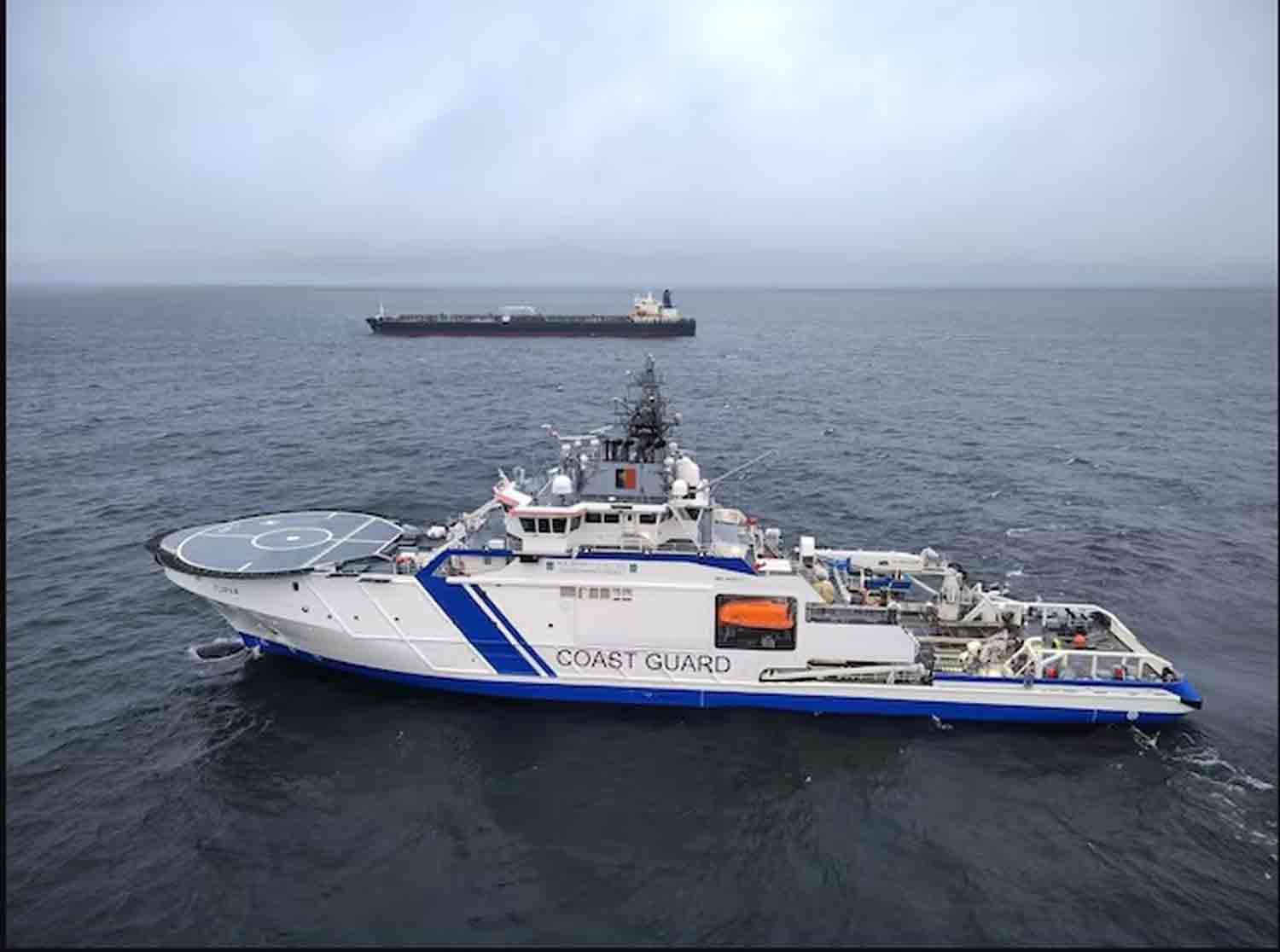
On November 18, shortly after two communication cables were cut in the Baltic Sea, 30 NATO vessels and 4,000 military personnel commenced operations in the same region for one of the largest naval exercises in northern Europe.

The 12-day exercise, named ‘Freezing Winds,’ is part of an initiative to enhance the transatlantic defense alliance’s safeguarding of infrastructure in waters that account for 15% of global shipping traffic and are increasingly perceived as susceptible to threats.

The Baltic Sea is flanked by eight NATO nations and Russia. Since 2022, following Russia’s invasion of Ukraine, there have been at least three incidents suggesting sabotage of the approximately 40 telecommunication cables and vital gas pipelines that traverse its relatively shallow seabed.

“NATO is increasing patrols, and allies are investing in innovative technologies to better secure these assets,” stated Commander Arlo Abrahamson, a representative for NATO’s Allied Maritime Command.

However, the simplicity with which a ship’s anchor can sever a cable, combined with the often hazardous sea conditions, renders the prevention of such attacks nearly unfeasible.

On the third day of the exercise, German Navy commander Beata Król attempted to deploy an underwater drone from her de-mining vessel, the Weilheim, to survey the seabed amid a winter storm.

After a 30-minute delay in its launch, the drone became frozen and was rendered inoperable.

The batteries have cooled down, she remarked with a shrug while she awaited the equipment to heat up.

After years of detonating World War Two-era mines on the Baltic seabed, NATO is now adapting its six-vessel minehunting fleet to also monitor suspicious underwater activities. This includes utilizing hull-mounted sonar to scan the seabed, deploying drones for underwater photography and video, and having specialized divers available.

However, its capabilities remain constrained. “We are a defensive alliance, so by conducting training and exercises in areas critical to underwater infrastructure, we demonstrate our presence and focus on prevention rather than active engagement,” Król stated.

IDENTIFYING CAUSES OF CABLE DAMAGE IS CHALLENGING

Security sources indicate that the Chinese bulk carrier Yi Peng 3, which departed from the Russian port of Ust-Luga on November 15, is believed to have severed two undersea cables in Swedish economic waters between November 17 and 18 by dragging its anchor along the seabed. As of Monday, the vessel was stationary in Danish economic waters, under surveillance by NATO naval ships, and had been urged by Sweden to return for investigation. Some politicians have alleged sabotage, but no authorities have provided evidence of intentional wrongdoing.

China has expressed its willingness to assist in the investigation, while its ally Russia has denied any involvement in the incidents affecting Baltic infrastructure. This situation mirrors an event from last year when the Chinese vessel NewNew Polar Bear damaged two cables connecting Estonia to Finland and Sweden, as well as an Estonia-Finland gas pipeline. China had similarly promised to help, yet the ship was not detained, and a year later, Finnish and Estonian investigators have yet to reach any conclusions.

Damage to cables is a longstanding issue, with approximately 150 incidents reported annually worldwide, as noted by the International Cable Protection Committee based in the UK. The telecom cables, power lines, and gas pipelines in the shallow waters of the Baltic Sea are especially susceptible due to heavy maritime traffic, according to TeleGeography, a telecom research firm based in the U.S.

Should any recent incidents be confirmed as acts of sabotage by a foreign nation, it would signify a resurgence of a form of warfare that has not been witnessed in decades. “To find a state-sponsored sabotage of a submarine cable, you would have to look back to World War One or the Spanish-American War,” remarked Paul Brodsky, a senior researcher at TeleGeography.

In response to this emerging threat, NATO established its Maritime Centre for Security of Critical Undersea Infrastructure (CUI) in London in May. The center aims to map critical infrastructure in NATO-controlled waters and pinpoint vulnerabilities. Additionally, a multinational naval headquarters was inaugurated in October in Rostock, located on Germany’s Baltic coast, to safeguard the interests of NATO members at sea.

Commander Pal Bratbak, the Branch Head of CUI, emphasized the increasing influence of technology, stating, “What I think we can achieve is to place the responsibility after an incident,” while aboard the Weilheim. NATO’s Centre for Maritime Research and Experimentation in Italy is set to introduce software that integrates private and military data, utilizing information from hydrophones, radars, satellites, vessels’ Automatic Identification System (AIS), and fibers with Distributed Acoustic Sensing (DAS), which telecom companies employ to detect cable damage.

“If we have a comprehensive understanding of the situation, we can deploy units to verify the information provided by the system,” Bratbak added. German Lieutenant-General Hans-Werner Wiermann, who previously led an undersea infrastructure coordination cell at NATO Headquarters until March, noted that it is impossible to guard every pipeline or cable at all times.

The appropriate reaction to these hybrid attacks is to enhance resilience, he stated, noting that companies are currently installing cables to create “redundancies”—alternative pathways that ensure essential infrastructure remains operational even if one cable is severed. Meanwhile, aboard the Weilheim, Król’s second drone has successfully navigated the storm to proceed with the underwater inspection drill.

Ukraine seeks NATO membership 30 years after the failed nuclear agreement

0

Ukraine criticized a 30-year-old agreement on Tuesday that led to its relinquishment of nuclear weapons in exchange for security guarantees that have not been fulfilled, as it intensifies efforts to secure an invitation to join NATO.

In light of renewed Russian aggression and concerns over U.S. President-elect Donald Trump‘s potential approach to the conflict, Kyiv is urgently seeking strong security assurances to safeguard its sovereignty.

The Ukrainian foreign ministry referenced the 1994 Budapest Memorandum, which resulted in Kyiv giving up the third-largest nuclear arsenal globally for security commitments, including those from Russia, following the dissolution of the Soviet Union in 1991.

“Today, the Budapest Memorandum stands as a testament to the shortsightedness in strategic security planning,” the ministry stated, commemorating the anniversary of the Dec. 5, 1994, agreement.

It emphasized that the memorandum should remind current leaders in the Euro-Atlantic community that constructing a European security framework that overlooks Ukraine’s interests is bound to fail.

Since 2014, Ukraine has condemned the memorandum, predating the 2022 invasion when Russian forces occupied and annexed Crimea and supported paramilitary groups in eastern Ukraine.

The conflict in eastern Ukraine, which resulted in the deaths of thousands, reached a fragile ceasefire after numerous discussions under the framework of the Minsk agreements.

Despite nearly three years of intense warfare, Kyiv has hesitated to engage in similar negotiations that might lead to a temporary ceasefire while leaving the door open for a potential new Russian offensive.

“Enough of the Budapest Memorandum. Enough of the Minsk Agreements. Twice is enough; we cannot fall into the same trap a third time. We simply have no right to do so,” stated Ukrainian President Volodymyr Zelenskiy.

Kyiv is urging NATO members to extend an invitation during the upcoming meeting of the alliance’s foreign ministers, which begins on Tuesday, as the invasion approaches its three-year anniversary and Russia continues to make territorial advances. The foreign ministry’s statement called on the United States and Britain, both signatories of the 1994 memorandum, along with France and China, which it claims also endorsed it, to support the provision of security guarantees for Ukraine.

“We firmly believe that the only genuine guarantee of security for Ukraine, as well as a deterrent against further Russian aggression towards Ukraine and other nations, is Ukraine’s full membership in NATO,” the statement emphasized.

Russia views the prospect of Ukraine joining NATO as a significant threat to its security and categorically rejects the idea.

Erdogan cautions the Syrian government

0

Ankara is dedicated to maintaining Syria‘s territorial integrity and seeks a resolution to the ongoing conflict that aligns with the “legitimate aspirations” of the Syrian populace, stated Turkish President Recep Tayyip Erdogan.

During a joint press conference with Montenegrin President Jakov Milatovic, Erdogan addressed the recent resurgence of hostilities in Syria. Islamist factions, including Hayat Tahrir al-Sham (HTS), have initiated a significant offensive from Idlib province targeting Aleppo, Hama, and Homs.

“Our primary objective is to ensure the preservation of Syria’s territorial integrity and national unity, and to bring an end to the conflict through consensus that reflects the legitimate demands of the Syrian people,” Erdogan remarked on Monday, as reported by Turkish media.

He noted that recent developments have “validated” Türkiye’s stance on the matter.

Erdogan also mentioned that Türkiye’s foreign minister and head of national intelligence are engaged in “ongoing consultations” with their counterparts, emphasizing that Ankara is “continuously monitoring the situation on the ground.”

In a related context, Turkish Foreign Minister Hakan Fidan appeared to hold the Damascus government accountable for the recent jihadist offensive that erupted last week.

“The resurgence of large-scale conflict in Syria stems from the unresolved interconnected issues that have persisted for over 13 years,” Fidan stated during a press conference alongside his Iranian counterpart Abbas Araghchi.

Fidan criticized President Bashar Assad’s administration for making a “mistake” by disregarding the “legitimate demands of the opposition” and failing to participate in the political dialogue.

“We have consistently advocated for the safeguarding of Syria’s territorial integrity and unity, and we will continue to do so,” Fidan affirmed.

In 2017, Turkey, Iran, and Russia reached an agreement aimed at preserving Syria’s territorial integrity and ending the conflict that began in 2011 with anti-government insurgents. President Erdogan referenced the Astana Process, named after Kazakhstan’s capital where the agreement was established, to justify Turkey’s intervention in Syria during the spring of 2020, as Syrian forces advanced towards the last stronghold of militants in Idlib. Subsequently, Moscow and Ankara brokered a ceasefire that required Turkey to distinguish between the “legitimate opposition” and terrorist groups affiliated with al-Qaeda, such as Hay’at Tahrir al-Sham (HTS).

Recently, an unexpected offensive by HTS and its allies enabled them to seize control of Aleppo for the first time since 2016, pushing government forces back towards Hama and Homs. In response, the Russian military presence in Syria has supported the Damascus government by conducting ongoing airstrikes against the militants.

Signs of instability are emerging in the Israel-Hezbollah ceasefire

0

Hezbollah, based in Lebanon, has retaliated against what it claims are Israeli violations of the ceasefire for the first time since the fragile truce was established last week, as stated by the militant group on Monday. Shortly thereafter, the Israel Defense Forces (IDF) reported conducting airstrikes targeting numerous missile launchers and infrastructure within Lebanon.

Since the ceasefire agreement between Israel and Hezbollah took effect last Wednesday, Israel has reportedly carried out daily assaults on Lebanese territory.

In response to these attacks, Hezbollah executed a “preliminary defensive response,” aiming at an Israeli-controlled location in the Golan Heights, according to a statement referenced by the Beirut-based television channel Al Mayadeen on Monday.

The IDF indicated that the Lebanese group fired two mortar shells towards Har Dov, which is recognized under international law as Syrian territory currently occupied by Israel.

Additionally, the IDF confirmed it had targeted “dozens of launchers and terrorist infrastructure across Lebanon,” including the site from which Hezbollah launched its attack, as detailed in a statement released on Monday night.

Israeli Foreign Minister Gideon Sa’ar asserted that the Israeli operations are intended to uphold the ceasefire rather than breach it. “Israel is not violating the ceasefire understandings but rather enforcing them in response to Hezbollah’s violations,” Sa’ar stated on X on Monday.

According to CNN, citing an anonymous source within the UN peacekeeping force in Lebanon (UNIFIL), Israel has reportedly violated the ceasefire “approximately 100” times since its implementation.

U.S. officials have voiced concerns regarding the ongoing Israeli strikes on Lebanese soil, as reported by Axios, with one official warning that the situation could lead to a breakdown of the temporary peace.

The conflict between Hezbollah and Israel intensified in October 2023, as the militant organization commenced intermittent shelling of Israeli regions, expressing support for the Palestinians in Gaza.

In early October, Israel initiated a “limited ground operation” in southern Lebanon and escalated its airstrikes on Beirut and other urban areas. The Israel Defense Forces (IDF) eliminated several senior members of Hezbollah’s leadership during these operations, including the group’s long-standing leader, Hassan Nasrallah.

According to the ceasefire agreement, the IDF is required to withdraw from Lebanon within 60 days, transferring control of the occupied areas to the Lebanese army, while an international committee will oversee the resolution of any complaints regarding violations.

U.S. faces a challenging situation in Syria as rebels make significant gains against the Assad regime

0
White Helmets members work at the scene of what the organisation says is a strike, in Idlib, Syria.

The recent offensive in Aleppo by Syrian rebel factions has placed the United States in a challenging position, as it seeks to navigate its support without fully endorsing either side while maintaining a troop presence of nearly 1,000 personnel in Syria as part of its ongoing campaign against ISIS.

On Monday, Maj. Gen. Pat Ryder, the Pentagon press secretary, clarified the US stance regarding the offensive that resulted in rebel groups swiftly capturing Aleppo, Syria’s second-largest city, for the first time in several years.

“Let me be clear that the US is in no way involved in the operations you see playing out in and around Aleppo in northwestern Syria, which as you know are being led by Hayat Tahrir al-Sham, a designated terrorist organization,” he stated, referring to HTS, and emphasized that the US is advocating for de-escalation.

National security adviser Jake Sullivan further highlighted the US dilemma during an interview with CNN on Sunday, noting that HTS is recognized as a “terrorist organization designated by the United States,” which raises significant concerns regarding its intentions and goals.

“At the same time, of course, we don’t lament the fact that the Assad government, supported by Russia, Iran, and Hezbollah, is experiencing certain pressures,” Sullivan remarked. “It’s a complex situation that we are monitoring closely, and we are maintaining close communication with regional partners.”

HTS was founded by Abu Mohammad al-Jolani, who previously established Jabhat al-Nusra, an al-Qaeda affiliate in Syria. Despite HTS’s attempts to dissociate from al-Qaeda, the US designated the group as a terrorist organization in 2018, citing its evolution from Jabhat al-Nusra.

Ryder stated on Monday that HTS, previously known as the ‘Nusrah Front’ and an affiliate of al Qaeda in Syria, remains classified as a terrorist organization.

Later that day, State Department spokesperson Matthew Miller emphasized that the United States would maintain its sanctions against President Bashar al-Assad’s regime, citing a lack of behavioral change from the government. Since the onset of uprisings in 2011, the US has imposed additional sanctions aimed at restricting resources due to the regime’s violence against civilians and to encourage a democratic transition as demanded by the Syrian populace, according to the State Department.

In light of the ongoing unrest, approximately 900 US service members are currently stationed in Syria as part of the anti-ISIS initiative. Although the operations in Aleppo are geographically distant from US forces, the prevailing instability—particularly Russia’s support for the Assad government—has led to communication between the US military and Moscow to avoid any potential miscalculations.

In reaction to the unexpected advance in Aleppo, Russia, a key ally of the Syrian regime, initiated an aerial campaign against opposition forces in the Aleppo and Idlib regions. Ryder noted on Monday that the US general overseeing the coalition efforts against ISIS in Iraq and Syria has engaged with Russian officials via a pre-established communication line.

The CJTF-OIR commander has utilized the established hotline with Russia to maintain open communication channels, particularly due to the proximity of our forces to Syria, Ryder stated on Monday. He refrained from providing specifics about the discussions but emphasized the importance of this communication mechanism to avert any potential miscalculations.

In the meantime, US and coalition forces in Syria have been facing ongoing attacks for nearly a year.

When questioned about recent assaults within the last 24 hours, Ryder confirmed a “rocket attack against one of our facilities in Syria,” noting that there were no injuries to US personnel and no damage to infrastructure. Additionally, he mentioned that on Friday, US forces executed a “self-defense strike near MSS Euphrates” to neutralize a potential threat to the US base, with no reported injuries or damage in that instance.

Ryder clarified that this action was “completely unrelated to the ongoing situation in northwestern Syria” and indicated that there have been no changes to the US force posture in Syria thus far.

Taiwan is monitoring Chinese aircraft carriers amid reports of possible military exercises this weekend

0

Taiwan’s Ministry of National Defense announced on Tuesday that it is closely monitoring the movements of a Chinese aircraft carrier and evaluating China‘s military activities, as security sources indicate that Beijing may initiate new military exercises as early as this weekend.

China, which asserts its claim over the democratically governed Taiwan, has conducted two rounds of military drills around the island this year, with its forces operating in the vicinity on a daily basis.

The Chinese government has a strong aversion to Taiwan’s President Lai Ching-te, whom it labels a “separatist.” Sources have informed Reuters that new military drills could be timed with his upcoming trip to the Pacific, which includes stops in Hawaii and Guam.

During a regular press briefing, Taiwan Defense Ministry spokesperson Sun Li-fang stated that while Taiwan is aware of the location of the Chinese aircraft carrier Liaoning, specific details could not be disclosed. The Liaoning participated in the most recent Chinese military exercises in October.

“The Ministry of National Defense takes the situation with the enemy very seriously and is fully prepared to address any threats,” he remarked.

When asked if Chinese military exercises could commence this weekend, given that Lai is scheduled to return to Taiwan late on Friday, Sun refrained from providing a direct answer.

“We have a comprehensive assessment of the enemy situation, utilizing numerous indicators to inform our strategic responses to the evolving circumstances.”

China’s defense ministry has not yet responded to a request for comment. The Chinese government has expressed its displeasure with the United States for permitting Lai’s visit. Lai disputes China’s claims of sovereignty but has expressed a desire for peaceful relations with Beijing, offering to engage in dialogue, which has been consistently rejected.

According to three security sources based in Taipei, who requested anonymity due to the sensitive nature of the information, recent intelligence assessments indicate a high likelihood of military exercises commencing this weekend. One source noted an unusually busy atmosphere in the waters surrounding Taiwan, suggesting that China may be positioning itself for potential drills.

On Monday, a northbound Russian naval fleet, consisting of three frigates and a supply vessel, approached within 24 nautical miles (45 km) of Taiwan’s southeastern coast and conducted joint simulated attacks on “foreign vessels and aircraft” alongside a nearby Chinese destroyer. The Russian fleet entered the East China Sea early Tuesday and is anticipated to continue its joint military exercises with Chinese forces as it moves northward.

In the meantime, China has deployed nearly 40 vessels in the area, including a carrier group led by the Liaoning in the East China Sea, as well as various naval and coast guard ships in the South China Sea. One source indicated that these deployments may be preparations for drills following Lai’s Pacific trip.

A second source informed Reuters that the upcoming winter drills for China’s military would be atypical and would serve as essential practice for potential operations against Taiwan at any time of the year. “China has been enhancing its capabilities to operate at night, and mastering combat in adverse weather conditions is another critical skill they are working to perfect,” the source added.

U.S. Senate has approved the promotion of the general involved in the Afghanistan withdrawal

0
U.S. Army Major General Chris Donahue, commander of the 82nd Airborne Division, steps on board a C-17 transport plane as the last U.S. service member to leave Hamid Karzai International Airport in Kabul, Afghanistan August 30, 2021 .

The U.S. Senate confirmed the promotion of Army Lieutenant General Christopher Donahue on Monday, following a brief hold placed by a Republican senator. Donahue, who commanded forces in Afghanistan during the U.S. withdrawal, is set to become a four-star general and the top commander of the U.S. Army in Europe.

Senator Markwayne Mullin had initially blocked Donahue’s nomination. The 2021 military withdrawal from Afghanistan has been criticized by President-elect Donald Trump and his supporters, who have pledged to hold accountable those involved. During his re-election campaign, Trump stated in August that he would seek the resignations of all senior officials associated with the Afghanistan situation.

Donahue’s confirmation was achieved through unanimous consent, as part of a larger group of military promotions. His office has not yet provided a comment on the matter.

As the commander of the 82nd Airborne Division during the withdrawal, Donahue was the last American soldier to depart Afghanistan as U.S. forces completed their evacuation in August 2021. His image, captured as he boarded the final C-17 flight with his rifle at his side, has become emblematic of the tumultuous exit, yet he is regarded within military circles as one of the most capable commanders.

According to Senate regulations, a single senator can delay nominations, even if the remaining 99 are in favor of swift approval.

Chinese lidar sensors present a cybersecurity threat to U.S. defense systems, according to a report

0
A person walks outside the headquarters of lidar sensor maker Hesai Group in Shanghai, China.

Chinese-manufactured lidar sensors pose potential risks of hacking and sabotage to the U.S. military during conflicts, as highlighted in a report from a Washington think tank released on Monday. The report advocates for prohibiting the integration of these sensors into American defense systems.

Lidar sensors utilize lasers to create a digital three-dimensional representation of their surroundings. While they are primarily used in automotive driver-assistance technologies, they also play a vital role in critical infrastructure, such as ports, where they facilitate the automation of cranes.

The U.S. military is exploring the application of this technology in autonomous military vehicles. However, the Foundation for Defense of Democracies warns that these lidar sensors, often connected to the internet, employ sophisticated processors that could harbor hidden malicious code or firmware backdoors, making them challenging to identify.

These “hardware trojans” could be manipulated by the Chinese government, which, under national law, can compel companies to adhere to state security mandates. Additionally, satellite-based laser systems could potentially disable these sensors almost instantaneously across extensive areas of U.S. territory, according to the foundation.

“Although Chinese lidar sensors may offer cost advantages, the long-term risks associated with sabotage and surveillance significantly outweigh any initial savings,” stated Craig Singleton, a senior fellow at the foundation and one of the report’s authors, in an interview with Reuters.

The foundation has urged U.S. lawmakers to prohibit the acquisition of Chinese lidar for defense applications and recommended that state governments restrict its use in critical infrastructure. Furthermore, it suggested that U.S. policymakers collaborate with allied nations, including Germany, Canada, South Korea, Israel, and Japan, to establish an alternative lidar supply chain independent of China.

Numerous leading lidar manufacturers, including Valeo, Luminar Technologies, and Aeva Technologies, are located in Europe and the United States. However, China has emerged as a significant contender in the sector, with companies like Hesai Group making notable advancements.

In October, the U.S. Department of Defense indicated its intention to re-add Hesai to a list of companies it claims are associated with the Chinese military.

Hezbollah currently has no intentions to send fighters to northern Syria, according to reports

0
Hezbollah members parade during a rally marking al-Quds Day,

Lebanese militant group Hezbollah has no plans at present to deploy fighters to northern Syria in support of the Syrian army, according to three sources familiar with the group’s perspective, as reported by Reuters on Monday.

Last week, a coalition of rebel forces launched an unexpected offensive in northern Syria, rapidly advancing through government-controlled areas in Aleppo and Idlib provinces, which resulted in the expulsion of government troops from Aleppo city—marking a significant defeat for Syrian President Bashar al-Assad in recent years.

Iranian Foreign Minister Abbas Araqchi stated on Monday that Syria’s military possesses the capability to counter the rebels, but emphasized that “resistance groups will assist, and Iran will provide any necessary support,” referring to the militia groups backed by Tehran.

The sources indicated to Reuters that Hezbollah has not been requested to intervene and is currently unprepared to send forces to Syria, especially after enduring over a year of conflict with the Israeli military, including two months of intense ground combat in southern Lebanon.

Hezbollah has not yet responded to a request for comment. A senior Iranian official informed Reuters that Iran is closely observing the situation and is prepared to support the Syrian government as needed, but there are no immediate plans to offer military assistance or to deploy personnel on the ground.

“In discussions with Syrian officials, there has been no request for the deployment of Iranian military personnel,” the official stated.

A regional official with ties to Tehran commented on Hezbollah, stating, “Tehran maintains communication with Hezbollah, and there has not been any request from the Syrian government to date.”

Reports indicate that approximately 4,000 Hezbollah fighters may have lost their lives due to Israeli strikes in Lebanon since October 2023, according to an insider familiar with the group’s activities.

Israeli airstrikes have increasingly focused on Hezbollah fighters in Syria, where the group has been involved in supporting Assad’s forces in reclaiming territory since 2013, alongside its allies Iran and Russia.

One source revealed that the group had relocated senior officers responsible for operations in Aleppo from northern Syria to engage in ground combat against Israel.

Additionally, two other sources, one from Lebanon and the other from Syria, noted that Hezbollah began withdrawing forces from Syria in mid-October as hostilities with Israel escalated along the border.