Wednesday, April 15, 2026
Home Blog Page 68

UAE envoy to Washington has described the United States’ approach to Gaza as challenging

0
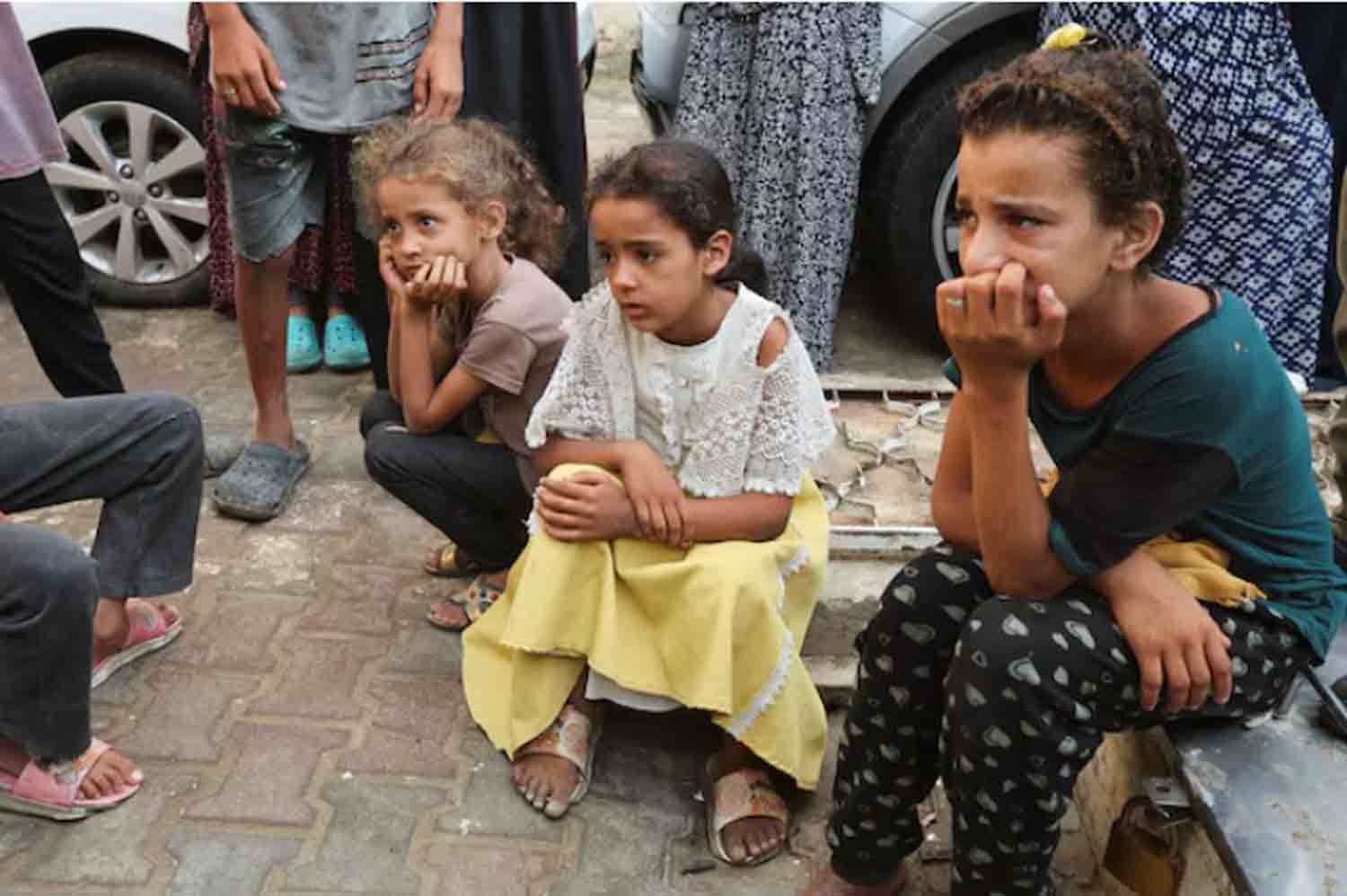
Children at tent camp for displaced people in Gaza

The United Arab Emirates’  (UAE) ambassador to the United States, Yousef Al Otaiba, remarked on Wednesday that the U.S. stance on Gaza is “challenging.” He emphasized during the World Government Summit in Dubai that ultimately, all parties are engaged in seeking solutions, although the outcome remains uncertain.

President Donald Trump proposed that the United States would assume control over the war-torn Gaza Strip and focus on its economic development after relocating Palestinians, a move that would significantly alter longstanding U.S. policy regarding the Israeli-Palestinian conflict.

When asked if the UAE and the U.S. could reach a consensus on Gaza, the ambassador expressed his country’s intention to explore this possibility. Otaiba noted that the two nations could continue discussions and collaborate, even in the face of differing opinions.

“We are adaptable, we ensure our perspectives are communicated, and we are forthright and unapologetic in our approach. Like any relationship, there are times when our allies heed our advice, and other times when they do not; we may agree on some issues while disagreeing on others, but we consistently aim to identify common ground,” he stated.

He further added, “Disagreement on certain matters does not preclude dialogue between us.”

A senior Trump official is in Kyiv to negotiate a minerals and energy agreement

0
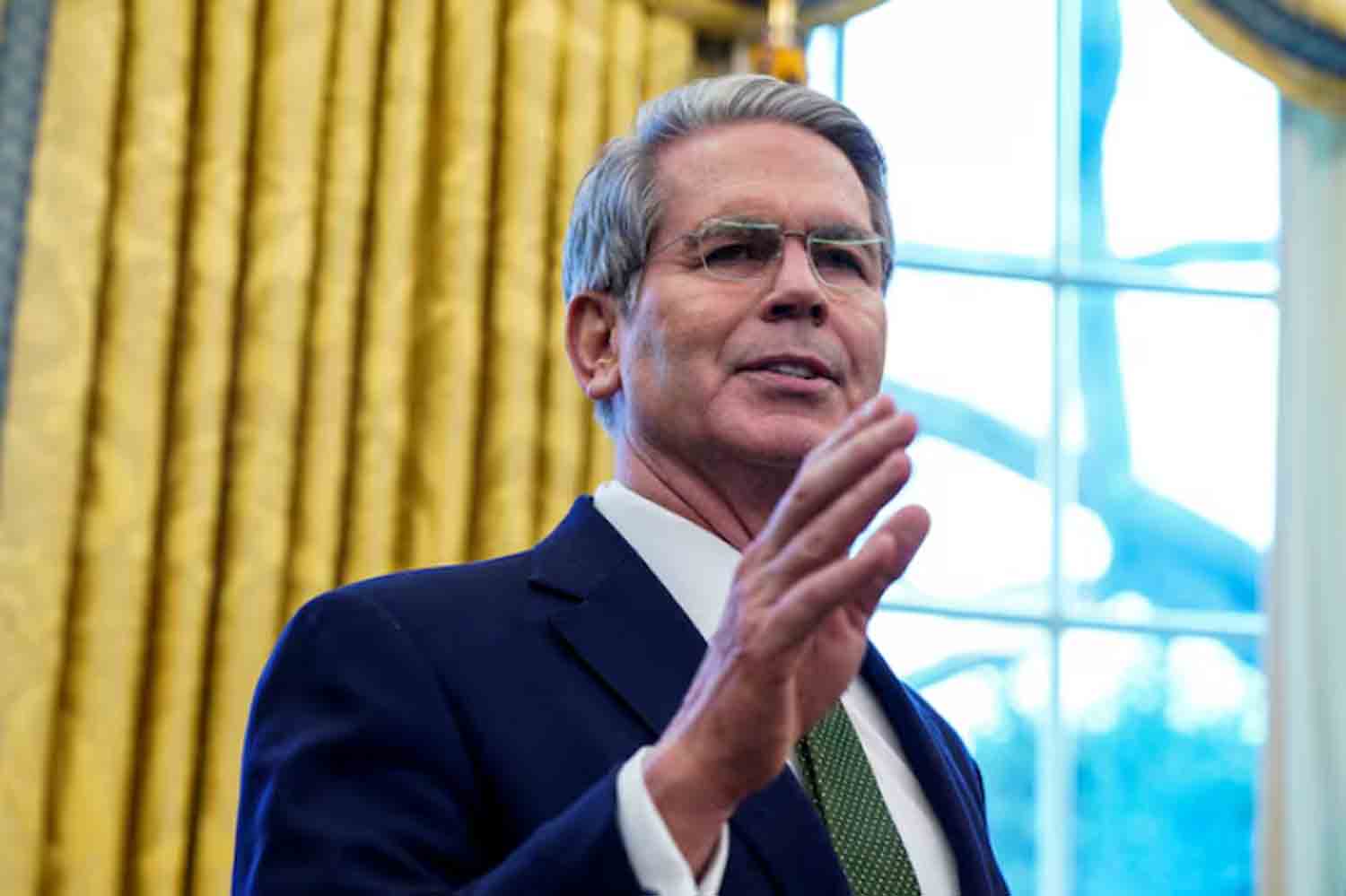
U.S. Secretary of the Treasury Scott Bessent speaks at the White House, in Washington.

U.S. Treasury Secretary Scott Bessent traveled to Kyiv on Wednesday to negotiate a crucial minerals agreement as Ukraine seeks to secure support from U.S. President Donald Trump during a critical phase of the ongoing conflict with Russia.

Bessent, marking the first visit to Ukraine by a cabinet-level official from Trump’s administration, is expected to meet with President Volodymyr Zelenskiy, who has expressed willingness to engage in discussions with Washington and aims to secure U.S. security assurances to bring an end to the war with Russia.

This visit followed a predawn Russian ballistic missile strike that resulted in one fatality in Kyiv, causing alarm among residents as explosions echoed through the city.

Trump has indicated a desire for a swift resolution to the violence but has not clarified his stance on continuing essential military support to Kyiv. He has expressed interest in acquiring $500 billion worth of rare earth minerals from Ukraine, emphasizing that U.S. backing must be “secured.”

In a recent interview with Reuters, Zelenskiy outlined the framework of a potential agreement, presenting a map that highlighted various mineral deposits and asserting that he is proposing a collaborative partnership for their development rather than simply transferring ownership.

A U.S. official familiar with the discussions noted that Bessent, a former hedge fund manager, intends to address a strategic minerals pact that would encompass energy resources, energy assets, and state-owned enterprises.

Those comments may partially allude to a proposal for utilizing Ukraine’s extensive underground storage facilities to hold U.S. natural gas intended for Europe, a topic that President Zelenskiy has indicated is under discussion between Kyiv and the White House. According to sources, such an agreement would enhance U.S. interests in both the security and economic stability of Ukraine.

This visit serves as a clear indication of genuine U.S. commitment to Ukraine, which is particularly reassuring for a Kyiv that is closely monitoring the Trump administration’s interactions with Russian President Vladimir Putin.

On Tuesday, a U.S. prisoner was released by Russia following a trip to Moscow by U.S. special envoy Steve Witkoff, marking the first visit by a senior U.S. official to Russia since the onset of the invasion in February 2022. The potential minerals agreement illustrates how Ukraine has swiftly adjusted its foreign policy to align with the transactional approach advocated by the new administration in Washington, which is Ukraine’s key ally during wartime.

SIGNIFICANT ADVANCEMENTS

Trump’s choice to send his treasury secretary to Ukraine before any other official is notable, especially in a wartime capital that has seen a continuous influx of Western security, defense, and political figures over nearly three years of conflict. Bessent has committed to intensifying sanctions on Russia’s oil industry, a strategy initiated by the Biden administration just prior to its departure.

As hostilities continue in eastern Ukraine, where Russian forces have made significant gains, this visit marks the beginning of a series of critical diplomatic challenges for Ukraine this week. Additionally, on Wednesday, the Ukraine Defence Contact Group, established under former President Joe Biden to provide military support to Ukraine, will meet for the first time since Trump assumed office, with U.S. Defense Secretary Pete Hegseth in attendance.

As the week draws to a close, Zelenskiy is set to meet with U.S. Vice President JD Vance at the Munich Security Conference, where Keith Kellogg, Trump’s special envoy for Russia and Ukraine, is also expected to be present. Trump has claimed to have made “tremendous progress” toward facilitating a deal between Ukraine and Russia and anticipates a conversation with Zelenskiy this week.

On Monday, Russia’s chief representative for U.S. relations stated that all of Putin’s conditions must be fully satisfied before the conflict in Ukraine can conclude, indicating that Moscow is adopting a tough stance with Trump. These conditions require Ukraine to abandon its NATO aspirations and withdraw its forces from the entirety of four Ukrainian regions that are claimed and largely controlled by Russia, a demand that Kyiv has equated to surrender.

Zelenskiy has mentioned that his team is actively working to arrange a meeting with Trump, emphasizing the importance of this meeting occurring prior to the U.S. president’s discussions with Putin. Trump has suggested that he has had conversations with Putin but has not provided specific details. The Kremlin has neither confirmed nor denied these discussions.

Indian aircraft manufacturer commits to expedited delivery following criticism from the air chief

0

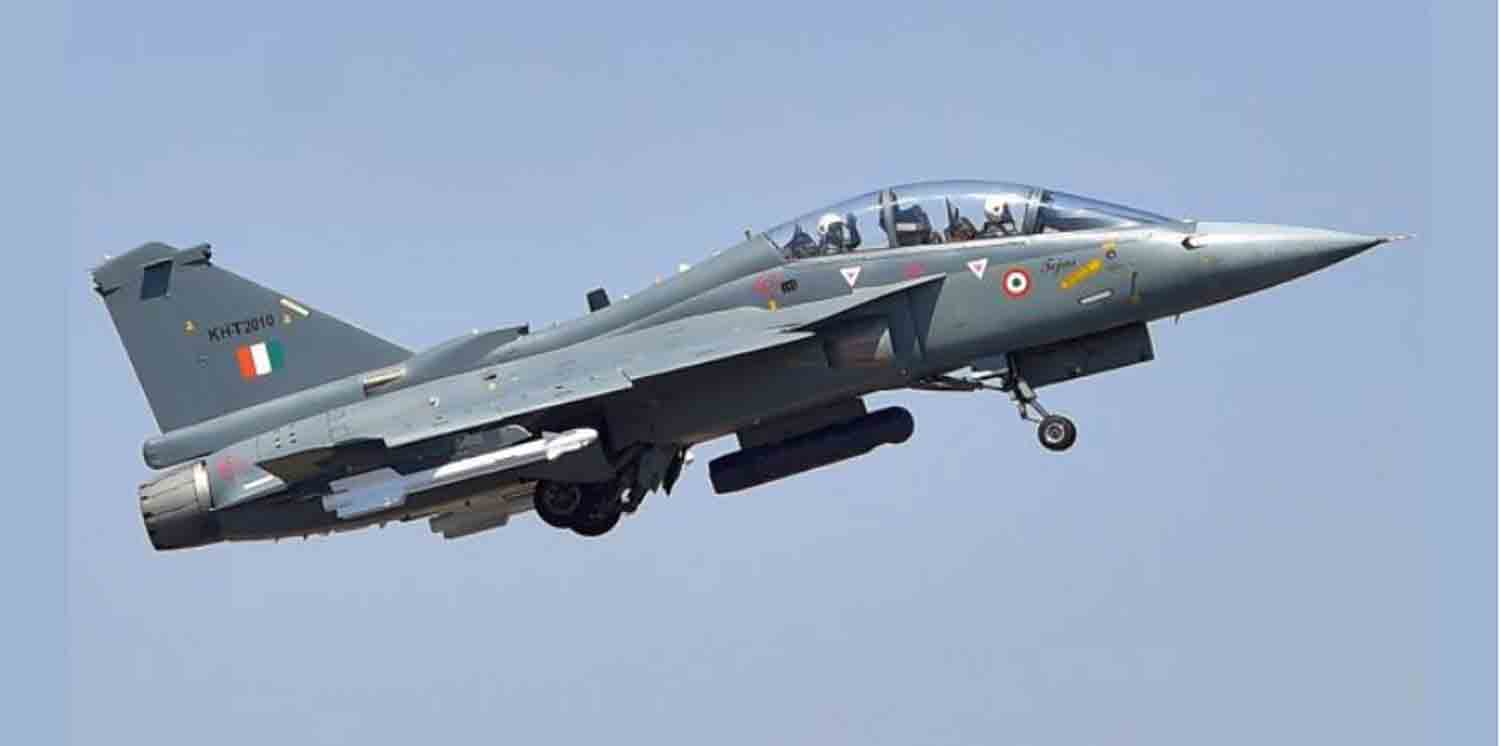
India’s state-owned aircraft manufacturer, Hindustan Aeronautics Ltd (HAL), acknowledged the military’s frustration regarding delays in the delivery of fighter jets and assured that production would commence once General Electric provides the necessary engines.

During a press conference held on Tuesday, following the release of a video depicting the air force chief reprimanding HAL representatives, HAL Chairman D.K. Sunil stated, “The air chief’s concerns are valid, especially as his squadron numbers are diminishing.”

“We have committed to having all structures prepared,” Sunil added. “We are in the process of building these aircraft. Once the engines are received, we will begin the rollout.”

The Indian Air Force currently operates only 31 fighter squadrons, significantly below its target of 42, which has raised concerns among officials, particularly in light of ongoing tensions with neighboring countries China and Pakistan.

The Air Force has placed an order for 83 Light Combat Aircraft Mk-1A from HAL, an upgraded version of the existing Mk-1, with initial deliveries scheduled to begin in February 2024 as part of a contract valued at 364.68 billion rupees (approximately $4.20 billion). Additionally, plans are in place to acquire 97 more Mk-1As, bringing the total number of “Tejas” aircraft to 220.

However, the delivery timeline has faced multiple setbacks, primarily due to delays in engine supply from GE, which is currently grappling with supply chain challenges. GE has not yet responded to a request for comment from Reuters as of Wednesday. A video released by the defense news outlet National Defence gained significant attention on Tuesday, showing Air Chief Marshal Amar Preet Singh addressing HAL officials at the Aero India air show in Bengaluru the day before.

Currently, I lack confidence in HAL, Singh stated while seated in the cockpit of a trainer aircraft, with HAL officials positioned beside him on a platform. “I was assured that by February, I would see 11 Mk1As ready, excluding the engines,” Singh remarked. “Not a single one is prepared. I am not impressed.”

Sanjeev Kumar, India’s defence production secretary, mentioned at the same air show that production lines at both HAL and GE have stabilized, indicating that the Indian company would be capable of delivering between 16 to 24 aircraft in the fiscal year beginning in April.

Additionally, this week, India’s close defence partner, Russia, proposed to manufacture its fifth-generation stealth fighter jet, the Sukhoi Su-57, in India for the Indian Air Force, by upgrading the production line for the Sukhoi Su-30 aircraft, of which 260 are currently in service in India.

Trump prepares to implement reciprocal tariffs amid escalating concerns over a trade war

0
Donald Trump gestures at Turning Point USA's AmericaFest in Phoenix, Arizona, U.S.

Donald Trump’s trade advisors were finalizing plans on Wednesday for the reciprocal tariffs that the U.S. president has pledged to implement against any country imposing duties on American imports, escalating concerns about a potential global trade conflict.

In a separate development, trade ministers from the 27-member European Union were scheduled to convene later via videoconference to discuss their strategy in response to European Commission President Ursula von der Leyen’s statement that any tariff actions against the EU “will not go unanswered.”

Trump’s announcement on Monday to impose tariffs on all steel and aluminum imports starting March 12 took markets by surprise. This decision faced backlash from Mexico, Canada, and the European Union, while Japan and Australia expressed intentions to seek exemptions from the tariffs.

The announcement prompted industries dependent on steel and aluminum imports to take urgent measures to mitigate anticipated cost increases. Last week, Trump also enacted an additional 10% tariff on Chinese goods, effective February 4, with Chinese retaliatory measures set to commence this week.

He postponed a 25% tariff on products from Mexico and Canada for one month, until March 4, to facilitate negotiations aimed at securing U.S. borders and curbing the flow of fentanyl. While some U.S. workers supported the metal tariffs introduced on Monday, many manufacturing firms voiced significant concerns about the implications of these tariff increases, warning that they would disrupt supply chains and impact all businesses reliant on these materials.

Executives from various companies, including the supermarket chain Ahold Delhaize and Siemens Energy, have expressed concerns that tariffs will result in increased prices as they attempt to transfer the additional costs of imports to consumers. European steel manufacturers are also apprehensive that U.S. tariffs could lead to an influx of inexpensive steel into Europe. French steel producer Aperam has called on Brussels to take action to limit imports if this scenario occurs, while Austria’s specialty steelmaker voestalpine has urged the EU to implement immediate countermeasures.

In Australia, the industry minister has stated that the country’s initiative to enhance “green” aluminum exports will not be hindered by the potential imposition of U.S. tariffs. “There is a significant global demand for our aluminum; it is essential for the transition to net zero,” Ed Husic remarked to reporters at the National Press Club in Canberra. “The real question for our American counterparts is whether they are willing to pay more for a product they need so much.”

SIGNIFICANT CHALLENGE

White House officials have remained discreet regarding the details and timing of the upcoming tariffs, with one insider suggesting that an announcement could be made later this week. On Monday, Trump indicated that he would unveil reciprocal tariffs within the next two days targeting all nations that impose duties on U.S. goods, and he is also considering separate tariffs on automobiles, semiconductors, and pharmaceuticals. Trade analysts note that devising the reciprocal tariffs Trump envisions presents considerable difficulties for his administration, which may clarify why the latest duties were not revealed on Tuesday.

William Reinsch, a senior fellow at the Center for Strategic and International Studies, indicated that officials in the Trump administration might consider implementing a straightforward flat tariff rate of either 10% or 20%. Alternatively, they could pursue a more complex strategy that would necessitate creating distinct tariff schedules to align U.S. tariffs with those of other countries. A source monitoring the tariff developments mentioned that discussions were still ongoing as of late Tuesday.

Damon Pike, a trade expert and principal at BDO International’s U.S. division, noted that the reciprocal tariffs envisioned by Trump would represent a significant challenge, as each of the 186 members of the World Customs Organization has its own unique duty rates. “At the international level, there are approximately 5,000 different classifications at the 6-digit product subheading level, which translates to 5,000 multiplied by 186 nations. It’s akin to an artificial intelligence project,” he remarked.

Additionally, Trump could invoke the International Emergency Economic Powers Act, which was previously used to justify tariffs on China and those proposed for Canada and Mexico. “Without IEEPA, some form of agency action would be required before any trade remedy tariffs could be enacted… but everything appears to be moving quickly,” Pike stated, noting that typically, tariff decisions would fall under congressional authority.

Reinsch cautioned that implementing reciprocal tariffs would effectively transfer control of the U.S. tariff schedule to other nations, compelling the U.S. to follow their established rates, which could yield counterproductive outcomes. “For instance, if Colombia imposes a high tariff on coffee to protect its domestic industry, we would then impose a similar high tariff on Colombian coffee, despite the fact that we do not produce coffee ourselves. The primary victims of this would be U.S. consumers,” he explained.

Israeli military mobilizes reservists amid growing concerns regarding the Gaza ceasefire

0
Buildings lie in ruin in Beit Hanoun in the Gaza Strip, amid the ongoing conflict between Israel and Hamas, as seen from southern Israel.

Israeli military has activated reservists in anticipation of a potential renewal of hostilities in Gaza if Hamas does not comply with a Saturday deadline to release additional Israeli hostages, leading to a collapse of the nearly month-long ceasefire.

Under the ceasefire agreement established on January 19, the Palestinian militant organization committed to releasing three more hostages on Saturday. However, this week, Hamas announced it was halting the transfer, citing alleged violations of the agreement by Israel.

U.S. President Donald Trump stated that all hostages must be released by noon on Saturday, warning that failure to do so would result in severe consequences. Prime Minister Benjamin Netanyahu indicated on Tuesday that Israel would resume “intense fighting” if Hamas did not adhere to the deadline, although he did not specify the number of hostages required for release.

Netanyahu confirmed that he had instructed the military to mobilize forces in and around Gaza, and shortly thereafter, the military announced the deployment of additional troops to southern Israel, including the activation of reservists.

This standoff poses a risk of reigniting a conflict that has already devastated the Gaza Strip, displacing a significant portion of its population and leading to critical shortages of food, water, and shelter, while also pushing the Middle East closer to a broader regional conflict. Israeli officials reported that government ministers have supported Trump’s ultimatum to “cancel” the ceasefire unless all remaining Israeli hostages are released by Saturday.

Hamas has expressed its ongoing commitment to the agreement but has not consented to the release of hostages on Saturday. A Palestinian official involved in the discussions indicated that mediators have intensified their efforts “to avert a significant crisis.” When asked about the current situation, another Hamas representative informed Reuters, without elaborating, that “contacts are ongoing.”

The conflict in Gaza was ignited by a Hamas-led assault on southern Israel on October 7, 2023, resulting in the deaths of at least 1,200 individuals and the abduction of over 250 hostages taken into Gaza, according to Israeli reports.

In retaliation, Israel launched a military campaign against Hamas, which has devastated the coastal region and resulted in the deaths of more than 48,000 Palestinians, as reported by health officials in Gaza.

CONCERNS ABOUT REGIONAL INSTABILITY

To date, Hamas has released 16 Israeli hostages from an initial group of 33, which includes children, women, and elderly men, in exchange for hundreds of Palestinian prisoners and detainees as part of the first phase of a multi-stage ceasefire agreement. Additionally, five Thai hostages were returned in an unplanned release.

Discussions regarding the second phase of the agreement, which mediators anticipated would involve the release of the remaining hostages and the complete withdrawal of Israeli forces from Gaza, were expected to take place in Doha. However, an Israeli delegation returned home on Monday, just two days after their arrival. Thousands of demonstrators in Israel have urged the government to proceed with the ceasefire agreement to secure the return of the remaining hostages.

A proposal put forth by Trump to assume control of Gaza, displace its over 2 million Palestinian residents, and transform the area into an international beach resort has raised concerns about potential regional instability, according to senior Arab officials on Wednesday.

During a summit in Dubai, Arab League Secretary General Ahmed Aboul Gheit warned that Trump’s plans for Gaza could trigger a new cycle of crises in the Middle East, adversely affecting peace and stability.

Palestinians are apprehensive about a recurrence of the “Nakba,” or catastrophe, which saw nearly 800,000 individuals flee or be expelled during the 1948 conflict that resulted in the establishment of Israel. Israel disputes claims that these individuals were forcibly removed. Under Trump’s vision for Gaza, he has stated that Palestinians would not have the right to return.

Trump has suggested that Palestinians in Gaza could relocate to countries like Jordan, which already hosts a significant Palestinian population, and Egypt, the most populous nation in the Arab world. Both countries have rejected this proposal.

Egypt is set to convene an emergency Arab summit on February 27 to address “serious” developments concerning the Palestinian situation.

Aboul Gheit indicated that the Arab Peace Initiative, proposed by Saudi Arabia in 2002, which offered Israel normalized relations in exchange for a statehood agreement with the Palestinians and a complete Israeli withdrawal from territories occupied in 1967, would be revisited.

Trump is advocating for Saudi Arabia to normalize relations with Israel, a move that would represent a significant strategic and diplomatic achievement for Israel, given Saudi Arabia’s status as the custodian of Islam’s holiest sites and its considerable influence across other Arab and Muslim nations.

During his first term, Trump facilitated the Abraham Accords, which established normalization agreements between Israel and several Arab nations, including the United Arab Emirates, a key regional business and financial center.

In its latest statement, Saudi Arabia reiterated that it would not establish relations with Israel without the establishment of a Palestinian state.

Macron emphasizes the need for respect towards Palestinians in Gaza, stating that the appropriate response is not a real estate transaction

0

In the midst of the intense backlash surrounding Donald Trump’s suggestion to “take over” Gaza, French President Emmanuel Macron has emphasized the need for “respect” towards Palestinians and their Arab neighbors, rejecting the US president’s notion of forcibly relocating Gazans from their homeland.

“You cannot tell 2 million people, ‘now you will move,’” Macron stated in an interview with CNN, recorded on Thursday at the Elysee Palace in advance of this week’s AI summit.

“The appropriate response is not a real estate maneuver; it is a political solution,” he asserted.

While France has openly supported Israel’s right to defend itself following the Hamas attack on October 7, 2023, Macron has also been vocal in criticizing Israel’s policies and actions during its military campaigns in Gaza and Lebanon.

In October 2024, France halted arms exports to the Israel Defense Forces (IDF) and urged other countries to do the same.

“I have consistently expressed my disagreement with (Israeli) Prime Minister Netanyahu,” Macron remarked. “I do not believe that such a large-scale operation, which sometimes targets civilians, is the correct approach.”

Macron emphasized that an “efficient” approach to the reconstruction of Gaza does not imply a lack of respect for individuals or nations. He underscored the desire of Palestinians to remain in their homeland and noted the reluctance of both Jordan and Egypt to accept a significant influx of Gazan refugees.

Trump’s controversial proposal suggested relocating Palestinians from Gaza to neighboring Egypt and Jordan, with the United States assuming “long-term ownership” of the territory.

His remarks drew widespread criticism, particularly for promoting Gaza’s real estate potential and envisioning its transformation into a “Middle Eastern Riviera.”

This is not the first instance of such ideas emerging from Trump’s circle. Last year, his son-in-law Jared Kushner, who was a senior adviser during Trump’s first term, proposed “cleaning up” Gaza by removing civilians to unlock the area’s “very valuable” waterfront.

Israeli Prime Minister Benjamin Netanyahu expressed support for Trump’s “remarkable idea” during a recent visit to the United States. In recent months, there has been a surge of far-right settler groups in Israel advocating for the redevelopment of Gaza, urging Arab residents to leave and to re-establish Jewish settlements.

Any attempt to seize land from the Palestinians would violate international law and is likely to provoke further global backlash.

The international community, including France, has already voiced strong opposition to Trump’s proposals.

The United Nations expressed strong concerns, with its secretary-general cautioning Trump against the notion of “ethnic cleansing.” Spain’s foreign minister stated on RNE that “the land of Gazans is Gaza.” In Western Europe, only Geert Wilders, a far-right leader from the Netherlands, publicly supported the idea, suggesting on X, “Let Palestinians move to Jordan. Gaza-problem solved!”

German President Walter Steinmeier deemed the proposal “unacceptable,” while Foreign Minister Annalena Baerbock warned it would result in “new suffering and new hatred.”

However, some allies have attempted to balance their positions, aiming to satisfy Trump while maintaining established principles regarding Palestinian rights. UK Foreign Secretary David Lammy remarked to reporters in Ukraine this week, “On the issue of Gaza, Donald Trump is right. Observing the devastation, it is evident that Palestinians have been horrendously displaced over many months of conflict, and Gaza lies in ruins.”

Lammy further emphasized, “We have consistently maintained that a two-state solution is essential, allowing Palestinians to live and thrive in their homeland of Gaza.” UK Prime Minister Keir Starmer echoed this sentiment, asserting that Palestinians must be permitted to return to their homes in Gaza.

France has been vocally opposed to any plans for the displacement of Palestinians, with a government spokesperson labeling such proposals as a “destabilizing question in the Middle East.”

Trump is seeking China’s involvement in fostering peace in Ukraine. Will Xi Jinping be inclined to assist?

0
Chinese President Xi Jinping meets with Russian President Vladimir Putin in Kazan, Russia.

As the conflict in Ukraine approaches its fourth year, former US President Donald Trump has indicated that he believes Xi Jinping, an ally of Vladimir Putin, could play a pivotal role in helping the United States bring the war to a close.

“Hopefully, China can assist us in halting the war, particularly regarding Russia and Ukraine … they possess significant influence over that situation, and we are willing to collaborate with them,” Trump stated to a gathering of political and business leaders at the World Economic Forum in Davos, Switzerland, last month.

This sentiment, which Trump has reiterated, was also conveyed during a conversation with the Chinese leader shortly before his recent inauguration. It is a topic likely to resurface as global officials convene in Munich for the annual security conference in the coming days.

Although Trump may have complicated his strategy for achieving peace with Xi by implementing a blanket 10% tariff on Chinese imports earlier this month, the situation in Ukraine could present a unique opportunity for cooperation, particularly as Beijing seeks to mitigate escalating trade tensions.

“Considering the importance of US-China relations, if Trump views China’s cooperation as a crucial factor for improving ties, it is likely that China will be inclined to assist … and could potentially play a constructive role,” remarked Yun Sun, director of the China Program at the Stimson Center think tank in Washington. However, she cautioned that Beijing would remain cautious about jeopardizing its relationship with Russia.

China has consistently aimed to establish itself as a potential mediator in the ongoing conflict, advocating for its own vaguely articulated proposal for resolution. However, in Western circles, this initiative has been largely eclipsed by a more significant reality: China’s steadfast support for Russia under Putin.

For Xi, jeopardizing this partnership would carry substantial risks, as he has cultivated it as a vital component of his broader strategy to counter Western influence and reshape global dynamics in favor of China.

At a negotiating table where Xi holds a significant position, it is Putin, rather than Trump, who stands as a reliable ally—a situation that Washington must navigate with caution to avoid alienating European partners or arriving at a solution that Ukraine finds unacceptable, according to analysts.

Chong Ja Ian, an associate professor at the National University of Singapore, noted, “The outcome that Beijing wishes to prevent is a significantly weakened Russia, as this would leave China without a key ally.”

A notable shift in Washington’s stance

Looking ahead, the future of the conflict is anticipated to be a central topic at the forthcoming Munich Security Conference, commencing Friday in Germany. US Vice President JD Vance is scheduled to meet with Ukrainian President Volodymyr Zelensky, while Chinese Foreign Minister Wang Yi will lead a delegation from Beijing.

A notable shift in Washington’s stance on the war looms over the conference. Trump has raised concerns about American support for Ukraine, which his predecessor Joe Biden and US NATO allies view as essential for upholding Ukraine’s sovereignty and the established rules-based international order.

In a recent Fox News interview, Donald Trump, known for his transactional approach, proposed that the United States should gain access to Ukraine’s abundant natural resources in return for military support. He also remarked that Ukraine “might become Russian one day” and claimed that his administration has made “significant strides” in establishing a foundation for possible peace negotiations between Russia and Ukraine, although he did not elaborate on the specifics.

During a series of meetings in Europe this week, U.S. Secretary of Defense Pete Hegseth, Secretary of State Marco Rubio, and Trump’s envoy to Ukraine and Russia, General Keith Kellogg, are expected to encourage their European and NATO allies to enhance their support for Ukraine, according to defense officials and sources familiar with the discussions.

Additionally, members of the Trump administration are scheduled to engage with Ukrainian officials in the upcoming days. Sources indicate that Treasury Secretary Scott Bessent is likely to visit Kyiv to discuss the country’s vital mineral resources, while Kellogg is also anticipated to travel to Ukraine following meetings in Munich.

Ukrainian President Zelensky has expressed his willingness to negotiate with Putin, contingent upon continued support from the U.S. and Europe, including “security guarantees.” Meanwhile, Russia has reiterated that it would only accept a peace agreement if Ukraine abandons its aspirations to join NATO and relinquishes territories annexed by Russia.

While Trump advocates for a rapid conclusion to the conflict, his administration has not yet provided detailed proposals regarding the peace terms they envision.

The extent to which Trump may collaborate with Xi, and whether Xi is receptive to such cooperation, could largely hinge on these specific conditions, according to analysts. Historically, Western leaders have attempted, without success, to persuade Xi to influence Putin towards a peace agreement aligned with the proposals put forth by Zelensky and Ukraine.

Despite China’s assertion of neutrality and calls for peace, it has become a crucial diplomatic and economic supporter of Russia during the conflict, supplying dual-use goods that NATO leaders claim bolster Russia’s defense capabilities and military efforts. Beijing justifies its trade with Russia as part of standard bilateral relations.

From Trump’s perspective, this situation may grant Xi significant influence over Putin. However, experts on China’s foreign policy suggest the dynamics are more complex.

“Can China threaten to cut off the supply of essential goods to Russia? It cannot, because a completely failed Russia is not in China’s interest,” stated Liu Dongshu, an assistant professor specializing in Chinese politics at the City University of Hong Kong. He emphasized that Beijing recognizes its relations with the US and Europe have deteriorated to a point where it has little choice but to continue supporting its most powerful diplomatic ally.

Xi and Putin notably announced their “no limits” partnership just weeks prior to the incursion of Russian tanks into Ukraine, a commitment rooted in their mutual opposition to NATO and a belief that the US-led West is in decline while they are gaining strength.

Observers suggest that Xi views Putin as a potential ally for economic and diplomatic backing should Beijing decide to take military action against Taiwan. This ambition to assert control over the self-governing democracy may also explain Xi’s caution regarding any actions that could jeopardize their alliance.

Additionally, the Chinese leader might be benefiting from the ongoing conflict as it diverts US attention away from Asia and Taiwan, a point highlighted by members of the Trump administration, including Vice President Vance.

During his tenure as a US senator, Vance argued that providing Ukraine with air defense systems could compromise the US’s capacity to support Taiwan’s defense in the event of a Chinese attack on the island, which China claims as its territory.

Xi as a Peacemaker?

Collaborating with Trump to bring Putin to the negotiating table—regardless of the deal’s specifics—would represent a significant change in Beijing’s strategy regarding the ongoing conflict.

Xi and his administration have leveraged the war to advocate for a vision of a world led by China, one in which the American alliance framework is either dismantled or significantly weakened.

“China aims to forge a coalition of non-Western nations, including key developing countries like Brazil, to utilize the Ukraine crisis as a means to reshape the global security landscape and promote an alternative world order,” stated Tong Zhao, a senior fellow at the Carnegie Endowment for International Peace in the United States.

Currently, Beijing has little motivation to pursue meaningful collaboration with Washington, according to Zhao, who mentioned that Chinese officials are likely to adopt a wait-and-see approach regarding any potential benefits from broader negotiations with Trump.

Nevertheless, the current U.S. president—a critic of NATO who has expressed admiration for both Putin and Xi—might be a more attractive negotiating partner for these two leaders.

Before assuming office, Trump advocated for an “immediate ceasefire and negotiations,” a stance that aligns with Beijing’s publicly stated position on the conflict, which has faced criticism from the West for being advantageous to Russia. Recently, he has echoed sentiments from Moscow and Beijing, expressing sympathy for the Kremlin’s perspective that Ukraine should not join NATO and suggesting that the war persists due to America’s military support for Ukraine.

US lawmakers and certain officials within Trump’s administration maintain a firm stance towards both nations. However, Trump’s position prompts an inquiry into the possibility of a tripartite agreement among Beijing, Moscow, and Washington that could satisfy all parties involved, and the implications this might have for Ukraine and the ongoing conflict.

Robert Ward, director of geo-economics and strategy at the International Institute for Strategic Studies in the UK, noted, “Each party could derive benefits from specific peace agreements—Putin could preserve his dignity, while Xi and Trump could portray themselves as advocates for peace.”

Nonetheless, he cautioned that any arrangement allowing Russia to retain control over the territories it currently occupies in Ukraine risks resulting in a situation that is not truly resolved, but rather a temporary pause in hostilities.

RAAF prepares F-35A jets with explosive ordnance during training exercises in Guam

0

Australia’s F-35A Lightning IIs are receiving a vital operational enhancement as the Royal Australian Air Force (RAAF) readies them for combat during Exercise Cope North 25, taking place at Andersen Air Force Base in Guam.

This critical training exercise has afforded Australian air and ground personnel an excellent opportunity to refine their skills, especially in weapon loadouts and armament integration.

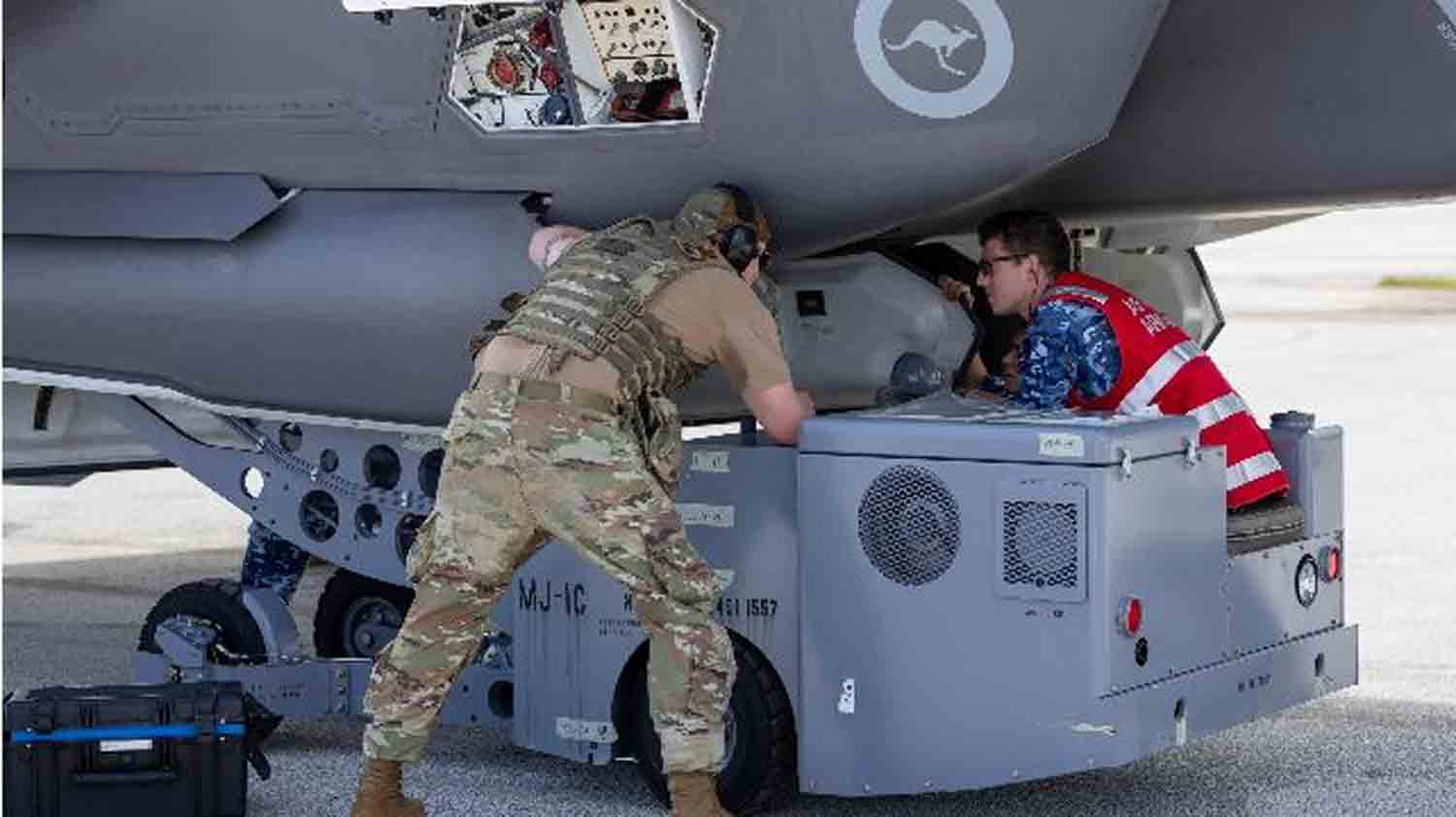
Throughout the exercise, RAAF Armament Technicians have been diligently loading munitions onto the F-35A fighters, ensuring the aircraft are prepared for a range of real-world scenarios.

The process of integrating munitions onto advanced fighter jets like the F-35A is both technical and essential. Beyond loading ordnance, the Armament Technicians are responsible for verifying the safety and operational readiness of the aircraft’s weapon systems.

This detailed procedure guarantees that the F-35s can execute precision strikes with lethal effectiveness when required. As one of the most advanced multi-role fighters globally, the F-35A plays a crucial role in the Australian Air Force’s air superiority strategy. Its stealth capabilities, sophisticated sensors, and versatility in carrying various munitions make it a powerful asset in any combat environment.

Exercise Cope North stands as one of the most important annual military exercises in the Pacific, serving as a platform for collaborative operations among the United States, Australia, and several regional allies. The exercise emphasizes improving interoperability, ensuring that the participating nations can operate cohesively during combat missions.

Australia views the exercise as a chance to showcase its advancing capabilities in contemporary air combat, particularly with the integration of the F-35A. These drills also highlight the geopolitical significance of the Pacific region, where Australia is enhancing its military presence to address the increasingly intricate security landscape.

While the F-35A’s role in Cope North 25 is vital, the importance of the RAAF’s ground crew is equally significant. The armament technicians are crucial in ensuring the jets are fully prepared for combat.

Their responsibilities encompass a range of tasks, from loading munitions to performing maintenance checks on the aircraft’s sophisticated avionics and weapon systems. This level of accuracy and teamwork is essential, as any error could lead to mission failure or, in the worst-case scenario, a serious malfunction during combat. The effectiveness of the entire squadron hinges on the technicians’ efforts, making their contributions to Cope North 25 essential.

Training at Andersen Air Force Base also offers a practical environment for evaluating the F-35A’s capabilities in the Pacific theater, characterized by extensive distances, challenging landscapes, and intricate strategic considerations.

The F-35A’s adaptability in both air-to-air and air-to-ground combat operations positions it as a critical asset for the Australian Air Force as it responds to the changing security challenges in the region. Whether addressing natural disasters or engaging in high-stakes conflicts, the F-35A will be integral to Australia’s defense strategy.

This exercise strategically highlights Australia’s increasing military collaboration with the United States and other regional allies in the Indo-Pacific. As tensions escalate in the South China Sea and surrounding areas, Australia’s involvement in such exercises reinforces its position as a vital partner in promoting peace and stability across the Pacific.

Cope North 25 not only provides a valuable training platform but also conveys a clear message to both allies and adversaries regarding Australia’s unwavering commitment to safeguarding its interests and supporting its partners amid evolving threats.

Additionally, the participation of F-35A fighters underscores Australia’s long-term dedication to advanced military technology. The F-35 program is integral to the modernization of the Australian Defence Force, and its deployment in exercises like Cope North 25 illustrates Australia’s ambition to lead in advanced defense capabilities.

The F-35A’s stealth, precision, and versatility significantly enhance Australia’s air combat effectiveness, and its presence in Guam signifies Australia’s preparedness to project power and protect its interests in the region.

The Royal Australian Air Force (RAAF) operates a fleet of F-35A Lightning II aircraft, which are among the most advanced and adaptable fighter platforms available globally.

These fifth-generation stealth fighters are engineered to undertake a diverse array of missions, ranging from air-to-air engagements to precision strike operations. They are outfitted with an assortment of advanced technologies and systems that significantly enhance their operational capabilities across various defense requirements.

The Australian F-35A fleet boasts cutting-edge avionics, sensors, and weaponry. Central to the F-35A’s functionality is its sophisticated radar system, the AN/APG-81, which utilizes an electronically scanned array.

This radar delivers exceptional situational awareness, enabling the detection, tracking, and targeting of a wide variety of airborne and ground threats. When combined with the Distributed Aperture System (DAS), the F-35A provides comprehensive 360-degree awareness, empowering pilots to identify threats from any angle without relying on supplementary sensors.

The cockpit of the F-35A is meticulously designed to offer pilots an unmatched level of situational awareness. It features a large touchscreen interface, a helmet-mounted display system (HMDS), and a high-definition digital system that consolidates information from multiple sensors, presenting it in a manner that optimizes decision-making processes.

The HMDS specifically allows pilots to perceive beyond the aircraft’s structure, with essential information projected onto their visor. This feature enables them to concentrate on their mission without any distractions.

The F-35A is driven by the Pratt & Whitney F135 engine, renowned for its remarkable thrust and fuel efficiency. This powerplant allows the aircraft to reach supersonic speeds while maintaining superior performance in both combat and training operations. Additionally, the F-35A boasts an impressive operational range, facilitating prolonged missions without the necessity for frequent refueling, which is crucial for activities in the expansive Indo-Pacific region.

In terms of armament, the F-35A is designed to carry a diverse array of munitions. It incorporates a fully internal weapons bay, which preserves its stealth capabilities by minimizing the radar cross-section associated with external armaments.

The aircraft is capable of deploying precision-guided munitions, including the Joint Direct Attack Munition (JDAM), along with various air-to-air missiles such as the AIM-120 AMRAAM. Furthermore, the F-35A can accommodate the advanced GBU-39 Small Diameter Bomb (SDB), engineered for precise strikes on small or heavily defended targets.

Beyond conventional munitions, the F-35A is also equipped with cutting-edge electronic warfare (EW) systems, including the AN/ALR-94 Radar Warning Receiver and the AN/ASQ-239 Barracuda EW system.

These systems play a vital role in safeguarding the aircraft from enemy radar and missile threats, significantly enhancing the F-35A’s survivability in contested environments. Notably, the Barracuda system offers sophisticated jamming capabilities and threat detection, further bolstering the fighter’s operational effectiveness in highly contested airspace.

To further improve its operational effectiveness, the F-35A incorporates a variety of communication systems that facilitate secure and rapid data exchange between allied aircraft and command centers. The Multifunctional Information Distribution System (MIDS) and Link 16 deliver real-time battlefield information, allowing the F-35A to function as a critical node within a broader network of joint operations.

This connectivity guarantees that the F-35A can swiftly share and receive essential information, enabling a coordinated response to evolving threats.

Australia’s F-35A fleet also reaps the benefits of the aircraft’s sophisticated stealth capabilities. The design of the F-35A minimizes its radar cross-section, rendering it less visible to enemy radar systems.

This stealth feature, in conjunction with its advanced sensors and weaponry, empowers the aircraft to penetrate defended airspace and execute precise strikes with reduced risk. The F-35A’s ability to operate undetected offers a considerable strategic advantage, especially in high-threat scenarios.

The versatility of the F-35A goes beyond its air-to-air and air-to-ground combat functions. It is also equipped to perform intelligence, surveillance, and reconnaissance (ISR) missions. With its robust sensors and data integration capabilities, the F-35A can collect and disseminate vital battlefield intelligence, enhancing commanders’ real-time situational awareness.

This capability significantly boosts the effectiveness of joint operations, as the F-35A can support a diverse array of military missions, ranging from humanitarian efforts to high-intensity conflicts.

Australia’s investment in the F-35A program underscores its dedication to sustaining a modern and effective air force. The F-35A’s versatility, capable of executing various missions from counter-air operations to precision strikes and intelligence, surveillance, and reconnaissance (ISR), positions the Australian Defence Force (ADF) to address any challenges in the increasingly intricate and contested Indo-Pacific region.

The F-35A is integral to Australia’s defense strategy, facilitating the maintenance of air superiority and enabling support for allies in joint operations.

Beyond its remarkable operational features, the F-35A provides substantial advantages in lifecycle management and cost-effectiveness. Its sophisticated diagnostic and maintenance systems enable predictive maintenance, reducing downtime and ensuring the fleet’s operational readiness over extended periods.

The global logistics framework backing the F-35 program guarantees that Australian aircraft can access spare parts and maintenance support as required, further bolstering the fleet’s preparedness.

The Royal Australian Air Force’s involvement in Exercise Cope North 25, along with the deployment of F-35A Lightning II fighters, marks a significant advancement in demonstrating Australia’s military capabilities. The meticulous preparations for ordnance loading, set against the broader context of the exercise, emphasize the critical nature of joint military collaboration in the Pacific region.

As tensions escalate in the Indo-Pacific, the operational effectiveness of the F-35A and the proficiency of RAAF personnel will be vital in ensuring Australia is ready to face future challenges.

The ongoing collaboration between Australia, the United States, and regional partners such as Japan and South Korea further enhances the collective security of the Pacific, highlighting the necessity of maintaining peace through robust, modern military forces.

Zelensky Proposes Land Exchanges Amid Russia’s Encouragement of Trump Through Prisoner Release

0
Ukraine's President Volodymyr Zelenskiy appears at a joint press conference

Ukrainian President Volodymyr Zelensky expressed his willingness to negotiate land exchanges with Russia, a move that coincided with the release of at least one American prisoner, which US President Donald Trump characterized on Tuesday as a gesture of goodwill aimed at resolving the conflict.

Historically, Zelensky has been firm in his stance against relinquishing any territory following Russia’s invasion of Ukraine in February 2022.

However, in an interview with The Guardian released on Tuesday, he indicated that Kyiv is prepared for substantial discussions ahead of a meeting scheduled for Friday at the Munich Security Conference with US Vice President JD Vance, who has been critical of US military aid to Ukraine.

“We will exchange one territory for another,” Zelensky stated, noting his readiness to negotiate land in Russia’s Kursk region, which Ukraine captured during a surprise offensive last year.

He recognized that Ukraine’s security assurances cannot rely solely on European allies.

“Security guarantees without America are not genuine security guarantees,” he remarked.

Trump, who assumed office with the intention of ending the war in Ukraine, may utilize the billions in US aid allocated under former President Joe Biden to encourage Kyiv to make territorial compromises.

In a notable visit by a member of the Trump administration to Russia since his return to the White House last month, envoy Steve Witkoff facilitated the release of Marc Fogel, an American imprisoned since 2021 on drug-related charges.

“We were treated very nicely by Russia,” Trump told reporters regarding Fogel’s release.

“Actually, I hope that’s the beginning of a relationship where we can end that war.”

Trump welcomed Fogel at the White House on Tuesday night after his return to the United States, recalling a meeting with Fogel’s 95-year-old mother at a campaign rally where he assured her he would “get him out.”

The White House characterized his release as part of an “exchange,” with Trump stating on Tuesday night that a second detainee would be freed on Wednesday, though he did not provide additional information.

There was no immediate response from Russia, where state-run news outlets reported on the White House’s announcement.

In December, Russia’s Supreme Court declined to review an appeal filed by Fogel regarding his 14-year sentence.

Witkoff, a real estate developer and associate of Trump, serves as the Middle East envoy and previously played a significant role in advancing a delicate ceasefire between Israel and Hamas.

Trump also revealed that Treasury Secretary Scott Bessent would visit Ukraine, marking another cabinet member’s engagement in a task separate from their primary responsibilities.

‘Russian Someday’

Earlier in the week, Trump suggested that Ukraine “may be Russian someday,” a statement that was quickly embraced by Moscow.

Kremlin spokesman Dmitry Peskov remarked, “The fact that a significant part of Ukraine wants to become Russia, and has already, is a fact,” referencing Moscow’s 2022 annexation of four Ukrainian regions following referendums that were widely condemned as fraudulent.

Ukrainians expressed disdain for Trump’s comments.

Kyiv resident Daniil described the remarks as “some kind of senile insanity” to AFP.

A Ukrainian soldier in central Kyiv, who identified himself only as Mykola, stated regarding Trump: “He can think anything and say anything, but Ukraine will never be Russia.”

Trump has previously expressed admiration for Russian President Vladimir Putin and has famously supported Putin’s rejection of the US intelligence community’s conclusions regarding Russian interference in the 2016 election that benefited him.

Recently, however, he has urged Russia to seek a compromise, suggesting that Putin should address significant losses.

Both military forces are striving to gain an upper hand on the battlefield in anticipation of potential negotiations.

On Tuesday, Russia’s defense ministry announced the capture of the small village of Yasenove in Ukraine’s eastern Donetsk region.

Additionally, a Russian missile strike on Kyiv resulted in at least one fatality, as reported by the city’s mayor, Vitali Klitschko, via Telegram.

In the northern Sumy region of Ukraine, local prosecutors indicated that Russian airstrikes claimed the lives of a 40-year-old man and a 30-year-old woman.

Latest Prisoner Release

Following Russia’s invasion of Ukraine in February 2022, Biden largely severed communication with Moscow.

Nevertheless, intelligence officials and others continued to meet discreetly in third-party countries to negotiate exchanges that resulted in the release of high-profile Americans detained by Russia, including basketball player Britney Griner, journalist Evan Gershkovich, and former Marine Paul Whelan.

Fogel, 63, was arrested in August 2021 while teaching at the Anglo-American School in Moscow, due to the alleged possession of 21 grams of cannabis and cannabis oil at the Moscow airport.


Russia has secured its first international buyer for the Su-57 fighter jet

0
Su-57 achieved takeoff in slightly more than 11 to 12 seconds from a compact runway.

Russia’s Su-57 Felon stealth fighter, touted by Moscow as a fifth-generation combat aircraft, is expected to be delivered to its inaugural foreign customer in 2025, as reported by Defense Express.

This announcement was made by Alexander Mikheev, the head of Rosoboronexport, during the Aero India 2025 defense exhibition, where the Su-57 was presented to an international audience.

While Russia claims to have secured an export agreement, the identity of the purchasing nation has not been revealed. This lack of clarity has led to speculation, particularly since Moscow first indicated foreign contracts for the Su-57 in November 2024. At that time, Mikheev mentioned that several agreements had been finalized, although Defense Express points out that Rosoboronexport often conflates definitive contracts with preliminary arrangements.

The report notes, “The commitment to deliver the first aircraft by 2025 implies that a solid contract is in place.” However, the ongoing silence regarding the buyer is unusual, both from Russia and the nation that has agreed to the purchase.

The potential list of buyers is limited. Algeria is frequently cited as a likely candidate due to its long-standing relationship with Russian military suppliers, which includes fighter jets, air defense systems, and Iskander short-range ballistic missiles. Interest from Algeria in acquiring 14 Su-57s has been reported since 2020, yet no definitive evidence of a signed contract has surfaced.

Potential customers also include Iran, which has reportedly chosen to acquire Su-35 fighters instead, and North Korea, which has recently strengthened its military relationship with Moscow. Notably, in 2023, North Korean leader Kim Jong Un made a personal visit to the Su-57 production facility, leading to speculation regarding possible future purchases.

If this deal is confirmed, it would represent a significant achievement for Russia’s beleaguered defense sector, which has been grappling with increasing difficulties due to Western sanctions and supply chain issues. Nevertheless, doubts persist regarding the Su-57’s operational effectiveness. Although it is categorized as a fifth-generation fighter, the aircraft has experienced limited deployment and production setbacks, with its combat performance remaining largely untested.

Moreover, prospective buyers must weigh the long-term challenges associated with maintaining a Su-57 fleet, especially in light of Russia’s ongoing struggles with the mass production of advanced avionics and stealth materials. The historical lack of an after-sales support network for high-end Russian aircraft has often deterred potential clients.

While Rosoboronexport expresses confidence in its ability to secure additional export agreements, the absence of specific information regarding this initial sale raises concerns about the fighter jet’s market viability.

Trump and Netanyahu pushed Mohammed bin Salman towards the nationalism of the King Faisal era

0
Saudi Crown Prince Mohammed bin Salman

A covert relationship between Israeli Prime Minister Benjamin Netanyahu and Saudi Arabia, which has been developing over several years, has recently begun to unravel in just a few days.

During an interview with Channel 14 while in Washington last week, Netanyahu spoke about this relationship in clear terms.

“We maintained covert relations for almost three years. On our side, only three individuals, besides myself, were aware of it. Similarly, only a handful of people on their side were involved, as was the case with the Americans,” Netanyahu stated.

If this is accurate and not merely another fabrication from Netanyahu, such a relationship can either be disclosed with the consent of the other party or revealed once it has concluded. Alternatively, this statement could be seen as a display of bravado, akin to many others made in the past week.

The ties between the kingdom and Israel have been driven by both personal and state interests.

As a relatively unknown prince contending with strong opposition from influential members of the royal family, Mohammed bin Salman (MBS) recognized that his ascent to power would be facilitated through alliances with Tel Aviv and Washington.

After becoming crown prince, Bin Salman continued to strengthen ties with Israel, making a secret visit in 2017. He sought to win over American Jewish opinion, openly criticizing the Palestinian cause.

The following year, he admonished Palestinian President Mahmoud Abbas, suggesting that Palestinians should either negotiate with Israel or “remain silent.”

Prior to the Hamas-led attack on Israel, MBS was edging closer to endorsing the Abraham Accords.

Even in the aftermath of the Hamas attacks, Saudi Arabia continued its usual operations without interruption.

No flexibility allowed

For a prolonged period of 15 months, pro-Palestinian demonstrations were not permitted, and celebrations persisted while Gaza suffered. The display of Palestinian flags or prayers for Gaza by pilgrims in Mecca were strictly prohibited.

The escalating death toll in Gaza, the incursion into Lebanon, and military actions in the Occupied West Bank did not alter Saudi Arabia’s stance.

The crown prince even appeared willing to endure a certain level of indignity from US President Donald Trump. When asked about his first country to visit, Trump stated that Saudi Arabia would need to pay $500 billion in US contracts for the honor of his visit.

Following a cordial phone conversation with MBS, the kingdom committed to $600 billion. Trump then raised the expectation, suggesting the amount should be closer to $1 trillion.

“I believe they will comply because we have treated them very well,” Trump remarked at the World Economic Forum in Davos, Switzerland.

When Trump disclosed his intention to take control of Gaza following the mass relocation of Palestinians, he indicated that the financial responsibility for the cleanup would fall on the Gulf states, specifically naming Saudi Arabia. This particularly displeased Riyadh.

Trump also claimed that Saudi Arabia would establish relations with Israel without the prerequisite of a Palestinian state. “So, Saudi Arabia is going to be very helpful. And they have been very helpful. They want peace in the Middle East. It’s very straightforward,” Trump stated.

Riyadh responded within just 45 minutes, issuing what has been termed the dawn statement.

This left minimal flexibility in the situation.

“His Royal Highness reiterated that Saudi Arabia will persist in its unwavering commitment to the establishment of an independent Palestinian state with East Jerusalem as its capital, and will not normalize relations with Israel without this condition.”

“The Kingdom of Saudi Arabia also reaffirms its steadfast rejection of any violations of the legitimate rights of the Palestinian people, whether through Israeli settlement activities, land annexation, or efforts to displace Palestinians from their homeland. The Kingdom emphasizes that this firm stance is non-negotiable and not open to compromise.”

Since then, the exchange of statements has intensified.

In an interview with Channel 14, Netanyahu expressed a sense of triumph, suggesting that if the Saudis were so eager to establish a Palestinian state, they could do so within their own borders. “The Saudis can create a Palestinian state in Saudi Arabia; they have ample land available.”

This remark elicited widespread condemnation from various Arab nations, including Egypt, Jordan, the United Arab Emirates (UAE), as well as Iraq, Qatar, and Kuwait.

In its second statement of the week on Sunday, Riyadh firmly rejected comments that “seek to distract from the ongoing atrocities committed by the Israeli occupation against the Palestinian people in Gaza, including the ethnic cleansing they are enduring.”

The statement was clear: “This extremist, occupying mentality fails to comprehend the significance of Palestinian land to the brotherly people of Palestine and their emotional, historical, and legal ties to it.”

Palestinians possess an inherent right to their land and should not be viewed as outsiders or immigrants who can be removed at the discretion of the oppressive Israeli occupation.

A bygone era

In a matter of days, Trump and Netanyahu have reversed their previous efforts. They were instrumental in persuading the UAE, Bahrain, Sudan, and Morocco to enter into the Abraham Accords.

During his interview with Fox News, Netanyahu was clear about the intent behind these actions. He stated that the goal was to marginalize the Palestinians, showing disregard for Saudi sensitivities.

“When we finalize the transformation in the Middle East, further diminish the Iranian influence, ensure that Iran does not acquire nuclear capabilities, and eliminate Hamas, we will pave the way for additional agreements with Saudi Arabia and other nations.

“I also have faith in the Muslim world. It is about achieving peace through strength. When we are united and strong, the current objections that seem insurmountable will eventually shift,” he remarked.

Until now, Netanyahu had assured MBS and Mohammed Bin Zayed, the president of the UAE, that he would treat them as partners. However, he has now indicated that he intends to impose peace upon them through force, suggesting that this is not a relationship of equals and that the Arab world will submit to him once Israel has achieved dominance.

This shift has compelled Saudi foreign policy to revert to the Arab nationalist principles of King Faisal from five decades ago.

For the first time in 15 months, there is a genuine possibility of a coalition of Arab states emerging, comprised of nations that have previously been passive towards Israel.

Former Saudi intelligence chief Prince Turki al-Faisal, notably wearing a keffiyeh, cautioned against “collective action” not only from the Arab and Muslim communities but also from Europe.

On Sunday, Egypt declared it would convene an emergency Arab summit on February 27 to address “new and dangerous developments” following Trump’s suggestion to relocate Palestinians from the Gaza Strip.

A bridge too far

The catalyst for this shift was the endorsement of mass population transfer as the official stance of both Israel and the United States.

For years, this concept had remained a neglected topic within the extreme factions of religious Zionism. It has now transitioned into a mainstream policy in both Israel and America.

The forcible relocation of two million Palestinians would not only challenge Israel’s immediate neighbors, Egypt and Jordan, but would also have repercussions for every Arab nation, particularly the Kingdom of Saudi Arabia.

As Trump reaffirmed his support for mass transfer and Netanyahu described it as the “purest, freshest idea in years,” the sense of threat in Arab capitals has intensified.

The religious Zionist movement asserts claims to territories extending well beyond the current borders with Lebanon, Syria, Jordan, and Egypt. Daniella Weiss, a prominent figure in the settler movement, openly articulates the expansive territorial aspirations believed to be divinely promised to the Jewish people.

“This is the promise of God to the Patriarchs of the Jewish Nation. It’s three thousand kilometers. It’s almost as vast as the Sahara Desert. It encompasses Iraq and Syria, and parts of Saudi Arabia.”

Even in the absence of Itamar Ben Gvir, the former national security minister known for his extremist views, Israel continues to occupy more Syrian territory than it does in the Gaza Strip, excluding the Occupied Golan Heights. The nation remains steadfast in its refusal to withdraw from Lebanon and has openly articulated its intentions to fragment Syria into smaller regions, while also adopting increasingly aggressive rhetoric towards Turkey.

The ongoing expansion of Israel’s territory poses a significant risk of destabilizing the entire region, which could have severe repercussions for the Saudi kingdom.

Moreover, the conditions that previously allowed the Gulf states to remain passive regarding the Palestinian issue have shifted since 2017, losing their previous clarity.

The Abraham Accords were initially promoted by Israel and the first Trump administration as a coalition against Iran.

However, with Iran’s influence waning due to the loss of Syria and Hezbollah’s setbacks in conflict, the Saudis have rightly reassessed their position, realizing that further isolating Iran is not in their best interest.

This is particularly relevant as the first targets of any retaliatory Iranian drone strikes would likely be Saudi oil facilities. Currently, relations between Riyadh and Iran’s new president are amicable, and Crown Prince Mohammed bin Salman (MBS) aims to maintain this positive dynamic.

MBS finds himself in a stronger position now, having consolidated control over his kingdom and enjoying popularity among the younger population as a modernizing leader. The oppressive tactics he once employed to ascend to power are, for the time being, a thing of the past.

By distancing himself from Israel and moving away from Trump, MBS and the kingdom have the chance to reclaim their status as the moral and economic leaders of the Arab and Islamic world.

The kingdom has shifted from its previous isolation from the Muslim world since MBS assumed leadership. It now maintains cordial relations with Turkey, with a potential $6 billion agreement on the horizon for Riyadh to procure warships, tanks, and missiles from Ankara.

MBS has also become aware of the growing significance of the Palestinian cause among his citizens. In a discussion with former US Secretary of State Antony Blinken, he acknowledged that while he personally does not prioritize the Palestinian issue, 70 percent of his younger constituents do.

“For many of them, the Palestinian issue is something they are just now learning about due to the current conflict. It poses a significant challenge. Personally, I may not care about it, but my people do, and I must ensure it holds meaning for them,” MBS reportedly stated.

What advantage would MBS gain from publicly shaking hands with Netanyahu, given the latter’s controversial reputation?

Currently, such a public display would yield a long list of drawbacks for him.

It may be too late.

On Tuesday, King Abdullah of Jordan will arrive in Washington with a message from the Arab world that Trump should heed. This is not mere rhetoric; it is a genuine expression of sentiment.

The ramifications of permitting Israel to devastate Gaza, displace over two million individuals, compel Jordan and Egypt to accommodate them, and rely on affluent Arab nations for reconstruction would fundamentally alter the Middle East in ways we cannot fully comprehend. Netanyahu’s assertion holds true.

Such actions would entangle the United States in a religious conflict that would persist long after the legacies of Trump and Netanyahu have faded.

It is time for Trump, as a pragmatist, to recognize this reality.

The sole takeaway from the pointless wars America has engaged in this century, under both Republican and Democratic leadership, is that they begin with certainty but conclude in disorder, often lasting far longer than the American public desires.

It is Trump’s responsibility to bring an end to warfare. Conversely, Netanyahu has openly stated his intention to prolong this conflict and expand it to dominate the entire region.

Therefore, it is crucial for an isolationist, nationalist, and inward-looking America to distance itself from Netanyahu and his aspirations for a greater Israel without delay.

For tomorrow may be too late.

First US Navy ships sail through Taiwan Strait since Trump inauguration

0
USS Ralph Johnson

Two U.S. Navy vessels navigated the strategically significant Taiwan Strait this week, marking the first operation of this kind since President Donald Trump assumed office last month. This move provoked a strong response from China, which asserted that the mission heightened security risks in the region.

The U.S. Navy typically conducts transits through the strait approximately once a month, often accompanied by ships from allied nations. China, which asserts sovereignty over Taiwan, maintains that the vital waterway is under its jurisdiction.

The U.S. Navy identified the ships involved as the Arleigh Burke-class guided-missile destroyer USS Ralph Johnson and the Pathfinder-class survey vessel USNS Bowditch. The transit took place from February 10 to 12, according to the Navy.

“The transit was conducted through a corridor in the Taiwan Strait that lies outside the territorial seas of any coastal state,” stated Navy Commander Matthew Comer, a spokesperson for the U.S. military’s Indo-Pacific Command. “In this corridor, all nations are entitled to high-seas freedoms of navigation, overflight, and other lawful maritime activities.”

In response, China’s military announced that its forces had been deployed to monitor the situation. “The U.S. action sends inappropriate signals and escalates security risks,” the Eastern Theatre Command of the People’s Liberation Army remarked in a statement released early Wednesday.

Taiwan’s defense ministry confirmed that its military was also observing the situation but indicated that “the situation remains normal.” The last publicly recognized U.S. Navy operation in the strait occurred in late November, when a P-8A Poseidon maritime patrol aircraft conducted a flight over the area.

The most recent confirmation of a U.S. Navy vessel transiting the strait occurred in October during a collaborative operation with a Canadian warship. China’s military conducts daily activities in the strait, which Taiwan’s government perceives as a component of Beijing’s ongoing pressure strategy. On Wednesday, Taiwan’s defense ministry reported the detection of 30 Chinese military aircraft and seven naval vessels in proximity to the island.

Taiwan’s President Lai Ching-te has dismissed Beijing’s assertions of sovereignty, emphasizing that the future of Taiwan should be determined solely by its people.

Trump urges Jordan to accept Palestinians from Gaza, while the king stands against their displacement

0

Donald Trump on Tuesday urged King Abdullah of Jordan to accept Palestinians who would be permanently displaced under his proposal for the U.S. to assume control of the Gaza Strip, despite the king’s firm opposition to the plan.

During a joint appearance with the Jordanian monarch at the White House, Trump maintained his stance on relocating the residents of Gaza and envisioned transforming the war-torn area into what he described as a “Riviera of the Middle East.”

Trump’s remarks have sparked outrage across the Arab world, particularly his assertion that Palestinians would not be allowed to return to their homes as part of his redevelopment strategy for the enclave, which has suffered extensive damage from an Israeli military campaign. “We’re going to take it. We’re going to hold it, we’re going to cherish it. We’re going to get it going eventually, where a lot of jobs are going to be created for the people in the Middle East,” Trump stated in the Oval Office, claiming his plan would “bring peace” to the region.

In response, King Abdullah emphasized that he reiterated Jordan’s “steadfast position” against the displacement of Palestinians in both Gaza and the occupied West Bank. “This is the unified Arab position,” he remarked in a post on X. “Rebuilding Gaza without displacing the Palestinians and addressing the dire humanitarian situation should be the priority for all.”

Despite King Abdullah’s stance, Trump expressed confidence that both Jordan and Egypt would ultimately agree to accommodate displaced Gazans, noting that both nations depend on U.S. economic and military assistance.

Trump expressed confidence about acquiring land in both Jordan and Egypt, stating, “I believe we’ll secure a parcel of land in Jordan and one in Egypt. There may be additional locations, but I am optimistic that our discussions will lead to a place where people can live happily and safely.”

U.S. AID UNDER DISCUSSION

While Trump has hinted at the possibility of reconsidering aid to Jordan, he clarified that he does not intend to use this support as leverage. “We provide substantial financial assistance to both Jordan and Egypt. However, I don’t feel the need to issue threats; we are beyond that,” he remarked.

King Abdullah has previously voiced his opposition to any plans that would involve annexing land or displacing Palestinians. He was the first Arab leader to engage with Trump following the announcement of the Gaza plan. Although their meeting was amicable, Trump’s remarks regarding Gaza placed King Abdullah in a delicate situation, particularly given the sensitivities surrounding the Palestinian right of return to lands abandoned during the 1948 conflict that led to Israel’s establishment.

At one point, Trump seemed to encourage King Abdullah to agree to accept Palestinians from Gaza. The king responded that he would prioritize his nation’s interests but mentioned that Jordan would accept 2,000 sick children from Gaza for medical treatment, a gesture that Trump commended.

Trump indicated that Arab nations would present a counterproposal in Washington. “The objective is to find a solution that benefits everyone,” he stated, appearing uneasy while neither fully endorsing nor opposing Trump’s initiative. Jordanian Foreign Minister Ayman Safadi later informed state-owned al-Mamlaka TV about an Egyptian-led Arab initiative aimed at rebuilding Gaza without displacing its residents.

Jordanian officials expressed their desire to avoid a public setting during the discussions, fearing that Trump might put the king in a difficult position. The comments made in the Oval Office were not prearranged. The meeting included reporters and featured the king’s son, Crown Prince Hussein, as well as Safadi, Secretary of State Marco Rubio, and other officials. Subsequently, the king engaged with a bipartisan group of U.S. senators, including Republican majority leader John Thune.

Situated between Saudi Arabia, Syria, Israel, and the occupied West Bank, Jordan is home to over 2 million Palestinian refugees within its 11 million population, a situation that has long caused concern for the nation’s leadership. Additionally, Amman is grappling with the implications of Trump’s 90-day aid suspension. While Israel and Egypt received waivers, Jordan’s annual aid of $1.45 billion remains on hold as the Trump administration reviews all foreign assistance.

COMPLICATED CEASEFIRE

Trump’s proposal has added layers of complexity to an already delicate regional situation, particularly concerning a fragile ceasefire between Israel and the Palestinian militant group Hamas. On Monday, Hamas announced it would cease the release of Israeli hostages from Gaza until further notice, citing Israel’s violations of the agreement meant to halt strikes on Gaza. Trump later suggested that the ceasefire could be revoked if Hamas fails to release all remaining hostages taken on October 7, 2023, by Saturday.

On Tuesday, Trump stated that “all bets are off” if Hamas does not comply with the deadline, expressing skepticism about the group’s willingness to do so. A recent Reuters/Ipsos poll conducted from February 7-9 revealed that 74% of Americans opposed the notion of the U.S. taking control of Gaza and displacing its Palestinian residents. The poll indicated a division among Republicans, with 55% opposing the idea and 43% in support.

EU, Canada, and Mexico disapprove of Trump’s steel and aluminum tariff increase

0
U.S. President Donald Trump looks on as he signs an executive order in the Oval Office at the White House in Washington,.

Mexico, Canada, and the European Union expressed their disapproval on Tuesday regarding U.S. President Donald Trump‘s announcement to implement tariffs on all steel and aluminum imports starting next month, a decision that has heightened concerns about a potential trade conflict.

On Monday, Trump signed proclamations that increased the U.S. tariff on aluminum from 10% to 25%, while also removing country-specific exemptions and quota agreements, along with numerous product-specific tariff exclusions for both metals.

These tariffs, set to take effect on March 12, will impact millions of tons of steel and aluminum imports from Canada, Brazil, Mexico, South Korea, and other nations that previously entered the U.S. market duty-free due to these exemptions.

Mexican Economy Minister Marcelo Ebrard criticized the tariff decision on Tuesday, labeling it as “not justified” and “unfair.” Meanwhile, Canadian Prime Minister Justin Trudeau deemed the tariffs “unacceptable.”

European Commission President Ursula von der Leyen also condemned the action, stating that the 27-member bloc would respond with “firm and proportionate countermeasures.” Von der Leyen was in Paris on Tuesday for an AI summit, where she met with U.S. Vice President JD Vance.

Trump explained that the new measures would clarify the tariff structure on metals, asserting, “It’s 25% without exceptions or exemptions. That’s all countries, no matter where it comes from, all countries.”

Trump announced that he would be making further announcements regarding reciprocal tariffs on all nations that impose duties on U.S. goods within the next two days. He also indicated that he is considering tariffs on automobiles, semiconductors, and pharmaceuticals. When questioned about potential retaliatory actions from other countries in response to his new tariffs, Trump stated, “I don’t mind.”

READY TO RETALIATE

In figures that are likely to further frustrate Trump, Germany’s trade surplus with the U.S. reached a record high of 70 billion euros ($72.3 billion) last year, according to the German statistics office. European Commission President Von der Leyen expressed her deep regret over the U.S. decision, emphasizing that tariffs are detrimental to both businesses and consumers. Over the past decade, EU steel exports to the U.S. have averaged approximately 3 billion euros ($3.1 billion) annually. “Unjustified tariffs on the EU will not go unanswered; they will provoke firm and proportionate countermeasures. The EU will take action to protect its interests,” she stated.

One potential response from the EU could involve reactivating the tariffs that were initially imposed in 2018 but were suspended under a truce negotiated between Von der Leyen and former U.S. President Joe Biden. The EU’s tariffs on U.S. products, including bourbon, motorcycles, and orange juice, are currently on hold until the end of March. The American Chamber of Commerce to the EU (AmCham EU), which represents U.S. companies operating in Europe, also criticized the decision, stating it could harm jobs, prosperity, and security on both sides of the Atlantic. “The repercussions will extend beyond the steel and aluminum sectors, affecting all businesses that depend on these materials throughout the supply chain,” it added in a statement.

Trump’s recent trade measures drove gold prices to an all-time high on Tuesday, fueled by safe-haven demand during Asian trading before experiencing a decline.

CANADA TO DEFEND ITSELF

In 2023, steel imports represented approximately 23% of total American steel consumption, as reported by the American Iron and Steel Institute, with Canada, Brazil, and Mexico being the primary suppliers. Canada, leveraging its abundant hydropower resources for metal production, accounted for nearly 80% of U.S. primary aluminum imports in 2024.

During the Paris artificial intelligence summit, Prime Minister Trudeau emphasized Canada’s intention to underscore the adverse effects of U.S. tariffs, asserting that the country’s response would be resolute if required. “Canadians will stand up strongly and firmly if we need to,” he stated.

Additionally, Trump plans to introduce a new North American standard mandating that steel imports be “melted and poured” and aluminum be “smelted and cast” within the region. This measure aims to limit U.S. imports of minimally processed metals from China and Russia that evade existing tariffs.

Although China exports only a small amount of steel to the U.S., it is a significant contributor to global excess steel capacity, according to U.S. officials. They argue that subsidized production in China compels other nations to increase their exports and leads to the transshipment of Chinese steel through third countries to bypass tariffs and trade restrictions.


Drones are now the leading cause of civilian deaths in the Ukraine conflict, says a UN report

0
A downed Russian Molniya "Lightning" drone is seen, amid Russia's attack on Ukraine, near the frontline in Dnipropetrovsk region, Ukraine.

Short-range aerial drones emerged as the leading cause of civilian casualties in Ukraine during January, according to a report from the U.N. monitoring mission released on Tuesday. This underscores the significant increase in drone usage over the three years of conflict with Russia. The mission reported that at least 139 civilians lost their lives and 738 were injured in January 2025, with short-range drones responsible for 27% of the fatalities and 30% of the injuries.

Overall, the U.N. estimates that nearly 12,500 civilians have died in the ongoing war, including 650 children. However, it has consistently noted that this figure likely underrepresents the true toll, as it only includes deaths verified by its teams.

Initially regarded as supplementary tools, aerial drones have evolved into critical weapons on the battlefield, with both Ukraine and Russia producing over a million units each in 2024. Danielle Bell, head of the U.N. monitoring mission, stated in a press release, “Our data reveals a troubling trend of short-range drones being deployed in ways that endanger civilian lives.”

She emphasized that the cameras equipped on these drones should enable operators to better differentiate between civilian and military targets, yet the number of civilian deaths remains alarmingly high. While Russia claims it does not intentionally target civilians, the conflict has resulted in the deaths of many thousands since the full-scale invasion began in February 2022.

Trump and the King of Jordan are preparing for a critical meeting regarding the future of Gaza

0
U.S. President Donald Trump talks with Jordan’s King Abdullah during a meeting in the Oval Office of the White House in Washington, U.S.

Donald Trump is scheduled to meet with King Abdullah of Jordan on Tuesday, a meeting anticipated to be fraught with tension following the U.S. president’s recent proposal regarding Gaza redevelopment and his warning to cut aid to Jordan if it does not agree to resettle Palestinians.

Trump‘s plan, introduced just a week ago, suggests that the U.S. should take control of Gaza, relocate its traumatized inhabitants, and transform the devastated area into what he envisions as the “Riviera of the Middle East.” This idea has been met with significant backlash from the Arab world.

The proposal complicates an already delicate regional situation, particularly in light of the fragile ceasefire between Israel and Hamas. On Monday, Hamas announced it would halt the release of Israeli hostages from Gaza until further notice, citing Israel’s failure to adhere to the ceasefire agreement. Trump subsequently indicated that he might terminate the ceasefire if Hamas does not release all hostages taken on October 7, 2023, by the weekend.

King Abdullah has firmly opposed any actions that would lead to land annexation and the displacement of Palestinians. During their meeting, he is expected to convey to Trump that such actions could incite radicalism, create chaos in the region, undermine peace with Israel, and threaten Jordan’s stability. Meanwhile, Trump has adjusted certain elements of his original proposal while remaining steadfast on others, expressing growing frustration with Arab leaders who deem the plan impractical.

I believe he will accept refugees, Trump stated to reporters at the White House on Monday regarding King Abdullah. When asked if he would consider withholding aid from Jordan and Egypt should they refuse, Trump responded, “Yes, possibly, why not… if they don’t comply, I could potentially withhold aid.”

Jordan, situated between Saudi Arabia, Syria, Israel, and the occupied West Bank, currently hosts over 2 million Palestinian refugees within its population of 11 million, a situation that has long caused concern for the nation’s leadership.

For decades, Amman has relied on Washington as its primary source of economic and military support, which currently exceeds $1 billion annually. Although Jordan signed a peace treaty with Israel in 1994, relations with its neighbor have been tense. Israeli Prime Minister Benjamin Netanyahu has indicated that Trump’s proposal merits consideration.

Hamas official said a ceasefire is the only way to secure the return of Israeli hostages

0
Sami Abu-Zuhri, a spokesman for the Islamist Palestinian movement Hamas, addresses a news conference in Istanbul.

A Hamas representative stated on Tuesday that the return of Israeli hostages from Gaza is contingent upon the adherence to a fragile ceasefire, rejecting the “language of threats” following U.S. President Donald Trump’s remarks about allowing chaos to ensue if the hostages are not released.

Since the ceasefire began on January 19, Hamas has begun to gradually release some hostages but has delayed further releases, claiming that Israel has breached the agreement by continuing its military operations in the Gaza Strip.

On Monday, Trump, a staunch supporter of Israel, demanded that Hamas release all hostages by midday Saturday, threatening to advocate for the cancellation of the ceasefire if they fail to comply. His comments have sparked outrage among Palestinians and Arab leaders, disrupting long-standing U.S. policy that favored a potential two-state solution, as he attempts to impose his vision for Gaza, which has been ravaged by Israeli military actions and is facing severe shortages of food, water, and shelter.

Sami Abu Zuhri, a senior Hamas official, emphasized to Reuters that both parties must honor the existing agreement to facilitate the return of the Israeli prisoners, asserting that threats only serve to complicate the situation. Trump has suggested that the U.S. should take control of Gaza, which has seen extensive destruction, and relocate its over 2 million residents to transform the area into the “Riviera of the Middle East.”

Trump is scheduled to meet with King Abdullah of Jordan on Tuesday, a meeting that is expected to be fraught with tension due to the president’s proposal for Gaza redevelopment. This plan includes a potential threat to reduce aid to Jordan if the country does not agree to resettle Palestinians. The forced displacement of populations under military occupation is classified as a war crime under the 1949 Geneva Conventions.

The conflict in Gaza, which escalated following Hamas’s attacks on Israeli territory on October 7, 2023, has been on hold since mid-January due to a ceasefire agreement facilitated by Qatar, Egypt, and the United States.

U.N. Secretary-General has issued a warning about the “immense tragedy” unfolding in the region.

According to the Gaza health ministry, over 47,000 Palestinians have lost their lives in the past 16 months, with nearly the entire population of Gaza being internally displaced due to the ongoing conflict, which has led to a severe hunger crisis. Israeli reports indicate that approximately 1,200 individuals were killed during the 2023 Hamas-led assaults on southern Israeli communities, with around 250 taken hostage and brought to Gaza.

Trump’s proposals, which also threaten to cut aid to Egypt if it does not accept Palestinians, have added a new layer of complexity to an already delicate and volatile regional situation, particularly concerning the fragile ceasefire between Israel and Hamas.

For Jordan, the prospect of Trump discussing the resettlement of approximately 2 million Gazans is alarmingly reminiscent of its fears regarding a large-scale expulsion of Palestinians from both Gaza and the West Bank. This notion aligns with a long-standing narrative among right-wing Israelis that envisions Jordan as an alternative homeland for Palestinians.

Amman’s apprehensions are heightened by a recent increase in violence along its border with the Israeli-occupied West Bank, where the aspirations of Palestinians for statehood are being swiftly undermined by the growth of Jewish settlements.

United Nations Secretary-General Antonio Guterres expressed on X on Tuesday that any resumption of hostilities must be avoided at all costs, warning that it would result in “immense tragedy.” He urged Hamas to move forward with the planned release of hostages and emphasized that both parties must adhere to their obligations under the ceasefire agreement and engage in meaningful negotiations.

Since 2014, the concept of a two-state solution has diminished significantly, following the collapse of Palestinian and Israeli efforts to achieve peace in one of the world’s most volatile regions.

European Union has stated that tariffs imposed by Trump will lead to strong retaliatory actions

0

European Commission President Ursula von der Leyen expressed her commitment on Tuesday to implement “firm and proportionate countermeasures” following U.S. President Donald Trump‘s announcement of tariffs on all steel and aluminum imports, heightening concerns of a potential trade conflict.

Trump issued proclamations late Monday to increase tariffs on all steel and aluminum imports to 25%, with no exceptions or exemptions. A White House representative indicated that these measures would come into effect on March 4.

In her statement, von der Leyen conveyed her disappointment regarding the U.S. decision, emphasizing that tariffs are detrimental to businesses and consumers alike. Over the past decade, EU steel exports to the U.S. have averaged approximately 3 billion euros ($3.10 billion) annually.

“Unjustified tariffs on the EU will not go unanswered; they will prompt firm and proportionate countermeasures. The EU will take action to protect its interests,” she stated.

While von der Leyen did not specify the nature of the response, one possibility could involve reinstating the tariffs that the EU had previously imposed in 2018, which were suspended under a truce negotiated between von der Leyen and former U.S. President Joe Biden. Currently, EU tariffs on U.S. goods, including bourbon, motorcycles, and orange juice, are on hold until the end of March.

EU trade chief Maros Sefcovic characterized the U.S. decision in a speech at the European Parliament as a “lose-lose scenario.” He noted that the Commission is currently evaluating the extent of the U.S. measures and determining the appropriate response from the EU.

Trump’s recent trade actions have driven gold prices to an all-time high, reaching $2,942.70 during early trading on Tuesday, fueled by increased safe-haven demand. The European Commission is scheduled to gather insights from its 27 member states regarding the EU’s response during a video conference of trade ministers set for Wednesday.

The steel and aluminum tariffs that Trump enacted in 2018 were lifted by his successor, Joe Biden, but were subsequently replaced with import quotas.

EU steel manufacturers have experienced a decline in export volumes to the United States, dropping by approximately 1 million tons to 2.2 million from 2019 to 2024. A significant concern within the industry is that the 15 million tons imported by the United States last year from non-EU countries may be redirected to the EU if new tariffs are implemented.

Reports suggest that alleged Russian UAVs are evading detection by Patriot systems at a German military base with Ukrainian forces

0
Ukrainian service members walk next to a launcher of a Patriot air defence system, amid Russia's attack on Ukraine, in an undisclosed location, Ukraine.

Russia’s potential espionage activities seem to have extended to Germany, targeting a crucial military facility where Ukrainian forces are being trained to operate the Patriot Air Defense System.

According to a report by the German publication Der Spiegel on February 9, unidentified drones, believed to be linked to Russia, were detected over the Schwesing Air Force base, where Ukrainian personnel are undergoing training on Patriot missile defense systems. German military officials are currently investigating these suspected espionage incidents.

A leaked Ministry of Defense report indicated that six drone sightings occurred between January 9 and 29 at the high-security site near Husum.

These drone activities took place despite the implementation of anti-drone countermeasures, including the HP47 system, which employs radio jamming techniques to detect and neutralize drones, raising questions about the effectiveness of these protective measures.

German authorities have been unable to compel the unidentified drones to land or ascertain their origin. However, local media reports have linked these drones to the Russian intelligence service.

Additionally, Der Spiegel noted that vehicles displaying Russian diplomatic license plates have been observed near the strategic military site, which serves as a training ground for both German and Ukrainian forces.

The Russian military possesses advanced drones that it regularly deploys for Intelligence, Surveillance, and Reconnaissance (ISR) missions against its opponents.

If Russia is indeed engaged in espionage, it is likely aimed at gathering vital intelligence regarding the functionality of these combat-tested air defense systems, which have posed significant challenges for Russian forces during the conflict in Ukraine.

The Patriot missile batteries, supplied to Ukraine by Germany and other NATO allies, have played a crucial role in safeguarding both Ukrainian military personnel and civilian infrastructure, especially in the Kyiv region. This system is a mobile, ground-based missile defense interceptor capable of detecting, tracking, and neutralizing cruise missiles, short-range or tactical ballistic missiles, fighter aircraft, and unmanned aerial vehicles.

The Patriot system comprises four primary components: interceptor missiles, launchers, an engagement control center, and a radar system. It is capable of launching multiple missiles in a single engagement to defend against aircraft, missiles, or rockets.

Ukraine has asserted that the Patriot systems successfully intercepted the Russian hypersonic missile Kinzhal, which President Vladimir Putin had touted as unbeatable.

Furthermore, reports suggest that the Patriot system has consistently demonstrated its ability to intercept a range of Russian weaponry, including missiles from distances of up to 130 miles (approximately 209 kilometers) and aircraft such as Su-34 fighters at around 100 miles (160 kilometers) away.

Germany has dispatched four Patriot launchers along with several Patriot missiles to Ukraine to enhance its defense capabilities. Furthermore, Berlin has positioned two Patriot missile defense batteries and approximately 200 German personnel in Rzeszów, a crucial hub for Western military assistance to Ukraine located in Poland.

In December 2024, Ukrainian President Volodymyr Zelenskyy called on NATO allies to provide an additional 10 to 12 Patriot systems to protect Ukrainian airspace from an ongoing wave of missile attacks from Russia. This may shed light on Russia’s strong interest in the Patriot air defense system.

At the time of this report, the Bundeswehr has not officially confirmed the Kremlin’s involvement in recent drone activities. Nevertheless, Germany has observed numerous drone sightings near sensitive military installations in recent weeks.

Germany has positioned itself as a leading provider of military support to Ukraine and has established itself as a key player in training Ukrainian soldiers in the use of advanced Western weaponry.

According to the Bundeswehr website, “Training on weapon systems such as the LEOPARD A1 tank, the MARDER armored personnel carrier, the PATRIOT missile defense system, or the PANZERHAUBITZE 2000 demands the highest level of expertise from the trainers.”

Recent reports suggest a rise in drone activity over military installations throughout Germany. For example, suspected Russian drones have reportedly conducted surveillance flights over Ukrainian troops engaged in training with the Leopard-2 Main Battle Tank (MBT).

Over the past year, drones have been spotted near key sites, including the US military airbase at Ramstein in West Germany, training grounds for Ukrainian forces, and facilities operated by the German defense contractor Rheinmetall. A significant event occurred in November of last year when a drone approached a British aircraft carrier docked in Hamburg.

Additionally, the German publication BILD noted that high-speed drones were seen flying over nuclear power plants in the vicinity of Brunsbüttel.

More recently, on January 13, authorities in Bavaria reported the sighting of up to ten unidentified drones over the Manching airfield, which serves as a military airport and the production site for the Eurofighter Typhoon.

There has also been an increase in espionage activities in Germany, reportedly connected to Russia. Last year, two individuals with German-Russian nationality were arrested on suspicion of planning sabotage, which authorities described as a significant attempt to disrupt military support for Ukraine.

In response to the drone threat, the German government has approved a strategy allowing the military to intercept and shoot down drones that pose a risk to critical infrastructure and military sites. This policy was endorsed by Chancellor Olaf Scholz’s cabinet on January 15.

Maximilian Kall, a representative of the interior ministry, stated last month: “In light of Russian aggression and the significantly altered security landscape over the past two years, we are witnessing a rise in drone activity over military sites and essential infrastructure—drones that cannot be effectively addressed by police measures alone.”

Currently, regulations permit the military to issue warning shots or redirect drones, but they are prohibited from shooting them down. Nonetheless, the suggested revision to the Aviation Security Act would authorize the Bundeswehr to take action against drones when threats to critical facilities or human lives cannot be adequately managed through police efforts.

Turkey and India are reportedly helping Russia obtain advanced precision weaponry technology, according to Swiss media

0

Moscow is secretly seeking to obtain Swiss-manufactured precision tools and other advanced technology for its military-industrial sector, despite stringent Western sanctions, as reported by the Swiss newspaper Neue Zürcher Zeitung (NZZ).

As the conflict in Ukraine continues to deplete significant reserves of precision weaponry, Russia is urgently trying to restock its military supplies. A key component of this initiative involves CNC machines, which facilitate the efficient production of high-precision parts from metals and other robust materials.

These sophisticated manufacturing technologies are crucial for sustaining defense production and enhancing military capabilities.

The report indicates that the Swiss Federal Intelligence Service (FIS) has detected an increase in covert activities by Russian procurement networks aimed at acquiring essential technologies.

The intelligence agency cautions that these procurement strategies are highly flexible, allowing for rapid replacement of any disrupted supply chains. This agility poses a considerable challenge for enforcement efforts.

In response, Switzerland has been intensifying its efforts to prevent unauthorized exports through more stringent regulations and enforcement actions.

Data analyzed by NZZ indicates a significant increase in the export of precision tools and other essential materials to specific intermediary countries. In the wake of Western sanctions imposed on Russia, Turkey has emerged as a key channel for unauthorized transfers, as identified by the FIS.

Incidents involving attempts to redirect Swiss products from Turkey to Russia prompted the Swiss government to implement stricter export regulations in mid-2023. Consequently, all machine tool exports with potential military applications now require individual approval.

Serbia is another area of concern, having tripled its imports of Swiss dual-use goods since the onset of the Ukraine conflict. A substantial portion of these exports consists of high-precision metal-processing tools.

Although Switzerland has not yet uncovered evidence of Serbian re-exports to Russia, intelligence agencies continue to monitor the situation closely.

In contrast, exports of sensitive goods to Central Asian countries bordering Russia have remained minimal, attributed to stringent Swiss oversight. Authorities have rejected several export requests for satellite navigation system components considered at high risk of being diverted to the Russian military.

India and the UAE Experience Surge in Swiss Dual-Use Imports

India, identified by Swiss intelligence as a potential intermediary for Russian procurement, has seen a notable increase of approximately 65% in its imports of Swiss dual-use goods since the conflict began.

Several Indian companies have already been targeted by the United States in its efforts against “third-country enablers,” with accusations of assisting the Kremlin in circumventing Western sanctions that have been in place since the start of Russia’s war on Ukraine in 2022.

Likewise, the United Arab Emirates (UAE) has reported a sevenfold increase in its annual imports of these items compared to pre-conflict levels. However, Swiss authorities have not officially classified it as a high-risk nation.

Western intelligence agencies have long regarded the UAE as a potential channel for sanctioned goods destined for Russia.

The most recent inquiry stems from a report by Ukraine’s Economic Security Council, published on January 23, which disclosed that Russia has procured US$18 billion in machine tools for weapon manufacturing from Europe and China.

Although the European Union has prohibited the export and re-export of such machinery to Russia, these restrictions do not comprehensively apply to the subsidiaries of European firms operating in third-party nations such as Turkey, China, India, and Malaysia.

Denys Hutyk, Executive Director of ESCU, remarked at the time, “Third countries serve as transit points for equipment that ultimately reaches Russia, while the compliance and oversight by parent companies are insufficient. This weakens the effectiveness of the EU’s sanctions framework. A comprehensive ban on the export and re-export by subsidiaries in third countries is essential, along with clear accountability for offenders and thorough investigations into every case of European-manufactured equipment reaching Russia.”

Russia has obtained at least 57 CNC machines, valued at over US$26.5 million, from the subsidiaries of European manufacturers, in addition to components and consumables worth more than US$9.5 million.

Significantly, the Istanbul branch of Germany’s Emag Salach GmbH was responsible for producing at least 17 of these machines, valued at over US$14.7 million, which were later exported to Russia.

Emag equipment is extensively employed in military production facilities in Russia, such as the Titan-Barikadi Scientific and Production Center, which specializes in the production of ballistic missile launchers and artillery system components.

Moreover, Moscow has procured products from several prominent European manufacturers, including Trumpf, DMG Mori, Chiron, Grob, Schneider Electric, and Siemens, among others.

Overall, the ongoing participation of “third-country enablers” brings into question the efficacy of sanctions enforcement and the level of global adherence to these measures.