
The United States appears to be pivoting toward diplomacy in the ongoing Iran conflict, as senior officials confirm that Vice President JD Vance is expected to travel to Pakistan for high-level talks aimed at ending the war.
The development comes amid:
- Continued Iranian missile strikes on Israel
- Deployment of US forces to the Middle East
- Mounting domestic and global pressure to de-escalate
The conflict is no longer confined to the battlefield—it is now moving into high-stakes diplomacy.
A Strategic Turning Point in the War
This planned visit represents a major shift in US strategy.
Until now, Washington’s approach was based on:
- Military pressure
- Direct strikes
- Controlled escalation
But the decision to send JD Vance—reportedly preferred by Iran—signals a new reality:
Negotiation dynamics may be shifting in Tehran’s favor.
Why JD Vance?
Reports suggest Iran has rejected other US negotiators, including:
- Steve Witkoff
- Jared Kushner
Instead, Tehran appears to favor JD Vance due to:
- His perceived skepticism toward prolonged Middle East conflicts
- A more cautious approach to escalation
- Signals that he may support ending the war
This indicates Iran is not just negotiating—it is shaping the negotiation framework itself.
Pakistan’s Emerging Role as Mediator
The choice of Pakistan as a venue highlights its growing diplomatic importance:
- Maintains relations with both the US and Iran
- Positioned as a neutral ground for sensitive talks
- Increasing role in regional conflict mediation
The war’s diplomatic center of gravity is shifting toward third-country mediation.
War Continues Despite Talks
Even as diplomacy gains traction, military activity remains intense:
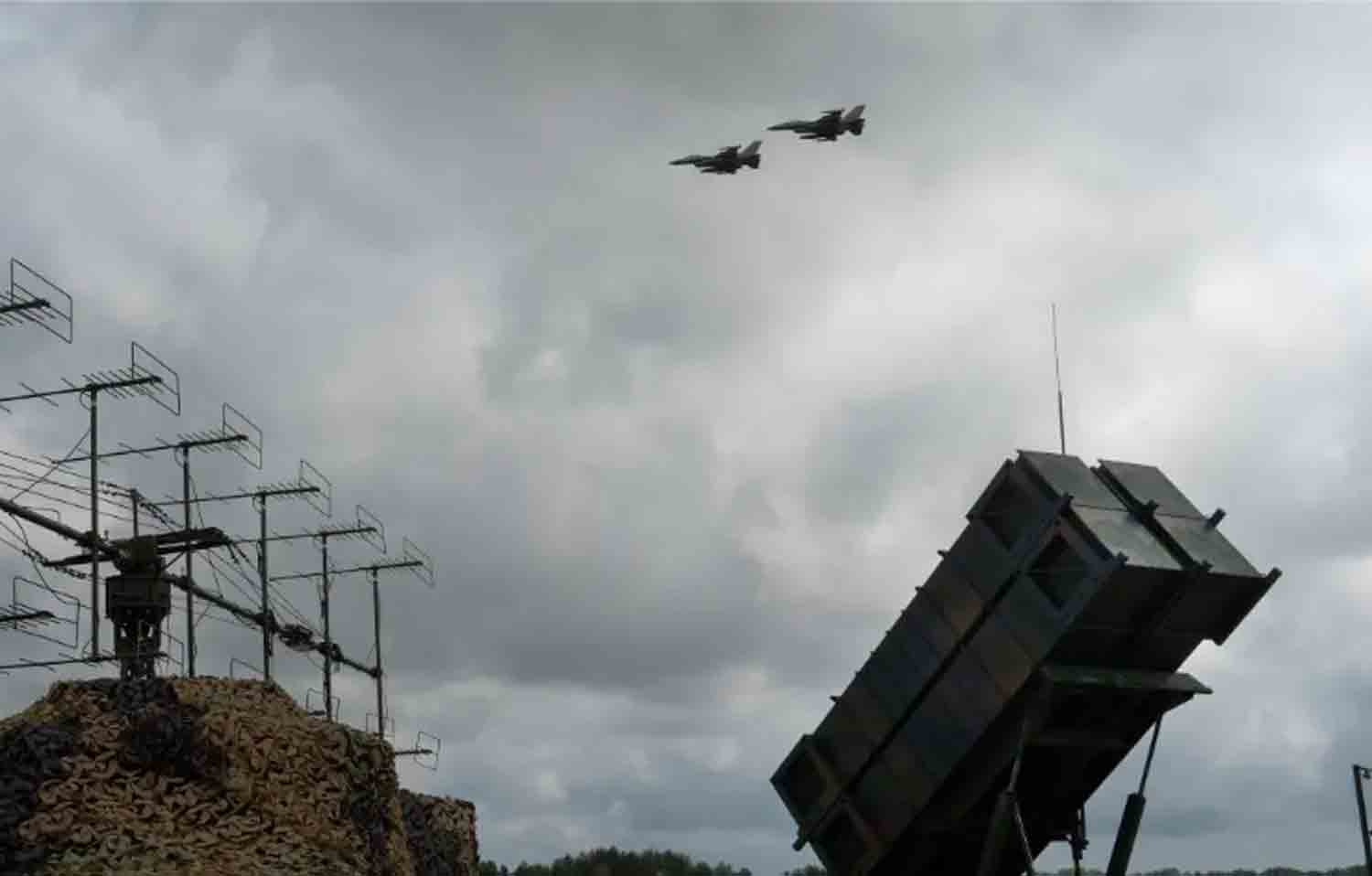
- Ongoing Iranian missile waves targeting Israel
- US deploying additional troops, including elements of the 82nd Airborne Division
- Rising regional tensions across multiple fronts
This creates a dual-track scenario:
Negotiations and escalation happening simultaneously
Domestic Pressure on the US Administration
Political and economic factors are increasingly shaping US decisions:
- Declining approval ratings
- Public fatigue with prolonged conflict
- Rising fuel prices and economic strain
Recent polling indicates:
- Low public support for continued war
- Strong demand for immediate de-escalation
The pressure is not just external—it is deeply domestic.
Strategic Reality: Power vs Pressure
The evolving situation highlights a critical asymmetry:
| Factor | United States | Iran |
|---|---|---|
| Military Power | Superior | Limited |
| Political Pressure | High | Low |
| Public Accountability | Significant | Minimal |
While the US holds military advantage, Iran may hold strategic endurance leverage.
Energy Factor: The Hidden Driver
The conflict is also being shaped by global energy dynamics:
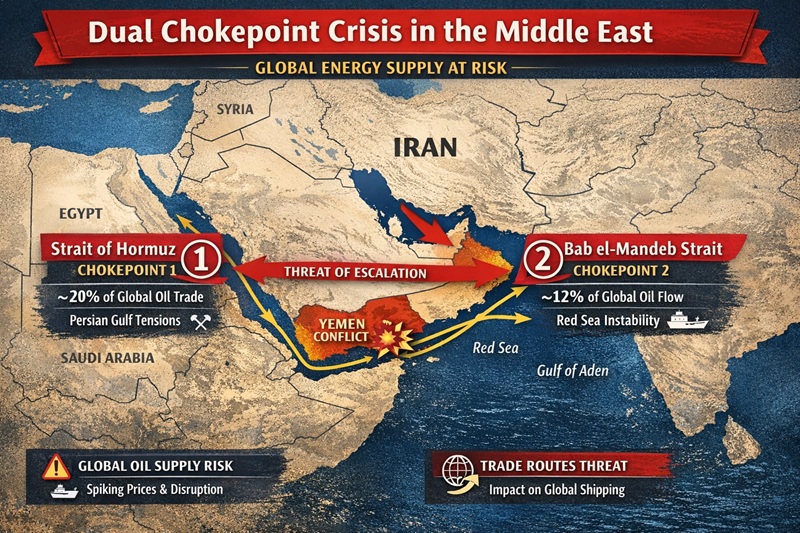
- Strait of Hormuz remains a critical chokepoint
- Oil and gas flows are under pressure
- Global markets are reacting to instability
Energy security is becoming a decisive factor in war strategy
From Battlefield to Negotiation Table
The reported Vance trip marks a symbolic shift:
Before:
- US dictated terms
- Military pressure dominated
Now:
- Negotiation conditions are evolving
- Third-party mediation is central
- Iran appears to influence the process
This suggests a transition from force-based strategy to negotiation-driven outcomes
What Happens Next?
Key questions now shaping the conflict:
- Will talks in Pakistan lead to a ceasefire?
- Can diplomacy succeed while fighting continues?
- Who ultimately controls the negotiation terms?
The answers will determine whether the war escalates—or winds down.
Conclusion
The Iran conflict is entering a decisive phase where diplomacy, politics, and military power intersect.
The planned visit of JD Vance to Pakistan signals:
- A shift in US strategy
- Rising influence of negotiation dynamics
- Increasing urgency to resolve the conflict
The war is no longer just about missiles—it is about who sets the terms of peace.