
In a significant move reflecting growing fears over drone warfare in Europe, NATO has selected a French-made counter-drone defense system to secure its headquarters and senior leadership facilities in Brussels, amid rising security concerns fueled by conflicts in Ukraine and the Middle East.
French IT and defense company:
Sopra Steria
announced Wednesday that its defense and space subsidiary:
CS Group
won a NATO contract to supply:
Two BOREADES counter-unmanned aircraft systems (C-UAS)
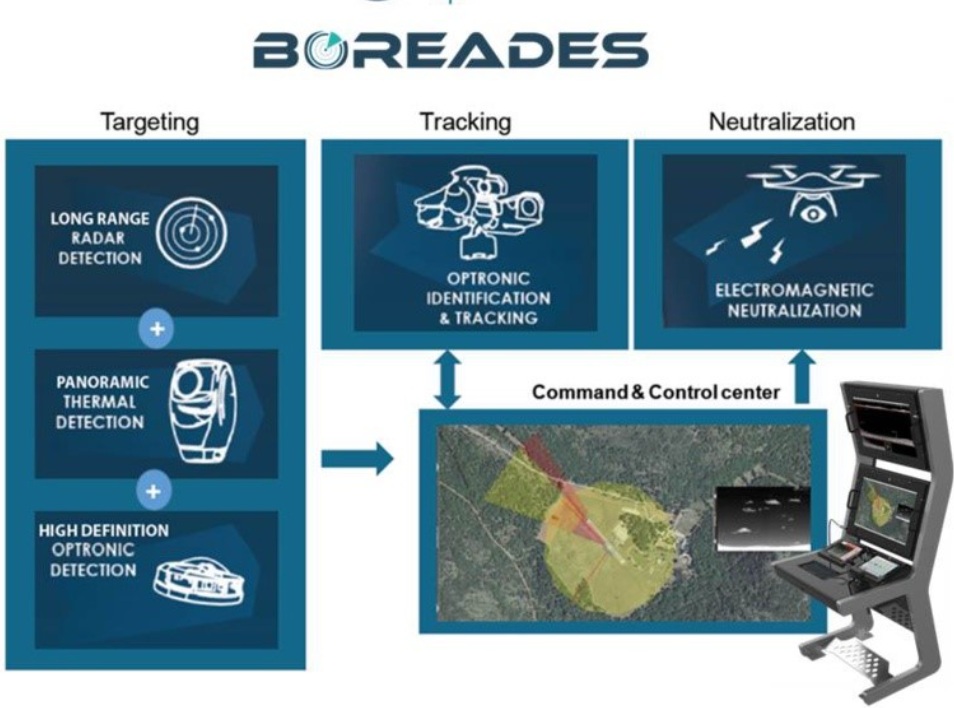
to protect key alliance facilities in the Belgian capital.
The systems will reportedly defend:
- NATO Headquarters in Brussels
- The residence of the NATO Secretary General
The financial value of the contract was not publicly disclosed.
However, the strategic significance is clear:
NATO increasingly sees drone threats as a direct security challenge to high-value political and military infrastructure.
Why NATO Is Strengthening Counter-Drone Defenses
The decision comes as:
Drone warfare reshapes modern conflict
From Ukraine to the Middle East, inexpensive unmanned aerial systems have proven capable of:
✔ Damaging critical infrastructure
✔ Conducting surveillance missions
✔ Striking military facilities
✔ Threatening political targets
The wars in:
Ukraine
and across the Middle East have demonstrated that:
Even advanced military organizations are vulnerable to low-cost drones
used for:
- Intelligence gathering
- Kamikaze attacks
- Electronic disruption
- Swarm tactics
This evolving threat environment appears to be driving NATO’s decision to reinforce protection around some of its most politically sensitive sites.
The headquarters in Brussels serves as:
The alliance’s political and military nerve center
making it a particularly high-value symbolic and operational target.
What Is the BOREADES Counter-Drone System?
The selected system:
BOREADES
is designed to:
Detect, identify, track and neutralize hostile drones
before they threaten protected areas.
While detailed technical specifications remain limited, counter-drone systems typically combine:
- Radar detection
- Electro-optical sensors
- Radio frequency monitoring
- Signal jamming
- Drone interception tools
to create layered protection against unmanned aerial threats.
According to:
CS Group
more than:
50 BOREADES systems are already operational
while:
Nearly 100 more are currently in production
suggesting strong confidence in the platform’s maturity and reliability.
BOREADES Has Already Protected Major Events in France
The NATO decision did not emerge in a vacuum.
The BOREADES system has already been deployed during some of France’s highest-profile security operations.
According to CS Group, the system was used to protect:
2024 Paris Olympics
as well as:
Bastille Day Military Parade
on July 14.
Those events represented:
High-risk drone environments
where authorities feared:
- Unauthorized drone intrusions
- Terror threats
- Airspace disruption
- Surveillance attempts
The successful use of the system in such heavily protected events likely strengthened NATO confidence during the procurement process.
NATO Chose BOREADES After International Competition
According to Sopra Steria:
NATO launched:
An international tender process
involving:
Several dozen manufacturers
from multiple countries.
The fact that NATO selected a French system over numerous global competitors highlights:
The growing competitiveness of Europe’s defense technology sector in the counter-drone market.
As drone threats expand globally, counter-UAS technologies are rapidly becoming one of the fastest-growing areas in defense procurement.
Countries increasingly view:
Anti-drone capability as essential infrastructure
rather than optional defense equipment.
Why Counter-Drone Systems Are Becoming a Strategic Priority
The NATO contract reflects a broader global trend.
Drone threats are evolving rapidly.
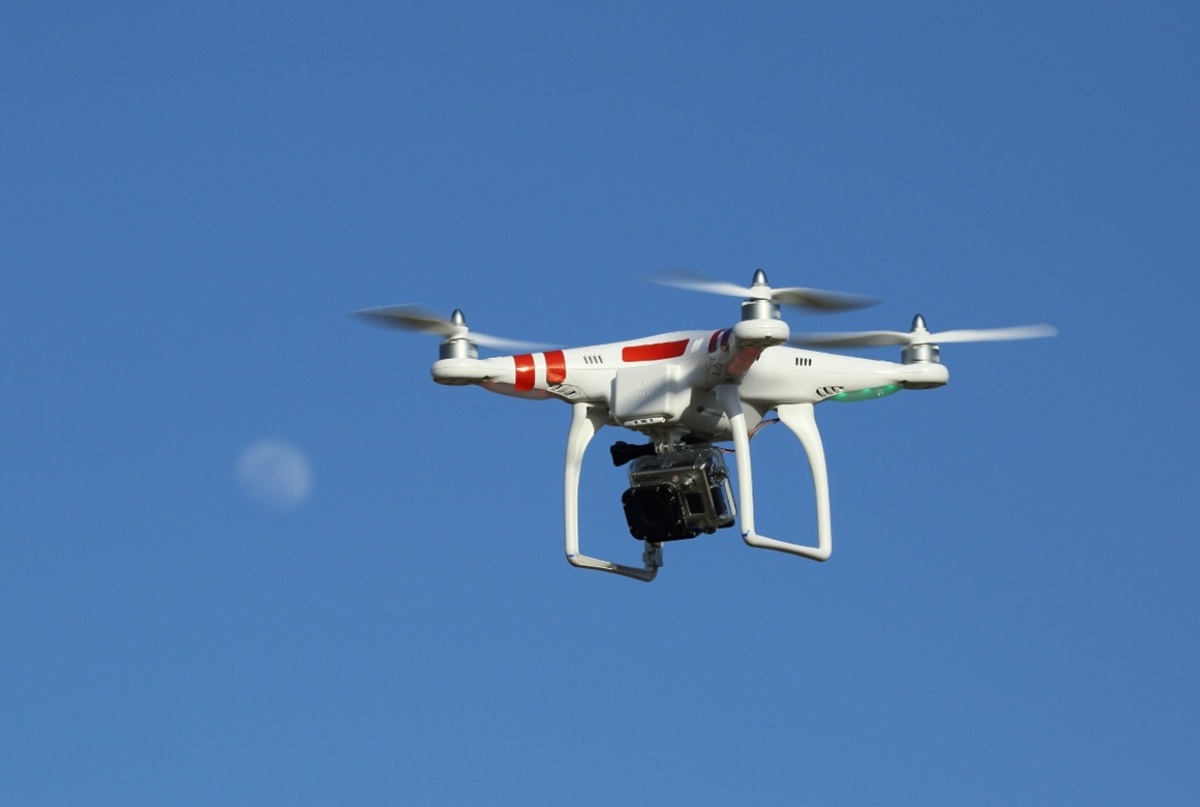
Small, commercially available drones can now be modified to:
✔ Carry explosives
✔ Conduct surveillance
✔ Jam communications
✔ Penetrate restricted airspace
Meanwhile:
Military-grade systems such as:
Shahed drone family
have demonstrated the destructive potential of relatively low-cost unmanned systems in both:
- Ukraine
- The Middle East
For military planners:
This creates a dangerous imbalance:
Cheap drones versus expensive defenses
A drone costing a few thousand dollars can potentially threaten:
Multi-million-dollar military assets.
This economic reality is accelerating global investment in:
Scalable counter-drone systems
capable of protecting:
- Government buildings
- Military bases
- Airports
- Energy infrastructure
- Public events
What This Means for NATO Security
NATO’s decision signals an important shift:
Drone defense is moving from battlefield necessity to homeland security priority
Protecting headquarters and leadership compounds suggests the alliance increasingly views:
Drone attacks as a realistic threat even far from active war zones
Especially given rising tensions with:
Russia
and broader concerns over hybrid warfare,
security planners increasingly worry about:
- Covert drone surveillance
- Sabotage attempts
- Disruption campaigns
- Symbolic attacks on alliance institutions
The installation of BOREADES may therefore represent:
Only the beginning of wider NATO counter-drone infrastructure expansion.
Conclusion: NATO Is Preparing for the Drone Age
The decision to deploy French-made BOREADES systems at NATO headquarters highlights a simple reality:
The drone threat is no longer hypothetical
From Ukraine to the Middle East,
modern conflict has shown that even the most advanced institutions can be vulnerable to low-cost unmanned systems.
By securing its political headquarters and the Secretary General’s residence,
NATO is signaling:
Counter-drone defense is now a core part of alliance security.
In the emerging era of unmanned warfare,
protecting the skies above strategic institutions may become just as important as defending borders on the ground.