
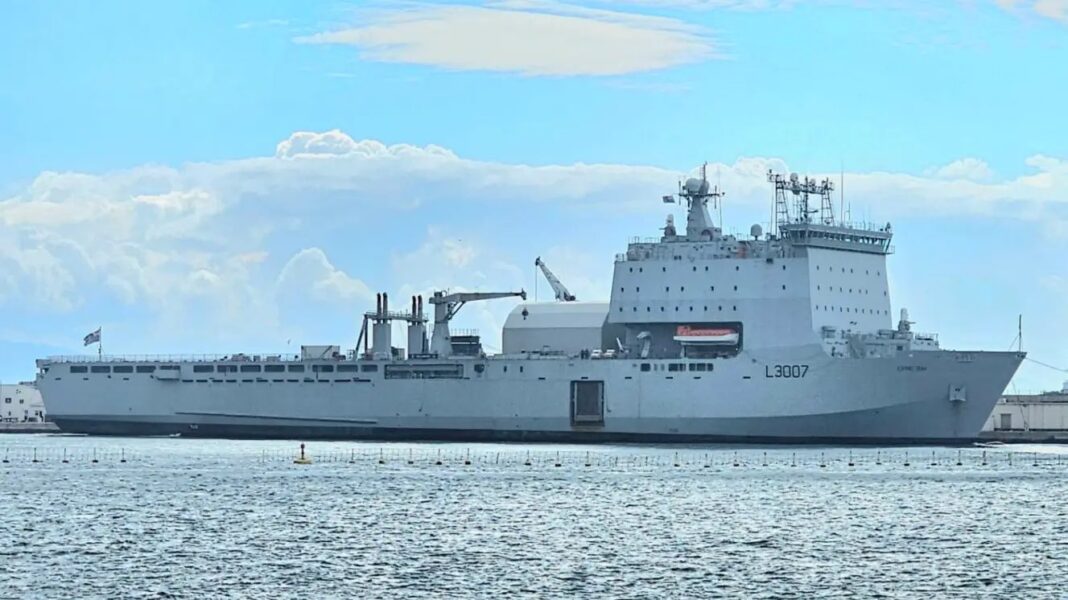
The United Kingdom is drawing up plans to potentially deploy RFA Lyme Bay to the Strait of Hormuz, according to The Times, as part of contingency measures aimed at helping reopen the strategically vital waterway near Iran.
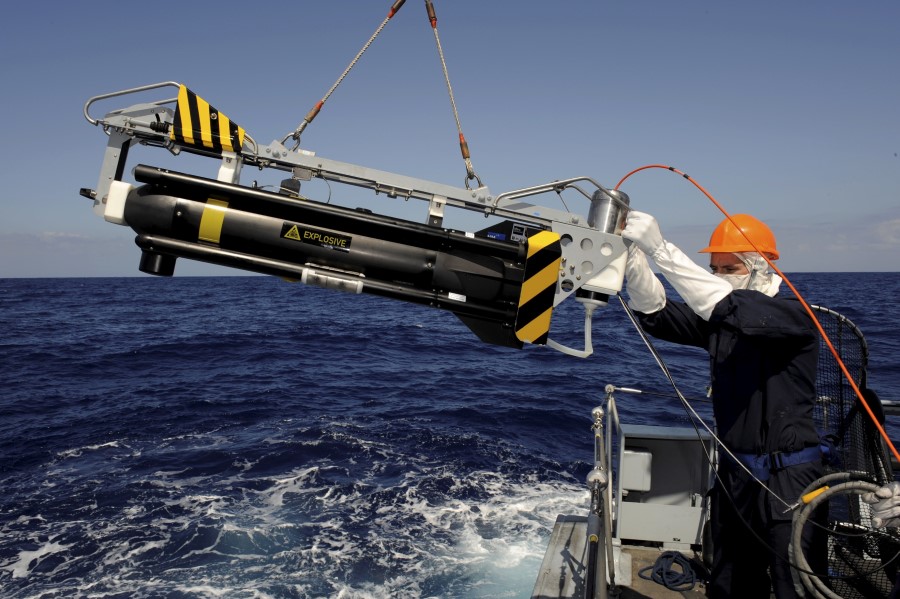
The vessel is expected to be equipped with autonomous mine-clearance systems, including underwater drones and mine-hunting boats, to support maritime security and ensure freedom of navigation through one of the world’s most critical oil shipping lanes.
According to the report, UK Defence Secretary John Healey has approved initial planning for the deployment of the 175-meter Bay-class vessel for mine-clearing operations.
Officials, however, stressed that no final deployment decision has yet been made.
Heightened Readiness Ordered
The RFA Lyme Bay, currently docked in Gibraltar, has already been placed on a heightened state of readiness, according to the UK Ministry of Defence.
The Ministry said the move is part of precautionary planning for possible deployment to the Eastern Mediterranean.
A spokesperson said:
“As part of prudent planning, we have taken the decision to bring RFA Lyme Bay to heightened readiness as a precaution, should she be needed to assist in maritime tasks in the Eastern Mediterranean.”
This came as the UK government dismissed speculation that HMS Prince of Wales would be immediately dispatched to the region.
Possible Role in Strait of Hormuz
If deployed toward the Strait of Hormuz, the ship would reportedly receive upgrades including:
- underwater autonomous drones
- specialized mine-disposal boats
- autonomous mine-hunting capabilities
- enhanced maritime surveillance support
These systems would be used to help clear sea mines and reopen shipping routes, a critical issue for global energy markets and regional military logistics.
The Strait of Hormuz remains one of the world’s most important maritime chokepoints, with a large share of global oil shipments passing through it daily.
Potential Humanitarian and Evacuation Missions
Beyond mine-clearing, RFA Lyme Bay could also support civilian evacuation and humanitarian relief missions.
The ship includes:
- aviation support facilities
- medical facilities
- troop transport capacity
- humanitarian cargo capability
Officials indicated the ship may be positioned for non-combatant evacuation operations (NEOs), particularly if regional tensions worsen.
One possible contingency location mentioned is Lebanon, where the UK has previously conducted evacuation operations.
The vessel could also provide maritime security near Cyprus, especially against threats such as fast inshore attack craft.
Medical and Troop Support Capacity
The ship brings significant logistical capabilities.
It can accommodate:
- more than 350 troops
- up to 700 personnel for short periods
- additional emergency capacity using camp beds on the vehicle deck
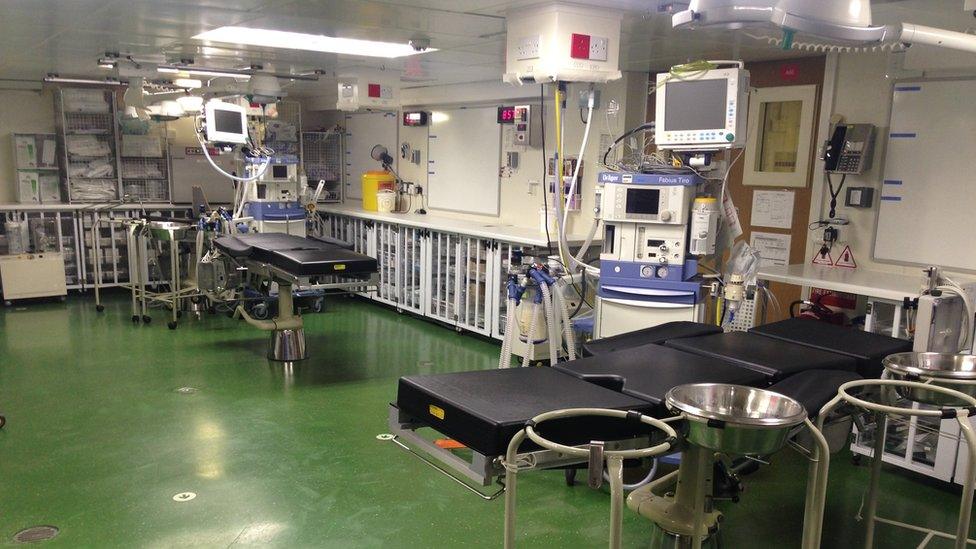
Its onboard Role 2 medical facility includes:
- a 12-bed ward
- operating theatre
- dental surgery
- X-ray facilities
- medical laboratory
Following the retirement of RFA Argus, which had served as the RFA’s “floating hospital,” RFA Lyme Bay may now take on a larger humanitarian role.
The vessel can also operate helicopters up to the size of Boeing CH-47 Chinook and AgustaWestland AW101 Merlin, despite lacking a permanent hangar.
HMS Prince of Wales Speculation Downplayed
Recent reports had suggested that HMS Prince of Wales had its readiness timeline reduced from 14 days to five days, leading to speculation over a possible Eastern Mediterranean deployment.
However, Downing Street downplayed the reports.
Officials said:
“HMS Prince of Wales has always been on very high readiness.”
They added that while preparedness has increased, no decision has been taken to deploy the carrier.