U.S. President Donald Trump is attempting to link a ceasefire agreement with Iran to one of the most ambitious geopolitical goals of his presidency:
Expanding the Abraham Accords through Saudi-Israel normalization.
The move, if successful, could fundamentally reshape Middle Eastern politics.
But it also risks deepening tensions inside an already fragile regional order where the war with Iran has produced strategic consequences few expected.
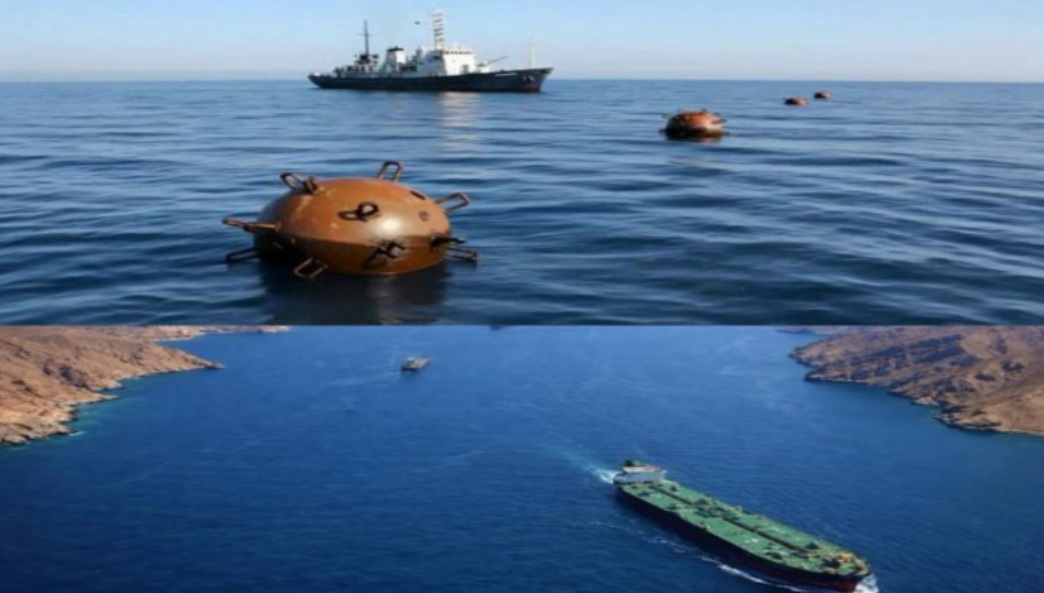
According to emerging accounts and Trump’s own public comments, Washington is pushing Gulf states to support broader diplomatic normalization with Israel as part of efforts to finalize a framework to reopen the Strait of Hormuz and preserve the current ceasefire.
Trump Signals Bigger Middle East Deal
In a lengthy post on Truth Social Trump said negotiations with Iran were “Proceeding nicely” but warned there would either be:
“A Great Deal for all or, no Deal at all — Back to the Battlefront and shooting, but bigger and stronger than ever before.”
President Trump @POTUS:
“Negotiations with the Islamic Republic of Iran are proceeding nicely! It will only be a Great Deal for all or, no Deal at all — Back to the Battlefront and shooting, but bigger and stronger than ever before — And nobody wants that! During my discussions… pic.twitter.com/5pVlpsbAPn— Shin (@hey_itsmyturn) May 25, 2026
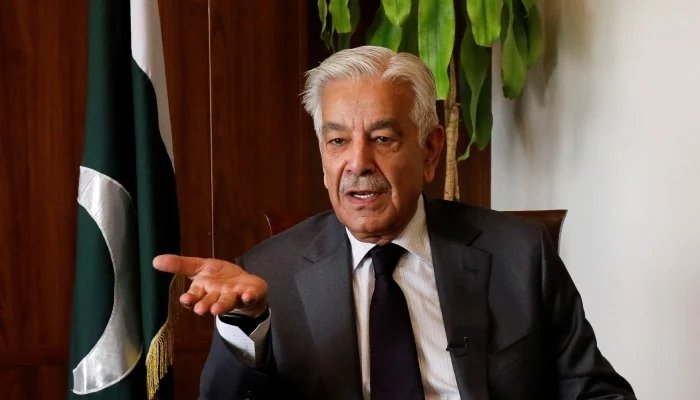
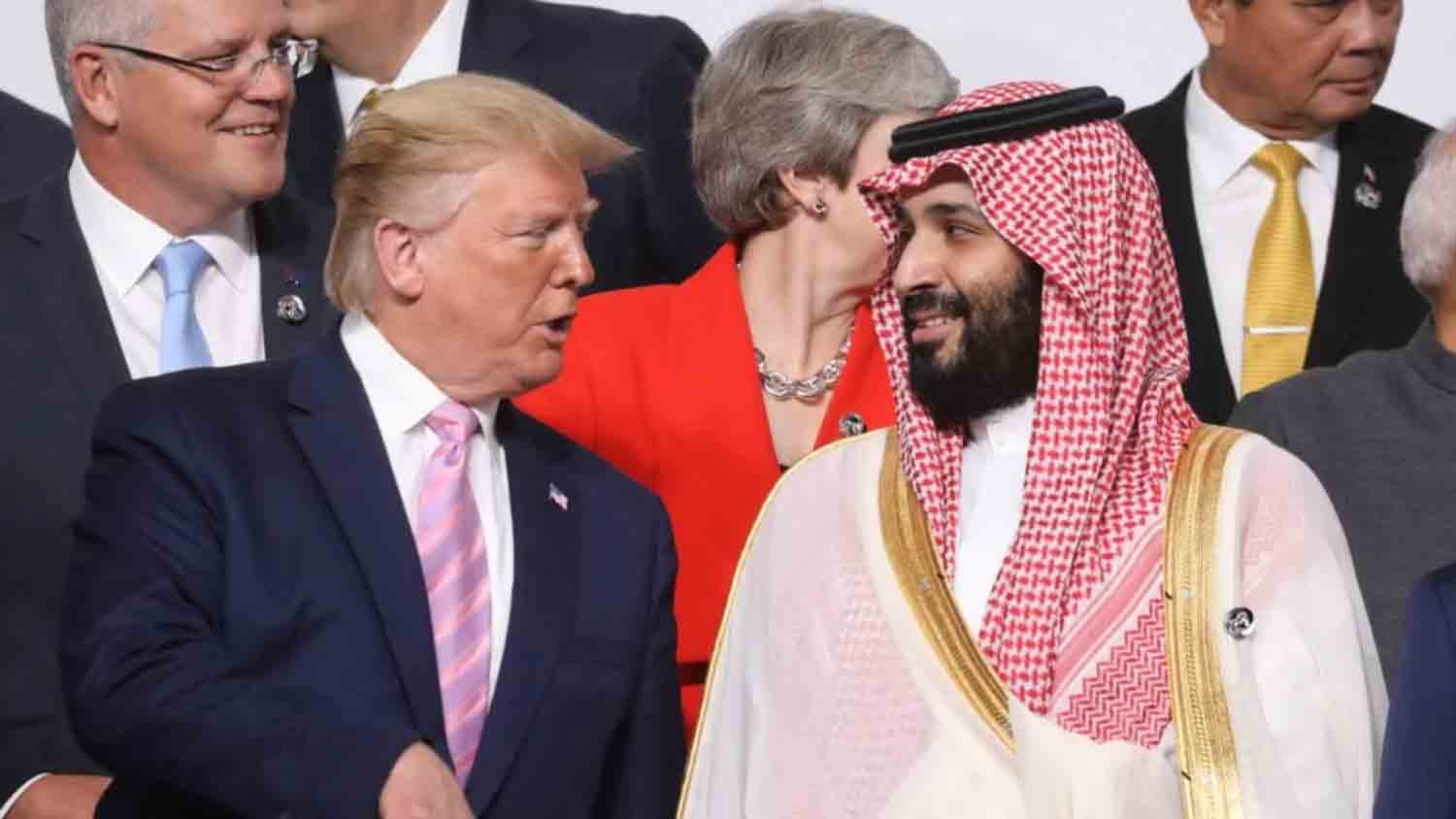
Trump revealed he had spoken with multiple regional leaders, including Saudi Crown Prince Mohammed bin Salman, UAE President Mohammed bin Zayed Al Nahyan, Qatar’s Emir Tamim bin Hamad Al Thani, Pakistan’s military chief Syed Asim Munir, Türkiye’s President Recep Tayyip Erdoğan, Egypt, Jordan and Bahrain’s leadership.
Trump said he told regional leaders that participation in the Abraham Accords should become effectively mandatory as part of a larger settlement tied to Iran.
“It should start with the immediate signing by Saudi Arabia and Qatar, and everybody else should follow suit,” Trump wrote.
He also floated an extraordinary possibility Iran itself eventually joining the Abraham Accords, if a broader agreement succeeds.
Why Saudi Arabia Matters Most
At the center of Trump’s strategy is Saudi Arabia, the regional heavyweight whose normalization with Israel would represent the biggest diplomatic breakthrough since the original Abraham Accords.
The accords, brokered during Trump’s first term, normalized relations between Israel and several Arab states, including UAE, Bahrain, Morocco, and Sudan.
But Saudi Arabia has long remained the ultimate prize.
Normalization would not only deepen Israel’s regional legitimacy,
it could create A more unified anti-Iran security architecture linking Gulf Arab states more closely with Washington and Jerusalem.
For Trump, that would also provide a powerful political victory after months of costly war.
A Strategic Shift in Riyadh?
Reports suggest Saudi Arabia’s posture toward the conflict has evolved significantly.
Early in the war, regional reporting suggested Mohammed bin Salman favored strong action against Iran and reportedly encouraged Washington to pursue a tougher military posture.
But the war’s economic and strategic consequences appear to have altered Riyadh’s calculus.
Damage to Gulf energy infrastructure, disruptions in Strait of Hormuz shipping and mounting economic pressure forced Gulf governments to confront a difficult reality Iran remained capable of retaliation.
For Saudi Arabia, whose economy depends heavily on energy stability, the war increasingly shifted from strategic opportunity to strategic liability.
That appears to have strengthened support for diplomacy.
Trump’s Calculation: Tie Israel More Closely to Washington
The logic behind Trump’s reported strategy may go beyond diplomacy.
By tying Gulf states more closely to Israel through normalization, Washington could also gain greater leverage over Benjamin Netanyahu, whose government has remained deeply skeptical of negotiations with Iran.
Israeli leaders fear an agreement could leave Tehran stronger than before, particularly if Iran retains leverage over Hormuz and preserves nuclear capabilities.
A wider normalization framework could help Washington discourage unilateral Israeli military action against Iran during negotiations.
In effect Closer alliance may become a tool of restraint rather than escalation.
Iran Appears Increasingly Confident
Meanwhile, Tehran appears to believe battlefield dynamics increasingly favor its negotiating position.
Despite military losses,
Iran demonstrated it could:
✔ Disrupt Hormuz shipping
✔ Raise global energy prices
✔ Survive sustained U.S.-Israeli attacks.
According to reports Iran has increasingly hardened its negotiating posture.
Tehran reportedly rejects delaying nuclear disputes and instead seeks:
- Immediate economic concessions
- Unfreezing of assets
- Easing maritime restrictions
- Broader ceasefire guarantees across multiple fronts.
Iranian leaders are also reportedly pushing for restrictions on Israeli military against Hezbollah in Lebanon.
That raises fears in Washington and Jerusalem that Tehran may be negotiating from a position of growing confidence rather than weakness.
Can Trump Sell the Deal Politically?
The biggest challenge for Trump may ultimately be domestic.
Trump entered the war demanding “UNCONDITIONAL SURRENDER” from Iran.
Any agreement that:
- Leaves Iran’s government intact
- Preserves elements of its nuclear program
- Requires easing U.S. restrictions
- Relies on Gulf diplomatic concessions
could prove difficult to portray as outright victory.
At the same time,
renewed war carries major risks:
- Higher oil prices
- Gulf instability
- Political backlash
- Greater regional escalation.
Trump himself acknowledged the stakes.
“Nobody wants that,” he said regarding a return to fighting.
The Bigger Middle East Gamble
Trump’s attempt to combine Iran diplomacy + Hormuz reopening + Abraham Accords expansion may become one of the boldest diplomatic gambles of his presidency.
If successful, it could reshape the Middle East’s strategic map.
If it fails, Washington risks returning to conflict with an Iran that has already shown surprising resilience and growing leverage.
The core question now is whether Gulf states — particularly Saudi Arabia, are willing to pay the political cost of normalization in exchange for regional stability.
Because after months of war, the emerging reality is increasingly clear: