The wars in Ukraine and Iran have transformed drone warfare from a supporting battlefield tool into one of the defining pillars of modern military strategy, prompting a rapid global arms race in unmanned aerial systems, loitering munitions, and autonomous logistics platforms.
What first emerged prominently during the Ukraine conflict has now been reinforced by the Iran war, where long-range one-way attack drones, low-cost precision strikes, and autonomous air defense layers have demonstrated that the future battlefield is increasingly unmanned, cheaper, and faster.
From Europe to Asia and the United States, major military powers are now moving aggressively to mass-produce both offensive and defensive drone systems.
Germany Expands Anti-Drone Shield with Skynex and Skyranger
Germany is accelerating production of its Skynex and Skyranger gun-based air defense systems as Europe strengthens its short-range anti-drone defenses.
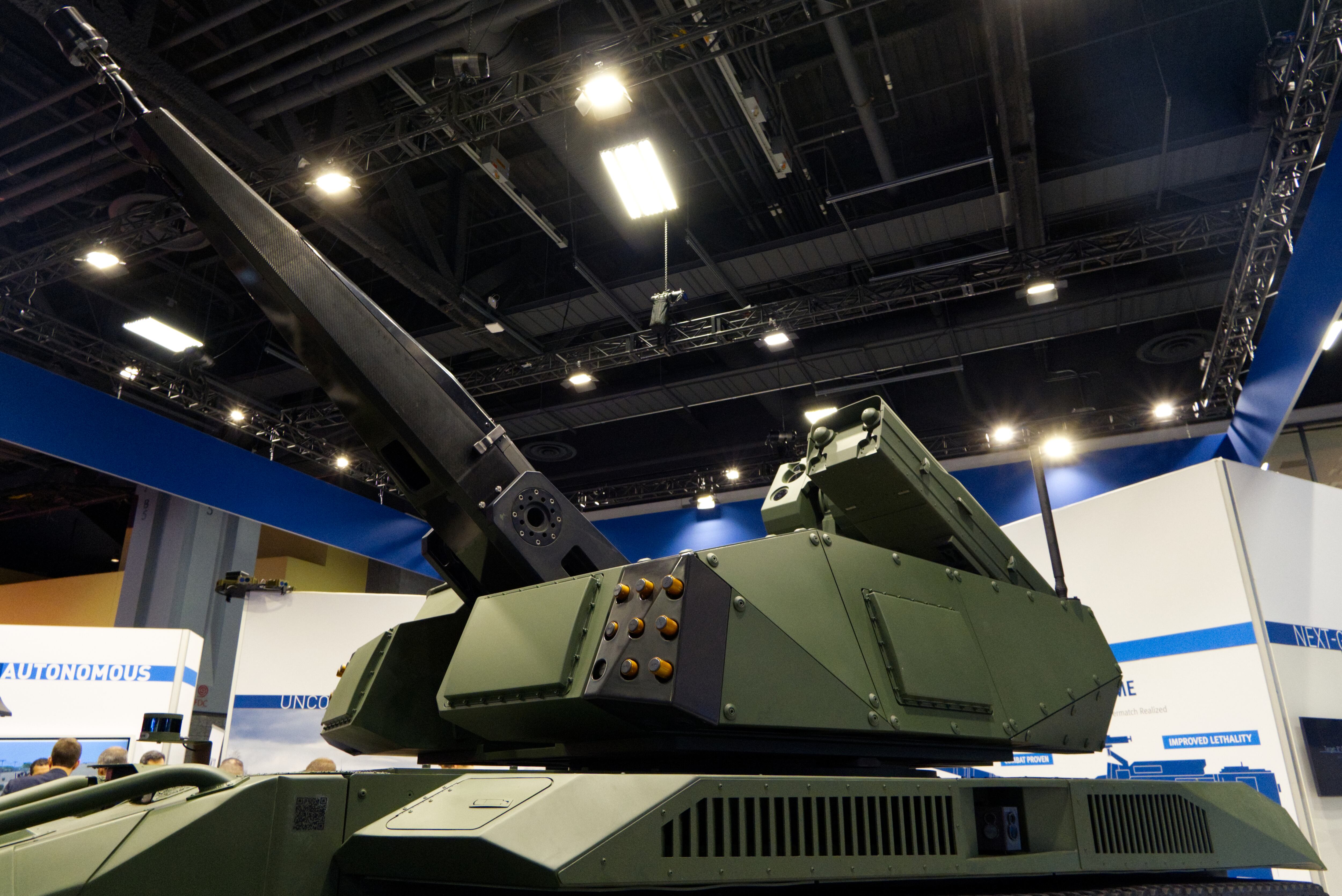
The move comes as Shahed-style drone attacks continue to reshape military planning across Europe, with lessons drawn directly from the battlefield experience in Ukraine.
These systems are specifically designed for the short-range counter-UAV layer, targeting loitering munitions, swarm drones, and low-flying threats that conventional missile defense systems often struggle to engage cost-effectively.
This reflects a broader military shift: using guns and short-range interceptors to destroy low-cost drones instead of expending expensive surface-to-air missiles.
Airbus Tests New UAV Interceptor Drone
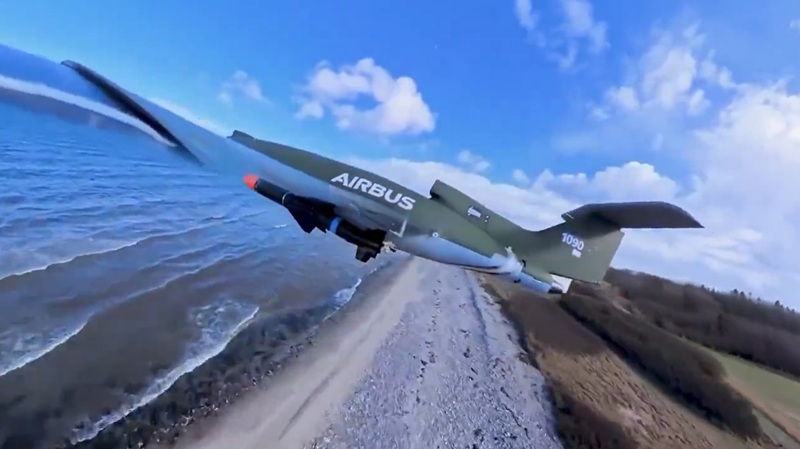
In a major development, Airbus has successfully test-flown a new UAV interceptor, the Do-DT25, at a military range in northern Germany.

The interceptor is armed with four Frankenburg Mark 1 missiles, each capable of engaging targets within a 1.5–2 km range.
The drone has been specifically built to hunt and destroy large loitering munitions such as Shahed-type drones, signaling the emergence of a new autonomous air defense layer.
This development is particularly significant because it moves beyond static air defense systems toward mobile, autonomous aerial interceptors, capable of pursuing and neutralizing drone threats in real time.
Türkiye Unveils New Shahed-Style Kamikaze Drone
Türkiye has unveiled its new indigenous kamikaze drone, the Sky Dagger, whose design visually resembles the Shahed-136.
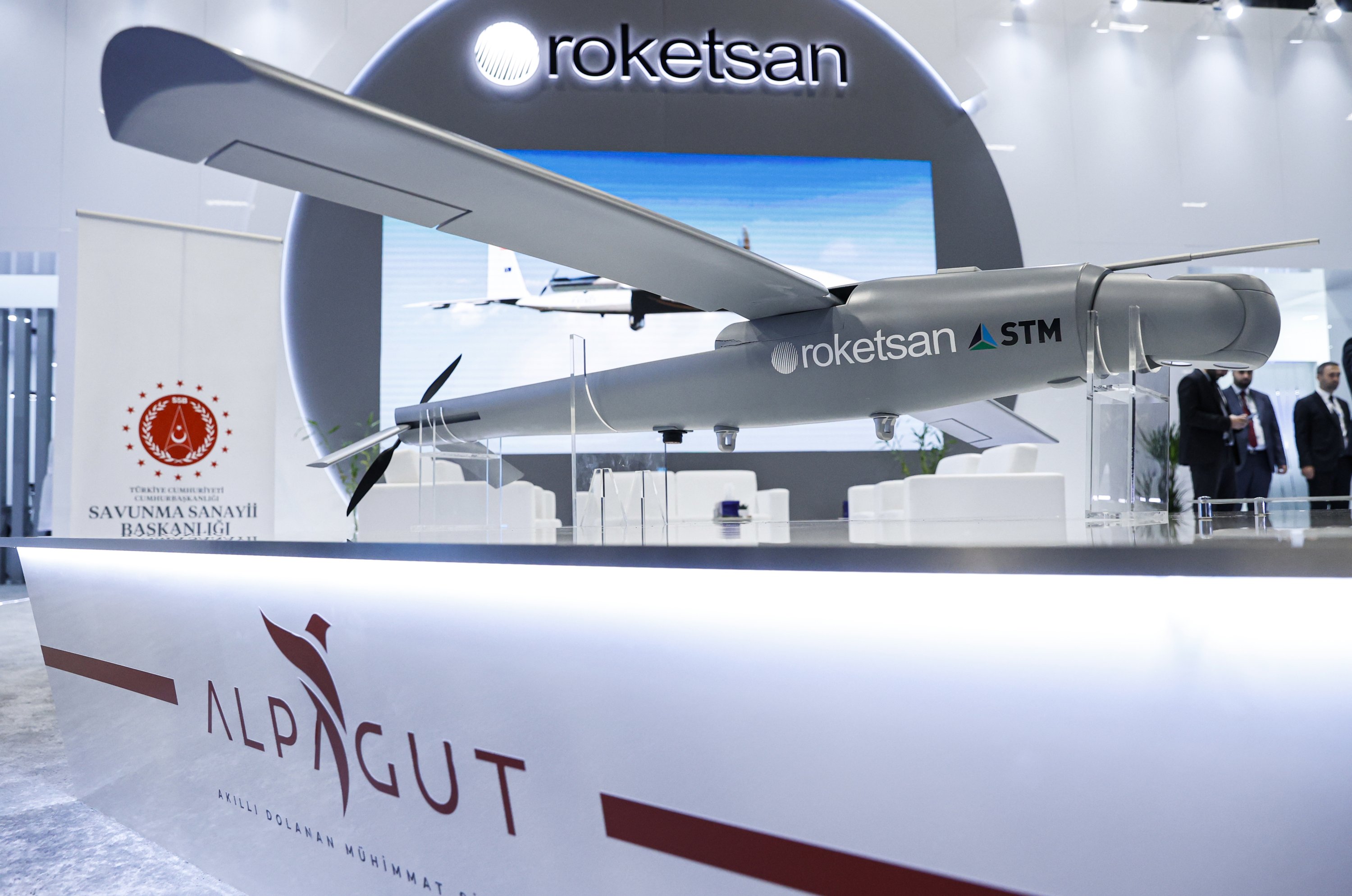
The development highlights Ankara’s increasing investment in low-cost, long-range precision strike systems, joining the expanding global race in loitering munitions.
The strategic significance is clear: countries are increasingly favoring mass-producible expendable strike drones capable of saturating enemy air defenses.
This mirrors the battlefield lessons from both Ukraine and Iran, where drone swarms and low-cost one-way attack systems have repeatedly challenged traditional military doctrine.
China Pushes Heavy-Lift Autonomous Logistics Drones
China has expanded its drone warfare and logistics capabilities with several new heavy-lift autonomous systems.
Changying-8 Heavy Cargo Drone
The newly tested Changying-8 can reportedly carry 3.5 tons of payload, with a range of up to 3,000 km and a maximum takeoff weight of 7 tons.
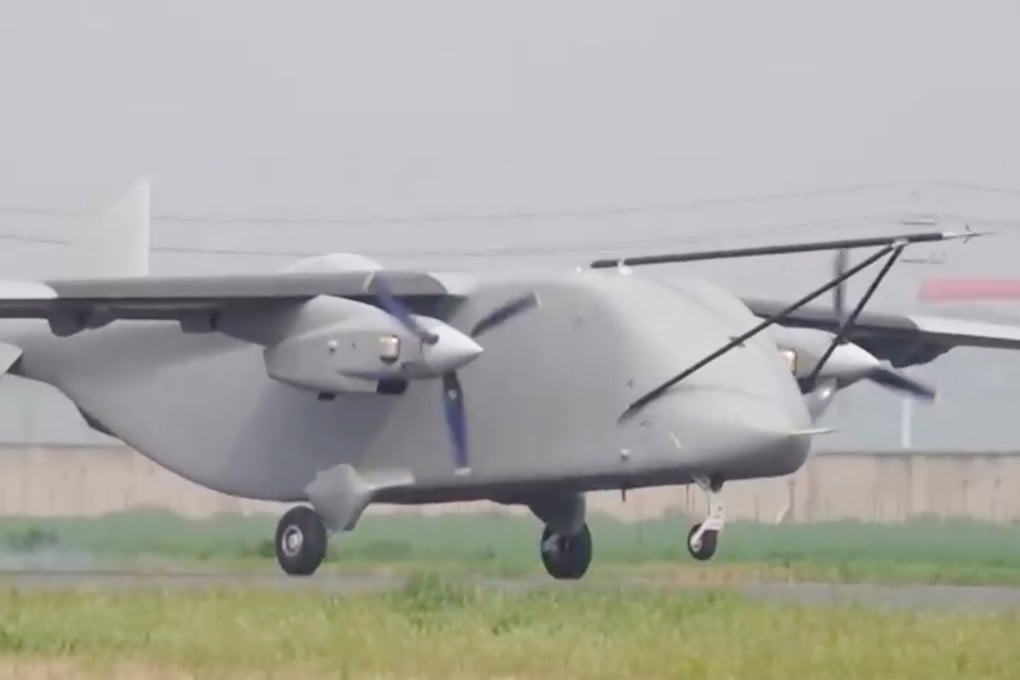
This places it in a category comparable to light tactical transport roles.
600 kg Heavy-Lift Drone
China has also unveiled a 600 kg heavy-lift drone optimized for stable operations in severe weather.
500 kg Unmanned Transport Vehicle
Another newly introduced system can transport up to 500 kilograms, enhancing battlefield resupply and autonomous logistics.
These developments show that the drone race is no longer focused only on strike roles.
The next frontier is unmanned logistics, battlefield resupply, and remote autonomous transport, where drones reduce human exposure and accelerate operations.
US Moves to Mass Produce LUCAS Kamikaze Drones
The United States is also moving toward mass production of LUCAS kamikaze drones, reportedly inspired by the combat effectiveness of the Shahed-136.
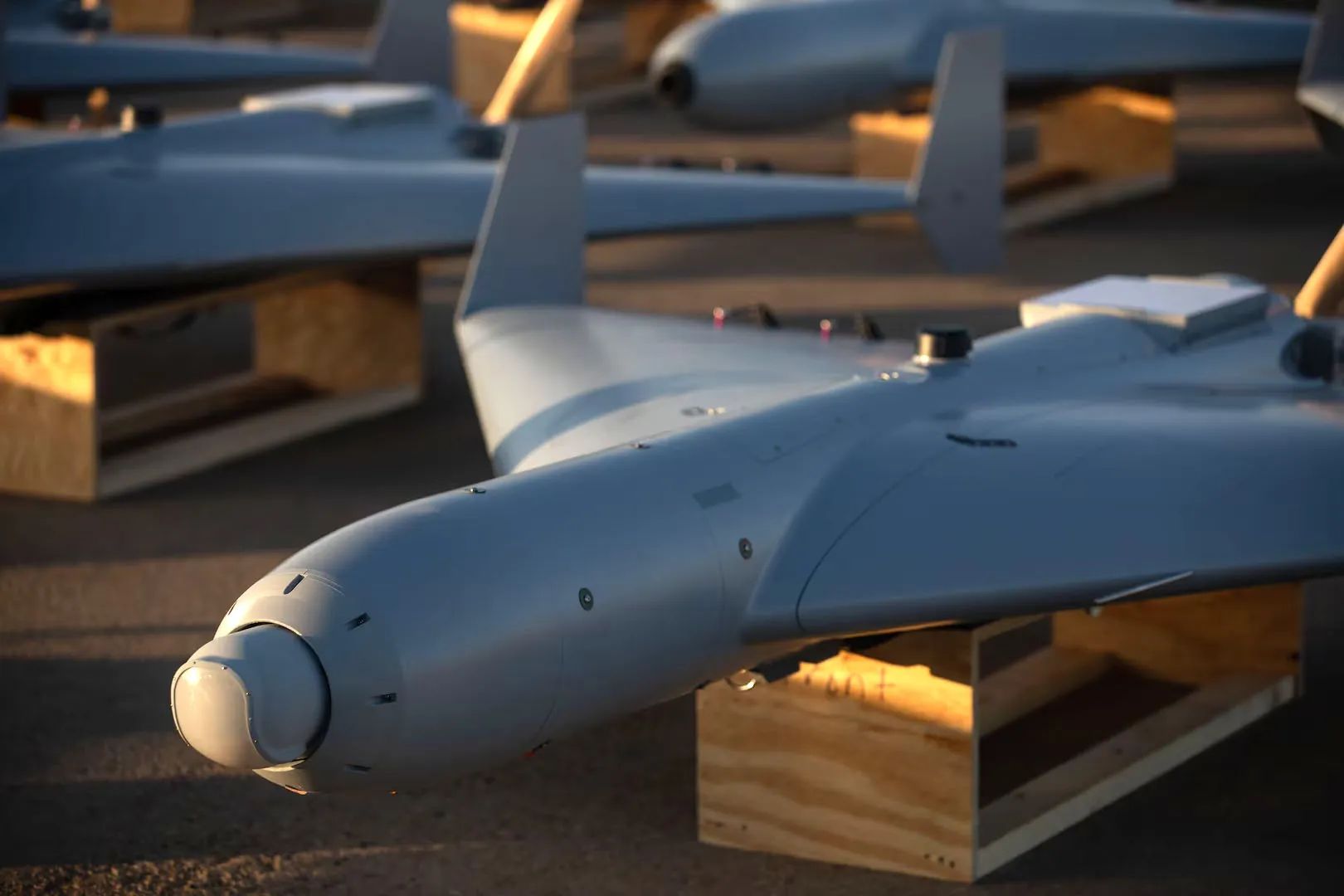
The strategic aim is to replace $1 million cruise missiles with significantly cheaper one-drone-one-strike systems.
This cost-efficiency model is now becoming central to modern warfare economics.
Instead of deploying expensive precision missiles, militaries are increasingly favoring expendable drones that can achieve similar tactical effects at a fraction of the cost.
Ukraine and Iran Wars Proved the Future of Warfare
The Ukraine war first demonstrated how drones could dominate reconnaissance, artillery correction, precision strikes, and swarm attacks.
The Iran conflict further reinforced this reality by highlighting the strategic impact of long-range loitering munitions and saturation attacks.
Together, both wars have effectively proven that future conflict will revolve around:
- cheap strike drones
- autonomous interceptors
- anti-drone gun systems
- heavy-lift logistics UAVs
- swarm warfare
- AI-assisted targeting
The battlefield is becoming smaller, faster, and increasingly autonomous.
Drone warfare is no longer the future.
It is already here.