A Pakistan-mediated framework to halt the US-Iran war has emerged as a time-sensitive diplomatic push, linking an immediate ceasefire to the reopening of the Strait of Hormuz and a phased path toward a broader political settlement.
According to discussions held overnight and reviewed on Monday, the proposal outlines a two-tier structure:
- an immediate ceasefire, potentially taking effect on Monday
- a comprehensive agreement within 15–20 days

The compressed timeline underlines the urgency of the diplomatic effort as the conflict continues to pressure global energy markets.
Immediate Ceasefire Followed by Broader Settlement
The first phase of the proposal would reportedly be formalized through a memorandum of understanding, finalized electronically.
Pakistan is expected to act as the sole communication channel between the parties during this initial stage.
A source familiar with the discussions said:
“All elements need to be agreed today.”
This highlights the narrow diplomatic window currently in play.
A separate Axios report has also cited discussions around a 45-day ceasefire window as part of a broader phased agreement.
Pakistan Army Chief in Continuous Contact With Key Players
A central role is reportedly being played by Pakistan’s army chief, Field Marshal Asim Munir.
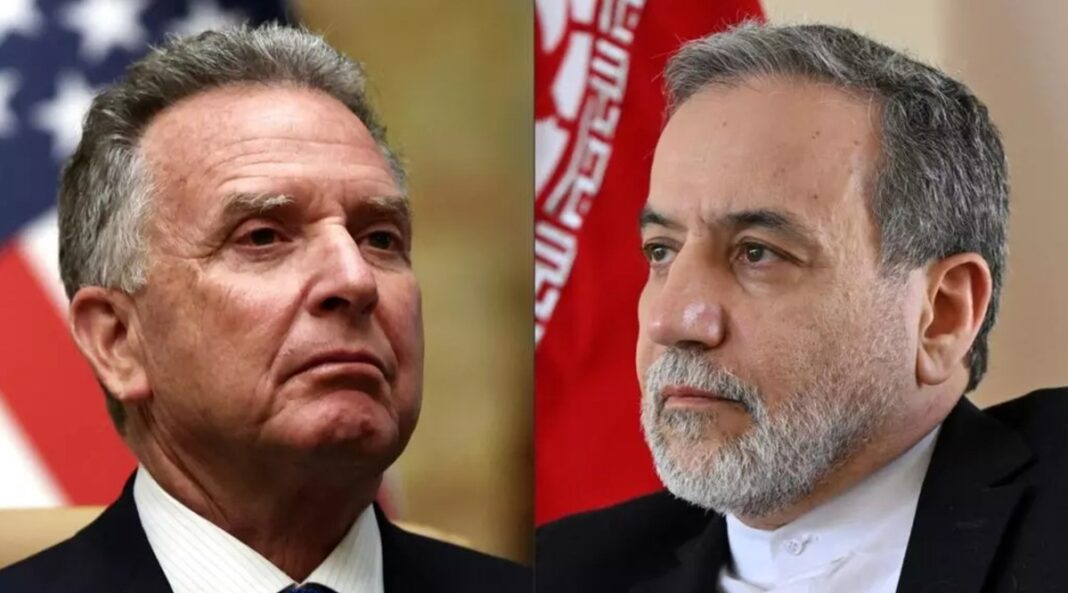
According to the draft, Munir has been in continuous contact “all night long” with:
- JD Vance, US Vice President
- Steve Witkoff, US envoy
- Abbas Araghchi, Iranian Foreign Minister
This indicates that Islamabad is positioning itself as a critical diplomatic bridge at a pivotal moment in the war.
Broader Mediation Effort Includes Türkiye, Egypt and China
The ceasefire effort is not limited to Pakistan alone.
The draft notes that mediators including:
- Türkiye
- Egypt
- China
have also transmitted proposals to Tehran.
China is reportedly backing key elements of the ceasefire push, reinforcing Beijing’s broader effort to present itself as a stabilizing actor in the region.
Tehran Reviewing Proposal But Rejects Pressure
According to Reuters, an Iranian official has confirmed that Tehran has received Pakistan’s proposal and is reviewing it.
However, the official also stated that Iran will not accept deadlines or decisions made under pressure.
A major sticking point remains the Strait of Hormuz.
Iran has reportedly made clear that it will not agree to reopen the waterway in exchange for only a temporary ceasefire.
This suggests that Tehran is seeking stronger guarantees and a broader political framework.
Strait of Hormuz at Center of Deal
A central component of the proposal is the reopening of the Strait of Hormuz, one of the most important oil transit corridors in the world.
Any disruption to this route directly affects global crude flows and has already increased volatility across international energy markets.
Traders and governments are closely watching whether the diplomatic framework can secure renewed shipping access.
“Islamabad Accord” Could Include Nuclear and Sanctions Terms
The draft suggests that the final framework, tentatively called the “Islamabad Accord,” would go beyond a ceasefire.
Expected elements include:
- Iranian commitments not to pursue nuclear weapons
- sanctions relief
- release of frozen assets
- guarantees against future attacks by the US and Israel
Final in-person talks are reportedly planned in Islamabad.
Outcome Hinges on Tehran’s Response
The immediate outcome now depends on whether Tehran formally engages with the proposed framework.
As diplomatic channels narrow and energy market pressures intensify, the coming hours may prove decisive.
For now, the proposal represents one of the most serious diplomatic efforts yet to halt the conflict.