China has quietly imposed one of the longest unexplained offshore airspace restrictions in recent memory, reserving enormous sections of airspace near the Yellow Sea and East China Sea for forty consecutive days, intensifying concern across military planning circles in Japan, South Korea, and the United States.
According to a Wall Street Journal-cited report in the draft, the restricted zones run from March 27 until May 6 and cover an area larger than Taiwan’s main island.

Because the airspace extends from the surface to unlimited altitude, analysts increasingly believe Beijing may be preparing a sustained operational posture rather than a symbolic military demonstration.
No Declared Exercise, No Explanation
Chinese authorities issued Notices to Air Missions (NOTAMs) north and south of Shanghai, yet did not announce:
- live-fire drills
- missile tests
- hazardous activity
- military exercises
This absence of explanation is one of the most striking aspects of the move.
Analysts cited in the draft describe the combination of:
- unlimited altitude
- 40-day duration
- no declared exercise
as highly unusual, suggesting this may reflect a sustained readiness posture.
Pressure on Japan and South Korea Approaches
The geography of the restricted zones is strategically significant.
The northern section faces South Korea, where US and South Korean forces operate major airbases.
The southern section extends into the East China Sea, opposite Japan’s southwestern island chain and near Okinawa.
This positioning suggests the move is less directly tied to Taiwan and more focused on regional approaches vital to allied intervention planning.Analysts See Possible PLA Combat Rehearsal
Several analysts referenced in the draft believe the reserved airspace could allow the People’s Liberation Army (PLA) to rehearse:
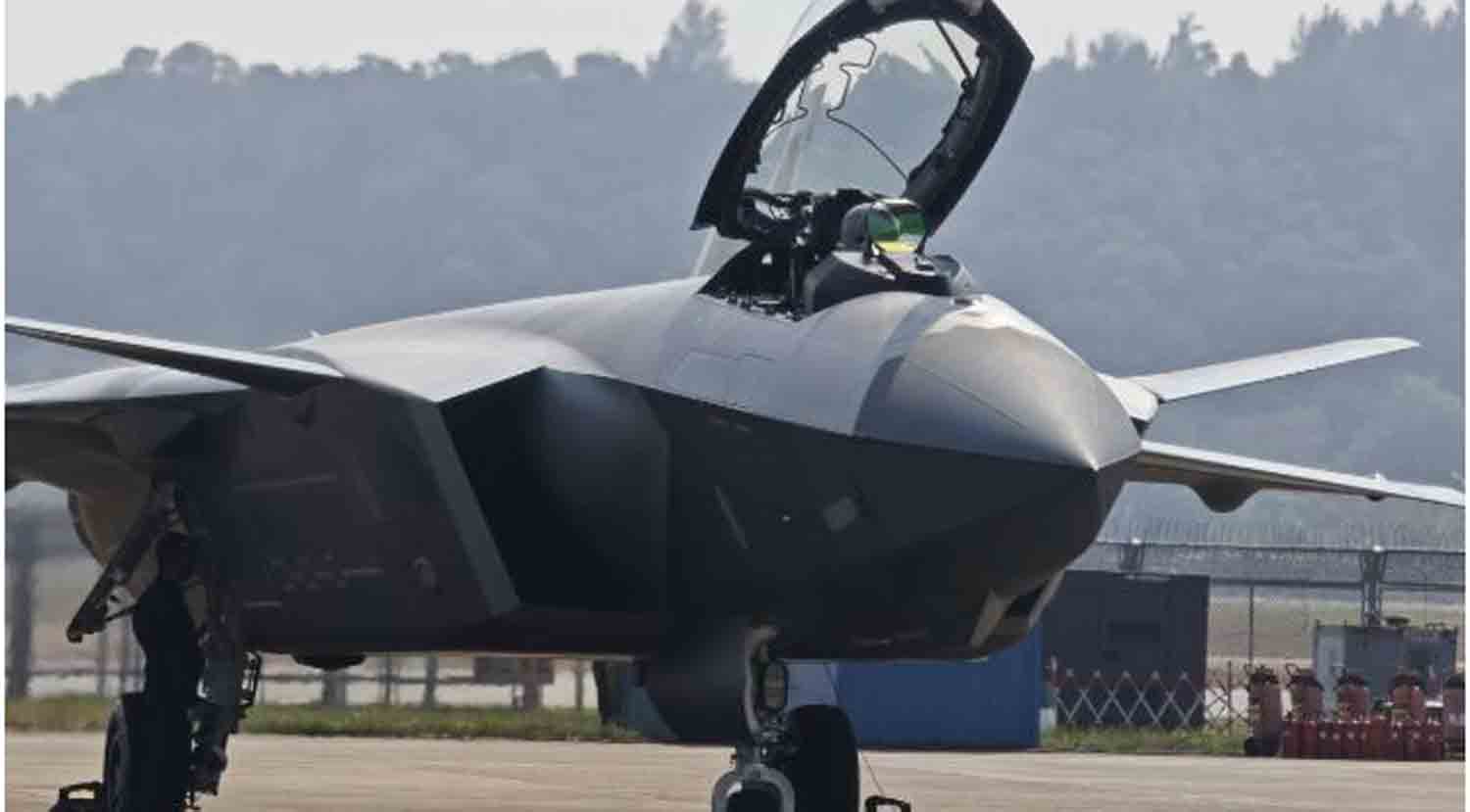
- fighter combat maneuvers
- integrated command-and-control
- simulated allied intervention scenarios
- electronic warfare
- aerial refueling
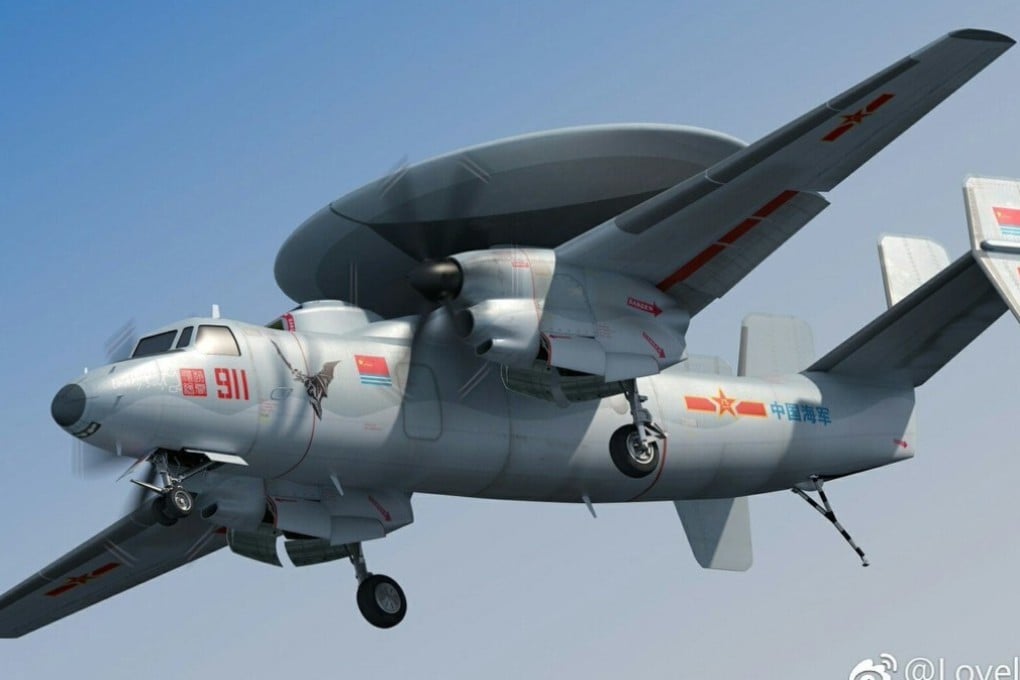
- airborne early warning missions
The unrestricted vertical dimension of the airspace means the PLA could theoretically operate:
- fighters
- bombers
- surveillance aircraft
- electronic warfare platforms
simultaneously within a controlled battlespace.
A Shift Toward Quiet Strategic Signaling
One of the most important interpretations in the draft is that Beijing may be shifting toward quieter, irregular signaling rather than highly publicized Taiwan Strait drills.
Previous similar restrictions along the eastern coastline reportedly lasted only three days and were openly linked to military exercises.
This time, the 40-day unexplained window marks a sharp departure.
Rather than overt escalation, the lack of explanation may itself be the strategic message.
By forcing neighboring governments to speculate, Beijing gains:
- psychological leverage
- operational flexibility
- plausible deniability
Growing Costs for Allied Readiness
The draft also highlights the financial implications.
Because Japan, South Korea, and the US cannot easily distinguish routine training from operational preparation, they may be forced to maintain elevated readiness for the full 40-day period.
This includes:
- surveillance sorties
- interceptor patrols
- maritime reconnaissance
- fighter scrambles
The report notes that sustained monitoring costs could exceed US$50 million, significantly increasing the burden on allied forces.
Strategic Message Beyond Taiwan
Although there is currently no evidence of imminent escalation, the scale, duration, and secrecy of the restriction suggest an important shift in how China projects power across East Asia.
Rather than focusing exclusively on Taiwan-related exercises, Beijing appears increasingly willing to expand military control incrementally across the Yellow Sea and East China Sea approaches.
This forces allied governments to plan for the possibility that any future regional crisis could rapidly expand beyond a Taiwan scenario into wider Northeast Asia.