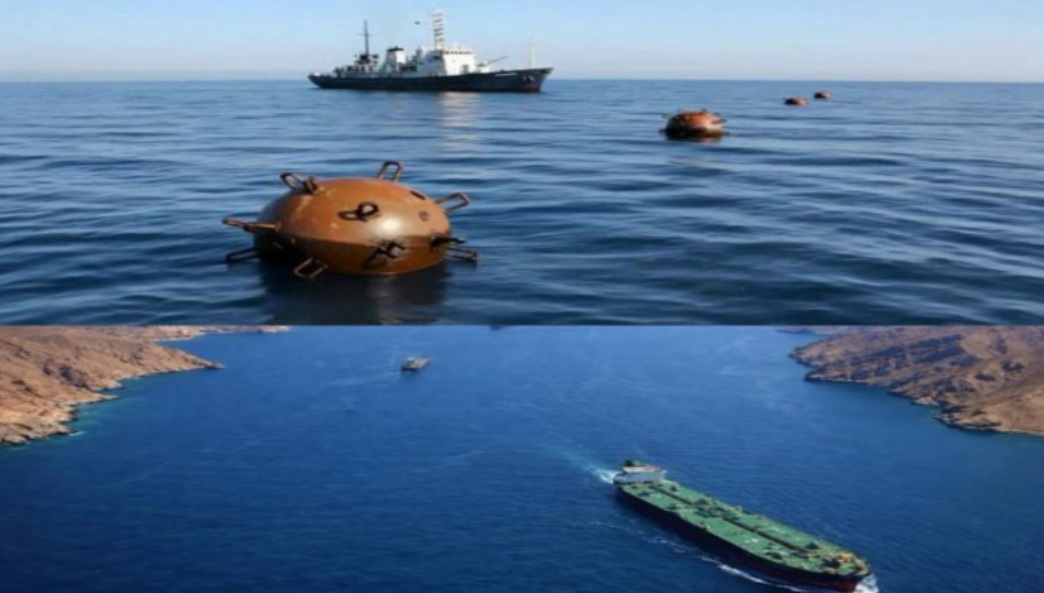
U.S. Central Command (United States Central Command) announced on April 11 that American forces have begun setting conditions for mine clearance operations in the Strait of Hormuz, marking a major step toward restoring safe maritime traffic through one of the world’s most strategically important waterways.
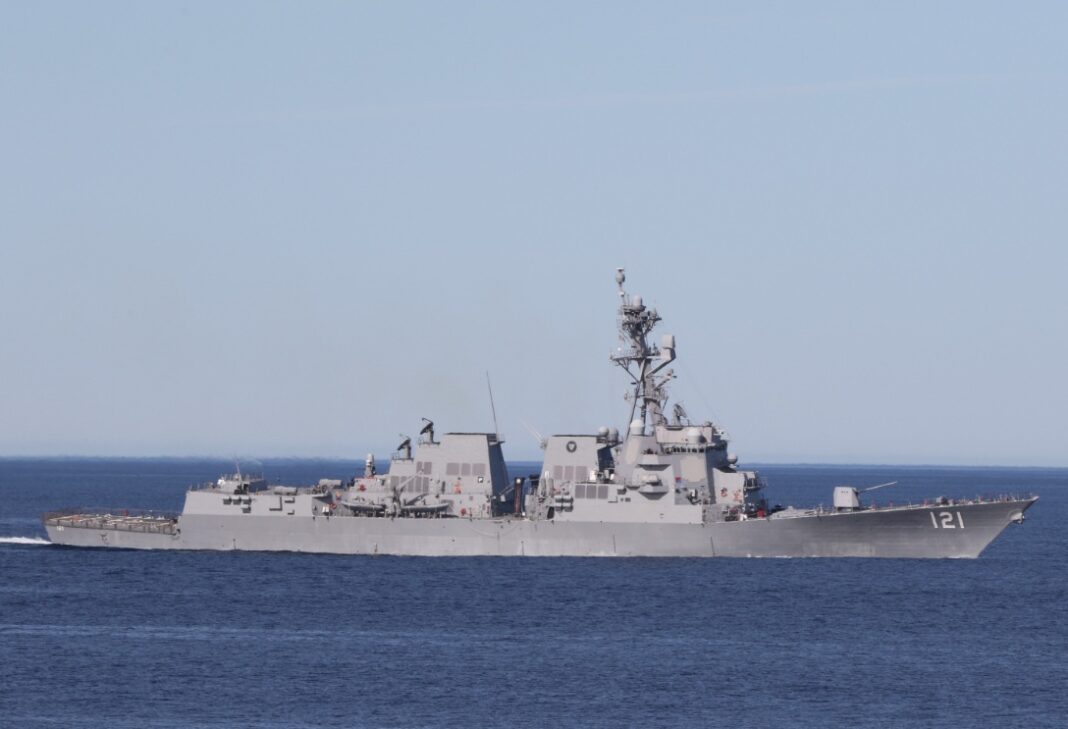
According to the official CENTCOM press release, two U.S. Navy guided-missile destroyers — USS Frank E. Petersen Jr. (DDG-121) and USS Michael Murphy (DDG-112) — transited the Strait of Hormuz and conducted operations in the Arabian Gulf as part of a broader mission to ensure the waterway is fully cleared of sea mines previously laid by Iran’s Islamic Revolutionary Guard Corps.
US Navy Establishing a New Safe Passage
CENTCOM Commander Admiral Brad Cooper said the operation has already entered its first phase.
“Today, we began the process of establishing a new passage and we will share this safe pathway with the maritime industry soon to encourage the free flow of commerce.”
The statement underscores Washington’s priority of reopening the Strait of Hormuz, a vital international sea lane that supports both regional stability and global economic prosperity.
Why the Strait of Hormuz Matters
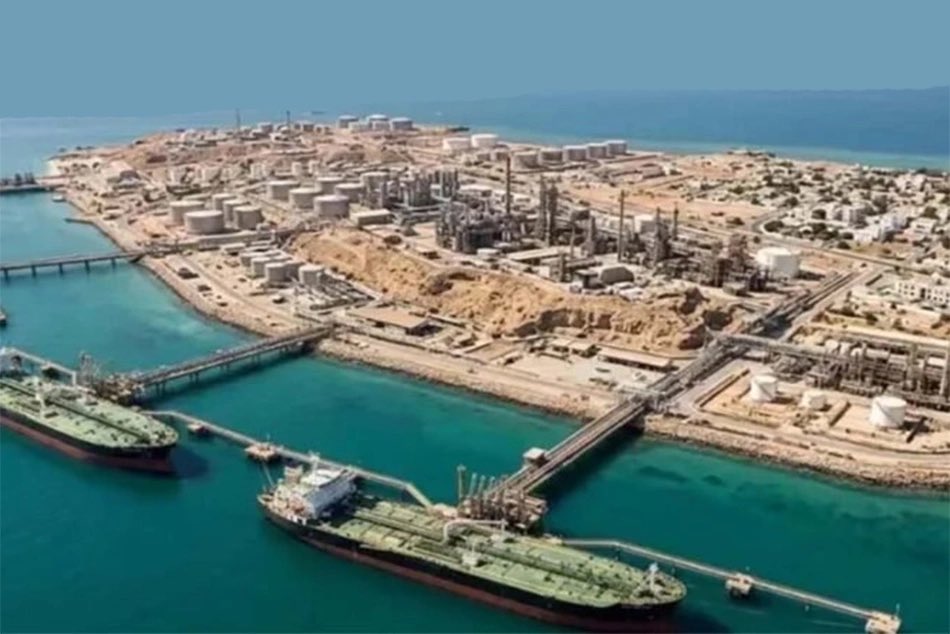
The Strait of Hormuz is one of the world’s most critical maritime chokepoints, carrying nearly 20% of global oil shipments and a significant share of liquefied natural gas exports.
Any disruption in this narrow sea corridor has an immediate impact on:
- global oil prices
- tanker insurance rates
- Gulf energy exports
- international supply chains
The latest operation follows weeks of disruption caused by Iranian mine-laying and attacks on commercial shipping.
Additional Forces and Underwater Drones to Join Mission
CENTCOM also confirmed that additional U.S. assets, including underwater drones and mine-countermeasure systems, will join the clearance effort in the coming days.
This indicates a broader and more technologically advanced mine-clearing mission that may include:
- unmanned underwater vehicles (UUVs)
- sonar detection systems
- helicopter-based surveillance
- explosive ordnance disposal teams
The use of underwater drones is particularly significant, as it allows U.S. forces to detect and neutralize mines while reducing risk to manned vessels.
Strategic and Economic Implications
The move is likely to reassure international shipping companies and oil markets, which have been closely watching developments in the Gulf.
Restoring a secure maritime corridor through Hormuz is seen as essential for stabilizing global energy flows, particularly for exports from Saudi Arabia, the UAE, Iraq, and Qatar.
The mission also signals continued U.S. military commitment to protecting freedom of navigation in the region.