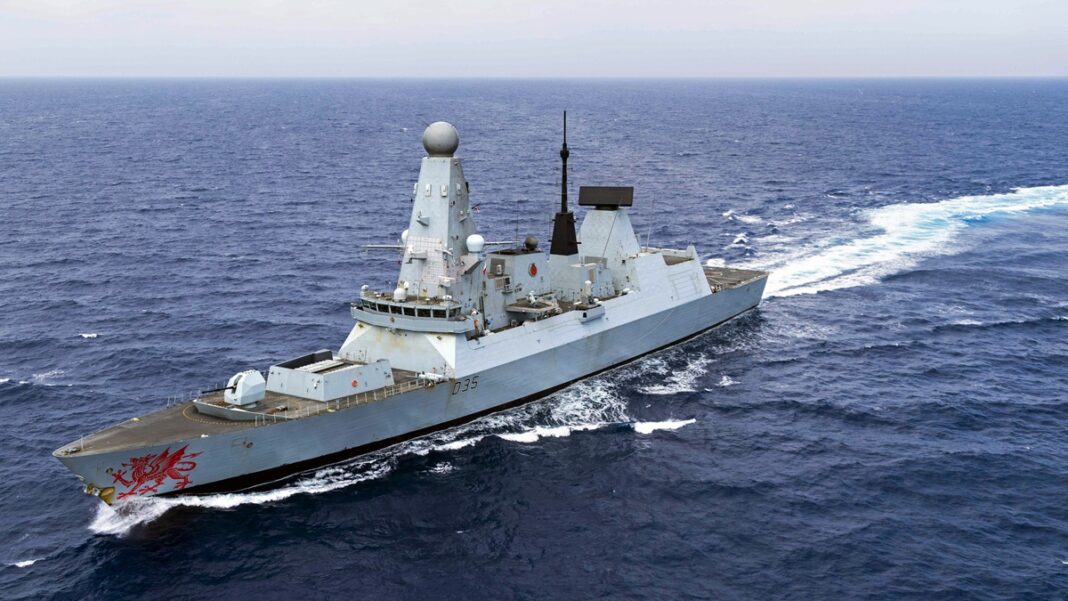
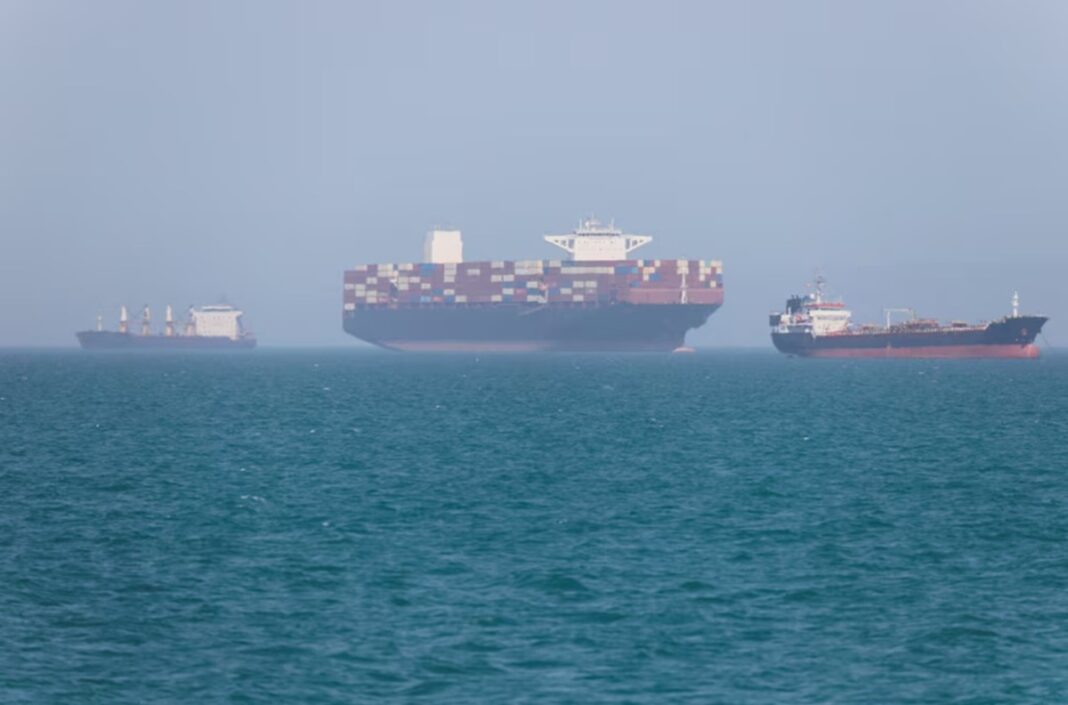
As the Iran war enters its third month, it is providing an unexpected strategic benefit for Beijing: a real-world case study of how U.S. military power performs under sustained combat conditions.
For Chinese planners, the conflict offers critical insights into:
- U.S. operational strengths and weaknesses
- The effectiveness of missile defense systems
- The evolving role of drones and asymmetric warfare
But analysts warn that misreading these lessons could be dangerous, especially as China looks toward a potential future conflict over Taiwan.
Missile Defense Under Pressure: A Warning for China
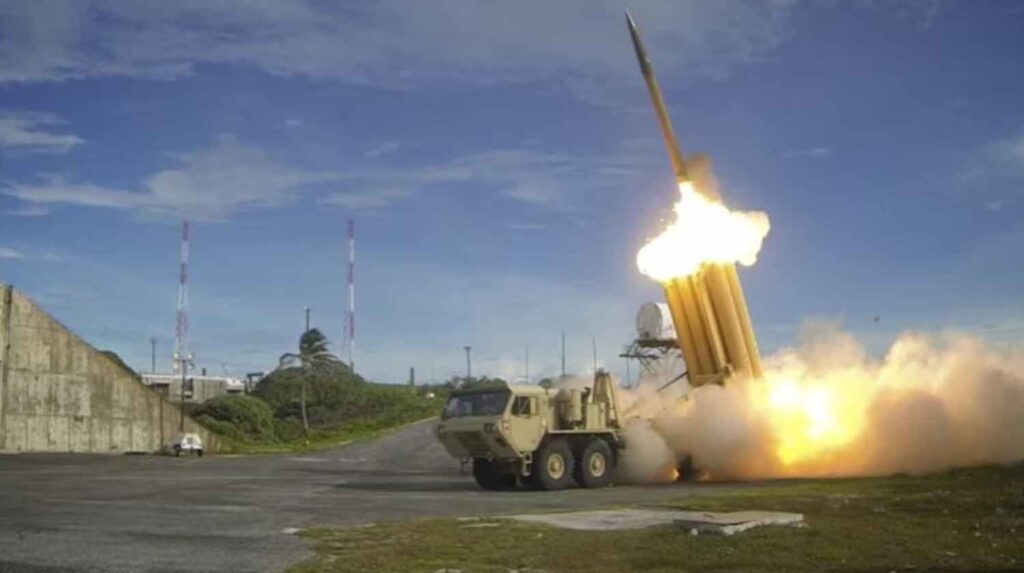
One of the clearest lessons from the Iran war is that even advanced U.S. air defense systems — such as Patriot and THAAD — can be penetrated.
Iran has demonstrated the ability to:
- Use low-cost drones (e.g., Shahed-type systems)
- Combine them with ballistic missiles
- Overwhelm layered defenses through volume and timing
For China, this reinforces a key point:
Offensive saturation can defeat even sophisticated defensive systems.
PLA Strength: Firepower and High-Tech Expansion
China’s People’s Liberation Army (PLA) has rapidly expanded its offensive capabilities in recent years.
Key developments include:
- Hypersonic glide vehicles capable of evading interceptors
- A growing fleet of J-20 fifth-generation stealth fighters
- Development of a long-range stealth bomber (similar to the B-2/B-21 class)
Analysts estimate China could field around 1,000 J-20 aircraft, providing a significant high-tech strike capability.
But Defense Remains a Weak Point
Despite its offensive growth, China’s defensive capabilities remain less tested.
The Iran war shows that:
- Even lower-tier adversaries can penetrate defenses
- Cheap systems can impose high costs on advanced militaries
- Air defense alone cannot guarantee protection
This raises a critical question for Beijing:
Can it defend against the kind of mixed, layered attacks it plans to launch?
Drone Warfare: The Defining Factor in Future Conflicts
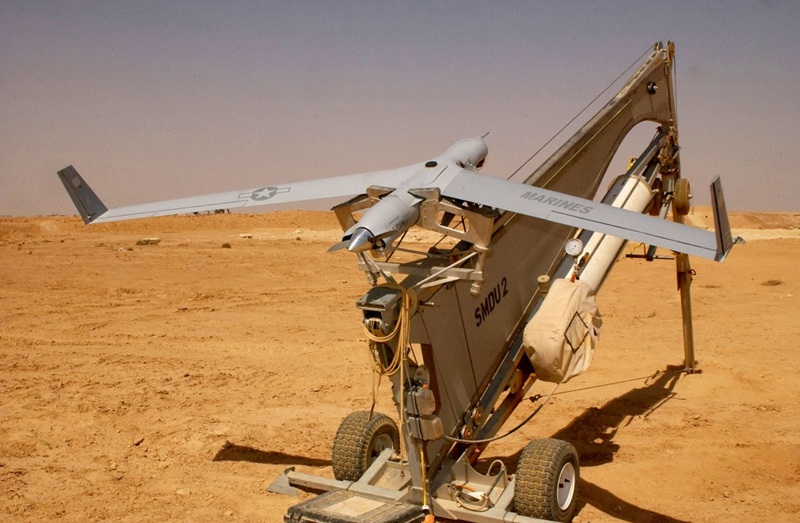
One of the most important lessons from the Iran war is the central role of drones.
China is already the world’s largest drone manufacturer, with analysts suggesting it could:
- Rapidly scale production
- Potentially produce massive numbers of weaponized drones annually
In a Taiwan scenario:
- Drone swarms could target ships and aircraft
- Long-range rockets would support saturation attacks
- Multi-domain operations would combine air, sea, and cyber warfare
Taiwan: The Real Test Case
The Taiwan Strait remains the most likely arena for a future U.S.-China conflict.
China has pledged to achieve “reunification,” while the U.S. continues to support Taiwan’s defense.
Analysts believe China could combine:
- High-tech precision strikes (like the U.S.)
- Low-cost, high-volume attacks (like Iran)
But success is not guaranteed.
Deterrence Through Cost: Drones Change the Equation
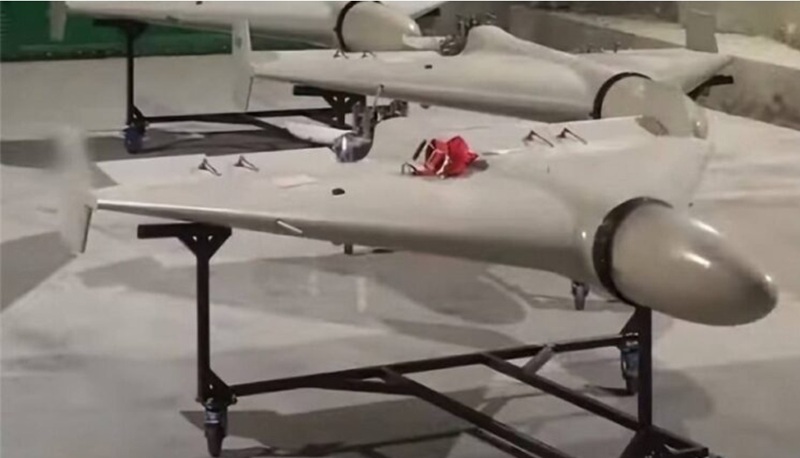
U.S. Indo-Pacific Command chief Samuel Paparo has highlighted a key shift:
- Drones make offensive operations more expensive
- Cheap systems can destroy high-value assets
In a Taiwan conflict:
- Ships carrying troops could be targeted by swarms
- Aircraft could face persistent drone threats
- Logistics chains could be disrupted
This creates a powerful deterrent dynamic.
Combat Experience: China’s Biggest Gap
One of the most critical differences between China and the United States is combat experience.
- The PLA has not fought a major war since 1979
- U.S. forces have decades of operational experience
- American forces have adapted under real combat pressure
Historical precedent reinforces this:
In the Korean War, U.S. pilots outperformed better-equipped adversaries due to experience.
Skill and adaptability often outweigh pure technology.
War Reality: Tactical Wins Don’t Guarantee Strategic Success
Another key lesson from the Iran war:
Military success does not automatically produce political victory
Despite heavy strikes:
- Iran’s government continues to function
- Conflict has expanded into economic and global domains
- Strategic outcomes remain uncertain
For China, this is a warning:
- A Taiwan conflict would not be short or contained
- Global trade and energy flows would be disrupted
- Third-party actors would become involved
Conclusion: The Most Important Lesson — The Enemy Adapts
The Iran war highlights a fundamental truth:
War is dynamic — and both sides learn and adapt in real time.
For China, the lessons are clear:
- Offensive power must be matched with defensive resilience
- Technology must be matched with experience
- Strategy must account for global consequences
And perhaps most importantly:
Any future conflict — especially over Taiwan — will be far more complex, costly, and unpredictable than planners expect.