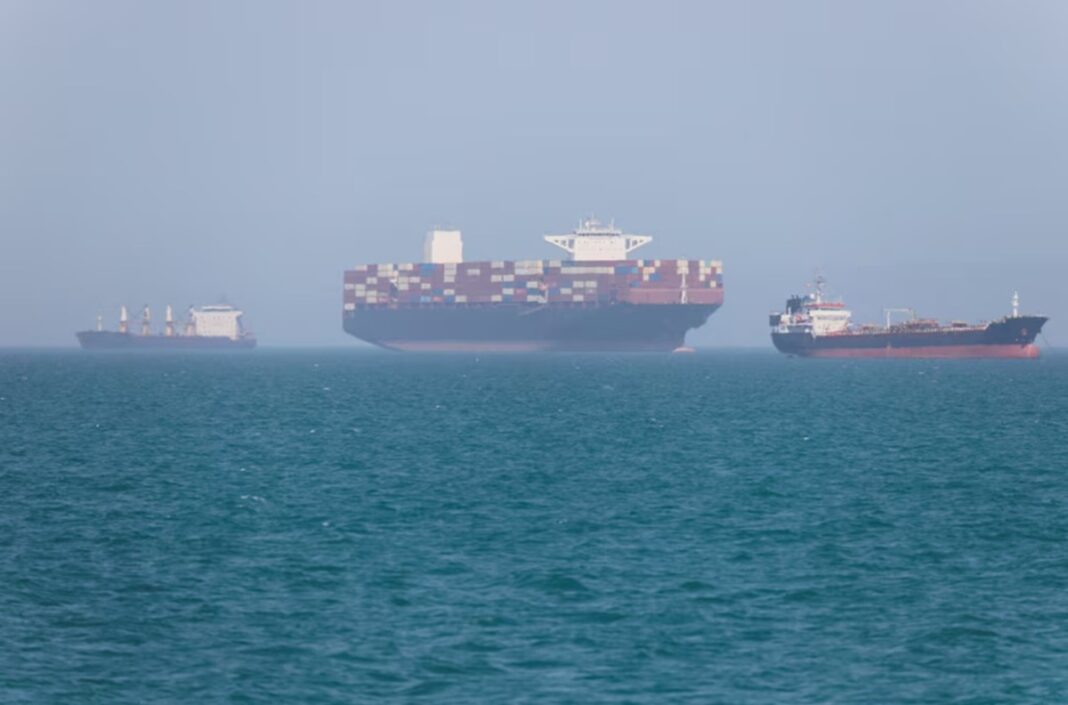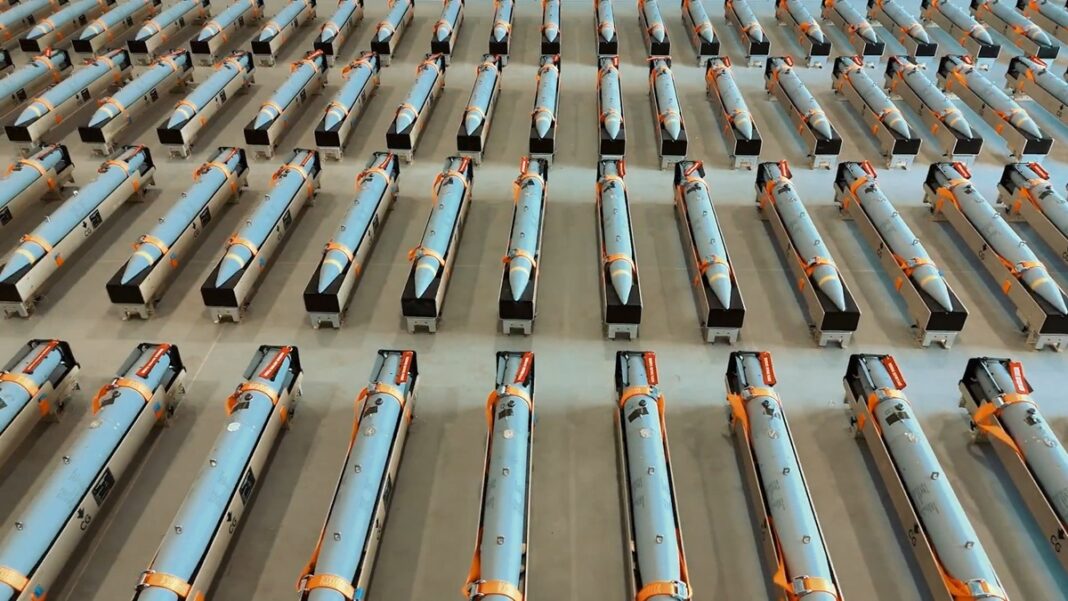
France and the United Kingdom have significantly escalated their naval presence near the Strait of Hormuz, as the crisis enters its tenth week and continues to disrupt global energy flows.
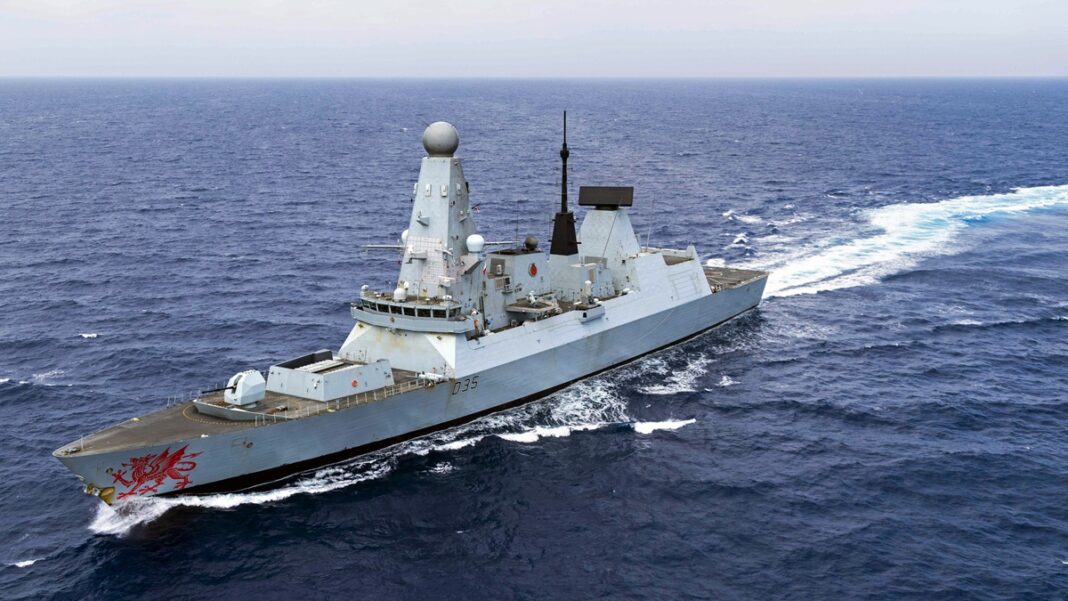
The French aircraft carrier Charles de Gaulle has moved into the Gulf of Aden, while the Royal Navy’s HMS Dragon is forward-deploying to support a future multinational maritime security mission.
Together, these moves signal a coordinated European effort to secure one of the world’s most critical shipping lanes.
A New Hormuz Coalition Takes Shape
The deployments coincide with a major diplomatic initiative:
- The UK and France are hosting the first meeting of a 40+ nation Hormuz coalition
- A joint UK–France military headquarters is planned for regional operations
- The mission is described as strictly defensive, focused on restoring safe navigation
The objective is clear:
Reopen maritime trade routes without direct escalation into war.
Strategic Positioning: Power Projection Without Escalation
France has positioned its carrier strike group south of Hormuz, enabling:
- Surveillance of Gulf shipping lanes
- Rapid response capability
- Reduced exposure to Iranian anti-ship threats
Meanwhile, HMS Dragon enhances air defense coverage and escort capabilities, forming part of a layered multinational naval posture.
Inside the French Carrier Strike Power
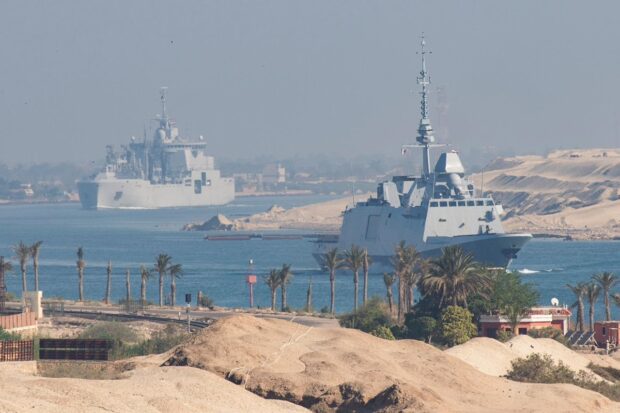
The French carrier group brings high-end naval aviation capabilities:
Key Assets:
- Rafale Marine fighter jets (strike, air defense, reconnaissance)
- E-2C Hawkeye airborne surveillance aircraft
- Multi-role helicopters for ISR and maritime operations
Operational Strength:
- Up to 100 sorties per day
- Operational reach over 1,800 km
- Advanced network-centric warfare systems
The carrier enables persistent maritime domain awareness and rapid strike capability.
HMS Dragon: UK’s Air Defense Backbone in the Gulf
The Royal Navy’s HMS Dragon, a Type 45 destroyer, adds critical air defense capabilities:
Key Features:
- Sea Viper missile system for advanced air and missile defense
- Wildcat helicopters equipped with Martlet missiles for counter-drone operations
- Integration with NATO and allied forces
The warship has already:
- Operated in high-threat environments near Cyprus
- Completed advanced weapons testing and live-fire exercises
- Demonstrated readiness for sustained operations
HMS Dragon is expected to play a key role in:
- Protecting commercial vessels
- Supporting mine-clearing operations
- Countering drone and missile threats
Why Hormuz Matters to the World Economy
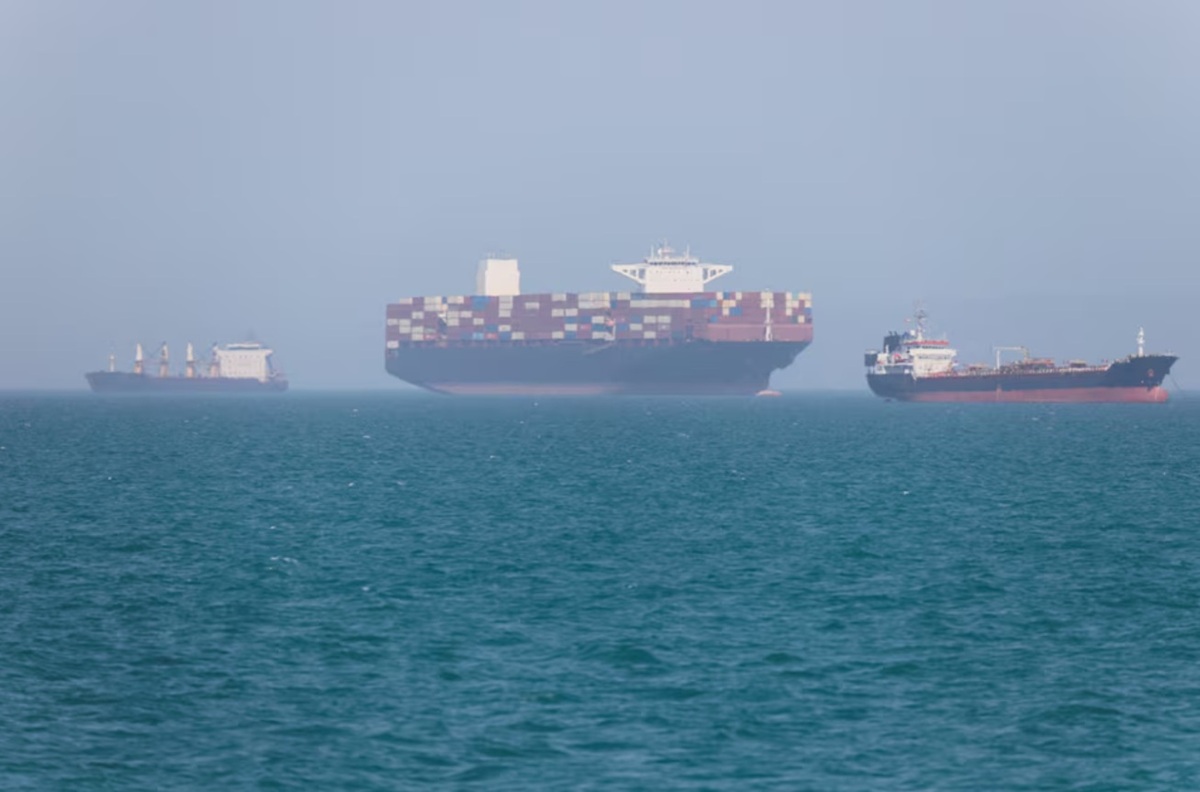
The Strait of Hormuz is the artery of global energy supply:
- Handles nearly 20% of global oil exports
- Critical for Europe and Asia’s energy security
The crisis has already caused:
- Oil prices rising toward $100 per barrel
- Increased shipping insurance costs
- Disruption to global supply chains
Worst-case scenarios suggest prices could surge to $150–$200 per barrel if instability continues.
Rising Threats: Why Naval Protection Is Needed
The security environment remains volatile:
- Iranian drone and missile threats
- Naval mines and swarm boat tactics
- Attacks on commercial shipping
Even advanced naval forces face risks from:
- Saturation attacks
- Asymmetric warfare
- Narrow maritime chokepoints
This explains Europe’s cautious but forward-leaning deployment strategy.
Europe’s Strategic Shift: From Observer to Actor
The joint UK-France deployment highlights a major shift:
- Europe treating Hormuz as an economic security priority
- Increased willingness to deploy independent military assets
- Reduced reliance solely on U.S. naval protection
However, challenges remain:
- Limited number of high-end naval platforms
- Dependence on logistics and long supply chains
- Sustaining long-term deployments
Conclusion: A Coordinated European Show of Force
The deployment of the Charles de Gaulle and HMS Dragon marks a significant moment in the Hormuz crisis.
It demonstrates:
- Europe’s commitment to protecting global trade routes
- A growing multinational approach to maritime security
- A careful balance between deterrence and de-escalation
As energy security becomes a frontline geopolitical issue, Europe is stepping forward — not just diplomatically, but militarily.