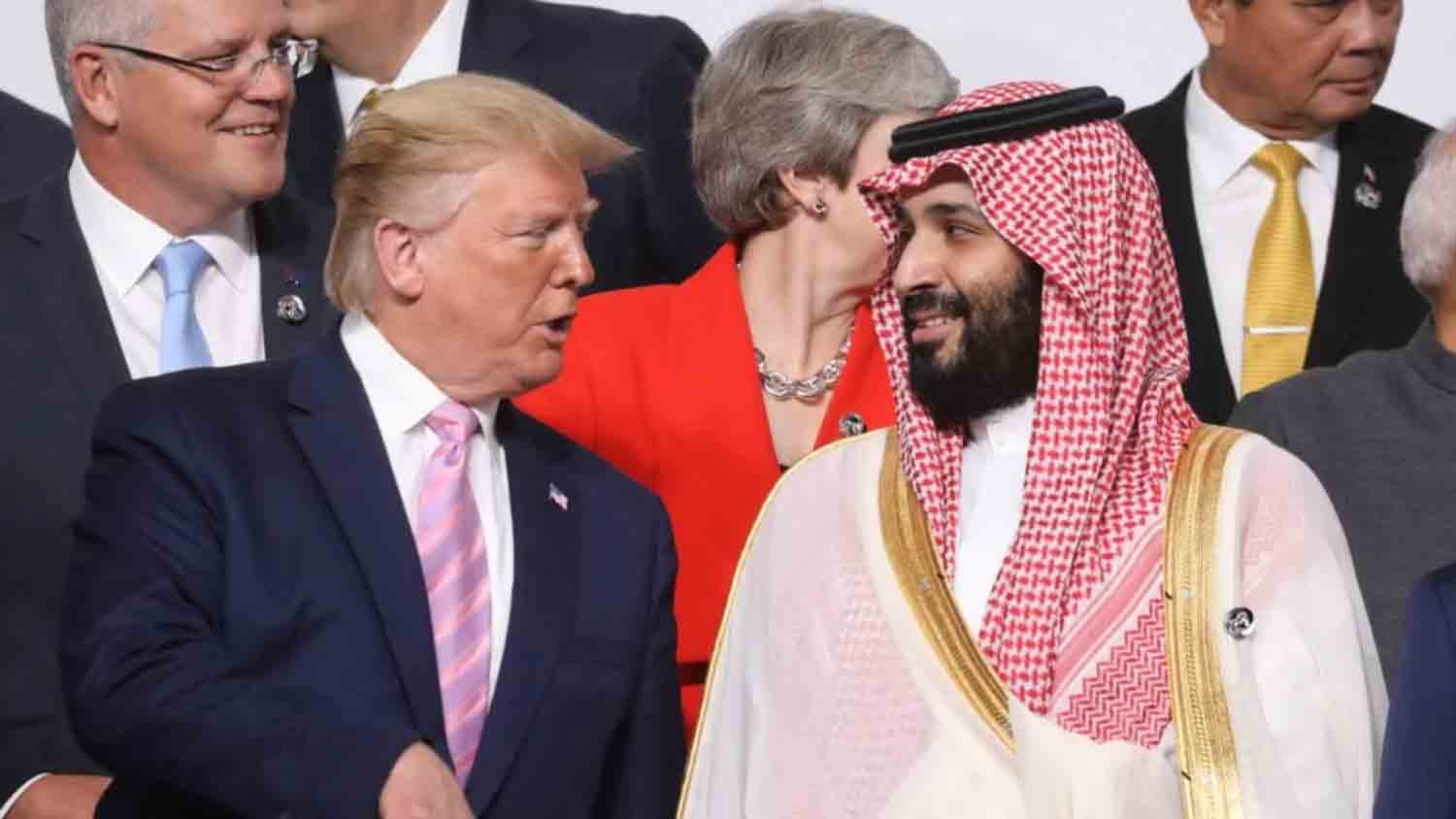
Pakistan’s role as a key mediator in efforts to end the US-Iran conflict is increasingly facing new political pressure after U.S. President Donald Trump:
linked future regional diplomacy to a dramatic expansion of the Abraham Accords.
Trump has publicly urged several Muslim-majority countries — including Pakistan, Saudi Arabia and Türkiye — to eventually join the Abraham Accords as part of a broader post-war regional settlement involving Iran.
But the proposal is already facing strong resistance, particularly in Islamabad and Riyadh, raising questions about whether Pakistan can continue its mediation role while openly rejecting normalization with Israel.
Pakistan Rejects Joining Abraham Accords
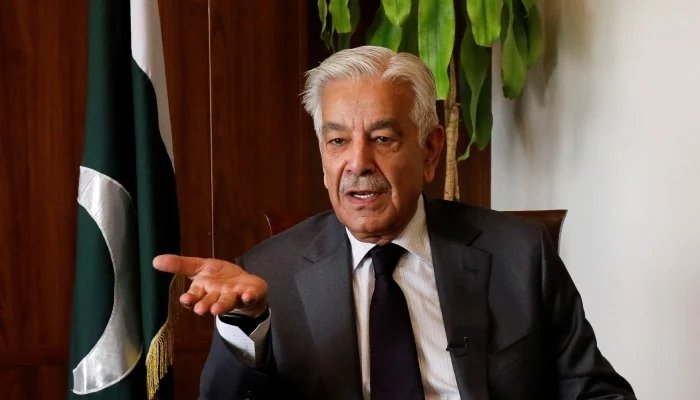
Pakistan’s Defence Minister Khawaja Asif forcefully rejected any possibility of joining an agreement involving Israel.
Speaking on the issue, Asif said normalization clashes with Pakistan’s “Fundamental ideologies.”
“How can you sit with people whose word cannot be trusted for even a single day?” he said.
He also pointed to Pakistan’s longstanding diplomatic position, noting that Pakistani passports do not formally recognize Israel.
🚨 Pakistani Defense Minister responds to Trump’s call for Pakistan to join the Abraham Accords with Israel: We refuse to join any agreement that goes against our principles. We do not trust Israel even for a day. It’s not for nothing that the Pakistani Passport does not include… pic.twitter.com/9QUYeKqvwc
— Raylan Givens (@JewishWarrior13) May 26, 2026
Pakistan has historically conditioned any recognition of Israel on the establishment of an independent Palestine state.
Islamabad currently has No diplomatic relations with Israel and bilateral trust between the two states remains extremely limited.
Lindsey Graham Questions Pakistan’s Mediator Role
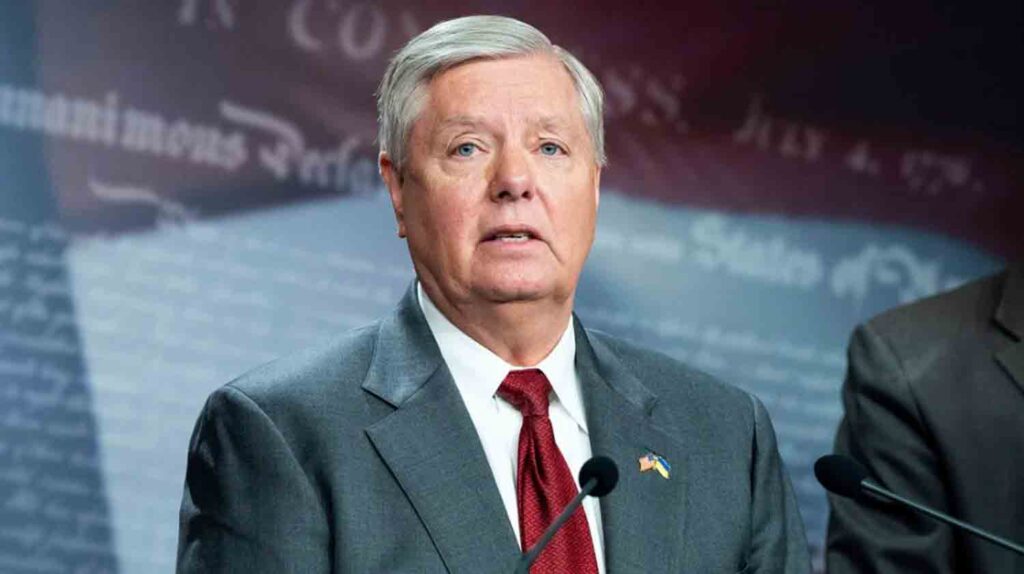
The remarks triggered a sharp reaction from senior Trump ally Lindsey Graham, who publicly questioned Pakistan’s suitability as a mediator in U.S.-Iran negotiations.
Writing on X Graham argued Pakistan’s historical hostility toward Israel creates concerns about neutrality.
He also raised allegations regarding:
- Pakistani rhetoric toward Israel
- Iran-related military activity
- Pakistan’s diplomatic posture.
“It has been apparent to me for quite a while that Pakistan as a mediator is more than problematic,” Graham wrote.
He further urged Pakistan to publicly answer Trump’s call regarding participation in the Abraham Accords.
The comments reflect growing pressure from some U.S. political circles for regional mediators to align more closely with Washington’s evolving diplomatic framework.
Is Pakistan Quietly Stepping Back?
Reports in Israeli media suggest Pakistan may already be reducing its mediation role, while Qatar emerges as a more central diplomatic channel between Iran and Washington.
BREAKING:
According to my sources, Pakistan is stepping back from the mediation efforts, while Qatar is becoming the central channel between Tehran and Washington – mainly around the issue of the frozen Iranian funds held in Doha.@c14israel pic.twitter.com/OGj66leUq0— דרור בלאזאדה | Dror Balazada (@DBalazada) May 26, 2026
According to the reports, Qatar is increasingly involved in negotiations related to Frozen Iranian financial assets, held in Doha and broader ceasefire arrangements.
Pakistan had previously played a highly visible role, hosting talks and engaging in diplomatic outreach aimed at reducing tensions between Tehran and Washington.
But analysts increasingly question whether Islamabad can remain acceptable to all sides if the negotiation framework becomes linked to Israel normalization.
Saudi Arabia Also Opposes Immediate Normalization
Trump’s proposal appears to face serious obstacles in Saudi Arabia as well.
Riyadh has repeatedly maintained that normalization with Israel cannot happen without:
A Palestinian state based on pre-1967 borders remaining the kingdom’s official position.
Saudi analysts increasingly argue Riyadh is instead pursuing a broader Arab-Islamic diplomatic bloc alongside Pakistan, Türkiye and Qatar, focused on de-escalation and regional autonomy.
Saudi concerns have reportedly deepened after the Iran war exposed vulnerabilities in Gulf energy infrastructure and raised fears of broader regional instability.
For Riyadh, preventing escalation increasingly appears more urgent than pursuing normalization.
Oman Deepens Economic Ties With Iran
Meanwhile, another important mediator Oman has quietly strengthened economic cooperation with Tehran.
According to Iranian state media, Sultan Haitham bin Tariq has ordered expanded trade and economic engagement with Iran.
Reports also suggest Oman replaced managers at several bank branches to facilitate faster transactions involving Iranian traders.
The developments highlight how Gulf mediation efforts increasingly involve Economic stabilization alongside diplomacy.
Lebanon Remains a Major Sticking Point
Another major obstacle to a permanent ceasefire involves Lebanon.
Iran insists that any broader settlement must include:
A ceasefire across all fronts meaning Israeli military operations against Hezbollah would also need to stop.
But Israel appears unwilling to accept those terms.
Israeli Prime Minister Benjamin Netanyahu recently said military operations in southern Lebanon are expanding.
The Israel Defense Forces has also issued evacuation warnings in dozens of southern Lebanese towns as operations intensify.
That disagreement could become one of the biggest barriers to any long-term settlement.
Has Trump Made Diplomacy More Difficult?
Trump’s broader strategy appears aimed at achieving something historically ambitious:
Ending the Iran war while reshaping the Middle East through expanded normalization.
But critics argue linking Iran ceasefire diplomacy to The Abraham Accords may actually complicate negotiations.
For countries like Pakistan and Saudi Arabia domestic politics, regional positioning and the Palestinian issue make normalization politically sensitive.
At the same time, Iran’s demand for wider ceasefire guarantees and Israel’s continued military activity in Lebanon are already complicating diplomacy.
The result is a negotiation environment growing increasingly fragile.
The Bigger Question
The central question now is whether Pakistan can continue serving as a credible mediator while resisting one of Trump’s most important regional goals.
If Islamabad distances itself, the diplomatic center of gravity may shift further toward Qatar and Oman.
But if Pakistan remains engaged, it may face growing political pressure from Washington and Israeli-aligned voices questioning its neutrality.
For now, one reality is becoming increasingly clear: