Tuesday, April 21, 2026
Home Blog Page 106

Israel conducted airstrikes on ports and energy infrastructure in Houthi-controlled areas of Yemen

0
firefighter works to extinguish a fire at a power station following Israeli airstrikes in Sanaa, Yemen.

Israel conducted airstrikes targeting ports and energy facilities in areas of Yemen controlled by the Houthi movement early Thursday, warning of further actions against the Iran-aligned group, which has launched numerous missile attacks on Israel over the past year.

While Israeli aircraft were in operation, the military reported intercepting a missile aimed at central Israel, which resulted in damage to a school building in Ramat Efal, located in western Tel Aviv, attributed to falling debris, according to a military spokesperson.

The Houthis, who have been attacking international shipping near Yemen since November in support of Palestinians amid the conflict with Hamas, claimed responsibility for an overnight assault on Tel Aviv, stating they launched two ballistic missiles targeting “specific military sites.”

The Israeli operation, which involved 14 fighter jets and additional aircraft, was executed in two phases: the first targeting the ports of Salif and Ras Issa, followed by strikes on the capital, Sanaa, as detailed by military spokesperson Lieutenant Colonel Nadav Shoshani.

“We undertook thorough preparations for these missions, focusing on enhancing our intelligence and optimizing the strikes,” he stated.

Al Masirah TV, the primary news outlet operated by the Houthis, reported that the airstrikes resulted in nine fatalities, with seven casualties in Salif and two at the Ras Issa oil facility, both located in the western Hodeidah province. Additionally, two sources at the Hodeidah port informed Reuters that an Israeli strike had destroyed a tugboat, although the port retains several others capable of assisting ships to dock.

In Sanaa, airstrikes targeted two key power stations located to the north and south of the capital, resulting in power outages for thousands of families, according to Al Masirah. A representative from the Electricity Department in Sanaa informed Reuters that the strikes impacted fuel depots at the power stations—one situated in Dhahban to the north and the other in Haiz to the south. He noted that the fires have been brought under control, and electricity restoration is anticipated within a few hours.

These Israeli strikes came after a U.S. airstrike on Monday that targeted a command and control facility operated by the Houthis, who maintain significant control over Yemen.

Houthis pledged retaliation

In response to the Israeli attacks, the Houthis pledged retaliation. Yahya Saree, the group’s military spokesperson, stated in a televised address, “The Israeli attack will not deter Yemen from responding to this heinous aggression and supporting Gaza.” Israeli Defence Minister Israel Katz warned that Israel would persist in countering Houthi assaults. “I caution the leaders of the Houthi terrorist organization: Israel’s long reach will find you as well,” Katz declared in a post on X. “Anyone who raises a hand against the state of Israel will face severe consequences; those who inflict harm will be met with even greater harm.”

The Israeli military announced that experts were assessing the location of the strike in Ramat Efal and were working to determine if one or two missiles had been launched. Some reports from Israeli media indicated that the missile struck the school; however, Shoshani noted that preliminary evidence pointed to the school being impacted by debris from the missile.

He mentioned that it was possible the fuel tank, which is a substantial piece of metal, continued moving after the missile was intercepted. “However, we will have a clearer understanding once we analyze the results on-site,” he added.

Iraq has begun the repatriation of Syrian soldiers, according to reports from state media

0
An anti-government fighter tears down a portrait of Syria's President Bashar al-Assad in Aleppo, after jihadists and their allies entered the northern Syrian city.

Iraq commenced the repatriation of Syrian soldiers from the ousted regime of Bashar al-Assad on Thursday, as reported by an official Iraqi agency responsible for security communications.

The Iraqi Security Media Cell stated that the operation was executed following coordination with the relevant Syrian authorities.

Approximately 2,000 Syrian military personnel sought refuge in Iraq as rebel forces advanced and overthrew Assad earlier this month.

According to the local mayor, the troops entered Iraq via the Al-Qaim border town on December 7. Syrian rebels, led by Ahmed al-Sharaa, also known as Abu Mohammad al-Golani, who heads the former al-Qaeda affiliate Hayat Tahrir al-Sham (HTS), captured the capital city of Damascus without resistance on December 8, following a rapid offensive that forced Assad to flee to Russia.

Key points from Putin’s annual news conference on Trump, the Ukraine conflict, and Russia’s economy

0
Russian President Vladimir Putin attends his annual end-of-year press conference and phone-in at Gostiny Dvor in Moscow, Russia.

Here are some key excerpts from Russian President Vladimir Putin‘s annual phone-in and news conference.

ON TRUMP

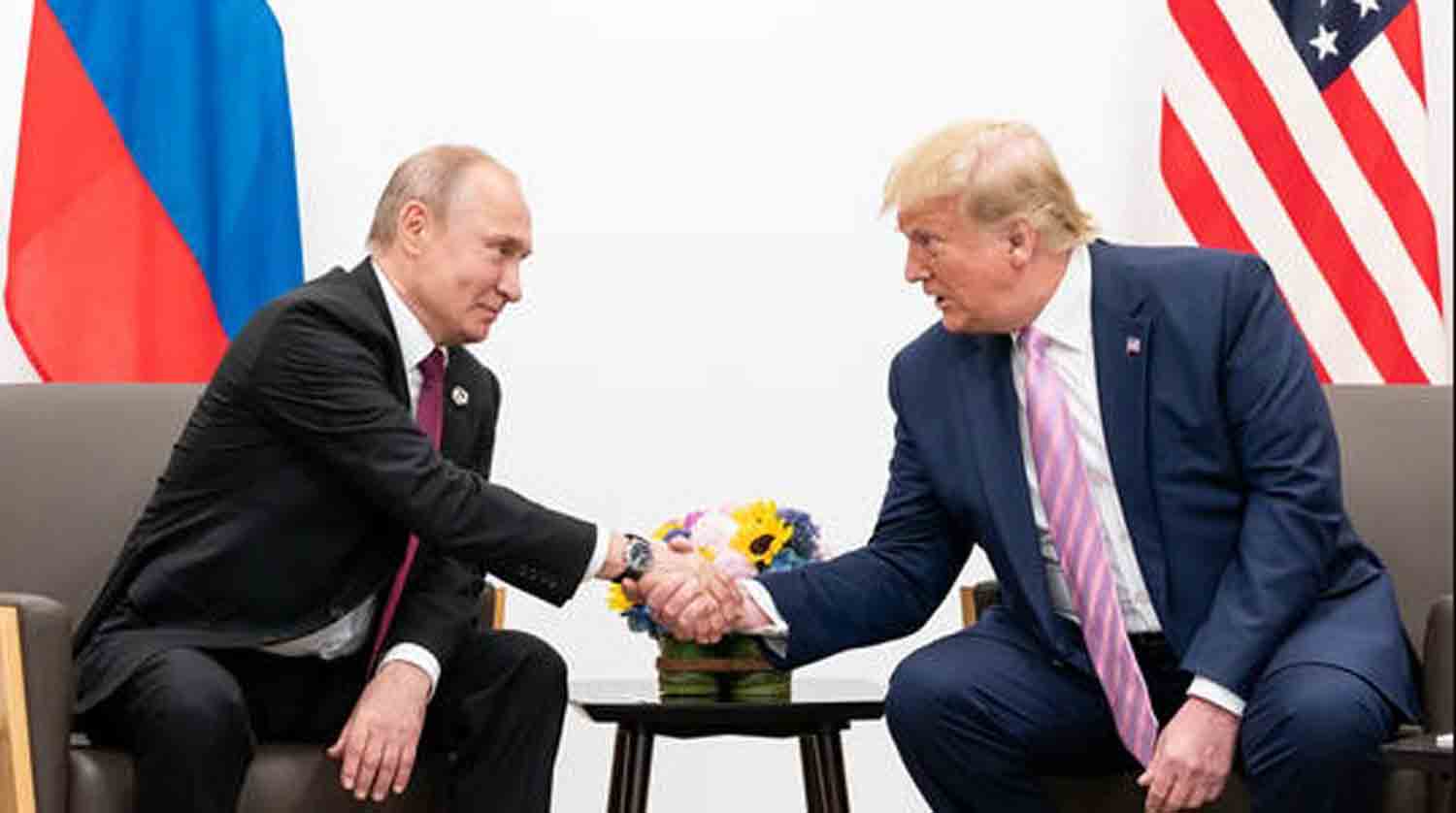
Firstly, I am uncertain when we will have a meeting, as he has not indicated anything about it. I have not communicated with him at all for over four years. I am, of course, open to a meeting at any time should he wish to engage.
(To a reporter) – You mentioned that this conversation would occur while I am in a weakened state. My dear colleague, you and those who fund your position in the United States would prefer to see Russia in a diminished capacity. I hold a different perspective; I believe that Russia has significantly strengthened over the past two to three years.

ON WILLINGNESS TO NEGOTIATE WITH UKRAINE

We have consistently expressed our readiness for negotiations and compromises; however, the other side has, both literally and figuratively, declined to engage in talks.
I believe that soon, those Ukrainians who are willing to fight will dwindle, and there will be few left who wish to continue. We are prepared, but the other side must also be willing to engage in negotiations and compromises.

ON RUSSIA’S NEW ORESHNIK HYPERSONIC MISSILE

There is no possibility of intercepting these missiles…

Let Western experts suggest a technological experiment, perhaps a high-tech duel of the 21st century. They could select a target for destruction, such as in Kyiv, and concentrate all their air defense and missile defense resources there. We would then launch an Oreshnik strike and observe the outcome. We are ready for such an experiment; the question is, is the other side prepared?

ON THE WAR IN UKRAINE

The situation at the front is evolving rapidly, with significant movements occurring along the entire front line on a daily basis. We are making progress towards achieving the primary objectives we established at the outset of the special military operation. The bravery displayed by our forces is commendable, and they continue to fight valiantly. Let us extend our best wishes for success and safe returns to all those engaged in combat, including those in the Kursk region and throughout the front line.

ON THE ECONOMY

The economic landscape in Russia remains stable and normal, and we continue to develop despite external challenges and attempts to exert influence over us. However, inflation is a concerning indicator that requires attention. There are challenges, including inflation and signs of economic overheating, which the government and the central bank are addressing to moderate the pace of growth. Some experts suggest that the central bank could have implemented certain measures, unrelated to increasing the key interest rate, more effectively and sooner. While the central bank began taking action in the summer, these experts believe earlier intervention was warranted. The rise in prices is indeed troubling, but I remain optimistic that we can manage this situation while maintaining our macroeconomic stability.

Shehbaz Sharif meets with Bangladesh Chief Advisor Dr. Yunus to discuss enhancing economic cooperation

0

Prime Minister Shehbaz Sharif convened a bilateral meeting on Thursday with Bangladesh’s Chief Adviser, Professor Dr. Muhammad Yunus, where he underscored the importance of collaborative efforts to identify new opportunities for economic partnership.

This discussion occurred during the D-8 Summit, where the Prime Minister highlighted the significant potential for enhancing trade across various sectors, including chemicals, cement clinkers, surgical instruments, leather products, and information technology.

The meeting was characterized by a warm atmosphere, reflecting the strong goodwill and brotherly relations between Pakistan and Bangladesh, as noted in a press release from the Prime Minister’s Office.

During the conversation, Prime Minister Shehbaz emphasized the historical, religious, and cultural connections that bind the two nations. He conveyed Pakistan’s strong interest in strengthening bilateral ties, especially in trade, cultural exchanges, and fostering people-to-people interactions.

He also expressed appreciation to Bangladesh for its recent initiatives aimed at facilitating trade and travel between the two countries, which included the removal of the requirement for 100% physical inspection of consignments from Pakistan and the elimination of the special security desk at Dhaka airport that was previously set up to screen Pakistani travelers.

Additionally, the Prime Minister thanked Bangladesh for abolishing the extra clearance process for Pakistani visa applicants.

The two leaders conveyed their contentment regarding the recent positive strides in their bilateral relations and highlighted the growing frequency of high-level interactions.

They concurred on the necessity to broaden and intensify cooperation across all areas of shared interest, stressing the importance of coordinating efforts to achieve development goals that benefit both parties.

The leaders recognized the significance of fostering people-to-people connections and cultural exchanges, which include increased interactions among artists, athletes, academics, and students.

They expressed satisfaction with the recent visit of the Bangladesh Cricket Team to Pakistan and a concert by a Pakistani artist held in Dhaka.

Both parties committed to enhancing collaboration within various multilateral platforms, including the D-8.

Turkish official confirmed no ceasefire agreement exists with the U.S.-backed Syrian Democratic Forces in northern Syria

0

A Turkish defense ministry official stated on Thursday that there is no ceasefire agreement in place between Turkey and the U.S.-supported Syrian Democratic Forces (SDF) in northern Syria, despite a U.S. announcement suggesting otherwise.

The official emphasized Turkey’s belief that the Turkey-backed Syrian National Army (SNA) will “liberate” regions currently held by the Kurdish PKK/YPG militia in northern Syria. The SDF, which is part of the U.S. coalition against Islamic State militants, is primarily led by the YPG, a group that Turkey considers to be an offshoot of the banned Kurdistan Workers Party (PKK), which has been engaged in conflict with the Turkish state for four decades.

Israel vows to target Houthi leaders as Houthi TV reports nine fatalities from airstrikes

0

Israel’s Defense Minister, Israel Katz, asserted on Thursday that the nation’s “long hand” will extend to the leaders of Yemen’s Houthi movement, following a series of airstrikes on various locations within the country overnight.

According to Al Masirah TV, the primary news outlet affiliated with the Iran-backed Houthis, the Israeli airstrikes resulted in the deaths of nine individuals—seven in the port city of Salif and two at the Ras Issa oil facility, both situated in the western province of Hodeidah.

The strikes also targeted two key power stations located to the south and north of the capital, Sanaa. Katz warned the Houthi leadership via a post on X, stating, “I caution the leaders of the Houthi terrorist organization: Israel’s long hand will reach you as well. Anyone who raises a hand against the state of Israel will find their hand severed; those who inflict harm will face repercussions sevenfold.”

In a subsequent statement, the Israeli military confirmed that it had executed precise strikes on Houthi military installations in Yemen, which included ports and energy infrastructure in Sanaa, emphasizing that these targets were utilized by Houthi forces for military operations.

Earlier that day, the Israeli military reported intercepting a missile that had been launched from Yemen. Since last November, Iran-aligned Houthi militants have been conducting attacks on international shipping in the region, expressing solidarity with the Palestinians amid Israel’s conflict with Hamas.


Pentagon report suggests that corruption may have impeded the Chinese military’s modernization goals

0
Members of the China Coast Guard stand in formation during a joint patrol with Russia that China says entered the Arctic Ocean.

Corruption within China‘s military may have hindered its advancement toward the 2027 military modernization objectives, according to the Pentagon annual report on Beijing’s military, released on Wednesday.

Over the past year, the Chinese military has implemented a comprehensive anti-corruption campaign, and just last month, the defense ministry announced the suspension of a senior military official who is currently under investigation for “serious violations of discipline.”

The extensive Pentagon report indicated that from July to December 2023, at least 15 high-ranking Chinese military officers and defense industry leaders were dismissed from their positions.

The report noted, “In 2023, the PLA faced a new wave of corruption-related inquiries and the removal of senior leaders, which may have impeded its progress toward the declared 2027 modernization goals,” referring to the People’s Liberation Army (PLA).

U.S. officials, including the Director of the Central Intelligence Agency, have stated that Chinese President Xi Jinping has instructed his military to prepare for a potential invasion of Taiwan by 2027.

China’s official modernization objectives for 2027 encompass enhancing the integration of intelligence, mechanization, and other capabilities, while also accelerating advancements in military theories, personnel, weapons, and equipment, as highlighted by the Pentagon.

China’s foreign ministry characterized the report as “irresponsible,” asserting that it serves as a pretext for the U.S. to uphold its military dominance. Ministry spokesperson Lin Jian stated during a Thursday news briefing that the U.S. report, similar to previous ones, disregards factual information and is rife with bias. He urged the U.S. to cease such reports and instead engage in constructive actions to foster stability in China-U.S. military relations.

Following the report’s release, Ely Ratner, U.S. Assistant Secretary of Defense for Indo-Pacific Security Affairs, indicated that the dismissal of 15 senior officials might be just the “tip of the iceberg.” He noted that China’s leadership would not implement such drastic anti-corruption measures unless they perceived a detrimental impact on the operational effectiveness of the People’s Liberation Army (PLA). Ratner remarked at the Center for Strategic and International Studies that the situation likely extends beyond mere financial misconduct.

He suggested that this crackdown could lead to a climate of risk aversion and “paralysis” among lower ranks. A senior U.S. defense official informed reporters that the anti-corruption campaign could also hinder military projects within China’s defense sector. The official, who spoke on the condition of anonymity, explained that uncovering corruption in one area often triggers a cascading effect, implicating additional officials.

The report highlighted several dismissals within China’s military rocket force, known as the People’s Liberation Army Rocket Force (PLARF), which is responsible for the country’s most advanced conventional and nuclear missile capabilities. It concluded that the discovery of corruption at this scale likely heightens the concerns of PRC leaders regarding the PLA, particularly given the PLARF’s critical nuclear mission.

In November, China announced that Admiral Miao Hua, a member of the Central Military Commission, the nation’s top military authority, was under investigation for “serious violations of discipline.” Miao held the position of the military’s chief political officer on the six-member commission, which is led by Xi Jinping.

Beijing has dismissed media claims suggesting that Defense Minister Dong Jun, who is subordinate to Miao, has been sidelined due to an investigation, labeling such reports as “sheer fabrication.”

According to a document accompanying the Pentagon’s report, “The PLA made uneven progress toward its 2027 capability milestone for modernization, which, if achieved, could enhance the PLA’s effectiveness as a military asset for the CCP’s efforts regarding Taiwan unification.”

A poll conducted by Taiwan’s leading military think tank in October indicated that most Taiwanese citizens believe an invasion by China is unlikely within the next five years, although they perceive Beijing as a significant threat to the democratic island.

Over the past five years, China’s military activities around Taiwan have notably increased, as Beijing considers the island part of its territory, despite strong opposition from the Taipei government, and has not ruled out the use of force to assert control.

Ratner commented that despite modernization efforts, it remains uncertain whether the PLA is making progress toward its objectives related to Taiwan, especially in light of U.S. initiatives aimed at maintaining deterrence in the Indo-Pacific region.

“They may be advancing in military modernization, yet they might find themselves just as far, if not further, from resolving some of the operational challenges they face,” he stated.

In response to the report on Thursday, Taiwan’s Defense Minister Wellington Koo affirmed that the military would continue to adapt its strategies, reinforcing its capabilities to prevent a full-scale invasion by China. “We will leverage our strength to deter any potential reckless actions in the Taiwan Strait,” he remarked to reporters in Taipei.

France is losing its last influence in Africa, which is moving towards complete decolonization

0
French soldiers prepare to board on a fighter plane at Kossei camp at the French military base of N'Djamena in Chad.

On November 28, a significant development occurred in N’Djamena, the capital of Chad, as the country announced its decision to terminate its military defense agreement with France. This announcement was made by Chadian Foreign Minister Abderaman Koulamallah through an official statement on the ministry’s Facebook page.

“The government of the Republic of Chad informs the national and international community of its decision to end the accord in the field of defense signed with the French Republic on September 5, 2019, which was intended to enhance security and defense collaboration between the two nations,” the statement read.

This decision represents a pivotal moment not only for Chad but also for the broader African continent, which appears to be firmly pursuing a path toward complete decolonization. Under President Emmanuel Macron, France, once viewed as a colonial authority, has now been relegated to the status of a former colonizer, with its outdated methods and presence increasingly rejected.

The current state of French diplomacy reflects a crisis: Setbacks for France in Africa.

After 66 years of illusory independence, Chad has chosen to no longer exist under the influence of a former colonial power that has acted more like a predator than a genuine partner. The termination of this defense agreement transcends mere diplomacy; it symbolizes the anguish of a nation fatigued by years of external interference.

The protests in May against the French military presence in Chad highlighted a deep-seated frustration with France, which, while claiming to offer protection and cooperation, has consistently prioritized its own interests and neocolonial objectives.

Since taking office in 2017, President Macron has vowed to revitalize Franco-African relations, yet he now confronts a diplomatic crisis. His strategies have not only failed to introduce positive change but have also accelerated the decolonization process in African nations. The Françafrique system, characterized by its opaque neocolonial practices, is increasingly being rejected by the African populace.

Chad joins a growing list of African nations that are severing military ties with France amid rising anti-French sentiment in former colonies. Countries like Burkina Faso, Mali, and Niger have expelled French forces due to their inability to address the jihadist threat in the Sahel region. Additionally, Senegal’s government is pursuing the closure of all French military bases, with President Bassirou Diomaye Faye asserting in an interview with Le Monde that “there will soon be no more French troops in Senegal.”

Chad’s president, Mahamat Idriss Deby Itno, remarked to reporters that the military agreement had become “completely obsolete,” stating that it no longer aligned with the current security, geopolitical, and strategic realities, nor with the legitimate expectations for the full expression of Chad’s sovereignty.

Chad, similar to other nations in West Africa and the Sahel region, is increasingly unwilling to be subjected to French ambitions, which appear more aligned with an occupation mindset than a true partnership or military collaboration. The strained relations between President Macron and the Chadian leader highlight the shortcomings of a disjointed and neocolonial foreign policy.

Since the era of colonization, France has imposed its strategic imperialist agenda on Chad, but it now encounters significant resistance.

The appointment of Eric Gérard as the new French ambassador in July 2023, a former head of the elite counter-terrorism unit GIGN, has intensified tensions between the Chadian government and France. His controversial reputation suggests a disconnect from the political and social realities of Chad. Gérard faced criticism in Algeria for his restrictive visa policies during his tenure as consul general, and similarly in the Central African Republic during his ambassadorship.

The uprising against a degrading colonial history

Chad is leading the way in Central Africa towards liberation, a movement that resonates across the African continent. By terminating these defense agreements, the nation is not only asserting its autonomy but also condemning the burdensome legacy of a slave-holding and colonizing France. This historical context, still fresh in collective memory, influences not only political choices but also the dynamics between Chad and Paris. The recollection of the pain caused by generations of colonial rule remains strong, and the people of Chad are determined to shape their future independently of those who once oppressed them.

The aspiration for a sovereign Chad, capable of selecting its allies, is now becoming a reality. Recent partnerships with nations like Russia signify Chad’s desire to forge relationships grounded in mutual respect and equality, rather than exploitation and self-serving interests. This shift in approach is commendable and may inspire other African countries to adopt a similar courageous stance.

The termination of the agreement with Chad represents a significant embarrassment for France. It underscores the inadequacy of a foreign policy that has become stagnant, relying on outdated practices. The facade of “cooperation” is now eclipsed by the ambition of African nations to liberate themselves from the remnants of neocolonialism. France, which has historically viewed Africa as its own domain, must acknowledge that the time for military interventions and imposed agreements has come to an end.

France must take a moment for introspection. By disregarding the aspirations of African nations, it risks diminishing its influence in a region where its authority is already waning.

Chad’s choice to terminate its defense agreements with France signifies much more than a simple gesture. It reflects the determination of a populace striving to achieve true sovereignty and to forge a future untainted by the detrimental effects of a former colonial power that has inflicted considerable damage. This pivotal moment should serve as a rallying cry for all African countries to assert their right to self-determination, reject paternalism, and define their own destinies.

The upcoming months will be critical for both Chad and the broader African continent. While the obstacles are significant, the potential for a new paradigm rooted in mutual respect and equality could herald the dawn of a transformative era. France must brace itself for the repercussions of its historical and current actions, as Africa stands poised to liberate itself from the burdens of its colonial past.

U.S. government advises officials to avoid calls and texts due to recent Chinese hacker breaches at telecoms

0
Technicians install 5G equipment on a utilities tower in Redondo Beach, California, U.S.,

The U.S. government is advising senior officials and politicians to abandon phone calls and text messaging in light of recent breaches at major American telecommunications firms attributed to Chinese hackers.

In guidance issued on Wednesday, the Cybersecurity and Infrastructure Security Agency emphasized that “individuals in senior government or political roles” should “promptly review and implement” a set of best practices regarding mobile device usage.

The primary recommendation is to “utilize only end-to-end encrypted communications.” This data protection method ensures that information remains unreadable to anyone other than the sender and recipient. Various messaging applications, such as Meta Platforms, WhatsApp, Apple’s iMessage, and the privacy-centric app Signal, incorporate this feature. Additionally, corporate solutions that offer end-to-end encryption include Microsoft Teams and Zoom’s online meetings.

In contrast, standard phone calls and text messages lack end-to-end encryption, making them susceptible to monitoring by telecommunications companies, law enforcement, or potentially hackers who have infiltrated these companies’ systems. This vulnerability was highlighted in the case of the cyber espionage group known as “Salt Typhoon,” which U.S. officials have linked to the Chinese government. Beijing consistently refutes claims of engaging in cyber espionage.

A senior U.S. official stated earlier this month that “at least” eight telecommunications and telecom infrastructure companies in the United States have been compromised by the Salt Typhoon hackers, resulting in the theft of “a large number of Americans’ metadata” during the surveillance operation.

Last week, Democratic Senator Ben Ray Lujan remarked that this series of intrusions “likely represents the largest telecommunications hack in our nation’s history,” and it remains uncertain whether American officials have developed effective strategies to counter the hackers’ espionage efforts.

Jeff Greene, the executive assistant director for cybersecurity at CISA, informed reporters on Wednesday that the investigation is still in progress, with various targeted agencies and individuals at different stages of their response. Greene noted that the Salt Typhoon breach “is part of a broader pattern of PRC activity directed at critical infrastructure,” referring to Chinese-linked cyber operations aimed at utilities and other sensitive networks, collectively known as “Volt Typhoon.”

“This ongoing PRC activity necessitates long-term preparation and defense,” Greene emphasized. Digital safety experts, including those from the Electronic Frontier Foundation, have long advocated for communication solely through end-to-end encryption. Senior staff technologist Cooper Quintin expressed support for this guidance but voiced concern over the government’s recommendation for officials to avoid the regular phone network. “It is a significant indictment of the telecoms that manage the nation’s infrastructure,” he stated.

Additional suggestions involve steering clear of text messages that contain one-time passwords, such as those frequently dispatched by U.S. banks for login verification. It is also advisable to utilize hardware keys, which provide protection against phishing attacks aimed at stealing passwords.

Tom Hegel, a threat researcher at the cybersecurity firm SentinelOne, supported Cooper’s affirmation of the CISA guidelines, stating that “Chinese actors are not the sole entities persistently gathering unsecured communications.”

Ukraine has unveiled the ‘Tryzub’ laser system, which can target and neutralize aircraft from a mile away

0

Ukraine has reportedly created a laser weapon that can intercept targets from over a mile away, according to the commander of the country’s drone forces.

During a defense summit held in Kyiv this week, Vadym Sukharevskyi, who leads the Armed Forces of Ukraine’s Unmanned Systems, stated, “Currently, we are able to down aircraft using this laser at altitudes exceeding 2 kilometers (1.2 miles).”

“It is indeed operational and it does exist,” he added, as reported by the Interfax-Ukraine news agency, noting that efforts are underway to expand the weapon’s capabilities and scale.

The laser system is referred to as Tryzub, which translates to “trident” in Ukrainian, symbolizing the nation’s independence, strength, and unity.

Sukharevskyi did not provide additional specifics regarding the Tryzub laser. Experts have indicated that the development of the Tryzub is “plausible.”

Patrick Senft from Armament Research Services, a consultancy focused on munitions research, remarked to CNN that while details about the Tryzub system are scarce, “it is entirely plausible for Ukraine to create a functional directed-energy weapon (DEW) capable of neutralizing certain aerial threats.”

Senft indicated that the use of commercially available welding lasers, in conjunction with other existing technologies, makes this particularly feasible, citing the US Navy’s Laser Weapons System (LaWS), which has been operational at similar ranges since 2014.

He noted that directed-energy weapons (DEW) utilizing lasers are especially effective against slow, low-flying drones used by Russia, as these drones are made of relatively delicate materials that can easily be damaged by heat.

According to Senft, the low altitude and consistent flight patterns of UAVs, such as the Shahed-136/Geran-2 one-way-attack drones, render them particularly vulnerable to prolonged laser exposure. This allows the weapon to focus energy on a specific area to incapacitate essential components.

He also pointed out that these weapons face two significant limitations: the speed of the target and the energy loss of the lasers over distance. Targets that move quickly or are resistant to heat, such as artillery shells and ballistic missiles, are considerably more challenging to neutralize and require more sophisticated systems.

Fabien Hoffmann from the Oslo Nuclear Project (ONP) mentioned that there are numerous technical hurdles to effectively deploying a laser system for countering drones or missiles.

These obstacles encompass addressing concerns related to the intensity of the laser beam and the system’s cooling mechanisms, as well as the absorption and reflection of the laser beam by the atmosphere, particularly in conditions such as clouds or rain. Additionally, there is a phenomenon referred to as ‘thermal blooming,’ which occurs when the laser beam heats the surrounding air, leading to its dispersion and diminishing its power and effectiveness against the target, he explained.

“To evaluate its efficacy in a missile defense capacity, we must observe its performance in real-world scenarios,” Hoffmann noted.

It is believed that only a limited number of nations, including the United States, China, and Israel, currently possess laser weaponry.

The United Kingdom is also in the process of developing its own laser weapon system, known as DragonFire, which is anticipated to be operational by 2027.

In April, former Defense Minister Grant Shapps indicated that DragonFire could potentially be deployed in Ukraine to combat Russian drones, as reported by Reuters.

Syrian army retreated in a cowardly manner, as described by the soldiers themselves

0
Syrian opposition fighters gather at Saadallah al-Jabiri Square, after rebels opposed to Syria's President Bashar al-Assad said they had reached the heart of Aleppo, Syria.

The relentless sound of gunfire and explosions was overwhelming. Amr, a 27-year-old conscript in the Syrian army, found himself stationed on the front lines just north of Hama.

As he sought shelter, Amr trembled. The rebel assault had caught everyone off guard, and he did not consider himself a soldier.

“My commanding officer ordered me to open fire,” he remembered. “He warned that failing to shoot at the enemy would label me a traitor, leading to severe consequences.”

Thus, Amr began to fire—not targeting anyone or anything, but rather discharging his weapon into the void to evade punishment.

“We were repeatedly told: ‘Don’t fall back, reinforcements are on the way,’” Amr recounted. “But deep down, we all understood that was untrue. There were no reinforcements.”

As time passed, Amr and the other soldiers defending Hama were forced to retreat southward to Salamiyah. It was at this point that despair seemed to engulf everyone.

Around him, Amr witnessed his fellow soldiers and officers shedding their uniforms and surrendering their weapons.

He chose to follow suit and made his way to Damascus, weary, nearly undressed, and in a state of shock.

Just a few days prior, discarded fatigues were a common sight on the streets of Damascus: boots, trousers, and jackets strewn across the pavement or left beside abandoned tanks.

The Syrian army offered little resistance when rebels advanced into Aleppo on November 30. Amr likely experienced the most intense combat in Hama a week later. However, the anticipated defense of Homs and Damascus never came to fruition.

Assad’s military, which was estimated to consist of 130,000 personnel in 2020, faced collapse due to multiple factors.

Key supporters such as Russia, Iran, and Hezbollah, who had previously delivered significant air support, strategic guidance, and ground forces, found themselves preoccupied and weakened by their own conflicts in Ukraine and Israel.

Additionally, there appeared to be growing disillusionment with a Syrian president who had consistently demonstrated corruption, incompetence, and unreliability.

As a result, the willingness to fight for Assad diminished, including among his own troops.

Although Syria experienced a period of relative calm since the front lines stabilized in 2020, this did not translate into improved living conditions.

Severe inflation levels turned daily life into a struggle for millions of Syrians.

For instance, a conscript like Amr earned approximately 500,000 Syrian lira ($40) per month, which was hardly sufficient for basic living expenses. Promises of a 50 percent salary increase as rebel forces advanced failed to motivate soldiers to remain committed or even report for duty.

Nabil, a lieutenant in his mid-30s, received a summons for a meeting of officers in Damascus on the evening of December 5.

“We were instructed to arm ourselves and prepare to defend the city. Some of us declined, but the Alawi officers complied with the orders,” he explained, referencing the sect associated with the Assads.

“I believe that even those who picked up their weapons were not truly eager to engage in combat.”

Having saved some money, Nabil bribed his commander for a leave of absence. However, just ten minutes after his departure, the commander called to inform him that he had reversed his decision.

“My comrades in the army advised me against returning. They warned that everyone was deserting and urged me to escape,” he stated.

Concerned for his friends, Nabil, aware of the threats from his commander and the potential repercussions for others caught deserting, drove to his base in the Madi neighborhood the following night to help some of them flee.

“When I arrived at the base, I witnessed three generals making their escape in their own vehicles. For once, they were behind the wheel themselves,” he recalled.

At the checkpoints, authorities were frantically attempting to force fleeing soldiers to turn back, threatening to shoot anyone who refused to return to their posts.

“Everyone simply maneuvered around them or presented identification that was not connected to the military, such as union cards,” Nabil noted.

Mohammed, a 25-year-old sergeant, was on leave when the offensive commenced. Like many service members, he was utilizing his time off to earn money to support his family.

“I was informed that I needed to mobilize immediately due to an emergency involving rebel attacks in Hama,” Mohammed recounted.

“I explained that I needed to make money to provide for my children, so I wouldn’t report for duty. In truth, I simply did not want to engage in combat. We Syrians are brothers and should not be fighting one another.”

His commander, however, was insistent. He threatened to send a police vehicle to retrieve him from his home.

“He stated: ‘I view you as a traitor, and you will face the most severe consequences of your life.’”

As he gazed out the window, it became evident to Mohammed that chaos was unfolding, with soldiers fleeing in disarray.

“The sounds of soldiers in the street could be heard, cursing Assad as they hurried away.”

Netanyahu said Israel will maintain its presence on Mt. Hermon until a new agreement is reached

0
Israeli soldiers stand on Mount Hermon, in Syria.

Israel will maintain its presence at the strategic Mount Hermon location along the Syrian border until an alternative arrangement is established, stated Prime Minister Benjamin Netanyahu.

Israeli forces entered Mount Hermon after moving into a demilitarized area between Syria and the Israeli-occupied Golan Heights, following the recent destabilization of Syrian President Bashar al-Assad’s government. Officials have characterized this action as a temporary and limited measure aimed at safeguarding Israel’s borders, yet there has been no indication regarding the timeline for troop withdrawal. Last week, Defence Minister Israel Katz instructed the military to prepare for a prolonged stay at Mount Hermon throughout the winter.

On Tuesday, Netanyahu visited the site for an operational briefing with military leaders and security personnel. “We are conducting this assessment to determine the deployment of the IDF in this critical area until a new arrangement is reached that guarantees Israel’s security,” he remarked in a statement released by his office late Tuesday, referring to the Israel Defence Forces.

Israel’s incursion into the buffer zone established after the 1973 Arab-Israeli war has faced criticism from several nations and the United Nations, which have urged for the withdrawal of Israeli troops, citing violations of international agreements.

Denmark warns of increased military confrontation risks in the Arctic due to Russia’s aggressive actions

0

Denmark, responsible for security in and around Greenland, issued a warning on Wednesday regarding an increased risk of military conflict in the Arctic, attributed to Russia‘s aggressive and threatening actions. An annual report from the Danish Defence Intelligence Service indicated that security tensions are extending into the Arctic, with Russia adopting a more confrontational stance and engaging in limited international collaboration.

The report emphasized that “Russia prioritizes the region and will exhibit strength through aggressive and threatening behavior, leading to a heightened risk of escalation compared to previous instances in the Arctic.”

Additionally, it is anticipated that Russia will reluctantly allow China greater access to the Arctic, which China is expected to leverage to enhance its influence in the area and pursue its ambitions for a military presence. The Arctic holds significant military strategic value as a deployment zone for nuclear submarines, capable of operating beneath the ice and potentially targeting North America, Europe, and Russia in the event of a conflict.

Furthermore, the route over the North Pole represents the shortest distance between North America and Russia, suggesting that ballistic missiles could be directed over the North Pole towards their targets in a conflict scenario. Greenland, a semi-autonomous territory within the Kingdom of Denmark, hosts the Pituffik air base, a critical element of the U.S. ballistic missile early warning system.


Sources indicate that Ukraine’s security services were involved in the assassination of Kirillov

0

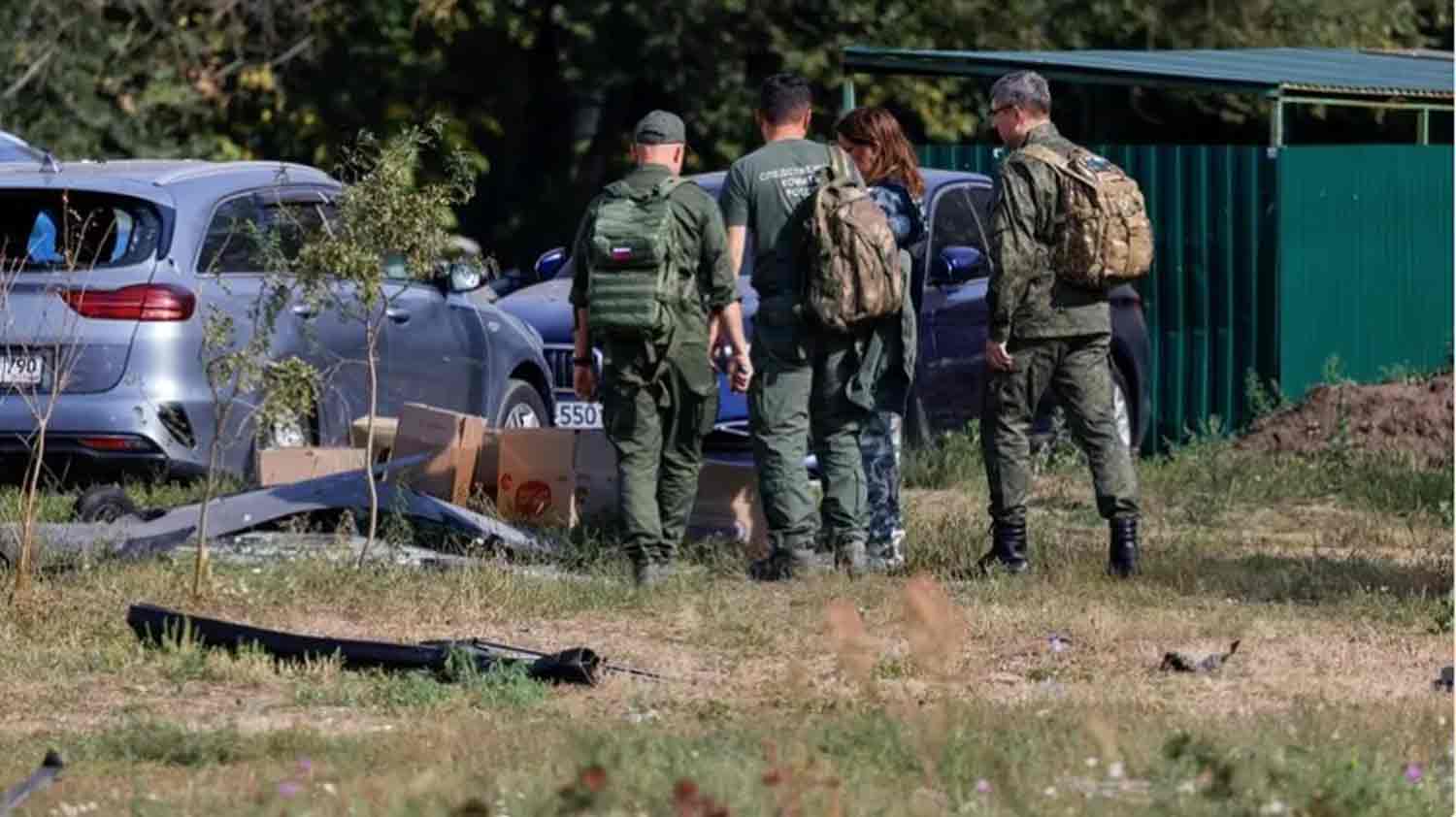
A Russian general sought by Ukraine for his involvement in the use of chemical weapons was reportedly killed by a remotely detonated bomb in Moscow on Tuesday, according to Russian officials. Lt. Gen. Igor Kirillov lost his life, along with his assistant, on Tuesday morning when an explosive device concealed in an electric scooter detonated outside an apartment building located approximately 7 kilometers (4 miles) southeast of the Kremlin, as stated by Russia’s investigative committee.

The committee has initiated a criminal investigation into the incident, with investigators, forensic specialists, and operational teams currently active at the site.

Lt. Gen. Igor Kirillov served as the head of Russia’s nuclear, biological, and chemical protection forces, holding the title of Chief of the Radiation, Chemical and Biological Defense Troops of the Russian Armed Forces.

He had been in this role for over seven years, having been appointed in 2017 after leading the country’s Military Academy of Radiation, Chemical and Biological Defense from 2014 to 2017, as reported by Russian state media TASS.

On Monday, Kirillov was charged in absentia for the use of prohibited chemical weapons during Russia’s conflict with Ukraine. The Security Service of Ukraine has documented over 4,800 instances of chemical munitions being deployed under Kirillov’s orders since the onset of the war.

Additionally, Kirillov faced sanctions from Britain for the “abhorrent use of inhumane chemical weapons” in the ongoing conflict in Ukraine.

Ukrainian security forces were responsible for the assassination of Lt. Gen. Igor Kirillov, according to a source familiar with the operation who spoke to CNN.

The source stated, “Kirillov was a war criminal and a completely justifiable target, having issued orders to deploy prohibited chemical agents against Ukrainian troops. Those who perpetrate violence against Ukrainians will ultimately meet a similar fate. Justice for war crimes is unavoidable.”

Iran’s leadership is divided over Assad’s downfall in Syria, creating new challenges for Tehran

0
Rebel fighters pose as they hold a Syrian opposition flag inside the Umayyad Mosque, after rebels seized the capital and ousted Syria's Bashar al-Assad, in Damascus, Syria.

As Bashar al-Assad‘s regime began to disintegrate in Syria, Iranian officials were taken aback as rebel forces swiftly gained ground across the nation in under two weeks, capturing cities with minimal resistance.

An insider from the Iranian establishment reveals that Tehran was unprepared for the rapid collapse of the Syrian army.

The situation worsened when Hezbollah fighters departed Syria to engage in combat against Israel in Lebanon, leaving their numerous checkpoints along the borders with rebel-controlled areas largely unattended by the Syrian military.

“We were unable to provide any support as the airspace was dominated by Israel,” another source close to the Iranian government stated, alluding to the ongoing Israeli airstrikes in Syria that have targeted Iranian and Hezbollah positions in recent months.

Even on the eve of Assad’s downfall, high-ranking officials urged for the protection of sacred sites and attempted to deploy forces for their defense, but these efforts ultimately failed.

As the rebels neared Damascus on December 7, Iranian state television shifted its narrative, beginning to label the rebels as “armed groups” instead of “terrorists,” a term they had used just a day prior.

Following the collapse of Assad’s defenses, Iranian media circulated a report claiming that Tehran had secured assurances from Hay’at Tahrir al-Sham (HTS), the primary rebel faction orchestrating the offensive, that the revered Shia shrines in Syria would remain unharmed.

The leak was intended to address the concerns and pressures from the religious community and supporters of the regime. Iranian officials later confirmed the news.

Dissatisfaction with the regime

Responses within Iran were varied.

One faction, primarily composed of religious individuals and fervent supporters of the Islamic Republic, contends that the regime has not taken sufficient action. They argue that it has been misled by the reformist government of President Masoud Pezeshkian into negotiating with the West and Turkish President Recep Tayyip Erdogan regarding Assad.

From their perspective, Assad is a crucial player in Iran’s strategy against extremist militant groups and Israel.

Despite the efforts of the HTS, which was previously associated with al-Qaeda, to present a more moderate stance, the group continues to pose an ideological threat.

Conversely, a considerable segment of Iranian society, particularly reformists, views this situation as a necessary yet beneficial development for Iran, as it disrupts the “axis of resistance,” which has faced significant setbacks in Lebanon and has become a burden, contributing to sanctions and heightened tensions with the United States.

A senior reformist journalist, who preferred to remain unnamed, remarked: “Iran has incurred a substantial cost due to its misguided and religious foreign policy.

“Our strategic depth does not lie in Syria or Lebanon. The Islamic Republic places the Islamic Ummah (nation) above national security and interests,” the journalist stated.

According to our national interests, it is prudent to regard nations such as Israel as competitors rather than adversaries. This perspective could alleviate numerous challenges we face. The recent developments in Syria are advantageous, as they may compel the Islamic Republic to reassess its foreign policy regarding the Ummah to some degree.

The Perspective from Iran

There appear to be slight differences of opinion among Iranian leaders. One faction advocates for continued engagement with HTS and emphasizes maintaining a strong diplomatic presence in Syria, while another faction favors the establishment of new proxy groups within the country.

In this context, a former diplomat remarked: “Iran will pursue its objectives in Syria through multiple avenues. It will monitor the actions of the forthcoming government while simultaneously remaining proactive in its connections with various groups and potential resources to further the aims of the Islamic revolution.”

The second faction argues that the new governing body in Syria fundamentally retains a Sunni extremist ideology, fostering animosity towards Iranians and Shia Muslims. They assert that Tehran should assert its influence through proxy and grassroots organizations that oppose the new regime.

In a public address following Assad’s downfall, Iran’s supreme leader, Ayatollah Ali Khamenei, stated: “Time will reveal that none of them will fulfill their ambitions, and undoubtedly, the occupied regions of Syria will be reclaimed by the courageous youth of Syria.”

Khamenei further asserted, “The agents of arrogance believe that the Resistance Front has been weakened by the collapse of the Syrian government, which was a supporter of the resistance. However, they are profoundly mistaken, as they fundamentally misunderstand the essence of resistance and the Resistance Front.”

Iranian Foreign Minister Abbas Araghchi highlighted potential opportunities stemming from the dissatisfaction of certain unnamed nations, likely including the United Arab Emirates, Saudi Arabia, and Egypt, which have expressed criticism towards political Islam and the Muslim Brotherhood.

“The current political landscape in Syria allows for various outcomes, particularly as some regional states are quite displeased with recent developments. While I won’t specify which countries, I anticipate that we may witness movements from opposing factions, similar to what has occurred in Libya, Sudan, and Lebanon,” stated Iran’s chief diplomat during a state television interview.

In response to a query regarding the supreme leader’s remarks, an Iranian foreign policy analyst aligned with conservative views commented: “Establishing a Syrian resistance group with an anti-Israeli stance, especially given that Israeli forces occupy Syrian territory, presents a significant opportunity for the Islamic Republic and will contribute to the strategy of enhancing resistance. In a potential scenario reminiscent of Libya, the resistance movements in Palestine and Lebanon will be revitalized.”

The analyst referenced the Syrian National Defence Forces (NDF), a paramilitary group formed by Iranian General Qassem Soleimani in 2012, which originally comprised approximately 100,000 fighters.

However, the analyst noted that the force has been diminished and stripped of resources over the years, likely due to President Assad’s attempts to curtail direct Iranian influence, resulting in a reduction of its membership to around 11,000.

“The pressing question now is: what actions will these individuals take?”

What’s next?

Analysts predict that as Iran’s influence wanes, the West may shift its focus towards groups such as the Houthis in Yemen and subsequently target Iran’s nuclear ambitions.

An international relations professor in Tehran, who requested anonymity, stated, “The rise of rebel forces and armed groups opposing Assad in Syria, supported by Turkey, creates a logistical challenge for Hezbollah in Lebanon and resistance factions in Syria.”

He added, “Hezbollah may struggle to sustain its political dominance in Lebanon, and the situation in Syria is likely to expedite this decline.”

The professor further noted, “As Iran’s network of power in Syria diminishes, it is probable that Lebanon will follow suit,” suggesting that the overarching aim of these developments could be an assault on Iran’s nuclear programme.

However, the source cautioned that any military action against Iran’s nuclear facilities might provide grounds for the Iranian leadership to reconsider its fatwa against the development of nuclear weapons. In this context, the perceived existential threat to Tehran could be used to advocate for lifting the restrictions on nuclear weapon development.

Putin claims a surge of volunteers is shifting the Ukraine conflict’s momentum in Russia’s favor

0
Russian President Vladimir Putin attends a press conference

President Vladimir Putin stated on Monday that the significant number of men voluntarily enlisting in the Russian military is shifting the dynamics of the Ukraine conflict in favor of Moscow, expressing optimism that his forces will continue to make progress.

In a speech delivered at the Defence Ministry, Putin noted that Russian troops have successfully driven the Ukrainian army from nearly 200 settlements this year and maintained the initiative across the entire frontline. This comes as his military is reportedly advancing at its fastest rate since 2022, as indicated by open-source mapping.

“I want to emphasize that the past year has been pivotal in achieving the objectives of the special military operation in Ukraine,” Putin remarked to senior military officials. “Russian forces have firmly established control over the strategic initiative along the entire contact line, liberating 189 population centers this year alone.”

He highlighted that approximately 430,000 Russians have signed military contracts this year, an increase from around 300,000 the previous year, which he deemed crucial for Russia’s military efforts.

“This influx of volunteers shows no signs of stopping. As a result, we are witnessing a turning point on the frontline,” Putin asserted.

Andrei Belousov, the defense minister, informed the same audience that Russian forces have reclaimed nearly 4,500 square kilometers (1,737 square miles) of territory this year, advancing at an average rate of 30 square kilometers (11.5 square miles) per day. Belousov also indicated that Russian military planning must be prepared for any scenario, including the most severe, such as a potential conflict with NATO in Europe over the next decade.

In his recent address, Putin accused Western nations of driving Russia to its “red lines,” which are scenarios that Russia has explicitly stated it will not accept. He claimed that Moscow had no choice but to react.

Putin remarked, “Western leaders are merely instilling fear in their own citizens by suggesting that we intend to launch an attack, using the fabricated notion of a Russian threat as justification.” He elaborated, “The strategy is straightforward: they push us to a ‘red line’ from which we cannot back down. When we begin to respond, they quickly invoke fear among their populace—previously with the Soviet threat and now with the Russian threat.”

He expressed that Russia is closely monitoring the United States’ advancements and potential deployment of short- and medium-range missiles, indicating that Russia would reconsider its self-imposed limitations on such missile deployments if the U.S. proceeded with its plans.

Bashar al-Assad speaks out, stating that he had no intention of leaving Syria

0

Syria’s Bashar al-Assad released his first statement since his removal from power, revealing that he was evacuated to Russia from the Hmeimim base on December 8, following a drone assault, after departing from Damascus earlier that day as rebel forces advanced. His written communication was shared on the Syrian presidency’s Telegram channel and is dated December 16 from Moscow, where he has sought asylum.

Assad was ousted after a rapid offensive by insurgent groups, primarily led by the Islamist faction Hayat Tahrir al-Sham, which culminated in the end of over 50 years of authoritarian rule by his family.

“In no instance during these events did I contemplate resigning or seeking refuge, nor was such a suggestion made by any party,” Assad stated, elaborating on the events that led to his exit from Syria. He mentioned that he had remained in Damascus, fulfilling his responsibilities until the early hours of December 8.

“As terrorist groups infiltrated Damascus, I coordinated with our Russian allies to relocate to Latakia to oversee military operations,” he explained.

However, upon reaching the Russian air base at Hmeimim that morning, “it became evident that our forces had entirely retreated from all fronts and that the last military positions had collapsed.” The Russian military base faced “increased drone strike attacks,” and “with no feasible way to exit the base, Moscow requested that the command arrange for an immediate evacuation to Russia,” according to the statement.

On December 9, the Kremlin announced that President Vladimir Putin had decided to offer asylum to Assad in Russia, following the deployment of its air force to Syria in 2015 to assist him in combating rebel forces.

According to a report from Reuters last week, Assad shared his intentions to escape Syria with very few individuals. Instead, aides, officials, and even family members were misled or left uninformed, as revealed by over a dozen sources familiar with the situation.

What we know about the mysterious drones reported over the East Coast

0

Unidentified flying objects have been reported in the skies, leading to a mix of concern and confusion, along with calls for military action. This scenario is not a scene from “War of the Worlds,” but rather a series of potential drone sightings along the East Coast in recent weeks. These drones have been observed over residential areas, restricted locations, and vital infrastructure.

The frequency of these sightings has increased pressure on federal agencies to clarify the situation, as officials have called for calm and stressed that there is no evidence indicating a security threat.

“I want to assure the American public that we are on it,” stated Department of Homeland Security Secretary Alejandro Mayorkas during an appearance on ABC’s “This Week” on Sunday.

The reported drone activity led to the temporary closure of runways at New York’s Stewart International Airport for approximately one hour on Friday night.

“This has gone too far,” remarked New York Governor Kathy Hochul on Saturday, noting that she had instructed the New York State Intelligence Center to investigate the drone sightings and collaborate with federal law enforcement to tackle the issue.

Senate Majority Leader Chuck Schumer has requested that the Department of Homeland Security implement specialized detection systems utilizing 360-degree technology to monitor drones.

“If the technology exists for a drone to ascend into the sky, there is certainly technology available to track these crafts accurately and understand what is happening,” Schumer commented on Sunday while addressing the technological capabilities.

The FBI and DHS issued a joint statement on Thursday indicating that there is currently “no evidence that the reported drone sightings present a national security or public safety threat or have any foreign connections.”

In spite of these assurances from federal authorities, local leaders are demanding additional information and resources to further investigate the sightings. In Morris County, New Jersey, officials have urged the “federal government to deploy all available federal resources, including military support, to put an end to the unauthorized drone flights over our county and other areas of New Jersey.”

Drones, which refer to unmanned aerial vehicles, are widely utilized throughout the United States. The FAA has registered a total of 791,597 drones, with a nearly equal split between commercial and recreational use. These devices serve various purposes across multiple industries, including photography, agriculture, and law enforcement.

There is still considerable uncertainty regarding the precise nature of the sightings, with some being attributed to “mistaken identity,” as noted by Mayorkas and White House National Security Communications Advisor John Kirby.

Here is additional information regarding the reported drone sightings, including what is known and what remains uncertain.

In which locations have the drones been observed?

Drone sightings have been documented in at least six states: New Jersey, New York, Connecticut, Pennsylvania, Massachusetts, and Virginia.

The first sightings were reported on November 18 near Morris County, New Jersey, as stated by the Federal Aviation Administration. Republican New Jersey Assemblyman Paul Kanitra informed CNN’s Sara Sidner on Friday morning that drone sightings have occurred nightly since that date. Disturbed residents have often reported drones hovering above, occasionally in groups.

Concerns heightened when drones were detected near the Picatinny Arsenal, a U.S. military research facility, and over President-elect Donald Trump’s golf course in Bedminster, as noted by military officials and state legislators. These sightings led the FAA to implement temporary flight restrictions over these areas.

Additionally, “several instances of unidentified drones entering the airspace” were reported above Naval Weapons Station Earle, a U.S. Navy base located south of Middletown, although no direct threats were identified.

Democratic Senator Andy Kim of New Jersey shared videos on his X account that appeared to show a cluster of drones over the Round Valley Reservoir on Thursday night. However, on Saturday, he updated his post, indicating that most of the aircraft he initially believed to be drones were “almost certainly planes.”

Federal agency representatives involved in the drone investigations have held private briefings with local officials, indicating that the drones sometimes fly in a synchronized manner and can remain airborne for as long as six hours, as reported by Montvale, New Jersey, Mayor Mike Ghassali.

On Friday afternoon, the New York State Police announced via a post on X that they had received multiple reports of drone sightings within the last 24 hours and are currently looking into these claims. They emphasized that there is no evidence at this moment to suggest that any of the reported sightings pose a threat to public safety.

Staten Island Borough President Vito Fossella noted that the drones, frequently observed at night, have been seen hovering over vital infrastructure, including Port Liberty New York near the Goethals Bridge, the Verrazzano-Narrows Bridge, and Fort Wadsworth, one of the nation’s oldest military installations.

On Sunday, Governor Hochul revealed that federal authorities are implementing a new advanced drone detection system in the state. She reiterated her call for the passage of the federal Counter-UAS Authority Security, Safety, and Reauthorization Act, which she believes would provide New York and other states with the necessary authority and resources to address situations like the current one.

Hochul also had two discussions with Secretary Mayorkas on Saturday concerning the ongoing drone activity in her state, according to a source familiar with the discussions.

Connecticut State Police announced on Friday the implementation of a drone detection system to aid in the investigation of unauthorized drone sightings reported in Fairfield County.

“It raises significant concerns regarding public safety and security, both in Fairfield and beyond,” stated Republican state Senator Tony Hwang on Friday.

Pennsylvania Governor Josh Shapiro acknowledged the reported drone sightings and emphasized their seriousness. He instructed the Pennsylvania State Police to conduct a thorough investigation and mentioned that helicopters would be deployed to ascertain the origins and purposes of these drones.

In Massachusetts, Governor Maura Healey addressed the increasing number of drone sightings in her state via a post on X on Saturday. She noted that state police are collaborating with local and federal agencies and urged drone operators to comply with regulations.

On Saturday night, two individuals were arrested on trespassing charges after a drone approached Logan International Airport in Boston in a “dangerously close” manner, according to police reports.

In Virginia, Governor Glenn Youngkin stated in a Saturday announcement that state police and the Department of Emergency Management are working closely with various federal partners to address the drone sightings. He highlighted the “significant number of national security and critical infrastructure sites” located in Virginia.

Mayorkas stated during an interview with ABC’s George Stephanopoulos on Sunday that there is no doubt that individuals are observing drones. He reassured the American public that the federal government has allocated additional resources, personnel, and technology to support the New Jersey State Police in responding to these drone sightings.

Regarding the nature of the aircraft, both the FBI and DHS have indicated that they believe many of the reported drone sightings are instances of “mistaken identity,” where members of the public are confusing small, legally operated manned aircraft with drones.

Mayorkas also mentioned to CNN’s Wolf Blitzer on Friday that some of the sightings could potentially involve commercial drones. He emphasized, “We are not aware of any threats or malicious activities. Should we discover any issues of concern, we will communicate them transparently.”

Former FBI supervisory special agent Tom Adams noted on CNN that some recent sightings might be attributed to copycat behavior, as increased media coverage of the phenomenon could inspire others to fly their drones. He pointed out that there are often benign explanations for these sightings.

Drawing from his experience with the FBI, Adams explained that it is not uncommon for planets, crewed aircraft, and even low Earth orbit satellites to be misidentified as drones during nighttime operations.

During a news briefing on Saturday, an FBI representative reiterated that the majority of sightings are likely misidentified manned aircraft. The representative highlighted that the flight patterns from nearby airports corresponded with the visual reports received through tip lines.

The FBI official noted that the tip line has received approximately 5,000 reports, but fewer than 100 have resulted in leads considered worthy of further investigation. No evidence has been found to support claims of “large-scale UAS activity,” as indicated by the acronym for “unmanned aircraft system.”

A slight overreaction has been noted regarding the reports, according to an FBI official. However, the official emphasized that the sightings cannot be overlooked, expressing concern that aligns with public sentiment.

In contrast, a Department of Defense official expressed uncertainty about the nature of these sightings.

“We cannot ascertain whether the activity is malicious or criminal. However, I can state that it is indeed irresponsible,” the official remarked. “From a military perspective, we share the frustration regarding the reckless nature of this situation.”

The official mentioned that highly trained security personnel have observed drone activity at Picatinny Arsenal and Naval Weapons Station Earle in New Jersey, but the origins and operators of these drones remain unidentified.

On Wednesday, the Pentagon dismissed speculation that the drones could be linked to a foreign adversary. This came shortly after U.S. Representative Jeff Van Drew, a Republican from New Jersey, suggested on Fox News that the drones were being launched from an Iranian “mothership” off the East Coast.

“There is no truth to that,” stated Deputy Pentagon Press Secretary Sabrina Singh on Wednesday. “There is no Iranian vessel off the coast of the United States, nor is there any so-called mothership deploying drones toward the U.S.”

The FBI is spearheading the investigation into these sightings in collaboration with the Office of Homeland Security and Preparedness, while the U.S. Coast Guard is evaluating jurisdictional responses.

On Sunday, Senator Amy Klobuchar from Minnesota emphasized the need for greater transparency from the US government regarding the reported drone sightings. During her appearance on CBS’ “Face the Nation,” the Minnesota Democrat stated, “First, we require a briefing for Senate members to understand the situation better. Second, increased transparency is essential.”

Despite assurances from federal officials that the drones do not pose a threat to public safety, Mayor Michael Melham of Belleville, New Jersey, indicated that police have been advised to contact the county bomb squad and that local fire departments should don hazmat suits if they come across a downed drone.

“We are uncertain about the nature of these objects, so we are proceeding with caution,” Melham remarked.

In contrast to federal officials’ calls for calm, former President Trump has urged the Biden administration to either disclose any information regarding the sightings or take action to shoot the drones down.

“Mystery drone sightings are occurring nationwide. Is it possible that our government is unaware? I doubt it! The public deserves to know, and immediately. If not, take them down!” Trump stated on Truth Social.

Senator Richard Blumenthal, a member of the Senate’s Homeland Security and Governmental Affairs Committee, echoed this sentiment on Thursday, asserting that the drones “should be shot down if necessary, as they are flying over sensitive areas.”

Shooting down unidentified aircraft presents significant challenges. In an interview with CNN’s Wolf Blitzer, Mayorkas stated, “It’s not as though anyone can just take down a drone in the sky. That in and of itself would be dangerous.”

A source involved in the national investigation into these aircraft informed CNN that shooting them down would be “beyond risky,” as it could pose unnecessary dangers to individuals on the ground and lead to legal complications.

The source emphasized that the government has various measures available to address a drone that poses an imminent threat; however, the recent unidentified flights have not been classified as a danger.

“Taking it down is the last resort,” the source remarked.

Who oversees drone regulations?

One of the difficulties in monitoring drone operations is that airspace regulation is predominantly under federal authority, as noted by the CEO of a company that tracks unauthorized drone activity.

“The existing laws governing aircraft do not equip local law enforcement to manage drone incidents,” Axon CEO Rick Smith explained to CNN News Central on Friday. “So, if a drone approaches a local state fair that police suspect could be hazardous, there is currently no action they can take.”

FAA regulations permit recreational drone operators to fly at altitudes of up to 400 feet in uncontrolled airspace. Waivers may be issued by the FAA on an individual basis for those seeking to operate drones in more crowded airspace or at greater heights.

Missy Cummings, one of the Navy’s pioneering female fighter pilots, believes that authorities would respond differently if there were genuine threats posed by drone sightings.

“If this were a real threat, we would likely observe a different level of response,” Cummings, who is a professor at George Mason University, stated during an interview with CNN’s Fredricka Whitfield on Sunday.

“While it may be uncomfortable for some to acknowledge, a considerable number of sightings are likely attributed to manned aircraft, although I do believe that legitimate drone sightings are occurring,” Cummings added.

What are the reasons behind President Xi Jinping’s selective dismissal of his loyalists?

0
Chinese President Xi Jinping

In the initial phase of Xi Jinping’s anti-corruption campaign, the Chinese leader strengthened his grip on the world’s largest military by dismantling the influence of powerful generals from opposing factions and appointing allies and loyalists in their place.

Now, a decade later, after implementing significant structural changes within the People’s Liberation Army (PLA) and filling its upper echelons with his chosen individuals, Xi remains deeply engaged in his ongoing battle against corruption and disloyalty.

Similar to many historical authoritarian leaders, he is increasingly targeting those he once considered loyal supporters.

Recently, Xi removed one of his closest military proteges, a long-time associate responsible for ensuring political loyalty within the PLA and overseeing senior promotions.

Admiral Miao Hua, a member of the Central Military Commission (CMC) chaired by Xi, has been suspended pending an investigation for “serious violations of discipline,” a term often used to refer to corruption and disloyalty.

As the leader of the CMC’s political work department, which manages political indoctrination and personnel decisions, Miao represents the highest-ranking official to be dismissed in Xi’s recent military purge. Since last summer, over a dozen senior officials within China’s defense sector have been removed, including the last two defense ministers appointed to the CMC by Xi.

However, none of them possess the enduring relationship that Miao had with the top leader, which dates back several decades to Xi’s early political endeavors in the coastal province of Fujian.

The investigation into Miao marks a new chapter in an expanding purge that has raised concerns regarding Xi’s capability to eradicate systemic corruption within the military and improve its combat readiness amid increasing geopolitical tensions.

Over the last ten years, Xi has directed a significant transformation of the PLA into a “world-class” military force capable of competing with the US armed forces. A primary objective of this modernization initiative is to prepare China for potential conflict over Taiwan, the self-governing democratic island that Beijing asserts as its territory.

Nevertheless, Miao’s fall from grace reignites concerns—previously highlighted during last summer’s purges—about Xi’s trust in his senior generals who would be tasked with leading military operations, according to Joel Wuthnow, a senior research fellow at the Pentagon-funded National Defense University.

“If he is apprehensive that he has appointed individuals who are not entirely loyal to him or his objectives, that would pose a significant issue.”

Analysts suggest that Xi’s removal of a long-time ally reflects a recurring challenge faced by autocrats, including his predecessor Mao Zedong: after eliminating political adversaries, the supreme leader remains vigilant for new threats to their absolute authority—even from within their inner circle.

Corruption at an alarming level

Miao’s association with Xi dates back thirty years. The native of Fujian served as a political officer in the former 31st Group Army from the 1980s until the early 2000s, during which time Xi was advancing his career as a local official and eventually became the provincial governor of Fujian.

“According to reliable sources, Xi frequently visited the 31st Group Army during that period” and is known to have had personal interactions with Miao, stated James Char, a seasoned observer of the PLA and research fellow at the S. Rajaratnam School of International Studies in Singapore.

Miao’s military trajectory accelerated shortly after Xi assumed power. In 2014, he received a significant promotion to become the political commissar of the PLA Navy, marking a notable transition from a Ground Force career. Three years later, he was elevated again to the Central Military Commission, the highest military authority.

“We cannot identify a more unequivocal supporter of Xi than Miao,” Char remarked. “If Miao is ultimately charged with corruption, it would indicate that Xi himself did not foresee the alarming level of corruption present among PLA elites.”

Over the past 18 months, Xi’s anti-corruption efforts have primarily focused on officials linked to weapon procurement and the Rocket Force, which manages China’s nuclear and conventional missile capabilities. However, Miao’s fall from grace suggests an expansion of this crackdown into new areas, including political operations—described by Xi as the military’s “lifeline”—and the Navy.

“Wherever they investigate, I am confident they will uncover issues and cases. It’s merely a question of which sector they choose to examine,” Char noted.

Loyalists losing trust

The Defense Ministry has not provided any specifics regarding the allegations against Miao.

As the chief political commissar of the PLA, Miao is responsible for ensuring the military’s allegiance to the ruling Communist Party. He oversees promotions within the military, assessing key candidates for their political loyalty—a role he also fulfilled in the Navy.

In previous instances, such positions have been conducive to corruption, particularly in the form of bribery for advancement. Miao’s predecessor, General Zhang Yang, took his own life while facing a disciplinary inquiry related to bribery.

As the competition between the United States and China intensifies, the PLA Navy has experienced a significant surge in the acquisition of warships and other military assets, creating numerous opportunities for corrupt practices, according to Victor Shih, a political science professor at the University of San Diego.

Shih also suggested that another factor contributing to Miao’s fall could be his overt efforts to cultivate a faction within the military.

Xi has consistently cautioned against the emergence of factions within both the party and the military, noting that the only individual permitted to do so is Xi himself, as Shih remarked.

Some analysts perceive Miao as having advocated for several associates within the Navy to receive promotions to critical roles, including Rocket Force Commander Wang Houbin and Defense Minister Dong Jun.

The announcement regarding Miao’s investigation followed closely after the Financial Times reported that Dong was under investigation for corruption, as indicated by current and former U.S. officials. The Defense Ministry refuted the claims as “sheer fabrication,” and shortly thereafter, Dong appeared publicly at a security forum.

Wuthnow, an expert at the National Defense University, indicated that Miao’s decline was attributed to a “loss of confidence,” although the underlying causes remain unclear.

In one possible interpretation, Wuthnow suggested that Xi may have perceived Miao as becoming excessively powerful and autonomous, prompting him to eliminate what he regarded as a source of influence that he could not entirely dominate.

“I don’t believe that leaders who are secure in their authority and capability to manage the bureaucracy act in this manner. It seems to me more indicative of weakness, if not paranoia, that he feels compelled to continually disrupt the status quo,” he remarked.

This pattern is recurrent.

Miao’s removal follows closely on the heels of former defense minister Li Shangfu’s ousting from the Central Military Commission (CMC) less than a year ago.

At the start of his unprecedented third term two years ago, Xi had six members in the powerful body, all considered loyalists. Should Miao also be dismissed, it would result in two empty positions.

Shih, a specialist in Chinese elite politics, noted that many dictators, from Joseph Stalin to Mao, have ultimately turned against their own protégés.

“Once all of their genuine rivals are eliminated, a dictator can never think, ‘Now that all threats are gone, I can relax.’ They are always wary of potential new threats, even from those who were once their closest allies. This cycle repeats itself consistently,” he stated.

The dictator is perpetually on the lookout for more nuanced indicators of potential conspiracies against him, stated Shih, the author of “Coalitions of the Weak,” which analyzes Mao’s grip on power during the latter part of his life.

In Mao’s final years, he turned against Lin Biao, his former protégé, who had served as defense minister and was seen as his successor, accusing him of attempting a coup.

“This pattern is likely to intensify as Xi Jinping ages, particularly given that his health is not as strong as it once was. His awareness of possible threats to his authority will sharpen over time,” Shih noted.

Currently, the paramount leader seems resolute in his mission to combat corruption and disloyalty.

Earlier this month, Xi visited the PLA’s Information Support Force accompanied by his four remaining loyalists on the Central Military Commission.

“We must ensure that the troops are completely loyal, entirely pure, and utterly reliable,” Xi emphasized to an audience of attentive officers.

Assad’s last moments in Syria: Betrayal, hopelessness, and escape

0

Bashar al-Assad revealed little to anyone regarding his intentions to leave Syria as his regime crumbled. Instead, aides, officials, and even family members were misled or left uninformed, according to over a dozen individuals familiar with the situation who spoke to Reuters.

Just hours before his departure to Moscow, Assad reassured a gathering of approximately 30 military and security leaders at the defense ministry on Saturday that Russian military assistance was imminent and urged ground forces to remain steadfast, as recounted by a commander present at the meeting who requested anonymity.

Civilian personnel were equally unaware of the unfolding events. On Saturday, after concluding his workday, Assad informed his presidential office manager that he was going home, but he actually proceeded to the airport, as revealed by an aide close to him. He also contacted his media adviser, Buthaina Shaaban, asking her to come to his residence to draft a speech, only for her to arrive and find no one there.

“Assad didn’t even make a final stand. He didn’t rally his own troops,” remarked Nadim Houri, executive director of the Arab Reform Initiative, a regional think tank. “He abandoned his supporters to face their own destiny.”

Conversations with 14 individuals familiar with his last days and hours in power depict a leader searching for external assistance to prolong his 24-year rule, ultimately resorting to deception and stealth to orchestrate his escape from Syria in the early hours of Sunday. Most sources, including aides from the former president’s inner circle, regional diplomats, security officials, and senior Iranian representatives, requested anonymity to discuss sensitive issues candidly.

Assad did not inform his younger brother, Maher, who commands the Army’s elite 4th Armoured Division, about his plan to leave, as reported by three aides. Maher subsequently took a helicopter to Iraq and then traveled to Russia, according to one source.

Similarly, Assad’s maternal cousins, Ehab and Eyad Makhlouf, were left behind as the rebels took control of Damascus, as noted by a Syrian aide and a Lebanese security official. The two attempted to escape to Lebanon by car but were ambushed by rebels during their journey, resulting in Ehab’s death and Eyad being injured, according to the reports. There has been no official confirmation of Ehab’s death, and Reuters could not independently verify the details.

On Sunday, December 8, Assad himself departed from Damascus by plane, flying discreetly with the aircraft’s transponder turned off, as stated by two regional diplomats. This escape allowed him to evade the advancing rebels and marked the end of his 24-year rule, as well as his family’s 50-year reign, abruptly concluding the 13-year civil war. He landed at Russia’s Hmeimim airbase in Latakia before continuing on to Moscow. His immediate family, including his wife Asma and their three children, were already in the Russian capital, according to three former close aides and a senior regional official.

Videos captured by rebels and citizens at Assad’s presidential complex following his abrupt departure reveal a hurried escape, with evidence such as food left cooking on the stove and personal items, including family photo albums, abandoned.

RUSSIA AND IRAN: NO MILITARY RESCUE

There would be no military assistance from Russia, which had intervened in 2015 to shift the balance of the civil war in Assad’s favor, nor from his other key ally, Iran. This was made evident to the Syrian leader in the days preceding his exit, as he sought help from various sources in a frantic attempt to maintain his power and ensure his safety, according to interviews conducted by Reuters.

Assad traveled to Moscow on November 28, just a day after Syrian rebel forces launched an offensive in the northern province of Aleppo, but his requests for military support were met with indifference from the Kremlin, which was not inclined to intervene, as reported by three regional diplomats.

Hadi al-Bahra, the leader of Syria’s main opposition group abroad, stated that Assad misrepresented the situation to his aides back home, citing a source within Assad’s inner circle and a regional official. “He informed his commanders and associates after returning from Moscow that military assistance was forthcoming,” Bahra noted. “He was deceiving them. The message he received from Moscow was unfavorable.” Kremlin spokesman Dmitry Peskov informed reporters on Wednesday that while Russia had previously invested significant efforts in stabilizing Syria, its current focus was on the conflict in Ukraine.

Four days following that trip, on December 2, Iranian Foreign Minister Abbas Araqchi held a meeting with Assad in Damascus. At that point, the Hayat Tahrir al-Sham (HTS) Islamist group had gained control of Aleppo, Syria’s second-largest city, and was advancing southward as government forces weakened.

During the meeting, Assad appeared visibly troubled and acknowledged that his military was too diminished to mount a substantial defense, as reported by a senior Iranian diplomat to Reuters. However, Assad did not request the deployment of Iranian forces in Syria, as two senior Iranian officials indicated he was aware that such an action could provide Israel with justification to target Iranian forces in Syria or even Iran itself.

ASSAD FACES HIS DEMISE

After exhausting all alternatives, Assad ultimately recognized the inevitability of his downfall and made the decision to leave the country, marking the end of his family’s rule that had persisted since 1971.

Three individuals from Assad’s close circle revealed that he initially sought refuge in the United Arab Emirates as rebels captured Aleppo and Homs and moved toward Damascus. However, they stated that the Emiratis turned him down, concerned about potential international repercussions for sheltering someone under U.S. and European sanctions for allegedly employing chemical weapons against insurgents—claims that Assad has dismissed as falsehoods. The UAE government did not respond promptly to a request for comment.

Nevertheless, while Moscow was not inclined to intervene militarily, it was also not ready to abandon Assad, according to a Russian diplomatic source who requested anonymity.

Russia’s Foreign Minister Sergei Lavrov led diplomatic efforts at the Doha forum in Qatar over the weekend to ensure the safety of Assad. He engaged with Turkey and Qatar to utilize their connections with HTS to facilitate Assad’s safe passage to Russia, according to two regional officials. A Western security source indicated that Lavrov did everything possible to arrange for Assad’s secure departure.

Despite both Qatar and Turkey officially denying any contacts with HTS, which is classified as a terrorist organization by the U.S. and the U.N., arrangements were reportedly made with HTS to assist in Assad’s exit, as stated by three sources. Additionally, Moscow coordinated with neighboring countries to guarantee that a Russian aircraft transporting Assad would not be intercepted or targeted, according to the same sources.

Qatar’s foreign ministry did not respond promptly to inquiries regarding Assad’s exit, and Reuters was unable to obtain comments from HTS. A Turkish government representative mentioned that there was no request from Russia to utilize Turkish airspace for Assad’s flight, but did not clarify whether Ankara collaborated with HTS to facilitate the escape.

Assad’s former prime minister, Mohammed Jalali, recounted a phone conversation with Assad on Saturday night at 10:30 PM. He expressed to Assad the severity of the situation, noting significant displacement from Homs to Latakia and the prevailing panic in the streets. Jalali quoted Assad’s response: “Tomorrow, we will see.” He added that “Tomorrow, tomorrow” were the last words he heard from the president. Jalali attempted to reach Assad again at dawn on Sunday but received no answer.