Tuesday, April 21, 2026
Home Blog Page 107

Assad’s last moments in Syria: Betrayal, hopelessness, and escape

0

Bashar al-Assad revealed little to anyone regarding his intentions to leave Syria as his regime crumbled. Instead, aides, officials, and even family members were misled or left uninformed, according to over a dozen individuals familiar with the situation who spoke to Reuters.

Just hours before his departure to Moscow, Assad reassured a gathering of approximately 30 military and security leaders at the defense ministry on Saturday that Russian military assistance was imminent and urged ground forces to remain steadfast, as recounted by a commander present at the meeting who requested anonymity.

Civilian personnel were equally unaware of the unfolding events. On Saturday, after concluding his workday, Assad informed his presidential office manager that he was going home, but he actually proceeded to the airport, as revealed by an aide close to him. He also contacted his media adviser, Buthaina Shaaban, asking her to come to his residence to draft a speech, only for her to arrive and find no one there.

“Assad didn’t even make a final stand. He didn’t rally his own troops,” remarked Nadim Houri, executive director of the Arab Reform Initiative, a regional think tank. “He abandoned his supporters to face their own destiny.”

Conversations with 14 individuals familiar with his last days and hours in power depict a leader searching for external assistance to prolong his 24-year rule, ultimately resorting to deception and stealth to orchestrate his escape from Syria in the early hours of Sunday. Most sources, including aides from the former president’s inner circle, regional diplomats, security officials, and senior Iranian representatives, requested anonymity to discuss sensitive issues candidly.

Assad did not inform his younger brother, Maher, who commands the Army’s elite 4th Armoured Division, about his plan to leave, as reported by three aides. Maher subsequently took a helicopter to Iraq and then traveled to Russia, according to one source.

Similarly, Assad’s maternal cousins, Ehab and Eyad Makhlouf, were left behind as the rebels took control of Damascus, as noted by a Syrian aide and a Lebanese security official. The two attempted to escape to Lebanon by car but were ambushed by rebels during their journey, resulting in Ehab’s death and Eyad being injured, according to the reports. There has been no official confirmation of Ehab’s death, and Reuters could not independently verify the details.

On Sunday, December 8, Assad himself departed from Damascus by plane, flying discreetly with the aircraft’s transponder turned off, as stated by two regional diplomats. This escape allowed him to evade the advancing rebels and marked the end of his 24-year rule, as well as his family’s 50-year reign, abruptly concluding the 13-year civil war. He landed at Russia’s Hmeimim airbase in Latakia before continuing on to Moscow. His immediate family, including his wife Asma and their three children, were already in the Russian capital, according to three former close aides and a senior regional official.

Videos captured by rebels and citizens at Assad’s presidential complex following his abrupt departure reveal a hurried escape, with evidence such as food left cooking on the stove and personal items, including family photo albums, abandoned.

RUSSIA AND IRAN: NO MILITARY RESCUE

There would be no military assistance from Russia, which had intervened in 2015 to shift the balance of the civil war in Assad’s favor, nor from his other key ally, Iran. This was made evident to the Syrian leader in the days preceding his exit, as he sought help from various sources in a frantic attempt to maintain his power and ensure his safety, according to interviews conducted by Reuters.

Assad traveled to Moscow on November 28, just a day after Syrian rebel forces launched an offensive in the northern province of Aleppo, but his requests for military support were met with indifference from the Kremlin, which was not inclined to intervene, as reported by three regional diplomats.

Hadi al-Bahra, the leader of Syria’s main opposition group abroad, stated that Assad misrepresented the situation to his aides back home, citing a source within Assad’s inner circle and a regional official. “He informed his commanders and associates after returning from Moscow that military assistance was forthcoming,” Bahra noted. “He was deceiving them. The message he received from Moscow was unfavorable.” Kremlin spokesman Dmitry Peskov informed reporters on Wednesday that while Russia had previously invested significant efforts in stabilizing Syria, its current focus was on the conflict in Ukraine.

Four days following that trip, on December 2, Iranian Foreign Minister Abbas Araqchi held a meeting with Assad in Damascus. At that point, the Hayat Tahrir al-Sham (HTS) Islamist group had gained control of Aleppo, Syria’s second-largest city, and was advancing southward as government forces weakened.

During the meeting, Assad appeared visibly troubled and acknowledged that his military was too diminished to mount a substantial defense, as reported by a senior Iranian diplomat to Reuters. However, Assad did not request the deployment of Iranian forces in Syria, as two senior Iranian officials indicated he was aware that such an action could provide Israel with justification to target Iranian forces in Syria or even Iran itself.

ASSAD FACES HIS DEMISE

After exhausting all alternatives, Assad ultimately recognized the inevitability of his downfall and made the decision to leave the country, marking the end of his family’s rule that had persisted since 1971.

Three individuals from Assad’s close circle revealed that he initially sought refuge in the United Arab Emirates as rebels captured Aleppo and Homs and moved toward Damascus. However, they stated that the Emiratis turned him down, concerned about potential international repercussions for sheltering someone under U.S. and European sanctions for allegedly employing chemical weapons against insurgents—claims that Assad has dismissed as falsehoods. The UAE government did not respond promptly to a request for comment.

Nevertheless, while Moscow was not inclined to intervene militarily, it was also not ready to abandon Assad, according to a Russian diplomatic source who requested anonymity.

Russia’s Foreign Minister Sergei Lavrov led diplomatic efforts at the Doha forum in Qatar over the weekend to ensure the safety of Assad. He engaged with Turkey and Qatar to utilize their connections with HTS to facilitate Assad’s safe passage to Russia, according to two regional officials. A Western security source indicated that Lavrov did everything possible to arrange for Assad’s secure departure.

Despite both Qatar and Turkey officially denying any contacts with HTS, which is classified as a terrorist organization by the U.S. and the U.N., arrangements were reportedly made with HTS to assist in Assad’s exit, as stated by three sources. Additionally, Moscow coordinated with neighboring countries to guarantee that a Russian aircraft transporting Assad would not be intercepted or targeted, according to the same sources.

Qatar’s foreign ministry did not respond promptly to inquiries regarding Assad’s exit, and Reuters was unable to obtain comments from HTS. A Turkish government representative mentioned that there was no request from Russia to utilize Turkish airspace for Assad’s flight, but did not clarify whether Ankara collaborated with HTS to facilitate the escape.

Assad’s former prime minister, Mohammed Jalali, recounted a phone conversation with Assad on Saturday night at 10:30 PM. He expressed to Assad the severity of the situation, noting significant displacement from Homs to Latakia and the prevailing panic in the streets. Jalali quoted Assad’s response: “Tomorrow, we will see.” He added that “Tomorrow, tomorrow” were the last words he heard from the president. Jalali attempted to reach Assad again at dawn on Sunday but received no answer.

Taiwan is preparing for a potentially tougher relationship with Washington under Trump

0

During his initial term as President of the United States, Donald Trump was perceived as a supporter of Taiwan, enhancing the island’s security through increased arms sales and elevated diplomatic interactions.

However, this favorable perception diminished during his campaign, as Trump consistently asserted that the self-governing democracy should contribute more to the U.S. for its “protection” and accused it of having “stolen” American chip industry jobs.

Consequently, Taiwan is preparing for a potentially more tumultuous relationship with Washington, its key security ally, following Trump’s significant political resurgence.

“I believe many are feeling apprehensive,” stated Professor Chen Ming-chi, a former senior advisor to Taiwan’s National Security Council, in an interview with CNN. “Due to Trump’s unpredictability, it remains uncertain whether Taiwan will experience greater safety or increased peril during his second term.”

Observers agree that Taiwan will need to invest more in its defense and enhance its engagement with the Trump administration to secure American backing.

The ruling Communist Party of China considers Taiwan a part of its territory, despite never having governed it, and has pledged to reclaim the island by force if necessary. According to the Taiwan Relations Act, the U.S. is legally obligated to provide Taiwan with the means for self-defense and supplies it with defensive military equipment.

The Taiwanese government has conveyed its assurance regarding bilateral relations, highlighting the enduring bipartisan support for the island. Three senior security officials from Taiwan informed CNN that there are established communication channels for discussing significant issues, regardless of changes in leadership, with military communication avenues in particular having “flourished.”

Following the November election, Taiwan’s President Lai Ching-te emphasized the significance of Taiwan’s partnership with the United States, expressing Taipei’s readiness to be “the most reliable partner.”

Analysts indicate that Taiwan will be closely monitoring Trump’s foreign policy and defense appointments, his stance on Russia’s invasion of Ukraine, and his expectations from allies for insights into the future of their relationship.

The importance of this relationship has intensified as Beijing escalates its military pressure on Taiwan, frequently deploying fighter jets and warships near the island and conducting extensive drills in response to what it deems “separatist acts.”

This week, Taiwan’s Defense Ministry reported that China has executed its largest regional maritime deployment in decades, preparing for anticipated military exercises after Lai provoked Beijing’s anger with unofficial visits to Hawaii and the US territory of Guam.

Beijing has not confirmed any military exercises or acknowledged the significant troop movements reported by Taipei. According to US officials, while China’s naval deployments in the region are heightened, they align with previous large-scale military activities.

Under scrutiny

One clear distinction is that Trump is a less outspoken advocate for Taiwan compared to Joe Biden. The former president has consistently indicated that the US would be prepared to intervene militarily if China were to attack the island, although the White House has often retracted his statements.

The US has traditionally adhered to a policy of “strategic ambiguity” regarding its response to a potential invasion of Taiwan. However, Trump has taken this ambiguity further.

When asked by the Wall Street Journal whether he would employ military force against a Chinese blockade of Taiwan, Trump suggested that such a scenario would not arise because Xi respects him and perceives him as “crazy.” Instead, he proposed imposing tariffs of 150% to 200% on China.

In an October appearance on “The Joe Rogan Experience” podcast, Trump criticized Taiwan, stating that it does not “pay us money for the protection, you know? The mob makes you pay money, right?”

Taiwan’s mutual defense agreement with the US was terminated in 1979, coinciding with the end of official diplomatic relations. Unlike South Korea and Japan, Taiwan does not financially support the presence of American military forces on its soil. Nevertheless, the US remains the island’s primary arms supplier.

Ivan Kanapathy, a former deputy senior director for Asia on the White House National Security Council who served under both Trump and Biden, informed CNN that Trump’s comments suggest Taipei should “significantly increase its investment in US weapons and training, similar to what occurred during the first Trump administration.”

Kanapathy stated, “The national security interests of the US and Taiwan are closely aligned. However, the United States cannot desire to assist Taiwan more than Taiwan is willing to assist itself. That is the fundamental issue.”

Taiwan has a history of acquiring military equipment and weaponry from the United States. Currently, there is an outstanding order of over $20 billion in military supplies that Taiwan is still waiting to receive. Additionally, Taiwan has been progressively increasing its defense budget over the years.

This year, the Taiwanese government has proposed a record military budget that represents about 2.5% of the island’s overall economic output, which is significantly lower than the 10% target suggested by Trump for Taiwan’s defense spending.

However, a substantial rise in defense expenditure could pose political challenges for President Lai, as his party lacks a majority in the legislature. Achieving a 10% defense budget would position Taiwan among the highest military spenders globally, spending three times more than the US does as a percentage of its economy.

Trump secured re-election earlier this month and has unveiled a proposed cabinet featuring several individuals known for their hardline stance on China.

Taiwan stealing the United States’ chip industry?

Trump has consistently accused Taiwan of “stealing” the United States’ chip industry and has hinted at the possibility of imposing tariffs on Taiwan’s essential chip exports, which are vital for a range of modern technologies, including smartphones and artificial intelligence.

Although experts have largely dismissed Trump’s assertions, arguing that Taiwan has developed its semiconductor sector through strategic planning, diligent effort, and investment, his comments have raised concerns that Taiwan may need to accelerate the relocation of its critical chip supply chain to the United States.

Such a shift could jeopardize the island’s economic stability and undermine the so-called “silicon shield” that is believed to offer some protection against potential aggression from Beijing.

Kristy Hsu, director of the Taiwan ASEAN Studies Center at the Chung-hua Institution for Economic Research, stated to CNN that while tariffs on Taiwan’s chip exports might not have a significant immediate effect, potential policy changes could severely impact the industry.

“If Trump takes action against the chip supply chain, such as implementing stricter export controls, it could significantly affect Taiwan,” she noted, referring to limitations on the countries or companies to which Taiwanese chip manufacturers can sell their products.

Earlier this month, Reuters reported that the United States has instructed Taiwan Semiconductor Manufacturing Company (TSMC) to cease shipments of advanced chips to Chinese clients. TSMC is responsible for producing 90% of the world’s leading-edge chips.

This directive followed the discovery of TSMC-manufactured chips in devices produced by Huawei, a Chinese telecommunications company that has been under U.S. sanctions since 2019. Although TSMC stated it has not provided chips to Huawei since September 2020, it continues to serve other Chinese customers, raising concerns that Huawei might still gain access to these chips through alternative Chinese companies.

In its statement, TSMC refrained from commenting on “market rumors” and emphasized its commitment to adhering to all relevant rules and regulations, including export controls. The Commerce Department did not provide any comments to CNN regarding the matter.

Analysts suggest that enhancing outreach and educational initiatives will be crucial for Taiwanese semiconductor firms to manage risks as Trump embarks on his second term.

A former senior official from the Commerce Department, who served during the first Trump administration, remarked to CNN, “For Taiwan’s semiconductor sector, they face significant challenges. They must introspect and recognize the need to better communicate to Americans why they are a reliable partner, the superiority of their technology over China’s, and why they can be trusted.”

Gateway to major transformations in the Middle East has opened

0
Rebel fighters pose as they hold a Syrian opposition flag inside the Umayyad Mosque, after rebels seized the capital and ousted Syria's Bashar al-Assad, in Damascus, Syria.

After thirteen years of civil conflict, the armed opposition coalition Hayat Tahrir al-Sham successfully seized control of Damascus on December 8, prompting the long-standing leader Bashar al-Assad to seek refuge in Russia. Global powers aimed to carefully dismantle Assad’s stringent regime to prevent regional unrest and ensure Israel’s security, a process that relied heavily on the intricate coordination among these powers. Following the establishment of the Framework Agreement between Russia and the United States in 2014, which occurred 30 months into the Syrian civil war and focused on the elimination of Syria’s chemical weapons, discussions regarding Assad’s future began to emerge in Israel.

At that juncture, General Yair Golan of the Israeli Northern Command forecasted that the Syrian president would retain his position for several more years, despite having lost overall control of the nation. He noted that prior to the uprising, Syria was perceived as a formidable adversary, with potential risks of an attack on Israel in retaliation for anticipated U.S. airstrikes following the use of chemical agents against political opponents in the outskirts of Damascus. However, after Syria relinquished its chemical arsenal under the Framework Agreement, it ceased to be a significant threat to Israel.

It is important to recall that on August 21, 2013, the Syrian government deployed poison gas against opposition factions in the suburbs of Damascus, resulting in the deaths of over 1,400 civilians. In response to this chemical attack, the United States threatened military action against Syrian targets, leading to a framework agreement brokered by Russian President Putin in September 2013. This agreement facilitated the disposal of 1,290 metric tons of lethal chemical weapons by Syria in international waters of the Mediterranean Sea by June 2014.

The developments during the initial three years of the Syrian conflict culminated in a pivotal moment for Bashar al-Assad. Analysts from the West note that in December 2015, the UN Security Council reaffirmed the 2012 Geneva Communiqué through Resolution 2254. Kofi Annan, who was then the joint UN and League of Arab States special envoy for Syria, led an action group that comprised the foreign ministers from the United States, France, Britain, Russia, China, Turkey, Iraq, Qatar, and Kuwait, along with the European Union’s foreign policy chief and the secretaries-general of the UN and LAS. The action group’s concluding discussions provided a framework for power transfer in Syria; however, global leaders failed to put these plans into action.

The UN Secretary-General and his special envoy for Syria, should promptly travel to Damascus to put the Geneva Communiqué and Resolution 2254 into effect. Their primary objective should be to form a transitional governing body that encompasses various factions to prevent further fragmentation. If Syria descends into chaos once more, external forces may provoke minor conflicts among rival groups, as evidenced by recent events in Sudan, Yemen, Libya, and Ethiopia.

It appears that the United States, having learned from the consequences of regime change in Iraq, is apprehensive about the abrupt removal of Bashar al-Assad. President-elect Trump has indicated that successes in the Middle East could be reversed, potentially heightening threats to Israel’s security. He also suggested that the emergence of ISIS, a multifaceted organization, might serve as a catalyst for social change within Islam. Trump remarked that Afghanistan did not represent a global threat due to a negotiated withdrawal, but a sudden exit of Russian forces from Syria could lead to catastrophic outcomes.

The geopolitical landscape of the Middle East is undergoing significant transformation following Iran’s withdrawal from the Arab sphere and the dismantling of militant factions such as Hezbollah. In Syria, there is a palpable sense of optimism following the downfall of Assad, reminiscent of the atmosphere in Iraq two decades ago when American forces removed Saddam Hussein from power. However, unlike the situation in Iraq, where the restoration of governmental authority has remained elusive since Saddam’s ousting, Iraqis are now exercising caution and are acutely aware of potential future developments. This wariness is compounded by the fact that the current leadership of the Syrian opposition includes individuals who previously engaged in violent campaigns against pro-American Iraqis during the insurgency against foreign military presence.

Iraq’s Shiite militias, which once rallied behind Bashar al-Assad at Iran’s behest, have since withdrawn, prompting the Iraqi government to recall its diplomats from Damascus and concentrate on internal stability. While many experts draw parallels between Iraq and Syria, noting their shared histories of external interference under the Baath Party and their diverse demographics, there remain significant concerns in Iraq. These include the lack of transitional justice, delays in establishing a new constitution, and the ongoing need to confront the legacy of Saddam Hussein.

Similarly, the abrupt end of one of the Middle East’s most oppressive regimes was met with enthusiasm by millions of Syrians, both domestically and abroad. The Baathist regime, which has dominated Syria since 1963 and has been particularly tyrannical under the Assad family for the last fifty years, not only depleted the Syrian military but also transformed it into a tool for Iran’s regional ambitions. However, the real challenges for Syrians are just beginning. While opposition groups may possess some governance experience, they lack the necessary skills for fostering reconciliation among the various social classes within the country.

Hayat Tahrir, the primary opposition faction, governs the northern border province of Idlib, where over three million Syrians reside under its administration. While it is a formidable military entity, its jihadist origins and significant al-Qaeda heritage hinder its ability to adapt to the varied political and social dynamics of Syrian society. Fortunately, its leader, Abu Muhammad al-Golani, is aware of this limitation. The US-aligned Kurdish forces and various Turkish-backed Sunni Arab militia groups, which played a role in the downfall of the Assad regime and maintain their own territories in northern Syria, will now need to demonstrate political and ideological adaptability to incorporate al-Golani into a comprehensive transitional government.

Although it will be challenging for global powers to mitigate Islamist influence in the governance framework in Damascus, their participation in the political dialogue and the organization of general elections within a year, along with Turkey’s influence, could lead to a moderation of these groups. Any outcome from this situation is likely to be an improvement over Bashar al-Assad’s regime. The West will continue to focus on Syria, not only to combat the resurgence of the Islamic State but also to ensure Syria acts as a guarantor of Israel’s security and to limit Russian influence in the Middle East.

Russia’s Hmeimim air base and Tartus naval base are crucial to its military presence in the region. As the only refueling station for Russia in the Mediterranean, Tartus serves as a strategic military hub and poses a concern for NATO’s southern flank, as these bases in Syria supply resources to Russia’s Africa Corps across the continent. While Russia also maintains bases in Libya that support the Africa Corps, its logistical capabilities would be significantly constrained if the Syrian bases were lost. Consequently, after moderating its stance, Moscow is actively seeking to engage with the leadership of Hayat Tahrir for discussions to ensure continued access to these vital bases.

Currently, the HTS is signaling positively to global powers in its pursuit of international legitimacy. However, this unprecedented split has raised questions about the future of Iran’s religious authority. Following the protracted war with Iraq in the late 1980s and the uncertain leadership transition after Ruhollah Khomeini’s death, the current leadership prioritizes its own survival above all else. Amid a persistent atmosphere of insecurity, Iranian leaders are apprehensive about the threats posed by their existing regime. They are acutely aware that their citizens aspire to see the theocracy’s prisons opened, similar to the current situation in Syria.

In an unexpected turn, the rapid decline of Iranian proxies throughout the Middle East has emerged as a significant development, signaling the potential emergence of a new Middle East. This shift could potentially quell the sectarian conflicts not only in Lebanon, Yemen, and Saudi Arabia but also extend from Afghanistan to Pakistan.

Before his removal, Assad informed Iran that Turkey was backing rebels trying to overthrow him

0

In the days leading up to his removal, Syrian President Bashar al-Assad expressed to Iran‘s foreign minister his grievances regarding Turkey‘s active support for Sunni rebels attempting to overthrow him, as reported by two Iranian officials to Reuters this week. The Assad family’s five-decade rule came to an end on Sunday when he sought refuge in Moscow, where he was granted asylum. Iran had been a staunch ally of Assad during Syria’s prolonged civil conflict, and his ousting was perceived as a significant setback for the Iran-led “Axis of Resistance,” a coalition opposing U.S. and Israeli influence in the region.

As forces from Hayat Tahrir al-Sham (HTS), previously linked to al Qaeda, captured key cities and moved closer to the capital, Assad met with Iranian Foreign Minister Abbas Araqchi in Damascus on December 2. During this meeting, Assad expressed his frustration over what he described as Turkey’s escalated attempts to remove him, according to a senior Iranian official. Araqchi reassured Assad of Iran’s unwavering support and committed to addressing the matter with Ankara, the official noted.

The following day, Araqchi held discussions with Turkish Foreign Minister Hakan Fidan to convey Tehran’s serious concerns regarding Turkey’s backing of rebel movements. “The meeting was marked by tension. Iran articulated its dissatisfaction with Turkey’s alignment with U.S. and Israeli interests and communicated Assad’s worries,” a second Iranian official stated, highlighting Ankara’s support for the rebels and its collaboration with Western and Israeli efforts against Iran’s allies in the region.

Fidan attributed the crisis to Assad, claiming that his reluctance to participate in meaningful peace negotiations and his prolonged oppressive governance were fundamental factors contributing to the conflict. A source from the Turkish foreign ministry, who was familiar with Fidan’s discussions, clarified that these were not Fidan’s exact words and noted that Araqchi did not deliver any messages from Assad to Turkey, without providing further details.

During a press conference in Doha on Sunday, Fidan remarked that the Assad regime had “wasted valuable time” in addressing the issues plaguing Syria, instead permitting “a gradual deterioration and collapse of the regime.” On Wednesday, Iran’s Supreme Leader Ayatollah Ali Khamenei asserted that the effort to oust Assad was orchestrated by the United States and Israel. He indicated that one of Syria’s neighboring countries was also involved and continues to play a role, seemingly alluding to Turkey without naming it.

Turkey, a NATO member, has controlled significant areas in northern Syria following multiple cross-border operations against the Syrian Kurdish YPG militia and has been a key supporter of opposition factions seeking to remove Assad since the civil war erupted in 2011. The potential fall of Assad would significantly undermine Iran and its ally Hezbollah, as their relationship with Damascus has facilitated Iran’s influence through a land corridor extending from its western border through Iraq to Lebanon, enabling arms supplies to Hezbollah.

Throughout the conflict, Iran invested billions to support Assad and deployed its Revolutionary Guards to maintain his regime. Hezbollah also played a crucial role by sending fighters to assist Assad, but in the past year, many had to return to Lebanon to engage in a challenging conflict with Israel, a shift that has weakened the Syrian government’s defenses.

Putin asserts that no level of coercion or outside efforts to hinder us will ever succeed

0
Russian President Vladimir Putin attends a press conference

President Vladimir Putin addressed the ongoing challenges posed by international sanctions and external pressures during the plenary session of the ruling United Russia party on Saturday.

Russia is progressing, and the economy is on the rise, all while facing unprecedented sanctions, overt interference, and pressure from the ruling elites of certain nations,” Putin remarked. He asserted that “no amount of blackmail or external attempts to obstruct us will ever be successful.”

The United Russia congress is poised to revise the party’s program and charter, as well as refresh its High and General Councils.

Putin further stated that Russia will accomplish all of its short-term and long-term goals.

In spite of Western efforts, Russia continues to maintain a robust presence in international trade. Some EU countries persist in purchasing Russian energy, openly defying Brussels’ directives to withdraw, while others engage in transactions through intermediaries, as reported by researchers tracking supply chains. Recently, Bloomberg cautioned that the latest round of US sanctions targeting Gazprombank could precipitate an energy crisis in Western Europe.

Since 2014, Washington and its allies have enacted a record 22,000 sanctions against Moscow, following a Western-backed coup in Kiev that led to Crimea’s rejoining of Russia and sparked a conflict with the Donbass republics. The imposition of sanctions intensified after the initiation of the special military operation in February 2022.

Moscow has consistently criticized Western sanctions as unlawful. It has repeatedly pointed out that these measures have not succeeded in their intended purpose of undermining the Russian economy or isolating the nation from the international financial system. Rather, they have had adverse effects on the countries that enacted them.

The Kremlin perceives the conflict in Ukraine as a proxy war aimed at restraining Russia. For years, it has expressed apprehensions regarding NATO’s unrestrained expansion toward its borders, viewing the US-led alliance as a fundamental threat to its existence.

Zelenskiy reports that Russia is deploying more North Korean troops to counter incursions in Kursk

0
Ukraine's President Volodymyr Zelenskiy appears at a joint press conference

Ukrainian President Volodymyr Zelenskiy announced on Saturday that Moscow has begun to deploy “a noticeable number” of North Korean soldiers in its campaign to expel Ukrainian forces from the Kursk region of Russia.

Ukrainian troops initiated their advance into the Kursk area in August and continue to hold several settlements there, as part of Kyiv’s strategy to alleviate pressure on its forces in eastern Ukraine, where Russia has been steadily gaining ground.

“Current preliminary reports indicate that Russian forces have started to incorporate North Korean soldiers into their assaults—an observable number,” Zelenskiy stated during his regular address to the nation. “They are being organized into consolidated units and utilized in operations within the Kursk region. At this moment, their involvement is limited to that area.”

Zelenskiy characterized the participation of North Korean troops in the Kursk operations, which is adjacent to Ukraine, as a new escalation in the ongoing conflict that has persisted for nearly 34 months.

He affirmed that Ukraine would persist in its defense efforts, including against the North Korean forces. Ukrainian and South Korean officials have previously reported that over 10,000 North Korean troops are present in Russia.

Zelenskiy remarked that Russian President Vladimir Putin is actively seeking to prolong and escalate the conflict. He reiterated his call for Ukraine’s Western allies to enhance their support for Kyiv, indicating that he would address this matter with European partners in the coming week.

Zelenskiy is scheduled to participate in a meeting with the leaders of Britain, France, Germany, Italy, Poland, NATO, and the EU in Brussels on Wednesday.

Russia is reducing its presence in Syria but not fully withdrawing, according to sources

0
Naval personnel stand in front of the Russian aircraft carrier Kuznetsov in the Syrian city of Tartous on the Mediterranean sea

Russia is withdrawing its military presence from the front lines in northern Syria and from positions in the Alawite Mountains, but it will maintain its two primary bases in the country following the fall of President Bashar al-Assad, according to four Syrian officials who spoke to Reuters.

The removal of Assad, who, along with his late father, former President Hafez al-Assad, established a strong partnership with Moscow, raises uncertainties regarding the future of Russia’s installations—the Hmeimim airbase in Latakia and the Tartous naval facility.

Recent satellite imagery captured on Friday revealed at least two Antonov AN-124 cargo planes, among the largest in the world, at the Hmeimim base, with their nose cones open, seemingly preparing for loading operations. A Syrian security official stationed near the facility reported that at least one cargo plane departed for Libya on Saturday.

Syrian military and security sources in communication with Russian officials informed Reuters that Moscow is indeed pulling back its forces from the front lines and removing some heavy equipment along with senior Syrian officers.

However, these sources, who requested anonymity due to the sensitive nature of the situation, emphasized that Russia is not withdrawing from its two main bases and currently has no plans to do so. While some equipment and high-ranking officers from Assad’s military are being sent back to Moscow, the primary objective at this time is to regroup and redeploy in response to the evolving situation on the ground, as stated by a senior Syrian army officer in contact with the Russian military.

A senior rebel official affiliated with the new interim administration informed Reuters that the topics of the Russian military’s presence in Syria and previous agreements between the Assad regime and Moscow are not currently being addressed. “These matters will be discussed in the future, and ultimately, it will be the Syrian people who decide,” the official stated, noting that Moscow has established communication channels. “Our forces are now also positioned near the Russian bases in Latakia,” he added, without providing further details.

Russia is not planning to withdraw from its bases

The Kremlin has indicated that Russia is in talks with Syria’s new leadership regarding the military bases. However, Russia’s defense ministry did not respond to a request for comment on the Reuters report. A Russian source, speaking on the condition of anonymity, confirmed that discussions with the new Syrian authorities are ongoing and that Russia is not planning to withdraw from its bases. how Syrian rebel leader Ahmad a

Russian President Vladimir Putin, whose intervention in the Syrian civil war in 2015 bolstered Assad’s position amid calls for his removal from the West, granted Assad asylum in Russia after assisting his escape on Sunday.

Moscow has supported Syria since the early days of the Cold War, recognizing its independence in 1944 as Damascus sought to end French colonial rule. The West has historically viewed Syria as a Soviet satellite. The military bases in Syria play a crucial role in Russia’s global military strategy: the Tartous naval base serves as Russia’s sole Mediterranean repair and resupply facility, while Hmeimim acts as a significant hub for military and mercenary operations in Africa.

Russia maintains eavesdropping stations in Syria, operating in conjunction with Syrian signal facilities, as reported by both Syrian military and Western intelligence sources. The Tartous facility, established in 1971, was granted a 49-year lease at no cost to Russia in 2017 following its intervention in the Syrian civil war to support President Assad.

Yoruk Isik, a geopolitical analyst from Istanbul and head of the Bosphorus Observer, suggested that Russia may be utilizing cargo planes departing from Syria, routing them through the Caucasus before arriving at the Al Khadim airbase in Libya.

A Reuters journalist observed a Russian convoy consisting of infantry fighting vehicles and logistical support vehicles traveling along the highway that connects the Hmeimim airbase to the Tartous base. The convoy was temporarily halted due to a malfunction in one of the vehicles, with soldiers present attempting repairs.

Ali Halloum, a resident of Jablah originally from Latakia, expressed to Reuters a strong desire to avoid any foreign intervention, stating, “Whether it’s Russian, Iranian or the previous government who was oppressing us and denying us our rights … we don’t want any intervention from Russia, Iran or any other foreign intervention.”

At the Hmeimim base, Reuters reported seeing Russian soldiers moving about as usual, with jets stationed in the hangars. Satellite images captured on December 9 by Planet Labs revealed at least three vessels from Russia’s Mediterranean fleet, including two guided missile frigates and an oiler, anchored approximately 13 kilometers (8 miles) northwest of Tartous.

Trump advocates for the downing of ‘mysterious’ drones

0

US President-elect Donald Trump has stated that the “mysterious” drones observed flying over New Jersey, New York, Pennsylvania, and other East Coast states should be shot down.

Earlier this week, an FBI official informed Congress that the agency had received over 3,000 public tips regarding sightings of unidentified UAVs in US airspace since mid-November.

In a post on his Truth Social platform on Friday, Trump expressed his concerns, stating: “Mystery Drone sightings all over the country. Can this really be happening without our government’s knowledge? I do not think so!”

He urged, “Let the public know, and now. Otherwise, shoot them down!”

The drone sightings have raised alarms among US lawmakers, including Congressman Jeff Van Drew, who claimed on Wednesday that he had received information from “high sources” indicating that the drones were launched from an Iranian ship in the Atlantic. The New Jersey representative also called for the UAVs to be taken down.

However, US Defense Department spokeswoman Sabrina Singh refuted Van Drew’s assertions on Wednesday, emphasizing that there was “no truth” to his claims. The Pentagon’s preliminary assessment indicates that “these are not drones coming from a foreign entity or adversary,” she noted.

Despite this, Van Drew maintained his position, telling Fox News the following day that “we are not being told the truth.” The Republican criticized the Pentagon for treating the American public as if they were uninformed.

On Thursday, the FBI and the Department of Homeland Security announced that they are actively investigating the situation to determine whether the reported drone sightings are indeed drones, manned aircraft, or misidentified objects.

According to the two agencies, none of the reported UAV sightings have been confirmed through electronic detection. Their analysis of available video and photographic evidence has revealed that many of the alleged drones were actually legally operated manned aircraft.

Georgia lawmakers have elected a strong opponent of Western policies as their new president

0
Mikheil Kavelashvili reacts after he was elected the country's new president in the parliament, in Tbilisi, Georgia December 14, 2024.

Georgian lawmakers appointed Mikheil Kavelashvili, a staunch critic of the West, as the new president on Saturday, positioning him to succeed a pro-Western leader amid significant protests against the government following the suspension of the country’s European Union accession talks last month.

The ruling Georgian Dream party‘s decision to pause the EU accession process until 2028 has sparked considerable outrage in Georgia, as this move abruptly halts a long-cherished national objective enshrined in the constitution. Public sentiment strongly favors EU membership, according to opinion polls.

Kavelashvili, a former professional soccer player, is known for his vehemently anti-Western and often conspiratorial rhetoric. In his public addresses this year, he has consistently claimed that Western intelligence agencies are attempting to provoke Georgia into conflict with Russia.

The election of Georgian presidents is conducted by a college of electors, which includes members of parliament and local government representatives. Out of 225 electors present, 224 cast their votes for Kavelashvili, who was the sole candidate nominated.

All opposition parties have been boycotting parliament since the October elections, where official results indicated that the ruling Georgian Dream party secured nearly 54% of the vote, a result the opposition contests as fraudulent.

Ahead of the presidential vote, hundreds of protesters gathered outside parliament in light snowfall. Some engaged in soccer games in the street and displayed red cards towards the parliament building, a playful nod to Kavelashvili’s background in athletics.

Kavelashvili was nominated for the largely ceremonial presidency last month by Bidzina Ivanishvili, a billionaire former prime minister regarded as the dominant figure in the country. Kavelashvili leads People’s Power, an anti-Western faction of the ruling party, and was instrumental in drafting a law concerning “foreign agents.” This legislation mandates that organizations receiving over 20% of their funding from abroad register as foreign influence agents, imposing significant penalties for non-compliance.

Outgoing President Salome Zourabichvili, a pro-EU critic of the ruling Georgian Dream party, has positioned herself as a leader of the protest movement and has declared her intention to remain in office after her term concludes. She deems the parliament illegitimate due to alleged electoral fraud in the October elections. Opposition parties have stated they will continue to recognize Zourabichvili as the legitimate president, even following Kavelashvili’s inauguration on December 29.

Deteriorating Relations with the West

For decades, Georgia has been viewed as one of the most pro-Western and democratic nations among the former Soviet states. However, this year has seen a decline in relations with the West, as the Georgian Dream party has pushed through laws regarding foreign agents and LGBT rights, which critics argue are influenced by Russian policies and are excessively harsh. Western nations have expressed concern over Georgia’s apparent shift in foreign policy and authoritarian tendencies, with the EU warning of potential sanctions in response to the suppression of protests. In a video message to the Georgian people released on Friday, French President Emmanuel Macron stated, “Georgia’s European dream must not be extinguished.”

Since the onset of the conflict in Ukraine, the Georgian Dream party has sought to strengthen its relationship with Russia, which governed Georgia for two centuries until 1991, continues to support two separatist regions, and engaged in a brief war with Georgia in 2008.

For over two weeks, tens of thousands of demonstrators have gathered outside the parliament each night. Some protesters have launched fireworks at law enforcement, who have responded with water cannons, tear gas, and rubber bullets to disperse the crowds.

The government has consistently claimed that the protests are an effort to instigate a pro-European Union revolution and a violent takeover of power. Law enforcement has arrested hundreds of demonstrators, and Georgia’s interior ministry has reported that over 150 police officers have sustained injuries during the unrest.

On Friday, the parliament enacted extensive new regulations on protests, increasing fines for both participants and organizers, and prohibiting face coverings, fireworks, and lasers that could be used to distract police officers.

Why Israel seized control of Syria’s highest peak shortly after the fall of Assad?

0
Israeli soldiers stand on Mount Hermon, in Syria.

Following the fall of Bashar al-Assad, Israel swiftly targeted Syrian military assets to prevent them from falling into rebel hands, conducting strikes on nearly 500 locations, dismantling the navy, and reportedly eliminating 90% of Syria‘s known surface-to-air missile systems.

However, the capture of Mount Hermon, Syria’s highest peak, may represent one of the most significant gains for Israel, despite officials asserting that this occupation is temporary.

“This location offers the highest vantage point in the region, overlooking Lebanon, Syria, and Israel,” stated Efraim Inbar, director of the Jerusalem Institute for Strategy and Security (JISS). “Its strategic importance is unparalleled; there is no alternative to mountainous terrain.”

Mount Hermon’s summit, previously situated in a buffer zone that kept Israeli and Syrian forces apart for fifty years, was taken by Israeli troops last weekend. Until then, the area was demilitarized and monitored by UN peacekeepers, who held the highest permanent position globally.

On Friday, Israel’s defense minister, Israel Katz, instructed the military to prepare for the challenging winter conditions. “Given the developments in Syria, it is crucial for our security to maintain control over Mount Hermon,” he stated.

Reports from Voice of the Capital, a Syrian activist group, indicate that the Israel Defense Forces (IDF) have moved beyond the summit, reaching Beqaasem, approximately 25 kilometers (15.5 miles) from the Syrian capital. An Israeli military spokesperson denied any claims of forces “advancing toward” Damascus.

Israel seized the Golan Heights, a crucial plateau located in southwestern Syria adjacent to Mount Hermon, during the 1967 conflict and has maintained control over it since. Syria made an unsuccessful attempt to reclaim the area in a surprise offensive in 1973, leading to Israel’s annexation of the territory in 1981. This occupation is deemed illegal under international law; however, the United States acknowledged Israel’s claim to the Golan during the Trump administration.

For many years, Israel has controlled parts of the lower slopes of Mount Hermon and operates a ski resort there, while the summit remains within Syrian territory.

“We do not plan to interfere in Syria’s internal matters,” stated Prime Minister Benjamin Netanyahu in a video following Israel’s airstrikes on numerous Syrian targets and the capture of the demilitarized buffer zone. “However, we will take all necessary measures to ensure our security.”

The summit of Mount Hermon is a significant strategic advantage for Israel. Standing at 9,232 feet (2,814 meters), it is the highest point in both Syria and Israel, surpassed only by one peak in Lebanon.

“In the era of missiles, some argue that land is irrelevant – this is simply not true,” Inbar remarked.

In a scholarly article published in 2011, he discussed the numerous benefits that Mount Hermon offers.

“It allows for electronic surveillance deep into Syrian territory, providing Israel with early warning capabilities in the event of an attack,” he noted. He contended that advanced technological alternatives, such as aerial surveillance, do not match the effectiveness of ground installations. “Unlike mountain-based facilities, these alternatives cannot support heavy equipment like large antennas and are vulnerable to anti-aircraft missiles.”

The summit is located just over 35 kilometers (approximately 22 miles) from Damascus, indicating that control over its Syrian foothills—now held by the IDF—places the Syrian capital within artillery range.

The Israeli Prime Minister has expressed his willingness to engage with the new Syrian government. However, in the aftermath of the events of October 7, he and other key figures in national security have emphasized a cautious approach.

“Primarily, it serves as reassurance for us,” stated retired Brigadier General Israel Ziv regarding Israel’s operations in Syria. “We have observed the consequences in other nations when a terrorist organization gains access to military resources.”

Netanyahu has reiterated that the occupation is intended to be temporary. “Israel will not allow jihadist groups to occupy that void and pose a threat to Israeli communities in the Golan Heights with attacks reminiscent of October 7,” he remarked. He outlined that his conditions for withdrawal hinge on the establishment of a Syrian force “committed to the 1974 agreement” that can ensure security along the border.

The timeline for achieving this remains uncertain.

Inbar noted that the decision to withdraw is ultimately political. “The military would prefer to maintain a presence there.”

China’s Ban on Mineral Exports Impacts the US Defense Industrial Sector

0
A worker miniature is placed near the elements of Gallium and Germanium on a periodic table, in this illustration picture.

On December 3, China‘s Ministry of Commerce declared that the export of dual-use items, including gallium, germanium, antimony, and superhard materials, to the United States will be prohibited. This decision likely indicates that more than 20 mineral items, comprising both metals and chemicals, are now banned from export from China to the U.S.

These materials are crucial for U.S. national security. For instance, antimony is utilized in the production of bullets and artillery shells; gallium is essential for integrated circuits in advanced radar technologies; and germanium is required for night-vision and thermal imaging systems. A shortage of these elements could hinder the defense industrial base’s ability to produce munitions and weapon systems, thereby compromising the operational capabilities of the U.S. military.

Importantly, China is identified as the United States’ “most consequential strategic competitor” in the 2022 National Defense Strategy and serves as the primary source of U.S. imports for both antimony metal and oxide, as well as germanium metal. Additionally, China ranks as the second-largest supplier of gallium to the U.S. With the immediate implementation of China’s export ban, the U.S. defense industrial base may face short-term shortages of these minerals and increased costs. This situation warrants serious attention, as mineral shortages can disrupt defense manufacturing and weaken military readiness, reminiscent of challenges faced by the United States during World War II.

The recent export ban imposed by China is likely to cause significant supply disruptions, potentially resulting in a multi-billion-dollar impact on the U.S. economy. A recent analysis by the U.S. Geological Survey indicated that a complete halt of gallium exports from China could lead to a decline in the U.S. gross domestic product by as much as $8.2 billion.

It is crucial to note that companies in third-party nations that import antimony, gallium, and germanium from China and subsequently export these materials to the United States would be in violation of China’s export ban and could face legal repercussions. While some firms in other countries do produce these minerals, their production capacity may not be sufficient to fully compensate for the U.S. imports currently sourced from China. Notably, China dominates gallium production, accounting for approximately 98 percent of the global supply each year.

In the long run, the U.S. defense industrial base may benefit if domestic companies establish more robust supply chains that do not rely on foreign adversaries, particularly if the U.S. government provides financial support for mineral projects aimed at addressing these supply shortages.

However, in the short term, there is a possibility that China may extend its export bans to encompass additional minerals listed under its dual-use export control regulations. These minerals include aluminum, beryllium, bismuth, calcium, graphite, hafnium, magnesium, nickel (powder), rhenium, titanium, tungsten, zinc, and zirconium, many of which have been classified as “materials of interest” by the U.S. Defense Logistics Agency.

The forthcoming Trump administration recognizes the mineral vulnerabilities faced by the United States. The previous Trump administration enacted Executive Order 13953, which identified a national emergency due to the U.S. dependence on foreign adversaries, particularly China, for essential minerals. In response, the administration enhanced mineral stockpiling and provided increased financial backing for domestic mining and processing initiatives. The new Trump administration has the potential to expand these efforts.

During the first Trump administration, the Department of Commerce advocated for stockpiling to mitigate risks associated with mineral supply interruptions, while the Department of Defense took measures to augment the U.S. government’s stockpile of rare earth elements. Importantly, the incoming Trump administration will have access to over $300 million in existing funds aimed at enhancing the quantity and diversity of minerals within the National Defense Stockpile.

Additionally, the first Trump administration bolstered financial assistance for U.S. mining and processing ventures. The Department of Energy issued guidance that allowed U.S. mining and processing projects to qualify for loan guarantees under the Title 17 program, as well as direct loans for U.S. processing projects through the Advanced Technology Vehicle Manufacturing (ATVM) program. As of October 31, 2024, the Title 17 program has more than $62 billion in loan authority available, while the ATVM program has over $45 billion remaining. The incoming administration could prioritize the swift allocation of these funds to support U.S. mineral projects.

The first Trump administration’s Department of Defense allocated grants to rare earth element initiatives under Title III of the Defense Production Act. As of December 3, 2024, the fund associated with the Defense Production Act has approximately $1.1 billion in unallocated resources. The new administration could consider distributing these grants to U.S. alumina refineries to enhance their capabilities for gallium extraction, as well as to U.S. zinc smelters to develop their capacity for germanium extraction.

In conclusion, China’s recent export restrictions on antimony, gallium, and germanium pose a significant threat to the supply chains of the U.S. defense industrial sector. The United States is also heavily dependent on China for various other minerals, meaning that similar export restrictions on these resources could have equally detrimental effects. It is imperative for the U.S. government to utilize all available policy measures to decrease reliance on foreign adversaries for minerals and strengthen domestic supply chains for critical minerals.

South Korea’s National Assembly has impeached the president over the martial law controversy

0

South Korea’s National Assembly voted on Saturday to impeach President Yoon Suk Yeol, marking a significant political upheaval following a revolt within his own ruling party after he declined to resign over a brief attempt to impose martial law.

This marks the second instance in less than ten years that a South Korean president has encountered impeachment proceedings while in office, resulting in Yoon being suspended from his duties until the Constitutional Court reaches a final decision.

Yoon’s decision to implement military rule on December 3 was retracted within six hours, as the opposition-led parliament defied military and police forces to reject the decree. This action has led to a constitutional crisis and sparked widespread demands for his resignation, citing legal violations.

The conservative People Power Party (PPP) of Yoon had previously boycotted the initial impeachment vote a week prior, which hindered the establishment of a quorum.

Should the court decide to remove Yoon or if he chooses to resign, a presidential election will be required within 60 days. Additionally, Yoon is currently under criminal investigation for alleged insurrection related to the martial law declaration, and he has been prohibited from traveling abroad. He has not indicated any intention to resign and, in a recent speech, asserted his determination to “fight to the end,” defending his martial law declaration as essential to resolving political stalemate and safeguarding democracy from domestic threats.

Russian cargo plane has departed Syria for Libya, with more flights expected

0
satellite image shows An-124 heavy transport aircraft with its nose cone lifted, at Russian Khmeimim airbase, near Latakia, Syria, December 13, 2024.

A Russian cargo aircraft took off from the air base in Latakia, Syria, heading to Libya on Saturday, according to a Syrian security official present at the site.

The official at the entrance informed Reuters that more Russian flights from the Hmeimim air base in Syria’s Latakia province are anticipated in the upcoming days.

On Friday, satellite imagery revealed the relocation of military assets at Hmeimim air base, with two Antonov AN-124 cargo planes observed, following the recent ousting of President Bashar al-Assad by rebel forces.

What has happened to the Pakistani and Afghan fighters linked to Iran’s ‘Axis of Resistance’ in Syria?

0
Anti-government fighters inspect a base belonging to the Iran-backed Fatemiyoun Brigade in the town of Khan Sheikhun, in the northwestern Syrian Idlib province.

Iran’s “Axis of Resistance” included proxy groups based in Syria, established to support the Assad regime as part of Iran’s strategy to enhance its influence throughout the Middle East.

The Fatemiyoun Brigade consisted of Afghan Shiite fighters recruited from Iran, while the Zainebiyoun Brigade was formed by their Pakistani counterparts.

During the peak of the Syrian civil war, these two factions participated in significant battles, aiding Syrian forces in regaining territory from the Islamic State group (IS), notably in Palmyra and Aleppo in 2016, and Raqqa and Deir ez-Zor in 2017.

However, following a recent surge of anti-Assad rebel activity, many members of these groups reportedly abandoned their positions and fled, as indicated by various news reports and researchers monitoring these organizations.

“They collapsed so rapidly that central locations I knew were occupied by at least 1,000 of these fighters were suddenly deserted,” stated Phillip Smyth, an expert on Iranian proxy groups for nearly two decades.

Their current status is unclear, but analysts suggest that Iran is unlikely to disband these groups, especially as Hamas and Hezbollah—other key players in the Axis of Resistance—are currently facing severe challenges from Israeli military actions.

Smyth stated in an interview, “They require forces like this,” in reference to Iran. “They can no longer depend on Lebanese Hezbollah or many other regional allies. Therefore, it seems that they not only need to maintain their operations but will likely have to evolve their strategies.”

Origins

The Fatemiyoun and Zainebiyoun groups were formed during the early stages of the Syrian civil war as the Sunni extremist group IS began to pose a threat to the Assad regime and target Shiite religious sites in Syria and beyond.

The Fatemiyoun was established in 2012 with a small number of Afghan Shiite volunteers, some of whom had previously fought in the Iran-Iraq war of the 1980s and the Afghan civil war of the 1990s, while others were refugees residing in Syria.

Initially, they fought alongside various pro-Assad militias in Syria but became an independent entity in 2013, primarily under the leadership of Iranian military commanders, as noted by Smyth.

The Zainebiyoun, a smaller faction composed of Pakistanis, was originally part of the Afghan Fatemiyoun. However, due to difficulties in collaboration, the Islamic Revolutionary Guard Corps (IRGC) of Iran opted to separate them, according to Smyth.

The involvement of the IRGC in the recruitment, arming, training, and funding of the two militias, despite initial denials, has been widely acknowledged by researchers as an open secret.

To recruit Afghan refugees and migrants, the IRGC employed a mix of incentives and coercive tactics. Undocumented Afghans were enticed with financial compensation and the assurance of legal status. Some individuals were even released from prisons with the promise that their criminal records would be cleared if they joined the Fatemiyoun, as noted by Smyth.

Additionally, there were those who were motivated by religious and ideological beliefs, eager to protect Shiite shrines from IS threats. Many recruits came from religious seminaries in Iran, including Afghans and Pakistanis.

The recruitment campaign also reached into Afghanistan and Pakistan, where Iran-aligned Shiite groups sought volunteers, often facing backlash from local authorities.

Researcher Fakhar Hayat Kakakhel highlighted that numerous members of the Zainebiyoun were drawn from Pakistan’s Shiite-majority Kurram tribal district, the Gilgit region, southern Punjab, and the Hazara community in Quetta.

As the civil conflict escalated and IS gained strength, the numbers within these two groups increased significantly.

In 2015, a news source linked to the Iranian armed forces’ general staff announced that the Fatemiyoun had been elevated from a brigade to a division, indicating a strength of approximately 10,000 to 20,000 soldiers.

Smyth provides a more conservative estimate, suggesting their numbers range from 5,000 to 10,000. The Zainebiyoun, on the other hand, is estimated to consist of around 2,500 to 4,000 fighters, which is about half the size of the Fatemiyoun, according to Smyth.

Role in the Syrian Civil War

Both groups were instrumental during the Syrian civil war, acting as crucial supporters of the Assad regime. Throughout the conflict, they were active in nearly all of Syria’s governorates, as noted by Muaz Al Abdullah, Middle East research manager at the independent research organization Armed Conflict Location & Event Data (ACLED).

Abdullah stated that their objective was “to reclaim areas from IS and subsequently to protect military bases associated with the Syrian government and its allies.” Members of the Fatemiyoun and Zainebiyoun also took part in significant battles in Aleppo and southern Syria, according to Abdullah.

In 2018, a representative from the Fatemiyoun reported that 2,000 of their fighters had been killed and 8,000 had sustained injuries. There are no available statistics regarding casualties among the Zainebiyoun.

Smyth remarked that the Fatemiyoun were frequently utilized as “cannon fodder.”

Smyth stated that if Lebanese Hezbollah needed to be more actively engaged in Lebanon, they could withdraw while leaving some command elements in place to oversee the Fatemiyoun forces, allowing them to remain operational.

Final days of Assad regime

In recent years, as the Assad regime strengthened its grip on much of Syria, the number of militia groups involved in the conflict has decreased. However, even prior to the regime’s potential collapse, estimates indicated that between 2,500 and 5,000 Fatemiyoun and Zainebiyoun fighters were still present in Syria, according to Smyth.

These forces were primarily located in northeastern Syria, with smaller contingents operating in Damascus and occasionally being deployed to Aleppo and other regions, he noted.

As the rebels launched their unexpected offensive late last month, some analysts anticipated a significant confrontation in Damascus, expecting the IRGC and its allied forces to mount a defense of the regime.

Recent videos released by Iraqi militia groups depicted the Fatemiyoun near the Zainab shrine on the outskirts of Damascus.

“Some of them were asserting that these Fatemiyoun intend to remain and protect the shrine. They are not preparing to depart,” Smyth remarked.

Iranian television featured statements from IRGC officials reinforcing their narrative.

They asserted, “do not be concerned, our trained personnel are fighting valiantly,” according to Smyth. “However, I have not observed any supporting evidence. There are no lists of casualties, nor any reports detailing the situation.”

In contrast, anti-government rebels discovered deserted bases and documented their findings on video.

One clip captures an armed rebel inside a former Fatemiyoun base, exclaiming “Khomeini’s pigs” while tearing down Fatemiyoun and Iranian flags. Another video showcases a larger base in Idlib, adorned with the Fatemiyoun flag, featuring looted rooms filled with Persian language posters and signs.

The whereabouts of these forces remain unclear. Iranian officials have not provided any comments, but reports suggest that some personnel were transported back to Iran alongside IRGC troops. Others are believed to have crossed into Iraq or followed retreating Hezbollah fighters into Lebanon.

Smyth theorizes that remnants of both groups may still be present in Syria, waiting for evacuation. However, a return to Afghanistan and Pakistan appears unlikely, as authorities have intensified their efforts against returning fighters.

Indonesia remains committed to pursuing BRICS membership despite potential tariff threats from Trump

0

Indonesia is proceeding with cautious determination to join BRICS, despite a warning from U.S. President-elect Donald Trump regarding potential tariff increases on members of the Russia- and China-led coalition if it continues to pursue its aim of creating an alternative to the U.S. dollar in global trade.

During a parliamentary meeting this month with the Indonesian Foreign Ministry, lawmakers voiced their apprehensions about Trump’s threats.

“While we are optimistic about enhancing our diplomatic ties, Indonesia’s involvement in BRICS could be perceived as a shift away from our traditional trade relationships with the U.S. and the European Union,” stated Sumail Abdullah, a legislator from the ruling party involved in foreign affairs. “We must prevent this from becoming a reality, as countries like Russia and China are likely to dominate BRICS.”

Foreign Minister Sugiono defended the decision to join BRICS, emphasizing the numerous advantages of membership.

“BRICS serves as an effective platform for us to advocate for and advance the interests of developing nations. It also reflects our commitment to an independent and proactive foreign policy,” he explained to lawmakers during the session on December 2.

Sugiono emphasized the necessity of enhancing Indonesia’s economy through the establishment of food and energy security, as well as the advancement of downstream industries. He noted that Indonesia should aim to reduce its economic dependence on other nations to gain greater autonomy in shaping its foreign policy.

While the BRICS nations have set a goal to diminish their reliance on the U.S. dollar for transactions, Sugiono mentioned that this topic was not addressed during the BRICS Summit held in October 2024 in Russia.

Nevertheless, the minister indicated a willingness to reassess Indonesia’s position in BRICS if national interests were perceived to be at risk due to external pressures.

“If we identify factors that could jeopardize our national interests, we can reconsider our participation in BRICS. Our engagement in any multilateral organization must prioritize the protection of our national interests,” he stated to the legislators.

Indonesia’s aspiration to join BRICS

BRICS is an international economic collaboration platform established in 2006, aimed at highlighting investment prospects among its founding members: Brazil, Russia, India, China, and South Africa.

Indonesia articulated its intention to become part of the bloc during the October summit in Kazan, Russia, where Sugiono outlined several actionable measures to enhance cooperation between BRICS and the Global South.

President Prabowo Subianto has consistently emphasized his desire to cultivate friendly relations with both China and the United States, asserting that Indonesia will refrain from aligning with any military alliances.

Teuku Rezasyah, a diplomacy and foreign policy expert at Universitas Padjadjaran, informed VOA that Indonesia’s participation in BRICS positions the nation at the geopolitical crossroads of competing power blocs.

“We maintain close ties not only with the U.S. and the European Union but are also strengthening our relationships with Russia and China. This diversification enhances our bargaining power, which ultimately benefits us,” he stated during a national seminar.

Teuku noted that the collective vision of BRICS, articulated in a 2021 joint statement, advocates for a reformed global political, economic, and financial system, with an updated United Nations at its core. He believes this vision represents a more equitable, balanced, and representative contemporary world.

Political advantages and challenges

While Indonesia received an invitation to join BRICS in 2022, it only officially indicated its interest this October. Currently, Indonesia holds the status of a BRICS partner country, a designation shared with 12 other nations, including ASEAN members Malaysia, Vietnam, and Thailand.

Teuku remarked that the organization is widely perceived as an effort to establish a geopolitical coalition aimed at countering the dominance of Western-led global institutions like the International Monetary Fund and the World Bank.

Muhsin Shihab, a senior advisor on institutional relations at Indonesia’s foreign ministry, noted in November that Indonesia’s participation in BRICS could enhance its international influence and enable it to contribute to the agenda of the Global South.

Conversely, Tobias Basuki, co-founder of Aristoteles Consults, a political consultancy and legal services firm, expressed skepticism in an interview with VOA regarding the benefits Indonesia might derive from joining the bloc. He argued that many of Indonesia’s political and economic objectives could be achieved through bilateral relationships with BRICS nations.

He pointed out that Russia and China stand to benefit more from the expansion of the group’s membership, emphasizing that they have their own agendas and interests that may not always align with those of the Global South.

“By joining BRICS, Indonesia may find itself in a situation where it is entering their domain, which might not provide the leverage that Prabowo seeks as a mediator between these competing powers,” Basuki stated.

He further suggested that if Indonesia aspires to lead the Global South, it would be more advantageous to revitalize the Indonesia-led Asia-Africa conference and the Non-Aligned Movement, which already encompasses 120 countries and truly represents a Global South alliance.

In addition to pursuing BRICS membership, Indonesia is also aiming to join the Organization for Economic Cooperation and Development, indicating its desire to align with global governance standards and promote economic openness.

Satellite images reveal that Russia is dismantling military equipment at its base in Syria

0
satellite image shows An-124 heavy transport aircraft with its nose cone lifted, at Russian Khmeimim airbase, near Latakia, Syria, December 13, 2024.

Recent satellite imagery from Maxar indicates that Russia is in the process of removing military equipment from a base in Syria, following the recent ousting of President Bashar al-Assad by rebel forces. The images, captured on Friday, reveal at least two Antonov AN-124 cargo planes, among the largest in the world, with their nose cones raised at the Hmeimim air base located in the coastal Latakia province.

Maxar reported that “two An-124 heavy transport aircraft are present at the airfield, both with their nose cones elevated and ready for loading equipment or cargo.” Additionally, a Ka-52 attack helicopter is being disassembled, likely in preparation for transport, while components of an S-400 air defense system are also being readied for departure from the air base.

The situation at Russia’s naval base in Tartous, its sole Mediterranean repair and supply facility, has remained relatively stable, with two frigates still observed offshore, according to Maxar’s analysis from December 10.

Channel 4 news in Britain reported witnessing a convoy of over 150 Russian military vehicles traveling along a road, suggesting that the Russian military is executing a well-organized withdrawal, possibly indicating an agreement for a systematic exit from Syria. The Russian defense ministry has not yet responded to a request for comment from Reuters.

Historically, Moscow has supported Syria since the early Cold War era, officially recognizing its independence in 1944 as the country sought to end French colonial rule. The West has traditionally viewed Syria as a satellite state of the Soviet Union.

The Kremlin has stated that its primary objective since the fall of Assad has been to safeguard its military installations and diplomatic missions in Syria.

US general addresses Syria and other regional matters during visit to Israel

0
Lieutenant General Michael Kurilla

A senior U.S. military official visited Israel from Wednesday to Friday, engaging with Israeli defense leaders to discuss the situation in Syria and other regional matters, according to a statement from U.S. Central Command (CENTCOM).

Army General Michael Kurilla, the commander of CENTCOM, held meetings with Lieutenant General Herzi Halevi, the chief of staff of the Israel Defense Forces, and Israeli Defense Minister Israel Katz, as reported by CENTCOM.

The U.S. has encouraged Israel to maintain close communication regarding developments in Syria, where recent actions by Syrian rebels, led by Abu Mohammed al-Golani, have ended over 50 years of Assad family rule, prompting ousted President Bashar al-Assad to flee the nation.

The international community is closely monitoring whether the new leadership in Syria can bring stability to a country ravaged by over a decade of civil war, which has resulted in hundreds of thousands of deaths and a significant refugee crisis.

In the wake of the Assad regime’s collapse, the Israeli military has reported conducting numerous airstrikes in Syria, targeting and destroying a large portion of its strategic weaponry. Minister Katz has instructed Israeli forces to prepare for a winter deployment on Mount Hermon, a critical vantage point overlooking Damascus, indicating Israel’s intention for a sustained military presence in Syria.

“The discussions among the leaders encompassed various regional security challenges, including the current situation in Syria and readiness against other strategic threats,” the CENTCOM statement noted.

CENTCOM reported that Kurilla has recently traveled to Jordan, Syria, Iraq, and Lebanon. While Israel has expressed approval regarding the ousting of Assad, a close ally of its primary adversary Iran, it harbors concerns about the rebel factions responsible for his removal, many of which have ties to Islamist organizations.

In Lebanon, Kurilla’s visit to Beirut was aimed at overseeing the withdrawal of the initial Israeli forces following a ceasefire established last month, which came after a conflict that resulted in thousands of deaths and the displacement of over a million people.

Simultaneously, Israel is engaged in a separate military campaign in the Gaza Strip, where its operations over the past 14 months have resulted in tens of thousands of fatalities and have drawn allegations of genocide and war crimes, which Israel refutes. This military action was initiated in response to an attack by Hamas militants on October 7, 2023, that resulted in the deaths of 1,200 individuals.

China is considering negotiations in response to Trump’s threats of imposing new tariffs

0
U.S. President Donald Trump takes part in a welcoming ceremony with China's President Xi Jinping in Beijing, China.

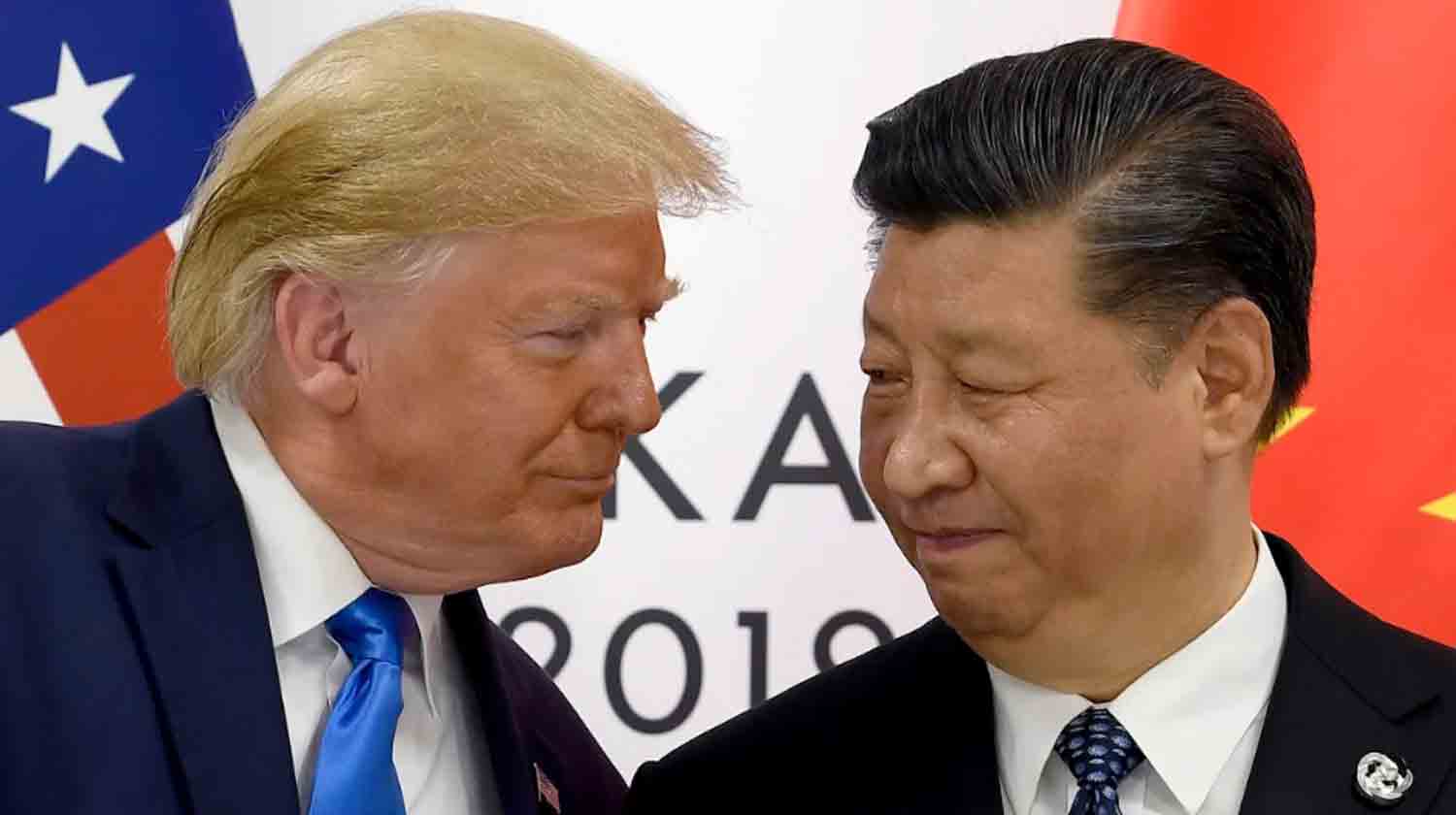
As Donald Trump intensifies his tariff threats against China, analysts suggest that Beijing is proactively implementing its own restrictions to engage the next U.S. president in negotiations before a potential trade war escalates. Drawing from the experiences of the previous trade conflict during Trump’s first term, China aims to gather leverage for discussions with the incoming U.S. administration on contentious issues related to trade, investment, and technology. Additionally, there are concerns regarding the detrimental impact of further tariffs on China’s already vulnerable economy.

This week, China initiated an investigation into U.S. semiconductor leader Nvidia, citing alleged antitrust violations, following its recent ban on exports of rare minerals to the U.S. “This should be viewed as an initial offer in what is likely to evolve into negotiations with the U.S., rather than merely imposing tariffs and concluding the matter,” stated Fred Neumann, Chief Asia Economist at HSBC.

According to George Magnus, a research associate at Oxford University’s China Centre, China is now better equipped to handle most tariffs, except for an extreme scenario involving a 60% tariff on all Chinese goods. The second-largest economy in the world has gained a significant foothold in industries such as electric vehicles and green energy, reducing its reliance on Boeing aircraft and large gasoline-powered vehicles that it previously purchased in 2017, as it has found alternatives like Airbus planes and its own Comac C919.

China is not self-sufficient by any means. Analysts suggest that a new trade conflict with the largest economy in the world would disproportionately impact China, as the U.S. could impose even higher tariffs on Chinese imports and further disrupt its supply chains.

China continues to rely on imports of critical materials from the United States, including advanced microchips and other high-tech equipment, while also depending on American consumers to purchase its products amid a bleak global trade environment and sluggish domestic demand.

Beijing is eager to engage with Trump before he implements additional restrictions on U.S. high-tech exports and to ensure the renewal of the U.S.-China Science and Technology Agreement, according to Alicia Garcia-Herrero, chief economist for the Asia Pacific at Natixis.

This agreement, which facilitates scientific cooperation between the two nations, expired in August, and it is unlikely that negotiations for its renewal will conclude before Trump’s inauguration on January 20.

Although Huawei has made significant investments in its chip manufacturing capabilities, their commercial success remains uncertain, prompting Chinese negotiators to seek discussions with their U.S. counterparts to secure a reliable supply of American-made chips.

China has new incentives to offer

In the past, Beijing took two years to agree to purchase an additional $200 billion in U.S. goods and services as part of the “Phase One” agreement that concluded the initial trade war.

This time, China has new incentives to offer, such as increasing its imports of oil and liquefied natural gas, as the U.S. is currently producing more than it can consume.

Trump asserted during his campaign, “Drill baby, drill,” indicating that he will require support for demand, according to Bo Zhengyuan, a partner at the consultancy Plenum based in Shanghai. With the growing limitations on chip exports, Bo noted that agricultural products, commodities, and energy remain among the few items the U.S. can still export to China.

In response to inquiries, China’s commerce ministry expressed its willingness to engage and communicate with the economic and trade teams of the Trump administration. However, Beijing possesses leverage over Washington, particularly if the U.S. perceives that China’s inability to fulfill previous purchase commitments could lead to greater benefits from tariffs than from negotiations.

Michael Hart, president of the American Chamber of Commerce in China, highlighted that U.S. companies are already experiencing pressure. “There is significant concern among U.S. and other foreign companies regarding their access to this market,” Hart stated. “Are we still able to sell in China? Is there a complete ban on our operations?”

According to a September survey conducted by the American Chamber’s Shanghai chapter, business sentiment among U.S. firms in China has reached its lowest point since 1999. Additionally, non-economic factors are influencing the situation. Trump has committed to imposing an additional 10% tariff on Chinese goods to compel Beijing to take stronger action against fentanyl trafficking into the U.S.

“Employing political justifications for trade restrictions ultimately exacerbates tensions,” remarked Neumann from HSBC. The proposed fentanyl tariffs also reflect China’s own import restrictions on trading partners that offend Beijing over matters such as human rights, Taiwan, and the South China Sea.

“It’s akin to adopting a strategy from China’s playbook of coercion,” Magnus commented. “They would likely perceive it as a significant affront.”

Russia has launched a major missile strike on Ukraine’s power infrastructure, reports Kyiv

0
People take shelter inside a metro station during a Russian military strike, amid Russia's attack on Ukraine, in Kyiv, Ukraine.

Russia conducted a significant missile assault on Ukrainian energy infrastructure during the morning rush hour on Friday, according to reports from Kyiv. Explosions were also reported in the Black Sea port city of Odesa and various locations in western Ukraine.

Throughout much of the year, Russian forces have focused on Ukraine‘s electricity network, intensifying their campaign last month, which has resulted in prolonged power outages affecting millions as the conflict approaches its 34th month.

Russia‘s objective is to strip us of our energy resources. In response, we must eliminate its capacity for terror. I once again urge the immediate provision of 20 NASAMS, HAWK, or IRIS-T air defense systems,” stated Foreign Minister Andrii Sybiha in a post on X.

An industry insider informed Reuters that the missile strikes on Friday specifically targeted Ukrainian power substations and included a greater number of attacks on gas infrastructure compared to previous operations.

As the assault progressed, energy officials announced extended emergency power outages, though it remained unclear if this was due to new damage or a precautionary measure. There were no immediate reports of injuries or fatalities.

According to the CEO of power company Yasno, approximately half of its 3.5 million customers were without electricity on Friday morning. The full extent of the damage remains difficult to determine, as officials have been reticent to provide detailed information following repeated Russian strikes on the power grid.

Lviv Region Under Attack

Officials in the Lviv region have confirmed that energy facilities have been targeted, necessitating adjustments to the power outage schedule due to reported damage. While Russia claims it does not aim at civilian infrastructure, it considers the power grid a legitimate military target. This year, Ukraine’s energy infrastructure has endured 11 waves of assaults, resulting in extensive damage and prolonged power outages nationwide.

The morning missile strike followed an overnight assault involving numerous drones. Concurrently, Russian forces are achieving their most rapid territorial advances in eastern Ukraine since 2022, as they strive to capture the entire industrial Donbas region. “The enemy persists in its campaign of terror. Once again, the energy sector throughout Ukraine is facing significant attacks,” Galushchenko stated in a Facebook post.

Switzerland is set to upgrade its network of nuclear bunkers that dates back to the Cold War

0
Bunk beds are seen in the atomic shelter underneath the civil protection building in Gollion, Switzerland.

Switzerland is planning to modernize its aging network of nuclear shelters, which have gained renewed importance amid rising global uncertainties, particularly following Russia’s invasion of Ukraine. A law enacted in 1963 places Switzerland ahead of neighboring countries like Germany, ensuring that all 9 million residents, including foreigners and refugees, have access to a bunker for protection against bombs and nuclear fallout.

Louis-Henri Delarageaz, the civil protection commander for the Vaud canton, informed Reuters that the Swiss Confederation intends to eliminate some exceptions to existing regulations and refurbish older shelters in the coming years. The government initiated consultations in October to bolster Swiss “resilience in the event of armed conflict” and is planning a 220 million Swiss franc ($250 million) investment to upgrade these facilities.

“This does not imply that we are preparing for conflict – that is not the intention – but we have a network of shelters that must be maintained and kept operational,” he stated. In the village of Bercher, civil protection personnel in orange uniforms conducted a mandatory inspection of a bunker located beneath an apartment building as part of a routine 10-year evaluation. During the inspection, one officer attempted to close the bunker door, but it remained stuck. An air vent, positioned between potted plants and a stone decoration, was found to be in good condition, while an escape tunnel filled with cobwebs led to a deep manhole that lacked a ladder.

The current condition of the shelter renders it unusable, stated team leader Gregory Fuhrer. He mentioned that residents will have a year to address the issues; otherwise, they will each be required to pay 800 francs ($900) for accommodation in a public shelter.

Since adopting a policy of neutrality in 1815, Switzerland has refrained from engaging in foreign conflicts. The country experienced French occupation in the 18th century and endured some aerial bombings during World War II.

Delarageaz reported a significant increase in inquiries from concerned residents regarding shelters following Russia’s invasion of Ukraine in 2022.

“Suddenly, we became highly sought after, with many people asking about the locations of shelters, their assigned places, and the readiness of their shelters,” he explained, noting that requests from French citizens had to be declined.

Adjacent to his office is one of the canton’s 350 communal shelters, which is well-maintained and equipped with bunk beds and restrooms. Close by is an underground command center, an underground hospital featuring an operating room, and a bunker designed to protect artworks.

“In Switzerland, we prioritize foresight,” Delarageaz remarked. “There is a Latin saying: ‘If you want peace, prepare for war.'”