Wednesday, April 22, 2026
Home Blog Page 109

Poland wants more NATO members to help police Baltic Sea

0
Poland's Minister of Defence Wladyslaw Kosiniak-Kamysz

Poland is advocating for increased participation from NATO member navies in the policing of the Baltic Sea, including those from outside the region, due to the perceived threat from Russia, according to Polish Defence Minister Wladyslaw Kosiniak-Kamysz. He indicated that Warsaw will seek broader involvement from allies at the upcoming NATO summit in The Hague next June, as mentioned in an interview with Reuters.

The urgency of securing the Baltic region was highlighted in November when two undersea fibre-optic cables were severed, with allied nations suspecting sabotage.

Kosiniak-Kamysz emphasized that just as allies monitor and secure the airspace over the Baltic states, nations beyond the immediate area should also participate in naval patrols in the sea. “Countries that are distanced from the conflict in Ukraine, those not as directly involved as Poland, should also play a role in ensuring security in this manner,” he stated.

His remarks resonate with a growing sentiment among European leaders that there is an urgent need to strengthen defenses, fueled by concerns that a European Union nation could be the next target of Russian President Vladimir Putin following Ukraine.

The potential return of Donald Trump to the presidency and the United States’ shifting focus towards China have further heightened these concerns. When asked about Poland’s readiness to counter Russia, Kosiniak-Kamysz replied, “Many of the actions being taken are driven by the principle of deterrence, primarily to ensure that it is not advantageous for any nation, particularly the clearly defined adversary, the Russian Federation, to launch an attack on Europe or NATO member states.”

He pointed out that Germany and France are nations capable of providing naval forces for the patrol of the Baltic Sea. When asked about potential U.S. assistance, Kosiniak-Kamysz remarked, “Europe must demonstrate its capacity to defend itself to ensure continued American presence on the continent.”

The prospect of Trump securing a second presidential term has sparked concerns regarding the U.S. commitment to Ukraine amid its conflict with Russia, as well as Washington’s involvement in NATO.

However, with the new administration set to take office on January 20, Kosiniak-Kamysz perceives a chance for Poland. He noted that Poland has established itself as a reliable business partner and a steadfast ally, being the largest NATO defense spender relative to GDP and a significant buyer of U.S. military equipment.

Due to escalating threats, Poland has consistently emphasized the necessity of increasing defense expenditures. Kosiniak-Kamysz stated that the EU should allocate a minimum of 100 billion euros for defense, asserting that “without a fundamental change in the European Union’s current strategy, which invests only one and a half billion euros in the defense sector, the situation will deteriorate.”

NATO Secretary-General Mark Rutte has urged the alliance to enhance military assistance to Ukraine in response to Russia’s invasion, aiming to bolster Kyiv’s negotiating position in potential discussions with Moscow to resolve the conflict.

Norway has announced the deployment of its F-35 fighters to protect Polish airspace; however, Polish MiG-29 jets, which President Volodymyr Zelenskiy has consistently requested, are not yet available for transfer to Ukraine, according to Kosiniak-Kamysz.

He stated, “The conditions necessary for the Polish state to achieve complete security are not fulfilled. We require a comprehensive support schedule.” While Poland appreciates Norway’s deployment, it anticipates further contributions from its allies and is actively engaging in discussions with them.

German minister warns that Syria’s situation underscores the risks for nations reliant on Russia

0
German Defence Minister Boris Pistorius attends a session of Germany's lower house of parliament, the Bundestag, in Berlin, Germany.

Recent events in Syria indicate that nations maintaining a strategic alliance with Russia can depend on Moscow only as long as they serve President Vladimir Putin‘s interests, stated German Defence Minister Boris Pistorius on Wednesday.

During a brief visit to Jordan, Pistorius made a stop at the Al-Azraq air base before proceeding to Baghdad, where he plans to discuss strategies for stabilizing the region following the potential downfall of Syrian President Bashar al-Assad.

Pistorius remarked that Putin’s reliability is contingent upon whether it aligns with his own interests, as Western nations compete with Russia and China for influence and resources in Africa. Russia has yet to respond to his comments.

While Pistorius did not clarify the implications of the developments in Syria for Germany’s role in the region, he indicated that the country’s military presence in the Middle East, which includes approximately 600 troops, is likely to increase rather than decrease.

“This presents a crucial opportunity that we must fully leverage,” the minister emphasized, cautioning against overly optimistic expectations. “Syria must not fall under the control of external powers like Russia, Iran, or Hezbollah once more. The path ahead will be neither short nor simple, but we should assist Syria in achieving a peaceful future for its citizens and greater stability in the region.”

Germany has been part of a U.S.-led coalition comprising approximately 70 nations, maintaining a military presence in Iraq since 2015. This deployment aims to support local forces in their efforts to thwart the resurgence of the Islamic State, which captured significant territories in Iraq and Syria in 2014 but has since been largely repelled. The Al-Azraq base in Jordan serves as a logistical center for this mission, from which the German air force conducts air-to-air refueling operations. The mission in Iraq is scheduled to conclude by September of next year.

Additionally, Germany has contributed around 300 troops to the UNIFIL peacekeeping operation, which oversees the demarcation line with Israel. This region has experienced over a year of conflict involving Israeli forces and Hezbollah fighters backed by Iran.

Russia claims Ukraine used US-supplied ATACMS missiles on an airfield and vows retaliation

0
A US-made Army Tactical Missile System (ATACMS) is pictured in Queensland, Australia.

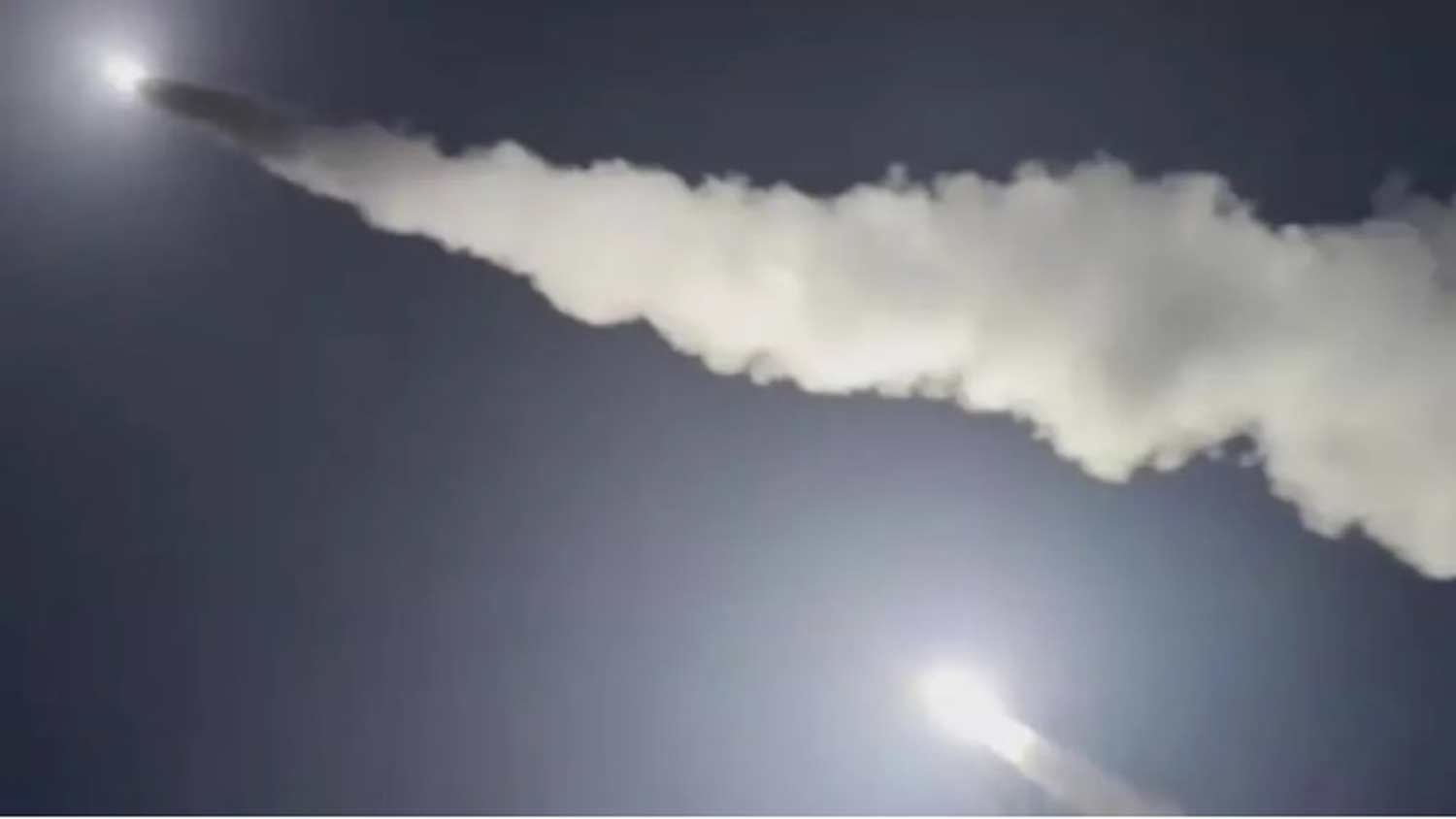
Russia’s Defence Ministry reported that Ukraine launched an attack on a military airfield in Taganrog, a southern city in Russia, on Wednesday morning, utilizing six ATACMS missiles supplied by the United States. The ministry indicated that all six missiles were either shot down or intercepted; however, debris from the missiles resulted in injuries to some personnel.

According to the statement, there was no significant damage, although two buildings within the technical area of the airfield and three military vehicles, along with civilian cars in the nearby parking lot, sustained minor damage from shrapnel.

The ministry emphasized that this assault involving Western long-range weaponry would not go unanswered, and appropriate countermeasures would be implemented.

UN chief expresses optimism for Syria following the conclusion of the Assad regime

0

United Nations Secretary-General Antonio Guterres expressed optimism regarding the situation in Syria following the recent ousting of President Bashar al-Assad by rebel forces. During his visit to South Africa on Wednesday, he remarked, “As we speak, we are witnessing the reshaping of the Middle East. … We also see some signs of hope, particularly stemming from the conclusion of the Syrian dictatorship.”

For five decades, Syria was characterized as one of the most repressive police states in the Middle East under the Assad family’s rule. After his meeting with South African Foreign Minister Ronald Lamola in Pretoria, Guterres emphasized the UN’s commitment to facilitating a seamless transition of power in Syria.

He stated, “It is our responsibility to support various Syrian leaders to ensure they unite and create a smooth, inclusive transition where all Syrians feel a sense of belonging. The alternative is simply not viable.”

NATO nations are rapidly boosting their defense expenditures

0

Poland will prioritize joint defense financing during its upcoming EU presidency, in light of concerns stemming from the Ukraine conflict and the potential return of NATO-skeptic Donald Trump to the White House, according to Finance Minister Andrzej Domanski.

In response to Russia’s invasion of Ukraine, European countries, including Germany, are urgently increasing their defense budgets. Trump’s warning that he may withhold support from European nations under attack unless they allocate at least 2% of their GDP to defense has further intensified this urgency.

Domanski emphasized the need for Europe to take the eastern threat from Russia seriously, stating that a return to previous norms is not an option. He highlighted the necessity for a unified strategy rather than the current fragmented approaches. “From discussions with fellow finance ministers, there is a strong consensus that Europe must significantly enhance its defense efforts,” he remarked.

Poland will assume the rotating six-month presidency of the EU in January. The European Commission has projected that enhancing EU defense capabilities could cost around 500 billion euros ($525 billion) or more over the next decade, leading to the establishment of a new defense commissioner position.

In April, EU finance ministers are scheduled to convene in Warsaw to explore potential financing models, as Domanski noted. While he refrained from specifying the exact funding required, he pointed out that substantial initiatives, such as a European air defense system, hinge not only on financial resources but also on collaboration among nations.

He emphasized the necessity for increased efficiency, labeling Europe’s 12 distinct tank systems as “insane.” Any collaborative financing model would likely involve new joint EU borrowing, a contentious concept in Germany that encounters legal hurdles regarding shared debt. Diplomats indicate that these legal challenges could be circumvented if the new borrowing is framed as a one-time emergency response, similar to the measures taken after COVID-19.

Diplomatic discussions are reportedly focused on two primary approaches: one that would utilize the EU’s long-term budget as collateral for new borrowing, akin to the EU’s 800 billion euro recovery fund established post-COVID.

The alternative involves creating a special purpose vehicle (SPV) with contributed capital that would secure loans against that capital, modeled after the European Stability Mechanism (ESM), which has the capacity to lend up to 500 billion euros. The EU budget option presents greater challenges, as it necessitates unanimous agreement from all 27 EU member states, including Hungary, which maintains strong relations with Moscow. This approach would also restrict participation to EU members and place the European Commission in charge, a scenario that some nations are hesitant to accept in the realm of defense policy.

Establishing an SPV would allow the EU to include other countries such as Britain and Norway, maintain governmental oversight rather than Commission control, and keep the incurred debt off national balance sheets. “There are several potential solutions being considered. It is too early to determine which will be selected,” Domanski remarked.

The extent of the EU’s financing requirements will become clearer following the release of a report by the new EU Defence Commissioner, Andrius Kubilius, expected by early March. Currently, discussions regarding financing options are still in their infancy. “We might be putting on our shoes before we even reach the starting line,” noted one EU diplomat.

Russia is closely monitoring developments in Syria and stresses the need to protect its military installations

0
Naval personnel stand in front of the Russian aircraft carrier Kuznetsov in the Syrian city of Tartous on the Mediterranean sea

Russia announced on Wednesday that it is actively monitoring developments in Syria and is in communication with those currently managing the situation.

Kremlin spokesperson Dmitry Peskov emphasized the importance of safeguarding Russia’s diplomatic missions and military installations in Syria, where Russian forces have been stationed for years to support the Syrian military during the civil conflict.

Peskov’s remarks followed the recent advance of Syrian rebels into Damascus, which resulted in the ousting of President Bashar al-Assad. Assad subsequently sought refuge in Russia, where officials confirmed he was granted asylum.

The fall of Assad has also negatively impacted Iran’s strategic interests in the region, severing a land route for weapon deliveries to the Iran-aligned Hezbollah group in Lebanon and limiting areas where Iranian militias could operate.

Iran’s Supreme Leader Ayatollah Ali Khamenei dismissed the notion of a diminished Iranian presence in the region, which encompasses support for Hamas in Gaza, militias in Iraq, and Houthi forces in Yemen.

Khamenei further asserted that the events in Syria were orchestrated as part of a U.S.-Israeli agenda, suggesting that a “neighboring state” played a role in Assad’s removal. While he did not specify the country, Turkey, which shares a border with Syria, has been a significant backer of opposition groups.

As Syrians strive to shape their nation’s future, Pope Francis expressed his hope on Wednesday for a political resolution that fosters “the stability and unity of the country.”

“I pray… that the Syrian people may live in peace and security in their beloved land and that different religions may coexist in friendship and mutual respect for the benefit of a nation long afflicted by war,” the Pope stated.

A day after his selection to head an interim government, Mohammed al-Bashir urged Syrians who have fled the country to return.

In an interview with Italy’s Corriere della Sera, Bashir emphasized that one of his primary objectives is to facilitate the return of millions of Syrian refugees, asserting that their skills and experiences would contribute significantly to the nation’s revival.

According to the United Nations, approximately 5 million Syrian refugees are currently residing in neighboring countries.

During a briefing on Tuesday, U.N. special envoy for Syria Geir Pedersen warned against hastily repatriating refugees, characterizing the humanitarian conditions in Syria as “disastrous” and the economy as having “collapsed.”

Russian Foreign Ministry says Moscow is not ready to make any concessions regarding Ukraine

0

The Russian Foreign Ministry stated on Wednesday that Moscow is unwilling to make concessions regarding Ukraine, emphasizing that President Vladimir Putin’s proposals for resolving the conflict must be acted upon.

Maria Zakharova, the ministry’s spokeswoman, made these remarks in response to U.S. President-elect Donald Trump’s call on Sunday for an immediate ceasefire and negotiations between Ukraine and Russia to put an end to “the madness.”

Ukrainian President Volodymyr Zelenskiy, who has been advocating for his country’s inclusion in the NATO military alliance, reacted to Trump’s statements by asserting that Kyiv requires robust security guarantees.

Zakharova remarked that those who believe Russia would concede on Ukraine either lack historical perspective or do not fully understand the situation. She reiterated that Putin’s peace proposals must be put into practice.

The Kremlin leader has insisted that Ukraine should not join NATO and that Russia requires control over the entirety of the four Ukrainian regions he claims are now part of Russia for peace to be achieved.

Afghan Minister Khalil Ur-Rahman Haqqani was killed in an explosion at the ministry’s offices

0
Afghan Taliban's Refugee & Repatriation Minister Haji Khalil ur Rahman Haqqani attends the death anniversary of Mullah Mohammad Omar, the late leader and founder of Taliban, in Kabul

The Afghan minister for refugees was killed on Wednesday due to an explosion at the ministry’s offices in Kabul, according to a government source who spoke to AFP.

“Regrettably, an explosion occurred at the Ministry of Refugees, resulting in the martyrdom of Minister Khalil Ur-Rahman Haqqani along with several of his colleagues,” the official, who requested anonymity, stated.

Khalil Ur-Rahman Haqqani was the sibling of Jalaluddin Haqqani, the founder of the notorious Haqqani network, which has been linked to some of the most brutal attacks during the Taliban’s two-decade insurgency.

He was also the uncle of Sirajuddin Haqqani, the current interior minister.

Since the Taliban’s takeover of Afghanistan in 2021, violence has decreased significantly, marking the end of their conflict with U.S. and NATO forces. However, the regional affiliate of the Islamic State, known as Islamic State Khorasan, remains active in Afghanistan, frequently targeting civilians, foreigners, and Taliban officials through gun and bomb attacks.

Israeli airstrikes have killed at least 33 Palestinians in Gaza, medical sources report

0

Israeli airstrikes across the Gaza Strip resulted in the deaths of at least 33 Palestinians on Wednesday, with the majority occurring in an attack on a residence in Beit Lahiya, located at the northern edge of the enclave, according to medical sources.

The strike in Beit Lahiya claimed the lives of at least 22 individuals, including women and children, as reported by health officials. Family members shared the names of the deceased on social media platforms.

Prior to the attack, over 30 people were residing in the multi-storey building, and several relatives remain unaccounted for as rescue efforts continued into the morning, as stated by the Palestinian WAFA news agency.

The Israeli military informed Reuters that the strike was aimed at Hamas militants near the Kamal Adwan Hospital, situated between Beit Lahiya and Jabalia, both of which have been under Israeli siege for two months. The military indicated that it was still reviewing the incident but characterized the casualty figures provided by Palestinian medical personnel and media as “inaccurate” and inconsistent with their own data.

In the nearby area of Beit Hanoun, also under siege, medics reported that an Israeli airstrike resulted in multiple casualties, although an exact number was not provided. Rescue teams indicated that several individuals were trapped beneath the debris.

Earlier on Wednesday, an Israeli airstrike on a house in the Nuseirat camp in central Gaza led to the deaths of at least seven Palestinians, with additional injuries reported, according to medics. The Palestinian Civil Emergency Service and medical personnel also reported that four other individuals were killed in separate airstrikes on two residences in Gaza City, including journalist Eman Al-Shanti and her son. The Palestinian Union of Journalists noted that she was the 193rd journalist killed by Israeli forces since the onset of the conflict.

The Israeli military announced that two rockets were launched from the central Gaza Strip into Israel, landing in uninhabited areas and resulting in no injuries. This incident highlights the ongoing capability of Gaza militants to conduct rocket strikes despite enduring 14 months of extensive Israeli aerial and ground operations.

Later on Wednesday, the Israeli military instructed residents of the Al-Maghazi camp in central Gaza to evacuate due to rocket fire originating from that region. Residents were advised to move towards a designated humanitarian zone along the Mediterranean coast.

Palestinian and United Nations representatives assert that there are no truly safe locations within the ravaged enclave. Israel contends that civilian casualties arise from Hamas’s strategy of operating within civilian populations, a claim that Hamas disputes.

The conflict has primarily concentrated in the northern regions, where Israeli forces have been active in Beit Hanoun, Beit Lahiya, and Jabalia since October 5. Israel maintains that its operations aim to thwart Hamas from regrouping and launching further attacks from these areas. Conversely, Palestinian officials and local residents accuse Israel of attempting to depopulate the region to establish a buffer zone along Gaza’s northern border, a claim that Israel refutes.

The hostilities between Israel and Hamas escalated following an attack by Hamas-led fighters on October 7, 2023, which resulted in the deaths of 1,200 individuals and the abduction of over 250 hostages, according to Israeli reports. This assault prompted Israel’s military response against Hamas in Gaza, which, according to health authorities in Gaza, has resulted in the deaths of more than 44,800 Palestinians.

Russia advises its citizens to refrain from traveling to Western countries

0
Spokeswoman of Russia's Foreign Ministry Maria Zakharova

On Wednesday, Russia announced that the current state of relations with the United States has become so adversarial that Russian citizens are advised against traveling to the United States, Canada, and certain EU nations due to the potential risk of being pursued by U.S. authorities.

Maria Zakharova, spokesperson for the Russian Foreign Ministry, indicated that the relationship with the United States is on the brink of collapse. She stated, “Given the escalating tensions in Russian-American relations, which are nearing a breaking point due to actions taken by Washington, traveling to the United States—whether for personal or official reasons—poses significant risks.”

Zakharova further urged citizens to avoid travel to the United States and its allied nations, particularly Canada and select European Union countries, during the holiday season.

Diplomats from both Russia and the U.S. have expressed that the current relationship is at its lowest point since the Cuban Missile Crisis in 1962, primarily due to ongoing disputes related to the conflict in Ukraine.

Tensions escalated last month when Ukraine utilized U.S. and British missiles to target Russian territory, prompting Russia to lower its nuclear threshold. Both nations have accused each other of unjustly detaining their citizens on baseless charges.


Biden urges renewed efforts on Russia, Iran, North Korea, and China before Trump’s presidency

0
U.S. President Joe Biden speaks during a dinner with U.S. service members and their families ahead of Thanksgiving at U.S. Coast Guard Sector New York on Staten Island, New York, U.S.

President Joe Biden is urging U.S. national security agencies to develop new strategies to address the increasingly concerning relationships among Russia, Iran, North Korea, and China, ahead of Donald Trump‘s inauguration, as reported by U.S. officials.

In a national security memorandum released on Tuesday, Biden noted that Iran is assisting Russia in its military efforts in Ukraine, in return for which Moscow is providing Iran with fighter jets, missile defense systems, and space technology.

Additionally, Russian President Vladimir Putin is supplying North Korea with fuel, financial support, and technology, while also acknowledging it as a de facto nuclear power. The administration highlighted that Russia is engaging in joint patrols with China in the Arctic region.

Although the classified document was shared with reporters in broad terms, it has not been independently verified by Reuters. Russia, China, Iran, and North Korea have previously challenged similar evaluations and accused the U.S. of destabilizing actions.

Biden’s memorandum instructs various U.S. government sectors to reorganize their regional groups to more effectively address the interconnected issues involving these four nations across Europe and Asia. The strategies and policy recommendations outlined in the document may be adopted or dismissed by President-elect Trump, who will assume office on January 20.

A senior administration official, who requested anonymity, stated, “When the new team reviews it, I believe they will find nothing that constrains them or favors one policy direction over another.”

An additional official expressed the desire to establish “new options that will enable a fresh team and Congress to effectively commence their work.” The officials highlighted that the upcoming challenges involve ensuring that any sanctions and export controls imposed on the four nations are implemented in a coordinated manner to avoid potential backlash from those countries, as well as allowing the United States to manage multiple crises involving several of these nations more effectively. For example, North Korean troops are currently deployed in Russia.

“We are now in an environment where our adversaries and competitors are rapidly learning from each other,” one official remarked. However, another official pointed out the limitations of cooperation among these countries, noting that Russia and Iran have not provided support to their ally Bashar al-Assad, the former Syrian president who was ousted over the weekend. “This realignment raises questions for China regarding the future it envisions and whether it truly intends to fully commit to this coalition,” the official stated.

Israel has detained about 30 Jews on suspicion of espionage for Iran

0
Israeli and Iranian flags are seen in this illustration.

Israel’s recent apprehension of nearly 30 predominantly Jewish individuals, suspected of espionage for Iran across nine clandestine networks, has raised significant concerns within the nation. This development highlights Tehran’s most extensive attempt in decades to penetrate its primary adversary, according to four Israeli security officials.

The alleged networks reportedly aimed to achieve several objectives, including the assassination of an Israeli nuclear scientist and former military personnel. Additionally, one group was tasked with collecting intelligence on military installations and air defense systems, as stated by the Shin Bet security service. Recently, the agency, along with Israeli police, revealed that a father-son duo had relayed information regarding the movements of Israeli forces, particularly in the Golan Heights where they resided.

These arrests come in the wake of persistent efforts by Iranian intelligence agents over the last two years to recruit everyday Israelis for intelligence gathering and potential attacks, often in exchange for financial incentives, according to the four military and security officials, who requested anonymity due to the sensitive nature of the issue.

Shalom Ben Hanan, a former senior official at Shin Bet, remarked on the alarming trend, noting the unexpectedly high number of Jewish citizens who willingly collaborated with Iran against their own state through intelligence collection or planning acts of sabotage and violence.

Neither Shin Bet nor the police provided comments when approached for clarification. Iran’s foreign ministry also did not address the inquiries. Following the arrests, Iran’s U.N. mission issued a statement that neither confirmed nor denied attempts to recruit Israelis, suggesting that, “from a logical standpoint,” any such initiatives by Iranian intelligence would likely target non-Iranian and non-Muslim individuals to minimize suspicion.

At least two individuals implicated in the recent espionage case are associated with Israel’s ultra-Orthodox community, according to statements from police and the Shin Bet. In contrast to past Iranian espionage efforts that involved prominent figures such as a high-profile businessman and a former cabinet minister, the current suspects appear to be individuals on the outskirts of Israeli society. This includes recent immigrants, an army deserter, and a convicted sex offender, as revealed through discussions with sources, court documents, and official declarations.

Their activities primarily consisted of vandalizing property with anti-Netanyahu and anti-government graffiti, as well as damaging vehicles, according to the Shin Bet. The extensive nature of the arrests, which included numerous Jewish Israelis alongside Arab citizens, has raised alarms within Israel, particularly as the nation remains engaged in conflict with Iran-backed Hamas in Gaza and faces a precarious ceasefire with Hezbollah. On October 21, the Shin Bet characterized the espionage activities as “among the most severe the state of Israel has known.”

These arrests come in the wake of a series of attempted assassinations and kidnappings linked to Tehran in both Europe and the United States. The decision to publicly disclose detailed accounts of the alleged conspiracies was a strategic move by Israel’s security agencies to convey a message to both Iran and potential internal saboteurs that they would face consequences, as noted by Ben Hanan. He emphasized the importance of raising public awareness and setting an example for those who might consider collaborating with adversaries.

In recent years, Israel has achieved significant intelligence victories in its ongoing covert conflict with regional adversaries, including the reported assassination of a leading nuclear scientist. According to one active military official, the recent arrests have so far disrupted Tehran’s attempts to retaliate.

Iran has experienced a decline in its influence due to Israel’s military actions against its proxy, Hezbollah, in Lebanon, as well as the diminishing power of Tehran’s ally, former president Bashar al-Assad in Syria.

SOCIAL MEDIA RECRUITMENT

Israeli police released a video in November highlighting that Iranian intelligence agencies frequently target potential recruits through social media platforms, indicating ongoing infiltration efforts.

These recruitment strategies can be quite direct. One message directed at an Israeli civilian, which was reviewed by Reuters, offered $15,000 in exchange for information, including contact details for further communication.

Additionally, Iran has reached out to expatriate Jewish communities from Caucasus nations residing in Canada and the United States, according to a former senior official involved in Israel’s counter-espionage operations until 2007.

Israeli officials have publicly stated that some of the Jewish individuals under suspicion originated from Caucasus countries.

Initially, recruited individuals are given seemingly harmless tasks for compensation, but handlers gradually escalate their demands for specific intelligence regarding targets, including individuals and sensitive military assets, often accompanied by threats of blackmail, as noted by the former official.

One Israeli suspect, Vladislav Victorsson, 30, was apprehended on October 14 alongside his 18-year-old girlfriend in Ramat Gan, near Tel Aviv. He had previously been incarcerated in 2015 for engaging in sexual activities with minors as young as 14, according to a court indictment from that period.

An acquaintance of Victorsson informed Reuters that he had mentioned communicating with Iranians via the Telegram messaging app. She also stated that Victorsson had misrepresented his military background to his handlers. The acquaintance chose to remain anonymous due to safety concerns.

Igal Dotan, the attorney for Victorsson, informed Reuters that he is representing the accused, noting that the legal proceedings will require time and that his client is currently enduring harsh conditions. Dotan emphasized that he is only addressing the present case and has not previously defended Victorsson in earlier legal matters.

According to statements from Shin Bet and the police, Victorsson was aware that he was collaborating with Iranian intelligence, engaging in activities such as graffiti vandalism, concealing funds, distributing flyers, and setting vehicles on fire in Hayarkon Park, for which he received more than $5,000.

The investigation released by the security agencies revealed that he later consented to execute an assassination of an Israeli figure, throw a grenade into a residence, and sought to acquire a sniper rifle, handguns, and fragmentation grenades. Additionally, he enlisted his girlfriend, who was responsible for recruiting homeless individuals to document protests, as reported by the security services.

Mohammed al-Bashir: What is known about Syria’s newly appointed interim prime minister?

0
Head of Hay'at Tahrir al-Sham's 'Salvation Government' in northwest Syria Mohammed al-Bashir, holds a press conference in Idlib

Mohammed al-Bashir has been appointed as the interim prime minister of Syria following the ousting of Bashar al-Assad. This decision was made after a meeting on Monday between Abu Mohammad al-Jolani, the leader of Hay’at Tahrir al-Sham (HTS), and the outgoing Prime Minister Mohammed Jalali along with Vice President Faisal Mekdad to discuss the formation of a transitional government.

Bashir stated on Tuesday, as reported by state media, that “the general command has tasked us with running the transitional government until 1 March.” HTS was instrumental in the rapid 12-day offensive that led to the fall of the Assad regime, which had been in power for over sixty years.

Since January 2024, Bashir has served as the head of the Syrian Salvation Government, an administration controlled by HTS in the Idlib region. An engineer by profession, he was born in the Jabal Zawiya area of Idlib in the mid-1980s.

His curriculum vitae, released by the Salvation Government, indicates that he studied electrical engineering at the University of Aleppo. Additionally, he holds qualifications in English, administrative planning, project management, and a degree in Sharia and law from the University of Idlib.

Prior to his role in the opposition administration, Bashir was the head of the precision instruments department at the Syrian Gas Company.

He departed from that position in 2021 and subsequently aligned himself with “the ranks of the revolutionaries” in Idlib, as indicated in his CV. He held the role of minister of development and humanitarian affairs for the Salvation Government from 2022 to 2023.

In January, Bashir was elected as the prime minister by the Shura Council of the Idlib administration.

Bashir’s campaign focused on modernizing the government through technological advancements, enhancing the economy, and addressing the humanitarian needs of displaced individuals in Idlib, as reported by Levant24, a Syrian news outlet, in January.

Since the onset of the Syrian civil war in 2011, Idlib has been governed by various opposition factions opposing the Damascus regime. In 2017, HTS solidified its dominance over the region.

The Salvation Government is viewed as a technocratic body, with certain governance aspects, such as health and education, assigned to local entities and international aid organizations, while it maintains control over security and economic matters.

However, under HTS’s administration in Idlib, freedom of expression has been severely restricted, with violence and arbitrary detentions employed to suppress dissenting opinions.

Refugees are returning to Syria following the appointment of a caretaker prime minister

0
People smile for a picture at the Masnaa border crossing between Lebanon and Syria, after Syrian rebels ousted Syria's Bashar al-Assad, December 10, 2024.

Refugees from Syria civil war began returning home on Wednesday, following the announcement of a new interim prime minister who claimed to have the support of the rebels that overthrew President Bashar al-Assad.

U.S. officials, in discussions with the rebel group Hayat Tahrir al-Sham (HTS), advised against assuming immediate control of the nation. They emphasized the importance of establishing an inclusive process for creating a transitional government.

Secretary of State Antony Blinken stated that the new administration must “commit to fully respecting the rights of minorities, ensuring humanitarian aid reaches all those in need, and preventing Syria from becoming a haven for terrorism or a threat to neighboring countries.”

HTS, which was previously affiliated with al-Qaeda and played a significant role in the anti-Assad movement, has recently sought to distance itself from its jihadist origins.

In a short speech broadcast on state television on Tuesday, Mohammed al-Bashir, a relatively unknown figure in Syria, announced that he would head the interim authority until March 1. “Today we convened a cabinet meeting that included members from the Salvation government operating in Idlib and its surroundings, as well as representatives from the ousted regime,” he stated. Bashir previously led the rebel-backed Salvation Government before the rapid offensive that captured Damascus.

Two flags were positioned behind him: the green, black, and white flag representing Assad’s opponents throughout the civil war, and a white flag emblazoned with the Islamic declaration of faith in black lettering, commonly displayed by Sunni Islamist fighters in Syria.

REBUILDING SYRIA

The task of rebuilding Syria will be monumental in the aftermath of a civil war that claimed hundreds of thousands of lives. Many cities lie in ruins, vast areas of countryside have been abandoned, the economy has been severely impacted by international sanctions, and millions of refugees continue to reside in camps following one of the largest displacements in recent history.

As European nations have suspended asylum applications for Syrians, some refugees from Turkey and other locations have started to return home. Ala Jabeer wept as he prepared to cross the border from Turkey into Syria with his 10-year-old daughter on Tuesday, 13 years after being forced to flee his homeland due to the war. He is returning without his wife and three children, who perished in the devastating earthquakes that struck the region last year. “God willing, things will be better than they were under Assad’s regime. We have already witnessed the end of his oppression,” he stated. “The primary reason for my return is that my mother lives in Latakia. She can care for my daughter while I work,” Jabeer explained.

In Damascus, the capital of Syria, banks reopened for the first time since the overthrow of Assad on Tuesday. Shops resumed operations, traffic returned to the streets, street cleaners were actively working, and there was a noticeable decrease in the presence of armed individuals.

U.S. CAUTION

Jon Finer, the U.S. Deputy National Security Adviser, informed Reuters that Washington is still determining its approach to engaging with rebel groups, emphasizing that there has not yet been a formal policy shift and that actions are what truly matter. He confirmed that U.S. troops stationed in northeastern Syria for counter-terrorism efforts would remain in place, and the senior U.S. general overseeing the Middle East visited them on Tuesday. State Department spokesperson Matthew Miller refrained from commenting on whether Washington would alter the designation of HTS as a foreign terrorist organization, which currently restricts U.S. assistance to them. “Throughout the years, we have witnessed numerous militant groups that have taken power, claiming they would uphold minority rights, respect religious freedoms, and govern inclusively, only to ultimately fail to fulfill those commitments,” he stated.

Miller indicated that the United States had requested assistance from HTS in locating and rescuing American journalist Austin Tice, who was abducted in Syria in 2012. He emphasized that this matter is a “priority” for Washington.

ISRAELI INCURSION

Israeli airstrikes have targeted Syrian army bases, which have retreated in response to the rebel offensive. The Israeli military reported that it has struck a significant portion of Syria’s strategic weapons stockpiles over the last 48 hours.

Defence Minister Israel Katz stated that the objective is to establish a “sterile defense zone” in southern Syria, which would be maintained without a permanent military presence. Israel has deployed forces into a demilitarized zone within Syria and acknowledged on Tuesday that its troops have also occupied positions beyond a buffer zone created after the 1973 Middle East war, although it denied any movement towards Damascus.

This incursion by Israel has drawn condemnation from Turkey, Egypt, Qatar, and Saudi Arabia, adding to the security challenges faced by the new administration, despite Israel’s assertion that its actions are temporary.

Gulf monarchies are showing signs of weakness amid fears of a potential Arab Spring resurgence

0
Rebel fighters pose as they hold a Syrian opposition flag inside the Umayyad Mosque, after rebels seized the capital and ousted Syria's Bashar al-Assad, in Damascus, Syria.

Gulf states that have long sought to suppress Islamic political movements perceived as threats to their authority are now shifting their stance, potentially engaging with a Syrian government led by Hay’at Tahrir al-Sham (HTS), which is supported by Turkey and is seeking to establish relations with the United States.

Saudi Arabia, the UAE, and Egypt have been taken aback by what an Egyptian diplomat described to Middle East Eye as HTS’s “rapid rebranding,” given its history as an al-Qaeda affiliate.

Additionally, the UAE has expressed concern over the US’s efforts to establish backchannel communications with HTS through Turkey, as noted by a senior Western official.

Prior to HTS’s swift campaign to capture Damascus, the UAE was facilitating discussions between Bashar al-Assad’s government and the US. The UAE aimed to negotiate a significant agreement that would allow the Assad regime to remain in power while easing US sanctions in exchange for Assad’s commitment to halt Iranian arms supplies.

A senior Western official involved in Syrian affairs said, “The Emiratis are extremely frustrated. The Americans are aligning themselves with the Turks. The UAE has invested heavily in Assad and is left with nothing to show for it.”

This growing skepticism mirrors the sentiments following the 2011 Arab Spring, when Saudi Arabia and the UAE opposed popular uprisings against authoritarian regimes in the region and accused Turkey and Qatar of supporting the Muslim Brotherhood.

Aron Lund, a Syria expert at Century International, remarked, “Leaders who are already anxious about Islamist movements akin to the Muslim Brotherhood will now face a situation that resembles a more extreme and unpredictable version of it.”

In recent years, Middle Eastern leaders who previously found themselves on opposing sides of proxy conflicts, such as in Libya, have attempted to mend their relationships. Saudi Arabia has strengthened its ties with Qatar, although Doha’s relationship with Abu Dhabi, while improved since the blockade, still experiences tension.

In 2024, Egyptian President Abdel-Fattah el-Sisi, who removed the democratically elected Muslim Brotherhood president Mohammad Morsi from power, held two meetings with Turkish President Recep Tayyip Erdogan.

Erdogan expressed his support for Morsi and notably stated, “I will never engage with someone like him,” in reference to Sisi.

The delicate truce between Sisi and Erdogan may face challenges now that HTS has taken control of Damascus, a significant cultural and economic center in the Arab world.

“Turkey’s influence is clearly increasing,” remarked the Egyptian diplomat. “HTS embodies a more profound Islamic identity than the Muslim Brotherhood ever aspired to. The Muslim Brotherhood could thrive in Syria.”

Only option available

With the strategies of Saudi Arabia and the UAE aimed at rehabilitating Assad now concluded, analysts suggest that the Gulf states have limited alternatives but to engage with HTS and adapt to Turkey’s growing influence.

Reports indicate that HTS’s political affairs office held discussions with the ambassadors from Egypt, the UAE, Jordan, and Saudi Arabia on Tuesday.

Qatar, which has opposed normalization with Assad, announced plans to reopen its embassy in Damascus. Qatar has previously acted as a mediator between the US and various groups deemed “Islamist,” including the Taliban in Afghanistan and Hamas in Gaza.

Gulf leaders are wary that leftover small arms and Captagon from the Assad regime in Syria could cross into their territories.

The ousting of Assad also represents a significant strategic loss for Iran, which relied on Syria as a conduit to the Mediterranean and for supplying arms to Hezbollah in Lebanon. Iran’s embassy in Damascus was among the few diplomatic missions that faced looting by rebels before HTS intervened to restore order.

The oil-rich Gulf states possess significant influence over HTS, which is grappling with the aftermath of Syria’s devastated economy. While Turkey has supported Syrian rebels, it is also preoccupied with its efforts to eliminate Kurdish armed factions backed by the US in northern Syria. The financially strained Turkish government lacks the resources to contribute to what the UN estimates will be a $400 billion reconstruction cost for Syria.

“This presents a crucial opportunity for Arab nations to engage, influence, and support a transitional authority that could mitigate a substantial strategic setback for Iran in the region,” stated Charles Lister, a Syria specialist at the Middle East Institute, in an interview with MEE.

US Signals Intent

The actions and statements from the US following the fall of Assad’s regime indicate a willingness to collaborate with HTS, at least temporarily.

However, Saudi Arabia, the UAE, and even Qatar have advised the US to proceed with caution as it considers the potential lifting of sanctions on HTS, according to a Gulf official.

HTS is classified as a terrorist organization by the US, UN, and Turkey.

On Tuesday, US State Department spokesperson Matthew Miller announced that the US had requested HTS’s assistance in locating and rescuing missing American journalist Austin Tice, who is believed to have been kidnapped in Syria in 2012.

In all our interactions with parties known to communicate with HTS, we have consistently conveyed that our primary focus, as they progress through Syria liberating prisons, is the return of Austin Tice, Miller stated.

This approach sharply contrasts with the way the US engages with other groups labeled as terrorists.

US officials have contemplated the possibility of lifting the $10 million bounty on HTS leader Abu Mohammad al-Jolani. A senior US official informed reporters that Washington is in dialogue with “all Syrian groups.”

In the Gulf region, there is a growing perception that the US is indicating to HTS that alignment with American interests could lead to rewards. HTS has assured Syria’s minority communities, including Christians, Kurds, and Alawites, that they will be part of the new political structure in Syria.

On Sunday, the US conducted extensive airstrikes across Syria targeting the Islamic State (IS) group. US Central Command reported that 75 IS targets were struck in areas previously controlled by Russia.

Regional officials suggest that the US likely developed this target list over the years, and Russia’s withdrawal enabled the US to engage IS, while also sending a message to HTS.

“The scale and intensity of those strikes clearly reflect US preferences, and HTS is in urgent need of US backing,” remarked a Gulf official.

US-supported and Turkish-supported forces have reached an agreement on a ceasefire, according to a commander

0

The Syrian Democratic Forces (SDF), supported by the United States, and the Turkish-backed Syrian National Army (SNA) have agreed to a ceasefire following several days of conflict over the northern city of Manbij, as announced by SDF commander Mazloum Abdi.

In a post on X early Wednesday, Abdi stated, “We have reached a ceasefire agreement in Manbij with US mediation to ensure the safety and security of civilians.” He also mentioned that local SDF fighters would be withdrawn from the area as soon as feasible.

Abdi emphasized the aim of achieving a nationwide ceasefire in Syria and initiating a political dialogue regarding the country’s future.

The SDF had previously reported that the SNA had been assaulting Manbij, located northeast of Aleppo, since November 27, and was making advances toward Kobani, a Kurdish stronghold near the Turkish border. This offensive coincided with a broader campaign by Syrian opposition groups, which recently resulted in the capture of Damascus and the removal of President Bashar Assad.

Turkish media indicated that the SNA was targeting Kurdish militias associated with the SDF, which are deemed terrorist organizations by Turkey.

Since 2011, Syria has been a fractured nation, with the uprising against Assad escalating into a full-scale civil war.

The fragile equilibrium established by the 2020 ceasefire was significantly disrupted earlier this month when Islamist-dominated opposition groups, particularly Hayat Tahrir al-Sham, launched a rapid offensive, seizing several key cities, including Damascus and Aleppo. In response, the SDF initiated its own offensive in eastern Syria, aiming to take advantage of the Syrian government army’s disarray.

Former South Korean defense minister linked to martial law enforcement has reportedly attempted suicide, officials say

0

Former South Korean Defence Minister Kim Yong-hyun, who faces allegations of being a key figure in the unsuccessful attempt to impose martial law on December 3, reportedly attempted suicide while in a detention facility, according to a Justice Ministry official during a parliamentary session.

On Wednesday, South Korean police conducted a search of President Yoon Suk Yeol’s office, as confirmed by a presidential security official, as part of an expanding investigation into the president’s controversial martial law initiative. In a related development, Kim Yong-hyun, a former defence minister and close associate of Yoon, attempted suicide at the detention centre where he is being held following his arrest, as reported by a Justice Ministry representative at the parliamentary hearing.

A presidential security service official verified to Reuters that the police had indeed raided Yoon’s office. The national police agency has not yet provided immediate confirmation regarding the search. According to Yonhap news agency, investigators presented a search warrant that identified Yoon as the target of the investigation. This raid signifies a significant escalation in the inquiry involving Yoon and senior police and military officials concerning the unexpected martial law declaration on December 3, which has led to a constitutional crisis in South Korea, a key U.S. ally and the fourth-largest economy in Asia.

Yoon was not present at the presidential office compound during the raid, according to Yonhap. His official residence is located elsewhere. He has not made a public appearance since he issued an apology on Saturday for attempting to impose martial law.

Kim, the former defense minister, was discovered by guards attempting to take his own life inside a detention facility using his underwear, as reported by Shin Yong-hae, the chief of correction services in the justice ministry, during a session with the parliament’s justice committee.

Shin noted that Kim was under observation and that his life was not in immediate danger. Kim has resigned and has been charged with insurrection.

On Wednesday, the national police chief was arrested, becoming the latest high-ranking official implicated in the martial law declaration, as reported by Yonhap news agency.

Yoon is currently under criminal investigation for insurrection charges and is prohibited from leaving the country; however, he has not yet been arrested or interrogated by authorities.

The leadership crisis has intensified, raising concerns about who is governing the country, while the main opposition party is preparing to conduct a second impeachment vote in parliament on Saturday. Some members of Yoon’s People Power Party (PPP) have expressed support for the motion, which was unsuccessful in the initial vote on December 7.

“The impeachment train has left the platform. There is no stopping it now,” stated DP leader Lee Jae-myung at the beginning of a party meeting. The first impeachment vote last Saturday failed due to a boycott by most PPP members.

National Police Commissioner Cho Ji-ho was arrested early on Wednesday on insurrection charges, as reported by Yonhap. Cho is accused of deploying police forces to prevent lawmakers from entering parliament following Yoon’s martial law declaration on December 3.

Following Yoon’s unexpected late-night announcement, lawmakers, including some from his own party, breached the security perimeter surrounding parliament and voted to demand the immediate repeal of martial law, which Yoon complied with just hours later.

After issuing a public apology on live television Saturday, Yoon has not made any public appearances. Han Dong-hoon, the leader of the PPP, stated that Prime Minister Han Duck-soo would oversee state affairs while the party seeks a “orderly” process for the president’s resignation.

The constitutional validity of this approach has been challenged by opposition parties and various legal experts. Yoon’s office indicated on Tuesday that it had “no official position” when inquired about who was currently governing the country.

Kwak Jong-geun, commander of the Army Special Warfare Command, informed a parliamentary committee on Tuesday that Yoon had instructed him to deploy troops to parliament on December 3, with orders to “break down the door” and “drag out” lawmakers. Former Defence Minister Kim has also faced accusations from military officials regarding issuing similar orders.

Parliament is set to convene on Wednesday to introduce a bill aimed at impeaching Yoon. A two-thirds majority in the opposition-controlled unicameral assembly is required for the bill to pass. Following this, the Constitutional Court will review the case and determine whether to remove the president from office.

Additionally, the country’s metal workers’ union, which includes employees from Kia Corp and other automakers, has announced a protest strike for Wednesday. Members of financial institutions, including the Bank of Korea, are also expected to participate in a protest rally on the same day.

US officials encourage Syrian rebels to back a government that is inclusive during initial meetings

0
The leader of Syria's Hay'at Tahrir al-Sham (HTS) group, Abu Mohammed al-Jolani, addresses a crowd in Damascus' landmark Umayyad Mosque on 8 December, 2024.

The Biden administration has advised the rebel faction responsible for the removal of Syrian President Bashar al-Assad against assuming immediate control of the country. Instead, it has encouraged them to engage in an inclusive process to establish a transitional government, as reported by two U.S. officials and a congressional aide familiar with the initial U.S. interactions with the group.

These communications with Hayat Tahrir al-Sham (HTS), which was previously allied with al-Qaeda and is classified as a terrorist organization by the United States, are being coordinated with Washington’s Middle Eastern allies, including Turkey.

Additionally, the administration is in discussions with President-elect Donald Trump’s team regarding this issue, according to one of the officials.

These talks, which have occurred over the past few days, are part of a broader initiative by Washington to collaborate with various factions within Syria as it seeks to manage the tumultuous aftermath of the abrupt fall of the Assad regime on Sunday. An official, who requested anonymity, indicated that the U.S. has communicated with the group to assist in the early stages of establishing a formal governance framework for the nation.

The sources did not specify whether these communications were direct or facilitated through an intermediary. Washington maintains that the transitional government should reflect the will of the Syrian populace and will not endorse HTS taking control without a structured process for selecting new leadership, the officials noted. The U.S. National Security Council has refrained from commenting on the matter.

TERRORIST DESIGNATION

In 2013, the United States designated Ahmed al-Sharaa, commonly known as Abu Mohammed al-Golani, as a terrorist leader of HTS. The U.S. government stated that al Qaeda in Iraq had assigned him the mission of toppling Assad’s regime and implementing Islamic sharia law in Syria. It also noted that the Nusra Front, HTS’s predecessor, was responsible for suicide bombings that resulted in civilian casualties and promoted a violent sectarian agenda.

An official indicated that the administration remains uncertain about Golani’s potential role in a future Syrian government and whether he continues to hold extremist beliefs. U.S. Secretary of State Antony Blinken outlined criteria for Syria’s political transition, emphasizing that Washington would support a future government that is credible, inclusive, and non-sectarian.

Some lawmakers are advocating for the administration to consider lifting U.S. sanctions on Syria, including those specifically targeting HTS, contingent upon the group meeting certain U.S. conditions, according to a congressional aide who spoke to Reuters.

The aide mentioned a growing sentiment among certain congressional members that the U.S. should assist a transitional government in Syria in establishing connections with the global economy and facilitating the country’s reconstruction, as current sanctions hinder these efforts. Additionally, Washington is maintaining communication with HTS and other local entities regarding military operations, as noted by one official.

Senior U.S. officials have consistently affirmed their commitment to ongoing military actions in northeastern Syria against ISIS to prevent the resurgence of this radical extremist group, especially in light of the existing power vacuum. U.S. forces will also continue to counter the advances of Iranian-backed proxy groups, according to one official.

Israel conducts 480 airstrikes in Syria and captures territory, with Netanyahu pledging to reshape the Middle East

0
The aftermath of suspected Israeli strikes near Mezzeh Air Base, outside Damascus, on December 8.

The downfall of the Assad regime has triggered a significant military reaction from Israel, which has initiated airstrikes on military installations throughout Syria and for the first time in half a century, deployed ground forces into and beyond a demilitarized buffer zone.

On Tuesday, the Israeli military reported conducting approximately 480 strikes across Syria in the preceding two days, targeting many of the nation’s key weapon stockpiles. Defense Minister Israel Katz announced that the Israeli navy had successfully neutralized the Syrian fleet overnight, describing the operation as “a great success.”

Just a day prior, Israeli Prime Minister Benjamin Netanyahu characterized the collapse of Bashar al-Assad’s regime as “a new and dramatic chapter.”

“The disintegration of the Syrian regime is a direct consequence of the significant blows we have dealt to Hamas, Hezbollah, and Iran,” he stated during an unusual press conference on Monday. “The axis has not vanished entirely, but as I promised – we are transforming the landscape of the Middle East.”

Israeli officials have expressed satisfaction over Assad’s downfall, as he was a close ally of Iran and permitted his nation to serve as a supply route for Hezbollah in Lebanon. However, there are concerns regarding the potential rise of radical Islamist governance in Syria, which shares a border with Israel in the occupied Golan Heights.

Foreign Minister Gideon Sa’ar informed reporters on Monday that Israel was targeting Syrian military sites containing chemical weapons and long-range missiles to prevent them from being seized by “extremists.”

“As for what the future holds, I cannot predict,” he remarked. “It is crucial at this moment to take all necessary measures concerning Israel’s security.”

A CNN team in Damascus reported hearing loud explosions during the early hours of Tuesday, marking a continuation of strikes that began over the weekend. According to the Syrian activist group Voice of the Capital, the overnight bombing campaign was described as “the most violent in Damascus in 15 years.”

The Israeli Air Force conducted a total of 480 strikes, with approximately 350 involving manned aircraft targeting airfields, anti-aircraft batteries, missiles, drones, fighter jets, tanks, and weapon production sites across Damascus, Homs, Tartus, Latakia, and Palmyra, as stated by the Israel Defense Forces (IDF). The remaining strikes supported ground operations aimed at weapons depots, military structures, launchers, and firing positions.

Additionally, the IDF reported that its naval forces targeted two Syrian naval facilities, where 15 vessels were docked, resulting in the destruction of numerous sea-to-sea missiles.

Photographs taken by AFP revealed extensive damage to military vessels at the Syrian naval port in Latakia, as well as destroyed Syrian military helicopters at the Mezzeh Air Base located southwest of Damascus.

In the meantime, several Arab nations have accused Israel of taking advantage of the instability in Syria to expand its territorial claims. The Arab League stated that Israel was “capitalizing on the developments in the internal situation in Syria,” while Egypt remarked that these actions “represent an exploitation of the state of fluidity and vacuum… to occupy more Syrian territories.”

Israeli Military Operations Beyond the Buffer Zone

Nadav Shoshani, a representative of the Israeli military, refuted claims that forces were “advancing toward” Damascus, while confirming their operations in Syria beyond the designated buffer zone. The Israeli military maintains that it is not involved in Syria’s internal affairs.

In a statement released on Monday, Katz indicated that Israel is establishing a “security zone devoid of heavy strategic weapons and terrorist infrastructures” in southern Syria, extending “beyond the buffer zone.”

On Tuesday, Voice of the Capital reported that Israeli forces had moved as far as Beqaasem, approximately 25 kilometers (15.5 miles) from the Syrian capital and several kilometers past the buffer zone’s Syrian side. CNN has not been able to independently verify this information, but the village is located in the Syrian foothills of Mount Hermon, which Israeli forces captured on Sunday. Mount Hermon is a strategically significant area situated at the intersection of Syria, Lebanon, and the Golan Heights.

Israeli ground forces entered Syrian territory following Prime Minister Netanyahu’s order on Sunday to take control of the demilitarized “area of separation” between the Israeli-occupied Golan Heights and the rest of Syria. This zone was established in 1974 after Israeli forces captured the Golan Heights in response to a Syrian attack in 1967. Although Israel annexed the territory in 1981, it is still regarded as occupied Syrian land under international law.

Israeli officials have not disclosed specifics regarding the extent of the military’s advance or the duration of their presence. Danny Dannon, Israel’s ambassador to the United Nations, informed the Security Council in a letter on Monday that the country had “temporarily deployed at a few points.” He characterized these actions as “limited and temporary measures to counter any further threats to its citizens.”

Washington supports Israel’s military incursion into Syria

0
An Israeli tank maneuvers, amid cross-border hostilities between Hezbollah and Israel, by Israel's border with Lebanon in northern Israel.

Washington has supported Israel’s military actions in Syria, with State Department spokesperson Matthew Miller emphasizing that these operations are conducted in self-defense. During a press briefing on Monday, Miller asserted that the Israel Defense Forces’ (IDF) movement into the Syrian side of the Golan Heights was aimed at preventing militants based in Syria from seizing control of border regions and potentially launching attacks on Israel in the future.

Israeli forces entered the demilitarized buffer zone in the occupied Golan Heights on Sunday, following the seizure of Damascus by Syrian opposition forces, which led to the ousting of former President Bashar Assad. On Monday, Israeli troops advanced beyond the buffer zone into Syria, with Israeli Defense Minister Israel Katz announcing plans to establish a new “security area” free from “heavy strategic weapons and terrorist infrastructure.”

Miller noted that the Syrian Army’s withdrawal from the buffer zone may have “potentially created a vacuum” that could be exploited by terrorist groups.

“This situation poses a threat to Israel and its civilians. Every nation has the right to defend itself against terrorist organizations,” Miller remarked, emphasizing the importance of maintaining security along the border, which he believes the Israeli military is now positioned to provide.

Miller emphasized that Washington views the Israeli occupation as a temporary measure.

“This is a temporary action taken in response to the Syrian military’s withdrawal from that area. We aim to see the 1974 disengagement agreement honored, which includes the establishment of buffer zones and Israel’s return to its prior positions,” he explained, referencing the 1974 accord between Israel and Syria that created a demilitarized zone in the Golan Heights.

Miller’s comments contrast sharply with statements from Israeli Prime Minister Benjamin Netanyahu. While West Jerusalem informed the UN Security Council that its military action in Syria is a “limited and temporary measure” during a press conference on Monday night, Netanyahu asserted that “the Golan Heights will forever be an inseparable part of the state of Israel.” He previously contended that the disengagement agreement with Syria effectively “collapsed” when Syrian forces “abandoned their positions” in the buffer zone.

The UN has condemned Israel’s incursion, stating it breaches the disengagement agreement and emphasizing that “there should be no military forces or activities in the area of separation.” Several Middle Eastern nations have also criticized Israel’s advance beyond the Golan Heights, accusing West Jerusalem of executing an illegal land grab. In a statement on Monday, Qatar’s Foreign Ministry denounced the action as “a blatant attack on Syria’s sovereignty and unity” and “a flagrant violation of international law.” Similar sentiments were echoed by Egypt, Saudi Arabia, and Jordan.