Friday, June 5, 2026
Home Blog Page 11

Strait of Hormuz “Kill Zone”: How Iran Is Using Geography and Hybrid Warfare to Paralyze Global Oil Supply

0
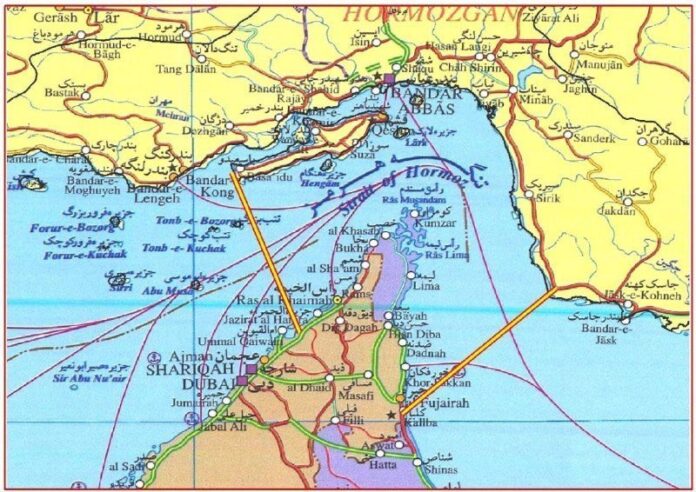
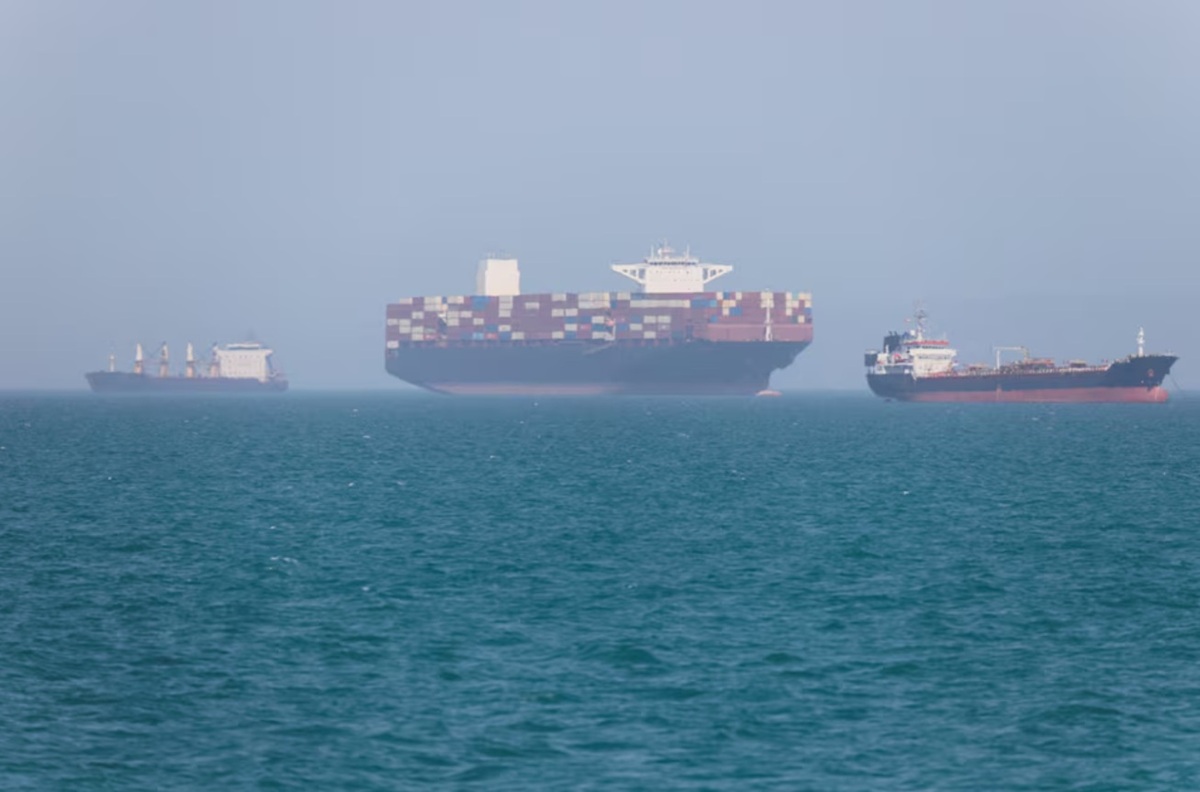
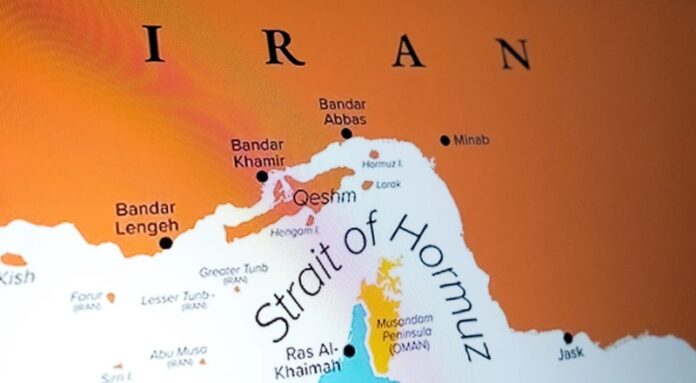
Hormuz Strait naval threat overview

The Strait of Hormuz, a narrow maritime corridor responsible for nearly 20% of global oil and gas flows, has effectively turned into what military analysts describe as a “kill zone”—a confined battlespace where ships are exposed, predictable, and highly vulnerable.

After nearly four weeks of disruption, global energy markets are in turmoil, tanker traffic has nearly halted, and thousands of vessels remain stranded inside the Gulf.

The Kill Zone Concept

STRAIT OF HORMUZ BATTLESPACE

Width (narrowest) 24 miles
Shipping lanes Extremely narrow
Escape routes NONE

Threat range:

Missiles → Coastline (1000+ miles)
Drones → Mobile launch points
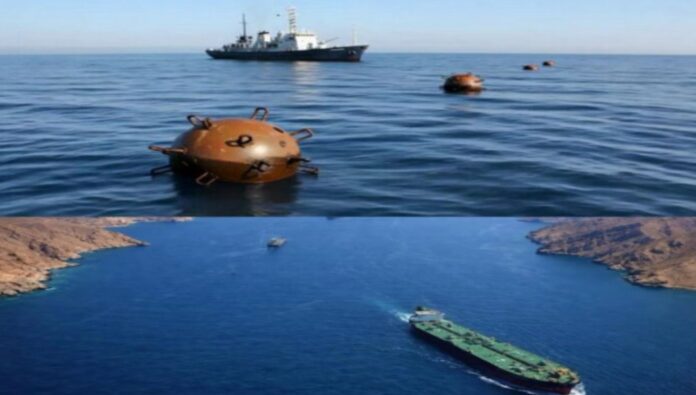
Mines → Hidden in shipping lanes

Outcome: Ships enter → Exposure → High-risk zone

Why the Strait Functions as a “Kill Zone”

Unlike open oceans, the Strait of Hormuz imposes structural vulnerability on every vessel that passes through it.

1. Constrained Geography = Predictable Targets

All ships must pass through tight, predefined lanes, eliminating maneuverability. This predictability allows attackers to calculate exact timing and positioning.

2. No possibility of Rerouting

In open waters, ships can divert. In Hormuz, rerouting is impossible, turning the passage into a controlled corridor of risk.

3. Seconds-Level Reaction Time

With Iran’s coastline stretching nearly 1,000 miles, threats can emerge instantly—from missiles, drones, or fast boats—leaving ships with mere seconds to react.

Open Ocean vs Kill Zone

OPEN SEA HORMUZ “KILL ZONE”
Flexible routes Fixed narrow lanes
Long detection time Instant threat
Wide maneuvering space No maneuver room
Low predictability Fully predictable

Result: Contained vulnerability

Iran’s Advantage: Geography Meets Asymmetric Warfare

Iran’s dominance in this environment is not accidental—it is designed.

Key Strategic Elements:

  • Mountainous coastline + islands → Natural concealment
  • Mobile missile batteries → Hard to detect and destroy
  • Unconventional weapons → Low-cost, high-impact
  • Layered attack capability → Simultaneous threats

This includes:

  • Sea mines deployed even from civilian-looking boats
  • Fast attack craft swarms
  • Explosive unmanned vessels
  • Drones and anti-ship missiles

Iran’s Disruption Doctrine

GOAL: DISRUPT GLOBAL TRADE (NOT NECESSARILY DESTROY)

Tools:
Drones            ██████████████████
Sea Mines         ███████████████
Fast Boats        █████████████
Missiles          ███████████████████

Strategy:
Low cost → High fear → Shipping stops

The Economics of Fear: Why Attacks Don’t Need to Succeed

Iran doesn’t need to sink ships to win.

  • At least 19 vessels attacked
  • Nearly 2,000 ships trapped in the Gulf
  • Some tankers paying millions in safe-passage fees
  • Use of disguised “ghost tankers” to bypass risks

The result: Psychological dominance over shipping routes

As long as risk remains high, global shipping companies avoid the strait entirely.

US Response: Containment Without Escalation

Under Donald Trump, the United States is pursuing a dual strategy:

Military Actions:

  • Deployment of Marine Expeditionary Units
  • Amphibious groups including USS Tripoli
  • Consideration of naval escort missions

Strategic Limitations:

  • Escorting ships is complex in a kill zone
  • Threats are multi-layered and unpredictable
  • Ground operations in Iran remain unlikely

Even advanced naval power struggles in such a geographically constrained battlefield.

Why Naval Escorts Are Not Enough

TRADITIONAL ESCORT MODEL
Warship → Tanker → Warship
PROBLEM IN HORMUZ:
Mines below
Missiles from land
Drones from air
Boats from surface
Solution Needed:
Layered defense (satellite + drones + patrol aircraft)

A Backlog Crisis: Global Trade at a Standstill

Even if the Strait reopens:

  • Clearing the backlog of ships will take weeks or months
  • Energy prices will remain volatile
  • Insurance and shipping costs will surge

This turns a regional conflict into a global economic crisis.

The Bigger Strategic Shift: Warfare Has Changed

The Strait of Hormuz crisis demonstrates a new reality:

  • Small, mobile weapons can control global trade routes
  • Geography can overpower traditional military strength
  • Disruption is more effective than destruction

Iran’s “kill zone” strategy is now a case study in modern asymmetric warfare.

Conclusion: A Chokepoint the World Cannot Ignore

The Strait of Hormuz is no longer just a shipping route—it is a strategic pressure point where global economics, military power, and geography collide.

Until a diplomatic solution emerges, the “kill zone” will remain active—keeping the world’s energy supply under constant threat.

JF-17 Thunder vs HAL Tejas: Why Pakistan’s Fighter Jet Is Winning the Global Export Race

0

The global market for lightweight multirole fighter jets is undergoing a significant shift, as the JF-17 Thunder rapidly gains export momentum while India’s Tejas program struggles to convert potential into actual deals.

Defense procurement priorities are changing. Today, air forces are no longer chasing theoretical performance—they are prioritizing delivery speed, affordability, and operational readiness.

The Core Shift: “Ready Now” vs “Future Promise”

At the heart of this competition lies a fundamental difference:

  • JF-17 Thunder → Immediate deployment, proven capability
  • HAL Tejas Mk1A → Advanced design, but delayed delivery

Buyers facing urgent fleet replacement needs are increasingly choosing aircraft that can be delivered now, not years later.


Key Insight: Production consistency = export credibility

Industrial Power: Why Production Wins Wars (and Deals)

The JF-17 benefits from a dual production ecosystem (Pakistan + China), allowing scalable and reliable manufacturing.

In contrast, Tejas production is constrained by:

  • Limited industrial throughput
  • Dependence on foreign engine supply
  • Delays in induction timelines

This creates a perception gap:
JF-17 = Low-risk acquisition
Tejas = Programme uncertainty


Winner: JF-17 (Cost Efficiency + Affordability)

Operational Capability: Real vs Theoretical

JF-17 Block 3

  • AESA radar
  • Advanced electronic warfare systems
  • Long-range PL-15 missile capability
  • Fully operational in Pakistan Air Force

Tejas Mk1A

  • Advanced composites
  • Modern avionics
  • But limited real-world operational data

Buyers prefer combat-proven systems over evolving platforms

Momentum drives perception—and perception drives sales

Supply Chain Advantage: Sanction-Proof vs Dependency Risk

The JF-17’s supply chain:

  • China + Pakistan ecosystem
  • Minimal Western restrictions
  • No ITAR constraints

Tejas challenges:

  • US GE engines dependency
  • Israeli subsystem reliance
  • Export approvals subject to geopolitics

Result: JF-17 offers strategic autonomy for buyers

Buyer Psychology: The Real Deciding Factor

Modern air forces—especially in Africa, the Middle East, and Southeast Asia—prioritize:

  • Immediate deployment
  • Budget-friendly solutions
  • Minimal political restrictions

This shift has transformed procurement logic:

“Good enough + available now” beats “perfect but delayed”

Strategic Comparison Chart

Factor JF-17 Thunder HAL Tejas
Production Scale High Limited
Cost Low Moderate–High
Export Success Proven Unproven
Supply Chain Stable Dependent
Operational Status Active Developing
Buyer Confidence High Moderate

Why JF-17 Is Winning the Market

The JF-17’s success is not just about performance—it’s about alignment with market needs:

✔ Fast delivery
✔ Lower cost
✔ Reliable supply chain
✔ Combat-ready capability

Meanwhile, Tejas faces:
❌ Production delays
❌ Supply chain risks
❌ Lack of export track record

Final Analysis

The global defense market is sending a clear message:

Execution matters more than potential

The JF-17 has positioned itself as a:
“Ready-now, affordable, export-optimized fighter”

While the Tejas remains:
“Technologically promising but operationally constrained”

Key Takeaway

“In modern defense markets, reliability, affordability, and availability outweigh marginal performance advantages.”

US Weighs 10,000 Troop Surge as Iran War Plans Expand to Kharg Island and Strait of Hormuz

0
The Pentagon said the Global Autonomous Reconnaissance Craft (GARC) drones have logged over 450 hours and 2,200 nautical miles during “Operation Epic Fury.”

The United States is considering deploying at least 10,000 additional combat troops to the Middle East, signaling a potential escalation in tensions with Iran and raising concerns about a broader regional conflict.

According to senior defense officials, the proposed deployment would significantly increase the American military footprint in the region and could mark a shift toward preparing for possible ground operations inside Iran.

Military Build-Up Accelerates

Reports indicate that the Pentagon is planning to send a mix of combat troops and armored units, with a final decision expected soon.

These forces would join over 50,000 US personnel already stationed across the Middle East, deployed across air bases, naval fleets, and forward operating positions as part of Operation Epic Fury.

Additional reinforcements are also expected, including:

  • Fighter jet squadrons
  • Support units
  • Logistics and rapid-response forces

The scale and speed of the buildup suggest that contingency planning is moving into an advanced phase.

USS Gerald R. Ford Remains Mission Ready

Image

High-resolution imagery shows the USS Gerald R. Ford docked at Souda Bay in Crete.

  • The carrier arrived around March 23
  • Undergoing maintenance, resupply, and crew rotation
  • No visible damage; fully operational

Officials indicate the vessel will return to active deployment after servicing, maintaining US naval readiness in the region.

New Warfare: Drone Speedboats Enter Combat

The Pentagon has confirmed the operational use of Global Autonomous Reconnaissance Craft (GARC)—uncrewed drone speedboats—marking a new phase in naval warfare.

Key capabilities:

  • Over 450 operational hours logged
  • More than 2,200 nautical miles covered
  • Roles include surveillance and potential strike missions

This reflects a shift toward autonomous maritime warfare, particularly in contested zones like the Strait of Hormuz.

Ground War Scenarios Under Review

US President Donald J. Trump is reportedly reviewing multiple escalation options if diplomatic efforts fail.

Military planners are evaluating:

  • Seizing strategic oil infrastructure
  • Targeting nuclear-related facilities
  • Capturing key islands in the Persian Gulf

However, officials warn that any ground operation could result in:

  • Heavy casualties
  • Prolonged conflict
  • Regional escalation

Kharg Island: The Strategic Prize

Image

One of the primary targets under discussion is Kharg Island, which handles roughly 90% of Iran’s crude oil exports.

Why it matters:

  • Critical to Iran’s economy
  • Key revenue source for the IRGC
  • Strategic leverage point in the conflict

Some officials believe capturing or disabling the island could severely weaken Iran’s financial and military capabilities.

Expanding the Battlefield: Strait of Hormuz Islands

Image

The Pentagon is also considering operations targeting islands near the Strait of Hormuz, including Abu Musa.

Control of these islands could:

  • Reduce threats to oil tankers
  • Limit Iran’s ability to disrupt shipping
  • Strengthen US control over the chokepoint

Iran’s Warning: Regional Retaliation

Iran has signaled that any US ground operation would trigger wider retaliation across the region.

Reports indicate potential targets include:

  • Energy infrastructure in the UAE
  • Desalination plants
  • Power generation facilities

Such actions could expand the conflict beyond Iran and disrupt global energy markets.

High-Stakes Decision Ahead

The White House faces a difficult choice:

  • Escalate militarily with uncertain outcomes
  • Or continue diplomacy under rising pressure

While military options are being prepared, analysts warn that:
A ground war could spiral into a multi-front regional conflict
Even limited operations may have global economic consequences

Final Analysis

The deployment of 10,000 additional troops signals more than routine reinforcement—it reflects a serious shift toward potential escalation.

Key risks include:

  • Disruption of global oil supply
  • Expansion into regional warfare
  • High human and economic costs

“In the Strait of Hormuz, even a limited conflict can trigger global consequences.”

“US–Iran War Risk Explodes: Why a Ground Invasion Could Turn Into a ‘Persian Gallipoli’”

0

The possibility of a direct US–Iran military confrontation is no longer theoretical. Fresh deployments of elite American forces—including special operations units and airborne troops—suggest that planning for a potential escalation may already be underway.

At the same time, Iranian sources claim that over one million fighters are prepared for a ground conflict, signaling readiness for a prolonged war.

This raises a critical question:
Could a US ground invasion of Iran succeed—or trigger a historic military failure?

Why the Strait of Hormuz Changes Everything

The Strait of Hormuz is the world’s most important oil chokepoint, carrying nearly one-fifth of global energy supplies.

US President Donald Trump warned that even near-total success in securing the strait would not be enough:

Even a 1% failure rate could mean a missile striking a billion-dollar ship.

In modern warfare, small disruptions can cause massive global consequences.

Iran’s Strategy: Win Without Winning

Iran is unlikely to fight a conventional war. Instead, it is preparing for asymmetric conflict, designed to exploit weaknesses in a stronger opponent.

Key tactics include:

  • Swarm attacks using fast boats
  • Mass drone deployments
  • Anti-ship missile strikes
  • Naval mining operations

Meanwhile, Yemen’s Houthi forces have signaled readiness to join the conflict, potentially targeting another critical chokepoint—the Red Sea—expanding the war region.

The Ground Invasion Problem

Some analysts believe US discussions about landing zones such as Kharg Island may be misleading or strategic signaling rather than actual plans.

The reason is simple: geography strongly favors Iran.

  • Iran’s coastline is backed by mountains
  • Landing forces would be exposed immediately
  • Retreat and resupply would be extremely difficult

Even elite US Marine units could face severe losses under sustained missile and drone attacks.

A Dangerous Historical Parallel: Gallipoli

Experts increasingly compare the situation to the Gallipoli Campaign, one of the most costly failed invasions in modern history.

Led in part by Winston Churchill, Allied forces believed superior naval power would secure a quick victory.

Instead, they faced:

  • Defenders holding elevated terrain
  • Troops trapped on exposed beaches
  • Collapsing logistics under constant fire
  • Naval losses from simple mines

The result was catastrophic: massive casualties and eventual withdrawal.

Why Iran Could Be a “Persian Gallipoli”

Iran today shares several of the same advantages that doomed the Allied invasion in 1915:

Terrain Control

Mountains overlooking coastal landing zones provide dominant firing positions

Saturation Warfare

Thousands of drones and missiles can overwhelm advanced defenses

Logistics Advantage

  • Iran: Short, internal supply lines
  • US: Long, vulnerable supply chains

Chokepoint Power

The Strait of Hormuz functions like the Dardanelles—where even minor disruptions can collapse large-scale operations

A War That Won’t Stay Local

A US–Iran conflict could quickly expand into a multi-front regional war:

  • Iraqi militias targeting US bases
  • Houthi attacks on Red Sea shipping
  • Disruption of global energy supply chains

The result: a conflict with global economic consequences

Reality Check: Technology vs Determination

Claims that Iran could collapse quickly under heavy bombardment echo past miscalculations in military history.

History shows:

  • Superior technology does not guarantee victory
  • Defenders with terrain advantage can neutralize stronger forces

Final Analysis

A US invasion of Iran would likely be:

  • High-risk
  • Logistically complex
  • Economically disruptive

Rather than a quick victory, it could evolve into a prolonged and costly conflict with global consequences.

“In the Strait of Hormuz, dominance is not decided by power alone—but by geography, strategy, and resilience.”

Middle East Drone War Revolution: IISS Report Reveals How UAVs Are Reshaping Modern Warfare

0
Shahed Kamikaze drone

The latest report by the International Institute for Strategic Studies (IISS) highlights how the Middle East has become a global testing ground for drone warfare (UAVs).

From surveillance to strike missions, drones are now central to:

  • Intelligence gathering (ISR)
  • Precision strikes
  • Deterrence strategies

The region is not just using drones—it is shaping the future of warfare.

Key Findings from the IISS Report

  • Middle East is a global hub of UAV innovation and combat use
  • Both state and non-state actors widely deploy drones
  • Rise of one-way attack (OWA) drones like Shahed series
  • Increasing integration of AI and autonomous systems
  • Shift toward collaborative combat aircraft (CCA)

UAV Roles in Modern Warfare

ISR Surveillance:        ████████████████████ 40%
Strike Missions:         ███████████████      30%
Loitering Munitions:     ██████████           15%
Electronic Warfare:      ███████              10%
Other Roles:             ███                  5%

ISR remains the dominant function, but strike roles are rapidly expanding.

Israel vs 🇮🇷 Iran: Two Different Drone Doctrines

Israel: High-Tech Integrated Warfare

  • Pioneer in UAV development since the 1970s
  • Advanced MALE drones like Heron, Hermes series
  • Integration with:
    • Fighter jets
    • Electronic warfare
    • AI-based targeting systems

Israel uses drones as part of complex, networked warfare systems

Iran: Asymmetric Drone Strategy

  • Focus on low-cost, mass-produced drones
  • Key systems:
    • Shahed-131 / Shahed-136
  • Exported to:
    • Russia
    • Non-state actors (Houthis, militias)

Iran uses drones for denial and attrition strategy rather than precision dominance

Israel vs Iran UAV Strategy

Israel Strategy:   ████████████████████ High-tech, precision, integrated
Iran Strategy:     ███████████████      Low-cost, mass-scale, asymmetric

Gulf States: Building Drone Power

Countries like Saudi Arabia and UAE are rapidly expanding UAV capabilities:

Saudi Arabia

  • Developing local UAVs (Saqr, Samoom)
  • Heavy reliance on technology transfer
  • Partnerships with:
    • China
    • Turkey
    • US

UAE

  • EDGE Group leading development
  • Systems like:
    • Reach-S
    • Jeer (low-cost MALE drone)

Gulf strategy = Hybrid model (imports + local production)

 UAV Development Models

Israel:       ████████████████████ Fully indigenous
Iran:         ███████████████      Indigenous + constrained tech
Saudi/UAE:    ███████████          Hybrid (imports + local)
Others:       █████                Imports only

Combat Reality: What Works and What Fails

Failures

  • Iran’s large-scale drone attacks on Israel (2024–25) had limited success
  • Standalone drone strikes ineffective against advanced defenses

Successes

  • Israel’s combined drone + airstrike operations highly effective
  • UAVs enabled:
    • Target tracking
    • Real-time battlefield intelligence
    • Rapid strike coordination

Lesson: Drones alone don’t win wars—systems integration does

The Future: AI, Swarms & Next-Gen Warfare

The report highlights emerging trends:

AI Integration

  • Automated target recognition
  • Multi-source battlefield intelligence
  • Programs like:
    • “Lavender”
    • “Gospel”

Drone Swarms

  • Networked UAV operations
  • Used for detection and coordinated strikes

Collaborative Combat Aircraft (CCA)

  • UAVs working alongside fighter jets
  • Future of air warfare

The battlefield is moving toward semi-autonomous warfare ecosystems

Chart 4: Future UAV Trends

AI Integration:        ████████████████████
Drone Swarms:          ███████████████
CCA Systems:           █████████████
Stealth UAVs:          ██████████

Strategic Impact: Why UAVs Matter

The rise of UAVs is reshaping:

  • Military cost structures (cheap vs expensive weapons)
  • Deterrence strategies
  • Proxy warfare dynamics
  • Global arms markets

Drones are becoming the most scalable weapon system in modern conflict

Israel vs Iran drone doctrine

Factor Israel Iran
Approach Quality Quantity
Cost High Low
Usage Integrated warfare Saturation attacks
Goal Precision dominance Economic & defense exhaustion

Key Takeaways

  • Middle East is the epicenter of drone warfare evolution
  • Israel leads in technology and integration
  • Iran leads in mass deployment and export
  • Gulf states are racing toward self-sufficiency
  • Future wars will depend on:
    • AI
    • Swarms
    • Industrial capacity

Conclusion

The IISS report makes one thing clear:

Drones are no longer support tools—they are central to modern warfare

From Gaza to Ukraine, UAVs are redefining how wars are fought, won, and sustained.

Pentagon Moves to ‘Wartime Footing’ as US Boosts Missile Production After Iran War

0
F-16 fighter jets fly over a Patriot battery in an undisclosed location in Ukraine.

The US Department of Defense has announced a major push to place the military on a “wartime footing”, signing framework agreements with leading defense companies to rapidly increase munitions production.

Key partners include:

  • Lockheed Martin
  • BAE Systems
  • Honeywell Aerospace

The move signals a dramatic escalation in industrial mobilization following the ongoing Iran conflict.

Why the US Is Ramping Up Weapons Production

The decision comes after:

  • Weeks of intense military operations against Iran
  • Depletion of critical missile and interceptor stockpiles
  • Ongoing commitments in Ukraine and the Middle East

US President Donald Trump had earlier met with top defense executives to address urgent supply shortages.

The core issue: the US is burning through munitions faster than it can replace them.

Key Production Boost Measures

THAAD Interceptors Expansion

  • Lockheed Martin and BAE Systems to quadruple production of missile seekers
  • Supports the THAAD missile defense system

Precision Strike Missile Acceleration

  • Lockheed to ramp up production of Precision Strike Missiles (PrSM)
  • Enhances long-range strike capability

Honeywell’s $500 Million Investment

  • Boosting production of:
    • Navigation systems
    • Missile steering actuators
    • Electronic warfare components

These components are essential across multiple US weapons systems.

Defense Production Surge Overview

THAAD Production:        ████████████████ 4x Increase
Precision Missiles:      ██████████████   Accelerated
Honeywell Investment:    █████████        $500 Million
Troop Deployment:        █████████████    Thousands to Gulf

Military Reinforcement: Troops Head to Gulf

Alongside industrial expansion, the Pentagon is also:

  • Deploying thousands of airborne troops to the Gulf
  • Expanding military readiness for potential escalation
  • Providing more options for ground operations

This reflects a dual strategy:
Increase firepower + prepare for wider conflict

Defense Industry Under Pressure

The Trump administration is also pushing defense companies to:

  • Prioritize production over profits
  • Accelerate delivery timelines
  • Address underperformance in contracts

Major companies involved in discussions include:

  • RTX Corporation
  • Boeing
  • Northrop Grumman
  • L3Harris Technologies

The message from Washington is clear:
industrial speed is now a national security priority

Global Context: Years of Stockpile Drain

The US defense stockpile has already been under pressure due to:

  • Support for Ukraine since 2022
  • Weapons supply during Israel-Gaza conflict
  • Continuous global military commitments

This includes depletion of:

  • Artillery systems
  • Ammunition
  • Anti-tank weapons

The Iran war has now pushed the system to a critical breaking point

Strategic Shift: War Is Now Industrial

The Pentagon’s move reflects a deeper transformation:

Modern warfare is no longer just about battlefield dominance—it is about industrial capacity and sustainability

Key takeaway:

  • Winning wars now depends on production speed and supply chains

What Happens Next?

The success of this strategy will depend on:

  • How fast production can scale
  • Availability of critical materials
  • Ability to sustain long-term conflict

If production fails to keep up, the US could face:

  • Reduced deterrence
  • Limited operational capability
  • Strategic vulnerabilities

Conclusion

The Pentagon’s push to a wartime footing marks a pivotal moment in the Iran conflict and broader US military strategy.

With rising demand, shrinking stockpiles, and global commitments, the US is entering a phase where:

Factories may matter as much as fighter jets

JD Vance Pakistan Visit Signals Shift in Iran War as US Faces Pressure for Talks

0

The United States appears to be pivoting toward diplomacy in the ongoing Iran conflict, as senior officials confirm that Vice President JD Vance is expected to travel to Pakistan for high-level talks aimed at ending the war.

The development comes amid:

  • Continued Iranian missile strikes on Israel
  • Deployment of US forces to the Middle East
  • Mounting domestic and global pressure to de-escalate

The conflict is no longer confined to the battlefield—it is now moving into high-stakes diplomacy.

A Strategic Turning Point in the War

This planned visit represents a major shift in US strategy.

Until now, Washington’s approach was based on:

  • Military pressure
  • Direct strikes
  • Controlled escalation

But the decision to send JD Vance—reportedly preferred by Iran—signals a new reality:

Negotiation dynamics may be shifting in Tehran’s favor.

Why JD Vance?

Reports suggest Iran has rejected other US negotiators, including:

  • Steve Witkoff
  • Jared Kushner

Instead, Tehran appears to favor JD Vance due to:

  • His perceived skepticism toward prolonged Middle East conflicts
  • A more cautious approach to escalation
  • Signals that he may support ending the war

This indicates Iran is not just negotiating—it is shaping the negotiation framework itself.

Pakistan’s Emerging Role as Mediator

The choice of Pakistan as a venue highlights its growing diplomatic importance:

  • Maintains relations with both the US and Iran
  • Positioned as a neutral ground for sensitive talks
  • Increasing role in regional conflict mediation

The war’s diplomatic center of gravity is shifting toward third-country mediation.

War Continues Despite Talks

Even as diplomacy gains traction, military activity remains intense:

  • Ongoing Iranian missile waves targeting Israel
  • US deploying additional troops, including elements of the 82nd Airborne Division
  • Rising regional tensions across multiple fronts

This creates a dual-track scenario:
Negotiations and escalation happening simultaneously

Domestic Pressure on the US Administration

Political and economic factors are increasingly shaping US decisions:

  • Declining approval ratings
  • Public fatigue with prolonged conflict
  • Rising fuel prices and economic strain

Recent polling indicates:

  • Low public support for continued war
  • Strong demand for immediate de-escalation

The pressure is not just external—it is deeply domestic.

Strategic Reality: Power vs Pressure

The evolving situation highlights a critical asymmetry:

Factor United States Iran
Military Power Superior Limited
Political Pressure High Low
Public Accountability Significant Minimal

While the US holds military advantage, Iran may hold strategic endurance leverage.

Energy Factor: The Hidden Driver

The conflict is also being shaped by global energy dynamics:

  • Strait of Hormuz remains a critical chokepoint
  • Oil and gas flows are under pressure
  • Global markets are reacting to instability

Energy security is becoming a decisive factor in war strategy

From Battlefield to Negotiation Table

The reported Vance trip marks a symbolic shift:

Before:

  • US dictated terms
  • Military pressure dominated

Now:

  • Negotiation conditions are evolving
  • Third-party mediation is central
  • Iran appears to influence the process

This suggests a transition from force-based strategy to negotiation-driven outcomes

What Happens Next?

Key questions now shaping the conflict:

  • Will talks in Pakistan lead to a ceasefire?
  • Can diplomacy succeed while fighting continues?
  • Who ultimately controls the negotiation terms?

The answers will determine whether the war escalates—or winds down.

Conclusion

The Iran conflict is entering a decisive phase where diplomacy, politics, and military power intersect.

The planned visit of JD Vance to Pakistan signals:

  • A shift in US strategy
  • Rising influence of negotiation dynamics
  • Increasing urgency to resolve the conflict

The war is no longer just about missiles—it is about who sets the terms of peace.

Iran Warns of New War Front at Bab el-Mandeb Strait Amid Rising US-Israel Tensions

0
Middle East energy chokepoint crisis

An Iranian military source has issued a stark warning that Tehran could open new strategic fronts, including around the Bab el-Mandeb Strait, if the United States and Israel escalate military pressure.

The warning comes amid rising tensions over:

  • Possible strikes on Iranian islands
  • Increased naval activity in the Persian Gulf
  • Growing confrontation in regional waters

The message is clear: any escalation could trigger a wider regional conflict.

Bab el-Mandeb: A Critical Global Chokepoint

Image

The Bab el-Mandeb Strait is one of the world’s most strategically important maritime corridors:

  • Connects the Red Sea to the Gulf of Aden
  • Links Europe to Asia via the Suez Canal route
  • Handles around 12% of global seaborne oil trade
  • Critical for liquefied natural gas (LNG) shipments

Any disruption here could send shockwaves through global energy markets.

Iran’s Strategy: Expanding the Battlefield

According to the Iranian source:

If attacked, Iran will open “surprise” fronts beyond its immediate borders.

What This Means:

  • Conflict may extend beyond the Persian Gulf
  • New pressure points could emerge in global shipping routes
  • Iran aims to increase costs for its adversaries indirectly

The source specifically warned:

  • Actions in the Strait of Hormuz could trigger escalation
  • The US could face multiple maritime crises simultaneously

Two Chokepoints, One Crisis

Strait of Hormuz

  • Handles ~20% of global oil trade
  • Primary flashpoint between Iran and the US

Bab el-Mandeb

  • Handles ~12% of global oil shipments
  • Vulnerable to regional instability (Yemen, Red Sea tensions)

Combined disruption could trigger a global energy shock.

Global Impact: Energy & Trade at Risk

Strait of Hormuz:   ████████████████████ ~20% global oil
Bab el-Mandeb:      ████████████         ~12% global oil
Combined Risk:      █████████████████████████████

Potential Consequences:

  • Oil prices spike globally
  • Shipping routes disrupted
  • Insurance costs surge for maritime trade
  • Economic ripple effects across Asia, Europe, and beyond

Escalation Scenario: Multi-Front Pressure

Iran’s warning suggests a shift toward asymmetric warfare strategy:

  • Instead of direct confrontation
  • Create pressure across multiple geographic نقاط
  • Stretch US and allied military resources

This approach increases strategic leverage without full-scale war

Why This Matters Globally

This is not just a regional issue—it is a global economic risk.

Countries most affected include:

  • China (energy imports)
  • European Union (trade routes)
  • India and Asia-Pacific economies

Even limited disruption could impact:

  • Fuel prices
  • Supply chains
  • Global inflation

Conclusion

Iran’s warning about the Bab el-Mandeb Strait signals a dangerous escalation pathway in the ongoing conflict.

The emergence of a second maritime front would:

  • Multiply strategic risks
  • Threaten global energy security
  • Transform a regional war into a global economic crisis

The key question now:
Will tensions remain contained—or spill into the world’s most critical shipping lanes?

South Korea Rolls Out KF-21 Boramae Fighter Jet, Enters Elite Defense Powers Club

0

South Korea has officially rolled out the first mass-production KF-21 Boramae fighter jet, marking a historic leap in its defense capabilities and signaling its arrival as a major player in the global military aviation industry.

Developed by Korea Aerospace Industries (KAI), the KF-21 represents the country’s shift toward strategic independence in defense technology.

From Prototype to Production

The KF-21 program reached a critical milestone:

  • First successful flight: 2022
  • Now entering full-scale mass production
  • Transition from testing to operational deployment

South Korea has already committed to:

  • 40 Block I aircraft ordered
  • First deliveries expected in 2026
  • Long-term goal: 120 jets in service

This marks one of the fastest transitions from prototype to production among modern fighter programs.

KF-21 Boramae: Key Features

Comparison of top multirole fighter jets, KF-21 vs F-16 vs Rafale

The KF-21 is classified as a 4.5-generation multirole fighter, combining advanced capabilities with cost efficiency.

Core Capabilities:

  • Twin-engine configuration for higher survivability
  • Advanced avionics and radar systems
  • Semi-stealth design (reduced radar cross-section)
  • Multirole capability: air-to-air, air-to-ground, strike missions

Designed to compete with fighters like:

  • F-16V
  • Rafale
  • Eurofighter Typhoon

KF-21 Program Snapshot

First Flight:        2022
Production Start:    2026 (deliveries)
Initial Order:       40 aircraft
Total Planned:       120 aircraft
Generation:          4.5
Manufacturer:        KAI

Strategic Impact: Why KF-21 Matters

The KF-21 is more than just a fighter jet—it represents a major geopolitical shift in Asia-Pacific security.

Key Drivers:

  • Rising tensions with North Korea
  • Increasing regional competition with China
  • Need to reduce reliance on US defense imports

South Korea is transforming from a defense buyer to a defense producer.

Strategic Independence: A Turning Point

For decades, South Korea relied heavily on US-made systems. The KF-21 changes that equation:

  • Domestic production capability
  • Indigenous technology development
  • Greater control over military readiness

President Lee emphasized this shift, stating:

South Korea aims to become one of the world’s top four defense powers.

Global Export Potential

The KF-21 is also positioned as a competitive export fighter jet, targeting emerging and mid-tier air forces.

Potential Buyers:

  • Indonesia (existing program partner)
  • Poland
  • Saudi Arabia
  • Other Asia & Middle East nations

If combat trials succeed, the KF-21 could reshape the global fighter market by offering:

  • Lower cost than Western jets
  • High-end capabilities
  • Fewer political restrictions

Technology Partnerships

While largely indigenous, the KF-21 program benefited from early collaboration:

  • Lockheed Martin provided initial technology support
  • South Korea funded the majority of development

Result: A hybrid model of technology transfer + domestic innovation

A Rapidly Rearming Nation

South Korea is now:

  • One of the most threatened US allies
  • One of the fastest-rearming nations globally

The KF-21 rollout highlights a broader trend:

Nations are increasingly building homegrown defense systems to ensure long-term security.

What Comes Next?

The KF-21 still faces key tests:

  • Full combat validation
  • Weapons integration
  • Export deals
  • Block II upgrades (expected to include more stealth features)

Success could place South Korea among elite aviation powers alongside:

  • United States
  • China
  • Russia
  • European defense leaders

Conclusion

The rollout of the KF-21 Boramae marks a historic milestone in global defense technology.

South Korea has proven that a mid-sized nation can:

  • Develop advanced fighter jets
  • Compete in global arms markets
  • Achieve strategic independence

The message is clear:
The future of air power is becoming more competitive—and more decentralized.

Iran War Munitions Crisis: $26 Billion Burn in 16 Days Exposes US-Israel ‘Unsustainable Warfare’ Strategy

0
Iran war munitions cost breakdown

A new analysis reveals that the first 16 days of the Iran conflict have triggered a severe military sustainability crisis for the US-Israel coalition. According to the RUSI-based assessment, modern warfare is no longer just about firepower—but about how long you can afford to keep fighting.

The data shows an alarming trend: massive spending, rapid depletion of critical munitions, and a fragile defense industrial base unable to keep up.

Key Findings at a Glance

  • 11,294 munitions fired in 16 days
  • $26 billion spent in initial phase
  • $50+ billion needed for replenishment
  • Over 5,000 munitions used in first 96 hours
  • Missile interceptors alone cost $19 billion
  • Cheap gun-based defense cost only $25 million

Munitions Usage vs Cost (First 16 Days)

Munitions Used:        ███████████████████████ 11,294
Total Cost:            ███████████████████████ $26B
Interceptor Spending:  ███████████████████     $19B
Gun Ammunition Cost:   █                         $25M

Insight: The coalition is spending hundreds of times more on interceptors than cheaper alternatives.

The Cost-Exchange Crisis

One of the most dangerous trends identified is the cost-exchange imbalance:

  • Expensive interceptor missiles (millions each)
  • Used against cheap drones and basic missiles
  • Result: financially unsustainable warfare model

This imbalance shocked even Ukrainian military observers, who described the defense approach as “firing thoughtlessly.”

Cheap vs Expensive Defense

Missile Interceptors:  █████████████████████ $19,000,000,000
C-RAM Gun Systems:     █                      $25,000,000
Rounds Fired:          █████████████████████ 509,500

Insight: Cheap systems handled massive volume at minimal cost—but are underutilized strategically.

Stockpile Depletion: “Empty Bins” Problem

The report warns that critical weapons are nearing exhaustion, including:

  • Long-range interceptors (THAAD, Patriot)
  • Precision strike missiles (Tomahawk, ATACMS)
  • Advanced radar and sensor systems

Some projections suggest:

  • US could run out of key missiles within 1 month
  • Israel may exhaust Arrow interceptors within weeks

Industrial Bottleneck: Why Weapons Can’t Be Replaced Quickly

The real crisis isn’t just spending—it’s replenishment failure:

Key Constraints:

  • Limited factories (e.g., Holston Army Ammunition Plant)
  • Rare materials (gallium, tungsten, graphite)
  • Chinese export controls on critical minerals
  • Long production cycles (up to 5 years for some missiles)

Even replacing current usage could take years, not months.

War vs Replenishment Timeline

War Consumption:        █████████████ (16 days)
Missile Replenishment:  █████████████████████████████ (5+ years)

Insight: Modern wars are now limited by industrial endurance, not battlefield success.

The “Second-Theatre Risk”

A critical strategic warning:

Fighting Iran reduces US ability to defend elsewhere

This includes:

  • Taiwan deterrence
  • Ukraine support
  • NATO readiness

Every missile fired in Iran weakens global military positioning.

Strategic Shift: “Command of the Reload”

The report introduces a new doctrine:

Command of the Reload

Victory depends on:

  • Sustaining firepower over time
  • Efficient defense spending
  • Ability to replenish faster than the enemy

This replaces older doctrines like:

  • “Command of the Commons”
  • Traditional battlefield dominance

The Future: “Cheap Defeat” Strategy

The solution proposed:

Layered Defense Model

  • Use cheap systems (guns, lasers) for drones
  • Reserve expensive interceptors for high-value threats
  • Build scalable, adaptive air defense networks

Without this shift, even the most powerful militaries risk economic exhaustion before military defeat.

Conclusion

The Iran war has exposed a brutal reality:

  • Military superiority is no longer enough
  • Industrial capacity is the real battlefield
  • Cost efficiency determines survival

The US-Israel coalition may still dominate tactically—but strategically, the war is becoming a test of endurance they may struggle to win.

Pakistan–Afghanistan Border Tensions Rise as Roads Close and Clashes Reported in Nuristan and Kunar

0

Tensions are rising along the Pakistan–Afghanistan border as reports emerge of road closures, military pressure, and fresh clashes in Afghanistan’s eastern provinces of Nuristan and Kunar.

Local officials and media sources indicate that the situation remains fluid, with shifting control dynamics and increasing military activity in the region.

Key Road Closed in Nuristan Amid Security Threats

According to provincial authorities, the main road connecting Kamdesh and Barg-e-Matal districts in Nuristan has been closed due to the threat of attacks linked to Pakistani forces.

Key Developments:

  • Road located approximately 15 km from the Pakistan border
  • Closure attributed to escalating security risks
  • Afghan authorities have begun work on an alternative route via Papurak Kotal pass
  • Snowfall is currently affecting construction efforts

Officials say the Governor of Nuristan is personally overseeing the project to restore connectivity.

Reports of Pakistani Military Pressure

Local sources claim that Pakistani forces have:

  • Increased military presence near border مناطق
  • Restricted movement in key areas
  • Placed pressure on Taliban positions

There are also unconfirmed reports suggesting that:

  • Taliban fighters have withdrawn from some مناطق in Nuristan and Kunar
  • Certain areas are now effectively under siege conditions

These claims remain difficult to independently verify.

Clashes Reported Along Kunar–Bajaur Border

Authorities in Afghanistan’s Kunar province have confirmed that:

  • Late-night clashes occurred between Pakistani and Afghan border forces
  • Fighting took place along the Kunar–Bajaur border region

Additionally:

  • Afghan-linked accounts claim a Pakistani security personnel was killed
  • No official confirmation has been issued by Pakistani authorities

The lack of official statements adds uncertainty to the situation.

Ceasefire Expires Without Renewal

The situation has been further complicated by the expiration of a ceasefire between Pakistan and Afghanistan, which ended at midnight.

Current Status:

  • No announcement of extension from either side
  • Rising risk of continued clashes
  • Increased possibility of escalation

Strategic Context: TTP Presence in Border Regions

Security concerns are heightened by the presence of:

  • Tehrik-i-Taliban Pakistan (TTP) bases inside Afghanistan
  • Particularly in:
    • Kunar
    • Nuristan

Pakistan has long viewed these sanctuaries as a major security threat.

Growing Instability Along the Border

Recent developments suggest:

  • Increasing military pressure
  • Restricted movement across key routes
  • Shifting territorial control in border مناطق

The situation remains highly dynamic, with new developments emerging rapidly.

Strategic Implications

For Pakistan:

  • Continued focus on countering TTP presence
  • Increased border security operations

For Afghanistan:

  • Internal security challenges in eastern provinces
  • Infrastructure disruptions affecting local populations

For the Region:

  • Risk of prolonged border instability
  • Potential escalation into broader conflict

Conclusion

The closure of key roads, reports of clashes, and the expiration of the ceasefire all point to a deteriorating security situation along the Pakistan–Afghanistan border.

While many details remain unconfirmed, the overall trend indicates rising tensions and increased military activity in Nuristan and Kunar.

The coming days will be critical in determining whether the situation stabilizes—or escalates further.

Hormuz Crisis: Why Protecting Global Oil Routes Could Be Harder Than the Failed Red Sea Mission

0

Western allies attempting to secure the Strait of Hormuz, the world’s most critical energy chokepoint, are confronting a sobering lesson: a similar mission in the Red Sea cost billions—and ultimately failed.

The earlier operation against Yemen’s Houthi forces resulted in:

  • Four ships sunk
  • Over $1 billion in weapons expended
  • Continued disruption to shipping routes

Despite sustained military efforts, commercial vessels still largely avoid the Red Sea corridor today.

Why Hormuz Is a Far Greater Challenge

The situation in the Strait of Hormuz is significantly more complex.

Strategic Importance:

  • Handles roughly 20% of global oil and LNG supply
  • No viable alternative route exists

As one energy executive noted, the strait is not just regional—it is central to the global economy.

Iran vs Houthis: A Different Level of Threat

Unlike the Houthis, Iran presents a much more capable and sophisticated adversary:

Iranian Capabilities:

  • Ballistic missiles
  • Advanced drones
  • Naval mines
  • Mini-submarines
  • Coastal launch systems hidden in terrain

Iran’s Islamic Revolutionary Guard Corps (IRGC) operates as a professional military force with:

  • Domestic weapons production
  • Access to significant resources
  • Strategic depth along mountainous coastlines

This makes Hormuz a far more dangerous battlespace than the Red Sea.

Geography Favors Iran

The Strait of Hormuz presents unique geographic challenges:

  • Narrow waterways
  • Close proximity to Iranian coastline
  • Limited maneuvering space for large warships

In some areas:

  • Drones or attack boats could reach vessels in 5–10 minutes

This compresses reaction time and increases vulnerability.

Escorting Ships: A Complex and Costly Mission

Military experts say protecting shipping would require:

Heavy Deployment:

  • Dozens of warships (including destroyers)
  • Air cover from jets and drones
  • Helicopter patrols

However, even advanced warships face limitations:

  • Cannot simultaneously:
    • Intercept missiles
    • Clear mines
    • Counter drone swarms
    • Manage electronic warfare

This creates operational overload in a highly contested environment.

Mines and Swarm Attacks: The Hidden Threat

Unlike the Red Sea conflict, Hormuz introduces additional risks:

  • Floating sea mines
  • Explosive drone boats
  • Mini-submarine attacks

Even a single successful strike could have massive consequences.

Worst-Case Scenario:

  • Loss of a U.S. destroyer
  • Hundreds of casualties
  • Immediate escalation of the conflict

Economic Impact Already Visible

Iran’s actions in and around Hormuz have already triggered:

  • Sharp increases in oil prices
  • Supply disruptions
  • Global market instability

Without reopening the strait:

The world could face higher energy, food, and transportation costs

Diplomatic and Military Options Under Debate

At the international level:

  • UN Security Council discussions are ongoing
  • Some nations support using “all necessary means” to secure the strait

Meanwhile, U.S. policy remains unclear:

  • Initial commitment to escort ships
  • Later suggestion that other nations should lead efforts

This reflects uncertainty about the scale and risk of intervention

Lessons from the Red Sea Failure

The Red Sea mission offers a critical warning:

Outcome:

  • Tactical success (many drones intercepted)
  • Strategic failure (shipping still disrupted)

As one analyst described it:

“A tactical victory, but a strategic draw—or even defeat.”

A Long and Costly Operation Ahead

Experts believe that reopening Hormuz would require:

  • Months of sustained operations
  • Continuous mine-clearing
  • Persistent naval escorts
  • Air dominance

Even then, success is not guaranteed.

Strategic Implications

Key Risks:

  • Prolonged military engagement
  • Rising economic costs
  • Escalation with Iran

Key Reality:

  • Protecting Hormuz is not a short-term mission
  • It is a long-duration, high-risk operation

Conclusion

The effort to secure the Strait of Hormuz highlights the limits of military power in protecting global trade routes against determined adversaries.

If the Red Sea operation demonstrated how difficult such missions can be, Hormuz may prove even more challenging.

The question is no longer whether the strait can be protected—but at what cost, and for how long.

US Prepares to Deploy 82nd Airborne to Middle East as Iran War Escalation Risks Grow

0
82nd Airborne Division

The United States is preparing to deploy thousands of soldiers from its elite 82nd Airborne Division to the Middle East, signaling a potential escalation in the ongoing Iran war.

According to sources cited by Reuters, between 3,000 and 4,000 troops could be sent to the region, adding to an already significant U.S. military buildup.

The move comes as the conflict enters its fourth week, even as Donald Trump continues to speak about possible negotiations with Tehran.

82nd Airborne: Rapid Response Force on Standby

The 82nd Airborne Division, based at Fort Bragg, North Carolina, is one of the U.S. military’s most deployable units.

Key Capabilities:

  • Can deploy within 18 hours
  • Specializes in:
    • Parachute assault operations
    • Rapid insertion into conflict zones

Its deployment suggests preparation for high-risk, time-sensitive operations

Military Buildup Expands Across the Region

The planned deployment follows earlier reinforcements:

  • Thousands of Marines and sailors aboard the USS Boxer Amphibious Ready Group
  • Additional warships and support assets
  • Total U.S. forces in the region already exceed 50,000 troops

The buildup reflects a shift toward expanded operational readiness

Ground Operations Still Under Consideration

While no final decision has been made to send troops into Iran, officials confirm that the deployment would:

  • Increase operational flexibility
  • Prepare for potential future missions

Possible Scenarios:

  • Securing the Strait of Hormuz
  • Deploying forces along Iran’s coastline
  • Targeting Kharg Island, Iran’s main oil export hub

Any such move would represent a major escalation beyond air and naval operations

War Intensifies Despite Talk of Diplomacy

The troop deployment comes amid mixed signals on diplomacy:

US Position

  • Claims of “productive talks” with Iran
  • Temporary pause on some planned strikes

Iran’s Response

  • Denies any direct negotiations
  • Rejects US claims of engagement

This reflects a dual-track strategy: talks and escalation happening simultaneously

Scale of the Conflict Continues to Grow

Since the start of joint US–Israel operations on February 28:

War Impact:

  • 9,000+ targets struck inside Iran
  • 13 US troops killed
  • 290 wounded, with most returning to duty

These figures highlight the intensity of the conflict and its growing human cost

Political Risks for the Trump Administration

Deploying ground forces carries significant domestic and political implications.

Key Concerns:

  • Public support for the war is declining
  • A recent Reuters/Ipsos poll shows:
    • 35% approval of US strikes
    • 61% disapproval

This creates a dilemma for President Trump, who previously pledged to avoid new Middle East wars.

Strategic Stakes: Hormuz and Global Energy

One of the central concerns driving US planning is the Strait of Hormuz:

  • Critical chokepoint for global oil supply
  • Disruption could trigger:
    • Energy crises
    • Market instability

Securing Hormuz is increasingly seen as a core strategic objective

Escalation vs Containment: A Critical Moment

The deployment of the 82nd Airborne signals that the United States is:

  • Expanding military options
  • Preparing for potential escalation
  • Maintaining pressure while exploring diplomacy

Possible Outcomes:

  • Limited operations to secure key targets
  • Continued air campaign without ground escalation
  • Full escalation involving ground forces

Scenario 1: Limited Operations (Most Likely)

Factor Details
Troop Deployment Limited (MEU, спец forces, 일부 airborne units)
Duration Weeks to months
Risk Level Medium
Cost High but manageable
Political Impact Contained

Scenario 2: Full Invasion (High Risk)

Factor Details
Troop Deployment 100,000+ (divisions)
Duration Years
Risk Level Very High
Cost Extremely high ($$$$)
Political Impact Global consequences

Conclusion

The potential deployment of the 82nd Airborne Division marks a pivotal moment in the Iran war.

While diplomacy remains on the table, the scale of military preparations suggests that Washington is preparing for a wider range of scenarios—including ground operations.

The coming days will determine whether the conflict moves toward negotiation—or deeper escalation.

US Air Force Losses Mount in Iran War as F-35 Hit Highlights Rising Attrition in Contested Airspace

0
U.S. F-15 crashed in Kuwait

The revelation that nearly 20 U.S. Air Force aircraft have been damaged or destroyed within the first three weeks of the Iran war marks a critical shift in the conflict.

What began as a high-intensity precision strike campaign has now evolved into a prolonged contested-airspace war, where operational tempo and air-defense density are imposing real costs on American airpower.

From Shock Strikes to Sustained Air Warfare

The joint U.S.–Israel campaign, which began in late February 2026, initially focused on:

  • Iranian nuclear facilities (including Natanz)
  • Air-defense systems
  • Military infrastructure

However, the conflict has transitioned into a continuous high-tempo air campaign, requiring:

  • Daily sorties
  • Repeated penetration of defended airspace
  • Sustained operational pressure

This shift has significantly increased exposure to risk and cumulative damage.

F-35 Hit Signals New Phase of Risk

A major turning point came on March 19, 2026, when an F-35A Lightning II was damaged during a combat mission over Iran.

Key Details:

  • Aircraft struck by suspected Iranian air defenses
  • Pilot injured but successfully landed
  • Aircraft recoverable but damaged

This marks the first confirmed combat hit on an F-35 in the conflict, demonstrating that:

Even stealth aircraft are vulnerable in dense air-defense environments.

Friendly Fire and Early Losses

One of the earliest major incidents occurred on March 1, 2026, when:

  • Three F-15E Strike Eagles were destroyed
  • Incident caused by Kuwaiti air defense friendly fire
  • All pilots ejected safely

This highlights the complexity of coalition operations where:

  • Multiple air-defense systems overlap
  • Identification timelines are compressed
  • Airspace becomes saturated with aircraft

Not all losses are due to enemy action.

Drone Losses Add to the Toll

A significant portion of losses involves unmanned systems:

MQ-9 Reaper Losses:

  • More than a dozen reportedly destroyed
  • Vulnerable to:
    • Surface-to-air missiles
    • Air-defense systems
  • Some likely destroyed on the ground

Each MQ-9 costs approximately $16 million, meaning repeated losses carry:

  • Financial impact
  • Operational consequences

Reduced ISR (intelligence, surveillance, reconnaissance) capability.

High Tempo, High Risk

The scale of operations is a key factor behind rising losses:

Operational Reality:

  • Continuous sortie generation
  • Multi-target strike missions
  • Long-range deployments from regional bases

This creates:

  • Increased exposure to defended airspace
  • Greater probability of:
    • Combat damage
    • Accidents
    • Coordination errors

Even small risks compound over time into measurable attrition.

Logistics: The Hidden Vulnerability

Sustaining this campaign requires a massive logistics network:

  • Tanker aircraft
  • ISR platforms
  • Maintenance infrastructure
  • Forward air bases

These create additional “targets” within the operational system.

Iranian missile strikes on bases and infrastructure further increase vulnerability.

Attrition Without Decisive Battle

Despite losses, U.S. officials emphasize:

  • Operational tempo remains unchanged
  • Strike missions continue at scale

However, the data reveals a key insight:

The war is imposing steady, cumulative costs without a single निर्णायक (decisive) engagement

This is characteristic of modern high-intensity air warfare.

Iran’s Air Defense Still Active

The continued losses indicate that:

  • Iranian air-defense systems remain operational
  • Coalition strikes have not fully suppressed them

This allows Iran to:

  • Contest airspace
  • Inflict damage even on advanced platforms

Air superiority is being challenged—not denied, but not uncontested either.

Strategic Implications

Shift in War Dynamics

  • From quick strikes → prolonged attritional campaign

Rising Cost Curve

  • Aircraft losses (manned + unmanned)
  • Increased maintenance and replacement demands

Operational Complexity

  • Coordination across multiple countries
  • Increased risk of friendly fire and errors

The Bigger Picture

The figure of ~20 damaged or destroyed aircraft in just three weeks highlights a critical reality:

Sustained air campaigns against capable state adversaries are costly—even for advanced militaries

As long as:

  • Sortie rates remain high
  • Air defenses remain active

Further losses are likely.

Conclusion

The early phase of the Iran war has already demonstrated that modern airpower, while dominant, is not immune to attrition.

The damage to high-value platforms like the F-35 underscores a broader shift:

This is no longer a precision strike campaign—it is a prolonged air war defined by endurance, risk, and cumulative losses.

JD Vance Heads to Pakistan as US–Iran Talks Gain Momentum in Islamabad Amid Ongoing War

0

Diplomatic efforts to end the ongoing US–Iran war are gaining momentum, with JD Vance expected to travel to Pakistan for high-level talks with Iranian officials.

According to Pakistani officials, direct negotiations aimed at ending the war could take place in Islamabad as early as this week, marking a potentially significant breakthrough in weeks of backchannel diplomacy.

Islamabad Emerges as Key Negotiation Hub

Pakistan is rapidly positioning itself as the central venue for negotiations.

Key Developments:

  • Asim Munir held a call with Donald Trump
  • Pakistan has formally offered to host talks between the US and Iran
  • Islamabad may host a multi-party diplomatic meeting within days

While no official confirmation has been issued, momentum toward talks is clearly building.

High-Level US Delegation Expected

The potential talks in Islamabad could involve a powerful US delegation:

  • JD Vance
  • Steve Witkoff
  • Jared Kushner

These meetings follow Vance’s discussions with Israeli Prime Minister Benjamin Netanyahu, highlighting coordination between Washington and its key regional ally.

Iran Signals Conditional Openness to Talks

Despite publicly denying formal negotiations, Iran has sent mixed signals:

  • Iranian sources confirm “outreach” between Tehran and Washington
  • Tehran is willing to consider “sustainable proposals” to end the war

At the same time:

  • Iranian officials continue to deny direct talks publicly
  • Leadership remains deeply skeptical of US intentions

Regional Leaders Engage Behind the Scenes

Diplomatic activity is expanding beyond the US and Iran.

Recent Engagement:

  • Masoud Pezeshkian held discussions with Shehbaz Sharif
  • Talks focused on:
    • Regional stability
    • Global security implications of the war

This underscores Pakistan’s growing role as a bridge between major stakeholders

What Iran Wants From Any Deal

Iran’s negotiating position remains firm:

Core Demands:

  • Guarantees against future US or Israeli attacks
  • Compensation for wartime damage
  • No limits on missile and drone capabilities

Analysts note that Iran’s trust deficit has deepened after being attacked during earlier diplomatic phases.

Turkey, Egypt and Gulf States Support Mediation

Pakistan’s efforts are part of a broader diplomatic network:

  • Turkey is actively coordinating with US, Iran, and Egypt
  • Egypt is working to prevent regional escalation
  • Gulf states are pushing for de-escalation due to energy risks

This reflects a multi-layered mediation effort across the region

Israel Remains Skeptical

Despite growing diplomatic momentum:

  • Israeli officials say a deal is “not tangible at this stage”
  • Military operations against Iran and Hezbollah continue

This divergence complicates any potential ceasefire agreement

Military Buildup Continues Alongside Diplomacy

Even as talks gain traction, US military preparations are ongoing:

Key Developments:

  • Deployment of thousands of Marines and sailors
  • Possible deployment of the 82nd Airborne Division
  • Senior command elements already moving into position

Reports indicate that Major General Brandon Tegtmeier and key staff have been ordered to the region.

Possible Ground Operations Still Under Review

US planners are reportedly considering:

  • Seizure of Kharg Island (Iran’s main oil export hub)
  • Limited ground operations inside Iran

These options remain contingency plans but signal serious escalation potential

Diplomacy vs Escalation: A Critical Moment

The situation now reflects a dual-track strategy:

Diplomacy:

  • Islamabad talks gaining momentum
  • High-level US delegation en route

Military:

  • Continued troop deployments
  • Operational planning for escalation

The next few days could determine whether diplomacy prevails or conflict intensifies

Strategic Outlook

Possible Scenarios:

  • Breakthrough talks in Islamabad
  • Continued indirect diplomacy without agreement
  • Escalation into broader regional conflict

Conclusion

The expected visit of JD Vance to Pakistan marks a significant escalation in diplomatic efforts to end the US–Iran war.

With Islamabad emerging as a central переговор venue and multiple regional actors engaged, the possibility of direct talks is closer than ever.

However, with deep mistrust, conflicting goals, and ongoing military buildup, the path to peace remains uncertain.

The coming week may prove decisive for both diplomacy and the future trajectory of the conflict.

Iran Hardens War Stance: Demands Hormuz Control, War Compensation and Security Guarantees in Any US Talks

0
Iranian Foreign Minister Seyed Abbas Araghchi accused the United Arab Emirates of direct involvement in military operations against Iran during a high-profile BRICS foreign ministers’ meeting in New Delhi

Iran has significantly hardened its negotiating stance since the start of the war, with the Islamic Revolutionary Guard Corps (IRGC) gaining increased influence over national decision-making.

According to senior sources in Tehran, any potential negotiations with the United States will come with strict conditions and major demands, many of which are likely to be unacceptable to Washington.

Key Iranian Demands in Potential Negotiations

If talks move forward, Iran is expected to demand:

Core Conditions:

  • Immediate end to the war
  • Guarantees against future US or Israeli military action
  • Compensation for wartime damages
  • Recognition of Iran’s control over the Strait of Hormuz

These demands represent a significant escalation in Iran’s diplomatic posture and would likely cross key red lines for Donald Trump.

Missile Program Remains Non-Negotiable

Iran has made it clear that it will not negotiate limitations on its ballistic missile program.

  • This has been a longstanding red line for Tehran
  • The issue was already a major sticking point in pre-war negotiations

Analysts say Iran views its missile capability as essential for deterrence, especially after recent strikes.

No Direct Talks Yet, Only Backchannel Contacts

Despite claims of progress by Washington, Iran has publicly denied any direct negotiations.

Current Situation:

  • Only preliminary discussions through mediators
  • Countries involved:
    • Pakistan
    • Turkey
    • Egypt
    • Gulf states

A European official confirmed that these countries are relaying messages, but formal talks have not yet begun.

Islamabad Emerging as Possible Venue

Sources indicate that direct talks could take place in Islamabad, potentially within days.

Possible Iranian Delegation:

  • Parliament Speaker Mohammad Baqer Qalibaf
  • Foreign Minister Abbas Araqchi

However, final decision-making authority remains with the IRGC, reflecting the growing dominance of hardline عناصر (elements) within Iran’s system.

Israel and US Skepticism Over Deal Prospects

Senior Israeli officials believe a deal is unlikely because:

  • US demands would include:
    • Ending Iran’s missile program
    • Rolling back nuclear capabilities

These are conditions Iran is unlikely to accept

Hormuz and Missiles: Iran’s Strategic Leverage

Iran’s strongest bargaining tools in the conflict have been:

Strait of Hormuz Control

  • Critical chokepoint for:
    • ~20% of global oil
    • LNG shipments

Ballistic Missile Capability

  • Ability to strike regional targets
  • Key deterrence asset

Giving up these capabilities would leave Iran strategically vulnerable

The Core Conflict (Why Talks Are Stuck)

Issue US Position Iran Position
Nuclear Program Must end Strategic necessity
Missiles Must be limited Non-negotiable
Hormuz Free navigation Iranian leverage/control
Security Guarantees Not offered Mandatory demand
War Outcome Reduce Iran power Preserve deterrence

Trust Deficit Undermines Negotiations

Iranian leadership is also deeply skeptical of future agreements due to:

  • Previous negotiations followed by military strikes
  • Continued Israeli operations in:
    • Lebanon
    • Gaza

This has reinforced a perception that:

Agreements with the US and its allies may not be reliable

Domestic Factors Strengthening Hardline Position

Internal dynamics in Iran are further limiting flexibility:

Key Factors:

  • Increased power of the IRGC
  • Leadership uncertainty under new Supreme Leader Mojtaba Khamenei
  • Strong public narrative of resistance during the war

These factors make it politically difficult for Tehran to appear weak in negotiations

Strategic Outlook: A Narrow Path to Diplomacy

The combination of:

  • Hardline demands
  • Strategic mistrust
  • Domestic pressure

means that any negotiations will face significant obstacles.

Even if talks begin, reaching a comprehensive agreement will be extremely challenging.

Conclusion

Iran’s hardened negotiating stance signals that any potential talks with the United States will be complex, prolonged, and highly contentious.

With demands centered on security guarantees, economic compensation, and control over strategic assets like the Strait of Hormuz, Tehran is entering diplomacy from a position of defiance rather than compromise.

The gap between US expectations and Iranian demands suggests that diplomacy, if it begins, will be difficult and uncertain.

Trump’s Iran War Dilemma: Why Starting Was Easier Than Ending It

0

Wars are not tariffs. They cannot be turned on and off depending on market conditions or political convenience.

That is the central dilemma now facing Donald Trump after his sudden decision to pause strikes on Iran’s power infrastructure.

The real question is no longer whether the United States can escalate further—it’s whether it can find a credible way out.

The Illusion of Control

For days, U.S. policy toward Iran appeared to swing wildly:

  • One moment, threats to destroy power plants
  • The next, claims of “productive talks”
  • Followed by a temporary pause in strikes

This pattern reflects a deeper issue:
A belief that escalation and de-escalation can be managed like a negotiation tactic

But wars do not operate on timelines set by political messaging.

Markets vs Reality

There is no denying that the pause had immediate effects:

  • Global markets stabilized
  • Oil prices dropped
  • Stock indices rebounded

But this raises an uncomfortable question:

Was the pause driven by strategy—or by market pressure?

The timing suggests that economic volatility may have played a role in shaping military decisions, blurring the line between geopolitics and financial management.

The Missing Exit Strategy

Perhaps the most striking feature of the conflict is what’s absent:

A clear, consistent exit strategy

The stated goals—such as dismantling Iran’s nuclear program and limiting its missile capabilities—are:

  • Ambitious
  • Difficult to verify
  • Potentially unacceptable to Tehran

Without a realistic end-state, escalation risks becoming open-ended.

Iran’s Leverage Is Real

Despite suffering significant military losses, Iran has demonstrated something critical:

  • The ability to disrupt the Strait of Hormuz
  • The capacity to impact global energy markets
  • The power to impose economic costs far beyond the battlefield

This leverage changes the equation.

Even a weakened Iran can still shape the outcome of the conflict.

The Paradox of Pressure

The logic behind maximum pressure is simple:

  • Increase costs → force concessions

But the reality is more complicated.

After weeks of strikes, leadership losses, and infrastructure damage, there is little reason to assume Iran would now be more willing to accept:

  • Limits on its defense capabilities
  • Abandonment of nuclear ambitions

In fact, the opposite may be true.

Pressure may reinforce the very behaviors it seeks to eliminate.

Diplomacy Without Clarity

There are growing reports of backchannel diplomacy and even proposals for talks hosted by countries like Pakistan.

But even if negotiations begin, fundamental questions remain:

  • Who speaks for Iran?
  • Can fragmented leadership make binding decisions?
  • Are the terms even negotiable?

Without clear answers, diplomacy risks becoming symbolic rather than substantive.

The Escalation Trap

Trump’s options are narrowing:

Escalate Further

  • More strikes on Iranian assets
  • Risk of wider regional war
  • No guarantee of success

Ground Intervention

  • Politically costly
  • Strategically risky
  • Echoes of past long wars

Declare Victory and Exit

  • Leaves allies exposed
  • Risks Iran rebuilding capabilities
  • Undermines stated war objectives

None of these options offer a clean resolution.

A Familiar Pattern

Trump’s approach—rapid shifts, high-pressure tactics, and last-minute recalibration—has been a hallmark of his political style.

In business and politics, this method can:

  • Delay consequences
  • Create negotiating leverage
  • Maintain flexibility

But war is different.

The costs accumulate faster than they can be managed.

The Hard Reality

There is a sobering possibility that this strategy is reaching its limits.

Iran may be damaged—but not defeated.
The U.S. may be dominant—but not decisive.

And the longer the conflict continues, the harder it becomes to:

  • Control escalation
  • Maintain alliances
  • Avoid unintended consequences

Conclusion

The unfolding situation highlights a fundamental truth:

Starting a war is often easier than ending it.

Trump now faces a crisis with no obvious solution—one shaped by:

  • Strategic ambiguity
  • Economic pressure
  • Military risk
  • Political constraints

In such scenarios, the danger is not just escalation.

It is drift—a slow slide into deeper conflict without a clear destination.

Saudi Arabia and UAE Move Closer to Iran War as Gulf Strategy Shifts from Defense to Deterrence

0

Saudi Arabia and the United Arab Emirates are moving closer to potential direct involvement in the ongoing Iran war, signaling a major shift in the Gulf’s strategic posture.

According to a report by Wall Street Journal, citing multiple sources and international reporting, both Gulf monarchies are transitioning from a defensive containment strategy toward a more assertive deterrence posture.

Saudi Arabia Expands Military Cooperation with the US

A key turning point has been Saudi Arabia’s decision to allow U.S. forces access to King Fahd Air Base, reversing its earlier policy of restricting its territory for strikes on Iran.

Strategic Impact:

  • Expands U.S. airpower reach across the Gulf
  • Enables:
    • Strike missions
    • Aerial refueling operations
    • Intelligence and surveillance

This move is widely viewed by analysts as a critical escalation indicator.

Riyadh Signals Shift from Diplomacy to Deterrence

Statements from Saudi leadership indicate a clear change in approach:

  • Foreign Minister Faisal bin Farhan warned that Saudi patience is “not unlimited”
  • Crown Prince Mohammed bin Salman is reportedly focused on restoring deterrence

This suggests Saudi Arabia is moving away from diplomacy toward visible military alignment with US-led operations.

UAE Applies Pressure Beyond the Battlefield

The United Arab Emirates is taking a parallel but multi-dimensional approach:

Internal Security Measures

  • Closure of Iranian-linked institutions in Dubai
  • Crackdown on suspected influence networks

Financial Pressure

  • Considering freezing billions of dollars in Iranian assets
  • Targeting Iran’s access to:
    • Foreign currency
    • Trade financing
    • War economy networks

Strategic Position

  • Weighing direct military involvement
  • Lobbying against any ceasefire that leaves Iran’s capabilities intact

Iranian Attacks Driving Gulf Escalation

The shift in Gulf policy is largely driven by Iran’s ongoing campaign:

  • Hundreds of missiles and thousands of drones launched
  • Targets include:
    • Energy infrastructure
    • Ports and shipping routes
    • Civilian areas

These attacks have exposed the economic vulnerability of Gulf states, heavily dependent on uninterrupted oil exports.

Strait of Hormuz and Energy Security at Risk

The threat to the Strait of Hormuz has intensified concerns:

  • ~20% of global oil flows through the chokepoint
  • Disruptions could trigger global energy shocks

Gulf leaders increasingly view the conflict as a regional security crisis, not just a US–Iran confrontation.

Expanding Military Footprint Across the Gulf

Reports indicate growing operational integration:

  • Use of Gulf bases for:
    • Refueling
    • Intelligence gathering
    • Air defense coordination
  • Missile launches linked to regional bases such as Bahrain
  • Increased coordination with US command structures

This reflects a deepening coalition network across the region.

Logistics: The Hidden Deciding Factor

Defense analysts emphasize that:

Logistics—not just firepower—will determine the outcome

Key elements include:

  • Forward air bases
  • Tanker aircraft
  • Radar and surveillance systems

Iran has already targeted these نقاط (nodes), including attacks on Prince Sultan Air Base, damaging refueling aircraft.

Escalation by Proximity: A Growing Risk

Military planners warn of a dangerous dynamic:

“Escalation by Proximity”

  • Shared bases and airspace draw more countries into the conflict
  • Even without formal declarations of war

This increases the likelihood that:

  • Local incidents could trigger broader جنگ
  • Neutral states may be pulled into active participation

Gulf States Face a Strategic Dilemma

Saudi Arabia and the UAE are caught in a difficult position:

Risks of Action:

  • Direct war with Iran
  • Military and economic consequences

Risks of Inaction:

  • Continued Iranian strikes
  • Loss of deterrence credibility
  • Long-term vulnerability

This creates what analysts describe as a “structural bind”

From Neutrality to Alignment

Recent years saw Gulf efforts to reduce tensions with Iran through diplomacy.

However:

  • Repeated attacks have undermined confidence in détente
  • Gulf states now see military alignment as necessary

They are reportedly urging the United States to:

Continue operations until Iran’s offensive capabilities are significantly reduced

Markets React to Escalation Signals

Even limited steps toward escalation have triggered:

  • Rising oil prices
  • Market volatility
  • Increased risk premiums

This highlights the global economic stakes of Gulf involvement.

Conclusion

Saudi Arabia and the UAE are not yet fully at war—but they are no longer neutral.

Through basing access, financial pressure, and growing operational coordination, both states are moving closer to direct involvement in the Iran conflict.

The line between support and participation is rapidly disappearing

As the conflict evolves, the Gulf’s decisions may ultimately determine whether the war remains contained—or expands into a broader regional confrontation.

Inside the Backchannel: How Pakistan, Turkey, Egypt and Oman Are Quietly Shaping US–Iran War Talks

0
U.S. President Donald Trump speaks, on the day of Tulsi Gabbard's swearing in ceremony as Director of National Intelligence, in the Oval Office at the White House in Washington, D.C.

While missiles fly and fleets reposition across the Middle East, a parallel story is unfolding far from the battlefield—inside diplomatic channels stretching from Islamabad to Ankara, Cairo, and Muscat.

According to multiple sources familiar with the discussions, a multi-country backchannel network is now actively trying to engineer a pathway out of the US–Iran war.

There are no formal negotiations. No official tables. No joint statements.

But there are messages—moving constantly.

Islamabad: The Emerging Nerve Center

At the center of this effort is Pakistan.

In recent days, Islamabad has quietly positioned itself as the primary conduit between Washington and Tehran, with officials relaying proposals, conditions, and signals between the two sides.

Sources say there is now a serious proposal to host a high-level meeting in Islamabad, potentially involving senior US and Iranian representatives later this week.

Behind the scenes, Pakistan’s role is not accidental:

  • It maintains working ties with both capitals
  • Shares a sensitive border with Iran
  • Depends heavily on Hormuz for energy

For Islamabad, this is not just diplomacy—it’s national interest.

A Web of Mediators, Not a Single Channel

This is not a traditional negotiation.

Instead, it’s a distributed diplomatic network:

Turkey

Actively calling counterparts across the region, including Iran, the US, and Egypt. Ankara is acting as a connector, ensuring messages don’t stall.

Egypt

Working quietly to align Arab positions and prevent the conflict from spilling further into the region.

Oman

Operating in its familiar role as a silent intermediary, passing messages back and forth—especially on the sensitive issue of the Strait of Hormuz.

Each country is handling a different piece of the puzzle.

Together, they form a redundant communication system—if one channel fails, another carries the message forward.

The Messages: Testing, Not Negotiating

Despite the activity, sources stress a key point:

These are not negotiations yet.

They are tests.

Messages being exchanged focus on:

  • What each side might accept
  • What is completely off the table
  • Whether a deal is even possible

At the center of this is a reported 15-point framework, passed to Iran through Pakistan.

But insiders say several points are “next to impossible” for Tehran to accept.

Confusion Is Part of the Process

Publicly, both sides deny or downplay the talks.

  • Tehran insists no negotiations are happening
  • Washington offers only vague confirmations

This is not a contradiction—it’s part of the process.

In backchannel diplomacy:

  • Plausible deniability is essential
  • Leaders avoid committing publicly before knowing outcomes
  • Messages can be explored without political cost

Why Multiple Channels Matter

One regional source explains the strategy:

The US is using multiple countries to reach multiple power centers inside Iran

This matters because:

  • Decision-making in Tehran is fragmented
  • No single figure fully controls the system
  • Messages must reach all relevant actors

This is why the same proposal may be sent through Pakistan, Oman, and Turkey simultaneously.

Pressure Behind the Diplomacy

This surge in diplomacy did not happen in a vacuum.

It was triggered by rising alarm among Gulf states, who warned that:

  • Strikes on civilian infrastructure could escalate uncontrollably
  • Energy systems—and even water supplies—could collapse

These warnings forced a recalculation.

Diplomacy became urgent—not optional.

Meanwhile, the War Continues

Even as messages are exchanged:

  • Military deployments are expanding
  • Forces continue to move into the region
  • Strike capabilities remain active

This creates a paradox:

Talks are happening in parallel with escalation

This is not unusual.
It’s how modern conflicts are managed.

No Deal Yet—Just Possibility

Despite the flurry of activity, insiders are clear:

  • No proposal has reached a final stage
  • No agreement has been accepted
  • No timeline is guaranteed

As one source put it:

“Diplomacy is fluid. Nothing has matured yet.”

The Real Question

The key issue now is not whether messages are being exchanged.

They are.

The real question is:

Can this fragmented, multi-channel diplomacy evolve into a single, coherent negotiation?

Conclusion

Behind the headlines of war, a quieter battle is underway—one fought with messages, intermediaries, and careful signals.

Pakistan, Turkey, Egypt, and Oman are not just mediators.
They are the infrastructure of diplomacy in a conflict where direct talks remain impossible.

Whether this network can produce a breakthrough—or simply delay escalation—remains uncertain.

But for now, it is the only bridge that exists.

Pakistan–Sudan $1.5B Arms Deal Suspended Amid Saudi Pressure and Regional Tensions

0
Pakistan’s JF-17 Simulator Transfer to Bangladesh Signals Strategic Shift

A proposed $1.5 billion military supply agreement between Pakistan and Sudan’s Armed Forces (SAF) has been suspended, according to diplomatic sources cited by Africa Intelligence.

The deal, which had reportedly reached its final stages in early 2026, was expected to significantly boost Sudan’s military capabilities amid its ongoing internal conflict. However, a combination of regional tensions, shifting alliances, and political concerns has led to a pause in negotiations.

Saudi Arabia’s Role: From Facilitator to Skeptic

Saudi Arabia initially played a key role in facilitating the agreement, but has since stepped back due to growing distrust toward Sudan’s military leadership under Abdel Fattah al-Burhan.

Key Concerns:

  • Lack of confidence in SAF as a long-term partner
  • Preference for a civilian-led government in Sudan
  • Frustration over unmet political and military commitments

This shift reflects a broader recalibration of Saudi policy in Sudan.

Regional Conflict Complicates the Deal

The suspension also comes against the backdrop of wider regional instability, particularly:

  • The ongoing war involving Iran
  • Drone attacks targeting Gulf states
  • Increased pressure on Saudi Arabia’s security posture

These developments have forced Riyadh to prioritize strategic caution over military expansion partnerships.

Islamist Ties Raise Alarm Among Allies

Another major factor behind the suspension is concern over Sudan’s alleged links to Islamist networks.

  • The Port Sudan-based government has reportedly failed to fully sever ties with radical Islamist elements
  • This has caused friction with key regional partners, including Egypt

Such concerns have made international backers more hesitant to deepen military cooperation.

Failed Commitments Undermine Confidence

Diplomatic sources indicate that Sudan’s armed forces have struggled to deliver on:

  • Military coordination promises
  • Political reform expectations

This has contributed to growing disillusionment among allies, further weakening support for the deal.

What the Deal Included

The agreement aimed to significantly modernize Sudan’s military capabilities with Pakistani systems, including:

Air Power

  • K-8 trainer/light attack aircraft
  • Potential acquisition of JF-17 fighter jets

Drone Warfare

  • Unmanned aerial systems for surveillance and combat

Air Defense

  • Modern air defense systems to counter aerial threats

These assets were intended to strengthen the SAF in its fight against the Rapid Support Forces (RSF).

Broader Trend: Pakistan’s Arms Expansion Slows

The Sudan deal is not an isolated case.

Reports indicate that a separate $4 billion military agreement with Libyan commander Khalifa Haftar has also been suspended.

Implication:

  • Pakistan’s planned expansion of arms exports in Africa and the Middle East is facing setbacks
  • Regional instability and political risks are reshaping defense partnerships

Strategic Implications

For Sudan:

  • Delays in military modernization
  • Reduced external support
  • Potential shift in battlefield dynamics

For Pakistan:

  • Slower growth in defense exports
  • Increased exposure to geopolitical risk

For the Region:

  • Greater uncertainty in alliances
  • Continued instability in Sudan and Libya
  • Increased influence of external powers

Conclusion

The suspension of the Pakistan–Sudan arms deal highlights how rapidly shifting geopolitical dynamics can disrupt even advanced-stage agreements.

With Saudi Arabia reassessing its role, regional conflicts intensifying, and political concerns mounting, the deal’s future remains uncertain.

The development underscores a broader trend:
Military partnerships are increasingly shaped not just by capability needs, but by political alignment and strategic trust.