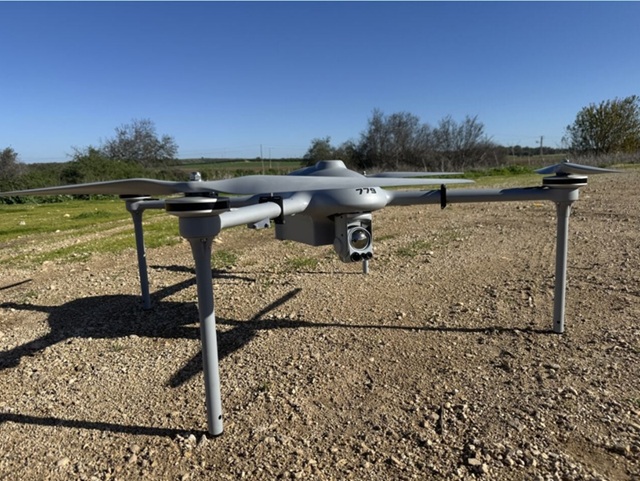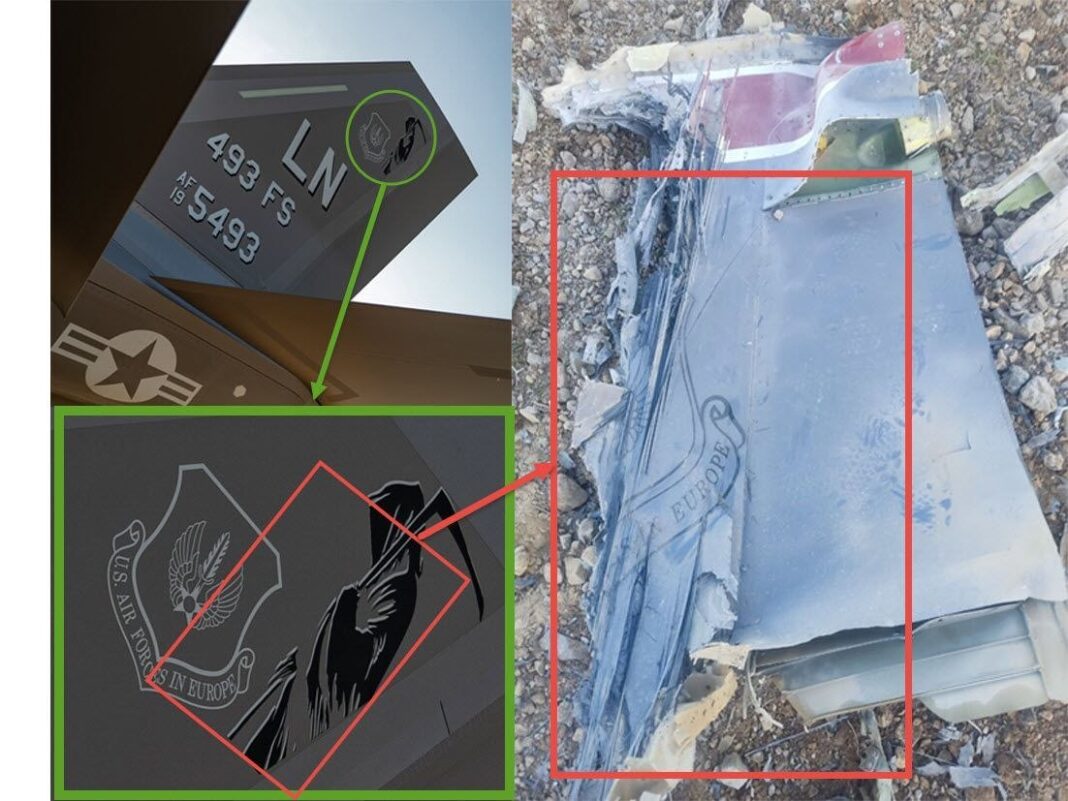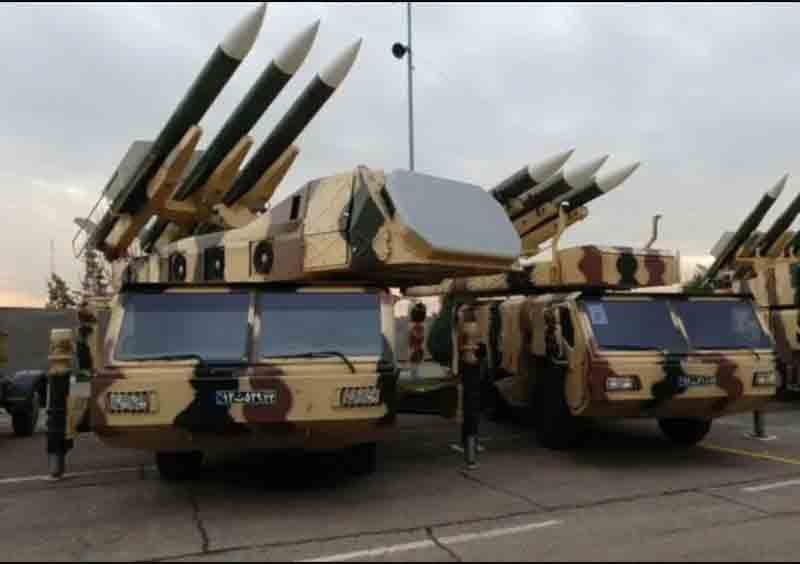
US President Donald Trump is signaling that he may walk away from the Iran war, potentially stepping out unilaterally without toppling the Islamic Republic, reopening the Strait of Hormuz, or securing a deal with Iran to halt attacks on the United States and its allies.
In a primetime address to the nation on Wednesday, Trump said that the administration’s “core strategic objectives are nearing completion,” pointing to damage inflicted on Iran’s missile program, navy, army and regional proxies.

The president also claimed that the “hard part is done,” expressing optimism that a US withdrawal would ease the economic pain caused by Iranian attacks on Gulf shipping and energy infrastructure.
Yet Tehran is showing no signs of backing down.
Iran Says It Will Decide When the War Ends
Iran has insisted that it will determine when the war ends and has rejected any external deadlines.
According to Foreign Minister Abbas Araghchi, Tehran is prepared to continue fighting for “at least six months.”
This sharply contrasts with Trump’s assertion that his primary objective — preventing Iran from developing a nuclear weapon — “has been attained.”
However more than 400 kilograms of highly enriched uranium remain unaccounted for, raising serious doubts over whether the nuclear threat has in fact been neutralized.
Risk of a More Hardline Iran
Rather than weakening Tehran strategically, an early US exit may leave behind a significantly more hardline regime.
With former supreme leader Ali Khamenei reportedly killed by Israel, hardliners are now pressing for full weaponization of Iran’s nuclear program.
This could push Iran from threshold status toward an active bomb program.
The Islamic Revolutionary Guard Corps is also expected to tighten its grip on power, undermining civilian leadership and intensifying domestic crackdowns.
This outcome could leave Washington having failed to achieve regime change while empowering more radical elements.
Hormuz Exit Could Hand Iran Strategic Victory
Perhaps the most significant consequence of a hasty exit concerns the Strait of Hormuz.
Trump has argued that the strait would “just open up naturally” after a US withdrawal and that gas prices would “come tumbling down.”
But global energy markets do not function that way.
Oil prices are set on global benchmarks, and any continued supply shock would still drive US gasoline prices higher regardless of America’s direct imports from the region.
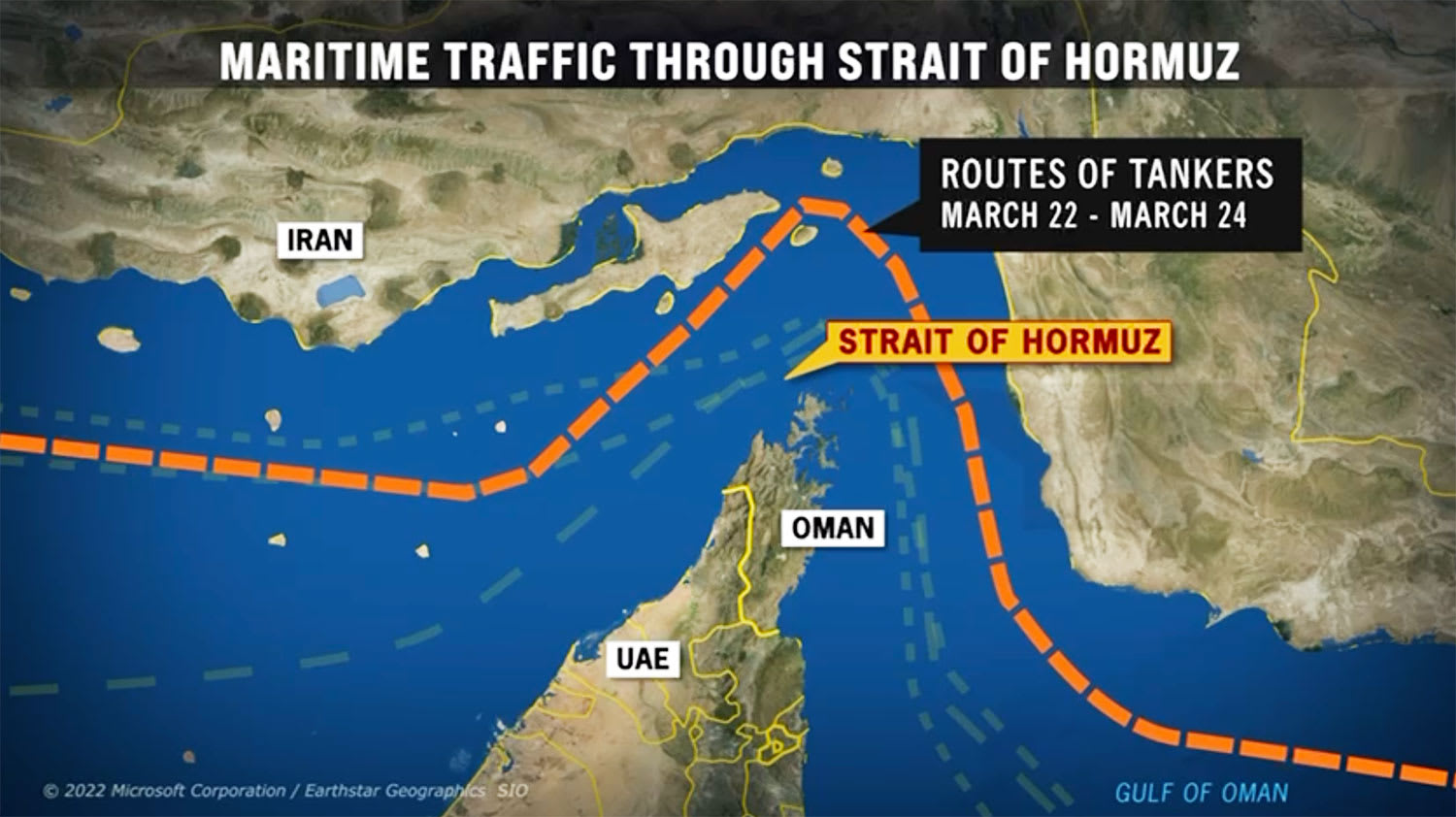
Exiting without a formal agreement to reopen the strait would effectively hand Iran a strategic win, allowing it to impose de facto sovereignty over one of the world’s most critical shipping lanes.
The reported vetting of ships and tolls of up to $2 million per vessel could become normalized, creating a new revenue stream for Tehran.
Gulf States Could Be Left Exposed
There are deep concerns among Gulf Arab states.
Iran has broken two major taboos during the conflict:
- launching direct attacks on Gulf territory
- effectively closing Hormuz to their exports
For states such as Qatar, Saudi Arabia, and the United Arab Emirates, these moves are viewed as existential threats.
A rapid US exit could leave them vulnerable to renewed strikes and Iranian leverage over future oil exports.
This also raises questions about Washington’s security guarantees after Trump previously assured Gulf partners that “we’re going to protect you.”
Israel and Lebanon Front Remain Unresolved
A US exit would also leave key fronts unresolved.
Israel may view an American withdrawal with the Islamic Republic still intact as unfinished business.
Even if Israeli strikes pause, Tehran is likely to seek guarantees against future attacks.
At the same time, fighting linked to Hezbollah in Lebanon remains active, with no sign that a US exit alone would resolve that front.