Three months into the war with Iran, U.S. President Donald Trump appears increasingly trapped between two politically painful outcomes:
Accept an imperfect peace deal — or risk a dangerous return to war.
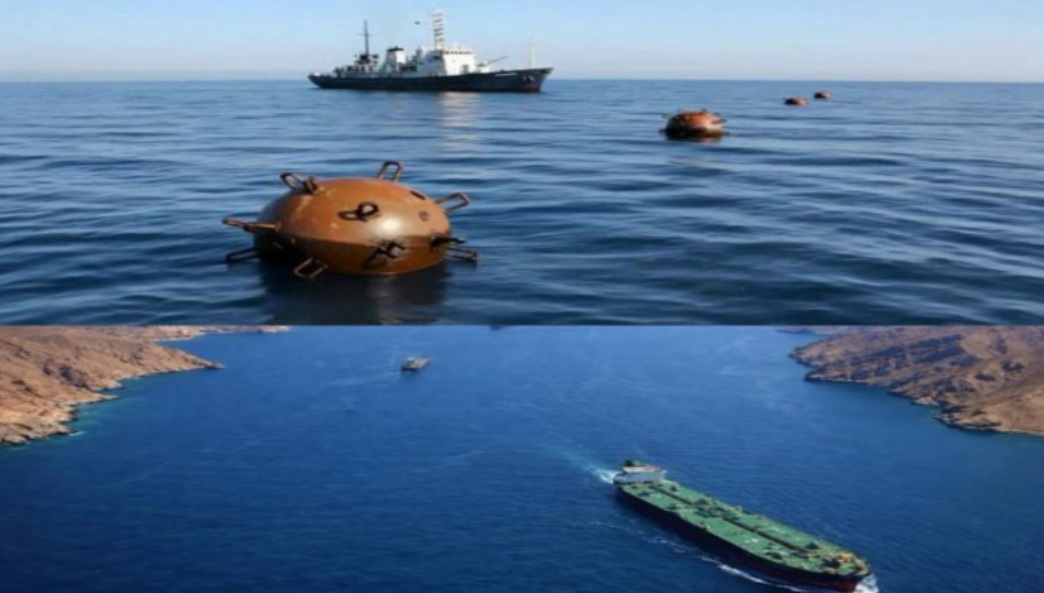
After months of military escalation, failed predictions of quick victory and growing economic pressure, Washington now appears to be quietly exploring a diplomatic framework that could reopen the Strait of Hormuz and gradually ease tensions.
But any agreement may come with political costs that could be difficult for Trump to explain to supporters who were promised “Unconditional surrender.”
Trump’s Predictions of a Quick Deal Keep Falling Short
Trump has repeatedly said an agreement with Tehran was “Very close” only for negotiations to stall or Iran to reject key conditions.
His latest claims that a framework agreement may be imminent have again been met with skepticism in Washington, where both Republican hawks and Democrats increasingly fear the White House may be preparing to accept a deal that falls short of America’s original war goals.
Still, there are signs diplomacy may be gaining momentum.
Reports suggest discussions are increasingly focused on a possible arrangement linking The reopening of Hormuz with Gradual easing of the U.S. naval blockade on Iranian ports and shipping.
If successful, such an agreement could create breathing space for later talks on Iran’s nuclear program.
But that may also mean postponing the conflict’s hardest questions rather than resolving them.
A Peace Deal Could Look Like a Strategic Compromise
For Trump, the biggest political problem may not be signing a deal.
It may be:
What the deal looks like.
Emerging outlines suggest Washington may consider:
- Unfreezing some Iranian assets
- Gradually easing maritime restrictions
- Reopening Gulf shipping routes
- Delaying resolution of the nuclear issue for later negotiations.
Critics argue that approach risks validating the leverage Tehran gained during the war.
Iran demonstrated it could disrupt roughly:
One-fifth of global oil and gas supplies
through its influence over the Strait of Hormuz.
If Washington ultimately dismantles elements of its blockade in exchange for reopening the strait, critics say that effectively rewards Iranian pressure tactics.
That would be politically difficult for a president who entered the war promising overwhelming leverage.
The Nuclear Question Remains Unresolved
Perhaps the biggest unresolved issue is Iran’s nuclear program.
The United States and Israel made the removal of Iran’s highly enriched uranium stockpile one of the war’s central objectives.
But military efforts failed to fully eliminate the material, and extracting it by force could come at a major cost in casualties and escalation.
Current proposals reportedly include:
A 60-day negotiation period
to resolve disputes over:
- Uranium enrichment
- Nuclear monitoring
- Remaining stockpiles.
But many analysts view that timeline as unrealistic.
Iran has historically preferred:
Extended diplomacy
often stretching negotiations across months or years.
Washington fears Tehran could again use diplomacy as:
A delaying strategy
while preserving nuclear capability.
That concern has fueled growing criticism from both parties in Congress.
Republican Hawks Warn Trump Could Look Weak
Some of Trump’s strongest traditional allies are openly warning against compromise.
Senator Roger Wicker, chair of the Senate Armed Services Committee, argued that seeking a deal now risks creating:
“A perception of weakness.”
Meanwhile Lindsey Graham warned allowing Iran to maintain leverage over the Strait of Hormuz could permanently shift regional power balances.
North Carolina Senator Thom Tillis questioned why Washington may now accept nuclear material remaining in Iran after earlier promises that Iranian defenses had been effectively destroyed.
“Now we’re talking about a posture where we may accept the nuclear material remaining in Iran? How does that make sense at all?” Tillis said.
For Republican hawks, the concern is clear:
A compromise peace risks making battlefield victories appear politically hollow.
Democrats Say Trump Created the Problem
Democrats, meanwhile, are attacking Trump from the opposite direction.
They argue the president launched A poorly planned war without sufficient congressional consultation and now risks ending it with little to show for months of fighting.
Senator Cory Booker criticized reports that reopening Hormuz may come before nuclear concessions.
“The president said he went into this to deal with their nuclear program. This does not deal with that,” Booker said.
Senator Chris Van Hollen argued the emerging framework risks returning Washington to:
“The prewar status quo”
or worse.
Still, some Democrats privately acknowledge renewed war could prove even more dangerous politically and economically.
Could More War Actually Work?
Supporters of renewed military pressure argue the U.S. should continue until Iran makes deeper concessions.
But intelligence assessments increasingly suggest Iran has already begun rebuilding parts of its:
- Drone infrastructure
- Missile production
- Military networks.
That raises an uncomfortable possibility:
A second round of fighting could become harder — not easier.
Further escalation could trigger:
✔ More strikes on Gulf infrastructure
✔ Greater disruption to oil markets
✔ Attacks on U.S. forces
✔ Longer economic instability.
Attempting to reopen Hormuz militarily could also become Lengthy and costly.
Gas Prices and Politics Are Closing In
Trump also faces mounting domestic pressure.
Polls show Most Americans oppose the war while rising fuel prices and inflation concerns threaten political damage heading into midterm elections.
Trump’s approval numbers have weakened.
Republican unity is no longer automatic.
And Gulf instability continues affecting global energy markets.
Officials such as Kevin Hassett argue a successful agreement could sharply lower oil prices and improve inflation.
But many analysts warn economic recovery from the Strait closure will likely be Slow and uneven.
Some forecasts still expect elevated oil prices for the remainder of the year.
The Bigger Question: Was the War Worth It?
Ultimately, Trump faces a difficult political and strategic question:
Has the United States ended up in a better position than before the war?
The conflict has:
- Cost billions of dollars
- Claimed American lives
- Triggered global energy disruption
- Deepened regional instability.
Yet key goals remain unresolved:
Iran’s nuclear program still exists.
The Strait of Hormuz remains central to Tehran’s leverage.
And the political system in Tehran has survived.
For Trump, that creates an increasingly difficult reality:
Restarting the war could be politically and economically dangerous.
But ending it on imperfect terms may prove nearly as costly.
That dilemma — more than any battlefield outcome — may define the next phase of America’s confrontation with Iran.