Monday, August 24, 2026
Home Blog Page 159

Indian arms shipped to the Ukraine despite objections from Moscow

0

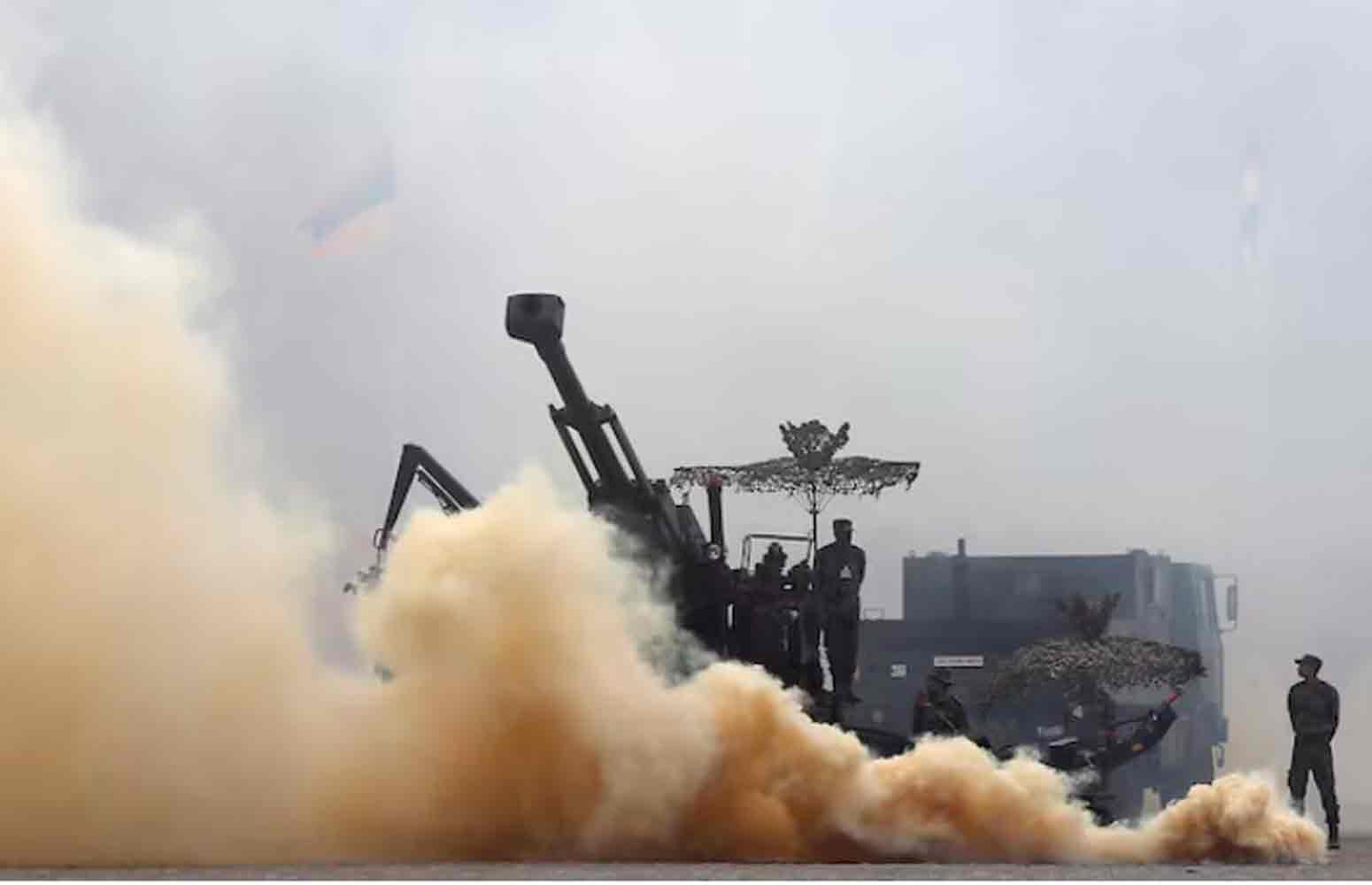
Indian arms manufacturers have been supplying artillery shells that have subsequently been redirected by European clients to Ukraine, with New Delhi refraining from intervening in this trade despite objections from Moscow. This information comes from eleven officials in Indian and European governments and the defense sector, along with a Reuters analysis of publicly accessible customs data.

According to these sources and the customs records, the transfer of munitions to bolster Ukraine’s defense against Russia has been ongoing for over a year. Indian regulations governing arms exports stipulate that weaponry must be used solely by the declared buyer, who may face the risk of losing future sales if unauthorized transfers are detected. The Kremlin has addressed this matter on at least two occasions, including during a meeting in July between Russian Foreign Minister Sergei Lavrov and his Indian counterpart, as reported by three Indian officials.

This marks the first time Reuters has disclosed details regarding these ammunition transfers. Neither the foreign nor defense ministries of Russia and India provided responses to inquiries. In January, Indian foreign ministry spokesperson Randhir Jaiswal stated at a news conference that India had not supplied or sold artillery shells to Ukraine.

Two sources from the Indian government and the defense industry informed Reuters that the amount of ammunition produced by Delhi for use in Ukraine is minimal, with one official estimating it to be less than 1% of the total arms imported by Kyiv since the onset of the conflict. The news agency was unable to ascertain whether the munitions were sold or donated to Kyiv by European clients. Among the European nations supplying Indian munitions to Ukraine are Italy and the Czech Republic, which is spearheading an initiative to provide Kyiv with artillery shells sourced from outside the European Union, as reported by a Spanish official, a senior Indian official, and a former high-ranking executive at Yantra India, a state-owned enterprise whose munitions are currently utilized by Ukraine.

The Indian official indicated that Delhi is closely monitoring the situation. However, along with a defense industry executive with firsthand knowledge of the transfers, he noted that India has not taken steps to restrict the supply to Europe. Like many of the 20 individuals interviewed by Reuters, they requested anonymity due to the sensitive nature of the issue. The defense ministries of Ukraine, Italy, Spain, and the Czech Republic did not respond to inquiries for comment.

Recently, Delhi and Washington have enhanced their defense and diplomatic collaboration, particularly in light of the growing influence of China, which both nations consider their primary adversary. India maintains strong relations with Russia, its longstanding arms supplier, and Prime Minister Narendra Modi has opted not to participate in the Western-led sanctions against Moscow. However, as the world’s largest arms importer, India views the ongoing conflict in Europe as a chance to bolster its emerging arms export industry, according to six Indian sources familiar with government perspectives.

Ukraine, currently engaged in a struggle to counter a Russian offensive towards the eastern logistics center of Pokrovsk, faces a critical shortage of artillery ammunition. The White House refrained from commenting, while the U.S. State Department directed inquiries regarding India’s arms exports to the Indian government.

Data from the Stockholm International Peace Research Institute indicates that India exported slightly over $3 billion in arms from 2018 to 2023. Defense Minister Rajnath Singh announced at an August 30 conference that defense exports exceeded $2.5 billion in the previous fiscal year, with a goal to reach approximately $6 billion by 2029.

Customs records reveal that in the two years leading up to the February 2022 invasion, three prominent Indian ammunition manufacturers—Yantra, Munitions India, and Kalyani Strategic Systems—exported only $2.8 million in munitions components to Italy, the Czech Republic, Spain, and Slovenia, where defense contractors have heavily invested in supply chains for Ukraine. However, between February 2022 and July 2024, this figure surged to $135.25 million, including completed munitions that India began exporting to these four countries.

Arzan Tarapore, a defense expert from Stanford University, noted that India’s initiative to expand its arms exports significantly influenced the transfer of its arms to Ukraine.

The unlisted Italian defense contractor Meccanica per l’Elettronica e Servomeccanismi (MES) has been identified as one of the companies receiving Indian-manufactured shells for Ukraine, according to a former senior official from Yantra. MES is the largest foreign client of Yantra, with the executive noting that the Rome-based firm purchases empty shells from India and subsequently fills them with explosives.

While several Western companies possess the capability to fill explosives, they lack the manufacturing capacity to produce artillery shells on a large scale, the executive explained. In its annual report for 2022-23, Yantra disclosed a partnership with an unnamed Italian client to establish a production line for L15A1 shells, which the former Yantra official confirmed to be MES. Neither MES nor Yantra India responded to requests for comments via email. Customs data reveals that Yantra exported $35 million worth of empty 155mm L15A1 shells to MES from February 2022 to July 2024.

Additionally, customs records indicate that in February 2024, the U.K.-based arms company Dince Hill, which has a senior MES executive on its board, shipped $6.7 million in ammunition from Italy to Ukraine. Among these exports were 155mm L15A1 shells, which the customs declaration stated were produced by MES for the Ukrainian Defense Ministry, aimed at enhancing Ukraine’s defense capabilities and mobilization readiness. Dince Hill did not respond to an email inquiry, and its new owner, Effequattro Consulting based in Rome, was unavailable for comment.

In a separate incident, Spain’s Transport Minister Oscar Puente publicly shared an end-user agreement in May, signed by a Czech defense official, which permitted the transfer of 120mm and 125mm ammunition shells from Munitions India to the arms dealer Czech Defence Systems. Pro-Palestinian activists had claimed that the Borkum, a vessel carrying Indian-made arms that docked in a Spanish port, was transporting these weapons to Israel.

In May, the Spanish newspaper El Mundo reported that the ultimate destination of certain munitions was Ukraine. A Spanish official, along with another source familiar with the situation, confirmed to Reuters that Kyiv was indeed the final recipient. Munitions India and CDS did not provide responses to inquiries. Customs records from March 27 indicate that Munitions India shipped 10,000 rounds of 120mm and 125mm mortar shells, valued at over $9 million, from Chennai to CDS.

Russia, which accounts for more than 60% of India’s arms imports, is considered a key ally for New Delhi. In July, Prime Minister Modi selected Moscow for his first bilateral international visit following his re-election to a third term. During a meeting that same month in Kazakhstan, Indian Foreign Minister Subrahmanyam Jaishankar and Russian Minister Lavrov discussed the use of Indian munitions by Ukrainian forces, with Lavrov expressing concerns about some being produced by state-owned Indian companies, as reported by an Indian official with direct knowledge of the discussion. The official did not disclose Jaishankar’s reply.

Walter Ladwig, a security expert specializing in South Asia at King’s College London, noted that the diversion of a relatively small quantity of ammunition serves a geopolitically advantageous purpose for India. “It enables India to demonstrate to Western partners that it is not aligned with Russia in the ongoing Russia-Ukraine conflict,” he stated, emphasizing that Moscow has limited influence over India’s strategic choices.

Israel’s covert Unit 8200 in spotlight, why?

0

The recent mass pager assault on Hezbollah in Lebanon has brought attention to Israel’s covert Unit 8200, the intelligence division of the Israel Defense Forces, which, according to a Western security source, played a role in orchestrating the operation.

Israeli officials have not commented on the bold intelligence initiative that resulted in 12 fatalities and injured thousands of Hezbollah members. On Wednesday, an additional casualty occurred when handheld radios utilized by Hezbollah exploded.

A senior Lebanese security official and another source informed Reuters that Israel’s Mossad was behind a complex operation that involved embedding a small amount of explosives in 5,000 pagers procured by Hezbollah. A Western security source indicated to Reuters that Unit 8200, a military unit distinct from the spy agency, contributed to the planning phase of the operation, which took over a year to execute. This source noted that Unit 8200 was engaged in the technical aspects of determining how to incorporate explosive materials into the manufacturing process.

Israeli military has refrained from commenting, and the prime minister’s office, which oversees Mossad, did not provide an immediate response to inquiries. Yossi Kuperwasser, a former military intelligence officer and current research director at the Israel Defense and Security Forum, stated that there is no confirmation of the military intelligence unit’s involvement in the attack.

He remarked that the members of Unit 8200 represent some of the most talented and capable individuals within the Israeli military, operating in a unit that is crucial to Israel’s defense infrastructure. “The challenges they encounter are significant and highly demanding, necessitating the involvement of the finest personnel,” he stated.

This unit, along with its carefully selected group of young soldiers, is responsible for the development and operation of intelligence-gathering technologies and is often compared to the U.S. National Security Agency. In a rare public disclosure regarding the unit’s functions, the IDF noted in 2018 that it played a role in preventing an airstrike by Islamic State against a Western nation. At that time, the IDF described the unit’s activities as encompassing intelligence collection, cyber defense, and “technological attacks and strikes.”

Although Israel has not officially acknowledged its participation, Unit 8200 has been reported to have taken part in the Stuxnet operation, which incapacitated Iranian nuclear centrifuges, as well as several other notable missions beyond Israel’s borders.

The unit serves as Israel’s primary early warning mechanism and, similar to other sectors within the defense and security framework, has faced criticism for its inability to foresee Hamas’ attack on October 7 in southern Israel. Last week, its commander announced his resignation, stating in a letter to the media that he felt he had not accomplished his objectives.

Renowned for fostering a culture of innovative problem-solving, the unit has contributed to the development of Israel’s high-tech industry and some of its largest enterprises. Avi Shua, an alumnus of 8200 who co-founded Orca Security, a leading cloud security firm, remarked, “Whether it’s addressing software vulnerabilities, mathematical challenges, encryption issues, or hacking, you must be able to tackle these problems independently.”

Kobi Samboursky, another former member of 8200 and Managing Partner at Glilot Capital Partners, noted the unit’s high turnover, with young recruits frequently replacing seasoned veterans. He emphasized that the most important aspect is the prevailing ‘can-do’ mentality, where anything is achievable.

Israel bombs Lebanon, says it disrupted an assassination plot

0

On Thursday, Israel conducted airstrikes in southern Lebanon, claiming to have disrupted an assassination plot linked to Iran. This action followed a series of explosions involving Hezbollah radios, which occurred a day earlier and raised tensions between the two adversaries, pushing them closer to potential conflict.

The targeted strikes on communication devices utilized by the Iran-supported group Hezbollah have created significant chaos in Lebanon, leading many to believe that a return to full-scale war, last seen 18 years ago, is imminent.

On Wednesday, hand-held radios belonging to Hezbollah exploded throughout southern Lebanon, marking the deadliest day since the onset of cross-border skirmishes between the militants and Israel, which began nearly a year ago alongside the Gaza conflict. The day prior, a simultaneous detonation of hundreds of pagers—used by Hezbollah to avoid mobile phone tracking—resulted in the deaths of 12 individuals, including two children, and left nearly 3,000 others injured.

Israel has refrained from making a direct statement regarding the recent attacks; however, various security sources indicate that they were executed by the Mossad, Israel’s intelligence agency.

On Thursday, Israeli security services announced the arrest of an Israeli citizen last month on suspicions of being involved in an assassination plot backed by Iran. The individual, a businessman with ties to Turkey, reportedly participated in at least two meetings in Iran to plan the assassination of Prime Minister Benjamin Netanyahu, the defense minister, or the head of the Shin Bet intelligence agency.

In a separate development, Israeli jets and artillery targeted several locations in southern Lebanon, according to the military. The strikes reportedly hit Hezbollah positions in Chihine, Tayibe, Blida, Meiss El Jabal, Aitaroun, and Kfarkela, along with a Hezbollah weapons storage site in Khiam. Israeli media have reported that several civilians were injured due to anti-tank missile fire from Lebanon, although this has not been officially confirmed.

On Wednesday, Hezbollah launched approximately 20 projectiles into Israel, most of which were intercepted by air defense systems, resulting in no reported injuries, according to the military.

Israel and Hezbollah have been engaged in cross-border exchanges of fire along the Israeli-Lebanon frontier, coinciding with Israel’s military operations in Gaza against Hamas. As a result, tens of thousands of individuals have been compelled to evacuate from the border region on both sides.

Prime Minister Netanyahu pledged on Wednesday to ensure the safe return of evacuated Israelis to their residences. On the same day, Israeli Defence Minister Yoav Gallant indicated that the conflict is entering a new phase, with additional resources and military units being redeployed to the northern border.

Israeli officials report that the forces being sent to this area include the 98th Division, an elite unit comprising commandos and paratroopers that has been actively engaged in Gaza.

Following the Hamas attack, Hezbollah initiated missile strikes against Israel, leading to a sustained exchange of fire that both parties have managed to prevent from escalating into a full-scale war.

Nevertheless, the evacuation of tens of thousands continues on both sides, and there is increasing pressure within Israel for the government to facilitate the return of evacuees to their homes.

Hezbollah’s hand-held radios detonated across Lebanon, 3 dead, numerous injured

0

Hand-held radios utilized by Hezbollah detonated on Wednesday in southern Lebanon and the southern suburbs of Beirut, according to a security source and a witness, escalating tensions with Israel just one day after similar explosions triggered by the group’s pagers.

Reports from the state news agency indicate that three individuals lost their lives in Lebanon’s Bekaa region, with numerous others injured in the recent blast. At least one explosion occurred near a funeral held by Iran-backed Hezbollah for those who died the previous day when thousands of the group’s pagers exploded nationwide, injuring many of its fighters.

Following the chaos caused by the pager incidents, Hezbollah announced on Wednesday that it had launched rockets at Israeli artillery positions, marking its first offensive against its long-standing adversary since the blasts injured thousands of its members in Lebanon, raising concerns about a potential escalation of conflict in the Middle East.

A security source revealed that the hand-held radios were acquired by Hezbollah five months ago, coinciding with the purchase of the pagers.

Israel’s intelligence agency, Mossad, known for its intricate operations abroad, reportedly placed explosives within pagers imported by Hezbollah several months prior to the detonations that occurred on Tuesday, according to a senior Lebanese security official and another source who spoke to Reuters.

The death toll from the blasts has now reached 12, including two children, as confirmed by Lebanese Health Minister Firass Abiad on Wednesday. The attack injured nearly 3,000 individuals, among them numerous fighters from the militant group and Iran’s envoy to Beirut.

UN High Commissioner for Human Rights, Volker Turk, has called for an independent inquiry into the circumstances surrounding the exploding pagers.

A Taiwanese manufacturer of pagers has refuted claims that it produced the devices involved in this bold attack, which has heightened fears of a potential full-scale conflict between the Iran-supported Hezbollah and Israel. Gold Apollo stated that the devices were manufactured under license by a company named BAC, located in Budapest, Hungary.

There has been no immediate confirmation regarding the timing of Hezbollah’s latest rocket attack; however, the group typically announces such actions shortly after execution, indicating that the strikes were likely directed at Israeli artillery positions on Wednesday.

Hezbollah has pledged to retaliate against Israel, which has refrained from commenting on the explosions. Since the onset of the Gaza conflict last October, both parties have been involved in cross-border hostilities, raising concerns about a potential broader conflict in the Middle East that could involve the United States and Iran.

Jordan’s Foreign Minister Ayman Safadi has accused Israel of escalating tensions in the region, pushing it toward the brink of a wider war.

Mohanad Hage Ali from the Carnegie Middle East Center noted that while Hezbollah aims to avoid a full-scale war, the significant impact on families and civilians may create pressure for a more robust response.

Hezbollah, recognized as Iran’s most influential proxy in the region, stated it would continue to support Hamas in Gaza, warning Israel to expect a reaction to the “massacre” that resulted in numerous casualties among fighters and civilians.

A Hezbollah official described the incident as the group’s “largest security breach” in its history. Footage from hospitals depicted individuals with various injuries, including facial wounds and severe injuries to limbs, likely caused by the pagers.

Sources indicated that the plot had been in development for several months, following a series of targeted assassinations of Hezbollah and Hamas leaders attributed to Israel since the beginning of the Gaza conflict.

Japan’s Mitsubishi will supply H3 rockets to France from 2027

0

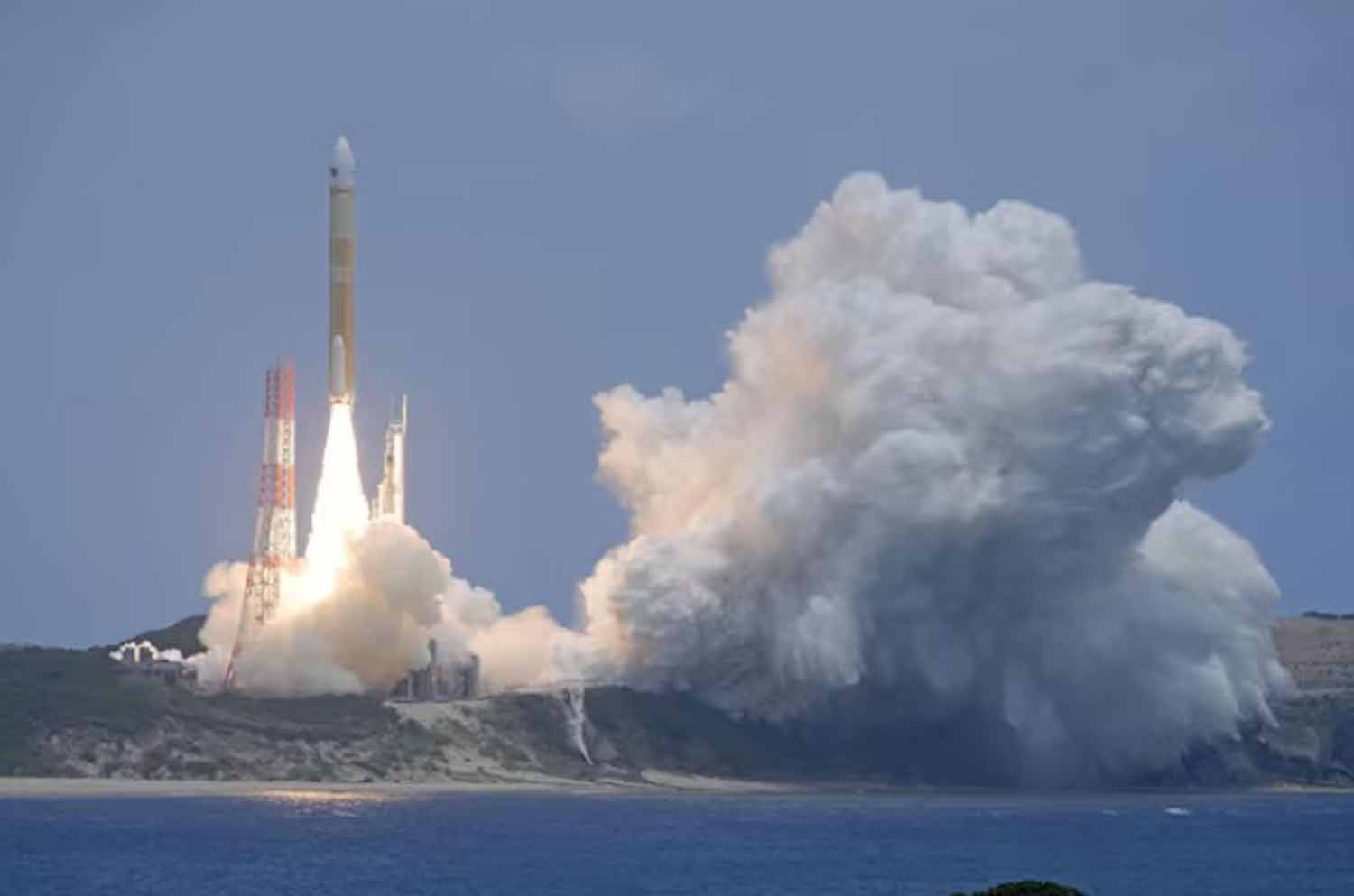
Mitsubishi Heavy Industries (MHI) of Japan has announced an agreement to conduct multiple H3 rocket launches for the French satellite company Eutelsat Group, starting in 2027.

This development marks a significant international achievement for Japan’s H3 rocket project, which is backed by 220 billion yen ($1.55 billion) in state funding and successfully completed its inaugural flight in February after overcoming a previous failure.

Eutelsat, recognized as the third-largest satellite operator globally by revenue, will be the second international client for the H3, following Britain’s Inmarsat. While a spokesperson for MHI refrained from disclosing specific details regarding costs and the orbital parameters for Eutelsat’s satellite launches, the company has previously indicated its goal to lower the per-launch expenses to 5 billion yen and to increase the annual launch frequency to ten.

For both MHI and the Japanese government, the H3 rocket represents a key asset for Japan’s satellite and exploration initiatives, positioned as a competitively priced option amid the growing global demand for launch services, particularly with the rise of commercial operators like SpaceX.

Following its merger with OneWeb last year, Eutelsat is now in competition with SpaceX’s Starlink, led by Elon Musk, in the market for low-earth orbit communications satellites. This year has seen the introduction of several new rockets.

The Vulcan rocket, developed by the joint venture United Launch Alliance, which includes Boeing and Lockheed Martin, successfully completed its inaugural flight in January. Meanwhile, the Ariane 6, created by Airbus and Safran’s ArianeGroup for the European Space Agency, made its first flight in July.

Additionally, Blue Origin, founded by Jeff Bezos, anticipates the launch of its New Glenn rocket by the end of this year, which is being developed for Amazon’s satellite internet initiative, Kuiper.

Biden administration to host global summit on artificial intelligence safety

0

The Biden administration announced on Wednesday its intention to host a global summit focused on artificial intelligence safety, amid ongoing challenges in Congress regarding the regulation of this technology.

Commerce Secretary Gina Raimondo and Secretary of State Anthony Blinken will lead the inaugural meeting of the International Network of AI Safety Institutes in San Francisco on November 20-21, aiming to foster international collaboration for the responsible and secure advancement of artificial intelligence.

The network comprises members from Australia, Canada, the European Union, France, Japan, Kenya, South Korea, Singapore, the United Kingdom, and the United States. The rise of generative AI, capable of producing text, images, and videos from open-ended prompts, has generated both enthusiasm and concerns about its potential to disrupt employment, influence elections, and pose significant risks to humanity.

Raimondo initially unveiled the International Network of AI Safety Institutes during the AI Seoul Summit in May, where participating nations committed to prioritizing safety, innovation, and inclusivity in AI development. The upcoming San Francisco meeting aims to initiate technical collaboration in preparation for the AI Action Summit scheduled in Paris for February.

Raimondo emphasized the goal of fostering “close, thoughtful coordination with our allies and like-minded partners.” She further stated, “We aim for the principles governing AI to be founded on safety, security, and trust.”

The upcoming meeting in San Francisco will bring together technical experts from each member’s AI safety institute or equivalent government-supported scientific organization to identify key focus areas and promote global collaboration and knowledge exchange regarding AI safety.

Recently, the Commerce Department announced a proposal to implement stringent reporting requirements for advanced AI developers and cloud computing providers to ensure the safety of these technologies and their resilience against cyber threats.

This regulatory initiative arises amid a standstill in legislative efforts concerning AI in Congress. In October 2023, President Joe Biden signed an executive order mandating that developers of AI systems that could pose risks to U.S. national security, the economy, or public health and safety must submit the results of their safety assessments to the U.S. government prior to public release.

Jordan says Israeli escalation pushing Middle East to regional conflict

0

On Wednesday, Jordan’s foreign minister stated that Israel is driving the entire Middle East towards the edge of regional conflict due to its ongoing dangerous escalation on multiple fronts.

Following a meeting in Amman of an Islamic and Arab ministerial contact group aimed at advocating for a ceasefire in Gaza, Ayman Safadi emphasized that lasting peace cannot be achieved without a two-state solution.

Safadi has retained his position in the newly appointed Jordanian cabinet announced on the same day.

Kremlin says Stoltenberg’s remarks regarding missile attacks are dangerous

0

On Wednesday, the Kremlin labeled as “dangerous” remarks made by Jens Stoltenberg, the outgoing NATO chief, regarding the West’s potential decision to permit Ukraine to utilize Western long-range weaponry against Russia.

Stoltenberg indicated that such a move would not constitute a red line that would trigger an escalation from Moscow. For months, Ukrainian President Volodymyr Zelenskiy has been urging allies to allow Ukraine to deploy Western missiles, including long-range U.S. ATACMS and British Storm Shadows, to diminish Russia’s capacity to conduct attacks.

In an interview with The Times released on Tuesday, Stoltenberg downplayed a warning issued by Russian President Vladimir Putin the previous week, which suggested that allowing Ukraine to target deep within Russian territory would signify direct Western involvement in the conflict. “Numerous red lines have been proclaimed by him in the past, and he has not escalated, which also means not involving NATO allies directly in the conflict,” Stoltenberg stated, as his term as head of the military alliance concludes in October.

He has refrained from taking action because he understands that NATO represents the most formidable military alliance globally. Additionally, there is a shared understanding that nuclear warfare cannot be won and should be avoided. We have communicated this to him on multiple occasions.

Kremlin spokesman Dmitry Peskov expressed to reporters that Stoltenberg’s comments are perilous. “This blatant disregard for the Russian president’s statements is a completely myopic and unprofessional approach,” Peskov stated. He further characterized Stoltenberg’s stance as “highly provocative and dangerous.”

A senior NATO military official indicated over the weekend that Ukraine would have valid military justification to conduct strikes deeper into Russian territory using Western armaments. Allies of Kyiv, including the United States and the United Kingdom, are currently deliberating whether to authorize such actions.

Prominent Russian politicians and foreign policy advocates have hinted that Moscow might consider a nuclear response. The head of Russia’s nuclear testing facility announced on Tuesday that it is prepared to resume testing “at any moment,” emphasizing that Russia possesses the largest nuclear arsenal in the world.

Throughout the duration of the conflict, Washington and its allies have significantly escalated military support for Ukraine in ways that were previously unimaginable, such as supplying tanks, sophisticated missiles, and F-16 fighter jets.

This shift has led some Western politicians to propose that Putin’s nuclear threats are merely a bluff, advocating for the U.S. and NATO to fully commit to assisting Ukraine in achieving victory.

President Zelenskiy has remarked that Ukraine’s offensive into Russian territory, initiated on August 6, undermines Putin’s established red lines.

Single-state veto power in the Security Council should be abolished, President Finland says

0

Finland’s President Alexander Stubb has advocated for the expansion of the U.N. Security Council, the elimination of the veto power held by individual states, and the suspension of any member involved in an “illegal war,” such as Russia’s invasion of Ukraine.

Stubb, who oversees the foreign policy of the Nordic country, expressed his intention to support reform initiatives at the upcoming U.N. General Assembly in New York, where the composition of the Security Council will be a key topic of discussion.

The council, which currently comprises five permanent and ten rotating members, is tasked with maintaining global peace; however, geopolitical tensions have hindered its effectiveness on matters ranging from Ukraine to Gaza.

In a Tuesday interview, Stubb proposed increasing the number of permanent members from five to ten, suggesting the addition of one member from Latin America, two from Africa, and two from Asia. “No single state should possess veto power in the U.N. Security Council,” he stated in an interview with Reuters.

United States, alongside Russia, China, France, and Britain, is one of the five nations with veto power and has expressed support for the addition of two permanent seats for African nations. Stubb remarked that any member involved in an unlawful conflict, “like Russia’s current actions in Ukraine,” should be removed from the council.

Moscow has defended its actions in Ukraine by claiming it is establishing a buffer against Western threats and reclaiming territory it considers historically Russian.

Stubb acknowledged that his proposals for the Security Council were “more ambitious than what is typically suggested by smaller member states,” but emphasized that larger nations are unlikely to propose measures that would diminish their own power. “They may make statements, but they do not follow through,” he stated, expressing hope that others would assist in advancing the initiative by the time the U.N. celebrates its 80th anniversary next year.

Any modifications to the Security Council’s membership require the approval of two-thirds of the General Assembly, which includes the five veto-holding nations.

The core message conveyed is that if nations from the global South, including those in Latin America, Africa, and Asia, are not granted agency within the international system, they may distance themselves from the United Nations, which is an outcome we wish to avoid, he stated. The former Finnish prime minister and current president, who assumed office in March, called for support for Ukrainian President Volodymyr Zelenskiy, who is scheduled to present his “victory plan” at the upcoming U.N. assembly.

“He has indicated that 90% of the plan is already in place, and the remaining 10% he will outline is essential for his success in this conflict,” Stubb remarked. He urged Western countries to remove restrictions on the use of donated weapons, which currently leave Ukraine at a disadvantage. “We must release those constraints and enable Ukraine to respond in kind to Russia’s actions,” he emphasized.

Stubb dismissed Russian President Vladimir Putin’s threats of nuclear escalation, noting, “The last time Putin employed aggressive rhetoric regarding nuclear arms, the global South and China effectively told him to cease.”

China imposes asset freezes on 9 US companies

0

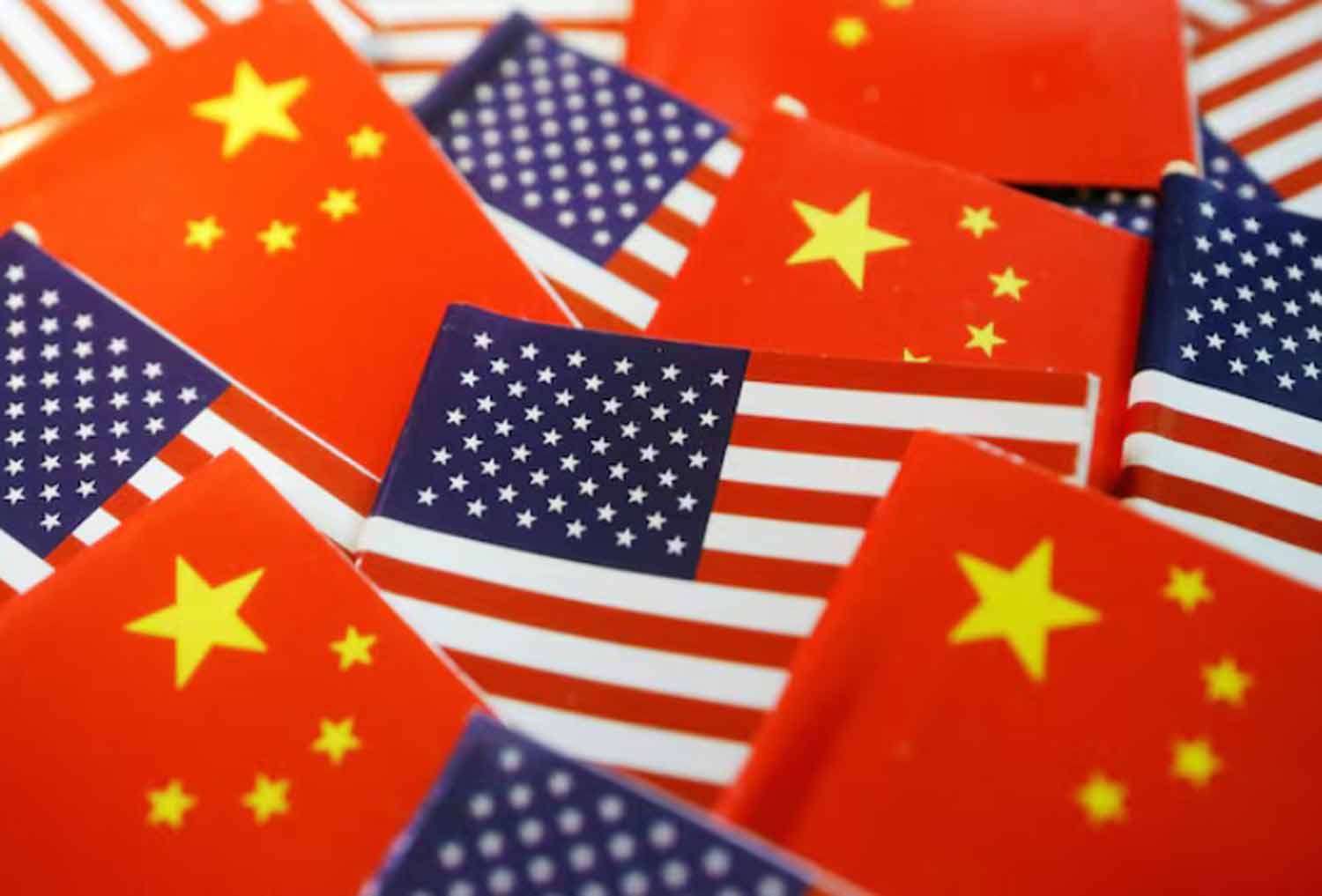
On Wednesday, China implemented measures against nine U.S. companies associated with the military in response to American arms sales to Taiwan, resulting in the freezing of their assets within China.

This action represents a continued effort to pressure the United States to cease its military support for the island. China has consistently urged the White House, a key international ally and arms provider for the democratically governed Taiwan, to avoid formal interactions with the island’s leadership, as Beijing regards Taiwan as part of its territory.

The measures, which took effect on Wednesday, target firms such as Sierra Nevada Corporation and Stick Rudder Enterprises LLC, among others. According to a statement from the foreign ministry, these actions are characterized as countermeasures and also extend to Cubic Corporation, S3 Aerospace, TCOM Ltd Partnership, TextOre, Planate Management Group, ACT1 Federal, and Exovera.

The statement indicated that organizations and individuals in China are barred from conducting transactions with the specified companies. On Wednesday, a representative from China’s foreign ministry called on the United States to “immediately cease the perilous trend of supplying arms to Taiwan.”

Lin Jian, the ministry spokesperson, emphasized during a regular press briefing the need to “stop colluding with and supporting Taiwan independence, and to refrain from jeopardizing peace and stability in the Taiwan Strait.”

China has previously imposed sanctions and restrictions on companies, including subsidiaries of Lockheed Martin, for their arms sales to Taiwan. The Chinese government has expressed strong opposition to U.S. arms sales to Taiwan and has urged Washington to retract them without delay.

Additionally, the defense ministry has previously filed a complaint with the United States regarding this issue. Over the past five years, China has intensified its military and political pressure to reinforce its claims, which are firmly rejected by Taipei.

Greece to acquire Switchblade drones from US

0

Greece is set to acquire Switchblade drones from the United States as part of its efforts to enhance its military capabilities following a prolonged debt crisis, according to two sources on Wednesday.

The Greek government has outlined a comprehensive multi-billion euro, 10-year procurement strategy that includes the acquisition of up to 40 F-35 fighter jets from the U.S. and three frigates from France.

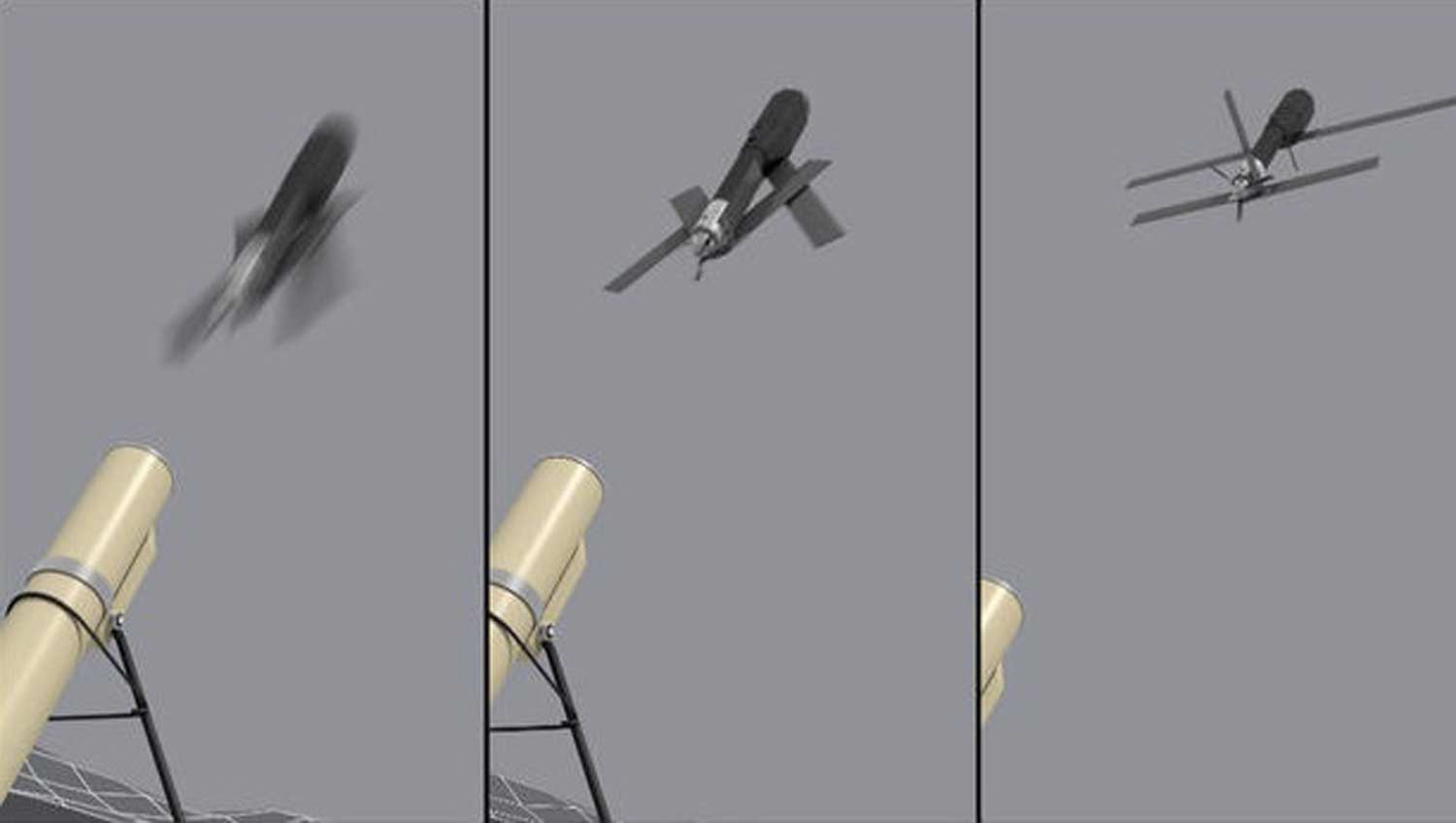
The Switchblade drones, manufactured by AeroVironment, Inc., are designed to fly to a target and detonate, gaining prominence due to their use by the Ukrainian military against Russian forces. A Greek official familiar with the matter confirmed to Reuters that the Switchblade model has been chosen, although the exact quantity remains unspecified.

Another official indicated that the total expenditure would amount to 75.2 million euros, with military leaders approving two variants of the Switchblade, capable of ranges of up to 20 km (12 miles) and 40 km. This acquisition will enhance Greece’s existing arsenal, which includes Spike anti-tank missiles purchased from Israel, intended for deployment on its Aegean islands.

Additionally, Greece has plans to develop its own drone and anti-drone systems.

Greece and Turkey, both members of NATO, have a history of disputes concerning various matters such as the boundaries of their continental shelves, energy resources, airspace over the Aegean Sea, and the division of the island of Cyprus along ethnic lines.

Additionally, the acquisition of Switchblade drones requires the endorsement of Greece’s primary authority on foreign and defense policy, known as KYSEA.

Ukrainian drone strike on Russian territory triggers massive explosion

0

A significant drone strike by Ukraine on Russian territory resulted in a massive explosion and prompted the partial evacuation of residents near a large military arsenal in the Tver region on Wednesday, as reported by war bloggers and various media outlets.

Unverified footage and images circulating on social media depicted a colossal fireball shooting into the night sky, accompanied by loud detonations echoing across a nearby lake in this area located northwest of Moscow and close to the Belarus border. NASA satellites detected multiple sources of activity at the site in the early hours of Wednesday, while earthquake monitoring stations recorded what appeared to be a minor seismic event in the vicinity.

Firefighters were engaged in efforts to control the blaze, as stated by Igor Rudenya, the governor of the Tver region, in a message on the region’s Telegram channel. He did not specify the nature of the burning materials. A report from RIA state news agency in 2018 indicated that Russia was constructing an arsenal in Toropets, a historic town with a population of just over 11,000, for the storage of missiles, ammunition, and explosives.

Russian state media indicated that the site in question was a significant stockpile of conventional weapons. There were no reports of casualties.

George William Herbert from the Middlebury Institute of International Studies at Monterey, California, noted that the magnitude of the primary explosion depicted in an unverified social media video appeared to align with the detonation of 200-240 tons of high explosives.

The defense ministry did not provide a response to a request for clarification. In the Zapadnodvinsky district, which adjoins the Toropetsky district, schools and kindergartens transitioned to online learning, as announced by the district administration on the VKontakte social network.

According to reports from Russian state news agencies, Russia’s air defense units intercepted 54 drones launched by Ukraine overnight targeting five western Russian regions. Regional governors reported no damage resulting from these attacks.

The report from the defense ministry did not reference the Tver region, located to the southeast of the Moscow region. There was no immediate response from Ukraine. Kyiv has previously stated that its strikes against Russia target military, energy, and transportation infrastructure that are vital to Moscow’s military operations.

Russian authorities seldom reveal the full scale of the damage caused by Ukrainian assaults. Over the past two years, as Ukraine has significantly increased its domestic drone production, it has also intensified its attacks on Russian territory.

In September, Ukraine launched its largest drone assault on the Russian capital, resulting in at least one fatality, damaging residential areas, and causing disruptions to flights at Moscow’s airports.

North Korea fires short-range ballistic missiles

0

On Wednesday, North Korea launched several short-range ballistic missiles towards its eastern coast, as reported by South Korea and Japan. This action occurred shortly after Pyongyang revealed a new uranium enrichment facility and pledged to enhance its nuclear capabilities. The missiles were launched from Kaechon, located north of Pyongyang, at approximately 6:50 a.m. local time (2150 GMT Tuesday), traveling in a northeast direction for about 400 kilometers (249 miles), according to South Korea’s Joint Chiefs of Staff (JCS). The JCS did not disclose the exact number of missiles launched or their landing sites. In a statement, the JCS expressed strong condemnation of North Korea’s missile tests, labeling them a blatant provocation that poses a significant threat to peace and stability on the Korean peninsula, and promised decisive responses to any future provocations. Approximately 30 minutes after the initial missile launch, Japan’s coast guard reported that North Korea had fired another ballistic missile. Japanese Defence Minister Minoru Kihara indicated that at least one missile landed near North Korea’s eastern inland coast, asserting that such actions are “unacceptable.”

1. The U.S. Indo-Pacific Command announced on X that it is monitoring the missile launches and is in close consultation with both Seoul and Tokyo. Last Thursday, North Korea launched several short-range ballistic missiles, marking its first such activity in over two months, which it later characterized as a test of a new 600-mm multiple launch rocket system. South Korea’s Joint Chiefs of Staff suggested that the launch may have been intended to evaluate weapons for potential export to Russia, amid growing military collaboration between the two nations. The United States, South Korea, and Ukraine, among others, have accused Pyongyang of providing rockets and missiles to Moscow for use in the ongoing conflict in Ukraine, in exchange for economic and military support. North Korean Foreign Minister Choe Son Hui, currently in Russia for conferences, met with her Russian counterpart Sergei Lavrov in Moscow on Tuesday to discuss enhancing bilateral relations, as reported by the Russian foreign ministry on its website. The missile launches on Wednesday also followed North Korea’s first public display of centrifuges capable of producing fuel for nuclear weapons, coinciding with leader Kim Jong Un’s visit to a uranium enrichment facility, where he called for an increase in weapons-grade material to expand the country’s arsenal.

China’s aircraft carrier enters Japan’s contiguous waters for the first time

0

A Chinese aircraft carrier made its first temporary incursion into Japan’s contiguous waters on Wednesday, as reported by Japan’s public broadcaster NHK. This incident marks another potential escalation in tensions between the two nations.

The carrier navigated between the southern islands of Yonaguni and Iriomote, entering a zone that extends up to 24 nautical miles from Japan’s coastline, where the country can exercise certain controls as outlined by the United Nations. The Japanese defense ministry has not yet provided a comment on the situation.

Last month, Japan filed a formal protest with China after a Chinese naval survey vessel entered its waters, following an airspace violation. Additionally, in July, a Japanese destroyer made an uncommon foray into Chinese territorial waters near Taiwan, according to reports from Japanese media.

The increase in Chinese military operations near Japan and around Taiwan in recent years has raised alarms in Tokyo, prompting Japan to enhance its defense capabilities in an effort to deter Beijing from employing military force to assert its territorial claims in the region.

On Wednesday morning, Taiwan’s defense ministry reported the detection of a Chinese aircraft carrier group navigating through waters off its eastern coast, heading towards Yonaguni, Japan’s southernmost island, located approximately 110 km (69 miles) east of Taiwan.

China, which considers the democratically governed Taiwan as part of its territory, has been conducting regular military exercises around the island for the past five years to exert pressure on Taiwan to acknowledge Beijing’s sovereignty claims, despite strong opposition from Taipei.

The ministry indicated that the Chinese vessels, led by the Liaoning, the oldest of China’s three aircraft carriers, were observed in the early hours of Wednesday moving through waters to the northeast of Taiwan. Subsequently, the group proceeded southeast towards Yonaguni, which is visible from Taiwan on clear days. Taiwan has been monitoring the ships and has deployed its forces for surveillance, as stated by the ministry.

Malaysia’s Sultan Ibrahim will discuss infrastructure projects during four-day visit to China

0

Sultan Ibrahim of Malaysia is set to embark on a four-day visit to China, as announced by the Chinese foreign ministry on Wednesday. The ceremonial leader from Johor is expected to seek assistance in revitalizing projects that enhance connectivity with neighboring Singapore.

Having been appointed as the 17th king of Malaysia in January, Sultan Ibrahim is part of a distinctive monarchy system where the heads of the nine royal families rotate the kingship every five years, maintaining a stance above political affairs. However, at 65 years old, he has expressed a desire to engage in the nation’s political landscape, suggesting that Malaysia’s state oil company, Petroliam Nasional, and the anti-corruption agency should report directly to the king, as stated in an interview with Singapore’s Strait Times prior to his ascension.

The visit, scheduled for September 19-22, comes at the invitation of President Xi Jinping, with the foreign ministry providing limited additional information.

In June, Premier Li Qiang, China’s second-highest official, visited Kuala Lumpur and expressed support for Malaysia’s initiative to enhance its connectivity through a $10 billion East Coast Rail link, which would integrate with other China-supported railway projects in Laos and Thailand.

Li emphasized that this initiative would contribute to the realization of a proposed Pan-Asia Railway connecting Kunming in China to Singapore, likely passing through Johor, where Ibrahim also aims to establish a rail connection.

Ibrahim has also mentioned efforts to revive a previously halted high-speed rail project between Malaysia and Singapore, featuring a border crossing at Forest City, a $100 billion land reclamation and development venture backed by China, in which he has an interest.

AUKUS Pillar II: Canada, Japan, New Zealand are new members

0

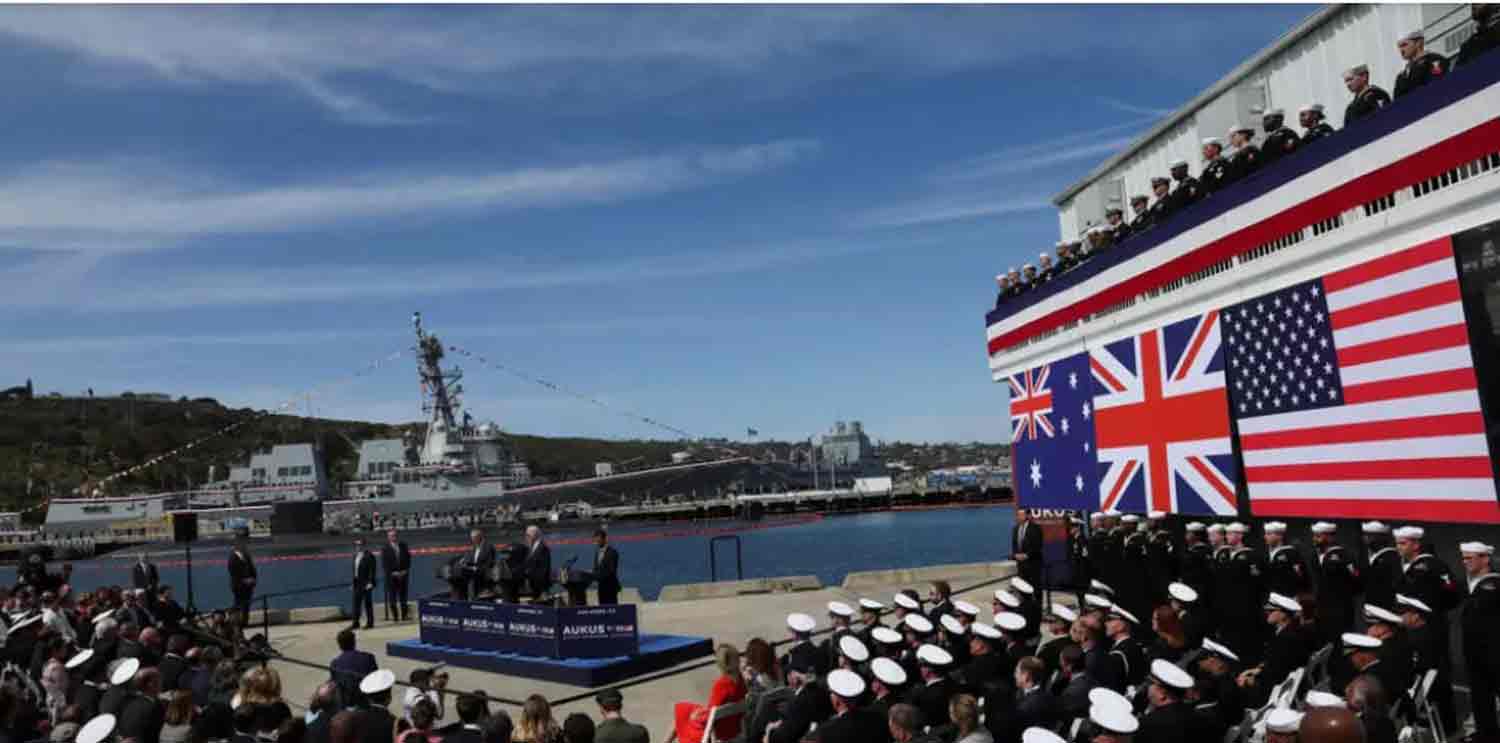
AUKUS alliance, comprising Australia, Britain, and the United States, announced on Wednesday that they are engaging in discussions with Canada, Japan, and New Zealand regarding potential partnerships in defense technology initiatives.

This collaboration aims to enhance the AUKUS defense technology framework, which is set to provide Australia with nuclear-powered submarines in the coming decade, while also focusing on the development of advanced weaponry to strengthen deterrence in the Indo-Pacific region, particularly in light of concerns surrounding China’s naval expansion.

The leaders from Australia, Britain, and the U.S. indicated that these new partners could play a role in the AUKUS “Pillar Two,” which excludes nuclear submarines. In a joint statement commemorating the third anniversary of AUKUS, they noted, “We are consulting with Canada, New Zealand, and the Republic of Korea to explore opportunities for collaboration on advanced capabilities under AUKUS Pillar II.” Canadian Defence Minister Bill Blair mentioned during a recent visit to Tokyo that Canada is in discussions with AUKUS regarding participation in various projects, although specific details were not disclosed.

New Zealand’s Foreign Minister, Winston Peters, stated that the consultation represents “a continuation of New Zealand’s thoughtful and measured examination, under various administrations, of the implications of engaging with AUKUS Pillar 2 for our nation in both strategic and economic contexts.”

New Zealand has a longstanding commitment to being nuclear-free. “We will maintain an open and transparent dialogue with New Zealanders regarding the pertinent issues,” Peters shared on his X account on Wednesday.

How did Mossad hack into Hezbollah’s communications system?

0

According to reports from a senior Lebanese security source and another informant, Israel’s Mossad intelligence agency embedded explosives within 5,000 pagers that were imported by the Lebanese group Hezbollah several months prior to the detonations that occurred on Tuesday.

This operation represented a significant security breach for Hezbollah, resulting in the detonation of numerous pagers throughout Lebanon, which led to the deaths of nine individuals and injuries to nearly 3,000 others, including members of the group and Iran’s representative in Beirut.

The Lebanese security source indicated that the pagers originated from Gold Apollo, a company based in Taiwan; however, Gold Apollo stated in a press release that it did not produce the devices. Instead, it clarified that the pagers were manufactured by a firm named BAC, which holds a license to utilize its brand, but did not provide further information.

Hezbollah, which is supported by Iran, has pledged to take retaliatory action against Israel, whose military has refrained from commenting on the explosions. In a statement released on Wednesday, Hezbollah asserted that “the resistance will persist today, as it has on any other day, in its efforts to support Gaza, its populace, and its resistance, which is distinct from the severe retribution that the criminal enemy (Israel) should anticipate in response to Tuesday’s massacre.”

According to multiple sources, the plot seems to have been in development for several months, as reported by Reuters. A senior security official from Lebanon indicated that the group had procured 5,000 beepers from Gold Apollo, which sources claim were smuggled into the country earlier this year.

Hsu Ching-Kuang, the founder of Gold Apollo, stated that the pagers involved in the explosion were manufactured by a European company authorized to use the brand, although he could not immediately verify the company’s name. The firm identified in a statement as BAC was not confirmed by Hsu regarding its location. “The product was not ours; it merely bore our brand,” Hsu remarked to reporters at the company’s offices in New Taipei, Taiwan, on Wednesday.

The senior Lebanese security official recognized a photograph of the pager model, the AP924, which, like other pagers, can wirelessly receive and display text messages but lacks the capability to make phone calls. Gold Apollo further clarified in a statement that the AR-924 model was produced and marketed by BAC.

The statement indicated, “Our role is limited to providing brand trademark authorization, and we do not participate in the design or manufacturing of this product.”

According to two sources familiar with Hezbollah’s operations, the group has resorted to using pagers as a rudimentary communication method to avoid detection by Israeli tracking systems. However, a senior Lebanese source revealed that these devices had been altered by Israel’s intelligence agency “at the production level.” The source explained, “The Mossad embedded a circuit board within the device that contains explosive materials activated by a specific code. It is extremely difficult to detect this modification using any standard device or scanner.”

The source further noted that 3,000 pagers detonated upon receiving a coded message, triggering the explosives simultaneously. Another security source informed Reuters that the new pagers concealed up to three grams of explosives, which had remained “undetected” by Hezbollah for several months.

Hsu expressed uncertainty regarding the method used to rig the pagers for detonation. Israeli officials did not provide immediate comments in response to Reuters’ inquiries. Analysis of images depicting the destroyed pagers revealed a design and labeling consistent with those produced by Gold Apollo.

The attack left Hezbollah in disarray, resulting in injuries, hospitalizations, and fatalities among its fighters and affiliates. A Hezbollah official, who requested anonymity, described the incident as the group’s “most significant security breach” since the onset of the Gaza conflict involving Israel and its ally Hamas on October 7.

Jonathan Panikoff, a former deputy national intelligence officer for the Middle East in the U.S. government, remarked, “This represents the most substantial counterintelligence failure Hezbollah has experienced in decades.”

In February, Hezbollah formulated a military strategy aimed at rectifying deficiencies within its intelligence framework. Approximately 170 fighters had already perished due to targeted Israeli airstrikes in Lebanon, which included the loss of a senior commander and a prominent Hamas official in Beirut.

In a televised address on February 13, Secretary General Hassan Nasrallah issued a grave warning to supporters, stating that their mobile phones posed a greater threat than Israeli spies, urging them to either destroy, bury, or securely lock away their devices. In response, the organization decided to distribute pagers to its members across various divisions, including combatants and medics involved in its humanitarian efforts.

Footage from hospitals reviewed by Reuters indicated that the explosions resulted in severe injuries to numerous Hezbollah members, with wounded individuals suffering from facial injuries, amputated fingers, and significant wounds at the hip, where the pagers were presumably carried.

A senior Lebanese security official, possessing direct knowledge of the group’s investigation into the blasts, remarked, “We really got hit hard.” The pager explosions occurred amid escalating tensions between Israel and Hezbollah, which have been engaged in cross-border hostilities since the onset of the Gaza conflict last October.

While the war in Gaza has been Israel’s primary concern following the October 7 assault by Hamas-led militants, the volatile situation along Israel’s northern border with Lebanon has raised alarms about a potential regional conflict involving the United States and Iran. A missile barrage launched by Hezbollah the day after October 7 marked the beginning of this latest phase of conflict, leading to daily exchanges of rockets, artillery, and missiles, with Israeli aircraft conducting strikes deep within Lebanese territory.

Hezbollah has asserted that it does not desire a broader war but is prepared to engage if Israel initiates one. Israeli Defence Minister Yoav Gallant informed U.S. Defense Secretary Lloyd Austin on Monday that the opportunity for a diplomatic resolution to the standoff with the Iranian-backed Hezbollah movement in southern Lebanon is rapidly diminishing.

Russia’s Shoigu visits Iran for security talks following North Korean meetings

0

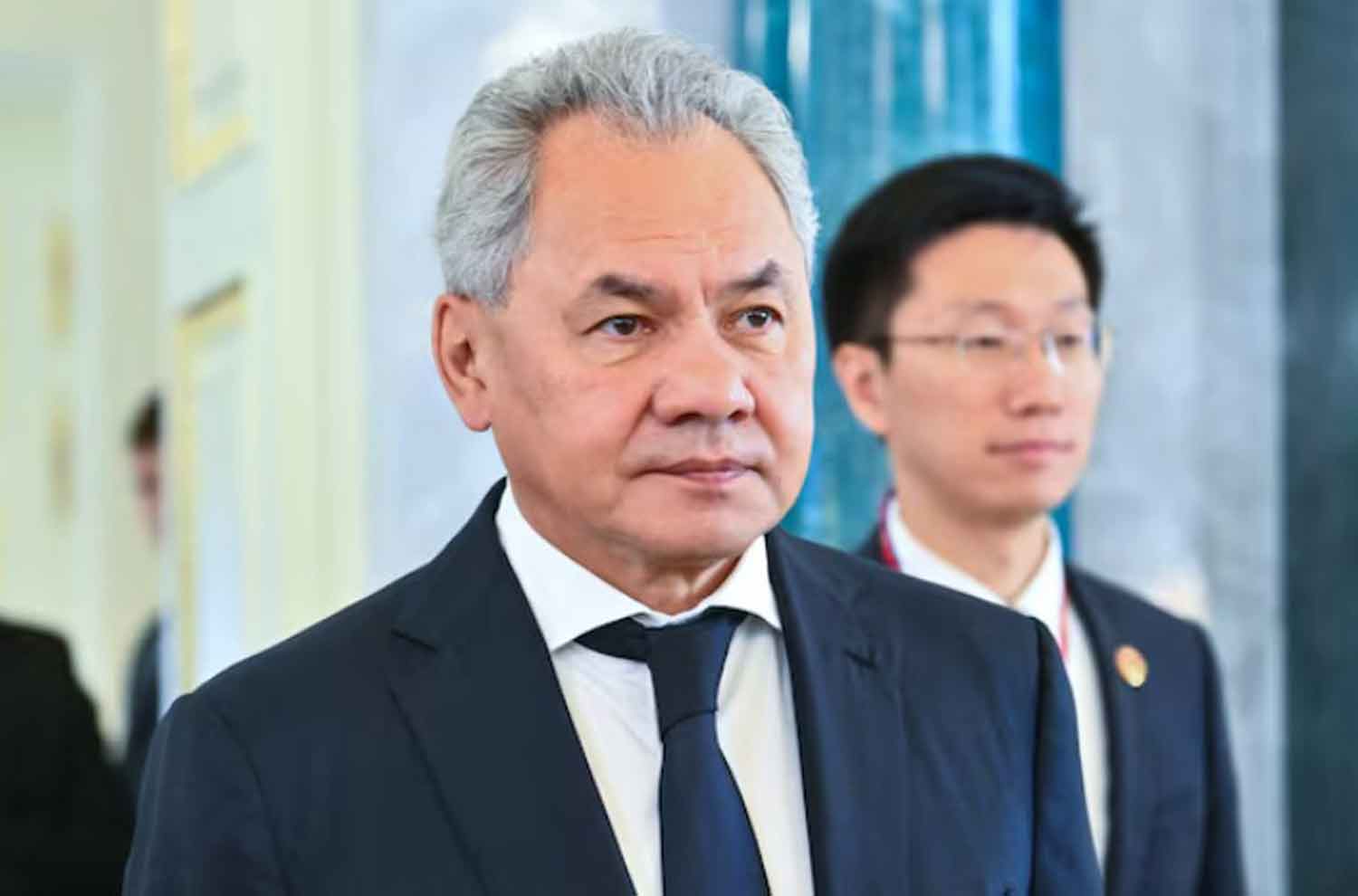
Sergei Shoigu, a senior Russian security official, engaged in discussions with his Iranian counterpart in Tehran on Tuesday, as reported by Russian and Iranian media. This meeting follows Shoigu’s recent encounter with North Korean leader Kim Jong Un in Pyongyang.

Since the onset of the conflict in Ukraine, Russia has strengthened its relationships with both Iran and North Korea, nations that are adversarial towards the United States. The U.S. has expressed concern over these expanding ties, alleging that both countries are providing Russia with ballistic missiles for the ongoing conflict, a claim that Moscow refutes.

Shoigu’s visits occur at a pivotal juncture in the two-and-a-half-year war, with Kyiv urging the U.S. and its allies to permit the use of Western-supplied long-range weaponry to target strategic locations within Russian territory. Last week, President Vladimir Putin warned that if Western nations approved such actions, it would equate to direct confrontation with Russia, to which Moscow would respond accordingly.

The Nour news agency, which is linked to Iran’s Supreme National Security Council, reported that Shoigu had a meeting with his Iranian counterpart, Ali Akbar Ahmadian. Details regarding the results of this meeting have not yet been disclosed.

Russia has consistently indicated that it is on the verge of finalizing a significant agreement with Iran to establish a strategic partnership between the two nations.

Shoigu served as Russia’s defense minister until May, when he transitioned to the role of secretary of the Security Council, which includes President Vladimir Putin’s military and intelligence leaders, along with other high-ranking officials.

In addition to his meeting with North Korea’s Kim last week, he also engaged in discussions with Chinese Foreign Minister Wang Yi in St. Petersburg.

Eight people killed and hundreds injured when electronic pagers exploded in Beirut

0

On Tuesday, at least eight individuals lost their lives, and 2,750 others, including Hezbollah fighters, medical personnel, and Iran’s envoy to Beirut, sustained injuries when communication pagers exploded throughout Lebanon, according to security sources and the Lebanese health minister.

Lebanon’s information minister, Ziad Makary, condemned the pager explosions, labeling them as an “Israeli aggression.” Hezbollah also attributed the blasts to Israel, asserting that it would face “its fair punishment.”

A Hezbollah official, who requested anonymity, described the pager detonations as the “largest security breach” the organization has experienced in nearly a year of conflict with Israel. Since the outbreak of the Gaza war last October, Israel and the Iran-backed Hezbollah have been involved in cross-border hostilities, marking the most significant escalation in years.

Hezbollah has confirmed in a statement that at least three individuals lost their lives, including two of its members. The third victim was identified as a girl, and the organization indicated that an investigation is underway to determine the causes of the explosions.

According to the group, Hezbollah leader Sayyed Hassan Nasrallah was unharmed in the blasts. The series of explosions continued for approximately one hour following the initial detonations, which occurred around 3:45 p.m. local time (1345 GMT). The method of detonation remains unclear.

The Lebanese foreign ministry characterized the explosions as a “dangerous and deliberate Israeli escalation,” asserting that this was accompanied by Israeli threats to significantly broaden the conflict into Lebanon. Lebanese internal security forces reported that several wireless communication devices were detonated throughout Lebanon, particularly in the southern suburbs of Beirut, a known Hezbollah stronghold. Security sources indicated that the detonated pagers were the latest models recently acquired by Hezbollah.

In terms of casualties, Lebanese Health Minister Firass Abiad reported that 2,750 individuals were injured, with 200 sustaining critical injuries. Many of the injured were Hezbollah fighters, including the sons of prominent officials within the group, according to two security sources. One of the deceased fighters was identified as the son of Ali Ammar, a Hezbollah member of the Lebanese parliament.

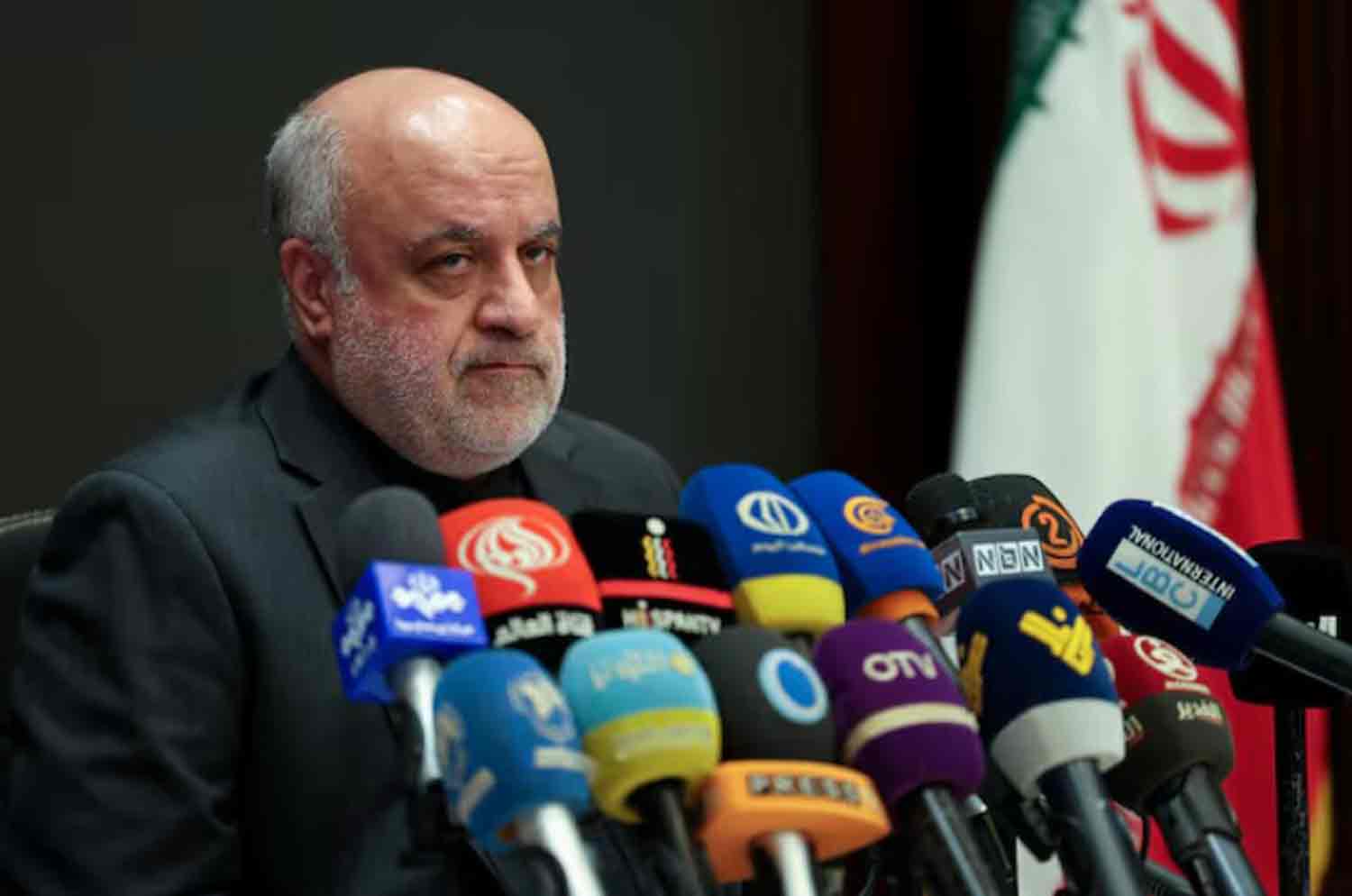
Additionally, Iran’s ambassador to Lebanon, Mojtaba Amani, reportedly sustained a “superficial injury” from a pager explosion and is currently being monitored in a hospital, as per Iran’s semi-official Fars news agency.

Israeli government has not issued any statements regarding the recent explosions. Earlier on Tuesday, Israel’s domestic security agency reported that it had thwarted a plot by the Lebanese militant group Hezbollah to assassinate a former senior defense official in the near future. The Shin Bet agency, which did not disclose the identity of the official, announced that it had confiscated an explosive device linked to a remote detonation system, which Hezbollah intended to operate from Lebanon using a mobile phone and a camera. Shin Bet noted that this attempted attack bore similarities to a Hezbollah plot that was disrupted in Tel Aviv a year prior, although no further details were provided.

Hezbollah has expressed a desire to avoid a full-scale conflict with Israel, asserting that only a resolution to the Gaza war will halt the ongoing cross-border skirmishes. Efforts to establish a ceasefire in Gaza remain stalled after months of negotiations facilitated by Qatar, Egypt, and the United States.

Following the explosions on Tuesday, a Reuters journalist observed ambulances racing through the southern suburbs of Beirut, a stronghold of Hezbollah, amidst widespread panic. A security source indicated that additional devices were detonating in southern Lebanon.

At Mt. Lebanon hospital, a Reuters reporter witnessed motorcycles arriving at the emergency room, where individuals with bloodied hands were crying out in agony. Hassan Wazni, the head of the Nabatieh public hospital in southern Lebanon, informed Reuters that approximately 40 injured individuals were being treated at his facility, with injuries affecting the face, eyes, and limbs. Groups of people gathered at building entrances to inquire about acquaintances who might have been injured, as reported by the Reuters journalist.

Regional broadcasters aired CCTV footage showing what appeared to be a small handheld device spontaneously exploding next to a grocery store cashier during a transaction. In another clip, an explosion seemed to knock down an individual standing at a fruit stand in a market area.

The crisis operations center in Lebanon, overseen by the health ministry, has called upon all medical personnel to report to their respective hospitals to assist with the influx of patients requiring urgent medical attention. The center emphasized that healthcare workers should refrain from using pagers. The Lebanese Red Cross reported the deployment of over 50 ambulances and 300 emergency medical personnel to aid in the evacuation of victims.

Following the October 7 attacks by Hamas gunmen, which ignited the Gaza conflict, Hezbollah launched missiles at Israel. Since then, there has been a continuous exchange of fire between Hezbollah and Israel, although a significant escalation has been avoided. The ongoing hostilities have resulted in the displacement of tens of thousands of individuals from communities on both sides of the border.

On Tuesday, Israel included the safe return of its citizens who were compelled to evacuate their homes near the Lebanon border in its official war objectives.

Iran’s ambassador to Lebanon injured in an electronic pager explosion

0

Iran’s envoy to Lebanon, Mojtaba Amani, sustained minor injuries on Tuesday due to the detonation of an electronic pager, as reported by Iran’s semi-official Fars news agency.

This incident coincided with multiple explosions of similar devices throughout Lebanon. According to a source cited by Fars, “Amani has a superficial injury and is currently being monitored in a hospital.”

Security sources informed Reuters that over 1,000 individuals in Lebanon, including Hezbollah members and medical personnel, were injured on Tuesday as a result of the pager explosions.

An anonymous Hezbollah official stated that the activation of the pagers represented the most significant security breach the organization has experienced in almost a year of conflict with Israel.

Hezbollah, a formidable Lebanese Islamist militia and political entity supported by Iran, is a declared adversary of Israel.