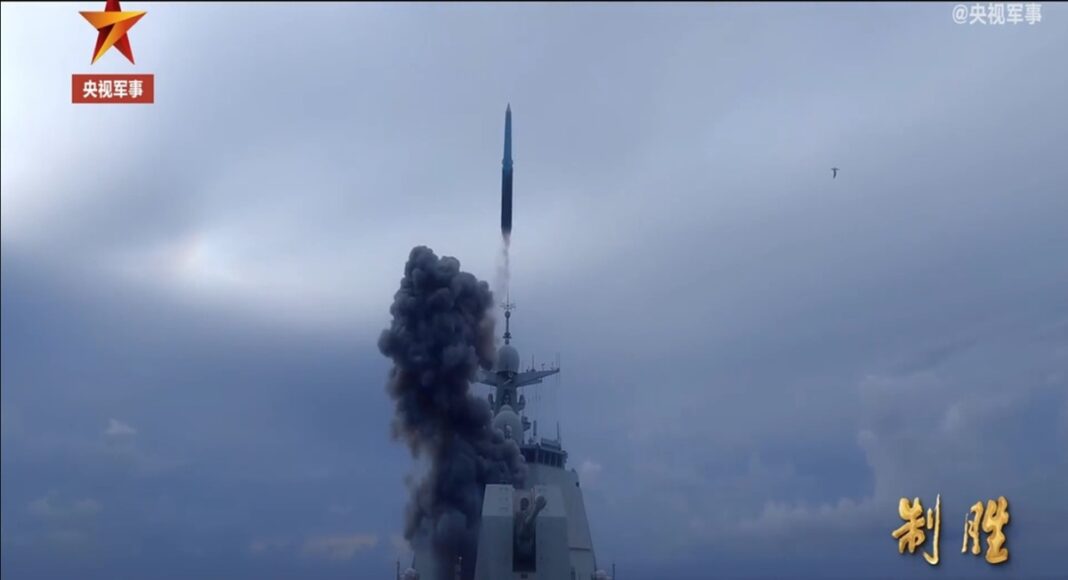
India has embarked on one of the largest naval modernization programmes in its history, aiming to expand its fleet beyond 200 warships and submarines by 2035. The effort is driven less by numerical competition than by concerns over China’s steadily expanding presence in the Indian Ocean and Pakistan’s acquisition of advanced Chinese-designed submarines.
Rather than seeking parity with the People’s Liberation Army Navy (PLAN), New Delhi is attempting to build a force capable of protecting vital sea lanes, monitoring strategic chokepoints, and maintaining a continuous presence across the Indian Ocean Region (IOR).
However, achieving those ambitions will depend not only on shipbuilding but also on industrial capacity, technological self-reliance, funding, and the ability to overcome long-standing procurement delays.

Why India Wants a Larger Navy
India currently operates approximately 140–150 naval platforms, including around 135 frontline combatants, while another 45 to 54 vessels are reportedly under construction across public and private shipyards.
The Indian government wants to accelerate production significantly, commissioning a new warship or submarine roughly every 40 to 45 days over the coming years.
If current schedules remain on track:
- Around 150-160 warships could be in service by 2030.
- The fleet could exceed 200 vessels by 2035.
- Total numbers may approach 230 platforms by 2037, depending on retirements of older ships.
These figures remain projections and depend heavily on funding, industrial output and timely completion of ongoing projects.
China’s Expanding Presence Is Reshaping India’s Maritime Strategy
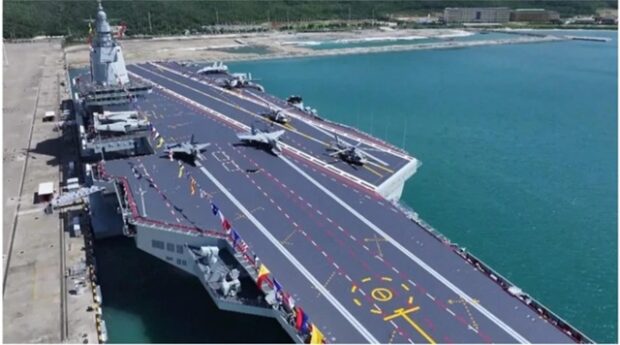
India’s naval expansion is closely linked to China’s growing military and commercial activities throughout the Indian Ocean.
The Chinese Navy now operates more than 370 battle-force ships, making it the world’s largest navy by hull numbers.
Rather than trying to match China ship-for-ship, India appears to be pursuing a strategy built around:
- Geographic advantage
- Maritime surveillance
- Distributed naval operations
- Protection of critical sea lanes
- Stronger anti-submarine warfare (ASW)
The Indian Ocean carries a significant portion of global energy supplies and commercial trade connecting Asia, the Middle East, Africa and Europe.
Maintaining influence in these waters has therefore become central to India’s national security planning.
Pakistan’s Hangor-Class Submarines Add New Pressure
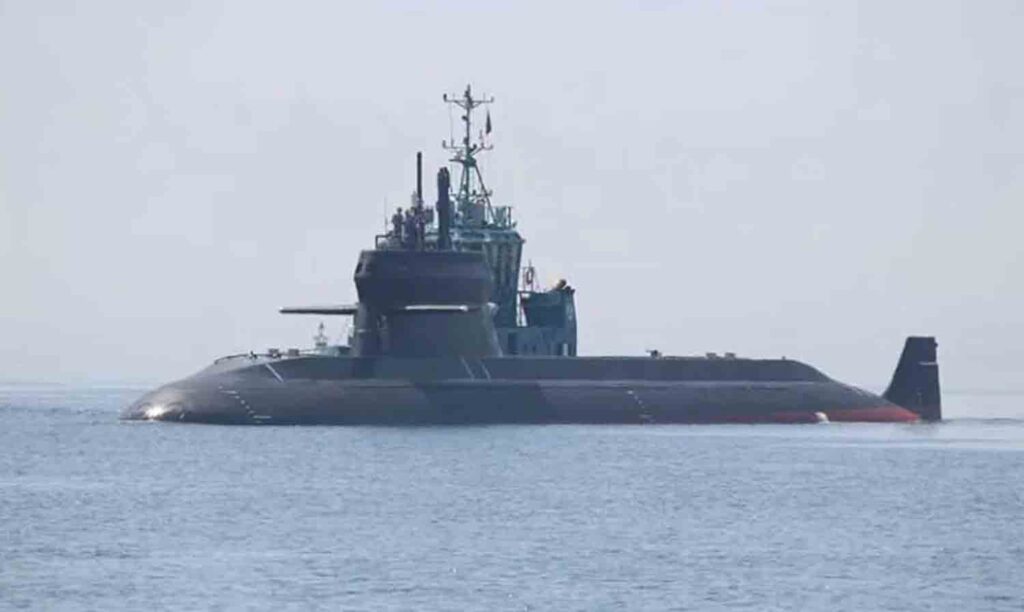
One of the biggest drivers behind India’s submarine modernization is Pakistan’s ongoing induction of Hangor-class diesel-electric attack submarines.
The programme involves eight submarines based on China’s Type 039A/Yuan-class design and equipped with Air Independent Propulsion (AIP) technology.
Unlike conventional diesel-electric submarines that must surface or snorkel frequently to recharge batteries, AIP-equipped submarines can remain submerged for considerably longer periods.
This provides several operational advantages:
- Reduced acoustic signature
- Longer underwater endurance
- Greater survivability
- Increased difficulty of detection
Pakistan commissioned the first submarine, PNS Hangor, in China during April 2026 under an estimated US$5 billion programme.
The project also includes significant technology transfer, with four submarines being built in Pakistan, strengthening Islamabad’s indigenous shipbuilding and maintenance capabilities.
Although the overall balance of naval power still favours India, the Hangor programme significantly improves Pakistan’s underwater deterrent and increases the complexity of anti-submarine operations in the Arabian Sea.
India’s Multi-Layered Naval Response
Instead of relying on a single weapons programme, India is pursuing several modernization projects simultaneously.
Its naval roadmap includes:
- Project 75I conventional submarines
- Project 77 nuclear-powered attack submarines
- New destroyers and stealth frigates
- Aircraft carriers
- Maritime patrol aviation
- Unmanned systems
- Island infrastructure upgrades
- Anti-submarine warfare vessels
The objective is to create an integrated force capable of operating across both the eastern and western Indian Ocean.
Indigenous Warship Production Takes Centre Stage

India increasingly wants future naval expansion to come from domestic shipyards rather than imported vessels.
Recent additions include:
- Nilgiri-class (Project 17A) stealth frigates
- Mahe-class anti-submarine warfare shallow-water craft
These vessels are intended to strengthen escort operations while improving India’s ability to detect submarines operating near coastal waters.
Project 17A frigates reportedly contain more than 75% indigenous content, reflecting India’s long-term goal of reducing dependence on foreign suppliers.
However, major combat systems—including propulsion, sensors and advanced weapons—still rely on foreign technology in several areas.
Building a Fleet Is Easier Than Sustaining One
While the projected fleet numbers appear impressive on paper, maintaining such a force presents a far greater challenge.
India must simultaneously expand:
- Shipyard capacity
- Skilled workforce
- Specialized steel production
- Marine propulsion manufacturing
- Missile production
- Combat management systems
- Maintenance infrastructure
- Logistics support
Analysts note that fleet size alone does not determine naval effectiveness.
Warships require continuous maintenance, trained crews, ammunition stocks, repair facilities and reliable supply chains to remain operational during extended deployments.
Any delays in these supporting sectors could slow India’s modernization timeline despite continued political commitment.
India’s Modernization Faces Industrial Challenges
Although New Delhi has announced ambitious naval goals, several obstacles remain.
These include:
- Procurement delays
- Budget constraints
- Ageing ships nearing retirement
- Dependence on imported engines and sensors
- Competition for defence funding from the Army and Air Force
As older vessels leave service, delays in replacement programmes could temporarily reduce operational strength despite ongoing ship construction.
This makes industrial efficiency just as important as defence spending.
Strategic Outlook
India’s naval expansion reflects a broader shift in Indo-Pacific security rather than an isolated fleet-building exercise.
China’s expanding maritime presence, Pakistan’s improving submarine capability, and the growing importance of the Indian Ocean have all accelerated New Delhi’s modernization plans.
Whether India ultimately reaches its goal of operating more than 200 naval vessels will depend less on ambitious announcements and more on its ability to sustain production, strengthen domestic defence industries, and integrate ships, submarines, aircraft and logistics into a cohesive maritime force.
At the same time, Pakistan’s Hangor-class submarine programme ensures that underwater competition in the Arabian Sea will remain a key element of the regional strategic balance, even if India continues to hold a numerical advantage in overall fleet size.
Project 75I and Project 77: India’s Bid to Strengthen Undersea Warfare
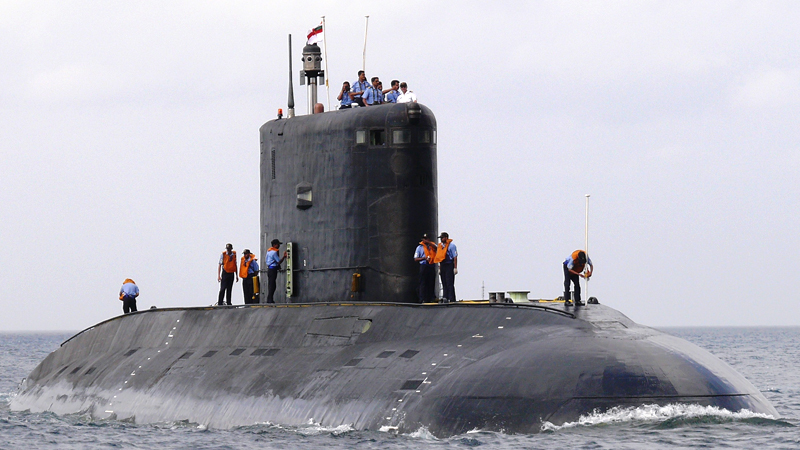
A central pillar of India’s naval modernization is the expansion of its submarine fleet, an area where planners believe capability gaps could emerge over the next decade as older submarines retire before replacements enter service.
India currently operates around 16 conventional diesel-electric submarines alongside three Arihant-class nuclear-powered ballistic missile submarines (SSBNs). However, several ageing conventional submarines are approaching retirement, increasing pressure on New Delhi to accelerate replacement programmes.
To address this challenge, India has launched multiple long-term projects aimed at strengthening both conventional and nuclear undersea capabilities.
Project 75I: India’s Next-Generation Conventional Submarine Programme
Project 75I is expected to become the backbone of India’s future conventional submarine fleet.
The programme proposes six advanced diesel-electric submarines equipped with Air Independent Propulsion (AIP) technology, enabling significantly longer underwater endurance than traditional diesel-electric boats.
India is reportedly evaluating enlarged variants of the German Type 214 design under a partnership involving Mazagon Dock Shipbuilders Limited (MDL).
However, the project has experienced repeated delays over technology-transfer negotiations, procurement procedures and industrial partnerships.
Even if contracts are finalized in the near future, defence analysts believe the first submarine may not enter service until the mid-2030s, leaving a potential capability gap during a period of growing regional maritime competition.
Kalvari-Class Submarines Remain the Backbone
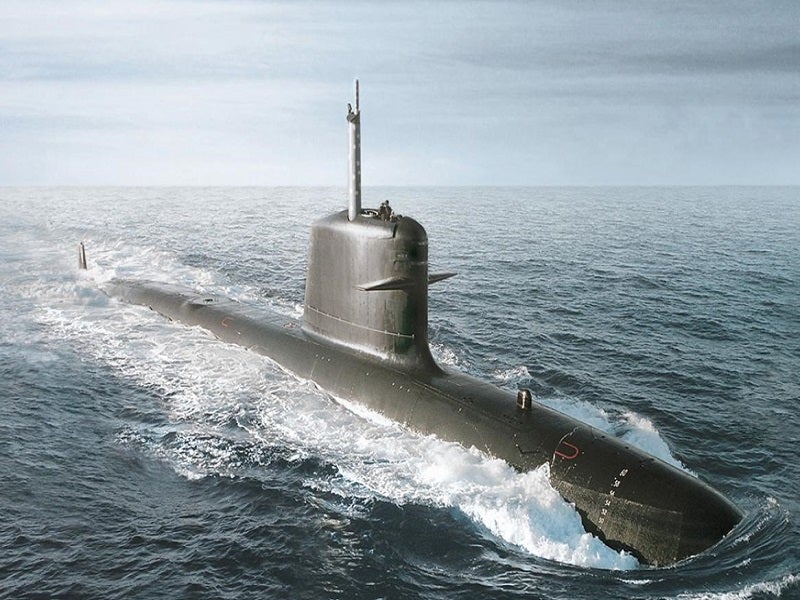
Until Project 75I becomes operational, India’s conventional submarine force will continue to rely heavily on its six Kalvari-class (Scorpène) submarines.
The navy is also considering:
- Air Independent Propulsion upgrades
- Procurement of additional Scorpène-class submarines
- Incremental capability improvements
These measures are intended to bridge the gap created by procurement delays while maintaining operational readiness and preserving industrial expertise.
Project 77: Nuclear Attack Submarines for Blue-Water Operations
India’s longer-term ambitions extend well beyond conventional submarines.
Under Project 77, New Delhi plans to develop six indigenous nuclear-powered attack submarines (SSNs) capable of sustained high-speed underwater operations.
Unlike ballistic missile submarines, nuclear attack submarines are designed for missions including:
- Escorting carrier strike groups
- Hunting enemy submarines
- Intelligence gathering
- Long-range surveillance
- Sea-denial operations
Current plans indicate the first indigenous SSNs may not enter service until 2036–2037, highlighting the long development timelines associated with nuclear submarine programmes.
Russia’s Chakra Lease Offers Only Temporary Relief

India also expects to lease another Russian Akula-class nuclear attack submarine, commonly referred to as INS Chakra III.
While the lease will help maintain operational experience with nuclear-powered attack submarines, a single leased platform cannot provide continuous coverage across India’s extensive maritime responsibilities.
Defence analysts note that one submarine cannot simultaneously monitor Chinese deployments, protect India’s ballistic missile submarines and maintain persistent surveillance across both the Arabian Sea and Bay of Bengal.
Aircraft Carriers Remain Important—But Questions Persist
India currently operates two aircraft carriers:
- INS Vikramaditya
- INS Vikrant
Although two carriers provide greater flexibility than a single platform, maintenance cycles mean both are unlikely to remain operational simultaneously for extended periods.
This has renewed debate over whether India requires a third aircraft carrier.
INS Vishal Remains a Long-Term Concept
One proposal under discussion is INS Vishal (IAC-3)—a significantly larger aircraft carrier expected to displace between 65,000 and 75,000 tonnes.
If approved, the carrier could feature:
- CATOBAR launch configuration
- Electromagnetic aircraft launch systems (EMALS)
- More than 50 aircraft
- Airborne early warning aircraft
- Unmanned aerial systems
However, the project remains at the planning stage.
Several critical issues—including cost, propulsion, aircraft selection, escort requirements and industrial capacity—must be resolved before construction can begin.
Aircraft carriers Alone Cannot Guarantee Sea Control
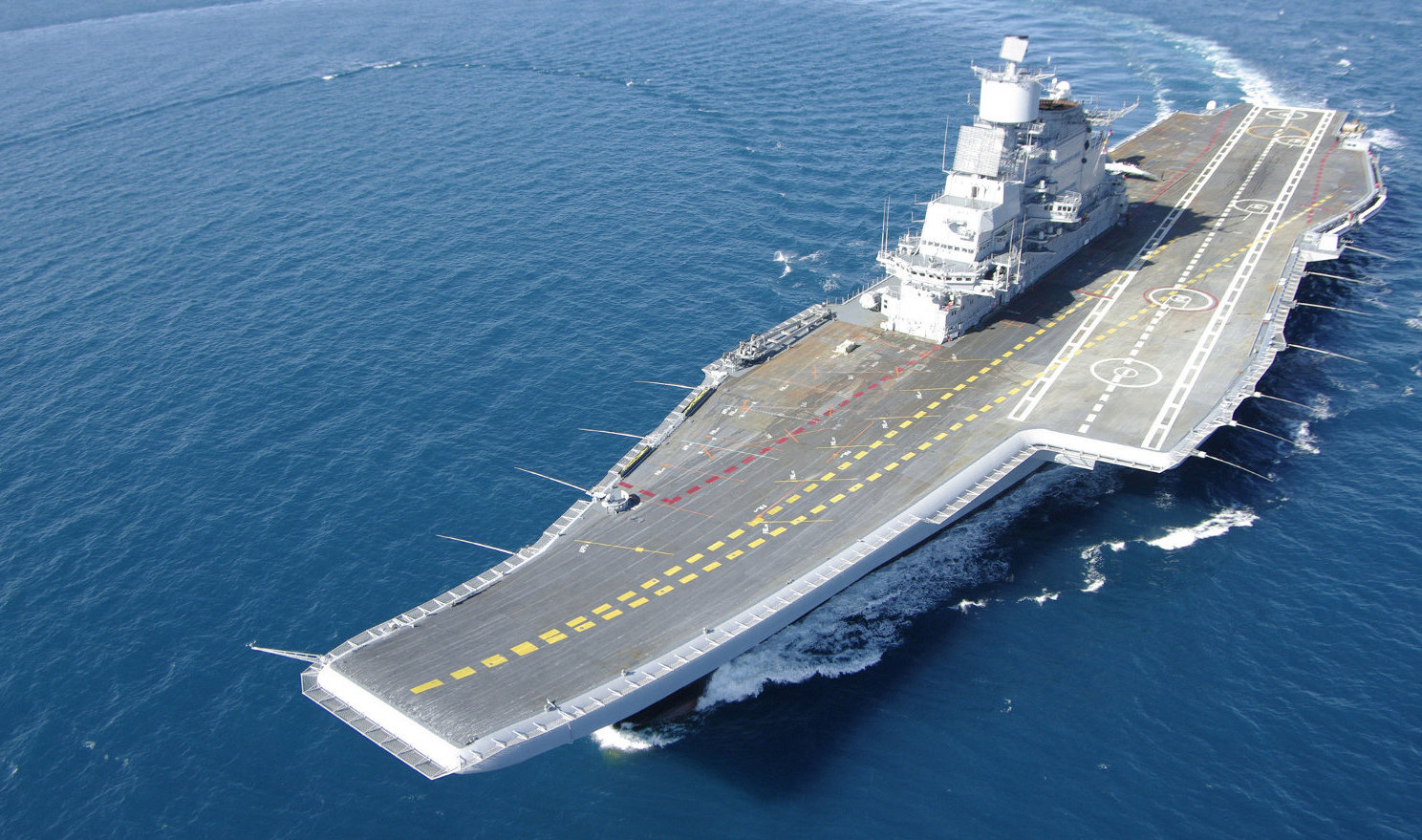
Experts frequently caution that aircraft carriers are only as effective as the supporting network around them.
Successful carrier operations require:
- Airborne early warning aircraft
- Anti-submarine helicopters
- Electronic warfare systems
- Fleet replenishment ships
- Destroyer escorts
- Secure communications
- Maritime surveillance
Without these supporting capabilities, aircraft carriers become increasingly vulnerable to modern anti-ship missiles and submarines.
Islands Have Become India’s Strategic Advantage
Unlike many regional navies, India possesses significant geographic advantages through its island territories.
The Andaman and Nicobar Islands overlook the western approaches to the Strait of Malacca, one of the world’s busiest maritime chokepoints.
Rather than competing directly with China’s larger fleet, India seeks to exploit this geographic position by expanding surveillance and forward military infrastructure.
Military planners view the islands as an ideal location for:
- Maritime patrol aircraft
- Anti-submarine operations
- Long-range surveillance
- Rapid deployment forces
- Intelligence collection
Great Nicobar Project Supports Long-Term Maritime Presence
India is also investing heavily in the Great Nicobar Island Development Project, which combines civilian infrastructure with strategic military utility.
Planned facilities include:
- A new airport
- Container transshipment terminal
- Expanded logistics facilities
- Power infrastructure
- Township development
- Enhanced naval support facilities
The proposed runway—expected to extend approximately three kilometres—could support larger military aircraft, improving reconnaissance, logistics, anti-submarine warfare and rapid reinforcement across the eastern Indian Ocean.
Supporters argue that stronger infrastructure would allow India to maintain a more persistent maritime presence.
Critics, however, point to environmental concerns, construction costs and the long implementation timeline.
Chinese Presence Continues to Shape Regional Planning
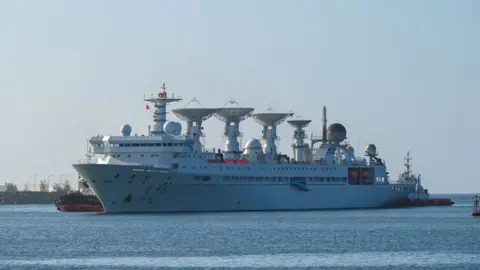
India’s modernization strategy is also influenced by China’s growing maritime activity throughout the Indian Ocean.
Chinese naval deployments now regularly include:
- Anti-piracy task groups
- Survey vessels
- Intelligence-gathering ships
- Long-distance surface task forces
Beijing has also developed commercial and logistical links with ports including:
- Gwadar (Pakistan)
- Hambantota (Sri Lanka)
- Facilities in Myanmar
- Infrastructure projects in Bangladesh
While these locations are not officially permanent Chinese naval bases, analysts believe they could improve logistical access and operational flexibility during future contingencies.
For India, these developments reinforce the importance of maintaining maritime awareness rather than attempting numerical parity with China’s substantially larger navy.
Destroyers and Frigates Form the Backbone of India’s Surface Fleet
While submarines often dominate discussions about maritime competition, surface combatants remain the foundation of India’s naval strategy. Destroyers and frigates are expected to shoulder the burden of escorting aircraft carriers, conducting air defence missions, protecting sea lines of communication (SLOCs), and supporting anti-submarine operations.
To strengthen these capabilities, India is pursuing several indigenous warship programmes, although many remain spread over the next decade.
Project 17A: Expanding the Stealth Frigate Fleet
India’s Project 17A represents its latest generation of stealth-guided missile frigates.
The programme aims to improve upon earlier Shivalik-class frigates by incorporating:
- Reduced radar signature
- Modern combat management systems
- Improved sensors
- Enhanced anti-air and anti-submarine capabilities
- Greater indigenous content
Officials estimate that more than 75 percent of Project 17A components are sourced domestically, reflecting New Delhi’s broader “Atmanirbhar Bharat” (self-reliance) initiative in defence manufacturing.
The induction of vessels such as INS Mahendragiri demonstrates India’s continued investment in indigenous surface combatants, though full operational capability will depend on timely delivery of remaining ships.
Project 17B and Larger Future Frigates
India is also planning Project 17B, which could involve six larger frigates of around 8,000 tonnes displacement.
Current estimates place the programme’s value at roughly ₹40,000 crore (approximately US$4 billion).
However, procurement is still at an early stage, with meaningful construction unlikely before the early 2030s.
Like many large defence projects, timelines could shift depending on budget approvals, industrial capacity and technology availability.
New Destroyers Will Enhance Long-Range Strike Capability
India also intends to expand its destroyer fleet through a phased modernization strategy.
Future plans include:
- Completion of Project 15B Visakhapatnam-class destroyers
- Development of Project 15C
- Long-term Project 18 destroyers, expected to displace around 14,000–15,000 tonnes
Larger destroyers can carry:
- More vertical launch missile cells
- Long-range air defence systems
- Command-and-control facilities
- Greater endurance during prolonged deployments
However, defence analysts caution that larger warships are also significantly more expensive to build and sustain, making delivery schedules vulnerable to industrial or financial delays.
BrahMos Missiles Enhance Offensive Capability
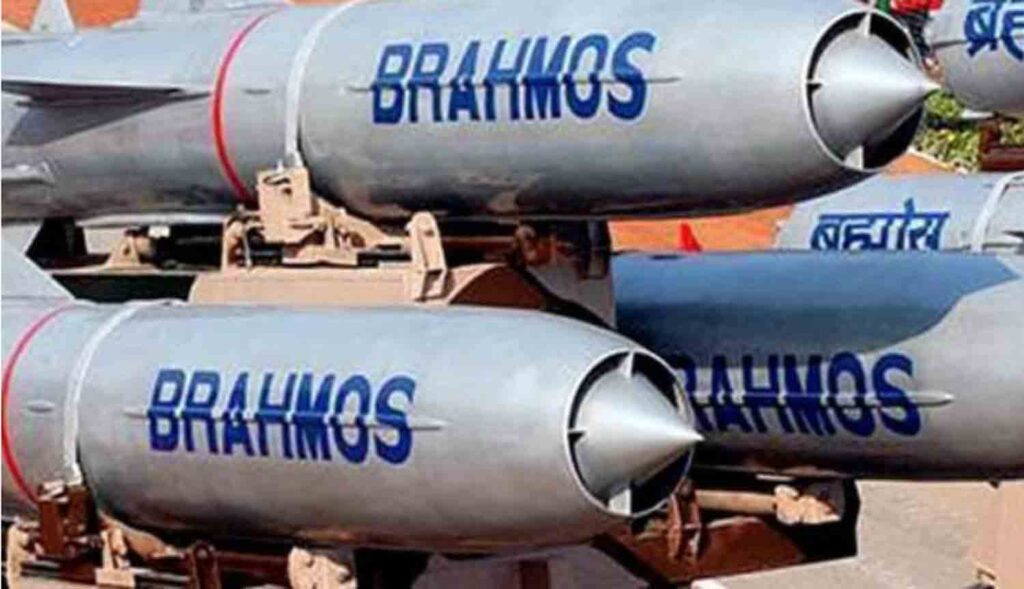
Many of India’s newest destroyers and frigates are equipped with the BrahMos supersonic cruise missile, giving the navy a credible long-range anti-ship strike capability.
Yet naval experts note that missile inventories alone do not guarantee maritime superiority.
Successful missile employment requires:
- Reliable targeting information
- Continuous surveillance
- Secure communications
- Electronic warfare support
- Integrated command-and-control networks
Against modern naval forces employing electronic countermeasures and layered air defences, locating and tracking hostile vessels remains as important as missile range.
Anti-Submarine Warfare Is Becoming a Top Priority
Growing submarine activity across the Indian Ocean has placed anti-submarine warfare (ASW) at the centre of India’s modernization plans.
Alongside major destroyers and frigates, India is inducting specialized shallow-water ASW vessels such as the Arnala and Mahe classes.
These smaller ships are designed for operations closer to shore and are expected to perform missions including:
- Sonar surveillance
- Coastal anti-submarine patrols
- Mine-laying operations
- Harbour protection
- Low-intensity maritime security
Such vessels complement larger blue-water combatants rather than replacing them, allowing the navy to distribute resources more efficiently.
Unmanned Systems Are Becoming Increasingly Important
Like many modern navies, India is investing in unmanned technologies to extend maritime surveillance while reducing operational risks.
Future plans include:
- Extra-large unmanned underwater vehicles (XLUUVs)
- Autonomous underwater surveillance systems
- Maritime drones
- Special-forces midget submarines
These platforms could support:
- Intelligence gathering
- Seabed monitoring
- Mine countermeasure operations
- Covert reconnaissance
- Persistent surveillance
Although still under development, unmanned systems are expected to become an increasingly important component of naval operations over the coming decade.
Shipbuilding Capacity Will Determine Success

Building more than 200 naval vessels will require far more than ambitious procurement plans.
India’s shipbuilding effort is distributed across major facilities including:
- Mazagon Dock Shipbuilders Limited
- Garden Reach Shipbuilders & Engineers
- Cochin Shipyard
- Hindustan Shipyard
- Larsen & Toubro
This diversified industrial base reduces dependence on a single shipyard but also creates challenges in coordinating production schedules, quality control and supply chains.
According to available estimates, vessels currently under construction are valued at approximately ₹99,500 crore (around US$10 billion).
Future procurement requirements covering dozens of additional warships and submarines could exceed ₹2 lakh crore (roughly US$20 billion).
Indigenous Production Still Faces Key Technology Gaps
India has made considerable progress in domestic ship construction.
Industry estimates suggest indigenous content has reached approximately:
- 90% for hull structures and fittings
- 60% for propulsion systems
- 50% for sensors and weapons
Despite these gains, several high-value technologies continue to rely on foreign suppliers.
Critical dependencies remain in areas such as:
- Advanced propulsion
- Marine gas turbines
- Electronic sensors
- Sonars
- Missile systems
- Combat management software
India continues to cooperate with countries including France, Germany, Russia, Israel, Japan and the United States for selected technologies, although policymakers increasingly emphasize local production wherever feasible.
Funding Will Remain the Biggest Challenge
Perhaps the greatest obstacle to India’s naval ambitions is financial sustainability.
Recent capital allocations for naval procurement have remained around ₹24,000–25,000 crore (approximately US$2.5 billion) annually.
However, the navy must simultaneously finance:
- Submarines
- Aircraft carriers
- Destroyers
- Frigates
- Naval aviation
- Island infrastructure
- Missiles
- Logistics
- Maintenance
Competition for defence resources from the Indian Army and Indian Air Force further complicates procurement planning.
As a result, fleet expansion will likely depend on careful prioritization rather than simultaneous execution of every modernization programme.
Final Assessment: Numbers Alone Will Not Decide Maritime Power
India’s plan to build a navy exceeding 200 warships and submarines by 2035 reflects the rapidly evolving security environment in the Indo-Pacific.
China’s expanding maritime presence and Pakistan’s acquisition of advanced Hangor-class submarines have accelerated New Delhi’s naval modernization, but achieving numerical growth is only one part of the challenge.
True maritime power depends on a combination of industrial capacity, operational readiness, logistics, trained personnel, intelligence, and sustainable defence funding. Delays in shipbuilding, technology acquisition, or maintenance could reduce the operational impact of even a larger fleet.
At the same time, Pakistan’s Hangor-class programme strengthens its underwater deterrent, making anti-submarine warfare an increasingly important priority for India. Meanwhile, China’s larger naval footprint ensures that competition in the Indian Ocean will continue to shape regional defence planning for years to come.
Ultimately, the success of India’s naval strategy will be measured not by the number of ships it commissions, but by its ability to maintain a capable, balanced, and sustainable force that can respond effectively to the complex maritime challenges emerging across the Indo-Pacific.