Reports that Russia is providing Iran with satellite surveillance and signals intelligence have raised fresh questions about how modern intelligence sharing could reshape the balance of power in the Middle East. While the allegations remain unverified publicly, defence analysts believe such support could significantly enhance Iran’s battlefield awareness, improve its ability to track U.S. military activity, and complicate American operations across the region.
Russia-Iran Intelligence Cooperation Comes Under Fresh Scrutiny

As the Middle East conflict enters another critical phase, attention is increasingly shifting beyond missiles and drones to the invisible battle taking place in space and the electromagnetic spectrum.
According to multiple assessments cited in recent reporting, Russia may be providing Iran with satellite imagery and signals intelligence that could strengthen Tehran’s ability to monitor U.S. military movements, identify strategic targets, and better protect its own forces from precision strikes. Although neither Moscow nor Tehran has acknowledged such assistance, the reported cooperation reflects growing concerns that the conflict is becoming increasingly internationalized.
Military analysts caution that no publicly available evidence has confirmed the full scope of the alleged intelligence transfers. However, they argue that even limited access to Russia’s sophisticated surveillance network could provide Iran with capabilities far beyond those available through its own indigenous space program.
DOOCY: You said Russia and China aren’t helping Iran. But Hegseth says they’re ‘enabling.’ What’s the difference?
TRUMP: I don’t know that they’re ‘enabling.’ I will tell you that President Xi said he will not partake. And President Putin said the same thing. I trust them. pic.twitter.com/urfsjSxJrE
— Aaron Rupar (@atrupar) July 24, 2026
Unlike direct military intervention, intelligence sharing allows a country to strengthen an ally without deploying troops or openly participating in combat. If the reports are accurate, Russia’s role would be less about launching attacks and more about improving Iran’s awareness of the battlefield.
Why Satellite Intelligence Matters in Modern Warfare
Modern military campaigns depend as much on information as they do on firepower.
Satellite surveillance enables armed forces to monitor troop deployments, detect aircraft movements, observe naval activity, and identify changes at military installations long before combat begins.
Signals intelligence (SIGINT) adds another layer by intercepting radar emissions, communications networks, electronic transmissions, and weapons signatures.
Combined, these intelligence sources dramatically shorten what military planners call the “targeting cycle”—the time required to detect, identify, analyze, approve, and engage a target.
For any military facing a technologically superior opponent, reducing that decision-making timeline can significantly improve survivability and operational effectiveness.
How Russian Intelligence Could Benefit Iran
Iran’s own satellite capabilities remain relatively modest compared with those of major military powers.
While Tehran operates domestic space assets, analysts note that its current satellite constellation cannot provide continuous monitoring of U.S. military activity across the Middle East.
Russia, by contrast, possesses a much larger network of military satellites capable of collecting several forms of intelligence simultaneously, including:
- High-resolution optical imagery
- Synthetic aperture radar capable of imaging through clouds and darkness
- Electronic intelligence gathering
- Communications interception
- Radar emissions analysis
If shared with Iran, this information could provide commanders with a far more comprehensive picture of regional military activity.
Rather than relying on sporadic observations, Iranian planners could potentially receive more frequent updates regarding American airfields, naval deployments, logistics hubs, radar sites, and communications infrastructure.
Improving Battlefield Awareness Rather Than Directing Attacks
Defence experts stress that intelligence alone does not automatically translate into successful military operations.
Satellite imagery must still be processed, validated, distributed through secure communications, and integrated into operational planning before it becomes militarily useful.
Mobile targets remain difficult to track, while deception measures, communications disruption, camouflage, and rapidly changing battlefield conditions can all reduce the value of even high-quality intelligence.
For this reason, analysts describe any reported Russian assistance as a capability multiplier, not a guaranteed path to battlefield superiority.
Nevertheless, improved situational awareness could allow Iranian commanders to make faster and more informed operational decisions.
Instead of dramatically changing the balance of power overnight, access to better intelligence may gradually increase Iran’s ability to preserve missile units, relocate launchers before strikes occur, and reduce vulnerabilities during sustained military operations.
The Khayyam Satellite and Iran’s Dependence on Russian Space Technology
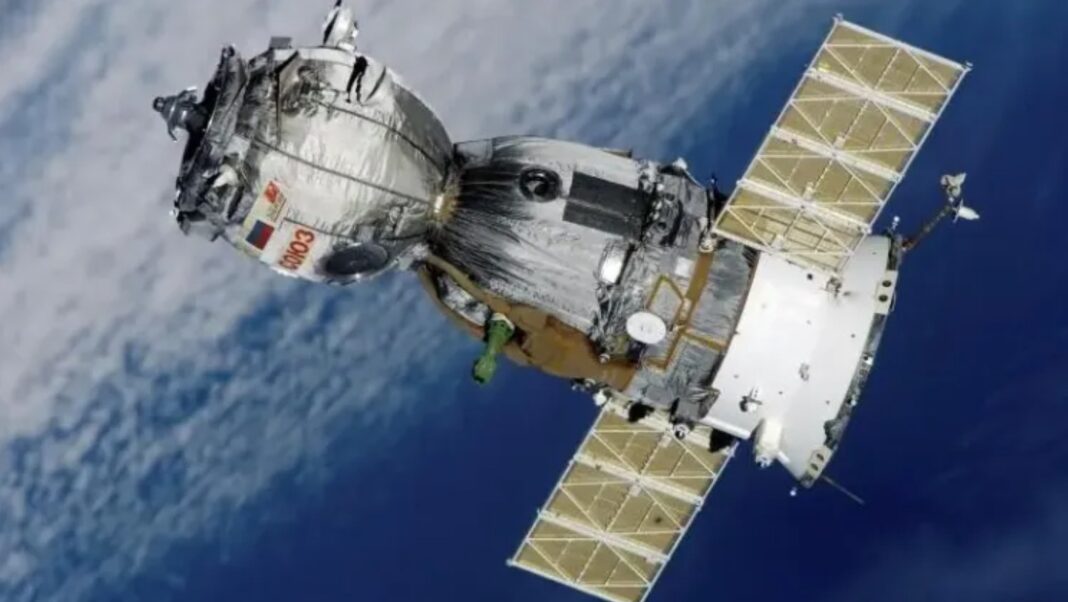
One of the most visible symbols of Russian-Iranian space cooperation is the Khayyam Earth observation satellite.
Launched aboard a Russian Soyuz rocket from the Baikonur Cosmodrome in August 2022, the satellite provides imagery with an estimated resolution of approximately 1.2 meters, giving Iran valuable reconnaissance capability for civilian and security applications.
However, defence analysts point out that a single satellite cannot maintain continuous surveillance over multiple operational theatres.
Monitoring dispersed American forces across numerous countries, naval formations, and air bases requires a much larger constellation capable of providing frequent revisit times and multiple sensor types.
This is where Russia’s broader orbital infrastructure could become particularly valuable.
Its satellite network includes optical imaging systems, radar satellites capable of operating regardless of weather or darkness, and electronic intelligence platforms that monitor radar emissions and communications signals.
When fused together, these multiple streams of information create a far richer intelligence picture than imagery alone.
Instead of simply identifying where an airbase is located, analysts say such data could potentially reveal:
- Aircraft deployment patterns
- Radar activation cycles
- Communications activity
- Fuel and ammunition movements
- Preparations for future air operations
Such intelligence would provide commanders with insight not only into locations but also into military behaviour and operational tempo.
Decision Speed Is Becoming a Strategic Weapon
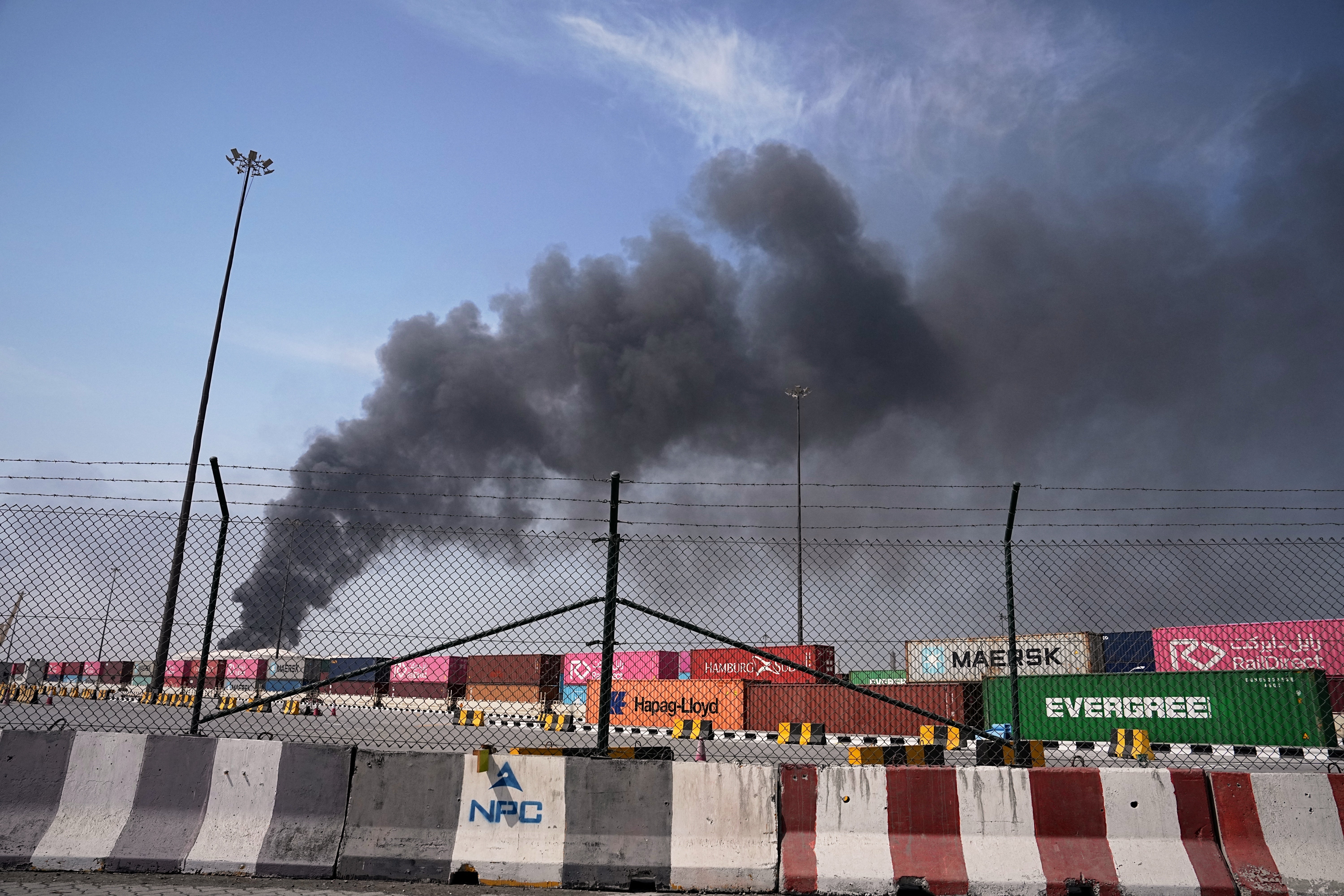
Military professionals increasingly argue that modern conflicts are decided by decision speed rather than firepower alone.
The side able to detect threats first, process information faster, and act before its opponent gains a significant operational advantage.
According to the assessment outlined in the source material, Russian surveillance could help compress Iran’s intelligence cycle by reducing the time between observation and operational decision-making.
Even if the intelligence provided is not continuous or real-time, more frequent reconnaissance updates could allow Iranian commanders to reposition missile units, disperse assets, strengthen defensive measures, and complicate American targeting efforts.
For U.S. planners, that means every surveillance pass—if the allegations prove accurate—could require additional camouflage, greater operational security, more dispersed deployments, and increased use of decoys, all of which consume valuable resources while slowing the tempo of military operations.
Signals Intelligence Could Expand Iran’s Electronic Warfare Capabilities
Beyond satellite imagery, defence analysts believe signals intelligence (SIGINT) could be even more valuable if Russia is sharing electronic data with Iran.
Unlike traditional reconnaissance photographs, SIGINT focuses on collecting electronic emissions produced by military systems. These include radar transmissions, communications frequencies, navigation signals, datalink activity, and the electronic signatures generated by aircraft and missile systems.
Such intelligence allows military planners to understand how an opponent operates—not just where they are located.
If available to Iran, these electronic signatures could help operators identify specific U.S. aircraft, distinguish between routine patrols and strike packages, monitor changes in radar activity, and recognize operational patterns before attacks occur.
Military experts note that understanding an adversary’s electronic behavior often proves as valuable as knowing its physical location.
Can Intelligence Improve Iranian Missile Accuracy?
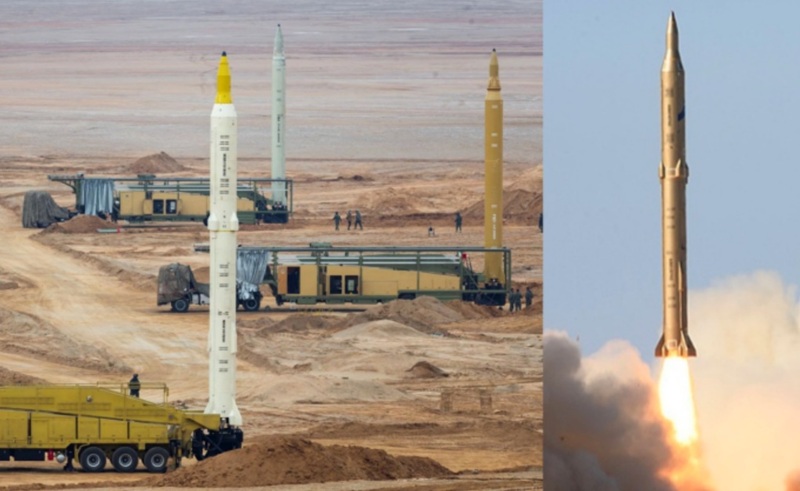
Reports suggesting Russia may be providing intelligence support have fueled speculation that Iran could improve the effectiveness of its missile and drone operations.
However, defence specialists caution against assuming that better intelligence automatically translates into greater battlefield precision.
Launching a successful missile strike requires far more than accurate coordinates.
Operational success depends on numerous factors, including:
- Secure command and control
- Launcher survivability
- Reliable communications
- Navigation accuracy
- Real-time target validation
- Effective mission planning
- Air defence penetration
- Strike synchronization
Even with high-quality satellite imagery, delays in processing information or rapidly changing battlefield conditions can reduce operational effectiveness.
As a result, analysts describe Russian intelligence as a force multiplier rather than a decisive battlefield advantage.
Electronic Warfare Could Become a Key Battleground
One area where intelligence sharing could have immediate value is electronic warfare (EW).
Signals intelligence can reveal:
- Radar operating modes
- Communications frequencies
- Electronic emitter locations
- Datalink behavior
- Weapons guidance signatures
Such information may allow electronic warfare units to develop more effective jamming and deception techniques.
According to the assessment outlined in the source material, Russian familiarity with Western military systems could potentially help Iranian operators identify exploitable electronic patterns and concentrate jamming efforts during critical phases of an air campaign.
However, experts stress that electronic warfare remains one of the most technically demanding aspects of modern combat.
Possessing intelligence alone does not guarantee successful jamming.
Iranian units would still require:
- Advanced transmitters
- Sufficient electrical power
- Updated software
- Skilled operators
- Survivable command networks
- Effective battlefield integration
Without these supporting capabilities, intelligence may improve planning but produce only limited tactical effects.
Modern U.S. Aircraft Are Designed for Contested Environments
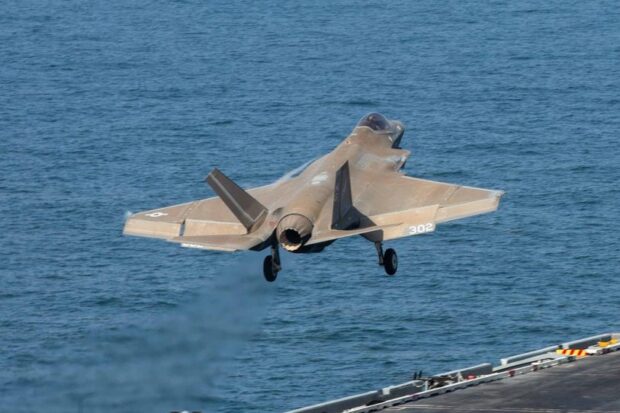
Claims that intelligence sharing could significantly disrupt American aircraft should also be viewed with caution.
Modern combat aircraft incorporate numerous defensive technologies, including:
- Encrypted communications
- Frequency-hopping radios
- Electronic protection systems
- Redundant navigation
- Advanced mission planning
- Integrated self-defence suites
Similarly, precision-guided weapons typically rely on multiple guidance methods rather than a single navigation source.
Many combine:
- Inertial navigation
- Satellite positioning
- Terrain matching
- Electro-optical seekers
- Laser guidance
- Secure datalinks
As a result, disrupting one component may reduce accuracy without preventing a weapon from reaching its target.
Analysts therefore caution against overstating the battlefield impact of electronic interference based solely on publicly available reporting.
Even Limited Jamming Can Increase Operational Costs
Although electronic warfare may not completely defeat advanced Western weapons, even modest interference can complicate military operations.
According to defence analysts, persistent jamming could force attacking aircraft to:
- Fly alternative routes
- Use more expensive precision weapons
- Deploy additional escort aircraft
- Increase standoff distances
- Conduct repeated strike missions
Each adjustment consumes additional fuel, maintenance resources, aerial refueling capacity, and flight hours.
Over time, these incremental costs can reduce operational efficiency without requiring an adversary to destroy large numbers of aircraft.
The source assessment argues that raising an opponent’s operational costs can itself become an effective military strategy.
Electronic Emissions Create Risks for Both Sides
Electronic warfare is not a one-sided contest.
Military experts note that powerful jamming transmissions can also expose the location of the emitting system.
Once identified, those emitters may become targets for:
- Anti-radiation missiles
- Electronic surveillance aircraft
- Precision-guided munitions
- Suppression of Enemy Air Defence (SEAD) operations
This creates a continuous cycle in which every defensive electronic transmission risks revealing valuable targeting information.
Consequently, commanders must constantly balance the benefits of active electronic warfare against the danger of exposing their own forces.
Earlier Warning Could Improve Iranian Survivability
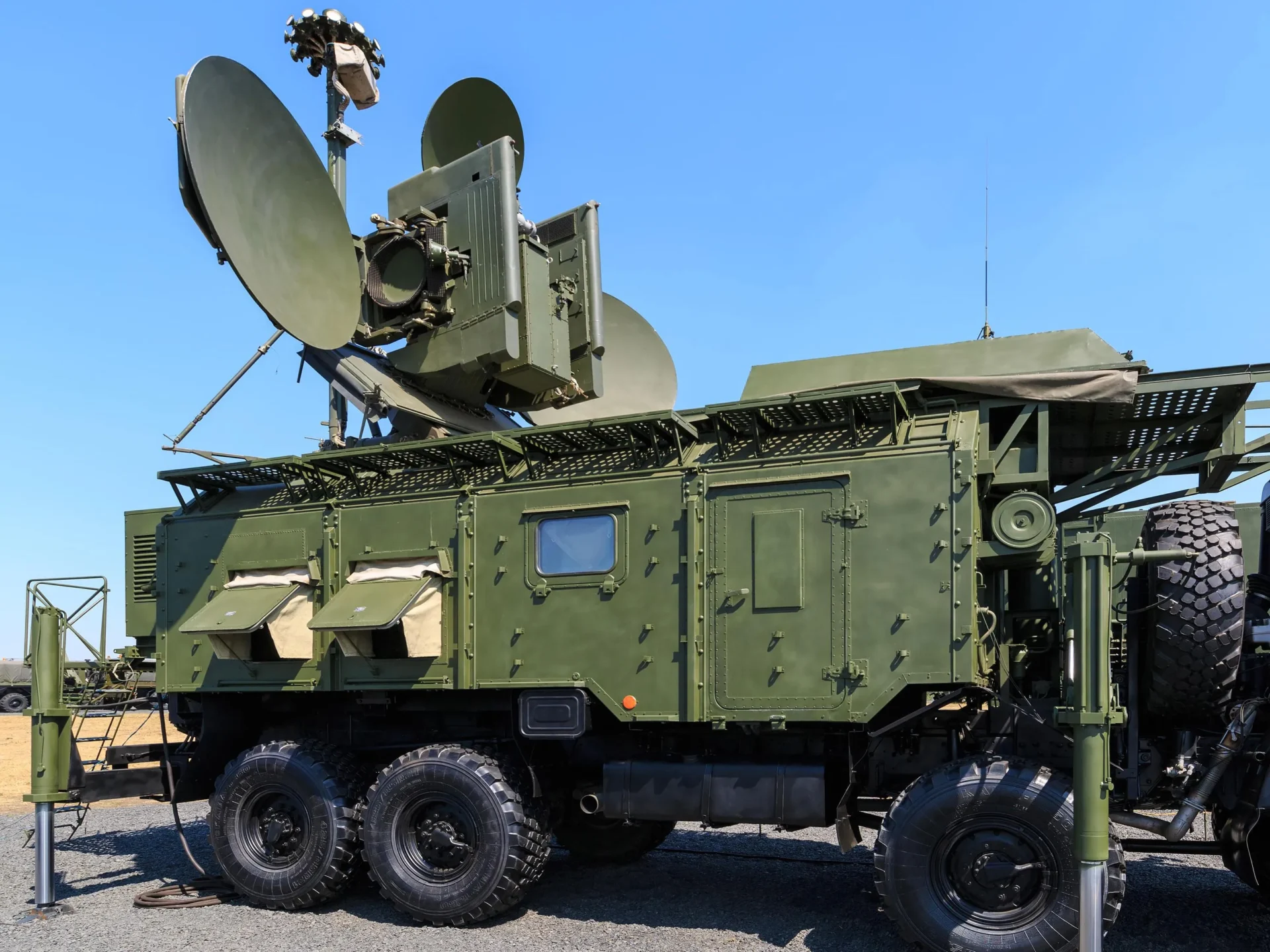
Perhaps the greatest value of Russian intelligence would not be improved targeting but earlier warning.
Analysts suggest that access to surveillance imagery and electronic intelligence could help Iranian commanders detect indicators of impending U.S. military operations before strikes begin.
Potential warning signs include:
- Increased aircraft activity
- Changes in radar networks
- Communications surges
- Tanker aircraft deployments
- Naval force movements
- Airbase preparations
Receiving such information earlier could provide valuable time to:
- Relocate missile launchers
- Disperse aircraft
- Activate decoys
- Secure command facilities
- Reduce electronic emissions
- Protect critical infrastructure
Even without intercepting incoming weapons, these actions could lessen the effectiveness of precision strikes by reducing the number of vulnerable targets available when attacks occur.
No Public Evidence of Direct Russian Operational Control
A key distinction emphasized throughout the available reporting is that no publicly disclosed evidence indicates Russia is directing Iranian military operations or selecting individual targets.
Providing broad intelligence support differs significantly from controlling missile launches, supplying real-time targeting updates, or participating directly in combat.
If the reported cooperation exists, analysts characterize it as calibrated assistance designed to improve Iranian situational awareness while avoiding direct Russian involvement in hostilities involving the United States.
This distinction remains important because it affects both the strategic assessment of Russia’s role and the potential risks of wider escalation.
Logistics Could Become the Most Vulnerable Target
Another theme emerging from the assessment is the importance of military logistics.
Rather than focusing exclusively on combat aircraft or warships, intelligence could help identify support infrastructure such as:
- Fuel depots
- Ammunition storage facilities
- Maintenance centers
- Supply routes
- Port operations
- Logistics hubs
Military planners often regard these facilities as high-value targets because disrupting logistics can reduce operational tempo without requiring the destruction of frontline combat assets.
By improving awareness of these support networks, intelligence sharing could potentially increase pressure on U.S. military operations throughout the region.
Russia-Iran Strategic Partnership Extends Beyond the Battlefield
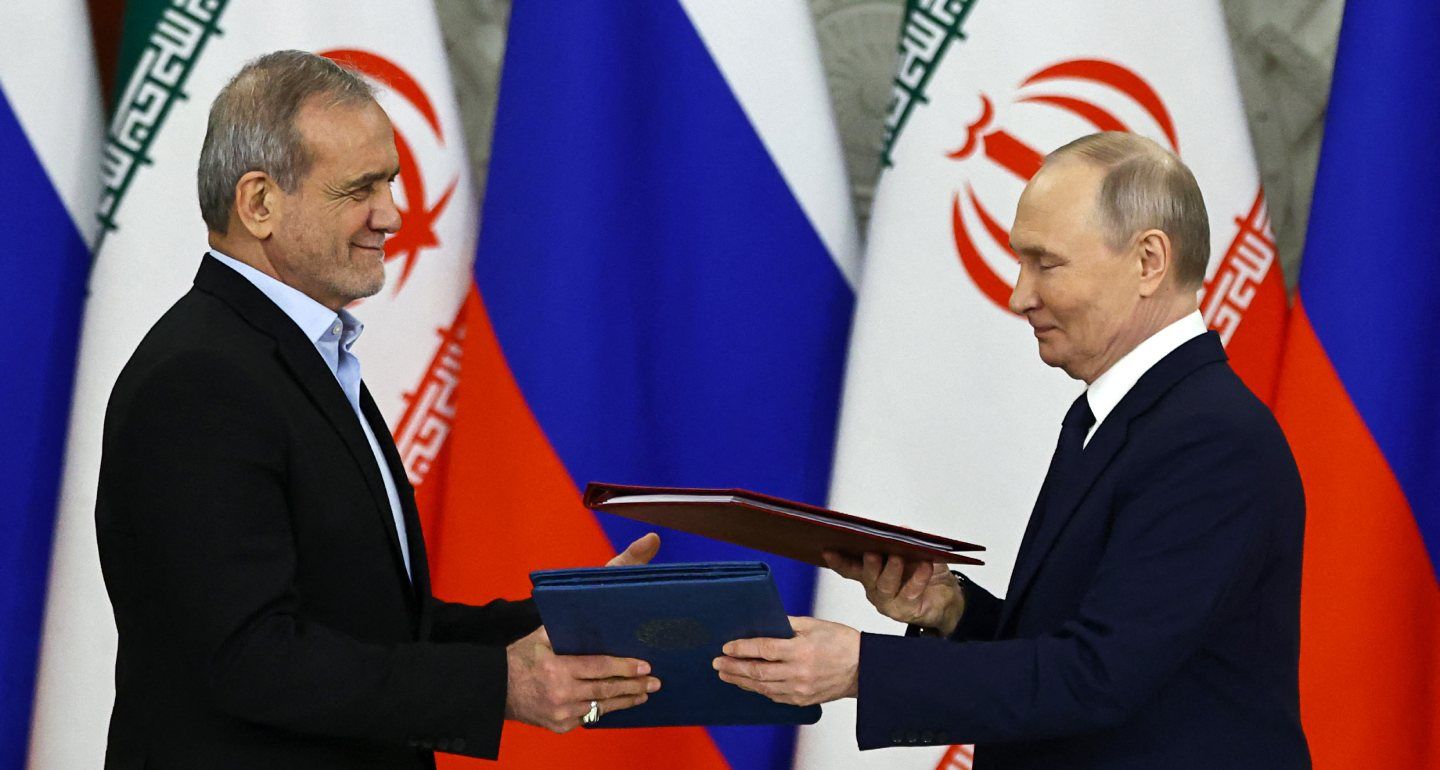
The reported intelligence cooperation reflects a broader strategic relationship that has steadily deepened over recent years.
Military cooperation accelerated after Iran supplied Shahed-131 and Shahed-136 loitering munitions to Russia following the outbreak of the Ukraine war. Those drones were subsequently integrated into Russia’s military campaign, with domestic production expanding under licensing and technology transfer arrangements.
Analysts argue that any reported sharing of satellite intelligence would represent a continuation of this reciprocal relationship, allowing Moscow to strengthen an important regional partner without committing combat forces or entering direct confrontation with the United States.
Unlike deploying troops, intelligence sharing provides strategic influence while limiting political and military risks.
The 2025 Russia-Iran Strategic Partnership
The growing relationship was formalized through the Treaty on Comprehensive Strategic Partnership, signed by Russian President Vladimir Putin and Iranian President Masoud Pezeshkian on January 17, 2025.
According to the source material, the agreement entered into force later that year and established a 20-year framework covering:
- Defence cooperation
- Security coordination
- Technology development
- Cybersecurity
- Energy cooperation
- Trade and finance
However, analysts emphasize that the treaty does not constitute a mutual defence alliance.
Unlike Russia’s security arrangement with North Korea, the agreement contains no obligation requiring military intervention if either country comes under attack.
Instead, it creates political alignment while leaving considerable flexibility regarding the type and scale of assistance provided.
Intelligence Sharing Offers Strategic Advantages Without Direct Intervention
This structure benefits both governments.
Iran potentially gains access to surveillance capabilities that would otherwise require years of investment in space infrastructure.
Russia, meanwhile, can increase operational pressure on the United States without deploying additional forces beyond its existing military commitments.
Military analysts suggest this approach allows Moscow to:
- Increase American operational costs
- Demonstrate continued global influence
- Support a strategic partner
- Avoid direct military confrontation
- Preserve flexibility in future diplomatic negotiations
The available reporting does not establish the precise scope of current intelligence transfers, making it important to distinguish confirmed historical cooperation from ongoing wartime allegations.
China’s Reported Role Appears More Limited
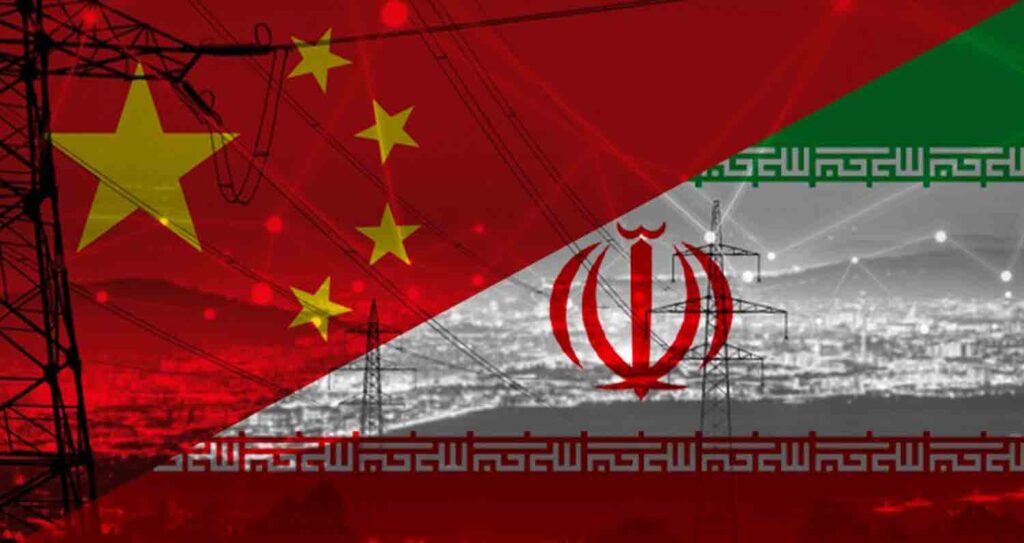
The source also references reports suggesting that China may have provided limited assistance to Iran during the conflict.
However, analysts argue that Russia occupies a unique position because of its extensive military satellite constellation and long-established experience in signals intelligence.
If multiple countries are providing different forms of assistance, Iran may benefit from a broader network of external support rather than relying upon a single strategic partner.
Nevertheless, publicly available information remains insufficient to determine the exact scale of any foreign assistance currently reaching Tehran.
The Challenge for U.S. Military Planners
Regardless of whether every reported intelligence transfer can be verified, the allegations themselves influence military planning.
American commanders must increasingly consider the possibility that regional operations are being observed through sensors extending well beyond Iran’s own capabilities.
That assumption could require greater emphasis on:
- Aircraft dispersal
- Hardened shelters
- Camouflage and deception
- Emission control procedures
- Redundant communications
- Unpredictable deployment schedules
- Distributed logistics
These defensive measures consume additional personnel, aircraft, fuel, maintenance resources, communications bandwidth, and operational planning time.
In modern warfare, forcing an opponent to spend more resources protecting itself can be almost as valuable as destroying military equipment directly.
Implications Beyond the Middle East
Analysts argue that the implications extend well beyond the current conflict.
Maintaining large military operations in the Middle East requires significant numbers of:
- Surveillance aircraft
- Aerial refueling tankers
- Naval escorts
- Precision-guided weapons
- Air defence interceptors
- Intelligence assets
Extended commitments could reduce the availability of these resources for other strategic theatres, particularly the Indo-Pacific.
The source suggests that Russia may view this as an opportunity to increase pressure on Washington globally by forcing the United States to divide military attention across multiple regions simultaneously.
Could Intelligence Sharing Increase Escalation Risks?
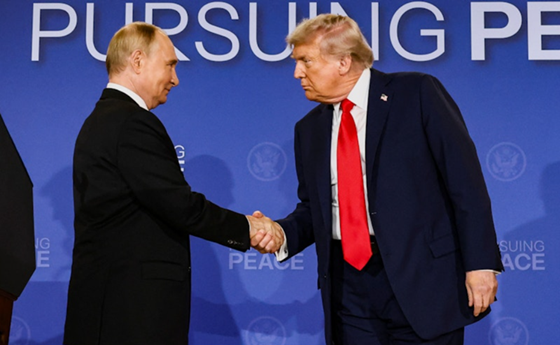
The report also notes potential risks for Moscow.
If compelling evidence were to emerge directly linking Russian intelligence support to American casualties, Washington could respond through:
- Additional economic sanctions
- Expanded military assistance to Ukraine
- Cyber operations
- Counterspace measures
- Increased pressure on Russian intelligence networks
At the same time, Iran also faces risks.
Military experts caution that satellite imagery can become outdated quickly, while deception measures, decoys, false electronic emissions, and rapidly changing deployments can reduce the reliability of targeting information.
Overreliance on external intelligence could therefore expose Iranian forces to operational miscalculations if battlefield conditions change faster than surveillance updates.
Many Questions Remain Unanswered
Despite extensive reporting and official statements, several critical questions remain unresolved.
Analysts continue to debate:
- How frequently intelligence is being shared.
- Whether imagery is delivered in near real time or after significant delays.
- What level of resolution is available.
- How rapidly information reaches operational commanders.
- Whether intelligence is integrated directly into missile and drone operations.
These uncertainties make it difficult to accurately assess the overall military impact of the alleged cooperation.
As the source notes, occasional strategic imagery would influence long-term planning differently from continuous intelligence capable of supporting active combat operations.
Conclusion
The reported intelligence cooperation between Russia and Iran highlights how modern conflicts increasingly extend beyond conventional military operations into the domains of space, electronic warfare, and information superiority.
While no publicly available evidence conclusively confirms the full extent of the alleged intelligence sharing, defence analysts broadly agree that access to advanced satellite surveillance and signals intelligence could improve Iran’s battlefield awareness, strengthen its defensive posture, and increase operational complexity for U.S. forces.
At the same time, intelligence alone does not guarantee battlefield success. Effective military operations still depend on command and control, logistics, electronic warfare capabilities, communications security, and the ability to translate information into timely action.
For now, the available evidence suggests that any Russian assistance—if occurring—should be viewed as a capability multiplier rather than a decisive game changer. Yet even incremental improvements in surveillance, early warning, and electronic intelligence can raise operational costs for an adversary, underscoring the growing importance of space-based assets and information dominance in contemporary warfare.
As geopolitical competition intensifies, the evolving Russia-Iran partnership demonstrates that future conflicts may be shaped as much by satellites and electronic networks as by missiles, aircraft, and armored forces.