The United States military is considering tighter restrictions on mobile phone use by deployed troops after concluding that Iran has been using videos and images posted online to assess the effectiveness of missile and drone strikes against American bases, according to a Reuters report.
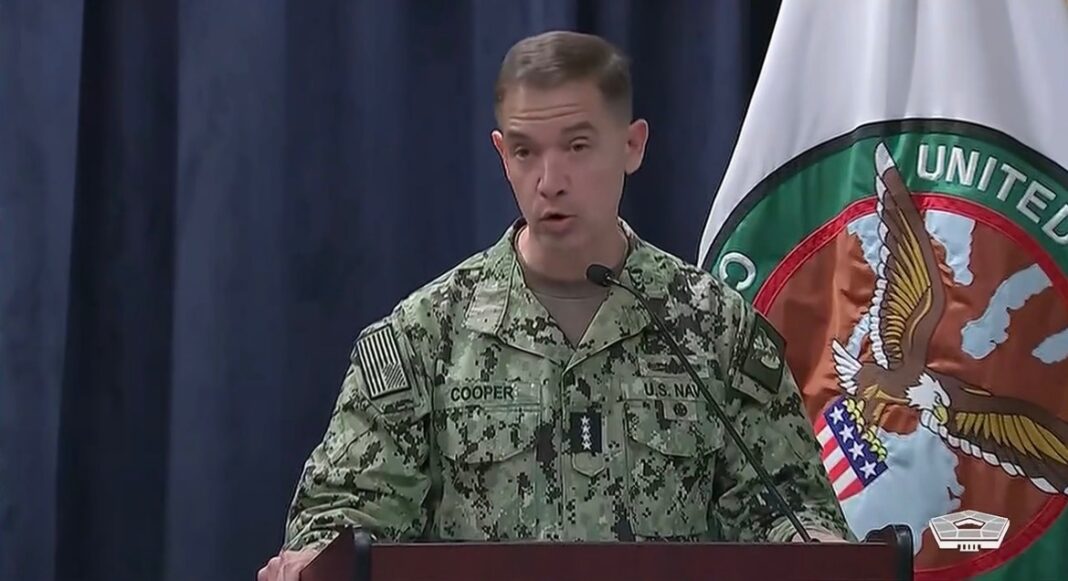
The warning, issued by Admiral Brad Cooper, commander of U.S. Central Command (CENTCOM), highlights a growing challenge in modern warfare: the role of smartphones and social media as sources of real-time battlefield intelligence.
According to Reuters, some American troops stationed in the Middle East could soon be ordered to surrender their mobile phones as military leaders seek to strengthen operational security.
The top U.S. commander in the Middle East has warned troops that videos and photos shared from their phones are helping Iran assess the effectiveness of its attacks and plan follow-up strikes.
Adm. Brad Cooper, head of U.S. Central Command (CENTCOM), told service members that… pic.twitter.com/ATcIBDgaLF
— Clash Report (@clashreport) July 29, 2026
CENTCOM Warns Social Media Is Helping Iran
In a letter dated 28 July, obtained by Reuters, Admiral Cooper warned that publicly shared videos and photographs were enabling Iran to evaluate the success of its attacks far more quickly than traditional intelligence methods would allow.
According to the letter, Iran has been able to monitor:
- News reports
- Social media videos
- Photographs
- Journalists’ field reporting
- Videos recorded by deployed service members
Cooper wrote that such information effectively provides Iran with battle damage assessment (BDA) that would otherwise be difficult to obtain.
He warned that the consequences could ultimately be measured in the lives of American service members and civilians living in Gulf countries.
Why Battle Damage Assessment Matters
In modern warfare, battle damage assessment is used to determine whether a missile or air strike achieved its intended objective.
Normally, an attacking military relies on:
- Satellites
- Surveillance aircraft
- Drones
- Intelligence assets
to determine whether a target was destroyed.
According to CENTCOM’s assessment, publicly available smartphone footage can sometimes provide that information without requiring additional intelligence collection.
If strike locations, damaged facilities or troop movements become visible online, they may help an adversary decide whether additional attacks are necessary.
Meta Smart Glasses Video Raised Concerns
Reuters reports that Admiral Cooper specifically referred to an incident in which a U.S. service member reportedly recorded an Iranian missile attack using Meta smart glasses equipped with a built-in camera.
The video reportedly showed personnel moving into protective bunkers during an Iranian missile and drone strike on Muwaffaq Salti Air Base in Jordan.
According to the CENTCOM commander, such footage can unintentionally reveal:
- Shelter locations
- Defensive procedures
- Base layouts
- Emergency response methods
Military planners fear this type of information could assist future attacks.
Troops Could Be Ordered to Give Up Their Phones
Reuters cited multiple sources saying some American troops deployed in Jordan have been informed that their phones could soon be confiscated.
Another source told Reuters that similar measures are being considered elsewhere across the region because of operational security concerns.
However, CENTCOM has not confirmed that mandatory confiscation has been approved.
Instead, spokesman Captain Timothy Hawkins described Admiral Cooper’s message as a general reminder emphasising the importance of operational security.
A New Battlefield: Open-Source Intelligence
The warning reflects a broader transformation in warfare.
Unlike previous conflicts, today’s battlefields generate enormous quantities of publicly available information through:
- Smartphones
- Commercial satellite imagery
- Social media
- Civilian videos
- Open-source intelligence (OSINT)
Military analysts increasingly recognise that governments, journalists, researchers and adversaries often observe the same publicly available information simultaneously.
This has significantly reduced the traditional gap between classified intelligence and publicly accessible data.
Smartphones Have Become a Security Risk
The Pentagon has warned for several years that smartphones can expose military personnel to surveillance.
Potential risks include:
- GPS location data
- Fitness applications
- Bluetooth connections
- Social media uploads
- Geotagged photographs
Reuters previously reported that commercially available location data harvested from smartphones had been used to monitor or track U.S. military personnel.
These concerns have led the U.S. military to impose strict phone restrictions during many sensitive deployments and special operations missions.
Iran May Be Using Public Information to Plan Follow-Up Strikes
According to Admiral Cooper’s assessment, Iran already knows when missiles have been launched.
What Iranian planners may not immediately know is:
- Whether missiles hit their intended targets.
- Whether aircraft shelters were occupied.
- Whether personnel survived.
- Whether another strike is necessary.
If publicly available videos answer those questions, they could potentially support follow-up attacks against the same facilities.
This concern appears to be one of the primary reasons CENTCOM is seeking stricter operational security measures.
Operational Security in the Digital Age
The Reuters report illustrates how modern military operations increasingly depend not only on advanced weapons but also on controlling information.
Operational security, commonly known as OPSEC, now extends beyond classified documents and military communications.
Personal devices capable of recording high-definition video and instantly sharing content online have become part of the operational environment.
For armed forces operating in active combat zones, even seemingly harmless social media posts may reveal valuable information about:
- Troop locations
- Infrastructure damage
- Defensive procedures
- Force readiness
- Emergency response timelines
Balancing Security and Troop Welfare
Any decision to confiscate personal phones would likely affect thousands of deployed American personnel.
For many service members stationed overseas, mobile phones remain the primary means of communicating with family members during deployments.
Reuters reports that the possibility of stricter phone restrictions has already generated concern among some military families, particularly following months of Iranian missile and drone attacks targeting U.S. bases across the Middle East.
Military commanders therefore face the difficult task of balancing operational security with troop welfare and morale.
Strategic Implications
The CENTCOM warning reflects a broader reality of contemporary warfare: information has become as strategically valuable as precision-guided weapons.
Conflicts are no longer fought solely with missiles, aircraft and ground forces. Smartphones, wearable devices, satellite imagery and social media platforms now shape the battlefield by providing real-time information that can influence operational decisions.
If the U.S. military ultimately imposes broader restrictions on personal electronic devices, it would represent another step in adapting military doctrine to an era in which open-source intelligence has become an increasingly important component of modern conflict.