Thursday, April 23, 2026
Home Blog Page 121

A pivotal week has transformed the Ukraine conflict, highlighted by a discussion with Putin and a trial military strike

0
A serviceman of 24th Mechanized brigade named after King Danylo of the Ukrainian Armed Forces fires a 2s5 "Hyacinth-s" self-propelled howitzer towards Russian troops at a front line, amid Russia's attack on Ukraine, near the town of Chasiv Yar in Donetsk region, Ukraine.

The situation began with a peace initiative that lacked support and culminated in a rare experimental missile strike, prompting Moscow to provide Washington with a 30-minute warning. The last week has significantly altered the trajectory of Ukraine’s prolonged conflict, moving at an unprecedented pace as Donald Trump’s inauguration approaches in January. This period signifies a major escalation, yet it risks being overshadowed by the prevailing war fatigue, warranting a summary of events.

On Sunday, the White House officially permitted Ukraine to launch missiles supplied by the U.S. into Russian territory, which Ukraine promptly executed on Monday. In retaliation, Moscow deployed an experimental medium-range missile, capable of hypersonic speeds and equipped with a multiple warhead system typically designated for nuclear use, targeting Dnipro on Thursday. President Putin asserted that the “Oreshnik” missile could bypass all Western air defenses.

Both nations accused each other of recklessness—specifically, the U.S. and Russia. This conflict is increasingly characterized by Washington’s urgent attempts to reverse Ukraine’s declining position on the battlefield, while Russia, the initial aggressor, is resorting to more perilous strategies to regain the deterrent power it has lost over the past three years.

Direct confrontation between the two powers seems unlikely; however, their involvement in Ukraine’s escalating global struggle is becoming more pronounced.

The situation has deteriorated rapidly. Just a week ago, discussions of peace sparked widespread outrage.

German Chancellor Olaf Scholz took the initiative to contact Russian President Vladimir Putin, breaking a two-year period of isolation for the Kremlin leader from significant Western figures. Scholz aimed to appeal to pro-Russian constituents in eastern Germany ahead of upcoming elections, justifying his outreach by suggesting that if Trump intended to engage with Moscow, Europe should follow suit. This move angered Ukraine and Poland, while France and the UK appeared to harbor their own frustrations quietly.

The decision by the White House regarding weapons is unlikely to have been influenced by Scholz’s call. In fact, it has been indicated that President Joe Biden’s shift from months of hesitance in approving missile use within Russia was prompted by the involvement of North Korean troops alongside Russian forces. Likewise, Putin’s choice to deploy the Oreshnik missile appears to be a calculated move by Moscow to escalate tensions further. Both Moscow and Washington have signaled their intentions for months, although they seem somewhat surprised by the actions taken by their opponent this week.

The specifics surrounding the Oreshnik missile are crucial to understanding Putin’s intentions. While many details remain ambiguous, most analyses, along with Putin’s statements, suggest that this is a new missile, likely hypersonic and not nuclear at this stage, but capable of delivering multiple warheads in a manner typically associated with nuclear arms. Putin claimed that its speed of 3 kilometers per second renders all Western air defenses ineffective. U.S. and NATO officials described the missile as medium-range and “experimental,” a characterization that may initially seem to downplay its importance but could actually highlight a growing divide with Moscow.

In 2019, President Trump withdrew from the Intermediate Nuclear Forces treaty, a significant agreement that restricted the development of such weapons, citing Russian violations. The insistence by Western officials that this missile, which appeared to have nuclear capabilities, was “intermediate” in range may have been an acknowledgment of Russia’s ongoing development of such weapons in the absence of the now-defunct INF treaty. This could also serve as a reminder to Trump that Moscow has been actively pursuing the weapons he claimed they were developing during his first term.

Ukraine has identified the device as the “Kedr,” which was reportedly first mentioned in Russian state media in 2021. Kyrylo Budanov, the head of Ukraine’s defense intelligence, stated on Friday that it is a “medium-range ballistic missile, capable of carrying nuclear weapons.” He expressed concern, noting that the use of the missile in a non-nuclear capacity serves as a warning that Russia has lost its rationality. Budanov indicated that Ukraine believes two prototypes of the Kedr were developed by October, but he emphasized that “it is not a mass-produced item, thankfully.”

In the coming weeks, it will become clear whether the Oreshnik represents a singular message or a new strategy. Its deployment has heightened anxiety in Kyiv, particularly following the abrupt closure of the US Embassy on Wednesday due to an aerial threat, which has intensified fears that Moscow is resorting to measures it had reserved for a final confrontation with a major power.

However, the most concerning news of the week may lie beyond the overt geopolitical tensions and alarming developments over Dnipro.

The United Kingdom’s Defence Intelligence, typically a strong supporter of the Ukrainian military, reported on Thursday that the front line is more “unstable” than at any point since the invasion began. This description suggests that Kyiv’s forces are facing significant challenges along the front, aligning with the consistently bleak assessments reported by CNN from military and open sources.

The situation appears dire in all directions. To the south of Kharkiv, Russian forces are making advances toward the city of Kupiansk. Supply lines are under threat in the eastern Donbas region. Additionally, southern Zaporizhzhia is facing increased pressure, while Moscow continues its efforts to push Ukraine out of the Kursk border area.

The Biden administration may expedite the deployment of anti-personnel mines and announce additional ammunition supplies, but significant changes are already occurring in the trenches where snow is accumulating. In the most optimistic scenario, these developments may grant Moscow a territorial advantage as winter sets in.

During Trump’s presidency, discussions about negotiations gained momentum. However, the immediate reaction has been a rapid escalation of the conflict, potentially complicating any future ceasefire. The pressing concern is that this aggressive push for a more favorable negotiating stance could generate an uncontrollable momentum of its own.

Russia’s deployment of a nuclear-capable missile signifies a major shift from Cold War deterrence strategy

0
Aftermath of Russian missile strike in Dnipro, Ukraine.

Russia’s deployment of a nuclear-capable ballistic missile on Thursday represents a significant escalation in the ongoing conflict in Ukraine. This action signifies a critical and potentially perilous juncture in Moscow’s relations with the West.

Vladimir Putin‘s announcement of using a ballistic missile equipped with multiple warheads in offensive operations marks a notable shift from the long-standing Cold War principle of deterrence. Experts indicate that ballistic missiles with multiple warheads, referred to as “multiple independently targeted reentry vehicles” (MIRVs), have never been employed in combat situations before.

Hans Kristensen, director of the Nuclear Information Project at the Federation of American Scientists, stated, “To my knowledge, yes, it’s the first time MIRV has been used in combat.”

Historically, ballistic missiles have served as the foundation of deterrence, embodying the concept of “mutual assured destruction” (MAD) during the nuclear era. The rationale behind this strategy is that if a few missiles survive an initial nuclear strike, the remaining arsenal would possess sufficient capability to devastate several major cities of the aggressor, thereby ensuring that neither side can evade the repercussions of nuclear conflict.

In this context, ballistic missiles were intended to act as guardians against a future where nuclear weapons would never again be utilized in hostility. However, analysts, including Kristensen, contend that the introduction of MIRVed missiles could provoke, rather than deter, a preemptive strike.

The significant destructive potential of Multiple Independently Targetable Reentry Vehicles (MIRVs) positions them as both potential first-strike assets and primary targets for such strikes, as noted by Kristensen and his colleague Matt Korda from the Federation of American Scientists in a study released in March.

This is due to the fact that it is generally easier to neutralize multiple warheads before their launch rather than attempting to intercept them as they descend at hypersonic speeds toward their intended targets.

A recent statement from the Union of Concerned Scientists, a nonprofit organization based in the United States that advocates for scientific integrity, highlights a concerning “use them or lose them” dynamic. This scenario creates a compelling incentive for a preemptive strike during a crisis. The statement emphasized that a first strike aimed at eliminating a nation’s MIRVed missiles could severely impair that nation’s capacity for retaliation.

Footage from Thursday’s Russian missile strike illustrated multiple warheads descending at various angles toward their target, necessitating the interception of each warhead with an anti-missile system—a formidable challenge even for the most advanced air defense technologies.

Although the warheads that targeted the Ukrainian city of Dnipro on Thursday were not nuclear, their deployment in conventional military operations is likely to heighten tensions in an already precarious global environment.

Notably, Russia provided advance notice to the United States regarding the missile launch on Thursday. However, even with this prior warning, any subsequent actions by Putin’s administration are bound to escalate anxieties throughout Europe, prompting many to question whether the concept of deterrence has been fundamentally undermined.

MIRV Technology Around the Globe

MIRV technology is not exclusive to Russia and the United States. According to the Center for Arms Control and Non-proliferation, China has integrated this capability into its intercontinental ballistic missiles. Additionally, the United Kingdom and France, alongside Russia and the US, have long equipped their submarine-launched ballistic missiles with MIRV technology.

New entrants are also emerging in the MIRV landscape. Reports indicate that Pakistan conducted a test of a missile featuring multiple warheads in 2017, while India announced a successful test of a MIRVed ICBM earlier this year.

Analysts express greater concern regarding land-based MIRVs compared to those deployed on submarines. The stealthy nature of submarines makes them difficult to detect, whereas land-based missiles, particularly those housed in fixed silos, are more easily located and thus more vulnerable to attack.

In their March report, Kristensen and Korda highlighted the dangers associated with the expanding group of nations possessing MIRV capabilities, describing it as indicative of a troubling trend in global nuclear arsenals and an emerging arms race.

India’s announcement of MIRV success during a test that same month served as a significant warning sign, they noted.

“This follows China’s deployment of MIRVs on certain DF-5 ICBMs, Pakistan’s apparent interest in MIRVs for its Ababeel medium-range missile, and North Korea’s potential pursuit of similar technology. Furthermore, the United Kingdom has opted to increase its nuclear stockpile to facilitate the deployment of additional warheads on its submarine-launched missiles,” Kristensen and Korda stated.

They contend that an increase in MIRV warheads across various nations’ arsenals would significantly undermine crisis stability, encouraging leaders to launch their nuclear weapons preemptively during a crisis.

“A global landscape where nearly all nuclear-armed states possess substantial MIRV capabilities presents a far greater danger than our current geostrategic situation,” they concluded.

Israeli forces are reportedly using an AI-powered weapon system in Gaza, developed in collaboration with India

0
A military vehicle with a laser transits during an Israeli raid in Jenin, in the Israeli-occupied West Bank

Israeli forces are reportedly utilizing an AI-driven weapons system in Gaza, developed in collaboration with an Indian defense firm, which transforms conventional firearms into advanced computerized weaponry.

Israeli forces have deployed the Arbel weapons system in Gaza, according to media reports, following their extensive military operations in the area in response to the attacks on southern Israel on October 7.

Described as a “revolutionary game changer that enhances operator lethality and survivability,” the Arbel system upgrades machine guns and assault rifles—such as the Israeli-made Tavor, Carmel, and Negev—by employing algorithms that significantly improve the accuracy and efficiency of soldiers’ targeting capabilities.

Over the past 13 months, Israeli forces have been involved in numerous violent incidents, including bombings of schools, refugee camps, and hospitals, as well as extrajudicial killings in the streets of Gaza.

The number of women and children killed by Israeli military actions has surpassed casualties in any other conflict over the last two decades, with nearly 1,000 families completely wiped out.

Conservative estimates suggest that around 44,000 Palestinians have lost their lives, while a letter addressed to President Joe Biden from nearly 100 US medical professionals who have worked in Gaza estimated the death toll to exceed 118,000 as of October. Additionally, a letter published in the UK medical journal The Lancet indicated that the death toll could be over 180,000.

Defence analysts suggest that while the Arbel weapon system may not be as advanced or as commonly deployed as the “Lavender” or “The Gospel” AI weapon systems—both of which are believed to have significantly contributed to the high casualty figures in Gaza—Arbel marks a notable connection between India and Israel’s rapidly evolving AI warfare in Gaza, potentially influencing other global conflicts.

A UN report released in September expressed deep concern over the unprecedented destruction of civilian infrastructure and the alarming death toll in Gaza, highlighting serious issues regarding Israel’s use of artificial intelligence in its military operations.

The report, prepared by the Special Committee to Investigate Israeli Practices Affecting the Human Rights of the Palestinian People, noted that credible media sources indicated the Israeli military had relaxed its criteria for target selection while increasing the previously accepted ratio of civilian to combatant casualties.

The name Arbel, like many Israeli weapon systems, has biblical roots. It also refers to an Israeli town established on the site of the Palestinian village of Hitten, which was ethnically cleansed in 1948.

The specific contributions of each company in the development of Arbel remain uncertain; however, it is probable that IWI and Adani collaborated on the manufacturing of its components, including the electronics and AI system, with assembly likely occurring in Israel.

Initially presented as a partnership between Israeli Weapons Industries (IWI) and the Indian firm Adani Defence & Aerospace, Arbel was revealed at a defense expo in Gandhinagar, Gujarat, in October 2022. IWI operated as a state-owned entity in Israel from 1933 until 2005.

At that time, various Indian media outlets praised the weapon, labeling it “India’s first AI-based firing system.” However, in April 2024, six months into the conflict in Gaza, IWI reintroduced the weapon as “the first computerized weapon system.”

According to IWI, the weapon enhances the lethality, accuracy, and operator survivability by up to three times.

Israeli journalists were shown a demonstration in northern Israel, where they were informed that the system was being deployed to meet the specific needs of contemporary warfare.

Notably, there was no reference to the collaboration with Adani Defence & Aerospace, nor was there any acknowledgment of its prior unveiling at the defense expo 18 months earlier.

Additionally, the developers did not reveal that Israeli ground forces had been utilizing Arbel since their entry into Gaza in October 2023.

In the past year, several Indian firms have continued their collaboration with Israel in its expanding military operations in Gaza and the surrounding areas, with the explicit consent of the Indian government and judiciary.

However, the omission of Adani from IWI’s promotional materials has sparked concerns that the company may be cautious about facing public backlash after criticism arose from its earlier decision to supply drones to Israel shortly after the conflict in Gaza escalated. This move may also be an attempt to shield itself from liability should Israel face repercussions for its actions in Gaza.

“The use of AI weapons like the Arbel, which has been partially developed through Indian partnerships, highlights the growing significance of artificial intelligence in contemporary warfare,” stated Girish Linganna, a defense analyst in India.

“While this technology enhances military effectiveness, it simultaneously raises ethical dilemmas regarding increased lethality and the potential for misuse in conflict scenarios,” Linganna further noted.

Defense analysts indicate that due to the limited information available about the weapon technology, it remains uncertain how extensively it has been deployed in Gaza since the onset of the conflict.

Nevertheless, they agree that even if the weapon is designed to help combatants more accurately target enemy forces and minimize collateral damage, in the context of the Israeli military, it is likely that the Arbel has been employed to execute the devastation of Palestinian lives more effectively in Gaza.

A key insight into Israel’s extensive military operations in Gaza is that the intentional targeting of civilians was a central aim. Antony Loewenstein, an independent journalist with extensive experience in observing the technologies used in Gaza and the occupied West Bank, conveyed this information to US media.

“I have engaged with individuals in Gaza and witnessed firsthand the devastating human consequences of such violence. It is truly horrific,” stated Loewenstein, who authored The Palestine Laboratory: How Israel Exports The Technology of Occupation Around The World.

Noah Sylvia, a research analyst at the Royal United Services Institute in London, supported Loewenstein’s observations, noting that the effectiveness of military tools is contingent upon the military’s operational protocols and adherence to international humanitarian law (IHL).

Sylvia emphasized that in militaries that dehumanize populations and frequently breach civilian protection norms, tools marketed as enhancing operational efficiency are often employed to escalate destruction against both territories and their inhabitants.

“The Israeli Defence Forces have shown a blatant disregard for civilian lives in Gaza, routinely targeting children with small arms, which suggests that technologies like Arbel could facilitate the more efficient killing of civilians, including children,” Sylvia remarked.

India and Gaza War

India’s involvement in the conflict between Israel and Gaza has come under scrutiny, particularly regarding the contribution of Indian weapon components. Over the past year, various Indian activists and legal professionals have urged the Indian government to cease military collaborations with Israel.

In February, reports indicated that 20 Indian-manufactured combat drones were sent to Israel, with an Indian news outlet asserting that the Hermes 900 drones would support “Israel’s needs in the Israel-Hamas war.”

Defense analysts indicated that given Israel’s reliance on Hermes drones for reconnaissance and air strikes in Gaza, it is highly probable that these drones were employed to enhance Israel’s military efforts.

Notably, these drones were co-produced by Adani-Elbit Advanced Systems India Ltd, a partnership between India’s Adani Defence and Aerospace and Israel’s prominent arms manufacturer, Elbit Systems.

In April, it was revealed that rocket engines, explosives, and cannon propellants were shipped from India to the Israeli port of Ashdod. Additionally, in May, another ship carrying weapons from India was denied entry to Spain due to its cargo of explosives destined for Israel.

The recent disclosure of an AI weapon developed in collaboration with Israel being deployed in Gaza is expected to renew demands for an arms embargo, according to activists and observers.

Despite these developments, there have been no significant shifts in government policy, as India’s highest court continues to support the existing relationship. India’s strong alliance with Israel has positioned Delhi as one of the most vocal proponents of Israel’s US-backed military actions in Gaza.

Observers have noted that while India has expressed support for a ceasefire, its significant investments in Israel’s military industrial sector and armed strategies make it unlikely for Delhi to endorse an arms embargo, despite its calls for a ceasefire in Gaza.

In September, this situation was highlighted when the Indian Supreme Court rejected a petition aimed at halting military exports from India.

“It can indeed be challenging to pinpoint the exact production location of systems like the Arbel, particularly because defense companies and governments often keep such information opaque due to security and geopolitical concerns,” Linganna remarked.

Israel, India, and AI

In a context where India-Israel partnerships are often celebrated to an exaggerated extent, it remains unclear why Adani’s involvement has been downplayed in the discussions surrounding Arbel.

When the system was introduced to the Indian audience in October 2022, Ashish Rajvanshi, CEO of Adani Defence & Aerospace, characterized it as enhancing soldiers’ lethality and survivability, particularly during high-stress and exhausting situations.

Reiterating Rajvanshi’s description at a defense exhibition in France in June 2024, Ronen Hamudot, executive vice president for marketing and sales at IWI, stated that Arbel includes “an electronic trigger with a new firing mode, improving accuracy in critical moments where every second matters.”

Linganna pointed out that the sensitivity surrounding the ongoing conflict in Gaza, along with the potential backlash companies might face for their involvement, could explain Adani’s absence from promotional materials.

He added that strategic or political factors might also play a role, as highlighting a foreign partner’s involvement could complicate diplomatic relations or influence public opinion.

However, this does not imply that Adani is not leveraging the situation behind the scenes to promote its “combat-proven” products to clients in other markets.

Marwa Fatafta, the Middle East policy and advocacy director for Access Now, a digital rights organization, stated that Israel is utilizing Gaza as a testing ground to present to the world “a new and alarming model for tech-enabled warfare… this time through Indian-Israeli military technology.”

Fatafta remarked that technology rarely remains confined to a single location, emphasizing that “the lawlessness and impunity with which Israel perpetrates serious crimes using AI should alarm everyone.”

At the same time, military and technological collaborations are rapidly increasing, with Israel viewing Delhi as a source of affordable labor and a market for its products, both domestically and internationally. A key aspect of this interest in India is the emphasis on AI.

In recent years, the Indian government has identified AI as a crucial driver for accelerating economic growth in the nation.

From 2013 to 2022, Indian AI firms reportedly attracted the sixth-largest investments in AI globally, totaling an impressive US$7.73 billion.

A report released earlier this year indicates that the Indian artificial intelligence market is projected to expand between US$17 billion and US$22 billion by 2027. Experts predict that India will emerge as one of the largest reservoirs of AI talent globally.

This potential has attracted the attention of the Israeli government, academic institutions, and investors, who are increasingly looking towards Indian startups and educational establishments.

A recent study revealed that following Israel’s military actions in Gaza, there have been at least two dozen collaborations, including meetings and memorandums of understanding, between Israeli universities and companies in robotics, AI, and defense research with their Indian counterparts.

Trade union leaders opposing these developments have characterized them as an effort to integrate Indian universities into the burgeoning Indo-Israeli military-industrial complex.

During an AI bootcamp for Indian startups organized by the Israeli government earlier this month, Reuven Azar, Israel’s ambassador to India, stated that India offers Israel both a domestic market and access to third-party markets, particularly in the United States and Europe.

He remarked, “Numerous Israeli companies are eager to collaborate in developing technologies, as well as in commercializing and producing them here in India. This initiative is crucial for us as we aim to enhance our technological exports and capabilities on a global scale.”

The growth of AI weaponry

Activists in India, who have been protesting against their government’s involvement in Israel’s conflict with Gaza, expressed outrage over the ongoing weapon collaborations between the two nations. They highlighted the unprecedented atrocities occurring in Gaza, as well as in the occupied West Bank and Lebanon.

The fact that these partnerships are now venturing into the unsettling realm of AI, which introduces even greater ambiguity and potential for mass violence, is seen as unfathomable.

“It is deeply troubling to witness the concern among people in India regarding the genocide in Gaza, yet they feel powerless to effect meaningful change,” stated an activist who requested anonymity due to fears of retaliation, in an interview with US media.

Observers point out that Arbel is likely indicative of a larger trend in defense, where AI is being rapidly integrated into weapon systems worldwide.

They suggest that more AI-driven systems are being co-developed, potentially encompassing drones, surveillance technologies, and advanced autonomous systems that could be exported globally.

This concern has prompted activists monitoring the rise of big tech to warn against underestimating India’s potential as a future center for AI weapons production.

Loewenstein argues that without legal consequences for the mass killing of civilians, these so-called AI tools will only continue to spread.

“Considering that India is already Israel’s largest arms purchaser—official statistics indicate 40 to 45 percent, though I suspect the actual figure is higher—I fear that these tools may be utilized by Indian forces domestically or, worse, exported worldwide,” Loewenstein remarked.

“I am concerned that such tools could be sold to various regimes and governments—whether democratic or authoritarian—that may exploit them for their own malicious purposes,” Loewenstein added.

What type of intercontinental ballistic missile does Ukraine claim was launched by Russia?

0

A Russian intercontinental ballistic missile (ICBM) reportedly launched at the city of Dnipro on Thursday has been identified by Ukraine’s Ukrainska Pravda media outlet as an RS-26 Rubezh, according to unnamed sources.

However, defense experts express skepticism regarding the identification of the missile as the RS-26 Rubezh, noting that a precise evaluation based on the available imagery presents challenges.

Here are some key points regarding ballistic missiles, ICBMs, and the RS-26:

– A ballistic missile is a self-guided weapon propelled by rockets that descends toward its target under the influence of gravity.

– An ICBM is defined as a ballistic missile with a range exceeding 5,500 km (3,420 miles).

– The Centre for Strategic and International Studies (CSIS), a U.S. think tank, has indicated that while the RS-26 is categorized as an ICBM under the New START nuclear arms reduction treaty between the United States and Russia, it may also be classified as an intermediate-range ballistic missile when deployed with heavier payloads at distances less than 5,500 km.

RAPID FLIGHT

– Ballistic missiles, including intercontinental ballistic missiles (ICBMs), can be launched in a depressed trajectory, which keeps them within the atmosphere and prevents them from entering space. This mode of operation consumes more fuel and consequently limits their range.

– ICBMs travel at speeds exceeding several kilometers per second. A military source indicates that an ICBM launched from Russia would take approximately 40 minutes to reach a target in the United States. In contrast, the journey of over 700 km from the Russian region of Astrakhan to Dnipro, as reported by Ukraine’s air force regarding a recent launch, would be completed in under 10 minutes.

FIRST SUCCESSFUL TEST IN 2012

– While ICBMs are primarily designed to deliver nuclear warheads, they can technically accommodate any payload of equal or lesser weight with appropriate modifications. There was no indication that a nuclear warhead was involved in the recent launch.

– The RS-26, according to the U.S.-based Arms Control Association, has a maximum range of 5,800 km.

– The Center for Strategic and International Studies (CSIS) notes that the RS-26 was successfully tested for the first time in 2012. It is estimated to be 12 meters in length, weigh 36 tons, and have the capacity to carry an 800-kg (1,760-lb) nuclear warhead. Experts assert that it has never officially entered service.


Israel and Hezbollah exchange lethal strikes even amid ongoing ceasefire negotiations

0

Israel and Hezbollah engaged in intense conflict on Thursday, continuing their hostilities despite indications of progress in U.S. efforts to broker a ceasefire. Airstrikes targeted the southern suburbs of Beirut, while rockets were launched into northern Israel.

U.S. mediator Amos Hochstein was in Israel for discussions with officials, expressing optimism that a ceasefire was “within our grasp” following his earlier visit to Beirut.

This diplomatic initiative represents the most significant effort to resolve the ongoing conflict between Israel and the heavily armed, Iran-supported Hezbollah, which has emerged as part of the broader regional fallout from the Gaza war that began over a year ago.

In southern Lebanon, an Israeli airstrike resulted in the deaths of three individuals in the village of Chaaitiyeh, located approximately 10 kilometers (6 miles) from the border, according to the Lebanese health ministry.

In Israel, a 30-year-old man lost his life when shrapnel from a rocket hit a playground in the northern town of Nahariya, as reported by Israel’s MDA medical service.

“The Israeli government is failing to protect my security, the security of my residents, and those in northern Israel. Living under these conditions is untenable,” stated Nahariya Mayor Ronen Marelly during an interview with public broadcaster Kan.

The Israeli military reported that around 10 rockets were fired from Lebanon towards Nahariya, noting that most were intercepted and fallen projectiles were accounted for in their statement.

Three rockets struck the coastal town, according to Channel 12.

Hezbollah’s al-Manar television, referencing its correspondent, confirmed that rockets were fired towards Nahariya and its vicinity. Airstrikes targeting Hezbollah-controlled areas in southern Beirut rattled the capital, creating large clouds of debris.

The Israeli military issued a warning on X prior to the strikes, alerting residents that they were near Hezbollah targets that would soon be engaged. Since Israel intensified its military actions in September, many residents have evacuated the area.

White House envoy Hochstein traveled to Israel after reporting progress from two days of discussions in Lebanon with officials, including Parliament Speaker Nabih Berri, who was appointed to negotiate by the Iran-aligned Hezbollah. Before departing Beirut, Hochstein expressed his intention to reach an agreement in Israel if feasible.

This diplomatic effort seeks to resolve a conflict that has caused extensive destruction in Lebanon since Israel commenced its offensive, which has included widespread airstrikes and troop deployments throughout the country. Al Jazeera aired footage showing thick smoke billowing from Khiyam in southern Lebanon, located approximately 6 km (4 miles) from the border, a key site of ground confrontations between Hezbollah and Israeli forces.

Israel’s objective is to facilitate the return of tens of thousands of individuals who were evacuated from the north due to Hezbollah’s rocket attacks, which began in solidarity with Hamas at the onset of the Gaza conflict in October 2023.

Despite suffering significant losses since the onset of Israel’s offensive in September, Hezbollah has continued to launch rockets into Israel, including an attack on Tel Aviv this week. Its fighters are engaged in ground combat with Israeli troops in the southern region.

According to the Lebanese health ministry, the death toll since October 2023 has reached 3,558 in Lebanon, with the majority of casualties occurring during the Israeli offensive that began in September. The reported figures do not differentiate between combatants and civilians, with 14 fatalities noted on Tuesday.

ICC has issued arrest warrants for Israeli officials Netanyahu and Gallant, and Hamas leader

0
Prime Minister Benjamin Netanyahu

Judges at the International Criminal Court have issued arrest warrants for Israeli Prime Minister Benjamin Netanyahu, his former defense chief, and Hamas leader Ibrahim Al-Masri, citing alleged war crimes and crimes against humanity.

This action follows an announcement by ICC prosecutor Karim Khan on May 20, indicating his pursuit of arrest warrants related to the events of October 7, 2023, when Hamas attacked Israel and the subsequent military response in Gaza.

The ICC clarified that Israel’s acceptance of the court’s jurisdiction was not a prerequisite for these proceedings.

Israel has dismissed the court’s jurisdiction and refutes allegations of war crimes in Gaza. The Israeli government claims to have killed Al-Masri, also known as Mohammed Deif, in an airstrike, although Hamas has not confirmed or denied this information.

Netanyahu’s office characterized the ICC’s decision as “anti-Semitic,” asserting that he will “not yield to pressure and will not be deterred” until Israel achieves its military objectives.

Israel’s Foreign Minister, Gideon Saar, stated that the ICC has “lost all legitimacy” following the issuance of arrest warrants for Netanyahu and Gallant. He described the situation as “a dark moment for the International Criminal Court,” claiming it has issued “absurd orders without authority.” There was no immediate response from Gallant.

Hamas expressed support for the warrants against Gallant and Netanyahu, calling on the court to extend accountability to all Israeli leaders. Senior Hamas official Basem Naim told Reuters that the warrants represent a significant step toward justice for the victims. However, he cautioned that it would remain a limited and symbolic gesture unless supported practically by all nations to ensure the enforcement of this decision in accordance with law and justice.

Josep Borrell, the EU’s foreign policy chief, emphasized that the decision was not political but rather a judicial one that should be respected and acted upon. “The tragedy in Gaza has to stop,” Borrell stated.

Jordan’s Foreign Minister Ayman Safadi emphasized the necessity of implementing the ICC’s decision, asserting that the Palestinians are entitled to justice following what he described as Israel’s “war crimes” in Gaza.

According to Dutch news agency ANP, the Netherlands’ Foreign Minister Caspar Veldkamp indicated that his country is ready to act on the warrants issued.

In the United States, Republican Senator Lindsey Graham, a staunch supporter of President-elect Donald Trump, criticized the Court, labeling it a “dangerous joke” and urged the U.S. Senate to take action and impose sanctions on this “irresponsible body.”

Officials in Gaza report that Israel’s 13-month military campaign has resulted in approximately 44,000 Palestinian deaths and has displaced nearly the entire population of the enclave, leading to a severe humanitarian crisis.

This military operation was initiated in response to the Hamas-led attack in October 2023, which resulted in the deaths of 1,200 individuals in southern Israel, with over 250 others reported as hostages, according to Israeli sources.

Taiwan’s envoy stated that while military aid for Ukraine is “too sensitive,” establishing a representative office is a key goal

0
A serviceman of 24th Mechanized brigade named after King Danylo of the Ukrainian Armed Forces fires a 2s5 "Hyacinth-s" self-propelled howitzer towards Russian troops at a front line, amid Russia's attack on Ukraine, near the town of Chasiv Yar in Donetsk region, Ukraine.

Taiwan is refraining from providing military assistance to Ukraine due to the sensitivity of the issue, but it aims to establish a representative office in the country, according to Deputy Foreign Minister Francois Wu.

Since Russia’s invasion two years ago, Taiwan has expressed strong moral support for Ukraine, drawing parallels to the threats it perceives from China, which claims Taiwan as its territory—a claim that Taiwan’s government firmly disputes.

Taiwan has contributed millions in humanitarian aid to Ukrainian refugees and has participated in Western-led sanctions against Russia. Although senior officials from Taiwan have engaged with some city mayors in Ukraine, there has been no formal acknowledgment of direct communication between the two governments.

During a visit to Berlin, Wu, who previously served as Taiwan’s de facto ambassador in Paris until August, stated that Taiwan’s objective is to cultivate as many allies as possible.

“Ukraine, while appreciating Taiwan’s support and recognizing the threat from China—given China’s partnership with Russia, which continues its aggression against Ukraine—remains cautious about its ties with Taiwan,” he noted.

“There is concern in Ukraine that provoking China might lead to a stronger alliance between China and Russia, thereby increasing military pressure.” Last year, China, which has not condemned Russia’s actions in Ukraine, proposed a 12-point framework outlining general principles for resolving the conflict, but it lacked specific details. Additionally, China did not participate in a peace conference held in Switzerland earlier this year.

Wu stated that Taiwan is concentrating on building connections with Ukraine through its neighboring countries and is engaged in providing humanitarian assistance.

“Nonetheless, military support remains a delicate issue, so I don’t believe we are currently collaborating on security equipment with Ukraine.”

Last week, Taiwan’s defense minister indicated that the decision regarding the fate of Taiwan’s decommissioned HAWK anti-aircraft missiles lies with the United States, in response to inquiries about their potential transfer to Ukraine.

In Europe, Taiwan maintains formal diplomatic ties solely with the Vatican. However, it operates de facto embassies in several European nations, including Russia, but not in Ukraine. Additionally, there is no Ukrainian representative office in Taipei.

China consistently criticizes any form of engagement between Taiwan and other nations. In 2021, Lithuania provoked Beijing by permitting Taiwan to establish a representative office in Vilnius.

“We are making every effort to strengthen our relations with Ukraine. However, at this moment, we have not progressed to the point of setting up a representative office. It is certainly Taiwan’s aspiration for the future, but for now, I don’t believe we are at that stage,” Wu remarked.

Xi is ramping up diplomatic efforts at international summits in anticipation of potential tariffs from Trump

0
Cyril Ramaphosa, Chinese President Xi Jinping, and Australian Prime Minister Anthony Albanese, pose with other G20 leaders during an event launching the Global Alliance Against Hunger and Poverty at the G20 Summit at the Museum of Modern Art in Rio de Janeiro, Brazil.

In his initial global engagements following Donald Trump‘s reelection as U.S. President, Chinese President Xi Jinping launched a diplomatic initiative aimed at countering anticipated new tariffs and positioning China to take advantage of possible future divisions between Washington and its allies.

Throughout a series of meetings, from APEC in Peru to G20 in Brazil over the past week, Xi aimed to differentiate himself from Trump’s “America First” approach, portraying himself as a reliable advocate for the multilateral global trade framework.

Summit organizers, diplomats, and negotiators have noted a significant change in the approach of Chinese diplomats, who have shifted from a focus on narrow interests to a more collaborative effort in fostering a wider consensus.

This outreach is critical for Beijing. While it is better equipped to handle another Trump administration—given that many tech firms are now less dependent on U.S. imports—China’s economy remains vulnerable due to a severe property crisis.

China has directed much of its focus toward the Global South, with state news agency Xinhua commending the G20 for including the African Union as a member. Xinhua emphasized that the perspectives of the Global South should be “not merely heard but also translated into tangible influence.”

In his G20 address on Monday, Xi reaffirmed China’s commitment to “unilaterally opening our doors wider to the least developed countries,” highlighting China’s initiative to provide all such nations with “zero-tariff treatment for 100 percent of tariff lines.”

China is actively seeking to enhance its influence in various regions of the developing world, where the United States has struggled to compete, primarily due to its inability to match the substantial investments driven by China’s state-controlled economy.

Sunny Cheung, an associate fellow for China Studies at the Jamestown Foundation, noted that this strategic communication aims to position China as a champion of globalization and a critic of protectionist policies. This approach is particularly relevant as many nations in the Global South express concerns about the potential resurgence of arbitrary trade and tariff measures from the U.S., especially in light of Trump’s influence.

Xi’s statements are designed to portray China as a more stable, sensible, and importantly, a reciprocal partner, contrasting with the perceived unpredictability of the U.S.

Xi is heavily investing in the expansion of BRICS

In response to Trump’s commitment to impose tariffs exceeding 60% on Chinese imports, a Reuters survey of economists indicated expectations of nearly 40% tariffs, which could reduce growth in China’s economy by as much as 1 percentage point.

Former Chinese diplomats have privately acknowledged that developing nations may not compensate for this economic impact. Nevertheless, Xi is heavily investing in the expansion of BRICS and improving relations with Asian neighbors, including India, Japan, and Australia.

European nations, also facing tariff threats from Trump, have sought to adopt a conciliatory approach in their recent discussions with Xi.

German Chancellor Olaf Scholz stated that Berlin aims to facilitate a mediated resolution to the EU-China conflict regarding Chinese electric vehicles as swiftly as possible during his discussions with Xi.

UK Prime Minister Keir Starmer expressed optimism during the first meeting between the leaders of the two nations since 2018, indicating his desire to collaborate with Beijing on matters such as trade, the economy, and climate change, as well as to foster broader cooperation in science, technology, health, and education.

Shen Dingli, an international relations expert from Shanghai, remarked that European allies of the U.S. would not fully “embrace” China if Trump’s protectionist measures were directed at them, although he noted that there would likely be increased cooperation.

Limits of outreach

Diplomats have observed a shift in China’s approach at international forums, with Chinese officials engaging in a broader range of issues. A Brazilian diplomat noted, “China has historically been more reserved, focusing solely on its core interests.” He added, “They appear to be recognizing that greater engagement is necessary. Building economic strength alone is insufficient; diplomacy is crucial for their interests and the global role they aspire to.”

However, some analysts argue that China’s outreach does not eliminate the existing tensions with other nations that were absent during Trump’s initial presidency, suggesting that his potential return is unlikely to result in a complete reshaping of the geopolitical landscape.

Western nations have consistently criticized China for engaging in unfair trade practices, arguing that its government support for manufacturers, combined with low domestic demand, results in an oversupply of Chinese goods in global markets.

China’s diplomatic efforts may also face challenges in its neighboring regions, where tensions have escalated with the Philippines and other countries over territorial disputes in the South China Sea.

Shi Yinhong, a professor at Renmin University in Beijing, expressed doubt that a potential return of Trump would enhance China’s negotiating power with the EU and other U.S. allies, especially given the ongoing conflicts related to Ukraine, Taiwan, and other areas.

“China certainly aims to strengthen its relations with the EU and key powers, but it seeks to do so without incurring significant costs,” Shi noted.

This implies that China is unlikely to make substantial concessions regarding trade, human rights, and territorial issues, regardless of Trump’s presence, which ultimately hinders the possibility of a significant and enduring rapprochement.

Additionally, Shi pointed out that China’s capacity to invest in and benefit from expensive infrastructure projects in the Global South is limited due to its struggling economy.

Experts also highlight a growing apprehension among like-minded nations regarding China’s increasing influence, citing Brazil’s decision to refrain from participating in Xi’s flagship Belt and Road Initiative as an example.

“Brazil is wary of its relationship with China, particularly concerning which nation holds the dominant position, and it seeks a more equitable trade relationship that offers greater value for Brazil,” stated Robert Evan Ellis, a professor at the U.S. Army War College.

British media reports a ‘Storm Shadow’ missile has been launched into Russian territory

0
A serviceman of 24th Mechanized brigade named after King Danylo of the Ukrainian Armed Forces fires a 2s5 "Hyacinth-s" self-propelled howitzer towards Russian troops at a front line, amid Russia's attack on Ukraine, near the town of Chasiv Yar in Donetsk region, Ukraine.

Ukraine has launched British-supplied Storm Shadow missiles at targets in Russia‘s Kursk Region, according to a report by the BBC on Wednesday. This development comes after the United States authorized Ukraine to utilize ATACMS missiles for long-range operations against Russia.

Although the UK government has not officially confirmed the use of its missiles against targets within Russia’s internationally recognized borders, the BBC has reported that British officials indicated Defense Secretary John Healey had a conversation with his Ukrainian counterpart on Tuesday evening.

Earlier, Healey had informed Parliament that the UK was “doubling down” on its support for Ukraine, stating that “Ukraine’s actions on the battlefield speak for themselves.” The BBC also mentioned that British ministers are likely to proceed with caution in their responses to these reports, given concerns about potential repercussions from Russia.

Additionally, the broadcaster highlighted several images circulating on Telegram, purportedly showing debris from a Storm Shadow missile in the Kursk Region. While weapons experts consulted by the outlet confirmed that the fragments correspond to the British-supplied missile, they could not verify the timing or location of the images.

Earlier on Wednesday, Bloomberg reported that the UK had authorized the use of Storm Shadows by Ukrainian forces in light of claims that North Korean troops had engaged in combat in Russia’s Kursk Region.

US State Department spokesperson Matthew Miller refrained from commenting on the UK’s alleged decision, stating to the BBC that he would not “speak publicly to the use of another country’s weapons.”

The Russian Defense Ministry has yet to verify reports regarding the deployment of Storm Shadows in Kursk. However, various Telegram channels have asserted that as many as 12 missiles supplied by the UK were launched into the area on Wednesday afternoon, all of which were reportedly intercepted by air defense systems.

Ukrainian President Vladimir Zelensky has previously stated that he received authorization from several Western nations to utilize their long-range missiles against targets within Russia’s interior.

Moscow has cautioned that such actions would signify direct involvement from NATO in the ongoing conflict.

President Vladimir Putin has indicated that the use of Western long-range missiles by Ukraine would fundamentally change the dynamics of the conflict. On Tuesday, he updated Russia’s nuclear doctrine to include conditions under which Moscow might consider employing weapons of mass destruction in response to conventional assaults by proxies of a nuclear-capable nation.

Ukrainian Foreign Minister offers a different perspective on Crimea than President Zelensky

0
Ukraine's President Volodymyr Zelenskiy appears at a joint press conference

Ukraine will not consent to relinquish any territory to Russia as a means to resolve the conflict, stated Foreign Minister Andrey Sibiga, emphasizing that the only viable path for Kiev is “peace through strength.” This statement follows Ukrainian President Vladimir Zelensky’s acknowledgment that retaking Crimea by military force alone is not feasible.

During a session in the US Congress on Tuesday, Sibiga reiterated that Ukraine would reject any proposals that imply compromises on its sovereignty or territorial integrity, including peace initiatives formulated without Ukraine’s involvement. “Nothing about Ukraine without Ukraine,” he asserted.

The minister further expressed Ukraine’s opposition to any “land-for-peace agreements,” arguing that such arrangements would “abandon millions of people to the aggressor” and potentially encourage further Russian aggression. “This is appeasement, not peace. History shows that appeasement has never succeeded and will not succeed now,” Sibiga remarked.

These statements stand in contrast to Zelensky’s recent comments, where he conceded that Ukraine lacks the capability to push Russian forces back to the borders established in 1991, despite the fact that Kiev “cannot legally recognize any occupied territory of Ukraine as Russian.”

We cannot afford to sacrifice tens of thousands of our citizens for the sole purpose of reclaiming Crimea. We believe that the return of Crimea can be achieved through diplomatic means, he stated in an interview with Fox News. The peninsula voted decisively to join Russia in 2014 following a coup in Kiev supported by the West, which was subsequently mirrored by the regions of Donetsk, Lugansk, Kherson, and Zaporozhye in 2022.

Sibiga traveled to Washington to garner support for Kiev amid growing apprehension in the West regarding the potential for US President-elect Donald Trump to compel Ukraine into signing a disadvantageous peace agreement with Russia upon taking office. Reports have indicated that a proposed plan might involve Ukraine abandoning its aspirations for NATO membership, a cessation of hostilities, the creation of a demilitarized zone, and some form of territorial exchange.

Moscow officials have expressed their willingness to engage in discussions concerning Ukraine; however, they have dismissed any notion of freezing the conflict, emphasizing that all objectives of Russia’s military campaign—including the demilitarization and denazification of Ukraine—must be fulfilled.

Russia claims that a new U.S. military base in Poland raises the risk of nuclear conflict

0
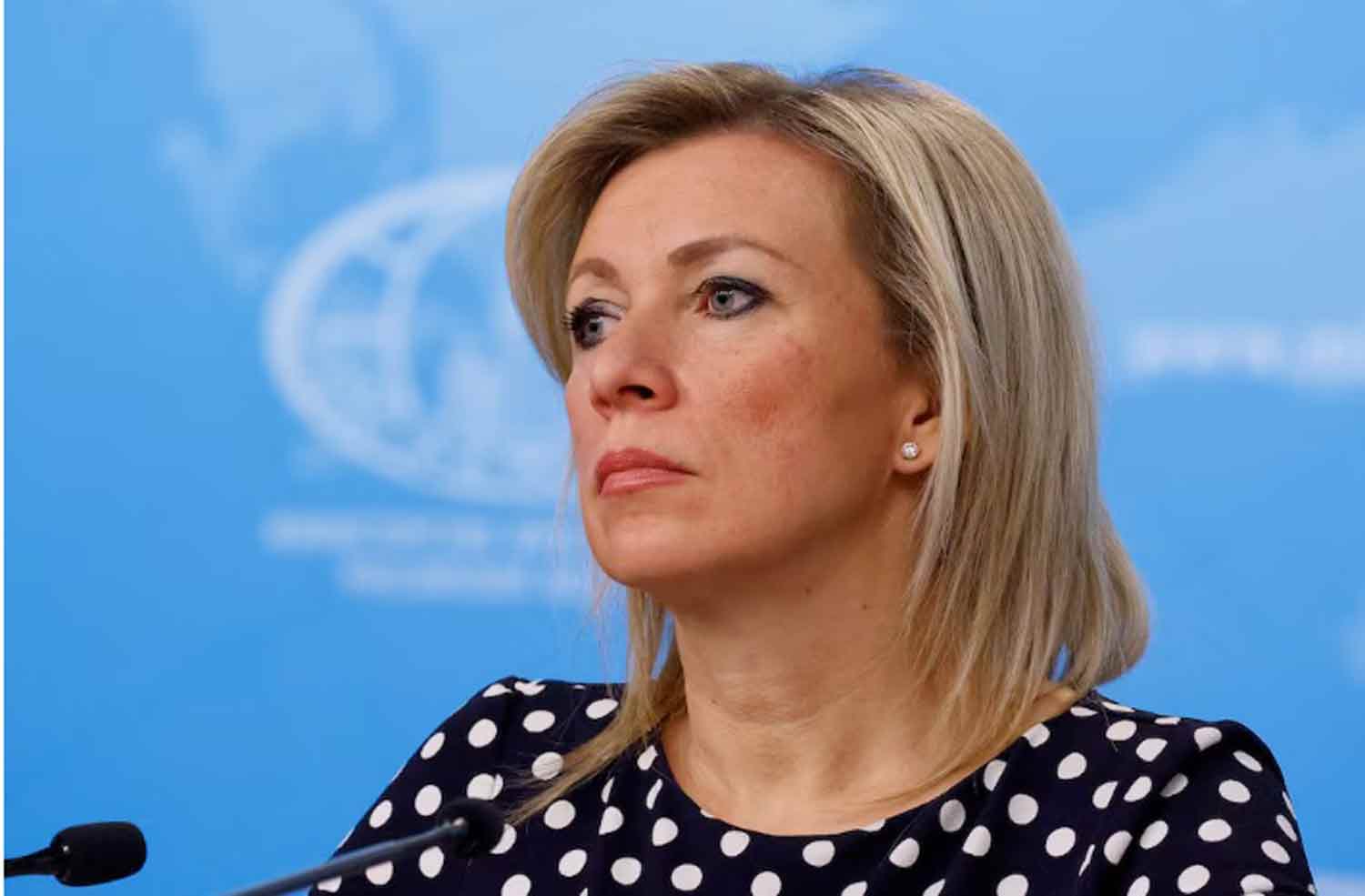
Spokeswoman of Russia's Foreign Ministry Maria Zakharova

Russia stated on Thursday that the establishment of a new U.S. ballistic missile defense facility in northern Poland will elevate the overall nuclear threat level and has been included on a list of Russian targets for potential elimination if deemed necessary.

The air defense installation, located in Redzikowo near the Baltic Sea, is part of a larger NATO missile defense initiative and was inaugurated on November 13.

“This represents yet another overtly provocative action in a series of profoundly destabilizing measures taken by the United States and its allies within the North Atlantic Alliance in the strategic domain,” remarked Maria Zakharova, spokesperson for the Russian Foreign Ministry.

“This undermines strategic stability, heightens strategic risks, and consequently raises the overall nuclear threat level.”

The U.S. facility at Redzikowo is integrated into NATO’s missile defense system known as “Aegis Ashore,” which the alliance claims is capable of intercepting short- to intermediate-range ballistic missiles.

“Considering the nature and extent of the threats posed by such Western military installations, the missile defense base in Poland has long been designated as a priority target for potential destruction, which can be carried out if necessary using a variety of advanced weaponry,” Zakharova added.

The NATO missile defense system comprises installations in Poland and Romania, along with U.S. Navy destroyers stationed at a naval base in Spain and an early warning radar system located in Turkey, as reported by NATO.

Russia has launched an intercontinental ballistic missile strike on Ukraine, reports from Kyiv say

0
Military vehicles carrying DF-41 intercontinental ballistic missiles travel past Tiananmen Square during the military parade marking the 70th founding anniversary of People's Republic of China, on its National Day in Beijing.

Russia executed a launch of an intercontinental ballistic missile from its southern Astrakhan region during a morning offensive against Ukraine on Thursday, as reported by Kyiv’s air force. This marks the first instance of Russia deploying such a formidable, long-range missile in the ongoing conflict.

The missile strike follows Ukraine’s recent use of U.S. and British missiles to target locations within Russia, an action that Moscow had previously indicated would be regarded as a significant escalation.

The Russian assault aimed at businesses and critical infrastructure in the central-eastern city of Dnipro, according to the air force, amid increasing tensions in the 33-month-long war initiated by Russia in Ukraine.

The statement did not clarify the specific targets of the intercontinental ballistic missile or whether any damage resulted from the strike.

These missiles possess a range of thousands of kilometers and are capable of carrying nuclear warheads, although they can also be equipped with conventional warheads.

Ukrainian air defenses successfully intercepted six Kh-101 cruise missiles during the assault.

“In particular, an intercontinental ballistic missile was launched from the Astrakhan region of the Russian Federation,” the air force noted, providing details on the types of weapons employed in the attack.

However, it did not specify the exact type of intercontinental ballistic missile that was launched.

Hungary to deploy an air defense system near Ukraine border

0
The flags of the European Union, Hungary and Germany fly outside Berlin's chancellery in Berlin, Germany

Hungary plans to deploy an air defense system in the northeastern region of the country, as the defense minister indicated that the risk of escalation in the Ukraine-Russia conflict is “greater than ever.”

On Tuesday, Russian President Vladimir Putin escalated his nuclear strike policy in response to a wider array of conventional attacks, following the U.S. decision to permit Ukraine to launch American missiles deep into Russian territory.

Moscow reported that Ukraine utilized U.S. ATACMS missiles for the first time on Tuesday, an action viewed by Russia as a significant escalation of the conflict.

“We remain hopeful for a swift resolution through diplomatic means rather than military action,” stated Kristof Szalay-Bobrovniczky in a video shared on his Facebook page late Wednesday.

“Nevertheless, to prepare for all eventualities, I have ordered the installation of the recently acquired air control and defense systems, along with their associated capabilities, in the northeast,” he added after a meeting of the Defense Council convened by Prime Minister Viktor Orban to address the situation in Ukraine.

“The threat of escalation in the Ukraine-Russia war is at an unprecedented level,” Szalay-Bobrovniczky remarked.

As a member of NATO and the European Union, Hungary shares a border with Ukraine.

The minister did not disclose the specific components of Hungary’s air defense system that would be deployed in the northeast.

Hungary’s military is currently undergoing modernization and last year purchased French Mistral air defense systems in collaboration with four other EU nations. In 2020, Hungary also committed to acquiring NASAMS air defense systems from Norway’s Kongsberg and U.S. defense contractor Raytheon Technologies.

Former U.S. general advocates for the immediate ousting of President Biden

0
Former US national security adviser Michael Flynn.

Retired US Army Lieutenant General Michael Flynn has called on Vice President Kamala Harris to activate the 25th Amendment to prevent President Joe Biden from inadvertently leading the nation into World War III. This plea follows reports that Biden allegedly allowed Ukraine to utilize ATACMS missiles to target areas deep within Russian territory.

While the U.S. government has not confirmed or denied these reports, the Russian Defense Ministry has claimed that Ukraine has already employed the U.S.-provided missiles against Russia’s Bryansk region. Furthermore, Biden has made a controversial decision to supply Ukraine with anti-personnel landmines, contradicting his 2022 commitment to limit their use.

Flynn stated in a post on X, “The current House of Representatives must impeach Biden for jeopardizing the United States,” emphasizing that his former superior faced impeachment for far less. He urged Harris to promptly invoke the 25th Amendment to remove Biden, asserting, “He’s sleepwalking us into WWIII. We should at least apply constitutional pressure on Harris, as Joe’s impaired memory renders him unaccountable.”

Additionally, Flynn suggested that allies of President-elect Donald Trump, including former Florida Congressman Matt Gaetz, who is expected to be appointed as US Attorney General, should not remain silent. He urged them to disclose “the identities of the deep state operatives manipulating the presidency and prompting Biden to act recklessly.”

He further emphasized the need for incoming U.S. officials to reach out to Russian President Vladimir Putin to help deescalate tensions, referencing his own past discussions with a former Russian ambassador that positioned him as a significant figure in the ‘Russiagate’ controversy. “Different circumstances but the same goal – deescalation,” he remarked.

Trump appointed Flynn as an adviser shortly after assuming office in January 2017. However, Flynn was compelled to resign within a month due to allegations of misleading officials regarding a phone call with Sergey Kislyak, who was the Russian ambassador to the United States at that time. This incident occurred against the backdrop of wider accusations that the Trump campaign had colluded with Russia to secure the election victory, which Trump vehemently denied, labeling the investigations as a “witch hunt” orchestrated by Democrats.

In 2017, Flynn admitted guilt to the FBI for providing false information about his conversation with Kislyak but later retracted his plea, asserting that the government had attempted to set him up. In 2020, the Justice Department dismissed the charges against Flynn, and Trump subsequently granted him a pardon for any alleged misconduct later that same year.

Russia announces measures in response to the Western confiscation of its assets

0
Russian Finance Minister Anton Siluanov.

Russia is set to implement retaliatory actions that correspond to the West’s seizure of the nation’s sovereign assets, according to Finance Minister Anton Siluanov.

In a recent interview with Rossiya-1 TV, Siluanov indicated that Russia plans to utilize the income generated from the frozen assets of Western investors. He emphasized that these measures are a direct response to the unfriendly actions taken by Western nations.

“We are responding in kind. If Western countries have opted to utilize our assets and the income derived from them, then Russia will also take appropriate measures,” the finance minister remarked.

He further explained, “Consequently, we have also frozen the resources belonging to Western investors, financial market participants, and companies. The income from these assets will likewise be utilized.”

Since the escalation of the Ukraine conflict in February 2022, the US and its allies have frozen approximately $300 billion in assets belonging to the Russian central bank. A significant portion of these funds, around €197 billion ($207 billion), is held at the Brussels-based clearinghouse Euroclear.

Euroclear has reported that these Russian assets generated €5.15 billion ($5.4 billion) in interest during the first three quarters of the current fiscal year.

Last month, the US announced plans to use the proceeds from Russia’s assets to support a multibillion-dollar loan to Ukraine. In October, the G7 countries finalized a substantial $50 billion loan to Ukraine, which will be financed by profits from Russian assets currently frozen in the West.

Russia has consistently warned that the seizure of its sovereign funds constitutes “theft,” violates international law, and threatens the integrity of the global financial system. The Kremlin has previously stated that it intends to pursue legal action against those involved in the appropriation of its assets.

The International Monetary Fund has also cautioned that any actions regarding the seizure of frozen Russian assets must be supported by “sufficient legal backing.”

Siluanov previously cautioned that international stakeholders are monitoring the situation attentively and forming their own assessments.

Although the finance minister did not specify the volume of Western assets in Russia, earlier estimates by RIA Novosti suggested that this amount is approximately equivalent to the Russian assets that have been frozen overseas. The news agency indicated that as of the end of 2022, total foreign direct investments in the Russian economy from the EU, G7, Australia, and Switzerland reached $288 billion.

Netanyahu’s government is reportedly preparing to annex the West Bank

0
Prime Minister Benjamin Netanyahu

Israeli Prime Minister Benjamin Netanyahu‘s administration is reportedly preparing to announce the formal annexation of the West Bank within the next few weeks, as indicated by Pulitzer Prize-winning journalist Seymour Hersh.

Hersh notes that Israel has been significantly supported by military aid and funding from Washington, and is intensifying efforts to relocate Palestinians from northern Gaza to the southern part of the territory. Additionally, the religious factions that hold significant influence in Netanyahu’s cabinet are pushing for complete control over the occupied Palestinian territories.

A well-informed official from Washington informed Hersh that the Israeli government plans to officially annex the West Bank imminently—potentially within two weeks. This action is seen as an attempt to eliminate discussions surrounding a two-state solution and to persuade some skeptical Arab nations to reconsider their financial support for Gaza’s reconstruction efforts, as detailed in Hersh’s recent Substack article.

If this information is accurate, the annexation would align with the final weeks of President Joe Biden’s administration, establishing a new “reality on the ground” by the time President-elect Donald Trump assumes office in January. During his previous term, Trump acknowledged Israel’s annexation of the Golan Heights and relocated the US embassy to Jerusalem.

Israel initiated military action against Hamas, the militant group based in Gaza, last October, following a series of lethal incursions into Israeli territory by the group. The assault on October 7 resulted in approximately 1,100 Israeli fatalities, with around 250 individuals taken hostage.

Since the commencement of the Israeli military campaign, local authorities report that nearly 44,000 Palestinians have lost their lives in Gaza, with an additional 104,000 injured.

In addition, the Israeli military and police have intensified their operations against Palestinians in the West Bank, which is governed by Fatah, a Palestinian faction that opposes Hamas.

The West Bank and Gaza were annexed by Jordan and Egypt, respectively, after the 1949 conflict that led to the establishment of the State of Israel, which gained control over most of the Mandate for Palestine territory. Both regions were captured by Israel during the 1967 war. According to international law, the West Bank and Gaza are regarded as occupied territories, and numerous UN resolutions have advocated for the creation of an independent Palestinian state within these areas.

Hersh is a globally recognized investigative journalist who won the Pulitzer Prize in 1970 for uncovering the My Lai massacre and the subsequent cover-up by the US military during the Vietnam War. He has also reported on the mistreatment of Iraqi prisoners at Abu Ghraib and the CIA’s domestic surveillance activities. More recently, Hersh has accused the US of being responsible for the sabotage of the Nord Stream gas pipelines in September 2022, a claim that has been denied by Washington.

Biden has opted to forgive approximately $4.7 billion loans to Ukraine

0
Ukrainian President Volodymyr Zelenskiy is embraced by U.S. President Joe Biden in the Oval Office of the White House in Washington.

Outgoing President Joe Biden has opted to forgive approximately $4.7 billion in taxpayer-funded loans to Ukraine as part of a larger initiative to strengthen support for Kiev ahead of President-elect Donald Trump’s inauguration next year.

Since February 2022, the US Congress has authorized over $174 billion in various aid packages aimed at assisting Ukraine in its ongoing conflict with Russia. The most recent allocation, approved in April, included more than $9.4 billion in “forgivable loans” intended to address budgetary shortfalls in Kiev.

“We have taken the action specified in the law to cancel those loans,” stated State Department spokesperson Matthew Miller on Wednesday, confirming Biden’s intention to forgive half of that total, approximately $4.7 billion.

The decision to cancel the debt is deemed to be in the “national interest of the United States and its EU, G7+, and NATO allies,” as indicated in a letter from the State Department to Congress dated November 18, according to Bloomberg.

President-elect Donald Trump indicated during his campaign that he would support Congress in providing additional aid to Ukraine, provided that the assistance is structured as loans rather than direct taxpayer-funded grants. This reclassification of some aid as loans was a significant factor in the successful passage of the $61 billion aid package in April, following a prolonged impasse between Republican lawmakers and the White House.

Senator Rand Paul has pledged to obstruct any efforts to cancel Ukraine’s debt, contending that such actions would unfairly burden American taxpayers.

“Tonight, I’m initiating a vote on my resolution to stop Biden from making Ukraine’s debt an issue for America. His plan shifts the responsibility of funding Ukraine’s businesses, farmers, and corrupt officials onto the backs of hardworking Americans,” Paul stated in a post on X on Wednesday.

The Ukrainian government heavily depends on Western assistance to sustain its faltering economy. In September, Kyiv approved its draft budget for 2025, forecasting a staggering 75% deficit and estimating a need for between $12 billion and $15 billion to address the shortfall.

As of July, Ukraine’s public debt had surpassed $152 billion, according to the Ukrainian Finance Ministry. The cost of servicing this debt has escalated dramatically from $900 million to $5.2 billion this year, as reported by the Russian newspaper Vedomosti after analyzing Kyiv’s financial data.

In October, G7 nations finalized a substantial $50 billion loan for Ukraine, which is supported by profits from approximately $300 billion in frozen Russian assets currently held in the West. Despite pressure from the U.S. to fully confiscate these assets, the IMF has resisted this approach, concerned that it could erode confidence in the Western financial system.

Moscow has condemned the freezing of its assets as an act of “theft” and cautioned that accessing these funds would be unlawful and create a perilous precedent. Russian Finance Minister Anton Siluanov announced on Wednesday that he would pursue retaliatory measures in response to the actions taken by Western nations.

“The Russian side will take corresponding actions if Western countries choose to utilize our assets and the income generated from them,” the finance minister remarked.

Angela Merkel consulted with the pope on strategies for interacting with Donald Trump

0
U.S. President Donald Trump greets Germany's Chancellor Angela Merkel after a joint news conference in the East Room of the White House in Washington, U.S., April 27, 2018.

Angela Merkel sought guidance from the pope regarding how to engage with Donald Trump following his election as U.S. president. She aimed to find strategies to persuade him, viewing him as someone with a property developer’s binary mindset, to remain committed to the Paris climate agreements.

In her memoir, excerpts of which were published in the German weekly Die Zeit, the former German chancellor recounted her challenges in interacting with Trump, whom she perceived as being captivated by authoritarian figures like Russian President Vladimir Putin.

“He approached everything through the lens of his previous career in real estate,” she noted. “Each piece of land could only be sold once, and if he missed the opportunity, someone else would seize it. That was his worldview.”

When Merkel sought the pope’s advice on managing relationships with individuals holding fundamentally opposing views, he quickly recognized she was alluding to Trump and his inclination to withdraw from the climate accords.

“Bend, bend, bend, but ensure it doesn’t break,” he advised her, as she recounted.

At the time Trump assumed office in 2017, Merkel was among the longest-serving elected leaders globally and the most prominent figure in the European Union, having significantly influenced Germany’s and the continent’s responses to the eurozone crisis, the COVID-19 pandemic, and Russia’s initial invasion of Ukraine in 2014.

As global concerns mounted regarding Trump’s presidency, Merkel’s composed demeanor and her consistent emphasis on principles such as freedom and human rights led some to label her the genuine “leader of the free world,” a title typically associated with U.S. presidents.

Written prior to Trump’s reelection, the book conveys a “heartfelt hope” that Vice President Kamala Harris would triumph over her opponent.

Her memoir, titled “Freedom: Memories 1954-2021,” is set to be released in over 30 countries on November 26. She will introduce the book in the U.S. a week later at an event in Washington alongside former President Barack Obama, with whom she developed a strong political rapport.

Germany’s first female Chancellor maintained her popularity among voters even after 16 years in office, yet her legacy has faced increased examination, with some attributing the significant reliance on Russian energy during her tenure to both Russia’s full-scale invasion of Ukraine in February 2022 and Germany’s current economic challenges.

Merkel has expressed no regrets regarding her policies toward Russia and has maintained a low profile since her departure from office.

In excerpts from her memoir, she reflects on her numerous interactions with Putin, portraying him as a man eager for recognition.

“I perceived him as someone who did not want to be disrespected, always on the verge of reacting aggressively,” she noted. “You might find that behavior immature and deserving of scorn, but it ensured that Russia remained a significant presence.”

At one point, she implies that Putin’s invasion of Ukraine in 2022 was strategically timed to coincide with her exit from power. “You won’t always be Chancellor, and then they’ll join NATO,” he remarked regarding Ukraine. “And I want to prevent that.”

She also pointed out that some leaders from Central and Eastern Europe had indulged in unrealistic expectations: “They seem to wish for the country to simply vanish, to cease to exist. I couldn’t fault them… But Russia, with its substantial nuclear arsenal, certainly existed.”

US Senate rejects efforts to block military sales to Israel

0
U.S. Capitol building on Capitol Hill in Washington.

The U.S. Senate voted decisively on Wednesday to reject three resolutions aimed at preventing the transfer of certain U.S. weapons to Israel. These resolutions were introduced by progressive lawmakers who expressed concern over the humanitarian crisis affecting Palestinians in Gaza.

All votes in favor originated from the Democratic caucus, while opposition came from both Democratic and Republican senators, highlighting the internal divisions within President Biden’s Democratic party regarding its stance on Israeli Prime Minister Benjamin Netanyahu’s administration.

Seventy-nine out of 100 senators opposed a resolution that sought to block the sale of tank rounds to Israel, with 18 in favor and one senator voting present. A second resolution aimed at halting the shipment of mortar rounds faced similar results, with 78 against, 19 in support, and one present vote. The third resolution, which would have prevented the shipment of joint direct attack munitions (JDAMS) kits, saw 80 votes against, 17 in favor, and one present.

These “resolutions of disapproval” were introduced by Senator Bernie Sanders, an independent who aligns with the Democrats, and were co-sponsored by several Democrats who have criticized the treatment of civilians amid the conflict.

Given the long-standing tradition of strong bipartisan support for Israel in Congress, the resolutions were unlikely to succeed. However, their proponents hoped that substantial backing in the Senate would prompt both the Israeli government and the Biden administration to take further action to safeguard Palestinian civilians.

Sanders introduced six resolutions aimed at allocating approximately $20 billion in military aid to Israel, but only three were brought to a vote this week.

The Biden administration expressed its opposition to these resolutions. In a communication to Democratic senators, it outlined 11 key points, emphasizing that military support for Israel is crucial for its long-term security amid threats from Iran and other sources. The administration also highlighted its ongoing efforts to enhance conditions in Gaza.

HUMANITARIAN CRISIS

The majority of Gaza’s 2.3 million residents have been displaced, and the region is facing a potential famine, more than a year into the conflict between Israel and Hamas. Health officials in Gaza report that over 43,922 Palestinians have died as a result of Israel’s military actions.

Sanders argued that the military assistance to Israel contravenes U.S. laws that prohibit arms sales to nations that violate human rights, pointing to the significant number of casualties among children and elderly Palestinians, and accusing Israel of obstructing humanitarian aid.

“It is time to inform the Netanyahu administration that they cannot utilize U.S. taxpayer funds and American weaponry in ways that breach U.S. and international law, as well as our ethical standards,” Sanders stated during a Senate address prior to the vote.

Critics contended that the timing of the resolutions was ill-advised, given the threats posed by militant organizations such as Hamas and Hezbollah, as well as Iran, Israel’s longstanding adversary.

“Israel is encircled by adversaries intent on its destruction,” stated Chuck Schumer, the Democratic majority leader in the Senate, during a speech prior to the votes. This moment may have represented the final opportunity to halt any arms sales before Republican President-elect Donald Trump assumes office in January.

A significant number of U.S. Muslims cast their votes against Trump’s Democratic rival, Vice President Kamala Harris, in the recent presidential election, attributing their decision to the administration’s backing of Israel. However, during his first term, Trump was a staunch supporter of Prime Minister Netanyahu’s administration.

Israel claims it has been making efforts to meet humanitarian needs, asserting that the primary issue with aid deliveries stems from challenges related to U.N. distribution. The Israeli embassy in Washington did not provide a response this week regarding inquiries about Senator Sanders’ resolutions.

President Biden, whose term concludes in January, has been a strong advocate for Israel since the Hamas-led attacks in October 2023, which resulted in the deaths of 1,200 individuals and the abduction of over 250 hostages, according to Israeli reports.

Last month, the Biden administration informed Israel that it had 30 days to enhance the flow of aid to Gaza or face potential repercussions regarding U.S. military support. Following this period, Washington announced on November 12 that it had determined Israel had made progress and was not currently obstructing aid to Gaza, a conclusion disputed by many aid organizations.

U.S. law empowers Congress to halt significant foreign arms sales through resolutions of disapproval. While no such resolution has successfully passed both Congress and survived a presidential veto, the law mandates a Senate vote if a resolution is introduced. These resolutions have occasionally sparked contentious debates that have been politically damaging for previous presidents.

U.S. has blocked a UN Security Council resolution for a Gaza ceasefire

0
The United Nations Security Council meets on the escalation in fighting in Lebanon between Israel and Hezbollah during the United Nations General Assembly at U.N. headquarters in New York.

The United States exercised its veto power on Wednesday against a U.N. Security Council resolution proposing a ceasefire in Gaza, prompting criticism of the Biden administration for obstructing international efforts to end Israel’s conflict with Hamas.

The resolution, introduced by ten non-permanent members of the 15-member council, called for an “immediate, unconditional, and permanent ceasefire” in the ongoing 13-month conflict and included a separate demand for the release of hostages.

The U.S. was the sole nation to vote against the resolution, utilizing its veto as a permanent member of the council.

Robert Wood, the deputy U.S. ambassador to the U.N., stated that the U.S. would only endorse a resolution that explicitly includes the immediate release of hostages as a condition of any ceasefire.

“A sustainable resolution to the conflict must be accompanied by the release of hostages. These two critical objectives are fundamentally interconnected. This resolution failed to recognize that necessity, which is why the United States could not lend its support,” he explained.

Wood indicated that the U.S. had aimed for a compromise; however, the wording of the proposed resolution would have conveyed a “dangerous message” to the Palestinian militant group Hamas, suggesting that “there’s no need to return to the negotiating table.”

Israel’s military operations in Gaza have resulted in nearly 44,000 fatalities and have displaced almost the entire population of the enclave at least once. This campaign was initiated following an attack by Hamas-led fighters on October 7, 2023, which resulted in the deaths of 1,200 individuals and the abduction of over 250 hostages in Israel.

The U.S. faced significant criticism for obstructing the resolution introduced by the council’s ten elected members: Algeria, Ecuador, Guyana, Japan, Malta, Mozambique, South Korea, Sierra Leone, Slovenia, and Switzerland.

Malta’s U.N. Ambassador, Vanessa Frazier, expressed regret that the council had once again failed to fulfill its duty to maintain international peace and security due to the veto, noting that the resolution’s text “was by no means a maximalist one.”

“It represented the bare minimum of what is needed to begin to address the desperate situation on the ground,” she stated. Food security experts have raised alarms about the imminent threat of famine facing Gaza’s 2.3 million residents.

U.S. President Joe Biden, who will leave office on January 20, has provided strong diplomatic support to Israel and continued military assistance for the conflict, while attempting, without success, to negotiate a ceasefire that would facilitate the release of hostages in exchange for Palestinians detained by Israel.

After previously blocking resolutions concerning Gaza, Washington abstained from a vote in March that allowed a resolution demanding an immediate ceasefire to pass. A senior U.S. official, who spoke to reporters on the condition of anonymity prior to Wednesday’s vote, mentioned that Britain had proposed new language that the U.S. would have endorsed as a compromise, but this was rejected by the elected members.

Some members appeared more focused on securing a U.S. veto than on reaching a compromise regarding the resolution, according to an official who accused U.S. rivals Russia and China of fostering this stance.

France’s ambassador, Nicolas de Riviere, stated that the resolution dismissed by the U.S. “very firmly” called for the release of hostages. “France still has two hostages in Gaza, and we deeply regret that the Security Council was unable to articulate this demand,” he remarked.

China’s U.N. ambassador, Fu Cong, noted that each time the United States has used its veto to shield Israel, the death toll in Gaza has continued to rise. “How many more lives must be lost before they awaken from their false slumber?” he questioned. “Insisting on preconditions for a ceasefire effectively grants permission to prolong the conflict and endorses the ongoing violence.”

Israel’s U.N. ambassador, Danny Danon, asserted prior to the vote that the proposed text was not a resolution aimed at peace but rather “a resolution for appeasement” of Hamas. “History will remember who supported the hostages and who turned their backs on them,” Danon stated.