Saturday, June 6, 2026
Home Blog Page 131

Israel expects Trump to take a strong stance on Iran, a minister says

0

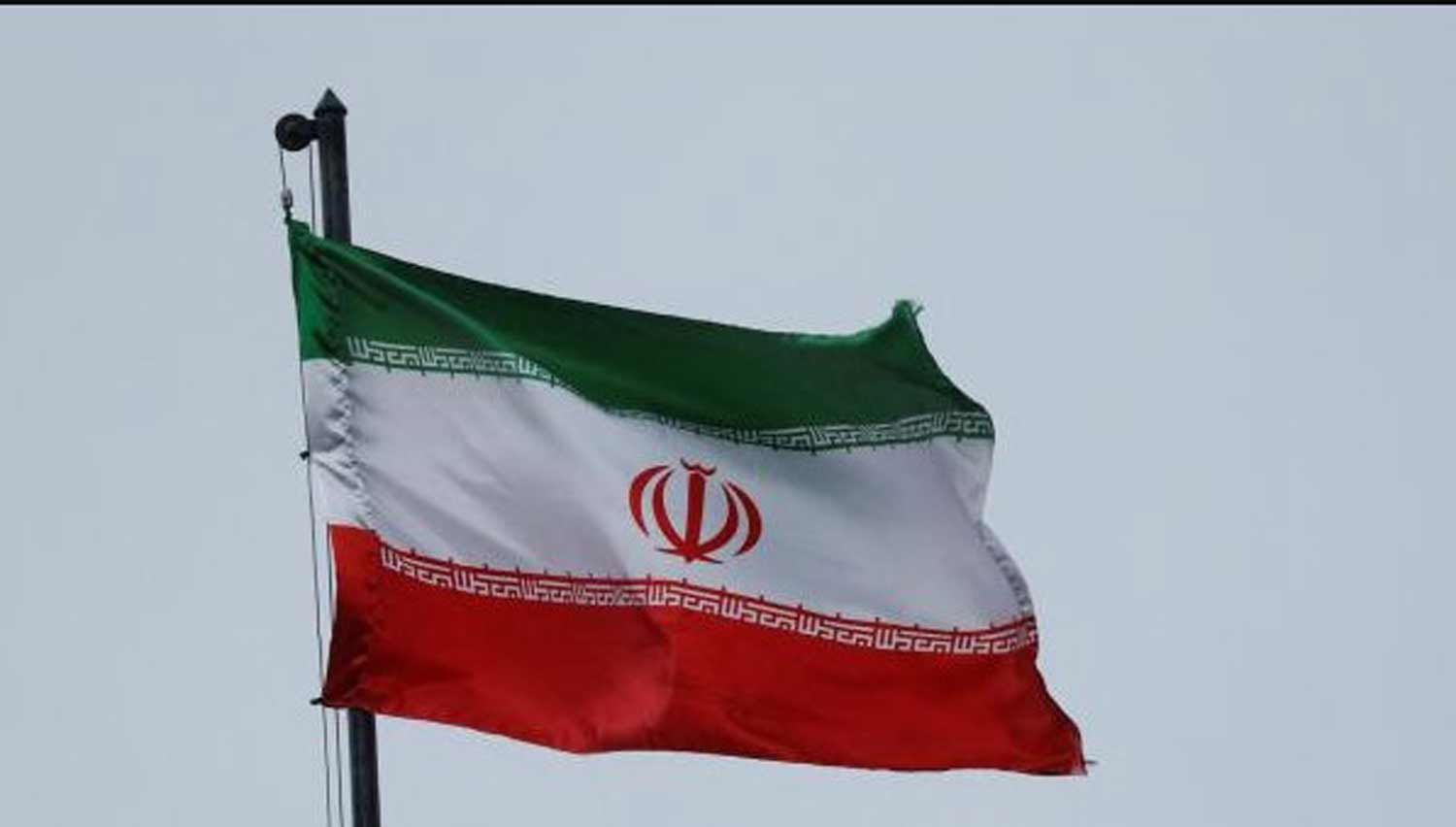
Israel anticipates that the forthcoming Trump administration will adopt a firm stance against Iran and its nuclear pursuits, which could pave the way for additional peace agreements with neighboring Arab states, according to a senior official in Israel’s security cabinet.

In an interview with Reuters, Energy Minister Eli Cohen stated that Israel is closer than ever to finalizing a deal to cease hostilities in Lebanon and to push Iran-aligned Hezbollah away from its borders, while affirming Israel’s right to take military action if necessary.

Since Hamas, which receives support from Iran, launched an attack from Gaza on southern Israel on October 7, 2023, Israel has been engaged in a multi-front conflict. Hezbollah commenced its assaults the following day, prompting Israel to initiate a significant air and ground offensive in Gaza and to escalate operations in southern Lebanon in recent months.

Iranian-backed militias have regularly targeted Israel from Yemen and Iraq, leading to direct confrontations between Israel and Iran.

Cohen remarked that the incoming U.S. President Donald Trump is appointing senior officials who “clearly advocate for decisive action against Iran.”

He noted, “The previous Trump administration was marked by increased regional stability. By the end of his presidency, sanctions on Iran were nearing a point where they could compel Iran to alter its nuclear behavior.”

“We certainly hope and believe that the Trump administration will continue this approach, with the primary focus being on taking assertive action against Iran.”

During his campaign, Trump criticized President Joe Biden’s approach to oil export sanctions, arguing that the lack of strict enforcement has diminished Washington’s influence and empowered Tehran. This situation has allegedly enabled Iran to sell oil, amass financial resources, and enhance its nuclear ambitions and regional influence through armed militias.

Trump has appointed U.S. Senator Marco Rubio, a proponent of a strong foreign policy regarding Iran, as his choice for secretary of state. Additionally, Mike Waltz, who is expected to serve as national security adviser, has advocated for a more assertive policy.

Cohen remarked, “We believe Trump is focusing on the financial aspects to curb threatening entities and foster new regional alliances that are crucial.”

NUCLEAR DISPUTE

In 2018, Trump, with backing from Israeli Prime Minister Benjamin Netanyahu, exited a multinational agreement designed to prevent Iran from developing nuclear weapons. Following this, Washington reinstated sanctions to compel Tehran to engage in discussions for a more comprehensive deal that would address its missile program and support for regional proxies.

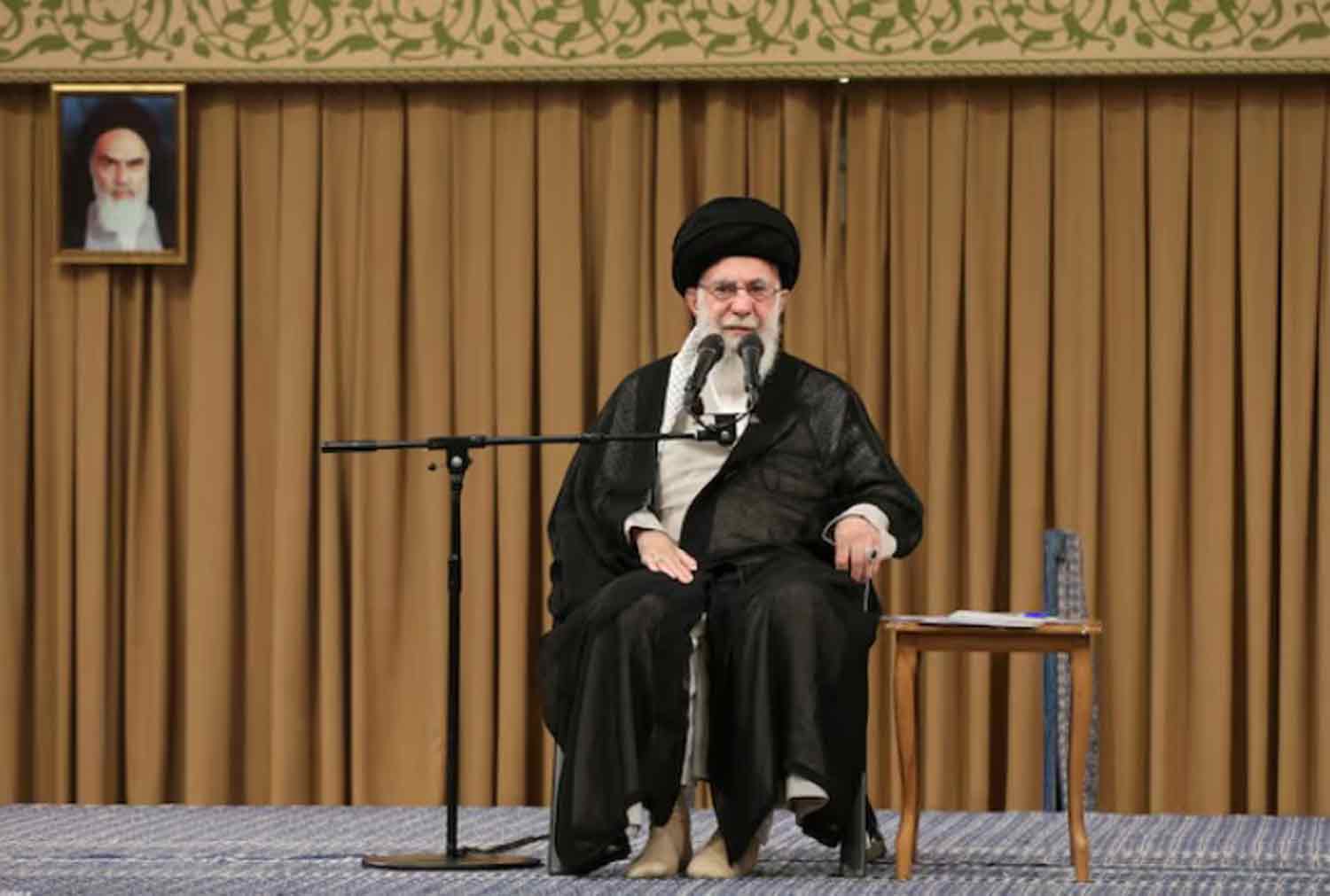
Iran has consistently denied having a nuclear weapons program, although Supreme Leader Ali Khamenei has stated that if Iran chose to pursue such a path, global leaders “wouldn’t be able to stop us.”

Israel is widely believed to possess a nuclear arsenal, yet it has neither confirmed nor denied this, adhering to a long-standing policy of ambiguity regarding its nuclear capabilities.

During Trump’s initial term, Israel entered into the U.S.-facilitated Abraham Accords, establishing normalized relations with several Muslim nations, including the United Arab Emirates and Bahrain.

Israel is now seeking to negotiate a similar agreement with Saudi Arabia, which has stated that normalization with Israel is contingent upon at least a framework for a Palestinian state.

Concerning the situation in Lebanon, Cohen remarked, “I believe we are closer to reaching an arrangement than we have been since the conflict began.”

He noted that a significant concern for Israel is maintaining the ability to act freely if Hezbollah reestablishes a presence near the border.

“We will adopt a less lenient approach than in the past regarding efforts to establish strongholds in areas adjacent to Israel. This will be our stance, and it will guide our actions.”

Regarding the enforcement of any potential agreement, Cohen mentioned, “There are ongoing discussions, but no consensus has been reached.”

Amid a potential new Trump term, Japan and South Korea are joining the U.S. in a naval exercise in Asia

0

U.S., Japanese, and South Korean naval forces conducted joint exercises in East Asian waters on Thursday, marking their most intricate and final drills before President Joe Biden transfers one of his key national security initiatives to Donald Trump.

The Freedom Edge naval exercise, led by the USS George Washington carrier and its accompanying jet fighters, took place in waters south of the Korean Peninsula and west of Japan’s main islands. This event follows a 2023 agreement facilitated by Biden, which saw Seoul and Tokyo set aside longstanding tensions to establish trilateral security cooperation with Washington.

While additional exercises are scheduled for next year, neither Trump nor his chosen Secretary of Defense, Pete Hegseth, a Fox News commentator known for his hardline stance on China, have yet articulated their national security strategies for the sensitive East Asian region. Biden, who will leave office in January, also advocated for expanding trilateral cooperation to encompass technology, supply chain security, and cyber defense.

Jeffrey Hornung, a Japanese security policy expert at the Rand Corporation, noted, “If trilateralism is presented as a Biden accomplishment, there is a possibility that Trump may choose to overlook it. The significance of trilateralism will need to be effectively communicated to him rather than simply assumed.”

In June, Trump’s associates reassured officials in Japan and South Korea of his commitment to enhancing trilateral relations. During his first term, Trump urged Tokyo and Seoul to increase their financial contributions for the U.S. military presence, which includes amphibious units and naval vessels in Japan that could be deployed to protect Taiwan from potential Chinese aggression.

In a recent meeting involving senior officials from the United States, South Korea, and Japan, national security advisers Jake Sullivan, Shin Won-sik, and Takeo Akiba voiced their concerns regarding the increasing collaboration between Russia and North Korea, particularly in relation to troop deployments by Pyongyang against Ukrainian forces.

With President Biden’s departure, only South Korea’s President Yoon Suk Yeol remains among the leaders who convened at Camp David in 2023 to discuss enhanced cooperation in light of escalating tensions in East Asia involving China, Russia, and North Korea.

Former Japanese Prime Minister Fumio Kishida resigned in September following public backlash over a funding scandal affecting his administration.

During a visit to the aircraft carrier on Thursday, U.S. Ambassador to Japan Rahm Emanuel emphasized that the trilateral agreement and the ensuing military collaboration conveyed a significant message to Beijing.

“Our deterrence is not only stronger, but we are also witnessing its effectiveness, which is encouraging, as is the case for China,” he stated aboard the carrier. Emanuel, who may leave Japan before the year’s end, is set to be succeeded by an envoy appointed by Trump.

Japanese Rear Admiral Takashi Matsui and South Korean Rear Admiral Hur Sung-jae, who led their respective forces during the naval exercise, joined him on the ship’s hangar deck, which was filled with F-18 and F-35 fighter jets.

Rear Admiral Hur noted that the exercise, which followed North Korea’s recent test of what it claims to be an upgraded intercontinental ballistic missile, served as a clear message to the provocative neighbor. “It is designed to respond to and deter North Korean provocations,” he remarked.

Emir of Qatar has arrived in Turkey to meet President Erdogan and discuss cooperation

0
Qatar's Emir Sheikh Tamim bin Hamad al-Thani

Qatar’s Emir Sheikh Tamim bin Hamad al Thani arrived in Ankara on Thursday to lead a meeting of the Turkey-Qatar High Strategic Committee alongside President Tayyip Erdogan. Following this meeting, both parties are anticipated to finalize agreements related to investments.

This visit, which emphasizes investment and trade, follows Doha’s announcement over the weekend that it has informed both Hamas and Israel of its decision to pause mediation efforts for a ceasefire in Gaza and the release of hostages until both parties demonstrate genuine willingness to engage.

Turkey, which has been vocal in its criticism of Israel’s actions in Gaza and Lebanon, does not classify Hamas as a terrorist organization, and several of its political figures frequently visit Turkey.

Erdogan and al Thani will first engage in a bilateral discussion before co-chairing the tenth session of the Turkey-Qatar High Strategic Committee. They will subsequently participate in a ceremony to sign multiple agreements.

Russian envoy said Trump’s election offers a new chance for US-Russia dialogue

0
Russian ambassador to the United Nations Gennady Gatilov

The election of Donald Trump presents an opportunity for renewed dialogue between Russia and the United States, despite Washington’s ongoing objective to contain Moscow, according to the Russian ambassador to the U.N. in Geneva, Gennady Gatilov, who spoke to reporters on Thursday.

“Regardless of changes in domestic politics, Washington remains focused on containing Moscow…the transition of administration does not significantly change this stance,” Gatilov stated.

He further noted, “The only potential shift could be in the form of dialogue between our nations, which has been notably absent in recent years.”

Elise Stefanik, Trump’s pick for UN ambassador, has declined to reaffirm her previous support for Ukraine’s NATO membership

0

New York Representative Elise Stefanik, who has been nominated by President-elect Donald Trump to serve as the US ambassador to the United Nations, is now distancing herself from her earlier advocacy for Ukraine’s NATO membership, which she previously described as essential for regional stability.

Her office has also refrained from confirming whether she maintains her assertion from 2022 that Russia committed genocide in Ukraine.

In 2022, Stefanik called for NATO to welcome Ukraine, particularly as Russia’s invasion intensified. She emphasized the need for substantial military assistance, recalling the Trump administration’s provision of Javelin missiles.

“I have witnessed the significance of Ukraine for the region,” she stated. “They must be granted NATO membership, and we should do everything possible to support them with munitions and javelins, which were supplied during the Trump administration.”

Her earlier remarks demonstrated a strong pro-Ukraine position that resonated with widespread bipartisan support for Kyiv during the initial stages of the conflict.

Currently, when inquired about her stance on NATO membership for Ukraine, a spokesperson for Stefanik did not provide a clear answer. Instead, her office indicated that she is aligning her views with Trump’s strategy.

Chairwoman Stefanik expresses her full support for President Trump’s peace through strength policy and intends to align with his leadership as Commander in Chief regarding effective strategies to conclude the conflict in Ukraine, according to her communications director, Ali Black, in a statement to CNN.

Stefanik’s ambiguous stance on Ukraine’s potential NATO membership arises amid a shift in public sentiment regarding aid, moving away from the initial strong support for Ukraine. Trump and other Republican figures have increasingly questioned the effectiveness of American military and financial assistance in a conflict that has persisted for over two and a half years.

Her approach in the House has also evolved in response to changing public opinion. Initially, she was a strong advocate for pro-Ukraine measures, endorsing various sanctions against Russia and supporting multiple military aid packages. However, in April, she opposed a $60 billion aid package for Ukraine, expressing concerns about the expenditure and emphasizing the need to focus on the crisis at the southern border.

This marks a departure from her statements in April 2022, when she proudly noted being among nearly 400 members of the US House sanctioned by Russia, referring to it as a “badge of honor.” At that time, she condemned Russia’s actions as “genocide” against the Ukrainian people and characterized President Vladimir Putin as a “thug” and “war criminal.”

When asked if she still stands by her previous assertions regarding Russia’s genocide in Ukraine, her office chose not to provide further comment.

Senior Russian official Shoigu attends the Zhuhai air show on its concluding day of trade

0
A visitor stands next to a CH-9 combat drone displayed at the China International Aviation and Aerospace Exhibition, or Airshow China, in Zhuhai, Guangdong province, China.

The trade segment of China‘s largest air show in Zhuhai concluded on a rainy Thursday, coinciding with the visit of Russia‘s Security Council secretary, just days after the Russian-made Su-57 stealth jet made its debut appearance outside of its home country.

Military equipment was showcased in the exhibition hall, where it was observed by Sergei Shoigu, as reported by the state media outlet Global Times. The former defense minister is in China for the annual strategic security discussions.

China showcased its influence on the global stage by hosting a delegation from Saudi Arabia, which had its inaugural pavilion at the event, while also reinforcing its close relationship with Russia, despite the latter’s isolation from Western nations and their allies due to the ongoing conflict in Ukraine.

The commercial aviation aspect of the air show was notably smaller than in previous years, shifting the focus to military technology. A diverse array of hardware, including air-defense systems, radars, missiles, and aircraft, filled the exhibition grounds both indoors and outdoors.

The event showcased the public introduction of China’s J-35A stealth fighter, alongside a two-seat mockup of the J-20 stealth fighter. Additionally, advanced helicopters, stealthy drones, and missile defense systems were also highlighted.

Malcolm Davis, a senior analyst at the Australian Strategic Policy Institute, noted, “These advancements indicate a sustained and extensive modernization of the People’s Liberation Army’s capabilities aimed at countering U.S. and allied intervention efforts. Collectively, they enhance the lethality and reach of China’s anti-access/area denial (A2AD) strategy.”

COMAC did not reveal the quantity of C929 aircraft that Air China intends to acquire or the expected delivery timeline. However, it confirmed that Hainan Airlines has placed a firm order for 60 C919 narrowbody jets and 40 C909s. Additionally, Guizhou Airlines has entered into a purchase agreement for 30 C909 planes, with 20 of those being firm orders and the rest provisional.

State-owned aerospace firm AVIC introduced a model of a unique offering: a spaceplane designed to transport cargo to China’s space station. Among international exhibitors, Airbus reported that the certification process for its A330neo jet in China is progressing well, with the first delivery of this widebody aircraft anticipated in 2025.

Airbus’s CEO for China, George Xu, expressed that the company is “very much pro-free trade” when questioned by journalists regarding the potential market effects stemming from the ongoing dispute between the European Union and China over electric vehicles, as well as the possibility of a transatlantic trade conflict following Donald Trump’s election as U.S. president, during which he promised to implement extensive tariffs.

Embraer, recognized as the world’s third-largest aircraft manufacturer, is focusing on regional and executive aircraft with a capacity of up to 150 seats, which are slightly smaller than the best-selling A320 and 737 families produced by Airbus and Boeing, respectively, and competes with the Airbus A220.

At the Zhuhai Airshow, Martyn Holmes, the chief commercial officer of Embraer, highlighted the significance of Chinese President Xi Jinping’s upcoming visit to Brazil for the G20 summit scheduled for this month.

Holmes remarked, “This is an exciting opportunity for us to engage in discussions about our supply chain with Chinese suppliers and explore how we can evolve.” China holds the position of Brazil’s largest trading partner, and earlier this year, Brazilian President Luiz Inacio Lula da Silva expressed his desire to establish a “long-term strategic partnership” with China.

Trump hinted at a shift in his China strategy by choosing conservative Marco Rubio as secretary of state

0

U.S. President-elect Donald Trump has indicated a potential shift in his approach to China by nominating hardliner Marco Rubio for the position of secretary of state. This move suggests that Trump’s policy may extend beyond tariffs and trade, adopting a more aggressive posture towards China, which he views as America’s primary strategic adversary.

Rubio’s appointment, announced on Wednesday, was accompanied by other cabinet selections that could further strain U.S.-China relations, including Representative Mike Waltz as national security adviser and John Ratcliffe as the head of the Central Intelligence Agency (CIA).

Collectively, these appointments imply that Trump aims to overturn the Biden administration’s strategy of “managing competition” with China, addressing various issues from support for Taiwan to the implications of China’s involvement in the U.S. fentanyl crisis.

Republicans have criticized the Biden administration’s approach as overly accommodating. David Firestein, a former U.S. diplomat with expertise in China, noted that Rubio “truly believes that China is an enemy of the United States.”

Firestein remarked that Rubio’s perspective on China will influence all his actions regarding the country, noting that Rubio’s view of a zero-sum competition with China would intensify the rhetoric surrounding U.S.-China relations.

As secretary of state, Rubio would implement Trump’s foreign policy rather than define it, yet his appointment would place a prominent China critic with extensive foreign policy experience at the forefront of cabinet discussions.

Trump has committed to revoking China’s most-favored-nation trading status and imposing tariffs on Chinese imports exceeding 60%, a significant increase compared to those during his initial term.

Rubio is highly likely to receive confirmation from the U.S. Senate, where he holds senior positions on both the foreign relations and intelligence committees.

The fervently anti-communist Cuban-American’s backing of Hong Kong democracy activists led to Chinese sanctions against him in 2020. This would mark the first instance of China imposing active travel restrictions on a U.S. secretary of state, serving as an early indication of how Beijing may interact with the new Trump administration.

Rubio has also championed U.S. visa sanctions against Chinese officials and urged the State Department to prevent Hong Kong’s chief executive, John Lee, from attending the 2023 APEC summit in San Francisco.

While China’s embassy in Washington refrained from commenting on Rubio’s sanctions or his nomination, spokesperson Liu Pengyu expressed Beijing’s eagerness to collaborate with the new administration to foster ties “in a stable, healthy, and sustainable direction.”

HUMAN RIGHTS EMPHASIS

The issue of human rights in China has long been a point of contention between nations, and it remains a priority for Rubio.

He co-sponsored the Uyghur Forced Labor Prevention Act, which equips the U.S. government with a mechanism to prohibit Chinese imports due to concerns regarding the treatment of Muslim minorities in China, a situation that provokes strong reactions from Beijing.

Activists in Hong Kong regard Rubio as a supporter of their movement, particularly due to his sponsorship of the Hong Kong Human Rights and Democracy Act of 2019.

“We’re genuinely enthusiastic and eager to collaborate with him on these matters,” stated Frances Hui, an activist in Washington affiliated with the Committee for Freedom in Hong Kong Foundation, for whom China has placed a bounty on her arrest.

Rubio has also introduced a bill currently under consideration that would empower the Secretary of State to revoke the certification of Hong Kong’s economic and trade offices in the United States.

He contends that the significant loss of autonomy for the Chinese financial center from Beijing disqualifies it from receiving distinct governmental privileges.

It remains uncertain how much flexibility Trump, who has occasionally praised Xi Jinping, would allow his new Secretary of State in implementing restrictions on China, especially those that may conflict with other objectives of his administration.

“Trump’s foreign policy team is notably aggressive towards China, but they are likely to align with his direction if he shifts from a confrontational stance to a more negotiation-focused approach,” remarked Daniel Russel of the Asia Society Policy Institute.

During Trump’s initial term, the U.S. and China reached a trade agreement following a series of reciprocal tariffs, yet many analysts argue that China has failed to adhere to its commitments.

EXPORT CONTROLS AND TAIWAN SUPPORT

Rubio has concentrated on China, viewing it as a significant national security threat.

He has advocated for the blacklisting of the Chinese industrial battery manufacturer CATL, the elimination of capital gains tax benefits for U.S. firms investing in China, the tightening of export controls on American technology to China, and the closure of tariff loopholes for small packages sent from China, many of which are used to transport fentanyl precursor chemicals.

Perhaps most irksome to Beijing is Rubio’s unwavering support for Taiwan, the democratically governed island that China claims as its territory. This includes advocating for a free trade agreement and unrestricted interactions between U.S. officials and their Taiwanese counterparts.

Analysts are already predicting that Taiwan will initiate significant and early arms purchases following Trump’s inauguration, a prospect likely to be well-received by Rubio’s State Department, which is responsible for reviewing and approving foreign arms sales.

During his first term, Trump authorized over $18 billion in arms sales to Taiwan, in contrast to Biden’s $7.7 billion.

Some analysts speculate that Beijing may attempt to bypass Rubio and engage directly with Trump or other senior U.S. officials.

“If that strategy fails, we may see a more consistent escalation of tensions in the relationship,” stated Steve Tsang, director of the China Institute at London’s School of Oriental and African Studies (SOAS).

Trump’s transition team is compiling a list of military personnel for potential removal

0

Members of President-elect Donald Trump’s transition team are compiling a list of military personnel who may be dismissed, potentially including members of the Joint Chiefs of Staff, according to two sources. This move could represent an unprecedented overhaul at the Pentagon.

The planning for these dismissals is still in its initial stages following Trump’s election victory on November 5, and the details may evolve as his administration develops, the sources, who requested anonymity to discuss the matter openly, indicated.

Sources cited by Reuters have raised concerns regarding the feasibility of implementing large-scale layoffs at the Pentagon.

It remains uncertain whether Trump will support this initiative, although he has previously criticized defense leaders who have opposed him. During his campaign, Trump also mentioned the idea of “firing ‘woke’ generals” and those involved in the controversial withdrawal from Afghanistan in 2021.

The Trump campaign has not yet responded to requests for comment.

The second source indicated that the new administration is expected to target U.S. military officers associated with Mark Milley, the former chairman of the Joint Chiefs of Staff under Trump.

Milley was referenced in Bob Woodward’s recently published book, “War,” where he described Trump as “fascist to the core.” Consequently, Trump’s supporters have criticized Milley for what they perceive as disloyalty to the former president. The source stated, “Every individual who was promoted and appointed by Milley will be removed.”

“There exists a comprehensive list of all those connected to Milley, and they will all be dismissed.”

The Joint Chiefs of Staff consist of the highest-ranking officers in the U.S. military, including the leaders of the Army, Navy, Marines, Air Force, National Guard, and Space Force.

The announcement regarding the potential dismissal of senior military leaders follows Trump’s recent selection of Pete Hegseth, a Fox News commentator and veteran, as his defense secretary. Hegseth has expressed a readiness to implement significant changes at the Pentagon.

“The next president of the United States must fundamentally reform the senior leadership at the Pentagon to ensure our readiness to protect the nation and confront our adversaries. Many individuals need to be let go,” Hegseth stated in his 2024 book, “The War on Warriors: Behind the Betrayal of the Men Who Keep Us Free.” It remains uncertain whether Hegseth’s limited management experience might hinder his Senate confirmation or if a more conventional candidate for the role would pursue such extensive firings.

GENERAL BROWN TO BE AMONG THE FIRST DISMISSED

Hegseth has also directed criticism at Milley’s successor, Air Force General C.Q. Brown, questioning whether his race played a role in his appointment.

“Was it due to his race? Or his qualifications? We may never know, which casts doubt—an unfair burden on CQ. However, given that he has prominently utilized the race issue in his career, it may not matter much,” he stated.

A source familiar with the transition planning indicated that Brown would be one of several officers to be dismissed.

“The chiefs of the Joint Chiefs and all vice chiefs will be let go immediately,” the source mentioned, adding that this is still in the preliminary stages of planning.

Some current and former U.S. officials have downplayed the likelihood of such a significant overhaul, arguing that it would be unnecessary and disruptive amid ongoing global conflicts in Ukraine and the Middle East.

One source indicated that it would be administratively challenging to dismiss and replace a significant number of senior U.S. military officials, implying that the planning might be more about show and posturing from Trump’s allies.

Conversely, a second source pointed out that the Trump team felt the Joint Chiefs of Staff should be reduced due to concerns over excessive bureaucracy.

The source noted that such reductions could be manageable within an organization as large as the U.S. military.

“These individuals are not irreplaceable. They can be easily replaced. Additionally, there is no lack of candidates willing to take on these roles,” the source stated.

“During World War II, we quickly appointed individuals in their 30s or those capable of serving as generals. And as history shows, we emerged victorious.”

The future of U.S. defense treaties remains uncertain under a potential Trump 2.0 administration

0

Shortly after President-elect Donald Trump announced his choice of Fox News host and Army veteran Pete Hegseth for the position of Secretary of Defense, U.S. media received a flurry of messages and calls from both current and former senior military leaders expressing their thoughts. One described the decision as “ridiculous,” while another referred to it as “an effing (euphemism inserted) nightmare.” It is important to note that these individuals are not partisans; they are senior commanders who have served under both Presidents Trump and Biden.

Their criticisms were not directed at Hegseth personally. Instead, their primary concern revolves around the perception that Trump, through this and other high-level national security appointments, is assembling a team aimed at implementing significant and enduring changes to U.S. foreign policy.

A retired four-star general shared, “There’s a lack of serious experience in managing the Pentagon or the national security staff processes, but I’m trying to keep an open mind, hoping that new ideas might revitalize what often becomes stagnant.” He added, “However, the prevailing theme appears to be loyalty. While some degree of loyalty is necessary, excessive loyalty can be perilous. Based on the appointments made so far, we risk having a single perspective guiding many actions. I have always believed that a diversity of thought is more effective than relying on one mind, regardless of whose it is.”

The 2024 election is poised to have a significant impact, not only on U.S. foreign policy but also on America’s global standing, distinguishing it from previous elections that had only marginal differences. Trump has consistently indicated his commitment to his “America First” agenda, which includes reducing U.S. involvement overseas and reevaluating treaty relationships that he perceives as unfavorable to American interests. This marks a shift from the traditionally bipartisan perspective on foreign relations. Hegseth, from his position at Fox News, has been a prominent advocate for Trump’s “America First” approach.

In both domestic and foreign policy, Trump exhibits a transactional perspective on U.S. relations, often overlooking the importance of shared values and historical ties. He has suggested that the U.S. is on par with its adversaries, as illustrated by his response to Bill O’Reilly in 2017, where he questioned America’s innocence in light of Putin’s actions. Similarly, during a rally in Michigan in the final week of the 2024 campaign, he remarked that “in many cases, our allies are worse than our so-called enemies.”

This perspective leads Trump to believe that, as president, he can forge mutually advantageous agreements with countries like Russia or China just as easily as with traditional U.S. allies in Europe and Asia—nations that have historically stood alongside the U.S. and entered into mutual defense agreements.

Engaging in negotiations with Moscow or Beijing is undoubtedly preferable to a conflict between superpowers; however, this strategy overlooks the fact that these adversaries perceive it as beneficial to undermine the United States and the global order it leads. This intent has become increasingly evident as Russia and China strengthen their alliances with North Korea and Iran, evident in various contexts from the conflict in Ukraine to the exchange of nuclear and missile technologies, as well as recent agreements like the mutual defense treaty established between Pyongyang and Moscow.

Is it feasible for Trump to broker a significant agreement that would persuade China, Russia, North Korea, and Iran to reconsider or moderate their strategic goals? While theoretically possible, one might argue against this notion, echoing former British Prime Minister Lord Palmerston’s assertion that only interests, rather than alliances, are truly “eternal and perpetual.”

Trump might seek to withdraw from NATO

What implications might this have for U.S. foreign policy in the short term? According to Trump’s former senior advisers, as discussed in recent book, “The Return of Great Powers,” Trump’s worldview would likely lead him to terminate aid to Ukraine in its defense against Russia.

John Bolton, Trump’s former national security adviser, expressed concern, stating, “If I were Ukraine, I’d be very worried, because if everything is a deal, then what’s another 10% of Ukrainian territory if it brings peace, kind of thing?”

Concerns have been raised regarding Taiwan’s situation. While President Biden has repeatedly pledged to provide military support to Taiwan in the event of a Chinese invasion—marking a departure from the long-standing US policy of strategic ambiguity towards the self-governing island—none of Trump’s former senior advisers expressed confidence that he would adopt a similar stance.

The future of US defense treaties is also uncertain. Several advisers indicated that Trump might seek to withdraw from NATO, a move he attempted during his first term. If Congress enacts new legislation to complicate such a unilateral exit, he may still convey that, as commander in chief, he would disregard NATO’s Article 5, which obligates member states to defend one another militarily. They interpreted his February remarks suggesting that Russia could “do whatever the hell they want” to NATO countries that fail to meet their financial commitments as significant.

“I believe NATO would face serious risks,” Bolton remarked prior to the election. “I think he would make an effort to withdraw.”

This situation raises concerns about Trump’s dedication to other global alliances, particularly those in Asia with South Korea and Japan. During his first term, Trump halted large-scale military exercises with South Korea as a conciliatory gesture towards North Korea’s Kim Jong Un, exercises that are vital for Seoul’s military preparedness. In October, Trump assigned a financial value to the ongoing US military presence on the Korean peninsula: $10 billion.

A potential resurgence of nuclear armament?

Military leaders and diplomats across Europe and Asia express concerns regarding a particularly perilous consequence of Trump’s possible withdrawal from US international commitments: in response to security anxieties, countries in these regions may opt to pursue the development of nuclear weapons, thereby seeking to compensate for the diminishing security provided by the US nuclear umbrella.

Such actions could provoke US adversaries, including Russia, China, North Korea, and potentially Iran if it were to pursue nuclear capabilities, to enhance their own arsenals to ensure effective deterrence. Additionally, other nations within these regions—such as Saudi Arabia, Egypt, and India—might find it justifiable to follow suit. Consequently, Trump, who has frequently articulated his legitimate concerns about nuclear conflict, could unintentionally ignite a new nuclear arms race.

Is this significant for Americans domestically? The extensive costs associated with America’s prolonged military engagements in Iraq and Afghanistan have understandably diminished public backing for overseas military interventions. Furthermore, the financial implications of US military support to Ukraine—though a small portion of the overall defense budget—have been perceived as politically challenging during a time of economic strain at home.

Americans must be prepared to adjust to the aspirations of the emerging and increasingly influential coalition of autocratic regimes, which will entail certain sacrifices. Experts in national security highlight that the US-led international framework, despite its unassuming title, offers numerous advantages to Americans that may go unnoticed. These include the respect for sovereign borders, a legacy shaped by the devastation of World War II, which is now under threat due to Russia’s invasion of Ukraine; secure shipping routes in Asia and Europe; a legal framework that facilitates business transactions and access to international markets for American products; global air travel; opportunities for studying abroad; affordable imports; and globally compatible mobile phones, among others. These benefits could diminish in a more competitive and ruthless global environment.

Mark Milley, former Chairman of the Joint Chiefs of Staff, stated, “This rule set…is one of the fundamental contributing factors to not having a breakout of a great power war. It’s not the only reason, but it’s one of the fundamental reasons why there hasn’t been a great power war in eight decades. So if that rule set goes away … then you’ll be doubling your defense budgets because the world will return to Hobbesian nature where it’s going to be only the strong survive and it’s going to be a dog-eat-dog world. And there won’t be any rules.”

U.S. allies will need to recalibrate their strategies

The negotiation landscape has shifted from a once bipartisan strategy, revealing its imperfections. The US and its allies have struggled to achieve a decisive victory in Ukraine and may have discreetly advocated for some territorial compromises to bring the conflict to a close, while also stepping back from a firm commitment to Ukraine’s NATO membership.

Milley remarked, “In order to have a successful negotiation, you have to somehow address both sets of national security insecurities or anxieties. So, you have to somehow convince the Russians that NATO is not going to invade, Ukraine is not going to be part of NATO, and that they shouldn’t fear invasion from the West, that sort of thing.”

The previously unspoken reality during the Biden administration—namely, that Ukraine might need to relinquish territory and negotiate security guarantees—has now become widely acknowledged as the Trump administration begins to take form.

U.S. allies will need to recalibrate their strategies, and numerous European diplomats have indicated they were already preparing for this shift prior to the election. At the very least, they anticipate a decline in U.S. leadership in Europe, which will likely prompt a more urgent push for increased military spending and a comprehensive military buildup.

In Asia, existing U.S. treaties with South Korea, Japan, and Australia may no longer serve as effective counterbalances to China. Both Trump and his Democratic opponent, Kamala Harris, would have pursued some level of diplomatic engagement with Moscow and Beijing; however, Harris would have approached this within the framework of the current U.S. alliance system. In contrast, Trump appears to be open to a broader range of possibilities. While this does not guarantee that he will reach agreements—he previously walked away from negotiations with Kim Jong Un when the North Korean leader failed to make sufficient concessions on his nuclear program—it suggests that many options are on the table.

The current state of affairs is fraught with risks. The competitive landscape among major powers is already alarming. Nevertheless, both current and former U.S. military leaders, along with the heads of America’s closest allies, recognize that the “America First” strategy carries its own set of threats. This approach is not truly novel; the rhetoric today echoes the isolationist sentiments prevalent in the U.S. prior to World War II. At that time, America concluded that it could not simply withdraw behind its own borders.

It is important to emphasize that with today’s advanced technologies—ranging from increasing nuclear capabilities to cyber warfare, space weaponry, drones, and artificial intelligence—alongside global issues like climate change and migration, the option to overlook international affairs is even less viable than it was in 1939. The early appointments made by President-elect Trump indicate a willingness to challenge this perspective.

Hegseth, a supporter of ousting ‘woke’ military leaders, has been chosen as defense secretary

0
U.S. President Donald Trump is interviewed by Fox and Friends co-host Pete Hegseth at the White House in Washington, U.S.

U.S. President-elect Donald Trump has selected Pete Hegseth, a Fox News commentator and military veteran, to serve as his secretary of defense. Hegseth has been vocal in his criticism of what he terms “woke” policies implemented by Pentagon leadership, has opposed the inclusion of women in combat roles, and has raised questions about the qualifications of the top American general, suggesting that race may have influenced his appointment.

If the U.S. Senate confirms Hegseth, he may fulfill Trump’s campaign commitment to eliminate military leaders whom he believes are advancing progressive diversity initiatives that have drawn criticism from conservative circles.

This appointment could lead to tensions between Hegseth and Air Force General C.Q. Brown, the chairman of the Joint Chiefs of Staff, who has a background as a fighter pilot and extensive command experience in both the Pacific and Middle East. Hegseth has previously accused Brown of aligning with the extreme views of leftist politicians.

Despite having limited management experience, Hegseth will oversee approximately 1.3 million active-duty personnel and nearly 1 million civilian employees within the military.

The 44-year-old NATO skeptic stands out as one of Trump’s most unexpected selections for his cabinet as the January 20 inauguration approaches, prompting immediate backlash from some of Trump’s critics. Representative Adam Smith, the leading Democrat on the House Armed Services Committee, expressed his concerns on X, stating, “The job of Secretary of Defense should not be an entry-level position.”

His appointment also raised eyebrows within the Pentagon, where officials privately questioned his qualifications for the role. A senior Defense Department official, who requested anonymity, remarked that Hegseth lacks the credentials for even a lower-ranking position.

In announcing his choice on Tuesday, Trump lauded Hegseth, an Army National Guard veteran who claims to have served in Afghanistan, Iraq, and Guantanamo Bay, Cuba. “Pete is tough, smart, and a true believer in America First,” Trump stated. “With Pete leading, America’s adversaries should be warned—our military will be great again, and America will never back down.”

Although Hegseth has previously articulated limited policy positions, he has criticized NATO allies for their perceived weakness and asserted that China is poised to dominate its neighbors. He has stated that he left the military in 2021 after feeling marginalized due to his political and religious beliefs, claiming, “The feeling was mutual—I didn’t want this Army anymore either,” as noted in his book “The War on Warriors: Behind the Betrayal of the Men Who Keep Us Free.”

Concerns are already surfacing within the Pentagon regarding Trump’s intention to purge military officers and career civil servants he views as disloyal, with cultural issues potentially serving as a catalyst for dismissals. In June, Trump indicated to Fox News that he would dismiss generals he labeled as “woke,” a term used by conservatives to criticize those focused on racial and social justice. Hegseth may support such dismissals.

The next president of the United States must implement a significant restructuring of the senior leadership at the Pentagon to ensure our readiness to protect the nation and confront our adversaries. Many individuals need to be dismissed, he stated in his book.

Hegseth specifically criticized Joint Chiefs Chairman Brown, questioning whether his appointment was influenced by his race. “Was it due to his ethnicity or his abilities? We may never know, but it raises doubts, which seems inherently unfair to CQ. However, given that he has prominently utilized the race issue, it ultimately becomes less significant,” he noted.

Former U.S. generals and defense secretaries who served under Trump have emerged as some of his most vocal critics, with several labeling him as unfit for the presidency. Trump has even suggested that his former Joint Chiefs of Staff chairman, Mark Milley, could face execution for treason.

Hegseth has also criticized Milley for not faithfully implementing Trump’s policies during his tenure, accusing him of being “a partisan to the end” in support of Democrats.

Earlier this month, Hegseth expressed his opposition to women serving in combat roles. “I firmly believe we should not have women in combat positions,” he stated during a podcast.

In 2013, the Pentagon lifted a longstanding prohibition on women serving in direct combat roles. By 2017, a female U.S. Marine became the first woman to successfully complete the Corps’ notoriously challenging infantry officer course, surpassing numerous male candidates who did not pass the selection process.

SELF-RIGHTEOUS AND POWERLESS ALLIES

Hegseth has expressed strong criticism towards the European allies of the United States, and his appointment may heighten concerns within NATO regarding the implications of a Trump administration for the alliance.

“Outdated, outgunned, invaded, and powerless. Why should America, the European ’emergency contact number’ for the past century, heed the demands of self-righteous and powerless nations that expect us to uphold outdated and unbalanced defense agreements they no longer adhere to?” Hegseth stated in his book.

“Perhaps if NATO countries actually invested in their own defense — but they don’t. They merely complain about the rules while undermining their militaries and demanding assistance from America.”

In various podcast and television appearances, he has asserted that China is developing a military “specifically aimed at defeating the United States of America.”

“They possess a comprehensive, long-term strategy for not just regional but global dominance, while we seem oblivious to the reality,” Hegseth remarked on a podcast last week.

During the same discussion, Hegseth characterized Russia’s 2022 invasion of Ukraine as “Putin’s demand for his territory back.”
Trump has criticized President Joe Biden’s support for Ukraine, raising fears about the future of aid for President Volodymyr Zelenskiy’s administration under a Republican-led White House, Senate, and potentially House of Representatives.

“If Ukraine can defend itself … excellent, but I am not in favor of American intervention pushing deep into Europe and making (Putin) feel cornered,” Hegseth commented.

China’s Cold War-era bomber improves its capacity to target U.S. military installations

0

In a recent series of military exercises conducted in the waters and airspace surrounding Taiwan, China showcased some of its latest strike aircraft, naval vessels, and missile systems. Among the most formidable assets displayed was an upgraded variant of a bomber that originally took to the skies during the early Cold War period.

Similar to the United States, which continues to utilize enhanced versions of the B-52 bomber from that era, China has effectively modernized its H-6 jet bomber, enabling it to remain operational well into the 21st century.

Chinese state media broadcast footage of these bombers launching missions intended to project power and intimidate Taiwan as part of the military drills. Labeled Joint-Sword 2024B by the Chinese armed forces, these exercises were characterized as a “stern warning” to those in Taiwan advocating for independence.

Taiwan’s Ministry of National Defense reported that within a 25-hour timeframe following the commencement of the exercises on October 14, 153 Chinese military aircraft, 14 naval vessels, and 12 additional ships were monitored in proximity to the island. The ministry noted that 111 of these aircraft had crossed the median line of the Taiwan Strait, entering Taiwan’s Air Defense Identification Zone (ADIZ).

Taiwan’s defense ministry informed Reuters that it had detected “three groups of three H-6 aircraft” operating within the island’s airspace during China’s military exercises. According to the ministry, two of these groups engaged in “simulated attack drills.”

China’s defense ministry did not provide a response to inquiries regarding this situation.

Defense analysts and Pentagon reports indicate that some modernized variants of China’s H-6 bomber are capable of launching ballistic missiles equipped with nuclear warheads, while others can carry a range of long-range anti-ship and land-attack missiles. Certain models are also capable of in-flight refueling, enabling them to operate from the Chinese mainland and target locations deep within the Western Pacific, where significant U.S. military installations are located, such as those in Guam.

In response to the military exercises, Taiwan’s defense ministry stated that the island is employing “joint intelligence surveillance to monitor the movements of the communist military around Taiwan,” and is also deploying “air, sea, and missile forces to respond appropriately to ensure national defense and security.”

Major Pete Nguyen, a spokesperson for the Pentagon, emphasized that the U.S. is “prepared to respond to any threat and protect the homeland.” He noted that U.S. Defense Secretary Lloyd Austin has frequently expressed that he does not view conflict with the People’s Republic of China as imminent or inevitable.

Beijing asserts that Taiwan is an integral part of China and has not dismissed the possibility of using military force to assert control over the island. The leaders of Taiwan, which operates under a democratic system, firmly reject these claims of sovereignty.

As tensions with the United States remain elevated, particularly with Donald Trump resuming his presidency, China’s military capabilities are under scrutiny. This week, China showcased its J-35A stealth fighter at the Zhuhai air show, highlighting its expanding military strength.

SIGNIFICANT CONCERN

In contrast to the United States, which ceased production of the B-52 in 1962, China has continued to manufacture the twin-engine H-6 at a facility in central China. However, Thomas Shugart, a former U.S. Navy submarine officer and military expert on China, suggests that production of the H-6 may have recently slowed or been suspended. He estimates that the Chinese air force currently operates approximately 230 of these bombers.

The H-6 is based on the Tupolev Tu-16 bomber, which the Soviet Union first introduced in the early 1950s and was designated with the NATO code name Badger. China began licensed production of these aircraft in the late 1950s, according to military analysts familiar with the People’s Liberation Army.

In recent years, both the Taiwanese and Japanese militaries have reported frequent deployments of H-6 bombers near their airspace. These bombers are also utilized for missions over the South China Sea, where Beijing asserts its claims over vast areas of contested territory.

Military experts from the U.S. and Taiwan have indicated that in a conflict scenario, these bombers would represent a significant danger to naval vessels and land-based targets. Shugart noted that Chinese military strategy for conducting island landing operations, such as a potential invasion of Taiwan, includes targeting command centers, communication hubs, logistics facilities, and other critical installations, in addition to launching assaults on airfields, ports, and maritime assets. “I anticipate that H-6 bombers will play a role in all these operations,” he remarked.

These offensive actions would likely be synchronized with missile strikes, potentially executed without prior notice, aimed at degrading air defenses and damaging runways to immobilize aircraft on the ground, Shugart elaborated. He mentioned that these aircraft could subsequently be targeted by cruise missiles fired from H-6 bombers.

In mid-September, Chinese state media offered a glimpse into the potential function of the H-6 in a confrontation near the Chinese coastline. State broadcaster CCTV aired footage of one of these bombers participating in a drill alongside fighter jets and a long-range WZ-7 surveillance drone. The drone was shown breaching the air defenses of a hypothetical enemy, identifying a target, and transmitting this information to the H-6, which was then depicted launching an anti-ship missile.

Experts recommend that the U.S. focus on neutralizing H-6 bombers while they remain on the ground. David Deptula, dean of the Mitchell Institute for Aerospace Studies in Washington and a retired U.S. Air Force Lieutenant General, stated, “Any sensible military strategy would prioritize targeting these aircraft before they are airborne.”

During his testimony in March to the U.S.-China Economic and Security Review Commission, Shugart noted that China’s H-6 fleet has grown and that these bombers now feature enhanced airframes, advanced technology, improved engines, and long-range weaponry.

China is increasingly utilizing the H-6 for missions off its coast, mirroring the U.S. Air Force’s use of long-range B-52 patrols to demonstrate its capability to strike distant targets.

On July 24, American and Canadian fighter jets were deployed to intercept a joint mission involving two Chinese H-6 bombers and two Russian Tu-95 bombers near Alaska, as reported by the North American Aerospace Defense Command (NORAD).

Chinese bombers conducted operations near the U.S. mainland for the first time, coinciding with regular patrols by Russian forces in the region. This development highlights the increasing strength and assertiveness of China’s military, as noted by former U.S. Air Force officials.

According to Pentagon spokesperson Nguyen, these flights were not perceived as a threat. NORAD remains vigilant, monitoring competitor activities in North America and ensuring a presence in the area. The defense ministries of China and Russia did not provide comments when approached.

During a press conference, Senior Colonel Zhang Xiaogang from China’s Ministry of National Defense stated that the joint patrol aimed to enhance coordination between the Chinese and Russian air forces. He emphasized that the operation was not directed against any third party.

World leaders are meeting in South America with a focus on Trump policies

0

World leaders are set to convene in South America this month for two significant summits, with a prevailing focus on the implications of  Trump 2.0. he first event will take place in Peru, where the Asia-Pacific Economic Cooperation (APEC) forum is scheduled for November 13-15, followed by the Group of 20 (G20) summit in Brazil on November 18-19. This month is particularly busy for global diplomacy, also featuring the COP29 climate change conference in Azerbaijan.

For leaders from the Asia-Pacific region, the APEC meeting will mark their first assembly since the U.S. presidential election on November 5, which resulted in a Republican victory for Trump, who has indicated significant policy changes regarding trade tariffs and climate initiatives.

The agenda for the forum, hosted by resource-rich Peru, will focus on financing the energy transition, regulating emerging technologies, formalizing economies, and enhancing maritime logistics.

However, diplomats from the 21-member APEC bloc have expressed concerns that Trump’s commitment to impose trade barriers on U.S. partners will dominate discussions. APEC members, which include countries from Canada to Thailand, represent nearly half of global trade.

A senior diplomat from an APEC member country, speaking anonymously, indicated that the primary focus will be on “what does Trump 2.0 look like.” Concerns have been raised among member nations regarding Trump’s stringent stance on China, the imposition of tariffs, and the impact of the dollar’s strength on global currencies. During his first term, the U.S. president-elect frequently criticized the rising dollar, as it diminished the competitiveness of American goods in international markets.

Leaders will also be assessing how to manage new relationships following a significant election year in 2024. New leaders from Indonesia, Japan, Mexico, and Vietnam are set to attend the summit in Peru.

Erin Murphy, a senior fellow at the Center for Strategic and International Studies in Washington, noted, “Much of this will serve as an opportunity for major leaders to familiarize themselves with one another. The emphasis will shift away from the APEC agenda to how we can collaborate in the evolving global landscape next year.”

Trump and trade war

In terms of trade relations, Trump has suggested implementing a blanket 10% import tariff on all goods entering the U.S., with even steeper tariffs on Chinese imports. The ongoing rivalry between Washington and Beijing has placed many APEC nations in a challenging position in recent years.

Australia, aiming to broaden its trade connections throughout Southeast Asia, has expressed its commitment to supporting “free and fair” multilateral trade during the summit.

Outgoing U.S. President Joe Biden is expected to visit Lima, and Trump’s transition team is likely to send representatives as well. However, diplomats believe Biden’s influence will be limited due to Trump’s decisive electoral victory.

Any concessions made by Biden would be viewed with skepticism, particularly given the potential for significant policy shifts under Trump, according to a senior diplomat in South America.

Peru’s hosts are eager to revive a previous APEC initiative aimed at creating a free trade area across the Asia-Pacific, as stated by Foreign Minister Elmer Schialer. However, analysts consider this endeavor unlikely to succeed without backing from the United States.

Delegates noted that APEC could serve as a platform for future environmental announcements, providing signals to negotiators at COP29 and the G20. Trump has already indicated his intention to withdraw the U.S. from the pivotal 2015 Paris climate agreement, which diminishes the prospects for climate-related agreements.

Executives from Exxon Mobil, TikTok, and JPMorgan Chase are set to speak to delegates, alongside leaders from 12 nations, including China’s President Xi Jinping.

For President Xi, APEC represents his first visit to Latin America since the onset of the COVID-19 pandemic. He is also expected to inaugurate a Chinese-built mega port along the Peruvian coast.

Xi is anticipated to engage in a diplomatic push at APEC, as several analysts based in China have informed Reuters, aiming to strengthen or enhance relations with countries like South Korea and Japan, which may have concerns about a Trump-led United States.

“This presents a valuable opportunity for Xi to make an appearance, particularly in light of the perceived instability in the U.S.,” Murphy remarked.

Xi embarks on a journey to Latin America to promote collaboration and multilateralism

0

BEIJING (Xinhua) — Chinese President Xi Jinping is embarking on a journey Wednesday to Latin America, where he will attend the 31st APEC Economic Leaders’ Meeting in Lima, capital of Peru, and the 19th G20 Summit in Brazil’s Rio de Janeiro, and pay state visits to the two countries.
As he travels halfway around the globe, the world is witnessing a host of unprecedented and intertwined chaos and challenges: lackluster economic growth, rising trade protectionism and protracted regional conflicts. These pressing crises are demanding global unity, resolve and, most of all, effective actions.
Xi’s visit is expected to boost China’s efforts with Latin American nations to build a community with a shared future, bolster cooperation in the Asia-Pacific, and renew the world’s commitment to improving global governance for an equal and orderly multipolar world and a universally beneficial and inclusive economic globalization.

NEW MILESTONES

Over the past three decades, the Asia-Pacific Economic Cooperation, or APEC, has driven rapid development in the region, turning it into a powerhouse for world economic growth, an anchor of stability for global development, and a pacesetter for international cooperation.
As President Xi has put it, since the establishment of the economic leaders’ regular meeting mechanism, APEC has always stood at the global forefront of openness and development. It has played a robust role in promoting Asia-Pacific trade and investment liberalization and facilitation, economic growth and technological progress, and the flow of goods and people. It has helped create the “Asia-Pacific miracle” that has staggered the world.
As the highest-level, broadest, and most influential economic cooperation mechanism in the Asia-Pacific region, APEC embodies the deep aspirations of partners to build a better future together.
The Asia-Pacific region has great economic potential thanks to its rich natural resources, booming tourism, dynamic markets with strong purchasing power, and fast-growing digital economy. In October, the International Monetary Fund predicted that the world economy will grow at 3.2 percent in 2024 and the emerging and developing Asia is expected to grow at 5.3 percent this year.
As Xi has pointed out, development in the Asia-Pacific region has been achieved not through provoking antagonism and confrontation, pursuing a beggar-thy-neighbor policy, or erecting high fences around a small yard, but by staying open and inclusive and drawing on each other’s strengths.
Amid growing protectionism and calls for decoupling, APEC’s role as a multilateral forum dedicated to economic cooperation is more crucial than ever in fostering dialogue, said Hans Hendrischke, a professor at the University of Sydney Business School.

TRUE MULTILATERALISM

“‘Sugarcane and lemongrass grow in dense clumps.’This Indonesian proverb well captures the value of solidarity. Division and confrontation serve no one’s interest. Only solidarity and common development is the right choice to make,” Xi made this metaphorical reference at the G20 Bali Summit in 2022 to urge G20 members to stay committed to its founding purpose of unity and cooperation, carry forward the spirit of solidarity, and uphold the principle of consensus.
In the face of a sluggish global economy, compounded crises in food and energy security, frequent geopolitical conflicts, and a severe deficit in global governance, the upcoming G20 Summit in Rio de Janeiro, with the theme of “Building a Just World and a Sustainable Planet,” not only responds to the call of the times but also reflects the aspirations of all nations.
During the upcoming G20 summit, his 11th attendance at the gathering, Xi will address key issues such as building an open world economy and improving global governance, and elaborate on China’s positions and offer China’s insights and solutions.
Within the G20 cooperative framework, China has, as always, been focusing on development issues. At the G20 Hangzhou Summit in 2016, development was, for the first time, brought to the fore within the global macro-policy framework.
“All G20 members should take the responsibility inherent in being major international and regional players, and should lead by example in promoting development of all nations, improving the well-being for the whole mankind, and advancing progress of the entire world,” Xi said at the 2022 G20 Summit in Bali.
From being the first to explicitly support the African Union’s accession to the G20, to striving to bridge the North-South “digital divide,” China has always contributed to improving the global governance system and increasing the representation and voice of developing countries.
The global governance concept proposed by China meets the needs of the new economic and development environment, said Dora Isabel Gonzalez, a Mexican scholar.

SUPERCHARGE DEVELOPMENT

The Chancay Port, 78 km north of Lima, is set to become a new shipping hub connecting Asia and Latin America, making the “Chancay to Shanghai” route a true path of prosperity, promoting the common development of China and Peru, Xi said.
Spanning across the vast Pacific Ocean, China and Peru have long-lasting sincere friendship. The two countries have witnessed increasingly close economic and trade cooperation as well as cultural exchanges in recent years.
Peru is one of the first Latin American countries to establish diplomatic relations and a comprehensive strategic partnership with China.
It is also the first Latin American country to sign a package of free trade agreements with China. Meanwhile, China has been Peru’s largest trading partner and largest export market for 10 years in a row.
Brazil, the second destination of Xi’s trip, is China’s long-standing friend. The two countries have made substantial progress in their relationship.
As major developing countries and important emerging markets, China and Brazil are good friends sharing the same goals and good partners moving forward together, Xi said.
China has been Brazil’s largest trading partner for 15 consecutive years, while Brazil is China’s top trading partner and the largest investment destination in Latin America.
The two countries have closely coordinated and cooperated on multilateral platforms such as the United Nations, BRICS, and G20, safeguarding the common interests of both nations and that of developing countries.
Ten years ago, Xi first proposed in Brasilia the vision of building a China-Latin America community with a shared future, charting the course for the development of China-Latin America relations in the new era.
Over the years, Xi has focused on the shared future of China and Latin American and Caribbean countries, working for steady advancement in China-Latin America relations based on equality, mutual benefit, and common development.
Cooperation between China and Latin American countries on the multilateral stage will further unite and empower countries in the Global South, playing a constructive role in addressing global issues and reforming the global governance system, said Patricio Giusto, director of the Sino-Argentine Observatory.

Will Trump truly change U.S. foreign policy?

0

Donald Trump’s election victory has sparked apprehension among advocates of the current foreign policy approach under the Biden administration, while simultaneously igniting optimism among those seeking a shift in direction. A critical question looms, echoing through American political discussions and resonating with both allies and adversaries of the U.S. globally: what level of change in U.S. foreign policy can be anticipated from a new Trump administration?

Many analysts, referencing the assertive rhetoric from Trump and his campaign team, predict that his return to the presidency could lead to substantial policy alterations. Nevertheless, even with a Republican majority in both houses of Congress—particularly in the Senate, which wields significant power over foreign policy—it is improbable that Trump will be able to fully fulfill his commitments in this domain.

In theory, Trump’s resurgence in the presidency would occur under optimal circumstances for advancing his foreign policy objectives. The Republican Party not only boasts a reinforced majority in the House of Representatives but has also regained control of the Senate, which plays a crucial role in shaping foreign policy through the confirmation of key appointments and the ratification of international agreements.

Concerns regarding significant changes in foreign policy resonate with the experiences of Trump’s initial term, during which his assertive rhetoric was often interpreted as shifts in policy, though they did not materialize. Upon returning to the presidency, Trump is anticipated to revive the “America First” doctrine in foreign affairs, suggesting a more pragmatic stance on global issues without necessarily overhauling the existing foreign policy objectives and priorities.

Trump’s first term: Tactical adjustments, strategic consistency

The assumption that Trump’s 2016 election would lead to drastic transformations in U.S. foreign policy was proven incorrect. For instance, the Republican candidate vowed to dismantle NATO, foster closer relations with Russia, and adopt a more aggressive posture towards China. He frequently criticized European nations for their inadequate defense expenditures and threatened to diminish the U.S. commitment to NATO.

It is likely that he will again advocate for increased defense spending among NATO allies, stressing that the U.S. should not shoulder the primary responsibility. This stance created friction within the alliance and prompted a reallocation of responsibilities, ultimately reinforcing NATO by motivating European nations to take greater ownership of their security.

Trump also indicated a wish to strengthen ties with Moscow, expressing admiration for Putin and seeking a new nuclear arms control agreement that would involve China. However, these aspirations resulted in further sanctions against Russia and heightened support for Ukraine, hindering any substantial improvement in U.S.-Russia relations.

Under Trump’s administration, the United States initiated an active trade conflict with China, limited collaboration in advanced technology sectors, and enacted measures to mitigate Chinese influence in Asia and beyond. These confrontational actions, however, can be seen as a natural extension of the containment policy and the “pivot to Asia” strategy that the Obama administration had previously established, thus not representing a significant policy shift.

Trump administration may pursue a more pragmatic approach to the Ukraine conflict

A major focus of Trump’s foreign policy during his second term is anticipated to be the situation in Ukraine. Throughout his campaign, Trump asserted that he could swiftly resolve the ongoing conflict with Russia if elected. Nevertheless, he also indicated that he would not guarantee an increase in aid to Ukraine, emphasizing that European nations should shoulder a greater share of the responsibility for its support.

Trump’s relationship with Russia has been characterized by contradictions. He has expressed a desire for closer ties with Putin, often praising him as “brilliant” and “smart.” At the same time, he has criticized Russia’s actions in Ukraine, labeling them a “huge mistake” on Putin’s part. This inconsistency, along with anti-Ukraine remarks from Trump’s close advisors, has led to uncertainty regarding the approach Washington might adopt under a new Republican administration.

It is expected that Trump will aim for a peaceful resolution to the conflict in Ukraine, likely utilizing Kiev’s reliance on U.S. military and economic aid, as well as the potential withdrawal of this support, as leverage in negotiations for peace.

A peace agreement is likely to be reached under terms that are less advantageous for Ukraine than they would have been a year ago. As the situation on the ground increasingly favors Russia, Ukraine’s territorial setbacks indicate that any future peace negotiations could present more difficulties for Kiev than if discussions had occurred earlier.

If this scenario unfolds, it would not represent a significant change in US foreign policy, similar to other critical areas.

The current Biden administration has exhibited signs of “Ukraine fatigue,” reflecting a growing reluctance to continue costly support for Kiev. Public opinion in the US also shows a consistent decline in backing for sustaining current aid levels to Ukraine. Even in the event of a Democratic win in the presidential election, with Kamala Harris assuming the presidency and Democrats maintaining control of Congress, support for Ukraine would likely continue to diminish gradually.

The Trump administration might pursue a strategy aimed at a more pragmatic resolution to the Ukraine conflict. This approach could involve a decrease in military assistance coupled with active diplomatic efforts, which, if successful, would allow Trump to present an “effective resolution” to the conflict. However, for Ukraine and its allies, this strategy could lead to increased pressure on Kiev to make concessions, potentially undermining its negotiating position and altering the regional power dynamics.

The primary constraint: Institutional inertia or the deep state

The unlikelihood of radical shifts in US foreign policy stems from the institutional inertia inherent in the decision-making framework. The foreign policy of the United States is highly bureaucratic and cannot function independently of the competing interests among various influential groups. While the president holds considerable authority, significant foreign policy decisions require consideration of Congress. Additionally, the influence of the deep state on foreign policy remains a notable factor.

A second term for Trump is expected to result in a more pragmatic approach to foreign policy. His administration would probably adopt a firmer position against China, lessen support for Ukraine, redistribute responsibilities among NATO allies, and reduce U.S. participation in international alliances and agreements.

Although these adjustments may seem substantial, they will not represent a total transformation of the long-standing foreign policy trajectory of Washington.

Russian influence expands in West Africa through its mission in Equatorial Guinea

0

Recent reports indicate that Russia has sent as many as 200 military instructors to Equatorial Guinea in the past few weeks to bolster presidential security. This move highlights Moscow’s efforts to expand its presence in West Africa, even following a setback in Mali.

According to sources, these Russian instructors are engaged in training elite security forces in the two primary cities of the small oil-rich nation, which has a population of approximately 1.7 million. U.S. energy companies had previously invested billions in the country during the early 2000s but have since reduced their involvement.

This deployment is part of a broader trend of diminishing Western influence and increasing Russian activity in West and Central Africa. Moscow has dispatched thousands of mercenaries to support military governments and assist in combating insurgent threats.

For Russia, these missions not only provide financial benefits through government contracts and opportunities in sectors like mining and energy but also serve to challenge Western authority amid a larger geopolitical struggle, particularly evident in the context of the situation in Ukraine.

In Equatorial Guinea, President Teodoro Obiang Nguema Mbasogo, who has been in power since a coup in 1979 and is preparing his favored son as his successor, may find Russian security forces instrumental in protecting the ruling regime from potential threats.

During a visit to Moscow in September, Obiang expressed gratitude to Russian President Vladimir Putin for dispatching “instructors” to bolster the defenses of Equatorial Guinea, as reported by the state news agency TASS.

Reuters conducted interviews with three diplomatic sources, an opposition representative, a civil society member, and two individuals with close ties to the government in the former Spanish colony.

These sources, who requested anonymity, confirmed the presence of Russian personnel in Equatorial Guinea, with estimates suggesting that between 100 and 200 Russians have arrived in the last two months.

Two sources indicated that the military contingent might include troops from Belarus, a Russian ally, while one was identified as part of an elite Russian paratrooper unit. Additionally, two sources suggested that these individuals could be affiliated with Africa Corps, a paramilitary group under Kremlin control.

Equatorial Guinea’s foreign ministry, along with the defense and foreign ministries of Russia, did not provide comments when approached for information.

Will Brown, a senior policy fellow at the Africa programme of the European Council on Foreign Relations, noted that Russia is pursuing a strategy of “opportunistic expansion,” which has diminished Western influence while offering certain services.

Salaries payable in cash or cryptocurrency

According to two sources, Russian personnel are present in the capital city of Malabo, situated on an island in the Gulf of Guinea, as well as in Bata, located on the mainland between Cameroon and Gabon.

This deployment follows the appearance of job advertisements in June on Russian pro-military Telegram channels targeting private security contractors.

Recruiters were offering six-month contracts with monthly salaries ranging from $3,000 to $5,000, payable in cash or cryptocurrency. The initial advertisements have since been removed.

Diario Rombe, a Spanish news outlet affiliated with Equatorial Guinea’s opposition, has released several images depicting white men in military fatigues alongside local troops, with three individuals displaying Russian flags on their uniforms.

Using facial recognition technology, Reuters has identified one of these individuals as an elite paratrooper with a history of service in southern Russia.

Sources from Reuters indicate that a primary objective for Russia is to safeguard Teodoro Nguema Obiang Mangue, commonly referred to as Teodorin, the affluent son of President Obiang and the vice-president who is widely regarded as the likely successor. Teodorin has faced numerous investigations, criminal charges, sanctions, and asset confiscations in the United States, France, and the United Kingdom related to embezzlement and money laundering.

In the 2000s, U.S. energy companies such as Exxon Mobil Corp and Marathon invested substantial amounts in Equatorial Guinea, viewing the Gulf of Guinea as vital for fulfilling U.S. energy needs. However, interest from the U.S. has diminished as domestic production has increased.

Currently, Equatorial Guinea’s crude oil output stands at approximately 80,000 barrels per day, a significant decline from its peak of over 300,000 barrels two decades ago. On September 27, Russia’s Interfax news agency reported discussions between the two nations regarding the entry of Russian firms into Equatorial Guinea’s oil and gas industry.

A spokesperson for the U.S. State Department stated that the U.S. encourages all nations, including Equatorial Guinea, to refrain from engaging in transactions with Russian defense entities or Kremlin-affiliated proxies, warning that such actions could lead to “serious consequences under U.S. law.”

Obiang has withstood multiple coup attempts, notably in 2004 when mercenaries, supported by foreign investors, sought to remove him from power. Historically, he has strengthened his presidential security by incorporating personnel from Morocco and Israel.

In recent years, Russia’s influence in Africa has largely been propelled by the private military company Wagner Group, which has deployed thousands of operatives to the Central African Republic and Mali.

In July, Wagner faced a significant defeat, with numerous operatives killed in clashes with Tuareg rebels and militants affiliated with al Qaeda in northern Mali.

Following the demise of Wagner’s founder, Yevgeny Prigozhin, last year, Moscow has increasingly relied on the Africa Corps, which analysts suggest is more tightly controlled by the Kremlin, for its operations in Africa. Members of the Africa Corps are currently stationed in Burkina Faso and Niger.

Keir Starmer will not engage with the Taliban at the COP29 climate summit

0

Sir Keir Starmer will not be meeting with the Taliban during the COP29 climate summit in Azerbaijan, according to Downing Street.

The militant group announced on Sunday that it will be sending representatives to the UN-led conference for the first time since their takeover of Afghanistan in 2021, coinciding with the withdrawal of US, UK, and allied forces from the region.

When inquired about the Prime Minister’s stance on this development and the possibility of a meeting with Taliban leaders, a spokesperson from Number 10 stated, “There are no plans to meet with them.”

The spokesperson emphasized that attendance is determined by the event’s organizers, noting, “Overall, the summit is uniting 96 different delegations from around the globe, with the primary goal of enhancing global climate action and collaboration on this critical issue.”

She highlighted the importance of approaching the discussions and the event with a shared objective in mind.

COP summits represent the most significant global gatherings focused on climate change, and this year’s 29th Conference of the Parties is being held in Baku, the capital of Azerbaijan.

While Sir Keir Starmer will be present, both the US and Chinese presidents will not be attending the discussions.

Ukraine is finalizing three new joint ventures with European defense manufacturers

0
Ukrainian First Deputy Prime and Economy Minister Yulia Svyrydenko

Ukraine is on the verge of establishing three additional joint ventures with European arms manufacturers as part of its strategy to enhance military production amid the ongoing conflict with Russia, according to the first deputy prime minister.

Yulia Svyrydenko, who also serves as the economy minister, noted that five joint ventures with Western defense firms have already been formed, including partnerships with companies from Germany and Lithuania. Numerous arms manufacturers have also set up operations in Ukraine.

“We are in the final stages of negotiating three more agreements with European firms to create joint ventures,” Svyrydenko stated during an interview with Reuters at the government headquarters in central Kyiv. She did not provide specifics regarding the new ventures or the anticipated investment levels.

The military industrial sector in Ukraine has experienced significant growth, with both state and private enterprises rapidly scaling up production and innovating in response to Russia’s full-scale invasion that began in February 2022.

The authorities remain reticent regarding specifics of the defense sector; however, President Volodymyr Zelenskiy indicated in October that Ukraine has the potential to manufacture four million drones each year and is increasing its military production capabilities, which include missiles, a “drone missile,” and transport vehicles.

To sustain this progress, the government has attracted foreign investment and technology to enhance domestic arms production, thereby increasing the supply of ammunition and equipment for use in combat against a larger and better-equipped adversary.

Germany’s defense leader Rheinmetall has already established its first factory in Ukraine, focusing on the maintenance of combat vehicles, with intentions to begin producing Lynx infantry fighting vehicles by the end of the year.

Companies such as BAE Systems from the UK, Franco-German KDNS, Babcock, a defense and aerospace firm, and MyDefence, which specializes in counter-drone solutions, have partnered with Ukrainian manufacturers and opened local offices.

German arms manufacturer Flensburger Fahrzeugbau Gesellschaft is collaborating with a private Ukrainian defense producer to establish a service center in Ukraine, according to Svyrydenko.

She noted that enhancing domestic defense manufacturing has positively impacted the overall economy, which, despite experiencing two years of growth, remains below pre-war levels.

In the first half of 2024, the defense production industry represented 1.8% of the nation’s gross domestic product, a significant increase from 0.3% in 2021, she added.

Zhuhai Air Show opened with major COMAC orders and a preview of a new spaceplane

0
J-35A stealth aircraft

China’s aerospace aspirations were prominently featured on the opening day of the Zhuhai air show, highlighted by COMAC’s announcement that Air China would be the inaugural customer for its C929 widebody jet. Additionally, a model of the nation’s first commercial uncrewed spaceplane was showcased.

The event also featured impressive aerial displays, including performances by China‘s Bayi aerobatics team, which flew four J-20 stealth jets, and the public introduction of the J-35A stealth fighter, captivating attendees as they walked along the airfield.

COMAC further revealed that its regional jet, formerly known as the ARJ21, has undergone enhancements and has been rebranded as the C909 to ensure consistent branding across its aircraft lineup.

“After thorough deliberation, an extended development period, and consultations with various stakeholders, we decided to adopt C909 as the new commercial name to strengthen the brand,” stated Zhang Xiaoguang, COMAC’s marketing director, during a press briefing.

The C909, which made its debut at China’s largest airshow adorned in white with a blue tail, boasts reductions in weight, drag, and noise, along with improved operating costs compared to the ARJ21, according to representatives at COMAC’s exhibition booth.

AVIC, a state-controlled aerospace company, showcased the model of China’s inaugural commercial uncrewed spaceplane, which is being developed for cargo delivery to the nation’s space station.

As reported by the state-run China Daily, the vehicle offers a cost-effective, reusable cargo shuttle solution tailored for space exploration with distinct Chinese features. The China Manned Space Agency granted AVIC a contract for the engineering flight verification of the spaceplane on October 29, according to the publication.

Additionally, the military’s Z-20 helicopter was on display, with experts noting its adaptation into various practical variants. One particular version, intended for submarine tracking and engagement, garnered significant interest as it would enhance the operational reach of the People’s Liberation Army Navy beyond its coastal boundaries. The air show is scheduled to continue until November 17.

Philippines claims China is pressuring it to give up its territorial claims in the South China Sea

0
Philippine supply boat sails during a resupply mission for Filipino troops stationed at a grounded warship in the South China Sea

China is intensifying its efforts to pressure the Philippines into relinquishing its sovereign rights in the South China Sea, stated Manila’s Defense Secretary Gilberto Teodoro on Tuesday following discussions with his Australian counterpart in Canberra.

This meeting marks the fifth since August 2023 and underscores the strengthening security collaboration between the two nations, both of which have expressed concerns regarding Chinese activities in regions of the busy waterway claimed by the Philippines and other Southeast Asian countries.

Teodoro remarked, “We are witnessing a growing insistence from Beijing for us to yield our sovereign rights in the region,” after his meeting with Australian Defense Minister Richard Marles, emphasizing that the Philippines is a “victim of Chinese aggression.”

In September 2023, the two nations formalized a strategic partnership, which was followed by their inaugural joint sea and air patrols in the South China Sea a few months later. Additionally, this year marked the Philippines’ participation in military exercises in Australia for the first time.

A representative from the Chinese foreign ministry stated that Beijing has implemented measures to protect its rights following what it described as initial infringements by the Philippines.

Lin Jian remarked during a press briefing, “If the Philippines ceases its infringements and provocations, there will be no further escalation in the maritime situation.”

Throughout this year, China and the Philippines have engaged in ongoing disputes over contested regions in the South China Sea, particularly the Scarborough Shoal, which is one of the most disputed areas in Asia.

On Sunday, China announced that it had established a baseline of “territorial waters” around the shoal in reaction to the Philippines’ recent approval of two laws aimed at defining its sea lanes and maritime zones to strengthen its territorial claims in the South China Sea.

On Tuesday, Manila’s national maritime council expressed its objection to China’s establishment of these baselines, accusing Beijing of infringing upon its sovereignty.

In a statement, the council asserted, “China’s establishment of baselines around the shoal is a continuation of its illegal seizure of the area in 2012, which the Philippines continues to vehemently oppose.”

China has intensified its maritime patrols in the South China Sea, as reported by the state-affiliated Global Times on Monday. This increase involves deploying vessels designed for extended patrols and enhanced enforcement, particularly following the Philippines’ enactment of new laws aimed at safeguarding its rights in the region.

The report indicates that China will utilize thousand-tonne-class ships equipped with robust cruising and resupply capabilities. Additionally, hundred-tonne-class patrol boats, known for their agility and adaptable enforcement strategies, will facilitate the pursuit and interception of swift-moving targets, as well as conduct boarding inspections.

Since taking control of the Scarborough Shoal in 2012 after a confrontation with the Philippines, China has consistently stationed coastguard and fishing vessels in the area, some of which Manila has labeled as maritime militia.

China asserts sovereignty over nearly the entire South China Sea, a vital route for over $3 trillion in annual maritime trade, which includes territories claimed by Brunei, Indonesia, Malaysia, the Philippines, and Vietnam. In 2016, the Permanent Court of Arbitration in The Hague ruled that China’s claims lacked legal foundation, a decision that Beijing has dismissed.

Teodoro emphasized that China’s assertions and actions violate international law, asserting that defense agreements with allies like Australia are crucial for deterring Chinese advances. He remarked, “While they (China) purport to operate within the framework of international law, it is widely recognized that their actions contradict its principles.”

He further noted, “The clearest indication of this is the absence of support for their actions from any other nation.”

In addition to strengthening relationships with countries such as Australia and the United States, the Philippines is set to invest at least $33 billion in new military capabilities, including advanced fighter jets and mid-range missiles.

Marles stated that Australia aims to enhance collaboration with the Philippine defense sector and plans to dispatch an engineering assessment team to the Philippines early next year.

Russian frigate with hypersonic missiles is exercising in the English Channel before heading to the Atlantic

0

A Russian Navy frigate outfitted with next-generation hypersonic cruise missiles has conducted exercises in the English Channel and is currently engaged in operations in the Atlantic Ocean, according to reports from Russian news agencies on Tuesday.

The frigate’s crew, armed with Zircon (Tsirkon) hypersonic anti-ship missiles, carried out counter-terrorism drills, simulating the defense against air and sea drone assaults from a hypothetical adversary, as reported by Russian state media.

The Northern Fleet frigate Admiral Golovko has successfully navigated the English Channel and is now executing missions in designated areas of the Atlantic Ocean, as stated by the Northern Fleet’s press service, according to RIA state news agency.

This marks the first extended deployment of the multipurpose frigate since its induction into the Russian Navy in December 2023, as noted by TASS state news agency. The vessel departed from its primary base in northern Russia on November 2.

Prior to its commissioning, then-Defense Minister Sergei Shoigu announced that the warship would be equipped with Zircon missiles.

The sea-launched Zircon hypersonic missiles possess a range of 900 km (560 miles) and can travel at multiple times the speed of sound, complicating defensive measures against them.

Following directives from President Vladimir Putin in 2023, Russia commenced large-scale production of Zircon missiles as part of its strategy to enhance its nuclear capabilities.

In addition to the Avangard hypersonic glide vehicle, which became operational in 2019, the Zircon is a key component of Russia’s hypersonic weaponry.

Russia views these weapons as a means to overcome the advancing capabilities of U.S. missile defense systems, which President Putin has cautioned may eventually be capable of intercepting Russian nuclear missiles.