Saturday, June 6, 2026
Home Blog Page 136

Netanyahu says Israel has significantly harmed Iran, while Khamenei downplays the damage

0
Iran's Supreme Leader Ayatollah Ali Khamenei speaks during a meeting

Israel’s airstrikes significantly impacted Iran‘s defense systems and missile production capabilities, according to Prime Minister Benjamin Netanyahu on Sunday. In contrast, Iranian Supreme Leader Ayatollah Ali Khamenei cautioned against overstating the effects of Saturday’s assault.

As conflict continues in Gaza and Lebanon, the potential for direct confrontation between Israel and Iran poses a risk of escalating into a broader regional conflict. Nevertheless, a day after the airstrikes, there were no indications that they would lead to further escalation.

Meanwhile, intense clashes in Lebanon between Israeli forces and Hezbollah, which is supported by Iran, persisted on Sunday. Reports indicated that an Israeli airstrike resulted in the deaths of eight individuals in a residential area of Sidon, according to medical sources. Netanyahu described the air force operations as having targeted Iran comprehensively, asserting that they effectively diminished Iran’s defense capabilities and its missile production aimed at Israel. He characterized the operation as “precise and powerful,” claiming it achieved all its intended goals.

Khamenei says Israel’s attack on Iran should neither be minimized nor exaggerated

The Islamic Republic has yet to indicate its response to the anticipated strikes that occurred on Saturday, which involved numerous fighter jets targeting locations near Tehran and in the western provinces of Ilam and Khuzestan. For months, these heavily armed adversaries have been locked in a cycle of retaliatory actions, with Saturday’s assault following an Iranian missile attack on October 1, most of which Israel claimed to have intercepted with its air defense systems.

Khamenei remarked that Israel’s strategic calculations “should be disrupted.” He emphasized that the recent attack on Iran, which resulted in the deaths of four soldiers and inflicted some damage, “should neither be minimized nor exaggerated.” Iranian parliament speaker Mohammad Baqer Qalibaf asserted that Iran has the right to self-defense and that its response “will be decisive, in accordance with the circumstances.”

U.S. President Joe Biden urged for a cessation of the escalating tensions, which have heightened concerns about a broader conflict in the Middle East stemming from the ongoing Israeli-Hamas situation in Gaza and Israel’s military actions in southern Lebanon aimed at curbing Hezbollah’s rocket attacks on northern Israel.

Israeli Defence Minister Yoav Gallant stated that Iran can no longer effectively utilize its allies, Hamas in Gaza and Hezbollah in Lebanon, against Israel. He remarked in a speech that these groups “are no longer an effective tool” for Tehran. Gallant further noted that Hamas is no longer operating as a military entity in Gaza, and that Hezbollah has lost much of its senior command and missile capabilities.

Despite these claims, Hamas has asserted its continued military operational capacity, while Israel has recently launched significant operations in northern Gaza targeting what it describes as regrouping Hamas fighters. Hezbollah, on the other hand, maintains that its command structure is intact and that it still possesses considerable missile capabilities.

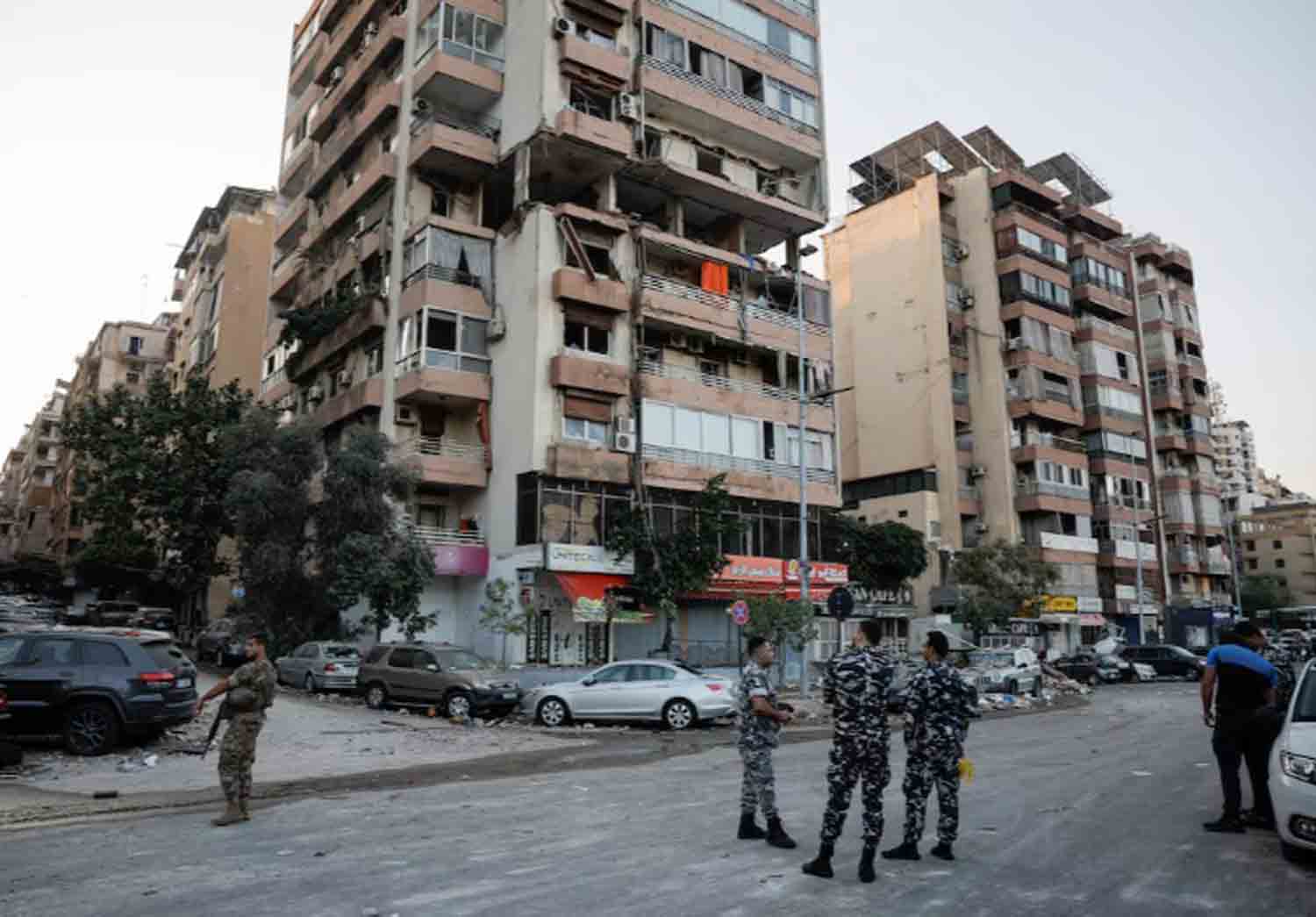
In related developments, the Israeli military has called for the immediate evacuation of residents from 14 villages in southern Lebanon, advising them to move north of the Awali River. An Israeli airstrike in Sidon, a coastal city in southern Lebanon, resulted in at least eight fatalities and 25 injuries, according to the country’s health ministry. Additional strikes in the region included one in Zawtar al-Sharkiya that killed three and another in Marjayoun that claimed five lives.

Israel reported that four of its soldiers lost their lives in the ongoing conflict in southern Lebanon. In response, Hezbollah announced that it had launched a significant missile barrage at the Zevulon military industries facility located north of Haifa in northern Israel. The rockets struck a residential area, damaging a house and vehicles, prompting rescue teams to respond to extinguish the resulting fire. One woman sustained serious injuries, as reported by Israel’s ambulance service.

Iran and Israel: An Analysis of Their Offensive and Defensive Capabilities

0

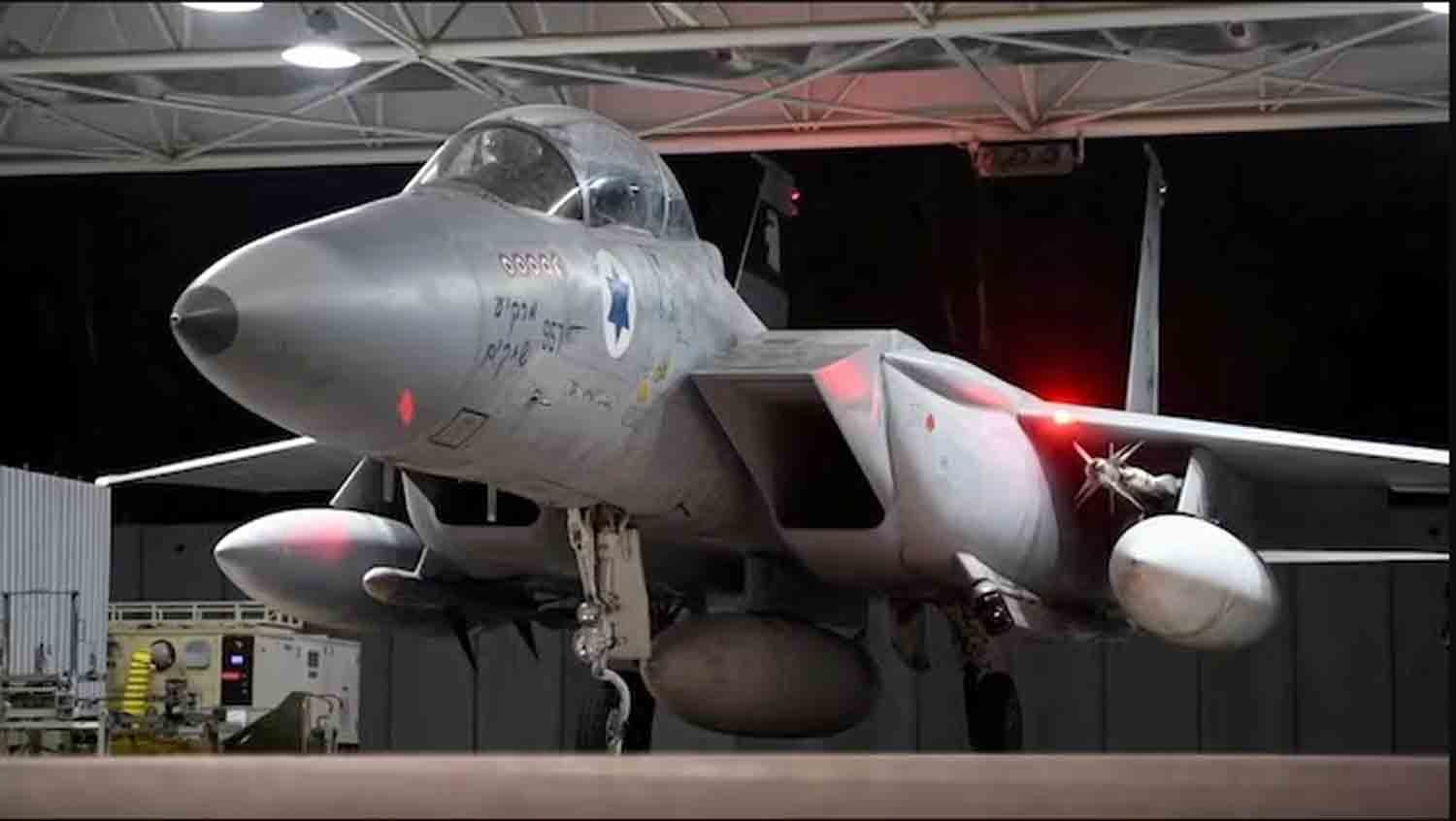
Israel conducted a series of strikes on various Iranian sites early Saturday morning, asserting that it targeted military installations. This action represents the latest development in the ongoing tensions between the two Middle Eastern nations.

Israeli army spokesperson Daniel Hagari announced on X that the military executed “targeted and precise attacks against military targets in Iran,” emphasizing that these operations were aimed at neutralizing immediate threats to Israel. He confirmed that the wave of attacks had concluded.

Residents in Tehran reported hearing multiple explosions, which Iranian officials attributed to missile interceptions by the country’s air defense systems.

These Israeli airstrikes occurred less than a month after Iran launched an assault on major Israeli cities, firing at least 180 ballistic missiles on October 2. The Islamic Revolutionary Guard Corps (IRGC) claimed that the missile strikes were a response to civilian casualties in Gaza and Lebanon resulting from Israeli operations, as well as the targeted killings of IRGC, Hamas, and Hezbollah leaders. The IRGC indicated that the missiles were directed at three military bases in Tel Aviv.

In response to the October 2 missile attack, Israeli Prime Minister Benjamin Netanyahu promised retaliation, stating that Iran had “made a big mistake” and would “pay for it.”

As Israel and Iran, longstanding adversaries engaged in proxy conflicts for decades, move closer to a potential direct confrontation, it is essential to examine their military capabilities, their capacity to launch attacks against one another, and the strategies they may employ to protect their territories.

Personnel Strength

According to The Military Balance 2023, a report from the International Institute for Strategic Studies (IISS) based in the United Kingdom:

Iran boasts a total of 610,000 active military personnel, which includes 350,000 in the army, 190,000 in the Islamic Revolutionary Guard Corps (IRGC), 18,000 in the navy, 37,000 in the air force, and 15,000 in air defense. Additionally, Iran maintains a reserve force of 350,000. Mandatory conscription applies to Iranian men over the age of 18, with some exceptions.

In contrast, Israel has 169,500 active military personnel, comprising 126,000 in the army, 9,500 in the navy, and 34,000 in the air force. Israel’s reserve force is significantly larger, totaling 465,000. The country enforces conscription for most young men and women over 18, with specific exemptions.

Military Expenditure

As reported in a fact sheet by the Stockholm International Peace Research Institute (SIPRI) in April 2024:

In 2023, Iran allocated $10.3 billion for military purposes, reflecting a modest increase of 0.6 percent compared to 2022.

In the same year, Israel’s military expenditure reached $27.5 billion, marking a significant rise of 24 percent from the previous year, largely driven by the conflict in Gaza that escalated after October 7.

Land Forces

According to The Military Balance 2023:

Iran

Iran possesses over 10,513 battle tanks, more than 6,798 artillery pieces, and over 640 armored personnel carriers. The Iranian army operates 50 helicopters, while the Islamic Revolutionary Guard Corps (IRGC) has five.

Israel

In contrast, Israel maintains approximately 400 battle tanks, 530 artillery pieces, and over 1,190 armored personnel carriers.

Air Forces

As detailed in The Military Balance 2023:

Iran’s air force includes 312 combat-capable aircraft, with an additional 23 operated by the IRGC. The air force has two attack helicopters, while the army operates 50 and the IRGC has five.

Israel’s air force consists of 345 combat-capable aircraft and 43 attack helicopters.

Naval Forces

According to The Military Balance 2023:

Iran’s naval capabilities include 17 tactical submarines, 68 patrol and coastal combatants, seven corvettes, 12 landing ships, 11 landing craft, and 18 logistics and support vessels.

Israel’s navy comprises five submarines and 49 patrol and coastal combatants.

Air Defense Systems

As outlined in The Military Balance 2023:

Israel‘s air defense strategy is primarily based on the Iron Dome system, which reportedly intercepted the majority of Iranian missiles during a recent incident. This system utilizes radar technology to identify incoming threats, assessing their speed and trajectory. The control center determines whether a projectile is a danger to populated areas; non-threatening projectiles are permitted to land in uninhabited zones, while those deemed hazardous trigger the launch of interceptor missiles from the system’s battery, which holds 20 interceptors.

Israel operates 10 Iron Dome batteries strategically positioned across the country. In addition to the Iron Dome, other systems are in place to counter medium and long-range missile threats. David’s Sling is designed to intercept missiles within a range of 40 km (25 miles) to 300 km (186 miles), while the Arrow System is capable of targeting missiles up to 2,400 km (1,491 miles) away.

Iran: In February, Iran introduced the Azarakhsh, a short-range, low-altitude air defense system, which translates to “thunderbolt” in Persian. This system features infrared detection capabilities along with radar and electro-optical systems for target identification and interception, and it can be mounted on vehicles.

Iran possesses a diverse array of surface-to-air missile defense systems, including over 42 long-range models such as the Russian-made S-200s, S-300s, and the domestically produced Bavar-373. Additionally, it has more than 59 medium-range systems, including the US MIM-23 Hawk, HQ-2J, and Khordad-15, as well as 279 short-range systems like the Chinese-manufactured CH-SA-4 and 9K331 Tor-M1.

Ballistic Missiles

The Missile Defense Project, part of the Center for Strategic and International Studies (CSIS), a US think tank, reports that Iran possesses a minimum of 12 distinct types of medium-range and short-range ballistic missiles. These include the Tondar 69, which has a range of 150 km (93 miles), and the Khorramshahr and Sejjil missiles, both capable of reaching distances of up to 2,000 km (1,243 miles).

Israel, on the other hand, has at least four varieties of ballistic missiles that fall into the small, medium, and intermediate-range categories. These range from the LORA, which can travel 280 km (174 miles), to the Jericho-3, with a range estimated between 4,800 km (2,983 miles) and 6,500 km (4,039 miles).

Nuclear Capabilities

The Arms Control Association, a US-based organization, estimates that Israel has approximately 90 nuclear warheads in its arsenal. In contrast, Iran is not believed to possess nuclear weapons; however, it has developed an advanced nuclear program and operates multiple nuclear facilities and research centers. Supreme Leader Ali Khamenei issued a religious edict, or fatwa, in the early 2000s prohibiting the production of nuclear weapons, stating that it is forbidden in Islam. Nevertheless, in May, Iran indicated it might reconsider its nuclear policy if it perceives a threat to its existence.

Terrorist Incident in Ankara: A Signal to Erdogan?

0

As President Recep Tayyip Erdogan of Türkiye arrived in Kazan for the BRICS summit, alarming reports emerged from Ankara regarding a terrorist attack on the headquarters of the aerospace firm TUSAŞ. Three assailants, including a woman, were heavily armed with firearms and explosives as they breached the facility known for manufacturing military aircraft, drones, and upgrading F-16 fighter jets. The attack resulted in five fatalities and left over 20 individuals with serious injuries.

Security cameras captured the initial moments of the assault, with Turkish television channel A Haber noting that the attack coincided with a shift change among security personnel. Some of the attackers gained access to the building and took hostages, who were subsequently rescued by special forces, leading to the elimination of the terrorists. Russian President Vladimir Putin extended his condolences to Erdogan and denounced the attack. In response, Erdogan characterized the assault on TUSAŞ as an affront to the nation’s sovereignty and pledged to intensify efforts against terrorism.

Türkiye’s Interior Minister, Ali Yerlikaya, announced that one of the attackers had been identified as a member of the Kurdistan Workers’ Party (PKK), which is recognized as a terrorist organization by the Turkish government. In retaliation, the Turkish Air Force conducted strikes against PKK positions in Iraq and Syria. The Ministry of National Defense confirmed that an aerial operation targeting terrorist sites in northern Iraq and Syria was carried out, asserting that the action was taken in accordance with the self-defense rights outlined in Article 51 of the UN Charter. Reports indicated that 32 targets were successfully hit during the operation.

This rhetoric closely mirrors the strategy employed by Israeli Prime Minister Benjamin Netanyahu, who promptly initiated a military operation in Gaza in response to the violent attacks on October 7. Similarly, Hamas’s military wing not only took responsibility for these actions but also openly celebrated the violence, a pattern echoed by the PKK.

The rapid response from Turkish authorities is understandable, particularly since the incident occurred at the headquarters of TUSAŞ, a significant entity in Türkiye’s defense sector recognized for its advanced military technology development. TUSAŞ is involved in projects such as the Kaan fifth-generation fighter jets, Anka combat drones, and enhancements to F-16 fighter jets. Additionally, the vicinity of the production site includes the USET testing center for spacecraft and satellites, positioning TUSAŞ as a prime target for groups opposed to Türkiye’s military growth.

While it may seem grim and cynical, such attacks are seldom spontaneous; they are typically carefully orchestrated to achieve maximum effect. This leads to speculation that the timing of the assault was intentional, coinciding with Erdogan’s attendance at the BRICS summit in Russia, possibly aiming to compel him to shorten his visit. Nevertheless, if that was the intention, it has not succeeded, as Erdogan continued to engage in the summit’s “outreach/BRICS+” format.

In Türkiye, the recent terrorist attack has sparked a surge of speculation, driven by various theories and enigmas that are not without basis. Notably, a well-known Turkish television series had foreseen the October 23 attack in Ankara three years prior. The premiere episode of “The Organization,” which focuses on the operations of the MIT (Türkiye’s National Intelligence Organization), depicted a terrorist event at SİHA, a firm specializing in advanced military drones and involved in confidential defense projects. Within the narrative, Turkish engineers were victims of the attack, and critical information was compromised. Following this, Turkish intelligence operatives discovered that the assault had been orchestrated by foreign intelligence agencies.

Additionally, a significant exhibition highlighting Türkiye’s defense, aerospace, and aviation sectors is currently underway. The defense industry represents nearly 80% of Türkiye’s export figures, with the country exporting defense equipment worth $10.2 billion in 2023 alone. This suggests that the terrorists may have sought to undermine Türkiye’s military industrial complex, with a particular focus on TUSAŞ, a prominent player in the defense sector.

A notable coincidence is that the attack took place in a district of Ankara known as “Kahramankazan,” which was referred to as “Kazan” until 2016. Turkish political analysts interpret this incident as a “black spot,” suggesting it serves as a menacing signal to Erdogan regarding his collaboration with BRICS, particularly in light of the ongoing BRICS summit in Kazan. While Western nations attempt to disguise their dissatisfaction with Erdogan’s participation in the summit in Russia, it is evident that both Brussels and Washington are not pleased. NATO Secretary General Mark Rutte remarked that Türkiye’s accession to BRICS is a matter of national sovereignty; however, such a decision is likely to be perceived by the collective West as “unfriendly” at the very least, potentially prompting more drastic actions concerning the “Turkish issue.” In the meantime, Rutte quickly extended condolences to Türkiye and expressed strong condemnation of the attack.

Türkiye believes that the West is attempting to intimidate Erdogan through orchestrated acts of terrorism, utilizing the Kurdistan Workers’ Party as an “effective tool.” Özgur Özel, the leader of the main opposition Republican People’s Party (CHP), asserted that the timing of the attack was intentional. Additionally, some Turkish politicians suspect that this event may represent an external effort to undermine dialogue with Kurdish political entities within the country.

The relationship between the PKK and the United States continues to be a significant point of contention in the dynamics between Ankara and Washington. Although both nations officially designate the PKK as a terrorist organization, the US engages with the group, viewing collaboration with Kurdish factions as essential in the battle against ISIS. Washington often frames its support for the PKK as a strategic partnership focused on achieving immediate military goals. In contrast, Türkiye perceives this alliance as a direct threat to its national security, given that all Kurdish groups in the region are interconnected with the PKK and share similar aspirations for Kurdish autonomy.

The US has not only supplied military assistance to the People’s Defense Units (YPG) but has also provided training, which has raised significant alarm in Türkiye. Ankara has consistently cautioned that the arms and equipment delivered to Kurdish fighters in Syria could potentially be utilized against Turkish forces engaged in the ongoing conflict with the PKK in southeastern Türkiye. Furthermore, Türkiye asserts that the weapons supplied to the YPG have often been captured by the PKK, enabling assaults on the Turkish military.

America’s direct support for Kurdish forces sometimes creates tension between Washington and Ankara. Türkiye contends that the partnership with the YPG threatens its sovereignty and security. Despite Türkiye’s requests to halt support for PKK-affiliated groups and to sever connections with them, the US persists in providing military aid to the YPG.

In retaliation, Türkiye has launched several military operations in northern Syria, including Operation Olive Branch and Operation Peace Spring. These initiatives aim to push the YPG away from the border and create a “safe zone” to curb the expansion of Kurdish influence near Türkiye’s borders. Given the PKK’s involvement in the recent attack in Ankara, one might argue that the US holds some indirect accountability for this incident. Over recent years, Washington has cautioned Ankara about potential repercussions if it does not reduce its ties with Moscow and limit its growing relationship with Beijing.

At the same time, in line with its multi-vector foreign policy, Türkiye has sought to uphold its position as a dependable ally of the West within NATO while safeguarding its own national interests, fully aware of the challenges it would encounter otherwise.

In the summer of 2023, the prominent Turkish newspaper Yeni Şafak, which has ties to the government, reported that Washington was engaging in an unacknowledged conflict with Ankara by backing the PKK in Syria. Analysts from the publication noted that the PKK, which Türkiye has been actively fighting since 2015, including in Syria, was nearing a point of collapse. Despite this, the United States continued to support the Syrian affiliate of the PKK, known as the People’s Defense Units (YPG), through fighter training and military exercises. Turkish officials regard both the PKK and YPG as significant threats to national security. The Turkish military frequently conducts operations against Kurdish armed factions in northern Syria and maintains a substantial presence along the border. Ankara has consistently accused the US of supplying military assistance and weaponry to the YPG in northern Syria, while Washington has largely chosen not to respond.

A year later, in August, Turkish journalists revealed that the Biden administration was actively supporting Kurdish forces in Syria by providing them with Avenger short-range missile systems. Additionally, it was reported that the Pentagon had initiated training programs for Kurdish fighters on the operation of these systems. Reports from Syria TV, a channel linked to the pro-Ankara opposition, confirmed that the US had sent a new shipment of Avenger systems to northeastern Syria. US instructors also began training members of the Syrian Democratic Forces (SDF)—a coalition primarily composed of Kurdish groups—in the use of these systems. Last summer, Turkish officials consistently pledged to eliminate Kurdish forces from border regions in Syria and Iraq. Since October 2023, Türkiye has escalated its military operations in northern Syria, following an attack by PKK militants near the General Directorate of Security in Ankara. The Turkish military increased artillery strikes on significant Kurdish positions along the southern border, targeting industrial sites, SDF command centers, military stockpiles, and oil refineries. Despite the strong objections from Turkish officials, the US maintained its support for Kurdish units.

Coincidentally or not, the terrorist attack in Ankara coincided with Erdogan’s visit to Kazan to strengthen relations with the Global South. As a NATO member, he has emerged as a model for those alliance members who are hesitant to voice their dissent against the actions of Brussels and Washington. For these nations, Türkiye represents a potential path back to prioritizing their own national interests. In essence, Erdogan has fully committed to challenging the established norms set by the Americans for Western Europe and is attempting to extend this influence globally. However, his bold defiance of these rules may not be easily overlooked by Washington.

Will the Ukraine war overshadow Xi and Putin’s push for global reform?

0
Chinese President Xi Jinping meets with Russian President Vladimir Putin in Kazan, Russia.

The 2024 BRICS summit held in Russia this week served as a platform for Moscow and Beijing to express their mutual anti-Western sentiments and global aspirations. However, analysts suggest that the ongoing conflict in Ukraine may be straining the “no limits” partnership between the two nations.

The choice of Russia as the summit’s venue was strategically important, particularly in light of global efforts to isolate the country following its invasion of Ukraine.

“For Russia, hosting the summit is crucial to demonstrate that it is not alone and still has allies on the world stage,” stated Shiau-shyang Liou, an associate research fellow at the Taiwan-based Institute for National Defense and Security Research.

“China finds itself in a similar situation, facing sanctions from the United States, although it has not yet escalated to military confrontation. Thus, they share common interests and align on these matters,” Liou further explained.

The summit’s outcomes highlighted the collaborative ambitions of China and Russia within BRICS, which originally comprised Brazil, Russia, India, China, and South Africa but is now expanding to include new members such as Saudi Arabia, Iran, the United Arab Emirates, Egypt, and Ethiopia.

During the summit, both Beijing and Moscow outlined their intentions to develop economic systems independent of Western-led frameworks, celebrated the achievements of BRICS nations in various development projects, and promoted plans to steer the coalition of states towards a more interconnected future.

During his address at the BRICS summit, Russian President Vladimir Putin advocated for the establishment of various mechanisms aimed at circumventing conventional, Western-dominated systems that expose his nation to economic sanctions from the West.

He stated, “We believe that initiating a specialized mechanism for consultations among BRICS nations regarding matters related to the World Trade Organization will assist us in developing a unified stance on creating fairer rules within the global economy and reforming the international financial system,” as per the transcript provided by the Kremlin.

Chinese President Xi Jinping supported Putin’s statements, asserting that BRICS nations “should take a leading role in the reform process.”

“We must ensure that the international financial system accurately reflects the shifts in the global economic landscape,” Xi emphasized.

He further noted that BRICS member states should collaborate to establish BRICS as a primary platform for enhancing solidarity and cooperation among Global South countries and as a leader in advancing reforms in global governance.

However, Ali Wyne, a senior researcher at the International Crisis Group, indicated that China’s and Russia’s capacity to achieve significant outcomes from their commitments may encounter obstacles.

“The BRICS coalition is unlikely to attain geopolitical unity. China’s relationship with India is tense, as are Iran’s relations with Egypt and the United Arab Emirates. Furthermore, most member nations view their participation in BRICS as a way to enhance their foreign policy flexibility rather than as a strategy to oppose the West,” Wyne remarked.

The common goals of Beijing and Moscow may be eclipsed by more significant geopolitical concerns, particularly the ongoing conflict in Ukraine, according to analysts.

During the summit, China reaffirmed its dedication to finding a resolution to the war. Xi introduced the “Friends of Peace” initiative, a joint effort spearheaded by China and Brazil aimed at achieving a negotiated settlement to the conflict.

Intelligence from the U.S. and South Korea indicated that approximately 3,000 North Korean troops are undergoing training in Russia for potential deployment in Ukraine. Ukraine’s military intelligence reported that the number of North Koreans currently in Russia stands at 12,000.

Initially, the Kremlin downplayed the reports regarding North Korean troop movements; however, during the BRICS summit, Putin did not refute the presence of North Korean forces in Russia. This growing military collaboration between China’s neighboring countries places additional pressure on China and contradicts its aspirations for peace.

“North Korea is increasingly willing to disregard China’s preferences, not only by escalating its nuclear and missile activities in the Indo-Pacific but also by exacerbating an armed conflict in another region while Beijing aims to position itself as a peacemaker,” noted Wyne.

In June, Putin and North Korean leader Kim Jong Un formalized their military alliance through a mutual defense treaty. North Korea also maintains a similar agreement with China, making it the only nation to have established such a formalized relationship with Beijing.

“The challenge for China lies in deciding whether to uphold its commitment to defend North Korea, which could lead to involvement in the conflict in Ukraine. Should North Korea enter the war, it would introduce considerable uncertainty into China-North Korea relations,” stated Dingli Shen, an international relations scholar based in Shanghai.

China maintains a consistent and clear stance regarding the Ukraine crisis. Liu Pengyu, spokesperson for the Chinese Embassy in Washington, expressed in a statement to VOA, “We hope that all parties will engage in de-escalation efforts and remain dedicated to a political resolution.”

Israel strikes Iranian military installations, loud explosions heard

0

Israel’s military reported that it initiated strikes on Iranian military installations in the early hours of Saturday morning.

Residents in Tehran reported hearing loud explosions, which state television characterized as “powerful.”

According to Iran’s IRNA news agency, some of the noises in the capital were attributed to the activation of air defense systems, with a security official stating that “the air defense was successful.”

The news agency also indicated that operations at Tehran’s two primary airports remained normal.

Shortly after the attacks commenced, the White House issued a statement labeling the actions as “an exercise of self-defense” in retaliation for Iran’s ballistic missile strike on Israel on October 1.

During the strikes, Israeli Prime Minister Benjamin Netanyahu was reported to be in a bunker at Tel Aviv’s Kirya military base, as confirmed by his office. An image shared depicted him alongside Defense Minister Yoav Gallant and other military leaders.

Iraq’s Ministry of Transport announced that all air traffic at the nation’s airports has been halted until further notice.

The minister stated, as reported by the official INA news agency, that this decision was made “to ensure the safety of civil aviation in Iraqi airspace amid regional tensions.”

Both Israel and Iran have closed their airspace and issued warnings to pilots.

Live data from Flightradar24 indicates that flights are rerouting to avoid the area between Israel and Iran.

Axios reporter Barak Ravid noted that Israel’s military actions occurred in three waves, targeting various military installations, according to officials from the US and Israel.

Iranian state television reported explosions early Saturday morning in various locations across the country, including Tehran.

The Israel Defense Forces (IDF) stated, “In response to months of ongoing attacks, we are executing targeted strikes on military installations in Iran.” The IDF further elaborated that “since October 7th, Iran and its regional proxies have been persistently assaulting Israel on seven fronts, including direct strikes from Iranian territory.” An Israeli official confirmed that the security cabinet approved the operation during a secure conference call on Friday night.

U.S. officials indicated that the Biden administration was informed hours prior to the Israeli airstrike that occurred on Friday night. In a broader context, the U.S. military has increased its presence in the region in recent weeks in anticipation of a potential Israeli offensive against Iran.

The objective, according to U.S. officials, is to deter Iran from retaliating and to assist Israel in defending against further missile attacks. President Biden and Secretary of Defense Lloyd Austin made the decision to deploy a THAAD missile defense system in Israel, accompanied by a team of U.S. military personnel. This deployment implies that U.S. forces may become actively involved in the conflict between Israel and Iran on Israeli territory.

On Friday, just hours before the Israeli airstrike, CENTCOM announced the arrival of U.S. Air Force F-16s from the 480th Fighter Squadron, stationed at Spangdahlem Air Base in Germany, to U.S. Central Command.

Earlier this week, the FBI initiated an investigation into the unauthorized disclosure of classified U.S. intelligence documents concerning Israel’s plans for a potential strike against Iran.

This leak represents one of the most significant security breaches in the U.S. intelligence community in recent years. It revealed sensitive information about U.S. surveillance activities involving a key ally and could jeopardize the planned Israeli operation.

Israel’s leading military spokesperson announced on Saturday morning that the nation has completed its response to Iran.

“I can confirm that we have finalized the Israeli response to Iran’s assaults on Israel,” Rear Adm. Daniel Hagari stated in a video message released by the Israel Defense Forces.

“We executed targeted and precise strikes on military installations in Iran, neutralizing immediate threats to the State of Israel. The Israel Defense Forces has accomplished its mission,” he added.

Hagari cautioned that should Iran initiate “a new round of escalation,” Israel will be “compelled to respond.”

“Our message is unequivocal: Anyone who threatens the state of Israel and attempts to escalate tensions in the region will face severe consequences,” he remarked. “We have shown today that we possess both the capability and determination to act decisively, and we are prepared on both offensive and defensive fronts to protect the state of Israel and its citizens.”

US Defense Secretary Lloyd Austin and Israeli Defense Minister Yoav Gallant held discussions on Friday regarding Israel’s military actions targeting Iranian facilities.

According to Pentagon spokesman Maj. Gen. Pat Ryder, Austin highlighted the strengthened military presence of US forces aimed at safeguarding both American personnel and Israel.

“Secretary Austin reiterated the unwavering commitment of the United States to ensure Israel’s security and its right to self-defense,” Ryder stated. “He underscored the bolstered US military posture to protect US personnel, Israel, and regional allies against threats posed by Iran and its affiliated terrorist groups, as well as the US resolve to prevent any party from taking advantage of the current tensions or escalating the conflict in the area.”


Putin says decision to utilize North Korean troops is a matter for Russia alone

0
Russian President Vladimir Putin holds a permanent meeting of the Russian Security Council on nuclear deterrence.

President Vladimir Putin stated on Friday that the decision to utilize North Korean troops is a matter for Russia alone. He emphasized that if Ukraine seeks NATO membership, Moscow reserves the right to take necessary actions to safeguard its security.

On Wednesday, the United States reported evidence indicating that North Korea has dispatched 3,000 troops to Russia, potentially for deployment in Ukraine, a development that Western nations view as a notable escalation in the conflict.

According to Ukraine’s military intelligence, the initial North Korean units trained in Russia have been stationed in the Kursk region, a border area where Ukrainian forces gained territory from Russia in August. Putin remarked to Russian state television, “When we need to make a decision, we will do so… It is our sovereign right to determine whether we will utilize these troops or not; this is our prerogative.”

Putin remarked that the West has consistently stated that Ukraine has the autonomy to determine its own security measures, whether that involves NATO or not. He emphasized that it would be beneficial for all parties, particularly for the West, to recognize the ineffectiveness of this stance in their dealings with Russia.

During his visit to Pyongyang in June, Putin and North Korean leader Kim Jong Un formalized a comprehensive strategic partnership agreement. Article 4 of this agreement stipulates that if one party faces an armed attack from any state or coalition of states, the other party is obligated to provide immediate military and other forms of assistance using all available resources.

On Thursday, while Putin did not refute U.S. assertions regarding North Korea dispatching troops to Russia, he stated that it is ultimately up to Moscow to manage its defense obligations with Pyongyang. He also accused the West of exacerbating the conflict in Ukraine.

Warsaw and Seoul are close to finalizing a deal to produce K2 tanks in Poland, says President Duda

0

A potential agreement for the production of South Korean K2 tanks in Poland may be finalized in the upcoming weeks, according to Polish President Andrzej Duda. This development could significantly enhance Warsaw’s defense capabilities. In light of Russia‘s invasion of Ukraine, Poland has been increasing its military expenditures, with South Korea becoming a vital supplier of arms.

Hyundai Rotem, a South Korean company focused on industrial and defense projects, secured a deal in 2022 to provide 1,000 K2 tanks. However, it has only formalized a contract worth 4.5 trillion won (approximately $3.24 billion) for the export of 180 units thus far.

Poland aims to expedite the process by having the tanks manufactured domestically. “I anticipate that in the near future, we will finalize a crucial agreement that will lead to the actual Polonization of the K2 tank, meaning its production will take place in Poland,” Duda stated during his visit to Busan, South Korea. “All major issues have been settled,” he continued, noting that discussions are still ongoing regarding the selection of the production site.

The announcement was made two days following the United States’ assertion that it had observed indications of North Korea dispatching 3,000 troops to Russia for potential deployment in Ukraine. The office of South Korean President Yoon Suk Yeol has not yet provided a response to a request for comment regarding Duda’s statement.

On Thursday, the leaders of Poland and South Korea reached an agreement to expedite the finalization of a new contract for the export of South Korean K2 tanks to Poland by the year’s end.

Ukraine investigating North Korea’s alleged support for Russia in ongoing conflict

0

Ukrainian prosecutors announced on Friday the initiation of an investigation into North Korea‘s alleged support for Russia in the ongoing conflict, which may constitute a crime of aggression. According to the Prosecutor General’s Office, North Korean officials could potentially face charges for providing arms and support to ground forces engaged in combat against Ukraine.

The office stated, “We are documenting and collecting evidence of all possible aspects of such involvement as part of the core proceeding on the crime of aggression.” The investigation will examine various elements of the purported crime, including the provision of weapons to the Russian Federation, the organization of training for Russian military personnel, and the direct involvement of North Korean forces in combat operations.

Additionally, Ukraine’s military intelligence agency, along with South Korea and several Western nations, has reported that North Korean troops trained in Russia have been deployed in the Kursk region, a border area where Ukrainian forces executed a significant incursion in August.

The Kremlin has previously characterized reports regarding the deployment of North Korean troops as “fake news.” However, when Russian President Vladimir Putin was questioned about the matter on Thursday, he did not explicitly refute the presence of North Korean soldiers in Russia.

According to the Ukrainian intelligence agency, approximately 12,000 North Korean troops, which include 500 officers and three generals, are already stationed in Russia, with training occurring at five military installations.

On Friday, the Dutch Defence Ministry announced that its intelligence indicated at least 1,500 North Korean troops are anticipated to be deployed shortly to support Russia’s military efforts in Ukraine.

India and China have begun implementing a new border agreement, ending the long standoff in the Himalayas

0

India and China have initiated the implementation of an agreement aimed at resolving a military standoff along their contested Himalayan border, as announced by both nations on Friday. This development marks the most significant easing of tensions between the two countries since the deadly confrontations that occurred four years ago.

According to an Indian government source, troops who had been in close proximity at two locations along the western Himalayan frontier have started to withdraw, signaling the conclusion of the standoff.

Earlier this week, the nuclear-armed neighbors reached an accord regarding border patrols, which facilitated the first formal discussions in five years between President Xi Jinping and Prime Minister Narendra Modi during a regional summit in Russia. “As per the recently established agreement between India and China, their frontline forces are carrying out the necessary actions, and progress has been smooth thus far,” stated Lin Jian, a spokesperson for China’s foreign ministry, on Friday.

In New Delhi, a government official familiar with the situation reported that military personnel from both nations have begun to withdraw from the Depsang and Demchok regions, the final locations where they were in direct confrontation. The official requested anonymity due to restrictions on speaking to the media regarding this matter.

Details of the new agreement have not been disclosed by either party, but it is anticipated to enhance the political and economic relations that were strained following a fatal military confrontation in 2020, which resulted in the deaths of 20 Indian and four Chinese soldiers in the Galwan Valley.

Previously, both sides had retreated troops from five other confrontation sites, with the last troop withdrawal occurring over two years ago.

India would proceed with caution

On Wednesday, Xi and Modi reached an agreement to enhance communication and cooperation in an effort to address ongoing conflicts. However, Indian officials indicated that New Delhi would proceed with caution, opting for gradual steps in strengthening economic relations with Beijing due to the trust deficit that has developed over the past four years.

India has previously suspended direct flights to China, prohibited numerous Chinese mobile applications, and implemented stringent vetting processes for Chinese investments, effectively stalling significant proposals from companies such as BYD and Great Wall Motors. According to two sources within the Indian government, there is now a possibility of reopening air travel and expediting visa approvals to support the recent thaw in relations, but New Delhi is not prepared to fully retract the measures it has imposed on Beijing in the near future. The historical context of their relationship is marked by the 1962 war over their undefined border, which continues to be a source of tension.

BRICS is gaining momentum as common concerns with the West strengthen the alliance

0
Russian President Vladimir Putin and participants in the outreach/BRICS Plus format meeting pose for a family photo during the BRICS summit in Kazan, Russia.

As concerns regarding the U.S. elections loomed over this week’s gathering of global finance leaders in Washington, a beaming Vladimir Putin was in Kazan, Russia, welcoming representatives from BRICS nations that collectively account for nearly half of the world’s population.

While the BRICS coalition of emerging economies is still far from competing with the International Monetary Fund (IMF) or challenging the supremacy of the U.S. dollar, the recent summit with its newly added members demonstrated clear indications of its increasing influence.

The final statement was verbose yet lacked specific details on establishing new payment and trade systems aimed at circumventing Western-dominated frameworks, particularly in light of the sanctions imposed on Russia following its invasion of Ukraine. Nevertheless, the summit achieved several diplomatic successes, including the attendance of U.N. Secretary-General Antonio Guterres and Turkish President Tayyip Erdogan, who has shown interest in joining the BRICS alliance. Additionally, India and China utilized the summit to highlight their renewed efforts to strengthen bilateral relations.

For Putin, the significant attendance of numerous leaders in Russia for the discussions served to challenge the perception that his nation is isolated from the global economy. Alicia Garcia-Herrero, a senior fellow at the Bruegel economic think tank, remarked, “Western capitals are failing to grasp the significance of this situation. It signals that the West is losing its influence.”

While Kazan may not achieve the historical significance of Bretton Woods, the New Hampshire location where, 80 years ago, the victors of World War II established a monetary framework that would dominate the global economy and reinforce dollar dominance, this week’s discussions highlighted a growing discontent with a system perceived as inadequate for much of the world. There has been a notable decline in capital flows to developing economies over the last decade, and emerging nations remain underrepresented in IMF decision-making processes.

Mo Ibrahim, a Sudanese-British entrepreneur who leads a foundation focused on governance in Africa, remarked to Reuters, “Observe the number of individuals eager to apply for membership in BRICS.” According to Putin, over 30 nations have expressed interest.

Ibrahim further noted, “People are recognizing institutions that lack true representation or democratic values—structures established around 1945 following the world war, with little change since then.”

Since its inception in 2006 by Brazil, Russia, India, and China, the group’s performance has been inconsistent. Notably, its formation has not significantly impacted the growth-per-capita trajectory of these four founding countries, as highlighted by Mario Holzner from the Vienna Institute for International Economic Studies (wiiw).

Additionally, the $5 billion in loans anticipated by the BRICS’ New Development Bank (NDB) this year is dwarfed by the $72.8 billion allocated by the World Bank through credits, loans, and grants. Many of the initiatives are still in the early stages of development. Holzner commented, “They may establish some basic money transfer systems that could function at a minimal level, but it is unlikely to be a transformative change.”

HEDGING BETS

Numerous analysts point out that as the group expands, disparities in size and influence among member nations, along with competing national interests, will complicate the process of reaching consensus on collaborative initiatives. However, those eager to join perceive it as a practical trade forum, already representing a significant portion of global trade. “There is substantial potential in connecting these corridors,” stated Pakistan’s Finance Minister Muhammad Aurangzeb during the IMF meeting in Washington, expressing the country’s interest in joining BRICS.

While many experts are skeptical that BRICS’ plan to establish its own payment system will soon rival the dollar’s dominance, such efforts resonate with nations concerned about the possibility of facing Western sanctions in the future. “By creating this alternative framework, you are essentially preparing yourself geopolitically for potential conflicts with the West,” remarked Hamish Kinnear, a senior analyst at global risk intelligence firm Verisk Maplecroft, who characterized BRICS as “a reflection of the evolving global order rather than its catalyst.”

In fact, rather than being a direct substitute for the IMF, as some have suggested, many current and prospective BRICS members view it as a strategic opportunity to mitigate risks in an increasingly volatile geopolitical landscape. “For China, BRICS is not merely a strategic and economic alliance,” noted Shi Yinhong, a professor at the School of International Studies at Renmin University of China, highlighting that many BRICS nations are simultaneously strengthening their relationships with Western countries.

How strong are North Korea’s military capabilities?

0
A military demonstration involving tank units, guided by North Korean leader Kim Jong Un (not pictured), is held in North Korea.

North Korea’s military has gained attention following accusations from the United States, South Korea, and Ukraine this week, alleging that Pyongyang has sent thousands of troops to Russia, possibly to prepare for involvement in the Ukraine conflict.

Here are some key facts and estimates regarding the Korean People’s Army (KPA) and other components of North Korea‘s military:

WHAT IS THE SIZE OF NORTH KOREA’S MILITARY?

The KPA boasts approximately 1.3 million active-duty personnel, making it one of the largest military forces globally, surpassed only by significantly larger nations like China and the United States.

Data from the International Institute for Strategic Studies (IISS), a prominent think tank, indicates that North Korea also maintains around 600,000 reservists and 5.7 million members of the Worker/Peasant Red Guard, among various unarmed units. The KPA is organized into several branches, including the army, air force, navy, and strategic forces, which are equipped with ballistic missiles capable of carrying nuclear warheads.

North Korea is recognized as one of the most militarized nations worldwide, with mandatory military service for all males aged 17 to 30, lasting between 3 and 12 years.

The air force is estimated to comprise about 110,000 personnel, while the navy has around 60,000 members.

North Korea is recognized as one of the nine nations globally that possess nuclear weapons. The country has developed a variety of missiles capable of carrying nuclear warheads, which range from short-range tactical systems to large intercontinental ballistic missiles (ICBMs) that could potentially strike any location within the United States.

The Korean People’s Army (KPA) maintains a substantial inventory of conventional military assets, although a significant portion of this equipment is aging and outdated. This includes Soviet-era tanks like the T-34, various Chinese models, and domestically manufactured tanks such as the Chonma-ho and Songun-ho. According to the South Korean military’s 2022 Defense White Paper, the KPA’s armored and mechanized divisions are equipped with over 6,900 tanks and armored vehicles.

In terms of air power, North Korea operates more than 400 fighter aircraft, 80 light bombers, and over 200 transport planes, as reported by the International Institute for Strategic Studies (IISS). However, many of these aircraft are relics from the Soviet era, with some estimated to be between 40 to 80 years old, and may not be operational or included in the active fleet.

The Korean People’s Army Naval Force (KPANF) consists of approximately 470 surface vessels, which include guided missile ships, torpedo boats, small patrol craft, and fire support boats, according to South Korea’s 2022 Defense White Paper. The navy also operates around 70 submarines, including Soviet-era Romeo-class submarines and smaller midget submarines. Recently, North Korea has sought to enhance its naval capabilities by introducing new nuclear assets, such as an underwater drone, advanced warships, and its first operational missile submarine.

HOW DOES NORTH KOREA USE ITS MILITARY?

North Korea strategically utilizes its military primarily along the 248-kilometer (154-mile) Demilitarized Zone (DMZ) that separates it from South Korea. The Korean People’s Army (KPA) has focused on developing asymmetric capabilities to address perceived deficiencies, which include special operations forces, weapons of mass destruction such as chemical and biological agents, and artillery systems aimed at Seoul.

The advancement of ballistic missile and nuclear capabilities has become increasingly central to North Korea’s military strategy. The regime asserts that its nuclear arsenal and the ballistic missiles designed to deliver them are essential for countering perceived threats from the United States and its allies, who were adversaries during the Korean War from 1950 to 1953.

Additionally, North Korea maintains a cyber warfare unit comprising approximately 6,800 personnel dedicated to advancing its cyber capabilities, as reported in South Korea’s defense white paper.

HOW MUCH MONEY DOES NORTH KOREA SPEND ON DEFENCE?

In terms of defense spending, military expenditures represented an estimated 20% to 30% of North Korea’s GDP annually from 2010 to 2020, according to The World Factbook by the CIA. Recently, North Korea announced plans to allocate nearly 16% of its state budget to defense.

How is Israel gearing up for a long war in the region?

0
A military vehicle with a laser transits during an Israeli raid in Jenin, in the Israeli-occupied West Bank

A recent report from the economic publication The Marker indicates that the Israeli government has urged the Nagel Commission, established only a few months ago to provide guidance on the national defense budget, to deliver prompt recommendations to expedite the approval of significant arms transactions.

This request follows comments from retired General Yossi Kuperwasser, a former head of research for Israel’s military intelligence, who highlighted the magnitude of the challenges confronting the Israeli military.

In an article for Israel Hayom, he emphasized that Tel Aviv’s strategy focuses on “diminishing the Iranian axis and neutralizing threats from the north to ensure the safe return of northern residents, securing the release of hostages, and addressing the threats from Gaza to Israel.”

These factors suggest a protracted conflict that will necessitate enhanced military capabilities.

Estimates from Israel’s central bank suggest that the financial implications of escalating tensions with Lebanon and possibly Iran will be considerable, a reality that is reflected in the country’s increased military budget for 2024 and 2025.

The detailed Israeli war budget has not been publicly released, although the central bank provides some figures. Recent forecasts from the central bank indicate that current expenditures are expected to rise by approximately 30 billion shekels ($8 billion) this year, primarily covering military equipment, ammunition, and compensation for reservists on active duty.

This increase is relatively modest in the context of the overall projected expenses associated with Israel’s plans to enhance its military capabilities, which are being managed by the Nagel Commission, led by former national security adviser and retired general Jacob Nagel.

Although the specifics of the commission’s recommendations will remain confidential, the government of Prime Minister Benjamin Netanyahu aims for the commission to expedite the procurement of advanced weaponry.

Significant Expenditure

The central bank’s projections are predicated on the expectation that Israel’s military engagements throughout the Middle East will be extended, likely continuing into the first quarter of 2025. Prior to the recent escalations in Lebanon and Iran, the bank had already determined that the nation’s defense expenditures had surpassed all prior forecasts.

As a result, the central bank has adjusted its estimate for the fiscal deficit in Israel’s 2024 budget, increasing it by 0.6 percent to a total of 7.2 percent of the gross domestic product. This year, Israel’s revised military budget stands at 130 billion shekels ($35 billion), while the expenses associated with the ongoing displacement of residents from border regions have escalated from three billion shekels to five billion shekels.

Furthermore, compensation for property damage incurred since October 7, 2023, has amounted to 1.5 billion shekels ($404 million).

Reports suggest that a notable rise in state revenue from local taxes could help ease the financial burden of military expenditures on the overall budget. This does not take into account the upcoming financial assistance from the United States.

At the same time, as the deficit continues to grow, Israel’s finance ministry has outlined in its multi-year plan an additional budget allocation for the defense ministry, amounting to 83 billion shekels (approximately $22 billion) for the years 2023 and 2024. So far, 16 billion shekels have been utilized, mainly for the acquisition of additional military aid from the US.

The interim report from the Nagel Commission, with the final report expected by December, seeks to formulate a policy within the current budgetary constraints to enhance the utilization of existing equipment and ammunition, while also facilitating arms procurement agreements.

The proposed strategy for enhancing Israeli military capabilities is a long-term initiative projected to span several years. It anticipates, at a minimum, an annual budget increase of 30 billion shekels ($8 billion) through 2028, with the possibility of extension. However, many financial analyses suggest that a more realistic annual increase could be around 55 billion shekels ($14.5 billion).

In summary, Israel is clearly on the path to a significant transformation of its military structure, geared towards prolonged conflicts that support its regional objectives. Media reports indicate that the emphasis will be on strengthening both ground and naval forces, with a particular focus on long-range regional engagements.

The conflict on Israel’s northern border is merely one aspect of its broader regional strategy, which is backed by the United States, aimed at dismantling the resistance axis and disrupting the “unity of fronts” approach. Iran remains the primary target, as Israel seeks to weaken the Tehran regime and counter its nuclear and missile initiatives.

The ongoing conflict in Gaza is anticipated to persist for an extended period, potentially evolving into a state of permanent occupation, driven by ethnic cleansing efforts in the northern regions. Despite the robustness of the Israeli economy and its reserve assets, Tel Aviv is becoming increasingly dependent on American support across military, financial, and diplomatic spheres.

Consequently, any regional conflict initiated by Israel is likely to be perceived as an American conflict, as Tel Aviv continues to marginalize the Palestinian issue in its quest for a conclusive resolution.

Kyiv says contingent of North Korean soldiers has been observed in Russia’s Kursk region

0

A contingent of North Korean soldiers has been observed in Russia‘s Kursk region, which borders Ukraine and has been the site of ongoing military activities, as reported by Ukraine’s military intelligence service on Thursday.

In a statement shared on its official Telegram channel, the Defense Intelligence of Ukraine indicated that some North Korean troops, who had undergone training in Russia’s far east, have arrived in this western region of Russia, where Ukraine has maintained a presence since its incursion began in August.

The intelligence agency noted that these troops were sighted in Kursk on Wednesday. It also mentioned that approximately 12,000 North Korean soldiers currently stationed in Russia are undergoing training at five military training facilities located in the eastern part of the country.

Initially, the Kremlin had rejected claims regarding the deployment of North Korean troops; however, during the BRICS summit on Thursday, Russian President Vladimir Putin did not refute the assertion that Pyongyang had sent soldiers to Russia.

The figure of 12,000 reported on Thursday exceeds the estimates previously indicated by US officials. On Wednesday, John Kirby, spokesperson for the US National Security Council, informed the media that at least 3,000 North Korean soldiers had arrived in eastern Russia this month.

Ukrainian intelligence reported on Thursday that a period of “several weeks” has been designated for the coordination of North Korean troops, which includes 500 officers and three generals.

Ukraine has consistently cautioned that the strengthening ties between Russia and North Korea could lead to a more active involvement of Pyongyang in the conflict in Ukraine.

On Tuesday, Ukrainian President Volodymyr Zelensky stated that Kyiv had intelligence regarding Russia “training two military units from North Korea,” potentially comprising “two brigades of 6,000 personnel each.” He noted that Ukraine has observed North Korean “officers and technical staff in the temporarily occupied territories” and suspects that Russia is “preparing a contingent” to deploy into Ukraine.

This development has raised significant concerns among Ukraine’s allies. Lithuanian Foreign Minister Gabrielius Landsbergis described it as a “major escalation in the war” during a Thursday interview with CNN. “It’s no longer regional, it’s no longer just European – it is a global conflict, and it affects everybody,” Landsbergis remarked.

Moscow Maintains Communication with Pyongyang

The President of Russia did not refute the reports regarding the presence of North Korean troops when questioned on the matter on Thursday.

In response to inquiries from journalists about claims that North Korea was dispatching soldiers to support Russia in its conflict with Ukraine, Putin stated that his nation is “in contact” with Pyongyang.

“We have always believed that the North Korean leadership takes our agreements seriously,” he remarked during a press conference in Kazan, Russia. “However, the specifics of our actions are our own concern.”

As both nations face isolation from the West, Russia and North Korea have developed increasingly amicable relations since Moscow’s invasion of Ukraine.

In June, the two countries formalized a significant defense agreement, committing to utilize all available resources to provide immediate military support if either nation is attacked.

North Korea has been accused multiple times of supplying arms to Russia for its operations in Ukraine, a claim both nations have denied, despite substantial evidence indicating such transfers.

These arms shipments, which consist of thousands of metric tons of munitions, have enabled Russia to replenish its depleting stockpiles in a conflict where Ukrainian forces have consistently been outgunned and outnumbered. In return, the cash-strapped North Korea is believed to have received food and other essential supplies.

Are China, Russia, Iran, and North Korea forming a military coalition against the West?

0

The arrival of thousands of North Korean troops in Russia for training this month, as reported by US intelligence, has raised concerns about their potential deployment to support Moscow’s efforts in Ukraine.

This development has alarmed the United States and its allies, highlighting the increasing collaboration among anti-Western nations, which poses a significant and urgent security threat. These nations are transitioning from mere partnerships of convenience to more explicit military alliances.

Additionally, hundreds of Iranian drones have been utilized in Russia’s offensive against Ukraine, and last month, the US indicated that Tehran had supplied short-range ballistic missiles to the conflict zone.

China has also faced accusations of fueling Russia’s military operations by providing substantial quantities of dual-use goods, such as microelectronics and machine tools, which can be repurposed for weapon manufacturing. Recently, the US imposed sanctions on two Chinese companies for delivering complete weapon systems, although all three nations have denied offering such assistance.

In light of this emerging collaboration, a group supported by Congress that assesses US defense strategies labeled Russia, China, Iran, and North Korea as an “axis of growing malign partnerships” this summer.

There is a growing concern that their shared hostility towards the US is increasingly motivating these countries to collaborate, thereby amplifying the threat each poses to Washington and its allies, potentially across multiple regions simultaneously.

US Defense Secretary Lloyd Austin emphasized the seriousness of the situation, stating that if North Korea is indeed acting as a co-belligerent, their involvement in the conflict on behalf of Russia would have significant repercussions not only in Europe but also in the Indo-Pacific region.

Motivated by a strategy of survival

In the decades following the Axis powers of Nazi Germany, Fascist Italy, and Imperial Japan, as well as the intense anti-Western coalition during the Cold War, there is a growing concern about a new and perilous alignment emerging, with Putin’s conflict serving as a significant trigger.

This potential coalition would unite two long-established nuclear-armed nations, alongside a state suspected of having developed numerous illegal nuclear warheads in North Korea, and Iran, which the United States claims could potentially produce such a weapon within weeks.

The military collaboration between North Korea and Russia now connects the ongoing, heated conflict in Europe to a particularly fraught phase of the longstanding tensions on the Korean Peninsula, as North Korean leader Kim Jong Un has intensified his threats against the South, with which his country remains technically at war.

In light of intelligence regarding North Korea’s military activities in Russia, South Korea has indicated it may contemplate supplying arms to Ukraine, where this US ally has not yet directly provided military support.

North Korea, under the leadership of Kim, has little to lose by sending what is believed to be millions of rounds of artillery, short-range ballistic missiles, and even troops to Russia, especially as he has called for an increase in the country’s illicit nuclear weapons program.

In return, the economically strained and internationally isolated regime in Pyongyang is likely receiving food and other essential supplies, along with potential assistance in developing its space capabilities, which could also enhance its missile program that is under sanctions.

The significance of drone warfare in Ukraine has prompted Russia to seek procurement from Iran, further solidifying a security partnership that began in 2015 during the Syrian conflict, where both nations supported Bashar al-Assad’s regime.

For Tehran, which is burdened by severe Western sanctions and is involved in the escalating Middle Eastern conflict with US-backed Israel, supplying weapons to Russia is believed to potentially strengthen its defense industry. Additionally, its relationships with Beijing and Moscow offer diplomatic protection.

Chinese President Xi Jinping, who established a “no limits” partnership with Putin shortly before the invasion, has maintained a stance of neutrality in the conflict and has largely discouraged Chinese companies from providing direct lethal assistance.

However, China has filled significant gaps in Russia’s demand for various goods, including items considered dual-use by the US and others, while also benefiting from discounted energy supplies from Russia. Beijing defends its “normal trade” with Russia and continues to enhance joint military exercises and diplomatic relations with a nation it views as a crucial ally in countering Western influence in international discussions.

While these four nations have distinct reasons for collaborating, particularly in light of Russia’s ongoing conflict, significant barriers remain regarding broader coordination, mutual trust, and a genuine interest in unified efforts—at least for the time being, according to analysts.

“This is a collection of bilateral relationships shaped by each nation’s survival strategies, influenced by the current geopolitical landscape and the pressing crises they face,” remarked Alex Gabuev, director of the Carnegie Russia Eurasia Center in Berlin.

“These are authoritarian regimes that collectively view the United States as a common threat. This perception serves as a unifying factor; however, the prospect of meaningful coordination among all four is still quite distant,” he added.

This raises an important question about whether these current alliances can persist beyond the Ukraine conflict and potentially develop into a more cohesive partnership among the four countries.

The Influence of China

Analysts indicate that China’s role is crucial in determining the trajectory of future alignments. As the most influential player in the coalition, China serves as the primary trade partner for Russia, North Korea, and Iran, while being perceived by the United States as its foremost rival.

With the growing rift between Beijing and Washington, China has intensified its efforts to contest U.S. global dominance and to reshape the international landscape in a manner that benefits itself and other authoritarian regimes.

This week, during a summit of the BRICS nations in Kazan, Russia, Xi Jinping and Vladimir Putin publicly reaffirmed their dedication to creating a “fairer” global order, highlighting their collaborative efforts to expand the group’s membership.

In this diplomatic initiative, they have included Iran and have largely aligned with Tehran in the ongoing Middle Eastern conflicts, where Iranian proxies are engaged against Israel. Since 2019, China, Russia, and Iran have conducted four joint naval exercises, with China being the largest purchaser of Iranian energy.

However, according to Jean-Loup Samaan, a senior research fellow at the National University of Singapore’s Middle East Institute, Iran is no longer the primary focus of China’s Middle Eastern strategy, as Beijing seeks to strengthen ties with more affluent Gulf nations.

Beijing meticulously oversees its relationship with North Korea, which relies heavily on China for both economic and diplomatic support. Chinese officials are generally cautious about the growing alignment between Kim Jong-un and Vladimir Putin, fearing that a stronger North Korea could create instability and attract increased U.S. attention to the region.

During a regular press briefing on Thursday, when questioned about the deployment of North Korean troops into Russia, China’s foreign ministry stated that it “does not have information on that.”

While China engages in assertive actions in the South China Sea and towards Taiwan, the democratic island it claims, it may be reluctant to fully embrace these partnerships, as it seeks to maintain its image as a responsible global leader.

Tong Zhao, a senior fellow at the Carnegie Endowment for International Peace, noted that “the grouping of Russia, North Korea, and Iran is one that China is least inclined to openly associate with.” He emphasized that China is eager to communicate that it does not form a trilateral alliance with Russia and North Korea, and it has a broader range of options, preferring to collaborate with a larger number of countries to counterbalance the West.

A significant concern

From a Western perspective, China’s unwillingness to sever economic ties with North Korea, which defies UN sanctions, and with Russia, which has threatened nuclear action in Ukraine, is frequently interpreted as tacit support for these regimes.

In July, the Commission on the National Defense Strategy, an independent body established by Congress to assess US defense policies, noted that the partnership between China and Russia has “deepened and broadened,” now encompassing military and economic collaborations with Iran and North Korea.

“This emerging coalition of nations that oppose US interests poses a significant concern, if not a strong possibility, that conflicts in any region could escalate into a multi-theater or global war,” the report stated.

China has consistently maintained that its relationship with Russia is characterized by “non-alliance, non-confrontation, and not targeting any third party.”

In recent years, NATO has also sought to strengthen ties with US allies and partners in the Asia-Pacific region, highlighted by last week’s defense ministers’ meeting, which included representatives from Australia, Japan, New Zealand, and South Korea for the first time.

In the near term, Russia’s arms partnerships may also enable Iran and North Korea to acquire and develop sensitive weapons technologies from Moscow, potentially facilitating their distribution worldwide, as noted by Carnegie’s Zhao.

The current geopolitical landscape increases the likelihood that future conflicts, particularly those involving China rather than Russia, may witness collaboration among the four nations, according to some analysts.

For instance, in the event of a conflict in the South China Sea or regarding Taiwan, there is ongoing discussion about whether Beijing might prefer North Korea or Russia to act as a diversion in Northeast Asia.

However, several experts caution against viewing this potential “axis” as an inevitable outcome, as these relationships tend to be opportunistic rather than founded on strong ideological connections or mutual trust.

Moreover, there is a possibility that China could be encouraged to adopt “more moderate behavior,” which might mitigate this potential scenario, as noted by Sydney Seiler, a senior adviser at the Center for Strategic and International Studies in Washington.

Nevertheless, given the current situation, he emphasized that “the risk is sufficiently present” that the United States could encounter a future conflict involving multiple countries in this context.

North Korean soldiers may face a stark contrast transitioning from isolation to combat in Ukraine

0

The United States and NATO confirmed on Wednesday that a significant number of North Korean troops, potentially numbering in the thousands, have been sent to Russia, raising concerns that they may be deployed to combat in Ukraine. Analysts caution that this move could have unintended consequences, as these troops may become aware of their role as mere “cannon fodder,” which could lead to defections—something that Kim Jong-un fears the most.

US Defense Secretary Lloyd Austin stated on Wednesday that there is evidence of North Korean troops in Russia, marking the first official acknowledgment of a report from South Korea’s intelligence agency (NIS) dated October 18. This report indicated that North Korea is providing manpower to support Moscow, with an initial deployment of approximately 1,500 soldiers to Russia’s Far East for training in trench warfare. According to NIS, these troop transfers occurred between October 8 and 13, with further deployments anticipated soon.

“This situation is extremely serious,” Austin remarked.

Shortly thereafter, NATO also verified the presence of North Korean troops in Russia.

“If these forces are intended for combat in Ukraine, it would represent a notable escalation in North Korea’s backing of Russia’s unlawful military actions and further highlight Russia’s considerable losses on the battlefield,” stated NATO spokesperson Farah Dakhlallah.

This development coincides with reports from South Korean lawmakers indicating that the number of North Korean troops has increased to as many as 3,000, with projections suggesting the total could reach around 10,000.

Immediate desertions?

On October 15, just a week after the initial arrival of North Korean soldiers in Russia, Ukraine’s public broadcaster Suspilne reported that hundreds of these troops had been stationed near the front lines in Russia’s Kursk and Bryansk regions, approximately seven kilometers from the Ukrainian border. According to Ukrainian intelligence sources, 18 of these soldiers had already deserted their posts.

Subsequent reports from Ukrainian media indicated that the troops fled their positions after being left in a forested area without food or guidance from their Russian commanders. They were later located and apprehended by Russian forces.

While these reports have not been independently verified, they highlight a significant challenge that Moscow and Pyongyang may encounter in integrating North Korean soldiers into the Russian military: their unfamiliarity with the outside world beyond Kim’s North Korea.

The truth behind the deception

Hugh Griffiths, a UN sanctions expert and former coordinator of the UN Panel of Experts on North Korea, stated that individuals will encounter circumstances that reveal the truth behind the deception. He emphasized that the harsh realities of warfare, coupled with the challenges of keeping North Korean troops isolated from Russian forces, will significantly alter their perspectives.

He pointed out that while North Korea boasts one of the largest military forces globally, with millions technically in service, the quality of this army is questionable. It relies heavily on numbers, and its soldiers lack real combat experience. Griffiths remarked that Kim Jong-un’s narrative of North Korea being “invincible” is likely to be the first illusion shattered, which will adversely affect troop morale.

He predicted that Ukrainian forces would target them, leading to visible North Korean losses. Such outcomes are unprecedented in North Korea, where the narrative typically does not include their soldiers facing defeat or failing to advance toward Kyiv alongside Russian tanks. The situation is expected to unfold unfavorably for them.

The significance of a discarded cigarette

Furthermore, North Korean soldiers will encounter new freedoms that they have never experienced or even been aware of before.

“They cannot be confined in the same manner as they are during peacetime, which means they will interact with Russians who enjoy a slightly better quality of life and have access to mobile phones and social media platforms like Telegram,” Griffiths explained. He emphasized that something as trivial as obtaining a Russian cigarette could significantly alter a North Korean soldier’s perspective, effectively “contaminating” their restricted worldview.

“Russian cigarettes are of superior quality compared to North Korean ones. Thus, this would represent a luxury for them.”

Additionally, Griffiths pointed out that the North Korean forces will be the ones thrust into the brutal realities of war, with little regard from the Russians for their basic needs such as food and water. “They will not receive proper treatment and will be utilized as expendable resources.”

This situation, he noted, will instill fear.

“They will come to understand that this is a one-way journey, which will likely lead to instances of desertion and defection.”

Kim’s Greatest Fear

Edward Howell, a Korea Foundation fellow at Chatham House and the author of “North Korea and the Global Nuclear Order,” stated that defections represent one of Kim’s most significant fears, as they undermine the legitimacy of his regime.

“Numerous elite and non-elite North Koreans who choose to defect often begin by acknowledging that the regime’s portrayal of the outside world is fundamentally deceptive,” he explained.

He further questioned how North Korea has historically responded to defections, alluding to the assassination of Kim’s half-brother at a Kuala Lumpur airport in 2017 and the stringent domestic controls implemented since Kim assumed power in 2011.

Nevertheless, defections among the military personnel, who are typically selected for their youth and adherence to Kim’s directives, cannot be entirely dismissed. “For many soldiers, the prospect of defection is likely still a consideration,” he noted.

Pariah nations uniting

However, Howell suggests that Kim likely considered this aspect prior to his decision to support the Russian military with his own forces. In June, Kim formalized a mutual defense agreement with Russian President Vladimir Putin. Analysts describe this as the most significant pact between the two nations since the Cold War, featuring a provision that mandates both parties to utilize “all available means” to offer immediate military support to each other in the event of conflict.

“The advantages for North Korea are too substantial for them to reconsider their decision to send troops to Russia,” he stated, highlighting the financial aid, food supplies, military support, and satellite technology that the isolated state is receiving from Russia in return.

“The primary objective of the North Korean regime is to be recognized as a leader of a de facto nuclear power,” he added.

Griffiths also pointed out that the potential for North Korean defections could carry significant consequences.

“I believe this is a miscalculation. The outcomes will not be favorable for either Kim or Putin.”

Macron pledged 100 million euros at a conference to assist Lebanon

0

French President Emmanuel Macron announced on Thursday that France would provide Lebanon with 100 million euros during an aid conference held in Paris, which aimed for significant financial support despite limited diplomatic outcomes.

“The war must come to an end as soon as possible; a ceasefire in Lebanon is essential,” Macron stated while seated next to Prime Minister Najib Mikati.

In response, Mikati urged the “international community to unite and support efforts… for an immediate ceasefire.”

France aims to raise a total of 500 million euros (approximately $540 million) in aid for Lebanon, exceeding the initial appeal made by the United Nations by 100 million euros.

In addition to financial assistance, Macron indicated that France would assist in equipping the Lebanese army to regain control of southern Lebanon, in accordance with UN Security Council resolution 1701, which marked the conclusion of the last Israel-Hezbollah conflict in 2006.

Furthermore, Paris is advocating for an increase in humanitarian aid for Lebanon, a nation with which it shares historical ties and a significant diaspora in France.

The ongoing conflict between Israel and Hezbollah has resulted in over 1,550 fatalities, according to an AFP count based on official data, and has displaced approximately 800,000 individuals, as reported by the UN.

Israel initiated a ground offensive against Hezbollah, which is backed by Iran, in southern Lebanon at the end of September. This action followed a year of cross-border exchanges of fire that escalated after Hamas’s attack on October 7, 2023.

French President Macron urged Hezbollah to “cease its provocations and indiscriminate strikes” directed at Israel.

However, he noted that Israel “understands from past experiences that military achievements do not always equate to victory in Lebanon.”

In recent weeks, Israel has targeted and eliminated several Hezbollah leaders.

Macron expressed skepticism, stating, “I’m not sure that you can defend a civilization by sowing barbarism yourself.”

Prospects for diplomatic advancements in Paris may be hindered by the absence of both Iran and Israel, who were not included among the 70 countries and 15 international organizations invited. The United States was represented only by a deputy to Secretary of State Antony Blinken.

Three-pronged initiative

Macron commenced the conference after a private meeting on Wednesday with Lebanon’s Prime Minister Mikati, while Germany and Canada were represented by their foreign ministers, Annalena Baerbock and Melanie Joly.

On Thursday, Germany announced a contribution of 96 million euros towards the humanitarian aid appeal.

Speaking via video link, United Nations Secretary-General Antonio Guterres urged attendees to “enhance their support for Lebanon’s state institutions, including the Lebanese armed forces.”

As the host nation, France is advocating for advancements in three key areas: diplomacy, humanitarian assistance, and Lebanon’s internal political situation.

“We have presented specific proposals aimed at achieving a ceasefire as swiftly as possible,” stated Foreign Minister Jean-Noël Barrot in a message shared on X.

France, in collaboration with the United States, is advocating for a temporary 21-day ceasefire to facilitate negotiations for a more enduring peace.

Barrot emphasized that diplomacy represents “the only viable solution for both Lebanon and Israel,” where 60,000 individuals have also been displaced from their homes.

The limited presence of the United States and the absence of Israeli or Iranian representatives hinder the potential for meaningful progress.

“Any outcome that fails to achieve an immediate cessation of destruction and loss of life would render this summit a failure,” remarked Bachir Ayoub, head of Oxfam in Lebanon.

Back to 2006

In 2006, France, in addition to Macron’s commitment of 100 million euros, aims to “mobilize humanitarian assistance from as many nations as possible,” according to Barrot.

However, Karim Bitar, an expert in international relations at Beirut’s Saint-Joseph University, noted that in Lebanon, “the needs are so extensive that even if aid reached hundreds of millions of dollars, it could be viewed cynically as merely a form of palliative care,” prior to the discussions.

The third aspect of this initiative focuses on strengthening Lebanon’s institutions, particularly its armed forces, “to maintain the country’s unity, stability, and sovereignty,” Barrot stated.

Mikati reiterated France’s perspective by asserting that “Resolution 1701 … is fundamental to stability and security in southern Lebanon.”

This resolution not only mandates that the only armed forces present on Lebanon’s border with Israel should be UN peacekeepers and the Lebanese army, but it also prohibits the entry of foreign forces into Lebanon without the government’s approval.

Participants in the conference may provide training, equipment, and funding to ensure the Lebanese army remains operational and capable of new recruitment, thereby enhancing its effectiveness.

Blinken meets with Qatari officials to address Gaza and Lebanon conflicts

0

U.S. Secretary of State Antony Blinken held a meeting on Thursday with Qatar’s ruling emir, Sheikh Tamim bin Hamad Al Thani, as part of his regional tour aimed at addressing the ongoing conflicts in the Gaza Strip and Lebanon.

On the same day, Blinken is scheduled to meet with Qatari Foreign Minister Mohammed Al Thani, prior to engaging in discussions with Arab officials in London on Friday.

A key focus of Blinken’s agenda is to advocate for an increase in humanitarian assistance for Palestinians in Gaza. Concurrently, France organized an international conference in Paris on Thursday to gather funds for those impacted by the conflict between Israel and Hamas in Lebanon.

The Israeli military reported on Thursday that it has launched a new series of airstrikes targeting Hezbollah’s weapons production facilities in the southern suburbs of Beirut.

Additionally, Lebanon’s military confirmed that three of its soldiers lost their lives in an Israeli strike while they were involved in a rescue operation near the village of Yater in southern Lebanon.

Israel has stated that its conflict is directed at Hezbollah, which is supported by Iran, rather than at Lebanon itself, amid concerns of escalating regional tensions.

In a separate development on Thursday, Syria’s defense ministry reported that Israeli airstrikes targeted Damascus, resulting in the death of at least one soldier and injuries to seven others.

Israel typically refrains from commenting on its operations in Syria, but it has conducted strikes against Iranian-affiliated targets there for years, aiming to prevent the transfer of weapons to Hezbollah and to disrupt Iranian proxy activities.

During his tour, Blinken visited both Israel and Saudi Arabia, where he emphasized the need to cease hostilities in Gaza and to facilitate the release of hostages currently held by Hamas, which is backed by Iran.

The U.S. Secretary of State has also focused on the future resolution of the conflict, engaging in discussions with officials regarding security, governance, and reconstruction efforts in Gaza.

The conflict in Gaza was ignited by the Hamas attack on southern Israel on October 7, 2023, which resulted in approximately 1,200 fatalities and the abduction of 250 individuals. Currently, Hamas is believed to be holding around 100 hostages, with a third of them thought to be deceased.

Israel’s military response in the Gaza Strip has resulted in the deaths of over 42,700 Palestinians, as reported by the Gaza Health Ministry. Israel asserts that this figure encompasses several thousand Hamas fighters.

The United States, United Kingdom, European Union, and other nations have classified both Hezbollah and Hamas as terrorist groups.

Russia ready to ratify defense agreement with North Korea, South Korea issue a warning

0
Russian President Vladimir Putin, left, and North Korea’s leader Kim Jong Un pose for a photo during a signing ceremony of the new partnership in Pyongyang, North Korea.

Russia took steps on Thursday to ratify a significant defense agreement with North Korea, prompting South Korea to issue a warning that it would not remain passive if Pyongyang sent thousands of troops to assist Moscow in its conflict with Ukraine.

According to South Korea’s intelligence agency, a substantial number of North Korean soldiers are currently undergoing training in Russia and are expected to be deployed to the front lines in Ukraine shortly, with additional troops anticipated by December.

On Thursday, lawmakers in Russia’s lower house of parliament voted unanimously to ratify the treaty with North Korea, which stipulates “mutual assistance” in the event of aggression against either party.

The agreement will now proceed to the Federation Council, the upper house, for final approval. Both chambers of parliament typically serve to endorse decisions made by the Kremlin.

Western nations suspect that North Korea is already supplying Moscow with weaponry for its operations in Ukraine.

In response to the potential troop deployments from Pyongyang, South Korean President Yoon Suk Yeol stated, following discussions with Polish President Andrzej Duda, that South Korea would not remain passive in this situation.

The two nations concurred that North Korea’s military actions represent “a provocation that endangers global security beyond both the Korean Peninsula and Europe,” he stated. South Korea, recognized as one of the top ten arms exporters globally, has historically resisted pressure from allies, including the United States, to provide military support to Kyiv.

However, it has suggested a potential reassessment of this stance in response to North Korea’s provocations, with President Yoon indicating on Thursday that Seoul would “take necessary actions in collaboration with the international community” to address the situation.

Since Russia initiated its military campaign in Ukraine in 2022, the ties between Pyongyang and Moscow have strengthened. North Korean leader Kim Jong Un has referred to Russian President Vladimir Putin as his nation’s “dearest friend.”

On Wednesday, Moscow declined to confirm or deny reports regarding the deployment of North Korean soldiers to Russia, advising reporters to “inquire with Pyongyang” about the whereabouts of its troops.

Seoul has already exported billions of dollars worth of tanks, howitzers, attack aircraft, and rocket launchers to Poland, a significant ally of Kyiv.

In June, South Korea reached an agreement to share the necessary expertise for the construction of K2 tanks with Poland, a move that experts believe could significantly advance production capabilities within Ukraine. President Yoon emphasized that both nations will “actively support the successful progress of the Korea-Poland defense cooperation.” This initiative is expected to include the signing of a second contract for South Korean K2 tanks by the year’s end.

Additionally, the two countries pledged to “enhance collaborative efforts for the restoration of peace and reconstruction in Ukraine” and to “continue expanding support for the Ukrainian people while closely collaborating with Poland throughout this process.”

President Duda’s four-day visit to South Korea will conclude on Friday, featuring visits to Hyundai Rotem, the manufacturer of the K2 tanks, and Hanwha Aerospace, the largest defense contractor in South Korea. Hanwha Aerospace has also finalized a $1.64 billion agreement with Poland to provide rocket artillery systems.

A South Korean official from the presidential office informed reporters on Tuesday that Seoul is prepared to provide Ukraine with defensive weaponry, and may consider supplying offensive weapons if the situation escalates.

Before the meeting between Yoon and Duda, a North Korean balloon carrying refuse landed in the presidential compound in Seoul. Local news outlets reported that the balloon contained propaganda leaflets mocking the South Korean president and his spouse.

Images released by the media displayed a leaflet featuring a picture of South Korean first lady Kim Keon Hee, accompanied by the phrase: “Queen Kim Keon Hee, a figure who rivals Marie Antoinette, the epitome of luxury and indulgence.”

Putin says Middle East is on the brink of a large-scale conflict

0
Russian President Vladimir Putin chairs a meeting

Russian President Vladimir Putin addressed a BRICS summit on Thursday, warning that the Middle East is on the brink of a large-scale conflict.

“The military actions that began a year ago in Gaza have now extended to Lebanon, impacting other nations in the region as well,” Putin stated during a meeting in Kazan, which included several global leaders.

“The intensity of the confrontation between Israel and Iran has significantly escalated. This situation resembles a chain reaction, placing the entire Middle East on the edge of a full-scale war,” he remarked.

Putin emphasized that violence in the region will persist until an independent Palestinian state is established, a sentiment echoed at the summit by Palestinian leader Mahmoud Abbas.

“The primary requirement for restoring peace and stability in Palestinian territories is the implementation of the two-state solution endorsed by the UN Security Council and General Assembly,” the Russian president asserted.

He further noted that achieving this would rectify the historical injustices faced by the Palestinian people.

“Without resolving this issue, breaking the cycle of violence will remain impossible.”

Indonesia expelled a Chinese vessel twice for interfering with an energy survey

0

A Chinese coast guard ship was expelled from Indonesia‘s waters for the second time this week after initially interfering with a survey conducted by the state energy company Pertamina in the South China Sea, according to Indonesia’s maritime security agency on Thursday.

Although Chinese coast guard vessels have frequently been observed in Indonesia’s exclusive economic zone (EEZ), these latest incidents occurred shortly after Prabowo Subianto assumed the presidency of Indonesia.

On Monday, the Chinese vessel claimed that the area fell under China’s jurisdiction, as stated by Indonesia’s maritime security agency, Bakamla. China’s foreign ministry has not yet responded to requests for comment.

“Bakamla will continue to patrol and closely monitor the waters of North Natuna to ensure that seismic data collection proceeds without infringing on Indonesia’s sovereignty,” the agency announced on Monday.

On Thursday, the Chinese vessel reappeared but was intercepted and expelled once more, with no further details provided regarding its activities. China maintains its sovereignty claims through a fleet of coast guard ships operating throughout the South China Sea, which some neighboring countries accuse of aggressive behavior aimed at disrupting energy and fishing operations. China generally asserts that its coast guard acts lawfully to prevent territorial violations in what it considers its waters.

In 2021, ships from Indonesia and China closely monitored each other for several months near a submersible oil rig that was successfully conducting appraisals in the Natuna Sea. During this period, China pressured Indonesia to cease drilling activities in what it claimed as its territory.

Recent developments occurred as Indonesia’s newly appointed defense minister, Sjafrie Sjamsoeddin, held discussions with the Chinese ambassador in Jakarta on Thursday.

The defense ministry’s statement indicated that Sjafrie aims to enhance defense collaboration with China, including the possibility of joint military exercises, but did not address the maritime incidents that transpired earlier this week.