Sunday, June 7, 2026
Home Blog Page 43

Debris of the Chinese-manufactured PL-15 and HQ-9BE missiles discovered in India

0
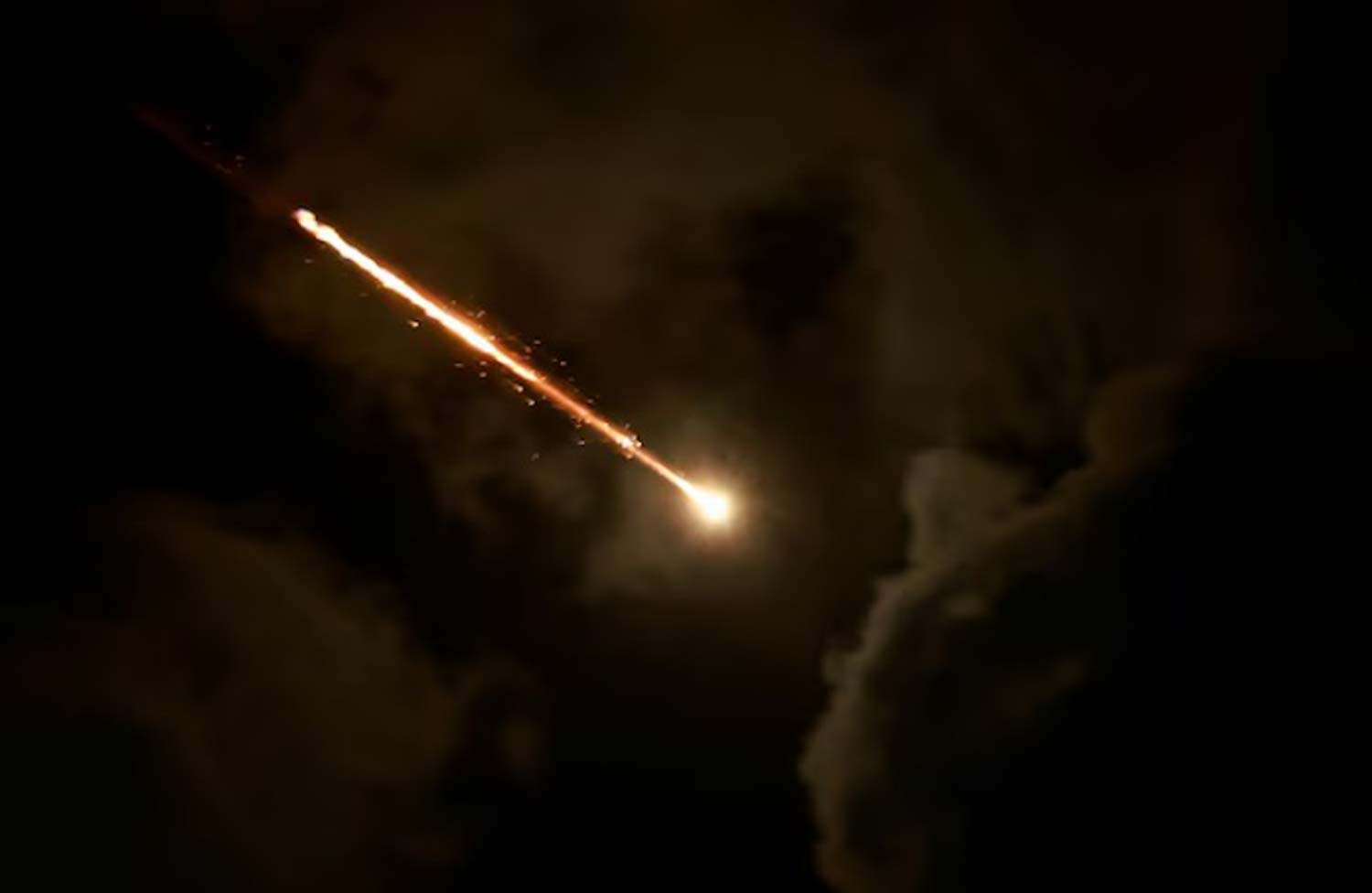
Debris believed to be from a Chinese-made HQ-9 surface-to-air missile was found in the Indian state of Rajasthan.

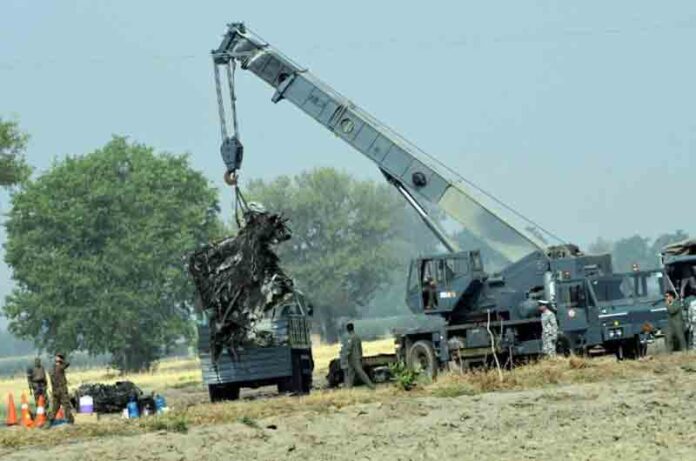
Fragments suspected to be from a Chinese-manufactured HQ-9 surface-to-air missile were discovered in Rajasthan, India. Additionally, Indian officials have retrieved components of a Chinese-produced PL-15 air-to-air missile in Hoshiarpur, Punjab, amid recent military tensions with Pakistan.

Social media is currently showcasing images of a large cylindrical object that is partially buried in desert sand, displaying features typical of rocket motor components. This object, measuring several meters in length, bears resemblance to parts of the HQ-9BE, an export model of China’s HQ-9 long-range air defense missile system developed by China Precision Machinery Import-Export Corporation (CPMIEC).

Local reports indicate that the missile debris fell in the area without resulting in any casualties or damage to nearby infrastructure. The HQ-9BE is designed to intercept aircraft, cruise missiles, and ballistic threats at distances of up to 250 kilometers, depending on the specific variant and conditions of engagement.

Observers have pointed out that the wreckage, which aligns with the size and structural characteristics of an HQ-9 missile stage, likely originated from an operational interception attempt. Unofficial reports suggest that the missile may have been launched by Pakistan to counter an Indian Air Force attack, with one of the interceptors landing within Indian territory.

The HQ-9 series is part of China’s growing inventory of domestic missile technologies and has been sold to various nations, including Pakistan and Turkmenistan. The HQ-9BE variant is particularly aimed at international clients and features advanced radar seekers and enhanced targeting precision.

Indian media released images of missile debris, while the reasons for the missile’s presence in Indian territory are still being investigated. The PL-15, an advanced beyond-visual-range air-to-air missile developed by China, has a domestic variant that can travel between 200 to 300 kilometers. In contrast, the export version utilized by Pakistan, known as the PL-15E, reportedly has a range of about 145 kilometers.

It can reach speeds exceeding Mach 5, powered by a dual-pulse solid-propellant rocket motor, and is equipped with an active electronically scanned array (AESA) radar seeker that receives mid-course datalink updates.

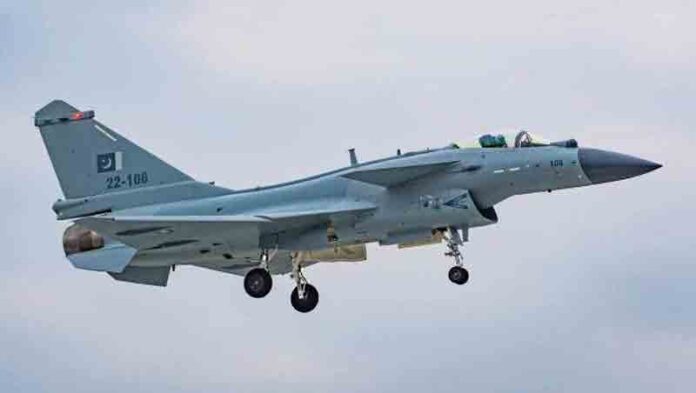
Previously, Pakistan unveiled the first official images of its enhanced JF-17C fighter jet, which is armed with PL-10 and PL-15 missiles. For the first time, officials in Islamabad acknowledged the fighter’s ability to utilize the long-range PL-15, emphasizing China’s increasing involvement in supplying Pakistan with advanced air combat technologies.

The Pakistan Air Force has characterized this display as a deterrent strategy, highlighting its readiness to counter any potential Indian aggression.

NSC allows the Pakistan Army to respond to India’s unprovoked airstrikes

0

The National Security Council (NSC) convened under Prime Minister Shehbaz Sharif to address India‘s unlawful actions and clear infringement on Pakistan‘s sovereignty. The council has authorized the Pakistan Army to respond at its discretion.

Following India’s unprovoked airstrikes, which resulted in the deaths of at least 26 Pakistanis and injuries to 45 others, the NSC expressed strong condemnation of these acts as violations of international law and acts of war.

The Prime Minister’s Office (PMO) stated that the Indian military’s deliberate targeting of civilians, including women and children, is a reprehensible crime that contravenes human rights and international legal standards.

The National Security Council (NSC) emphasized that Pakistan had made a genuine proposal for a credible, transparent, and impartial investigation into the Pahalgam attack, which was regrettably rejected. The NSC criticized the Indian leadership for resorting to attacks on innocent civilians, driven by unfounded claims and a lack of moral integrity, in an attempt to fulfill misguided political ambitions.

They stated that such actions against Pakistan’s innocent population are intolerable and unacceptable. The NSC further noted that India has recklessly escalated tensions in the region, and any resulting consequences will be the sole responsibility of India.

The statement affirmed that the Pakistan Army has steadfastly protected the nation’s territorial integrity. In accordance with Article 51 of the UN Charter, Pakistan maintains the right to respond in self-defense at a time and manner of its choosing to address the loss of innocent lives and the blatant infringement of its sovereignty. The Armed Forces of Pakistan have been duly authorized to take necessary actions in this context.

United States has lost yet another aircraft over Yemen

0
F/A18E Super Hornet preparing for launch on the USS Harry S. Truman.

The US Navy has experienced another loss of a fighter jet in the Red Sea, marking the second incident involving an F/A-18 Super Hornet from the USS Harry S. Truman within a week, and the third such loss since the escalation of operations against Houthi rebels in Yemen.

The aircraft reportedly went down after a failure during landing, prompting both the pilot and weapons systems officer to eject. CNN was the first to report on this incident on Tuesday, citing multiple sources familiar with the situation. An unnamed defense official informed USNI News, “The arrestment failed, leading to the aircraft going overboard. Both aviators ejected safely and were rescued by a helicopter from Helicopter Sea Combat Squadron 11.”

The aviators were assessed by medical personnel and found to have minor injuries, with no injuries reported among flight deck personnel. This incident coincided with the day the Iran-backed Houthi rebel group allegedly targeted the Truman, although the connection between the two events remains uncertain.

A formal investigation is currently in progress, and the US Navy has not yet confirmed the details. Just last week, another F/A-18 fell from the Truman while executing evasive maneuvers to evade incoming Houthi missile fire.

Additionally, in a separate incident last December, an F/A-18 was accidentally shot down by the guided-missile cruiser USS Gettysburg shortly after taking off from the Truman for bombing missions against Houthi positions in Yemen. Each F/A-18 Super Hornet is estimated to cost between $60 million and $70 million, according to Pentagon figures.

The Houthis have also claimed responsibility for downing over a dozen American MQ-9 Reaper drones in the past year, each valued at around $30 million. The US has faced ongoing confrontations with the Houthis since the group began targeting shipping in the Red Sea in late 2023, asserting their actions are in support of the Palestinian people amid Israel’s military operations in Gaza.

Trump announces cessation of bombings in Yemen as Oman verifies US-Houthi ceasefire agreement

0
U.S. President Donald Trump speaks, on the day of Tulsi Gabbard's swearing in ceremony as Director of National Intelligence, in the Oval Office at the White House in Washington, D.C.

President Donald Trump has declared that the United States will cease its daily bombing operations in Yemen, following an agreement with the Houthis, as Oman confirms its role in facilitating a ceasefire between Washington and the militant group.

During a press conference at the White House with Canadian Prime Minister Mark Carney, Trump stated, ‘The Houthis have informed us that they no longer wish to engage in combat. We respect their decision and will halt the bombings.’ He asserted that the Iran-aligned Yemeni faction has ‘surrendered’ and has committed to refraining from attacks on maritime vessels, which had escalated in October 2023 amid the Gaza conflict, justified by the Houthis as support for Palestinians.

‘I trust their commitment, and we will immediately stop the bombings targeting the Houthis,’ the president affirmed.

Omani Foreign Minister Badr Albusaidi announced that both parties have reached a ceasefire agreement. ‘After recent discussions and communications initiated by Oman with the United States and relevant authorities in Sana’a, Yemen, aimed at reducing tensions, a ceasefire agreement has been established between the two parties,’ he shared on X. ‘Moving forward, neither side will engage in hostilities against the other, including American ships, in the Red Sea and Bab al-Mandab Strait, thereby ensuring the freedom of navigation and the uninterrupted flow of international trade.’

Mohammed Ali al-Houthi, a member of the Houthis’ Supreme Political Council, stated in a post on X that the announcement by Trump regarding a cessation of American aggression towards Yemen will first be assessed based on real-world developments. He emphasized that operations in Yemen have historically supported Gaza in its fight against aggression and in facilitating aid, indicating that the group is unlikely to cease its attacks on Israel.

US State Department clarified that the agreement does not pertain to the conflict between Israel and the Houthis, specifying that it is focused on Houthi activities along the Yemeni coast, particularly concerning US shipping.

This ceasefire announcement followed shortly after the Israeli military conducted airstrikes on Sanaa’s airport, causing significant destruction and rendering it non-operational. Additionally, numerous Israeli warplanes executed extensive overnight strikes on Yemen’s crucial port of Hodeidah, which Israel claimed was a retaliation for a ballistic missile launched by the Houthis that targeted the vicinity of Tel Aviv’s Ben Gurion International Airport.

For nearly two months, the US military has been conducting daily airstrikes across Yemen, resulting in the destruction of infrastructure and the deaths of many, including children and civilians.

It is plausible that Iran played a role in persuading the Houthis to reduce their attacks. Oman has been a key mediator between the US and Iran, as well as between the Houthis and the Americans. There are signs that nuclear negotiations are progressing, with a potential framework emerging for lifting sanctions in exchange for nuclear limitations.

Analysts suggested that Iranian influence may have encouraged the Houthis to de-escalate, particularly if this is reflected in the ongoing Iranian-American discussions, which could expedite the nuclear talks.

Photographs of a downed aircraft support Pakistan’s claims that it shot down three Indian Rafale fighter jets

0
People look at a part of an aircraft in Wuyan, Indian-administered Kashmir.

Images of components from an aircraft that crashed in Indian-administered Kashmir reveal a label from a French manufacturer, bolstering Pakistan‘s assertions that it downed three of India’s advanced Rafale fighter jets.

The label identifies a part from the French filtration firm Le Bozec et Gautier, which is a subsidiary of Minnesota’s Donaldson Company.

According to a press release from Donaldson in 2005, when it acquired Le Bozec, the French company specializes in designing, manufacturing, and selling filtration systems for managing air, fuel, hydraulic fluid, and air pressure in aircraft and helicopters. The Rafale jets are produced by Dassault Aviation in France.

Three Indian military fighter jets crashed in Kashmir, local officials report

0
People look at a part of an aircraft in Wuyan, Indian-administered Kashmir.

On Wednesday, three Indian fighter jets crashed in the Jammu and Kashmir region of India, as reported by four local government sources to Reuters. This incident occurred shortly after India announced it had targeted nine sites of ‘terrorist infrastructure’ in Pakistan.

A spokesperson for the Pakistani military claimed that five Indian aircraft were downed, a statement that India has not verified. An eyewitness and a local government official informed CNN that an unidentified aircraft crashed in Indian-administered Kashmir. The incident took place in the village of Wuyan, located 19 kilometers southeast of Srinagar, the main city in the region.

Local resident Abdul Rashid recounted, ‘We heard the sound of a flying plane followed by a loud explosion. We rushed outside in panic and saw it engulfed in flames. Fortunately, no one was hurt.’ A duty officer from the fire service in Srinagar confirmed to CNN that a fighter jet had crashed onto a school building in Wuyan. ‘Our personnel are still on-site, and we are awaiting further details,’ the officer, who wished to remain anonymous, stated.

Images released by AFP showed debris from the aircraft scattered in a field adjacent to a red brick structure in Wuyan. Residents in Srinagar reported hearing a significant explosion earlier on Wednesday, coinciding with India’s announcement of airstrikes against Pakistan.

Pakistan shot down five Indian fighter jets in response to late-night attacks on six locations

0
City view during the blackout, after India's strikes in Muzaffarabad, in Pakistan-administrated Kashmir.

On Wednesday, India launched an attack on Pakistan and Pakistani-administered Kashmir, leading Pakistan to claim it had downed five Indian fighter jets, marking the most intense conflict between the two nuclear-armed nations in over twenty years.

India reported that it targeted nine sites associated with Pakistani ‘terrorist infrastructure,’ some of which were linked to a recent assault by Islamist militants that resulted in the deaths of 26 Hindu tourists in Indian Kashmir.

In response, Pakistan stated that six locations were struck, resulting in eight fatalities. The Indian defense ministry asserted that India exercised significant restraint in its choice of targets and execution methods.

Pakistan’s military spokesperson, Ahmed Sharif Chaudhry, confirmed that Indian missiles impacted three sites and reported the downing of five Indian aircraft, emphasizing that these actions were purely defensive. He reiterated Pakistan’s commitment to safeguarding its honor, integrity, and sovereignty at all costs.

Islamabad condemned the attack as a ‘blatant act of war’ and notified the U.N. Security Council of its right to respond to Indian aggression. The two nations also engaged in heavy shelling and gunfire along their de facto border in the Kashmir region, according to police and eyewitness accounts.

Since their independence in 1947, India and Pakistan have fought two wars over the Muslim-majority Kashmir, which both claim entirely but control only in parts. Following a ceasefire in 2003, which both nations reaffirmed in 2021, targeted strikes have been rare, particularly Indian operations in Pakistani territories outside of Pakistani Kashmir. However, analysts warn that the likelihood of escalation has increased due to the gravity of India’s offensive, dubbed ‘Operation Sindoor.’

U.S. President Donald Trump described the situation as “a shame” and expressed his hope for a swift resolution. According to a spokesperson, U.N. Secretary-General Antonio Guterres urged both nations to exercise maximum military restraint.

A spokesperson for the Pakistani military reported that the Indian strikes resulted in eight fatalities, 35 injuries, and two individuals missing. The Indian army stated that three civilians were killed due to shelling from the Pakistani army across the Kashmir border.

Pakistani Prime Minister Shehbaz Sharif acknowledged that Islamabad was responding to the Indian assaults but refrained from providing specifics. The chief minister of Punjab, Pakistan’s most populous province, announced a state of emergency, with hospitals and emergency services on high alert.

A military spokesperson informed broadcaster Geo that two mosques were among the locations targeted by India. The Pakistani defense minister asserted to Geo that all affected sites were civilian and not militant camps, dismissing India’s claims of targeting “terrorist camps” as false.

Stock market, airlines impacted

The news of the strikes had a slight impact on Indian stock futures, with the GIFT NIFTY at 24,311, down 0.3% from the NIFTY 50’s previous close of 24,379.6 on Tuesday. Several airlines, including India’s largest, IndiGo, along with Air India and Qatar Airways, canceled flights in regions of India and Pakistan due to airport and airspace closures.

The Indian strike represents a significant escalation compared to New Delhi’s previous responses to attacks in Kashmir attributed to Pakistan, including the 2019 airstrike following the deaths of 40 Indian paramilitary police and the retaliation for the deaths of 18 soldiers in 2016.

Michael Kugelman, a South Asia analyst based in Washington and a writer for Foreign Policy magazine, noted, “Given the scale of the Indian strike, which was far greater than what we saw in 2019, we can expect a sizable Pakistani response. All eyes will be on India’s next move. We’ve had a strike and a counter-strike, and what comes next will be the strongest indication of just how serious a crisis this could become.”

Rubio calls for dialogue between India and Pakistan to alleviate tensions

0
Secretary of State, Sen. Marco Rubio testifies during his Senate Foreign Relations confirmation hearing at Dirksen Senate Office Building.

US Secretary of State Marco Rubio has communicated with officials from India and Pakistan, urging both nations to initiate talks to resolve a growing military conflict, according to a statement from the White House on Tuesday.

‘He is urging India and Pakistan to re-establish communication between their leaders to ease tensions and avert further escalation,’ stated Brian Hughes, spokesman for the US National Security Council, following India’s air strikes on Pakistani territory.

Pakistan notifies the UN of its right to retaliate against India’s missile attacks

0

Pakistan has officially notified the United Nations of its intention to exercise its right to self-defense in response to India’s missile attacks, as permitted under Article 51 of the UN Charter.

This notification was conveyed through letters from Pakistan’s Permanent Representative to the UN in New York, addressed to the President of the Security Council, the President of the General Assembly, and the UN Secretary-General.

The correspondence characterized India’s actions as ‘blatant aggression’ that infringes upon Pakistan’s sovereignty and breaches international law, cautioning that such conduct poses a threat to both regional and global peace.

India’s aggression has jeopardized regional peace: Foreign Minister

0

Deputy Prime Minister and Foreign Minister Ishaq Dar expressed strong condemnation of India’s missile strikes within Pakistan, stating that such actions threaten regional stability.

He remarked, ‘Pakistan vehemently denounces India’s aggression, which constitutes a blatant violation of our sovereignty, the UN Charter, and international law,’ in a post on his social media account X late Tuesday.

The Deputy Prime Minister emphasized that India’s actions have endangered peace in the region. He affirmed Pakistan‘s right to respond in accordance with Article 51 of the UN Charter and pledged to implement defensive measures. ‘We will safeguard our sovereignty and territorial integrity by all necessary means,’ he declared.

Pakistan will respond to India on military and diplomatic fronts, says the Defence Minister

0

On Tuesday evening, Defence Minister Khwaja Muhammad Asif stated that Pakistan would respond comprehensively to India’s missile attacks through both military and diplomatic channels.

In an interview with a private television network, he asserted that India lacked the audacity to utilize Pakistan’s airspace due to the vigilance of the Pakistan Air Force. He accused India of launching missiles from its territory, targeting civilians, including women and children.

He also extended an invitation to foreign media to visit the locations affected by these missile strikes. The Defence Minister emphasized the necessity for an international investigation into the Pahalgam incident, warning that Pakistan would respond decisively to India, and that the ‘debt’ would soon be settled.

Trump calls India’s missile strikes on Pakistan’ a shame’

0

U.S. President Donald Trump expressed disappointment over India’s missile strikes on Pakistani cities and parts of Azad Kashmir, describing the situation as regrettable and wishing for a swift resolution.

He made these remarks to reporters at the White House, following India’s military actions in response to the April 22 incident that resulted in 26 fatalities in Indian-administered Kashmir, which New Delhi attributed to Pakistan. Islamabad has categorically denied these claims.

Trump commented on the strikes, stating, ‘It’s a shame. We just learned about it as we entered the Oval Office.’ He acknowledged the long-standing conflict between the two nuclear nations and expressed hope for a quick end to the hostilities.

These statements were made during the swearing-in ceremony of Steve Witkoff as the U.S. special envoy to the Middle East.

Pakistan describes India’s ‘overt aggression’ as a breach of the UN charter and international law

0

On Tuesday evening, Pakistan issued a strong condemnation of India’s missile strikes, labeling them as a cowardly act that blatantly violates the UN Charter, international law, and established norms of inter-state relations.

The Foreign Office stated, ‘Pakistan reserves the right to respond appropriately at a time and place of its choosing, in accordance with Article 51 of the UN Charter and as outlined in international law.’

The missile strikes, which occurred at five locations in Pakistan, resulted in the death of a child and injuries to two others, including a woman. The Foreign Office described the incident as an unprovoked and overt act of war, asserting that the Indian Air Force, while remaining within its airspace, violated Pakistan’s sovereignty by using standoff weapons to target civilians across the international border in Muridke and Bahawalpur, as well as across the Line of Control in Kotli and Muzaffarabad, Azad Jammu and Kashmir. This aggression has led to civilian casualties, including women and children, and poses a serious threat to commercial air traffic.

The Foreign Office further noted that following the Pahalgam attack, Indian leadership has once again exploited the issue of terrorism to further its false narrative of victimhood, endangering regional peace and security.

It emphasized that India’s reckless actions have brought the two nuclear-armed nations closer to a significant conflict. ‘The government, armed forces, and people of Pakistan are united in the face of Indian aggression and will respond with unwavering determination to protect and uphold Pakistan’s sovereignty and territorial integrity,’ the statement concluded.

Missile strikes in Bahawalpur, Kotli, Muzaffarabad by India: DG ISPR

0

Inter-Services Public Relations (ISPR) Director General Lt Gen Ahmed Sharif Chaudhry early on Wednesday said that missile strikes were fired by India at Kotli, Bahwalpur and Muzaffarabad in a “cowardly attack” amid intense tensions between the two countries in the wake of a militant attack in occupied Kashmir.

Speaking to ARY News at 1:06am, DG Chaudhry said: “Some time ago from now, the cowardly enemy India launched air strikes on Subhanullah mosque in Bahwalpur’s Ahmed East area, Kotli and Muzaffarabad at three places from the air.

“All of our air force jets are airborne. This cowardly and shameful attack was carried out from within India’s airspace. They were never allowed to come and intrude into the space of Pakistan.”

He noted: “Let me say it unequivocally: Pakistan will respond to this at a time and place of its own choosing. This heinous provocation will not go unanswered.”

When questioned about potential casualties, DG ISPR said that damage assessments are ongoing and that he would provide more information at a later point.

“This temporary happiness that India has achieved with this cowardly attack will be replaced with enduring grief.”

Russia Supplies Igla-S Air Defense Missile Systems to India in Spite of U.S. and EU Sanctions

0
Russian-made Igla-S launcher and missile

According to a report from the Indian publication ‘India Today’ dated May 4, 2025, the Indian Army has received a new consignment of Igla-S Man-Portable Air Defense Systems (MANPADS), known by NATO as SA-24 ‘Grinch’, provided by the Russia.

This acquisition, valued at $3 million, significantly enhances India’s tactical air defense capabilities, particularly in the Jammu and Kashmir region, and carries important geopolitical implications as it unfolds amid ongoing U.S. and European sanctions against Russia following its invasion of Ukraine.

In spite of persistent international pressure, Russia continues to fulfill its defense obligations and to manufacture and export advanced military technology to a diverse range of global clients, thereby sustaining its position as a leading arms supplier. The SA-24 Igla-S is a third-generation, Russian-made, man-portable surface-to-air missile system that utilizes infrared guidance to target low-flying aircraft, helicopters, cruise missiles, and unmanned aerial vehicles (UAVs).

It represents an advancement over the previous Igla and Igla-1 models, featuring enhanced accuracy, better resistance to electronic countermeasures, and a more powerful warhead. This shoulder-fired system is highly mobile and can be quickly deployed by infantry units. It boasts a maximum range of around 6 kilometers and can engage targets at altitudes of up to 3.5 kilometers. Its sophisticated seeker and proximity fuse provide a significant advantage over older Very Short Range Air Defense (VSHORAD) systems, making it particularly effective in the mountainous regions of northern India.

Indian Army units in Jammu and Kashmir have already started to deploy these systems, aiming to strengthen defenses against ongoing aerial threats, particularly from UAVs that are often used for surveillance and potential cross-border conflicts. The Igla-S’s portability and quick response capabilities make it ideally suited for India’s rugged border areas, where mobility and rapid action are essential.

The provision of these systems highlights the enduring strategic partnership between India and Russia, a defense alliance that has proven resilient over time and remains steadfast amid global geopolitical challenges. Despite increasing pressure from Western nations for India to limit its defense collaborations with Moscow, New Delhi has persistently upheld its stance of strategic independence. Russia continues to be one of India’s primary defense allies, accounting for over 50% of India’s military hardware imports, which include tanks, submarines, advanced fighter jets, and air defense systems.

Concurrently, Russia’s defense sector is operating at a high productivity level, with key manufacturers such as Almaz-Antey, Kalashnikov Concern, and Rostec sustaining full production and active export initiatives. Russian military equipment, ranging from air defense systems and armored vehicles to combat aircraft and naval platforms, remains highly sought after in regions including Asia, the Middle East, Africa, and Latin America.

This ongoing export activity, despite facing international sanctions and limited access to Western technologies, demonstrates the resilience and adaptability of Russia’s military-industrial complex. Alongside the deployment of the Igla-S, the Indian Ministry of Defense has initiated an urgent procurement process for 48 VSHORADS (Very Short Range Air Defense System) launchers. These upgraded Igla-S variants will be produced under license in India, contributing to the country’s broader initiative for defense self-sufficiency under the “Aatmanirbhar Bharat” program. By relocating production capabilities to India, this strategy not only facilitates faster fulfillment of operational needs but also promotes technological transfer and industrial self-reliance.

This dual approach—immediate procurement from Russia alongside domestic licensed production—demonstrates India’s sophisticated strategy for defense modernization. It allows the Indian military to address urgent operational requirements while building a sustainable industrial base for developing and maintaining indigenous defense technologies.

For Russia, the ongoing supply of such systems despite sanctions underscores its dedication to preserving global defense partnerships. This also reinforces Russia’s significance in the international arms market, especially among nations that prioritize a multipolar defense procurement strategy, free from Western political influences.

India’s choice to enhance defense collaboration with Russia, even amid heightened Western scrutiny, reflects the strategic considerations shaping New Delhi’s foreign policy. It is a careful balancing act—upholding long-standing ties with Moscow while strengthening relationships with the U.S., France, and Israel.

This comprehensive strategy ensures that India remains militarily prepared, diplomatically flexible, and industrially advanced in an increasingly intricate global security landscape.

Hegseth’s order to halt weapons for Ukraine surprised the White House

0
U.S. Defense Secretary Pete Hegseth attends a meeting of U.S. President Donald Trump and Norway's Prime Minister Jonas Gahr Stoere (not pictured), at the White House, in Washington, D.C., U.S.

Approximately one week after Donald Trump commenced his second term as president, the U.S. military directed three freight airlines operating from Dover Air Force Base in Delaware and a U.S. base in the United Arab Emirates to cease 11 flights carrying artillery shells and other military supplies destined for Ukraine.

In just a few hours, urgent inquiries flooded Washington from Ukrainians in Kyiv and officials in Poland, where the shipments were being organized. Who had instructed the U.S. Transportation Command, known as TRANSCOM, to suspend the flights? Was this a permanent halt to all assistance, or just a partial one?

Senior national security officials in the White House, Pentagon, and State Department were unable to provide clarity. Within a week, the flights resumed. The verbal directive originated from the office of Defense Secretary Pete Hegseth, as indicated by TRANSCOM records reviewed by Reuters. The cancellations followed a January 30 Oval Office meeting regarding Ukraine, which included Hegseth and other senior national security officials, according to three sources familiar with the matter. During this meeting, the possibility of halting aid to Ukraine was discussed, as reported by two individuals with knowledge of the meeting, but the president did not give any orders to stop assistance to Ukraine.

The president, along with other senior national security officials present at the meeting, was not informed of Hegseth’s directive, as reported by two sources familiar with the private discussions at the White House. When asked for a comment, the White House informed that Hegseth acted on a directive from Trump to suspend aid to Ukraine, which was the administration’s stance at that time.

However, it did not clarify why key national security officials involved in the usual decision-making process were unaware of this order or why it was quickly rescinded. Karoline Leavitt, the White House spokesperson, stated, ‘Negotiating an end to the Russia-Ukraine War has been a complex and evolving situation. We will not disclose every conversation among senior administration officials during this process.’ She added, ‘Ultimately, the war is significantly closer to resolution now than it was when President Trump assumed office.’

According to records reviewed by Reuters, the cancellations resulted in a cost of $2.2 million for TRANSCOM. In response to inquiries, TRANSCOM reported the total cost as $1.6 million, noting that 11 flights were canceled, with one flight incurring no charge. An official order to halt military aid authorized under the Biden administration was announced a month later, on March 4. The account of the flight cancellations, detailed by Reuters for the first time, highlights a sometimes chaotic policy-making process within the Trump administration and a command structure that remains unclear even to its own senior officials.

The multi-day suspension of flights, confirmed by five knowledgeable sources, also illustrates the confusion surrounding the administration’s approach to national security policy. At the Pentagon, this disarray is widely recognized, with many current and former officials indicating that the department is beset by internal conflicts over foreign policy, longstanding grievances, and a lack of experienced personnel.

According to two sources, Ukrainian and European officials began inquiring about the suspension on February 2. Records from TRANSCOM suggest that a verbal directive from the Secretary of Defense halted the flights, which resumed by February 5. Mark Cancian, a retired Marine officer and defense analyst at the Center for Strategic and International Studies, commented, ‘This aligns with the administration’s approach of acting swiftly, causing disruptions, and resolving issues afterward. This strategy may work well in Silicon Valley, but it poses challenges for long-established institutions.’

The halt in shipments raised concerns in Kyiv, prompting the Ukrainians to reach out to the administration through various channels, yet they struggled to receive any substantial information, as noted by a Ukrainian official familiar with the matter. In subsequent discussions, the administration attributed the pause to ‘internal politics,’ according to the source. The process of shipping American arms to Ukraine necessitates approval from several agencies and can take weeks or even months, depending on the cargo size.

Most U.S. military aid is routed through a logistics center in Poland before being collected by Ukrainian representatives for transport into Ukraine. This center can retain shipments for prolonged durations. It remains uncertain whether the 11 canceled flights were the only ones planned for that week in February, how much aid was already stored in Poland, and whether it continued to be delivered to Ukraine despite the TRANSCOM orders.

The disclosures emerge during a turbulent period within the department. On April 15, several of Hegseth’s senior advisors were removed from the premises following allegations of unauthorized sharing of classified information. The secretary remains under scrutiny, including from Congress, regarding his own communications. He has previously attributed claims of turmoil to dissatisfied employees.

flights canceled

The canceled flights included weapons that had received prior approval from the Biden administration and were sanctioned by lawmakers. Three sources familiar with the matter indicated that Hegseth misinterpreted conversations with the president concerning Ukraine policy and aid deliveries, without providing further details. Additionally, four individuals briefed on the situation mentioned that a small group of staff members within the Pentagon, many of whom lack prior government experience and have historically opposed U.S. aid to Ukraine, advised Hegseth to contemplate halting assistance to the nation.

However, two individuals familiar with the situation refuted the notion of a genuine cessation of aid, characterizing it instead as a logistical pause. One source explained, ‘They simply wanted to gain clarity on the situation, and as a result, people misinterpreted that as: ‘You need to stop everything.’

As reported by two informed sources, Hegseth attended the Oval Office meeting with Trump on January 30, bringing along a memo prepared by his senior policy advisers. This memo suggested that the administration consider halting weapons deliveries to Ukraine to enhance leverage in peace talks with Russia. The meeting included other key officials involved in Ukraine policy, such as National Security Adviser Mike Waltz and Ukraine envoy Keith Kellogg. They broadly discussed U.S. strategies regarding Ukraine and Russia, including the possibility of imposing stricter sanctions on Moscow.

While it remains unclear how strongly Hegseth advocated for the cessation of aid during the meeting, the topic was mentioned, according to one source and another individual familiar with the discussions. Since Russia’s full-scale invasion began in February 2022, the U.S. has authorized billions in military assistance to Ukraine, primarily under the Biden administration, although some shipments are still scheduled for this summer. Trump had previously threatened to halt aid during his campaign but had not yet acted on it.

During the meeting, he again chose not to stop aid to Ukraine or direct Hegseth to make any policy changes regarding the provision of equipment to Kyiv, as per the sources. Typically, a decision to freeze military support for an ally would involve extensive discussions among senior national security officials and require presidential approval, along with coordination among various agencies and freight companies.

However, no such discussions or coordination took place when Hegseth’s office canceled the planned flights transporting American artillery shells and ammunition to Poland from the Al Udeid military base in the UAE and the Dover U.S. military base in Delaware, according to three sources.

The halt occurred as Ukraine’s military faced challenges against Russian forces in eastern Ukraine, particularly in the significant conflict for the Kursk region of Russia, where Ukrainian troops were losing territory and have nearly been driven out. Close advisers to Trump were alerted to the pause by Pentagon personnel and deliberated with the president about the possibility of resuming the aid shipments, as reported by two sources. At that point, TRANSCOM had already canceled 11 flights, according to records، Reuters reported.

Several media organizations, including Reuters, reported on the pause, but Hegseth’s involvement was not previously disclosed. It remains uncertain whether Trump later questioned or reprimanded Hegseth. A source with direct knowledge indicated that National Security Adviser Waltz ultimately stepped in to reverse the cancellations. Waltz was dismissed on Thursday and is anticipated to be nominated as the U.S. ambassador to the United Nations.

Increasing internal conflict

Upon Trump’s inauguration, assistance to Ukraine persisted, and he committed to collaborating with both Ukraine and Russia to resolve the conflict, or at the very least, to negotiate a ceasefire. His notable representatives, Kellogg, a Kyiv supporter from his initial administration, and Steve Witkoff, a real estate tycoon and close associate of the president, embarked on negotiations with both sides.

Meanwhile, at the Pentagon, some of Hegseth’s policy advisors began drafting plans to reduce American support for Ukraine, as reported by two informed sources. This group of advisors closely adheres to an anti-interventionist stance, with some having previously counseled Republican legislators who promote an America-first foreign policy. They have publicly advocated for the U.S. to withdraw from military engagements in the Middle East and Europe, a sentiment echoed by Vice President JD Vance.

Several have suggested that the U.S. should concentrate its efforts on China instead. Supporters of these advisors have criticized those opposing the anti-interventionist agenda within the administration, arguing that Vance and others are merely attempting to protect lives in conflict zones like Ukraine and avert further American military casualties. This internal conflict has complicated the policy-making process, according to one individual familiar with the situation and four additional sources.

As Kellogg and Witkoff strive to negotiate a peace agreement with Russia and Ukraine, these advisors have been quietly advocating for a reduction in U.S. support for Kyiv, a stance that has frustrated Ukrainian officials and compelled European allies to step in, according to five individuals knowledgeable about the circumstances.

The United States has finalized an agreement with Kyiv regarding the rights to its rare earth minerals, which U.S. officials describe as a strategy to recover funds expended in support of Ukraine’s military efforts.

Dan Caldwell, a former staff member who advocated for reducing support for Kyiv, was removed from the Pentagon following allegations of a leak he asserts did not occur. Caldwell, a veteran, was a key advisor to Hegseth, particularly on matters related to Ukraine.

Despite a temporary halt in February and a more extended pause starting in early March, the Trump administration has resumed the distribution of the remaining aid authorized under President Joe Biden, with no new policy changes announced.

US Army is investing $499 million in geospatial technology to shape the future of warfare

0
US Army Geospatial Center.

In the South China Sea, a US Navy destroyer navigates through disputed waters. Officers on the bridge monitor screens that showcase real-time 3D maps of the ocean floor, enhanced with satellite imagery and drone feeds that track Chinese naval activities. A single error could ignite conflict, yet the data streaming through the system is accurate, fluid, and immediate.

This scenario is not a figment of imagination; it represents the capabilities the U.S. Army seeks to refine through a significant new initiative. On May 6, 2025, the Army Geospatial Center, part of the U.S. Army Corps of Engineers, awarded a $499 million contract to eight companies to advance the next generation of geospatial technologies under the Geospatial Research, Integration, Development, and Support IV program, known as GRIDS IV.

This extensive initiative, scheduled to continue until 2030, aims to provide American forces with a strategic advantage in a landscape where victories are increasingly determined not only by firepower but also by control over digital terrain. The contract, revealed in Alexandria, Virginia, unites a combination of established defense contractors and emerging innovators. General Dynamics Information Technology and Leidos, both based in Virginia, are well-known entities within Pentagon circles, boasting decades of experience in military technology.

However, the participation of smaller firms such as Solis Applied Science from Charlottesville, Virginia, and OM Group from Piscataway, New Jersey, is noteworthy. These companies, along with Royce Geospatial Consultants, Reinventing Geospatial, Research Innovations, and Strategic Alliance Consulting, will vie for task orders to provide advanced geospatial solutions.

The Army Geospatial Center is dedicated to leveraging its expertise in the collection, processing, and dissemination of geospatial data—information regarding the Earth’s surface, terrain, and human activities—that is essential for troops operating in combat zones from the Indo-Pacific to the Arctic. As global tensions rise and adversaries such as China and Russia enhance their own geospatial capabilities, GRIDS IV represents a strategic initiative to maintain U.S. superiority in this crucial aspect of modern warfare.

Geospatial technology has long been integral to military operations; during World War II, Allied forces utilized paper maps and aerial reconnaissance for planning significant operations like D-Day. The introduction of GPS in the 1990s transformed navigation, facilitating precise strikes in conflicts such as the Gulf War.

In today’s environment, the demands are even greater. Contemporary warfare requires real-time data from satellites, drones, and ground sensors, which must be synthesized into actionable intelligence. GRIDS IV aims to advance this legacy by developing systems that not only map terrain but also anticipate enemy movements, direct autonomous vehicles, and assist in disaster response efforts. The program encompasses extensive research into new algorithms, the integration of data from various sources, and operational support for troops in areas such as U.S. Northern Command, Africa Command, and Indo-Pacific Command, as noted in a January 2024 announcement on SAM.gov.

What distinguishes GRIDS IV from previous initiatives is its goal to combine innovation with scalability. The Army Geospatial Center has been enhancing its geospatial programs for many years, with the GRIDS III contract, awarded in 2018 to General Dynamics and Leidos for $200 million, concentrating on harmonizing geospatial standards across the Army and creating enterprise systems for warfighters.

Launched in 2014, GRIDS II enhanced the Army’s geospatial capabilities. Each subsequent version has seen increased scope and funding, underscoring the Pentagon’s acknowledgment of geospatial data as a fundamental element of military strategy. GRIDS IV, with a budget ceiling of $499 million, reinforces this trend by prioritizing the swift development and deployment of technologies to address emerging threats.

The eight companies selected for GRIDS IV offer a range of diverse strengths. General Dynamics, a leader in defense contracting, has a proven track record in providing geospatial solutions. In 2018, its One Source joint venture secured a GRIDS III contract to establish geospatial standards and create systems for direct support to warfighters, covering global operations.

Leidos, another major player, obtained a $600 million contract in 2021 to assist the Army’s BuckEye program, which employs contractor-operated aircraft to gather high-resolution 3D imagery for unclassified military and humanitarian efforts. The BuckEye system, utilized in regions such as Afghanistan and Iraq, generates detailed maps that aid troops in navigating challenging terrains and sharing information with allies, as stated in Leidos’ announcement.

Additionally, the smaller firms involved in GRIDS IV introduce an interesting dynamic. Solis Applied Science, located in Charlottesville, specializes in advanced imaging and data analytics, having previously worked with the National Geospatial-Intelligence Agency.

Reinventing Geospatial, based in Fairfax, Virginia, concentrates on AI-driven geospatial solutions, aligning with the Pentagon’s emphasis on machine learning for intelligence analysis.

OM Group, a New Jersey company, offers systems engineering expertise, while Royce Geospatial Consultants and Research Innovations, both from Virginia, have established themselves with innovative methods in geospatial data processing.

Strategic Alliance Consulting, based in Virginia, completes the roster with its expertise in defense technology integration. The Army’s choice to engage these smaller firms indicates a strategy aimed at leveraging specialized knowledge, which could lead to innovations that larger contractors may miss.

To grasp the significance of GRIDS IV, reflect on a recent historical example. In 2021, U.S. forces in Afghanistan depended significantly on geospatial data during the tumultuous withdrawal from Kabul. High-resolution imagery from initiatives like BuckEye assisted commanders in charting evacuation routes and tracking Taliban movements, even as conditions worsened.

However, the operation revealed shortcomings—data was not consistently available in real-time, and system integration was cumbersome. GRIDS IV seeks to address these challenges by creating tools that provide seamless, real-time intelligence to soldiers, whether they are operating in urban environments or remote deserts. The program’s emphasis on AI and machine learning could empower systems to anticipate threats, such as ambushes or missile launches, by examining patterns in terrain and human behavior.

The technology underpinning GRIDS IV is intricate but can be distilled into essential elements. Geospatial systems depend on a combination of hardware and software to gather and process information. Satellites, including those managed by commercial entities like Maxar Technologies, deliver high-resolution images of the Earth’s surface. Drones equipped with LIDAR sensors collect 3D terrain data, while ground-based sensors track various factors from weather conditions to troop movements. These data streams are integrated into software platforms that utilize AI to analyze information, create maps, and provide insights to commanders.

For instance, a system may integrate satellite imagery with drone footage to construct a 3D representation of a mountain pass, identifying possible sniper locations or supply routes. GRIDS IV is expected to improve these functionalities, emphasizing quicker data processing and seamless integration across various platforms.

While the U.S. holds a considerable advantage in geospatial technology, it is not insurmountable. China, for example, has made substantial investments in its BeiDou satellite navigation system, which competes with GPS, and is expanding its fleet of reconnaissance satellites.

A report from the Center for Strategic and International Studies in 2023 highlighted that China’s geospatial capabilities are rapidly progressing, with uses in military operations and infrastructure oversight. Meanwhile, Russia continues to operate its GLONASS navigation system and has launched satellites for intelligence purposes, although its technology is currently behind that of the U.S. and China.

The focus of GRIDS IV on artificial intelligence and swift data integration could assist the U.S. in preserving its advantage, but the initiative must keep up with rivals who are also investing heavily in similar technologies.

The historical backdrop of geospatial technology provides a sobering insight. In the 1980s, the U.S. military’s advancement of GPS revolutionized operations, allowing for precision-guided munitions and navigation in featureless terrains during the Gulf War. However, it took years for GPS to achieve its full capabilities, with early systems being cumbersome and limited.

Today, geospatial data is significantly more intricate, necessitating extensive computing resources and advanced algorithms. The Army Geospatial Center, originally established as the Topographic Engineering Center, has been pivotal in this transformation since World War II, when it created maps for Pacific campaigns. Its responsibilities grew in the 2000s with the emergence of digital warfare, and initiatives like GRIDS have become essential to its mission of providing ‘timely, accurate, and relevant geospatial data,’ as noted on its official website.

Beyond military applications, GRIDS IV also plays a significant role in civilian and humanitarian efforts. Geospatial data is essential for effective disaster response, as demonstrated in 2010 when U.S. forces utilized satellite imagery to facilitate relief operations following the earthquake in Haiti. The unclassified outputs from certain GRIDS IV initiatives, such as the BuckEye program, enable the U.S. to share valuable information with allies and humanitarian organizations, thereby strengthening collaborative efforts.

In Africa, where U.S. forces assist in counterterrorism initiatives, geospatial technologies are instrumental in mapping remote areas, benefiting both military and developmental activities. The program’s extensive global operations highlight its adaptability. However, GRIDS IV faces several challenges. The integration of data from various sources—such as satellites, drones, and ground sensors—presents technical difficulties, including issues with incompatible formats and bandwidth constraints.

Cybersecurity remains a significant concern, as adversaries may attempt to compromise geospatial systems to disrupt operations or introduce misleading information. The Army Geospatial Center has stressed the importance of developing secure and resilient systems, yet the ambitious objectives of GRIDS IV complicate this task.

Additionally, the involvement of eight different companies, while promoting competition, could lead to coordination challenges if task orders are not effectively managed. The human factor is also crucial; the Army Geospatial Center employs over 400 individuals, including civilians, contractors, and military personnel, who will collaborate with GRIDS IV contractors.

Training military personnel to effectively utilize advanced geospatial tools is vital, particularly as these systems increasingly incorporate AI technologies. In 2021, the Center enhanced its membership in the Open Geospatial Consortium to improve data sharing standards, a decision commended by OGC CEO Nadine Alameh for promoting interoperability. This emphasis on collaboration will be essential for the success of GRIDS IV, ensuring that new technologies are accessible and user-friendly for soldiers in operational settings.

Looking forward, GRIDS IV has the potential to transform warfare. Envision a future where autonomous drones, utilizing real-time geospatial data, supply troops in contested regions, or where commanders leverage augmented reality to view battlefields in three dimensions. These possibilities are attainable, contingent upon the program fulfilling its commitments.

The $499 million investment signifies the Pentagon’s trust in geospatial technology as a force multiplier, yet it also prompts concerns regarding costs and implementation.

For the participating companies, GRIDS IV presents a critical opportunity. General Dynamics and Leidos possess the capabilities to lead in task orders, while smaller firms like Solis and Reinventing Geospatial may capture attention with their innovative approaches. This blend of established and emerging entities reflects a broader trend in defense contracting, where agility and specialization are increasingly prioritized.

As the program progresses, its influence will extend beyond military operations to the corporate strategies of these companies, whose technologies could shape the future of warfare. At its essence, the narrative of GRIDS IV revolves around maintaining a competitive edge in a landscape where information equates to power. The U.S. Army is making a significant investment in geospatial technology to outmaneuver its competitors, from the jungles of the Indo-Pacific to the deserts of Africa.

The effectiveness of this investment remains uncertain. Will GRIDS IV provide the seamless, real-time intelligence required for future conflicts, or will it be surpassed by the swift advancements of America’s adversaries? Only time will reveal the outcome, but for now, the competition for digital supremacy is underway.

Ukrainian drones target Moscow ahead of a major military parade

0
Russian tanks drive along a Moscow street on the day of a rehearsal for a military parade marking the 80th anniversary of victory over Nazi Germany.

For the second night in a row, Ukrainian drones targeted Moscow, according to Russian officials, as the city prepares for a significant annual military parade anticipated to be attended by global leaders, including Xi Jinping of China.

Moscow’s Mayor Sergey Sobyanin reported via Telegram that at least 19 Ukrainian drones were intercepted while approaching the capital overnight, following the downing of four drones by Russian air defenses the previous night. Although there were no immediate reports of major damage or injuries, debris from the intercepted drones fell onto a major highway, Sobyanin noted.

As a precaution, flights were halted at four of the capital’s airports, as stated by Russian aviation authorities. The drones aimed at Moscow were part of a total of 105 Ukrainian drones intercepted across Russia overnight, according to a Telegram update from the Russian Defense Ministry. This latest assault on the Russian capital occurs just before Xi’s anticipated arrival in Moscow on Wednesday for a three-day state visit, during which he will participate in the May 9 Victory Day celebrations, as per a Kremlin announcement on Sunday.

Other leaders expected to attend include Brazil’s President Luiz Inacio Lula da Silva, Vietnam’s President To Lam, and Belarusian leader Aleksandr Lukashenko. Victory Day holds great significance for Russian President Vladimir Putin, who has historically utilized it to garner public support and showcase the nation’s military strength.

On Friday, thousands are expected to gather in Moscow’s Red Square to display patriotism in honor of the Soviet Union’s contribution to the defeat of Nazi Germany and to remember the over 25 million Soviet soldiers and civilians who perished during World War II.

Last month, Putin announced a unilateral three-day ceasefire in Ukraine to align with the May 9 celebrations, citing ‘humanitarian reasons.’ This declaration was met with skepticism in Ukraine and prompted the White House to reiterate its call for a ‘permanent ceasefire’ as the Trump administration intensifies pressure on both Moscow and Kyiv to reach a resolution to the conflict.

Ukrainian President Volodymyr Zelensky criticized the three-day ceasefire, stating he would only agree to a longer truce of at least 30 days. In a message directed at dignitaries attending the Victory Day celebrations in Russia, Zelensky cautioned that Kyiv ‘cannot be held accountable for events occurring on Russian territory’ due to the ongoing hostilities. He emphasized that Kyiv would not engage in ‘games’ to create a favorable environment for Putin’s emergence from isolation on May 9, as stated in his Saturday night address.

In reaction, Russia’s foreign ministry interpreted his remarks as a threat. In recent weeks, Zelensky has sought clarification from China after revealing that two Chinese fighters were captured by Ukraine in early April, claiming there were ‘many more’ among Russia’s forces. Beijing has denied any involvement and reiterated its previous calls for Chinese nationals to ‘avoid participating in military actions of any party.’

The Russian Defense Ministry reported on Telegram that Russian air defenses intercepted 105 Ukrainian drones overnight, including 19 shot down over Moscow. Kyiv has increasingly relied on drones to balance the scales against Russia, which has superior manpower and resources. On Saturday, Ukraine announced it had downed a Russian Su-30 fighter jet in the Black Sea using a seaborne drone for the first time.


Iran monitors the transfer of the US Patriot air defense system from Israel to Ukraine, officials say

0
Ukrainian service members walk next to a launcher of a Patriot air defence system, amid Russia's attack on Ukraine, in an undisclosed location, Ukraine.

The Trump administration is relocating a refurbished Patriot air defense system from Israel to Ukraine, as confirmed by a US official to Middle East Eye on Monday. This decision, initially reported by The New York Times on Sunday, is seen as a demonstration of support for Kyiv following a meeting between Trump and President Volodymyr Zelensky last month at the Vatican aimed at mending their previously strained relationship.

In recent weeks, Trump has intensified his criticism of Russian President Vladimir Putin, and the US and Ukraine have finalized a significant agreement regarding critical minerals.

However, both a current and a former US official indicated that this transfer of the Patriot system may also serve as a message to Iran, signaling the Trump administration’s willingness to reduce regional tensions while continuing nuclear negotiations.

The New York Times noted that the agreement to transfer the Patriot system was made with Israel in September under the previous Biden administration, but it still requires approval from the Trump administration. The Patriot systems are highly valued air defense assets that the US operates and shares with allies worldwide.

Last month, the US transferred one system from Asia to the Middle East amid rising tensions with Iran. The current initiative to relocate the Patriot system coincides with a renewed emphasis on enhancing Israel’s air defense capabilities, particularly after a Houthi ballistic missile struck a parking area near Terminal 3 at Ben Gurion Airport in Tel Aviv. This incident sent shockwaves through Israel, undermining the sense of invulnerability that had been established over the past year, especially following two rounds of meticulously planned missile and drone strikes by Iran that caused minimal damage, according to US and Israeli officials.

According to Israel’s Army Radio, both the Arrow 3, the nation’s most advanced air-defense system, and the US’s sophisticated Thaad system were unable to intercept the Houthi missile. In response, Israel conducted nine airstrikes on Hodeidah, Yemen, by the time of this report. US and Arab officials monitoring the situation informed that the method by which the missile bypassed these defense systems and reached the airport remains unclear.

Arrow system

Israel’s air defense framework, which is heavily funded by the US, features a multi-layered approach. The Arrow system is designed to intercept ballistic missiles at high altitudes, while the Iron Dome targets short-range threats, and David’s Sling is aimed at medium-range projectiles.

The Arrow 2 is specifically for long-range atmospheric missiles that may be launched by Iran or Hezbollah in Lebanon. Arrow 3 is intended for high-altitude missiles that could be launched by the Houthis or Iran.

Israel has finalized its foreign military financing for the current year, and both current and former US officials indicate that the Trump administration needs to negotiate a new aid package for 2026 by year’s end. Israel is also working to reduce its dependence on US-supplied Patriots, with its air force announcing in February a shift towards greater use of its domestically produced Iron Dome.

However, US allies are in fierce competition for access to Patriots, and the allocation of these systems often reflects US strategic priorities and can indicate tensions in bilateral relations.

Iran nuclear talks

The Wall Street Journal disclosed that during the spring and summer of 2021, the Biden administration withdrew Patriot missile systems and their interceptors from Saudi Arabia. This decision was part of an effort to conclude the Saudi-led coalition’s conflict with the Houthis in Yemen, which the administration had publicly criticized for human rights violations.

Subsequently, in March 2022, the administration replenished Saudi Arabia’s stock of Patriot antimissile interceptors in anticipation of President Biden’s visit aimed at mending relations.

Meanwhile, the Trump administration allowed Israel to continue its military operations in Gaza after abandoning a brief ceasefire in March.

The White House also addressed a backlog of postponed arms deliveries to Israel. However, relations remain strained due to Iran, as President Trump seeks to negotiate a nuclear agreement with the country. The discussions are supported by ‘America First’ isolationists, yet they face criticism from conventional pro-Israel Republicans.

According to a report by The Washington Post over the weekend, Trump dismissed his former national security advisor, Mike Waltz, partly due to his conversations with Israeli Prime Minister Benjamin Netanyahu regarding a potential attack on Iran. Waltz had been nominated to serve as the US ambassador to the UN.

Abbas is set to travel to Lebanon with the intention of disarming Palestinian groups

0

Palestinian President Mahmoud Abbas is scheduled to visit Lebanon on May 19 to announce the disarmament of Palestinian resistance groups, potentially using force if required. According to Palestinian and Lebanese sources, Abbas will make an official trip to Beirut to meet with Lebanon’s President Joseph Aoun and other senior officials.

During this visit, the Lebanese government and Abbas are expected to declare the demilitarization of the Lebanese branch of his Fatah movement, along with other Palestinian factions located in refugee camps throughout the country.

Sources indicate that Abbas has already consented to a strategy for removing Fatah’s arms from these camps. He will also urge other Palestinian factions engaged in conflict with Israel to disarm. Should these groups resist, a military operation will be launched against those who oppose the Lebanese government’s disarmament directives, according to the sources.

Abbas is anticipated to provide political support for such an operation under the authority of the Palestinian leadership. A Palestinian source informed that Abbas plans to establish a security committee responsible for managing the disarmament process and creating a definitive timeline for the surrender of weapons.

If the factions do not adhere to the Lebanese government’s orders and Abbas’ directives, they will forfeit all organizational and political support, making them susceptible to forced disarmament. The sources also disclosed that Abbas’ decision to disarm Fatah and other factions was influenced by a request from Saudi Arabia, communicated through Saudi Foreign Minister Faisal bin Farhan Al Saud.

historic presence

Palestinian resistance organizations continue to operate within Lebanon’s refugee camps, a consequence of historical displacement and persistent political exclusion. The establishment of Israel in 1948 and the ensuing Arab-Israeli conflicts led to the expulsion of approximately 750,000 Palestinians, many of whom sought asylum in Lebanon.

Over the years, factions like Fatah, followed by Hamas and the Popular Front for the Liberation of Palestine (PFLP), have formed within these camps to sustain their opposition to Israel. Currently, Palestinian refugees in Lebanon face significant civil rights restrictions, including barriers to various professions and property ownership.

With few alternatives, some individuals align with armed groups for security, economic survival, or political advocacy. The legacy of the 1982 Sabra and Shatila massacre, where Israel-supported Christian Lebanese militias killed between 800 and 3,500 civilians—predominantly women, children, and the elderly—remains a poignant memory for Palestinians in Lebanon.

Efforts to disarm these factions are perceived as part of a larger initiative to alter Lebanon’s political dynamics, especially in light of Hezbollah’s diminished military strength following Israeli operations that significantly impacted its leadership in 2024.

Abbas’s recent visit follows a warning issued by Lebanon’s primary security agency to Hamas on May 2, indicating severe repercussions if attacks on Israel are launched from Lebanese soil.

The statement issued by the Higher Defence Council came after a series of arrests involving Lebanese and Palestinian individuals suspected of participating in cross-border rocket attacks aimed at northern Israel in recent weeks. Brigadier General Mohammed al-Mustafa, while presenting the council’s official statement, emphasized, ‘Hamas and other factions will not be permitted to jeopardize national stability. The security of Lebanon’s territory is paramount.’

The calls for the disarmament of Palestinians in Lebanon are longstanding, tracing back to the 1980s when the Lebanese parliament repealed the 1969 Cairo Agreement, which had legitimized the military presence of the PLO in Lebanon. This agreement, signed by Yasser Arafat and the Lebanese government with Egyptian mediation, allowed the PLO to resist Israeli occupation from Lebanese soil for nearly two decades.

President Abbas has increasingly expressed his discontent with Palestinian resistance groups, even as Israel’s military actions in Gaza, which Amnesty International has labeled a ‘live-streamed genocide,’ persist. The 89-year-old leader, who recently appointed Hussein al-Sheikh as vice president and potential successor, has harshly criticized Hamas, referring to them as ‘sons of dogs‘ and demanding their surrender along with the release of all captives in Gaza, accusing them of providing Israel with justification to continue its assault.

According to the Palestinian health ministry, at least 52,535 Palestinians have lost their lives in the ongoing conflict since October 2023. In just the last 24 hours, Israeli airstrikes have resulted in 40 fatalities and 125 injuries, raising the total number of injured to 118,491.