A recent report by The Wall Street Journal raised concerns about the sustainability of U.S. missile defense stocks amid escalating tensions with Iran.
According to the report, the precise size of America’s air-defense interceptor inventory — referred to by the Pentagon as “magazine depth” — is classified. However, repeated conflicts with Iran and its regional proxies have steadily consumed air defense supplies across the Middle East.
As confrontation risks growing into a prolonged campaign, the issue may no longer be battlefield firepower — but economics and industrial capacity.
The Cost-Exchange Problem: Cheap Missiles vs. Expensive Interceptors

At the heart of the issue is what defense analysts call the cost-exchange ratio.
Iran’s arsenal includes:
- Ballistic missiles
- Cruise missiles
- Low-cost drones
Many of these systems are relatively inexpensive and can be produced in large numbers.
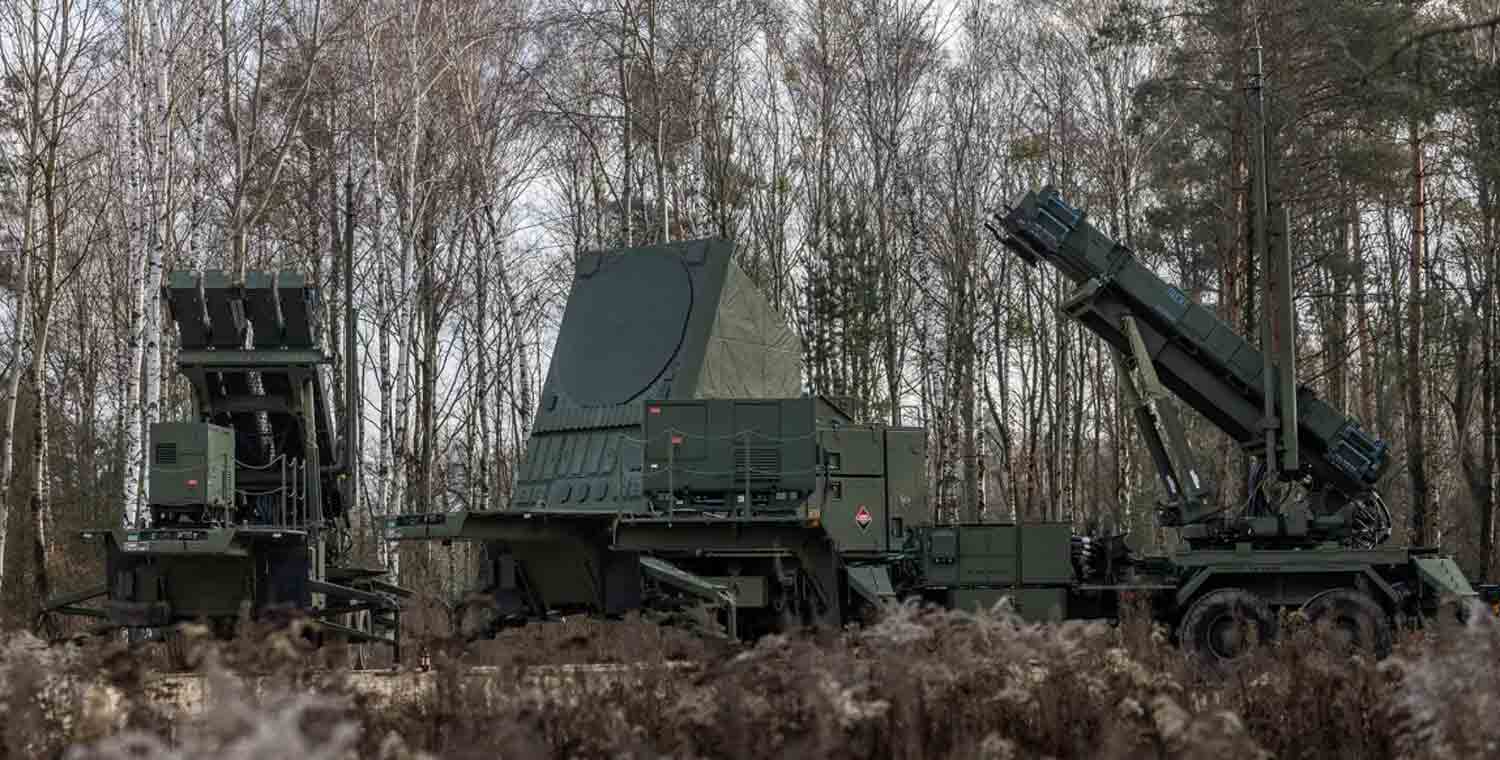
In contrast, U.S. defensive interceptors — such as Patriot, THAAD, and naval missile defense interceptors — are:
- Technologically complex
- Expensive (often costing millions per interceptor)
- Time-consuming to manufacture
This imbalance creates a strategic dilemma: even if U.S. and Israeli defenses successfully intercept incoming threats, they may burn through stocks faster than they can replenish them.
Lessons from the Houthi Campaign
The United States recently faced a similar dynamic when combating Houthi forces in Yemen, who were armed with Iranian-supplied drones and missiles.
During a 6–7 week campaign:
- The U.S. reportedly spent approximately $7 billion in strike operations
- Despite heavy bombardment, the Houthis retained the ability to launch attacks
In that conflict, the issue centered more on expensive precision-guided munitions used offensively against low-cost launch systems.
Against Iran, however, the challenge is compounded: the U.S. and Israel are expending both offensive precision weapons and defensive interceptor missiles simultaneously.
Iran’s Strategic Patience
Reports suggest that during a recent 12-day war scenario, Iran may have deliberately conserved portions of its more advanced missile inventory in anticipation of potential escalation.
If Tehran calculates that time favors its industrial output, it may opt for a prolonged campaign, relying on:
- Lower-cost mass drone production
- Incremental missile launches
- Strategic pacing of higher-end systems
Iran’s defense planners appear to understand the arithmetic: if U.S. interceptor production cannot keep pace, sustained pressure could gradually erode defensive capacity.
Can the U.S. Outproduce Iran?
U.S. missile interceptor production involves:
- Complex supply chains
- Advanced microelectronics
- Multi-layered testing and certification
While the U.S. defense industrial base is robust, ramping up interceptor production takes months or years — not weeks.
If Iran’s drone and missile output outpaces U.S. interceptor replenishment, Washington could face difficult strategic choices:
- Prioritizing which targets to defend
- Accepting higher risk in certain regions
- Scaling back offensive operations
- Accelerating emergency production contracts
Political Calculations and Strategic Risk
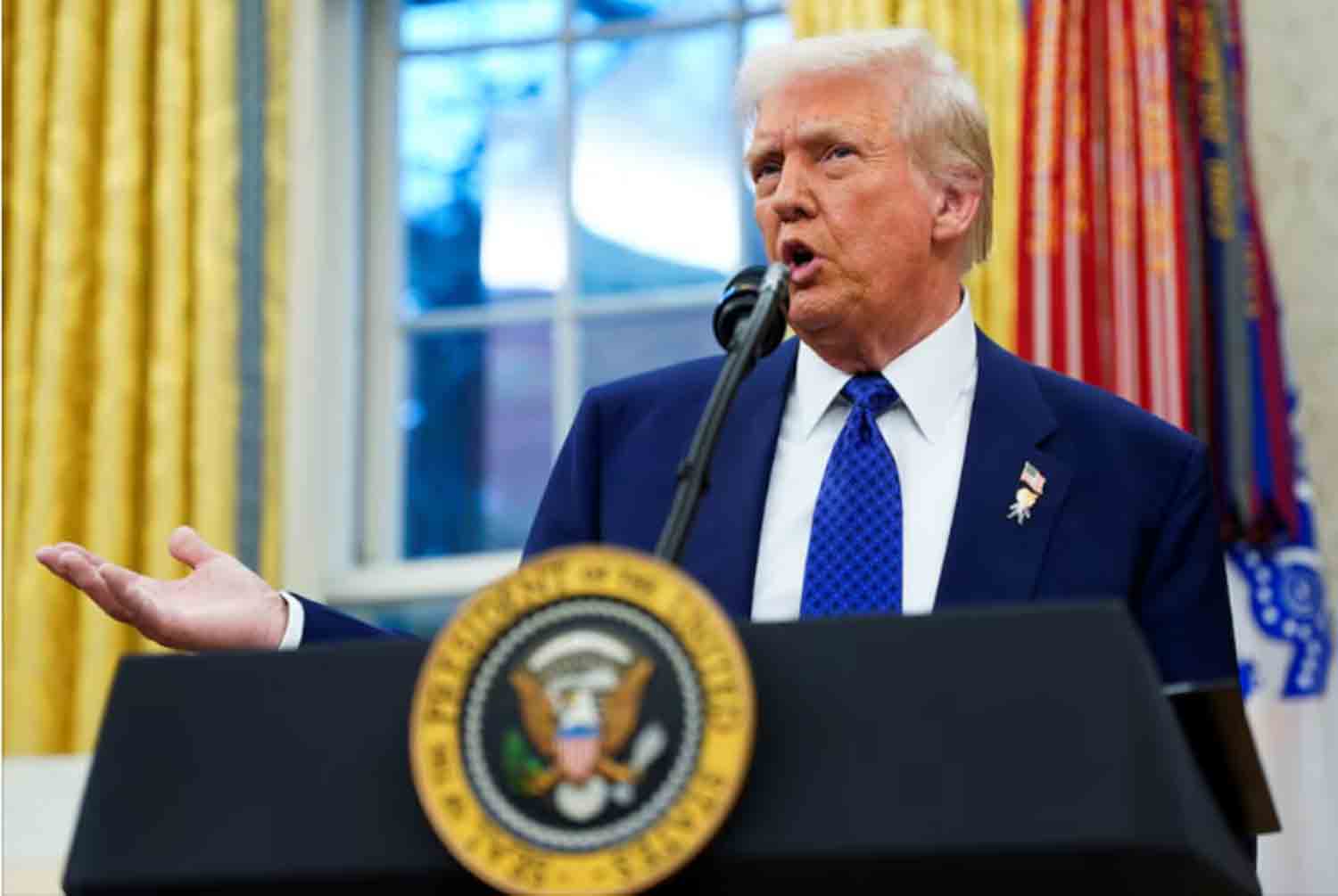
President Donald Trump has publicly stated that he sought regime change in Iran. However, some analysts argue that such expectations may have assumed a rapid collapse of Tehran’s leadership structure.
If Iranian forces continue attacking Gulf targets a week or more into a sustained conflict, interceptor inventories could become even more critical.
The question facing policymakers is whether military planning adequately accounted for a prolonged engagement rather than a short, decisive campaign.
The Strategic Question Ahead
The missile defense issue is not about technological capability — U.S. systems have demonstrated high interception rates.
The real question is sustainability.
If a conflict turns into a battle of industrial endurance:
- Can the U.S. maintain sufficient interceptor stocks?
- Can Iran maintain steady drone and missile output?
- Will allies share the defensive burden?
- How long can both sides sustain current expenditure rates?
History shows that modern warfare increasingly hinges not only on battlefield superiority but also on production capacity and cost efficiency.
As tensions persist, the “missile defense math” may become one of the most decisive factors in shaping the trajectory of U.S.–Iran conflict.