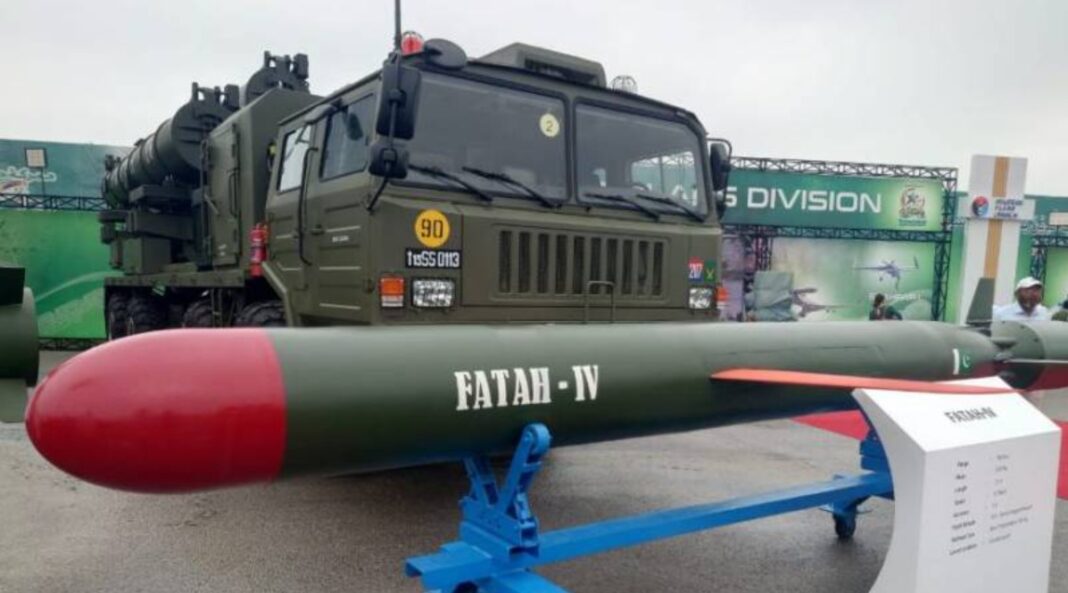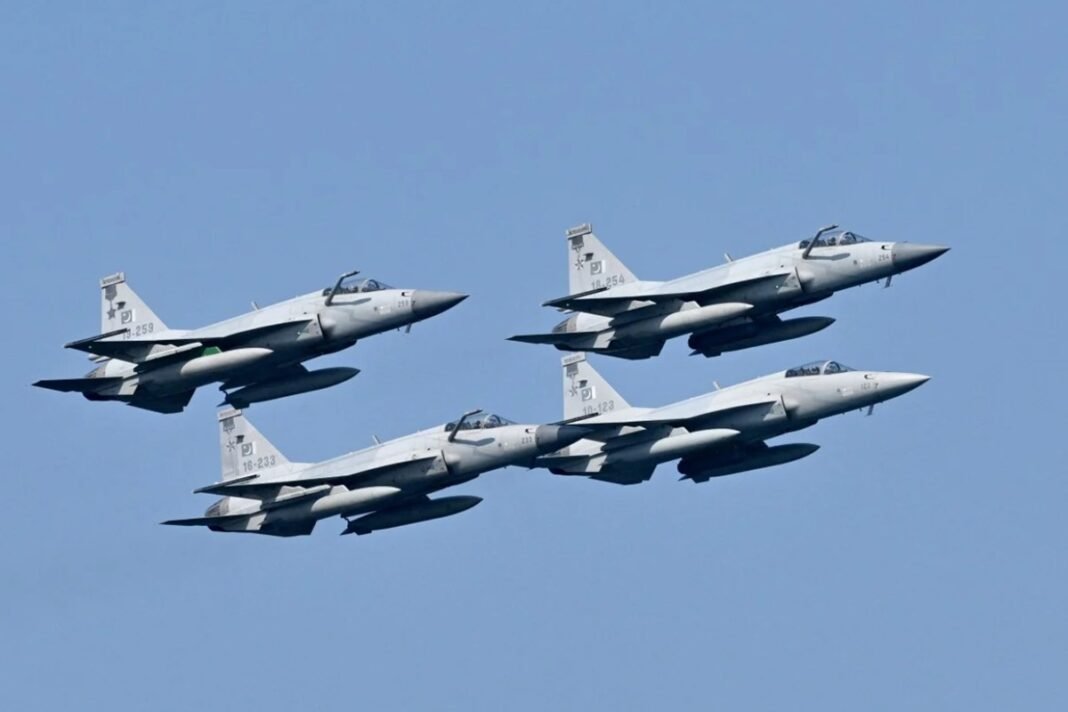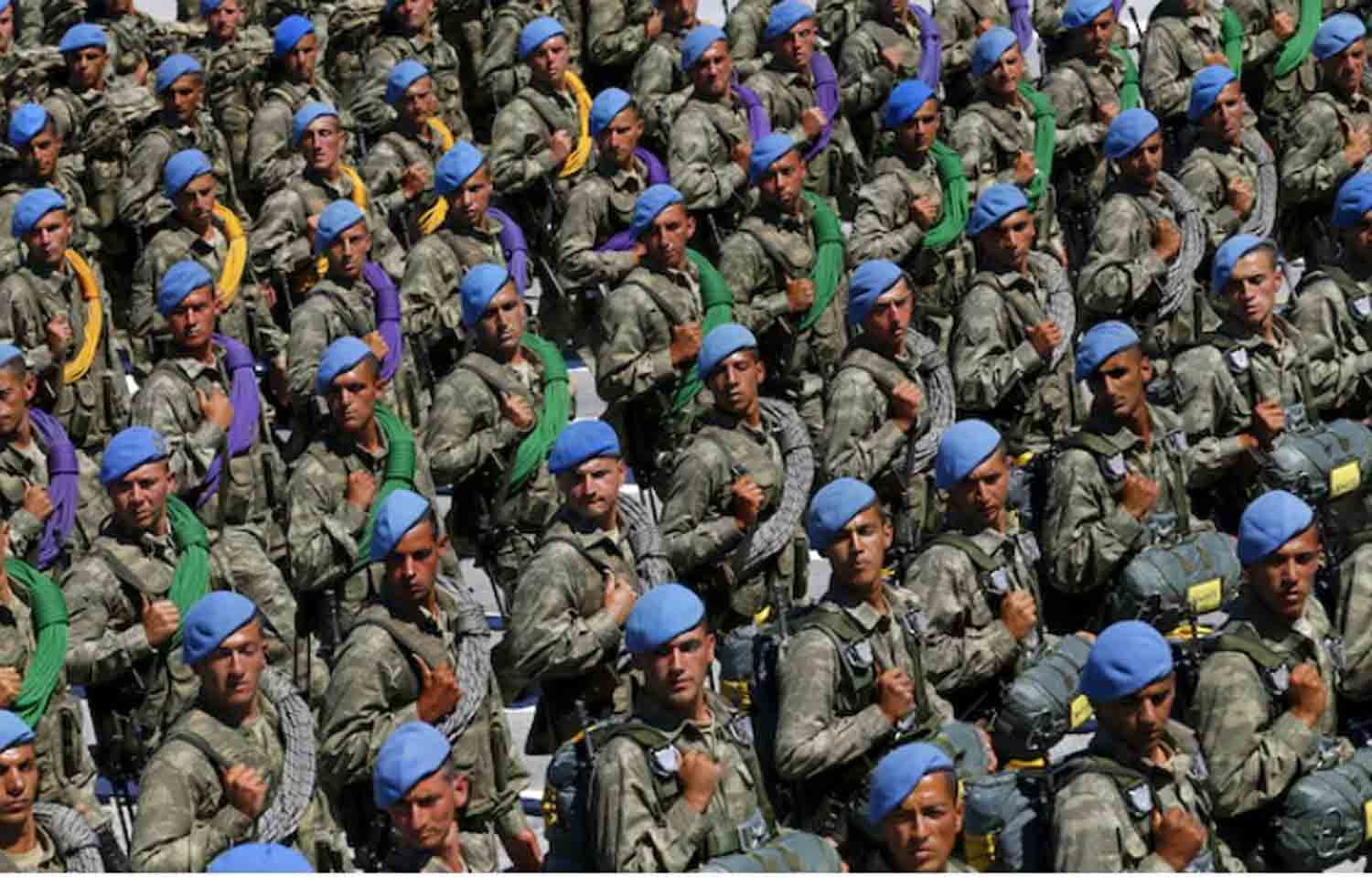
Turkey is preparing to increase its military support for Saudi Arabia amid escalating Houthi missile and drone attacks, as the newly established Makkah Alliance for Defence moves from political commitments toward practical military deployment.

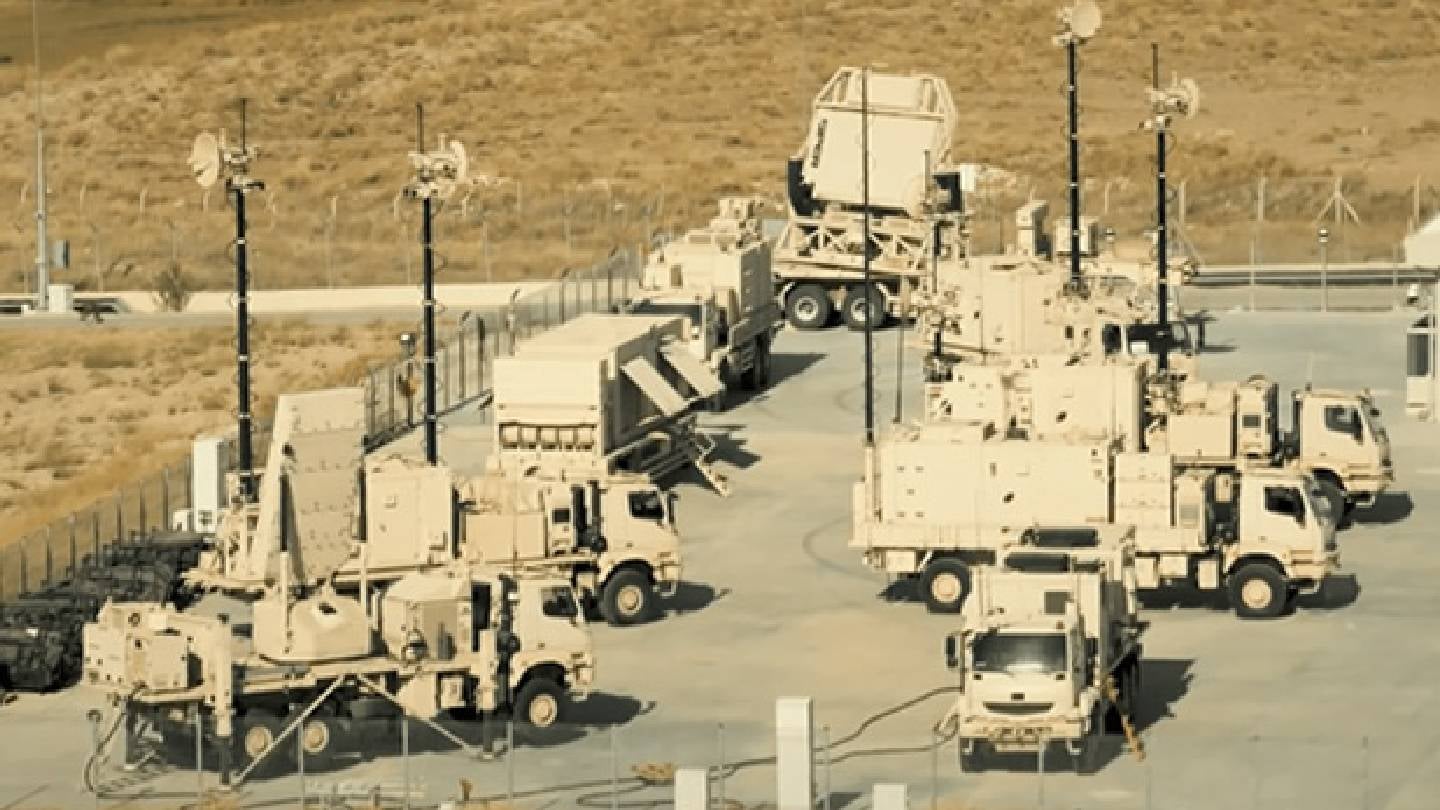
Several Turkish officials told Middle East Eye that Ankara is preparing additional personnel, air-defence equipment, electronic-warfare systems and other military capabilities for Saudi Arabia. The reported preparations come immediately after Saudi Arabia, Pakistan and Türkiye agreed to begin implementing their collective-defence commitments and ensure the rapid deployment of agreed military capabilities inside the kingdom.
The development is significant because the Makkah Joint Defence Agreement is now facing its first major operational test only two months after it was signed.
The three countries held an emergency meeting of the alliance’s Strategic-Political and Defence Committee in Riyadh on October 5. Their joint statement said the parties had decided to move immediately toward practical implementation of their collective-defence commitments and take measures to provide agreed military forces and capabilities for rapid deployment in Saudi Arabia, subject to each country’s national legislation.
Turkey prepares air defence and electronic warfare support
According to the Middle East Eye report, Turkey has already maintained technical teams, air-defence systems and electronic-warfare equipment in Saudi Arabia since last year to help protect critical infrastructure, including energy facilities.
Turkish officials told the publication that Ankara is now considering additional equipment, technicians, emergency-response teams and accompanying combat personnel.
The reported Turkish contribution is expected to focus primarily on defensive missions inside Saudi Arabia, rather than participation in ground combat in Yemen.
Separate sources cited by Middle East Eye said Turkey could eventually deploy experienced pilots and aircraft to Saudi Arabia to help counter ballistic missiles and drones launched from Yemen.
That distinction is important. The reported Turkish plan does not amount to an announcement that Ankara intends to enter the Yemen war directly.
One senior Turkish official cited by Middle East Eye said Ankara does not plan to send a large force or directly intervene in Yemen, while maintaining that diplomatic efforts could still produce results.
Makkah Alliance enters its first operational phase
The October 5 meeting marked a major step in the institutionalisation of the trilateral defence arrangement.
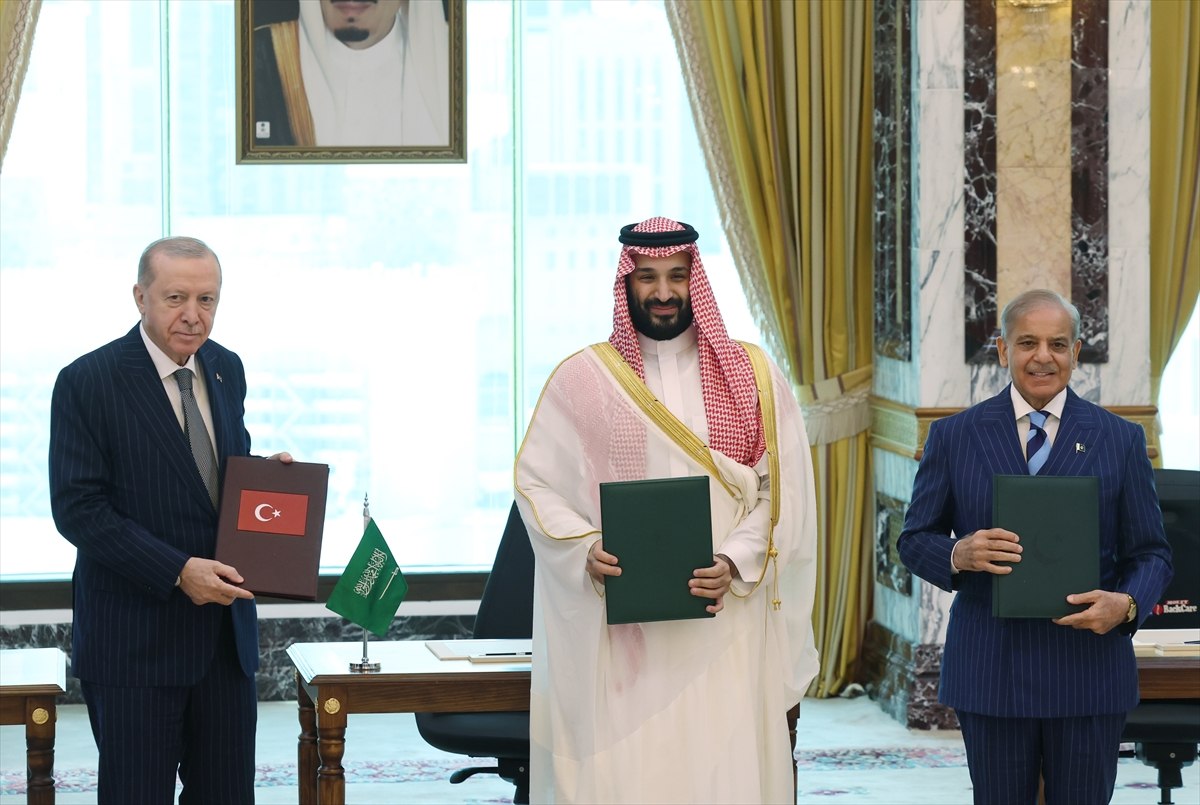
Saudi Arabia, Pakistan and Türkiye established the alliance in August 2026. The agreement provides for collective defence, with the three countries framing their security as interconnected.
The text of the agreement itself has not been publicly released in full, but officials and analysts have described its collective-defence principle as broadly comparable to NATO’s Article 5.
The alliance’s first formal Strategic-Political and Defence Committee meeting took place in Istanbul on August 31. Turkish Foreign Minister Hakan Fidan, Defence Minister Yaşar Güler and Chief of General Staff Gen. Selçuk Bayraktaroğlu participated alongside their Pakistani and Saudi counterparts.
By October, however, the regional security environment had changed dramatically.
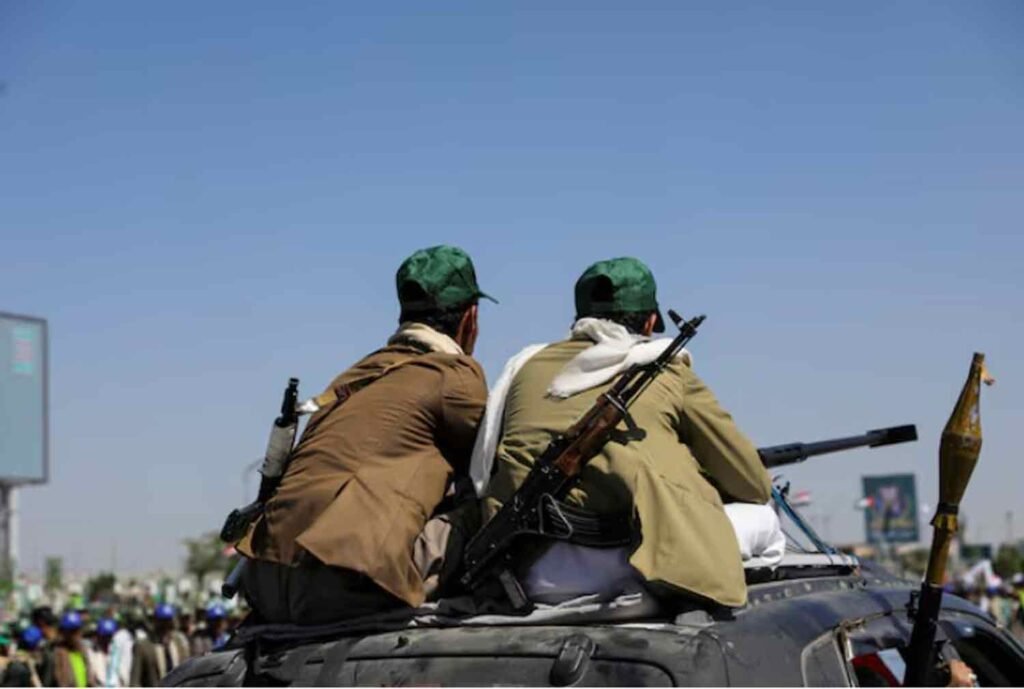
The Houthis have intensified attacks against Saudi territory while fighting has also escalated inside Yemen.
Houthi attacks accelerate Saudi security concerns
The immediate trigger for the Makkah Alliance’s activation is the growing threat to Saudi territory and critical infrastructure.
The alliance’s October 5 statement specifically condemned what it described as attempted targeting of Makkah and Madinah, as well as continuing attacks against Saudi cities and civilian and economic facilities.
The Houthis have denied attempting to target the two holy cities, with Houthi leader Abdul-Malik al-Houthi rejecting such allegations.
At the same time, Houthi missile and drone attacks have become part of a broader escalation surrounding the Yemen conflict.
Saudi-backed Yemeni forces have launched a major offensive against Houthi positions, including areas around the strategically important Bab al-Mandeb Strait and the Red Sea coast. Reuters reported that Yemeni government forces claimed to have retaken Mocha and pushed toward areas controlling the strategic maritime route.
The fighting creates a difficult security calculation for Riyadh because the more deeply Saudi Arabia becomes involved in the Yemen offensive, the greater the potential for retaliatory missile and drone attacks against Saudi territory.
Why Turkey’s air-defence role matters
Turkey’s reported contribution could become particularly important because Saudi Arabia faces a multi-layered threat involving drones, cruise missiles and ballistic missiles.
Ankara has developed significant domestic capabilities in:
- Air defence
- Counter-drone systems
- Electronic warfare
- Radar and sensor networks
- Unmanned aerial systems
- Intelligence, surveillance and reconnaissance
- Military aviation
A Turkish contribution would therefore potentially complement rather than duplicate Saudi capabilities.
The reported focus on air defence and electronic warfare also provides Ankara with a way to strengthen the Saudi security architecture without immediately committing Turkish forces to offensive operations inside Yemen.
That is strategically important for President Recep Tayyip Erdoğan’s government.
Turkey has military interests across the Middle East but has also sought to maintain diplomatic flexibility amid the region’s rapidly changing alliances.
Turkish parliamentary approval remains important
One of the biggest constraints on the reported deployment is Turkey’s domestic legal framework.
According to Turkish officials cited by Middle East Eye, the 2010 military training agreement between Saudi Arabia and Turkey provides a basis for limited technical deployments.
A larger military deployment would require parliamentary authorisation under Turkey’s constitutional system.
This means Ankara can potentially expand technical and defence cooperation before a full troop deployment, while a larger combat-related deployment would face a higher political and legal threshold.
Reuters previously reported that Turkey’s parliament was expected to consider ratification of the Makkah agreement after reconvening in October.
The Turkish government has not publicly confirmed the specific troop numbers or aircraft that Middle East Eye says are being prepared.
That distinction is important: the alliance’s rapid-deployment decision is confirmed, but the detailed Turkish deployment plan remains based on reporting from officials cited by MEE rather than a formal Turkish military announcement.
What Pakistan brings to the Makkah Alliance
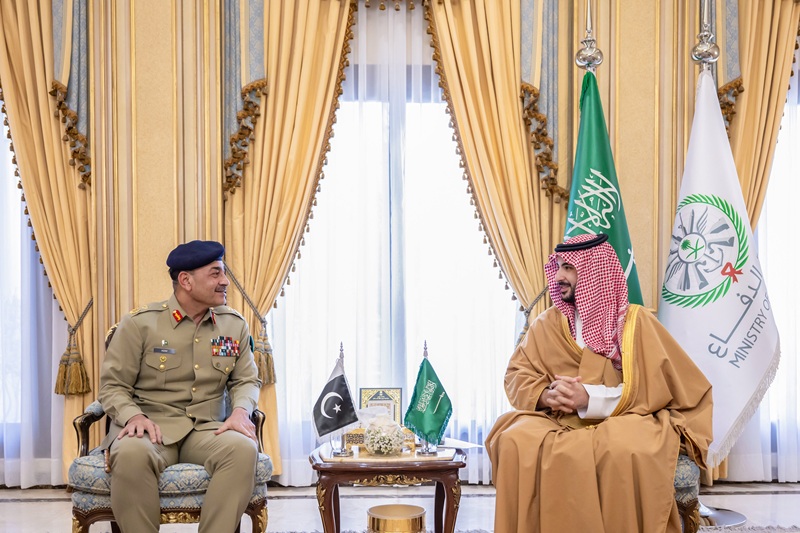
Pakistan’s role makes the emerging security arrangement particularly significant.
Islamabad has maintained a long-standing military relationship with Saudi Arabia and has historically provided training, advisory and defensive support to the kingdom.
Pakistan also signed a separate Strategic Mutual Defence Agreement with Saudi Arabia in September 2025, under which aggression against one country is treated as aggression against both.
The latest Makkah framework therefore adds a trilateral layer to an already extensive Saudi-Pakistan defence relationship.
Pakistan has also made clear that it regards the security of Saudi Arabia and the holy sites as a major strategic commitment.
The October 5 Makkah Alliance statement appointed retired Lieutenant General Nauman Mahmood of Pakistan as the alliance’s first secretary-general for a three-year term.
That appointment is significant because it gives Pakistan an early institutional role in shaping the alliance’s command, coordination and political architecture.
Turkey, Pakistan and Saudi Arabia: a new regional security structure
The emerging arrangement is larger than a simple military deployment.
Saudi Arabia brings:
- Strategic geographic depth in the Gulf and Red Sea
- Major financial and energy infrastructure
- Large conventional military resources
- Existing missile and air-defence systems
Turkey brings:
- NATO interoperability
- A large standing military
- Growing indigenous defence-industrial capabilities
- Air-defence and electronic-warfare expertise
- Military aviation and ISR capabilities
Pakistan contributes:
- A large conventional military
- Extensive experience operating in the Saudi security environment
- Fighter and air-defence capabilities
- Long-standing defence cooperation with Riyadh
- Strategic deterrence credibility
Together, the three countries are attempting to construct a regional security mechanism without relying exclusively on external powers.
The Yemen question is the biggest test
The central challenge for the Makkah Alliance will be determining where collective defence ends and direct participation in the Yemen war begins.
Turkey and Pakistan can provide air defence, intelligence, logistics, training and infrastructure protection without necessarily becoming direct participants in Saudi offensive operations.
But if Houthi attacks continue to intensify, the distinction could become increasingly difficult to maintain.
For example, an attack on a Saudi military base hosting Turkish or Pakistani personnel could immediately create pressure for a stronger response.
Likewise, the deployment of aircraft or missile-defence units would create a direct operational relationship between the alliance members and the Saudi response to Houthi attacks.
That is why Ankara’s reported emphasis on defensive deployments is strategically significant.
Protecting Riyadh, the holy cities and critical infrastructure
According to the Middle East Eye report, Turkish military personnel could eventually contribute to protecting several strategic areas, including Riyadh, the holy cities and parts of Saudi Arabia’s East-West oil pipeline.
The East-West pipeline is particularly important because it gives Saudi Arabia an alternative route for transporting crude oil from its eastern oil-producing regions toward the Red Sea.
Protection of such infrastructure has become increasingly important as drones and missiles have demonstrated the ability to threaten energy facilities far from conventional battlefields.
The Makkah Alliance could therefore evolve into a system that combines air defence, counter-drone operations, electronic warfare, intelligence sharing and protection of critical infrastructure.
Ankara wants deterrence without a Yemen quagmire

Turkey’s reported approach reflects a broader strategic calculation.
Ankara can strengthen its partnership with Riyadh, demonstrate the value of Turkish defence technology and deepen its role in the emerging regional security architecture while avoiding an open-ended ground intervention in Yemen.
That would allow Turkey to support Saudi Arabia while retaining diplomatic space with other regional actors.
Turkish officials have also emphasised that Ankara does not intend to directly intervene in Yemen.
For now, therefore, the most plausible Turkish role is defensive and enabling rather than offensive.
What happens next?
Three developments will determine how quickly the Makkah Alliance becomes an operational military structure.
First, Turkey’s parliament must address the legal basis for a larger overseas military deployment.
Second, Saudi Arabia, Pakistan and Turkey must define the exact forces and capabilities being assigned to the alliance.
Third, the three militaries must establish command-and-control arrangements capable of integrating air defence, intelligence and rapid-response forces.
The October 5 decision provides the political mandate for rapid deployment, but it does not publicly disclose the size or composition of the force.
That means reports of specific numbers of Turkish troops, aircraft or special forces should continue to be treated cautiously until officially confirmed.
The bigger strategic picture
The Makkah Alliance is emerging at a moment when the traditional Middle Eastern security order is under severe pressure.
The United States remains a major security actor in the Gulf, but Saudi Arabia, Turkey and Pakistan are simultaneously building a mechanism that gives three major Muslim states a direct role in collective defence.
The immediate trigger is the Houthi threat.
The longer-term significance could be much broader.
If Turkey and Pakistan establish permanent or semi-permanent defensive capabilities in Saudi Arabia, the Makkah Alliance could gradually evolve from a political defence agreement into a genuine regional military coordination framework.
For Ankara, the immediate objective appears to be protecting Saudi territory without entering Yemen.
For Islamabad, the priority is defending Saudi Arabia and the holy sites while avoiding unnecessary escalation.
For Riyadh, the objective is more straightforward: build additional layers of deterrence against missiles and drones while the war in Yemen enters a dangerous new phase.
The coming weeks will show whether the Makkah Alliance remains primarily a defensive coordination mechanism—or becomes a much more consequential regional military bloc.