Washington is reinforcing its military options against Iran while relocating personnel from exposed positions, as Tehran threatens US warships, military bases and critical infrastructure across the Gulf.
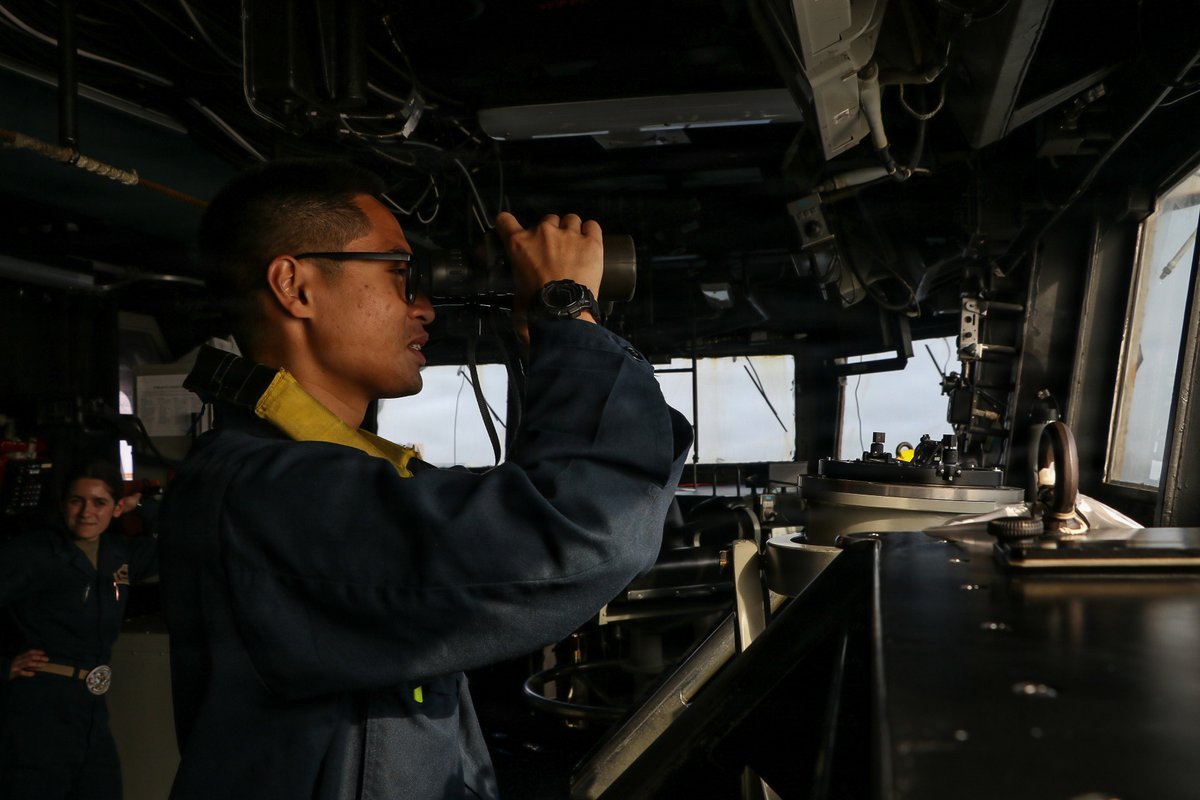
The United States is adjusting its military posture across the Middle East, moving some personnel away from vulnerable bases while continuing to send additional naval and Marine forces towards the region amid the risk of renewed conflict with Iran.
A report published by The Wall Street Journal on Friday, October 23, says Washington is bringing in additional forces and munitions while moving some servicemembers and diplomatic personnel out of harm’s way. The changes come as Iran threatens to widen any retaliation against a renewed US-Israeli air campaign to include American military installations, warships, airports, energy infrastructure and other strategic targets across the Persian Gulf.
The latest developments reveal a two-track American strategy: preserving the military capability to launch further operations while reducing personnel exposure to possible Iranian missile and drone attacks.
The US military has moved some troops away from bases in the region, while the State Department has ordered non-emergency government employees and their families to leave Saudi Arabia. Families of personnel at some other American diplomatic missions have also been relocated or had their arrangements changed.
At the same time, a third US aircraft-carrier strike group and an additional Marine expeditionary unit are heading towards the Middle East, adding to Washington’s potential military options if President Donald Trump decides to resume strikes against Iran.
The immediate development is not a confirmed decision to launch a new offensive. It is a combination of military reinforcement, force protection and preparation for possible escalation.
US Military Deployment: Third Aircraft Carrier and Additional Marines

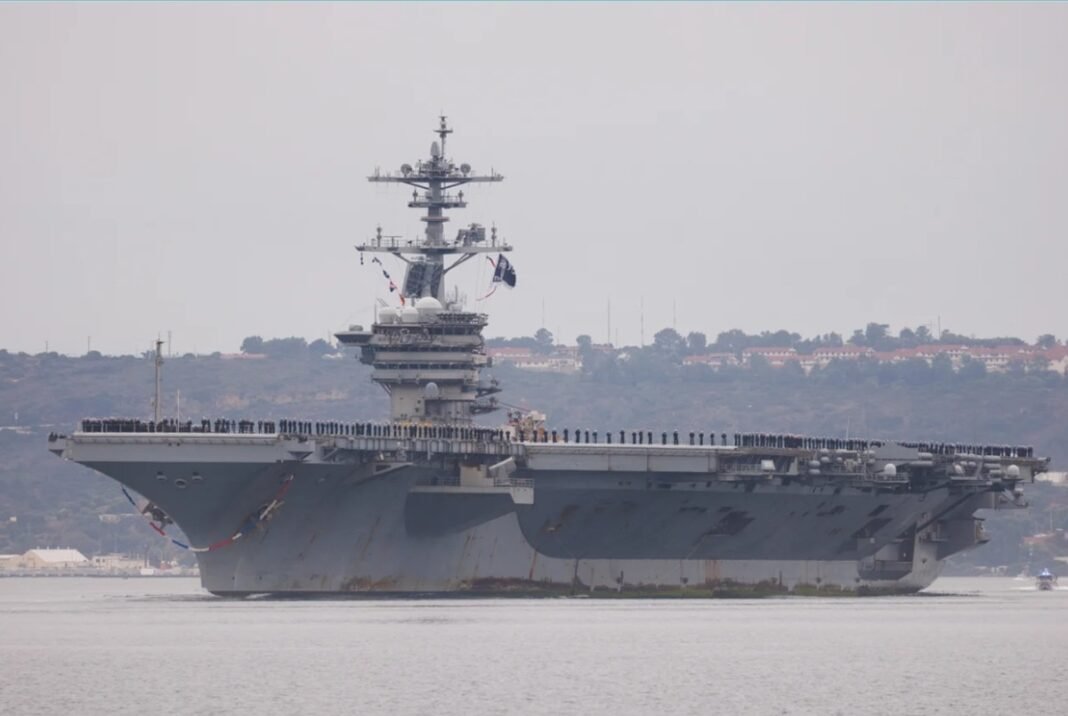
One of the most consequential elements of the current US posture is the movement of another aircraft-carrier strike group and a Marine expeditionary unit towards the Middle East.
According to the Wall Street Journal, the additional naval and Marine forces are intended to expand Washington’s options as the confrontation with Iran continues. The deployments were announced earlier this month, with the forces expected to arrive in the region later in November.
The principal assets involved are:
- USS Theodore Roosevelt: The Nimitz-class aircraft carrier is heading towards the Middle East as part of a carrier strike group.
- USS Makin Island Amphibious Ready Group: The amphibious formation is deploying with the 13th Marine Expeditionary Unit.
- Additional Marine forces: The deployment adds a Marine expeditionary capability that can support a range of missions, depending on the orders and operational circumstances.
- Carrier-based combat aircraft: The carrier strike group provides an additional air-power option once it reaches its operating area.
- Escorting warships and support assets: Carrier and amphibious formations operate with accompanying ships and supporting logistics.
The additional deployments are expected to increase the number of US military personnel in the region by approximately 9,000 to 10,000, according to earlier reporting cited by the Wall Street Journal. The newspaper reported that more than 50,000 US military personnel were already stationed across the broader Middle East.
The arrival of the third carrier strike group could give Washington greater flexibility in conducting air operations, protecting maritime traffic and responding to further attacks. However, the precise force posture will depend on the movements of other carrier groups, the timing of arrivals and the operational assignments given to individual formations.
The deployment should not be interpreted as proof that a new strike campaign has been authorised.
Why Washington Is Moving Personnel Away From Regional Bases
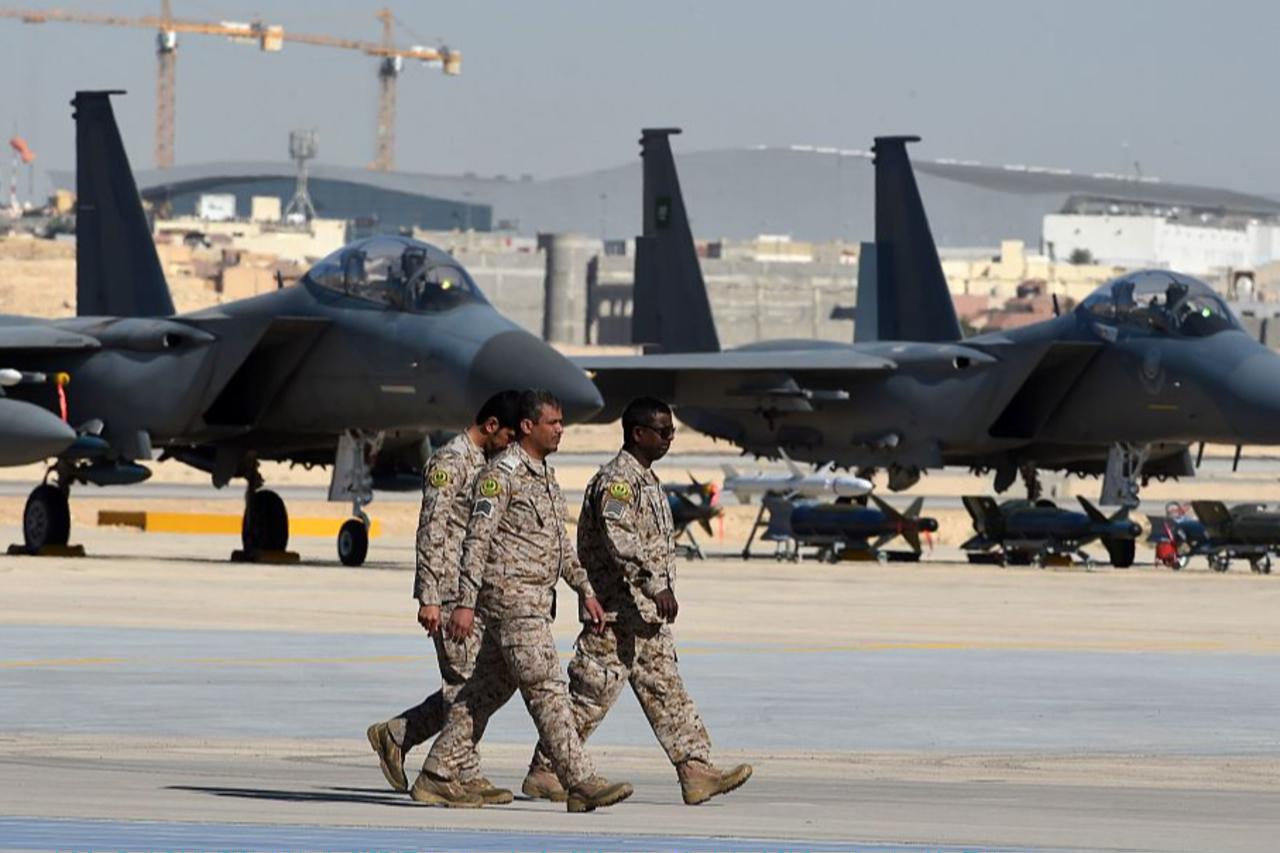
The personnel movements are taking place against a deteriorating regional security environment.
According to the latest Wall Street Journal report, the US military has moved some troops away from bases in the Middle East as Iran and its Houthi allies have threatened American personnel and regional infrastructure.
The Pentagon has not publicly identified every affected installation or disclosed the number of personnel moved. US Central Command has also declined to provide operational details about individual troop movements.
These restrictions limit what can be established about the scale and destination of the relocations.
Nevertheless, the reported movements indicate that Washington is seeking to reduce the concentration of personnel at locations that could come under missile, drone or other attacks.
Military bases across the region perform different functions, including aircraft operations, logistics, command and control, intelligence, air defence and maritime support. Their exposure to threats varies according to geography, infrastructure and the systems available to protect them.
Moving personnel away from a threatened installation does not necessarily mean that the installation has been abandoned or that its military mission has ended. Forces can be dispersed, relocated to other facilities or reassigned while operations continue.
For Washington, the challenge is to maintain sufficient operational capacity while reducing the risk of further American casualties.
Saudi Arabia: Non-Emergency US Personnel Ordered to Leave
Saudi Arabia has become a particular focus of the American force-protection measures following a series of attacks attributed to Yemen’s Houthi movement.
The US State Department has ordered non-emergency government employees and their families to leave American diplomatic missions in Saudi Arabia. The move follows attacks and threats affecting civilian airports and critical infrastructure.
The Wall Street Journal also reported that the wider regional threat environment has prompted changes to the arrangements for families of staff at some other US diplomatic missions.
These measures are distinct from a general evacuation of all American personnel. The order concerning Saudi Arabia applies to designated non-emergency government employees and their families, rather than automatically requiring every diplomat or military servicemember to depart.
Saudi Arabia’s importance to the US regional posture makes the situation particularly sensitive. The kingdom hosts important American diplomatic and security relationships and occupies a central position in Gulf defence and energy infrastructure.
Threats to airports and energy installations can also affect military logistics, commercial aviation and the movement of personnel.
The latest measures indicate that Washington is reassessing the risks facing its people even as it maintains its broader military presence in the region.

Iran Threatens US Warships, Bases and Gulf Infrastructure
The US force-protection measures coincide with increasingly explicit Iranian warnings about the potential scope of retaliation if American and Israeli attacks resume.
The Wall Street Journal reported on October 23 that Tehran has warned it could target not only American military bases and warships but also airports, pipelines, energy infrastructure, internet cables and other economic assets in neighbouring Gulf countries.
Iran’s threats are intended to raise the potential costs of a renewed US military campaign. They also reflect Tehran’s emphasis on asymmetric retaliation, in which missiles, drones and attacks on vulnerable infrastructure could impose costs without requiring Iran to match American conventional military power platform for platform.
The newspaper reported that US and regional officials believe Iran retains significant ballistic-missile and drone capabilities despite damage inflicted during earlier US and Israeli attacks.
Iran has also threatened American naval forces operating in the region. Any attempt to attack US warships would risk a wider military response, while threats against Gulf energy infrastructure could have consequences extending well beyond the immediate combatants.
The US military must therefore prepare for several possible scenarios: attacks on fixed installations, threats to deployed personnel, maritime incidents and attempts to disrupt regional infrastructure.
These threats do not establish that all the threatened attacks will occur. They do, however, help explain why Washington is adjusting the location of its personnel while reinforcing its military options.
What the Naval Build-Up Means for Possible US Operations
An aircraft-carrier strike group provides a mobile platform for combat aircraft, command and control, surveillance and other naval capabilities. Its location can influence the range, persistence and flexibility of air operations.
An amphibious ready group carrying a Marine expeditionary unit provides a different set of capabilities. Depending on the mission, such a formation can support maritime security, evacuations, crisis response, force protection and limited operations ashore.
The deployment of these assets expands the range of options available to US commanders. It does not, by itself, indicate which option the administration will select.
The distinction is particularly important because the United States is simultaneously moving personnel away from exposed locations. Reinforcement and dispersal are not necessarily contradictory measures: one can increase military capacity while the other seeks to reduce vulnerability.
Washington may seek to preserve the ability to conduct air operations, protect shipping or respond to an attack without placing every available force close to the potential threat.
The military value of the additional deployments will depend on their readiness, the availability of munitions and support aircraft, coordination with regional partners and the ability to protect ships and bases from retaliatory attacks.
Air Defence and Force Protection Remain Central Concerns
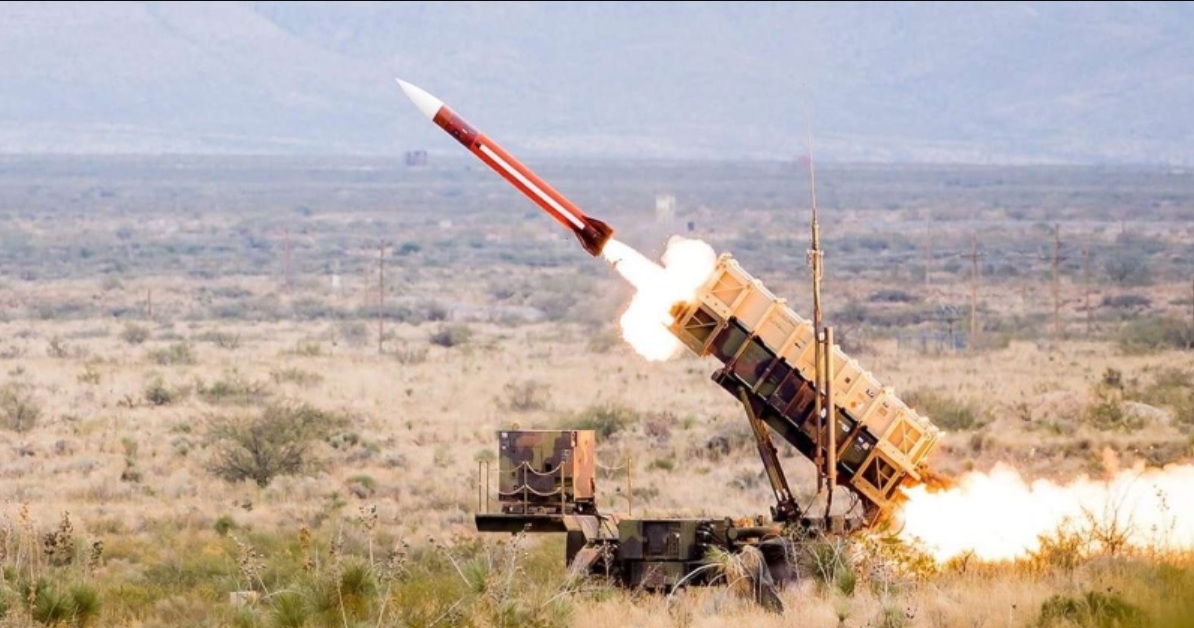
The possibility of further Iranian missile and drone attacks places additional pressure on US and regional air-defence systems.
American forces rely on layered protection that can include surveillance radars, interceptor missiles, electronic warfare and other defensive measures. The precise combination varies by location and threat.
A major concern in any prolonged exchange is the rate at which interceptors are expended compared with the ability to replenish them. Defending multiple bases, cities, airports and energy installations simultaneously can place substantial demands on available systems.
The Wall Street Journal reported that Gulf states are concerned about dwindling stocks of air-defence interceptors. This creates a challenge not only for the United States but also for regional partners facing threats to their own infrastructure.
The movement of some personnel away from exposed bases may reduce the potential human cost of attacks, but it cannot eliminate the risk to military infrastructure or guarantee that remaining personnel and equipment will be protected.
The combination of dispersal, reinforcement and air defence is therefore likely to remain an important feature of the US posture as tensions continue.
What Happens Next?
The next indicators to watch are the arrival and positioning of the additional naval forces, further announcements concerning US diplomatic staffing, and any changes to the security posture of American installations in the Gulf.
Three developments will be particularly important.
First, whether the third carrier strike group arrives as scheduled and whether it operates alongside the other carrier formations already deployed in the region.
Second, whether the Pentagon reports additional force-protection measures or changes to the deployment of personnel and equipment.
Third, whether diplomatic efforts produce an agreement that reduces the risk of renewed strikes, or whether further attacks trigger a more direct military response.
For now, the available reporting points to heightened preparedness rather than confirmation of an imminent US offensive.
Conclusion
The United States is reinforcing its military options in the Middle East while reducing personnel exposure to potential Iranian and Houthi attacks. The movement of some troops away from regional bases, the departure order for non-emergency diplomatic personnel in Saudi Arabia and the deployment of additional naval and Marine forces form part of the same increasingly complex security posture.
The arrival of the USS Theodore Roosevelt and the additional Marine expeditionary unit would expand Washington’s potential operational choices. At the same time, threats to American personnel, warships and Gulf infrastructure are forcing US planners to consider the risks of retaliation and the protection of deployed forces.
The central question is whether this combination of military reinforcement and force protection will help deter further attacks or become part of the preparation for a new round of conflict.
That decision has not been publicly confirmed. What is clear from the latest reporting is that Washington is preparing for a more dangerous regional environment while attempting to limit the exposure of its personnel.