Vice President JD Vance’s reported outreach to Tehran, Qatar’s latest mediation proposal and diplomatic efforts by Pakistan, Saudi Arabia and Turkey have opened another channel for negotiations, but major disagreements over Iran’s nuclear programme, sanctions and the Strait of Hormuz continue to obstruct a settlement.

Diplomatic efforts to prevent another major escalation between the United States and Iran are intensifying, even as Washington considers further military action against Tehran. The involvement of US Vice President JD Vance, fresh mediation efforts by Qatar and regional diplomatic activity involving Pakistan, Saudi Arabia and Turkey suggest that several governments are concerned about the consequences of a renewed confrontation.
The immediate diplomatic challenge is to prevent the current confrontation from developing into another large-scale military campaign. However, the positions of Washington and Tehran remain far apart, particularly over Iran’s nuclear programme, the US naval blockade, sanctions relief and the future of shipping through the Strait of Hormuz.
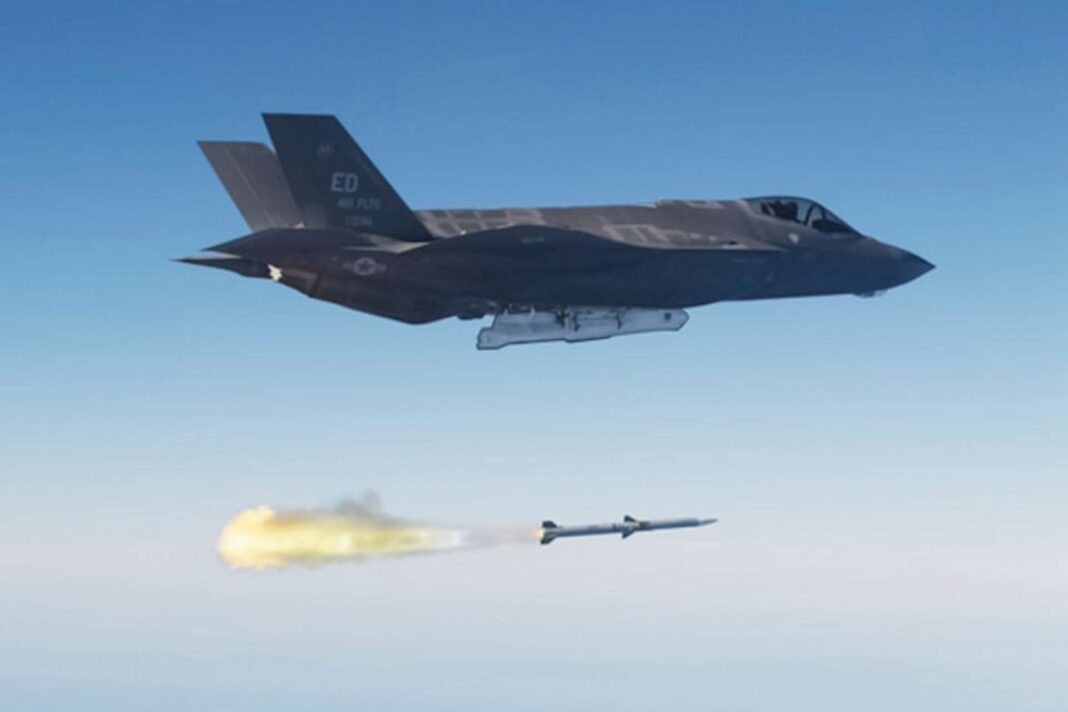
Recent reports indicate that the Trump administration is considering a short, high-intensity military operation if negotiations fail. At the same time, mediators are exploring ways to secure an initial reduction in hostilities that could create space for more substantive negotiations.
The situation therefore presents two competing possibilities: a limited diplomatic understanding that prevents renewed fighting, or another military escalation that could make a negotiated settlement considerably more difficult.
JD Vance’s Letter Signals Renewed US Diplomatic Outreach
One of the most significant developments is the reported involvement of US Vice President JD Vance in efforts to reopen communication with Tehran.
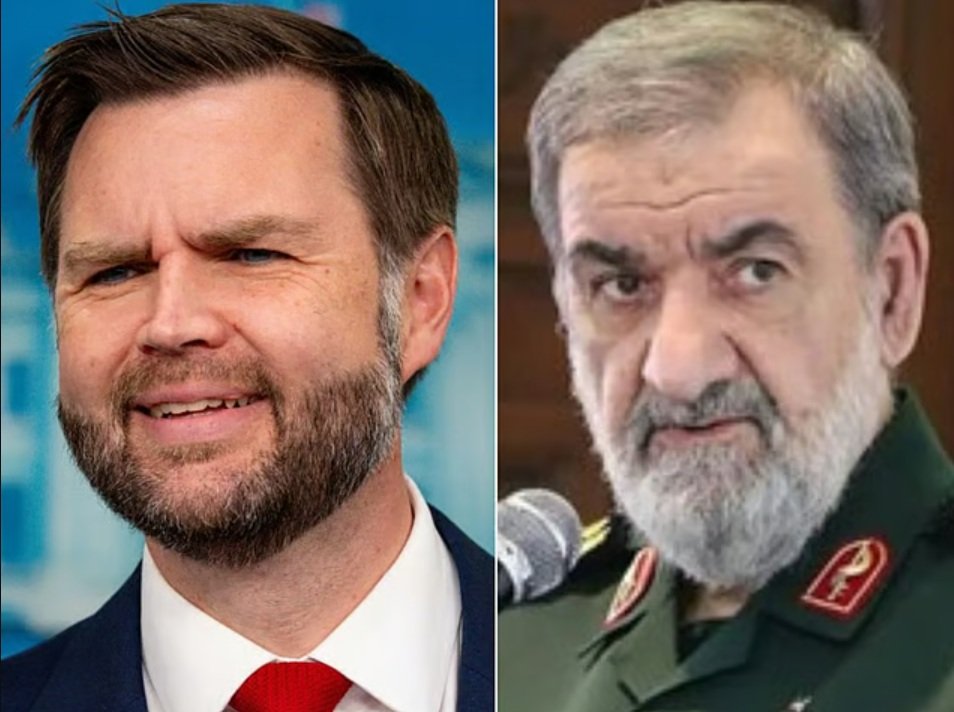
According to reports by The Wall Street Journal and The New York Times, Vance sent a letter to Iranian security official Mohsen Rezaei through Qatari intermediaries, seeking to explore the possibility of restarting negotiations.
Iran confirmed receiving the letter but had not issued a formal response as of October 30. President Donald Trump, however, offered a different public explanation, saying Vance’s outreach concerned medical supplies for Iran rather than restarting peace negotiations.
The differing accounts underline the uncertainty surrounding the diplomatic communication. The contents of the letter have not been officially published, and Washington has not publicly confirmed the reported negotiating framework.
Nevertheless, Vance’s involvement is significant because he previously participated in US-Iran negotiations. His potential return to the diplomatic process could provide a direct channel between the two governments, although Tehran remains concerned about whether any agreement reached by US negotiators would be implemented by the wider administration.
US Military Options Remain on the Table
Diplomatic outreach is taking place alongside continued US military planning.
According to Reuters, Admiral Brad Cooper, the senior US military commander overseeing the Middle East, met Trump at the White House on October 29 to outline military options involving Iran. Reuters said it could not independently verify the details of the reported briefing.
Separately, The Wall Street Journal and other media outlets have reported that Washington is considering a short, intense campaign if diplomatic efforts fail, potentially after the November 3 US midterm elections.
Reports cited by Axios indicate that the military options under consideration could involve strikes against Iranian leadership, energy, nuclear and infrastructure targets. These remain reported planning scenarios, not a confirmed presidential decision or an announced operational order.
The possibility of renewed attacks creates additional pressure on mediators. A military campaign intended to force Tehran into concessions could instead produce Iranian retaliation and expand the conflict to other parts of the Middle East.
The central uncertainty is whether Washington views military pressure as leverage to secure an agreement or is prepared to proceed with a campaign even without a diplomatic settlement.
Iran Maintains Seven Conditions for Negotiations
Tehran has signalled that it is not prepared to accept an agreement based solely on American demands.
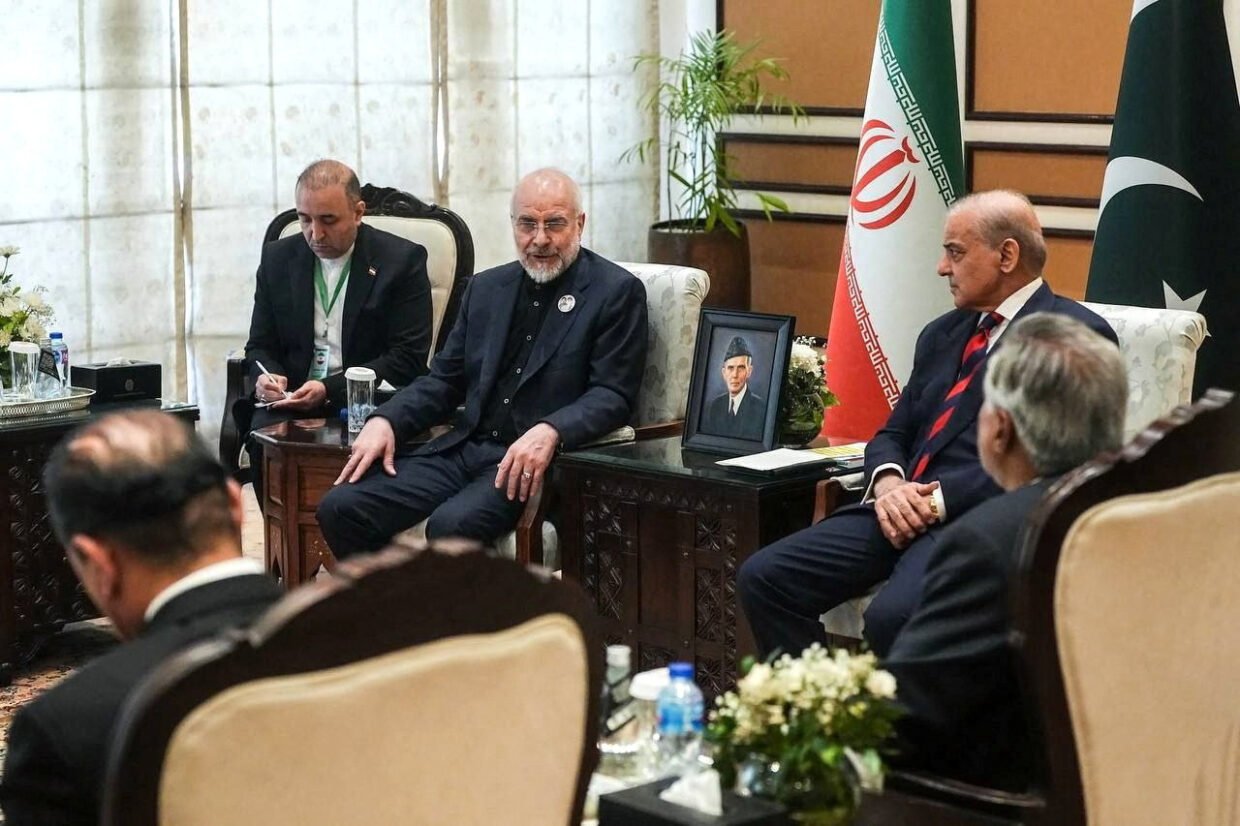
Iranian Parliament Speaker Mohammad Baqer Qalibaf said on October 29 that the country’s seven conditions had already been communicated to mediators and that progress depended on Washington accepting them.
The conditions reported by Reuters include:
- Lifting the US naval blockade on Iranian ports.
- Ending sanctions affecting Iranian oil exports.
- Addressing frozen Iranian assets.
- Ending hostilities across the region.
- Reaching an arrangement that allows the Strait of Hormuz to reopen to normal shipping.
Iran has argued that the US cannot expect Tehran to make major nuclear concessions while maintaining economic and military pressure.
Washington, meanwhile, wants early and specific commitments concerning Iran’s highly enriched uranium stockpile and its nuclear programme. The US position reportedly includes arrangements to remove or neutralise the stockpile and address international monitoring.
The disagreement is not simply about the final terms of an agreement. It also concerns the sequence in which concessions should be made.
Washington wants meaningful nuclear commitments at the beginning of negotiations. Tehran wants sanctions relief and an end to military and economic pressure before making irreversible concessions.
This sequencing dispute remains one of the biggest obstacles to diplomacy.
Qatar’s Seven-Day Proposal Fails to Bridge the Gap
Qatar has emerged as a central intermediary in the latest diplomatic effort.
According to Reuters, Qatari mediators presented Iran with a new draft proposal on October 25 aimed at ending the war and addressing the concerns of both Washington and Tehran.
A regional official familiar with the discussions said the proposal envisaged a seven-day process involving confidence-building measures by both sides.
However, a senior Iranian official subsequently described the ideas presented by Doha as unacceptable and said they did not amount to a satisfactory offer.
The proposal reportedly seeks to address the immediate issues surrounding the Strait of Hormuz, military pressure and the wider negotiations. But the rejection highlights how difficult it remains to reconcile the two governments’ positions.
Iran wants the US blockade and sanctions addressed, while Washington is pressing for nuclear commitments before making major concessions.
The seven-day framework could still provide a basis for further discussions if the parties agree to modify the sequence and scope of the proposed measures. However, there is no confirmed agreement or ceasefire arrangement at this stage.
Pakistan, Saudi Arabia and Turkey Step Up Regional Diplomacy
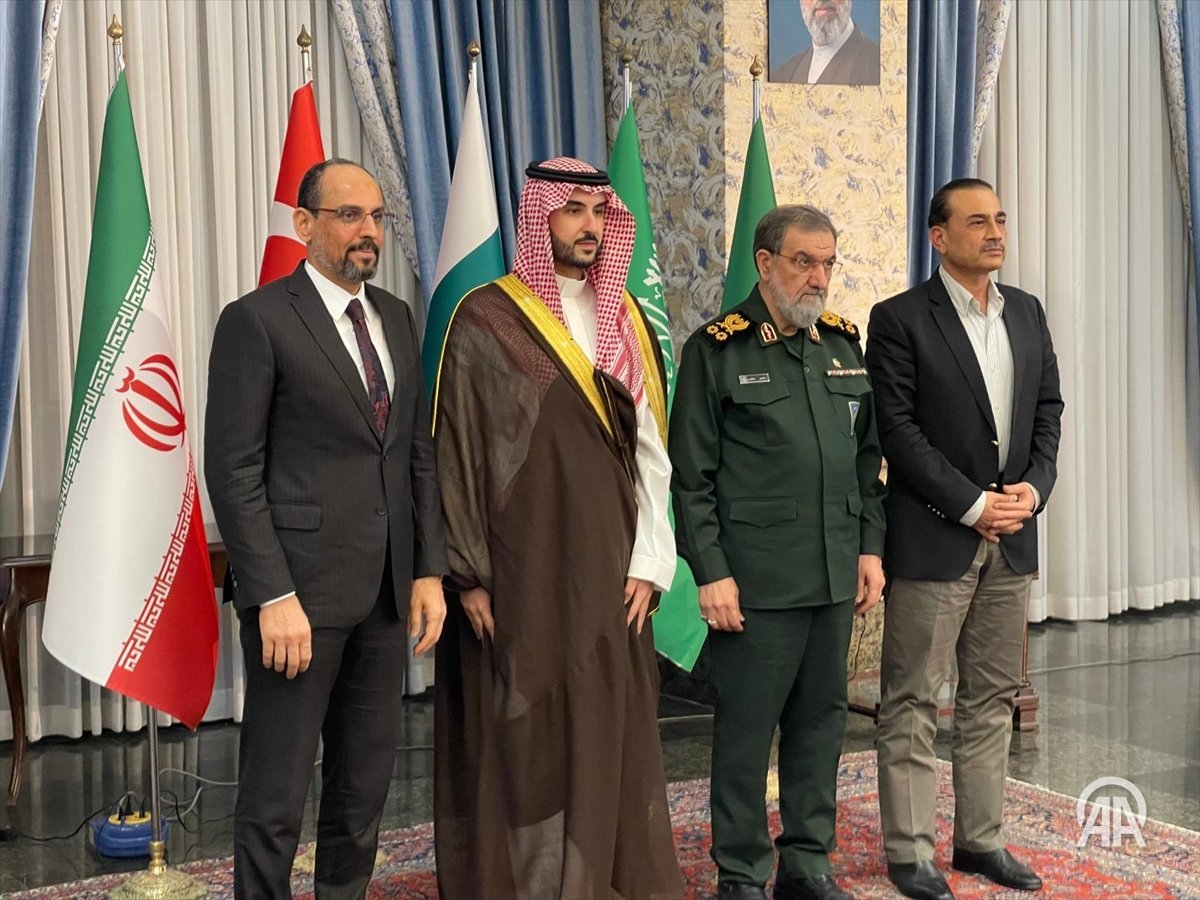
Regional diplomatic engagement has become increasingly important as neighbouring countries seek to prevent the confrontation from spreading.
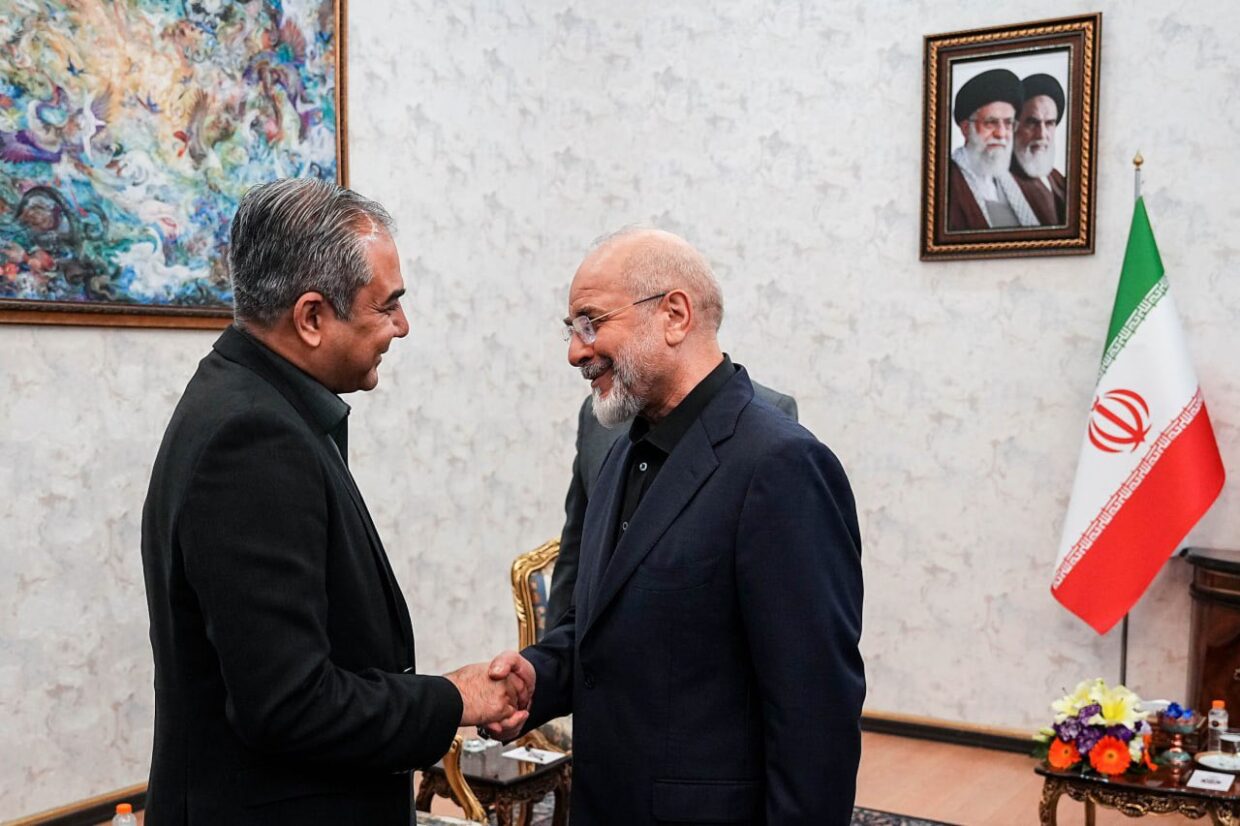
On October 26, senior delegations from Pakistan, Saudi Arabia and Turkey travelled to Tehran for discussions with Iranian officials. Pakistan’s Army Chief Field Marshal Asim Munir, Saudi Defence Minister Khalid bin Salman and Turkish intelligence chief Ibrahim Kalin participated in the meetings with Iranian President Masoud Pezeshkian and other senior officials.
The discussions focused on regional peace, security and cooperation. The four countries agreed to continue consultations, although no detailed settlement or timetable for further meetings was announced.
Qatari representatives also travelled to Tehran as part of parallel mediation efforts coordinated with Washington.
Pakistan’s involvement is particularly significant because Islamabad has participated in previous efforts to reduce tensions and facilitate communication between Tehran and Washington. Pakistan and Qatar also helped broker an earlier arrangement concerning the Strait of Hormuz and the US blockade, although that understanding subsequently collapsed.
For Saudi Arabia, the diplomatic priority includes preventing Iranian retaliation from threatening Gulf infrastructure, energy facilities and maritime routes. Turkey, meanwhile, has warned that renewed attacks on Iran could destabilise countries beyond the immediate conflict.
The involvement of these regional governments demonstrates that the consequences of another US-Iran military confrontation would extend well beyond the two principal parties.
Gulf States Fear a Wider Regional Confrontation
The Gulf countries have substantial reasons to favour de-escalation.
A renewed US military campaign could expose regional infrastructure to retaliation, particularly energy facilities, ports, airports, desalination plants and electricity networks.
The Strait of Hormuz is another major concern. The waterway is one of the world’s most important energy transit routes, and prolonged disruption could affect oil exports, shipping costs and international energy markets.
Iran has previously warned that it could retaliate against US interests and infrastructure across the region if attacked. Reports have also highlighted potential threats to Gulf electricity grids, desalination facilities and communications infrastructure.
For Gulf governments, the danger is therefore not limited to the initial US military operation. A prolonged exchange could create economic and security consequences that are difficult to contain.
This concern helps explain why regional governments are engaging with Tehran while maintaining their relationships with Washington.
Saudi Arabia, Qatar, Turkey and Pakistan may not share identical positions on every issue, but preventing a wider regional war provides a common diplomatic interest.
Could a Limited Pause in Hostilities Create Space for Negotiations?
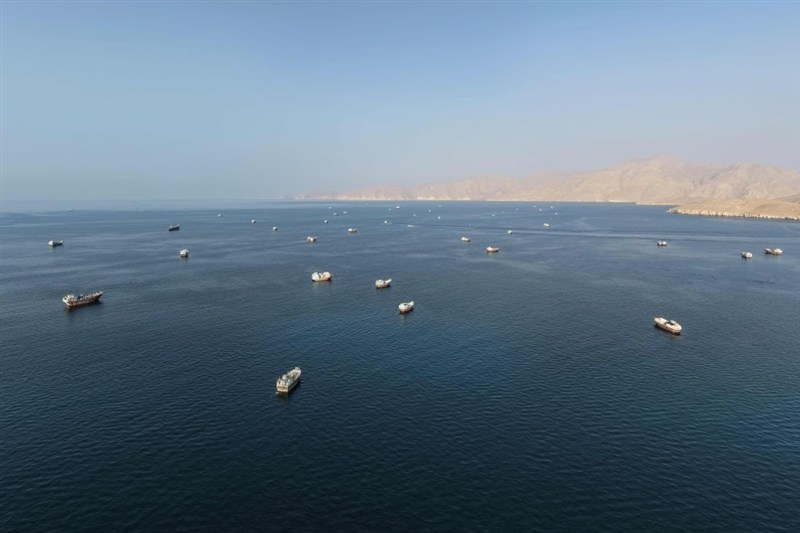
One possible diplomatic approach is to separate immediate de-escalation from the more difficult nuclear and sanctions negotiations.
Under such a scenario, the United States could reduce military pressure or agree to a temporary pause in certain operations in exchange for Iran halting attacks against Gulf states and other regional targets.
A limited arrangement could also involve steps to reduce maritime tensions around the Strait of Hormuz and establish a mechanism for monitoring compliance.
This would not resolve the fundamental disagreements over Iran’s nuclear programme, sanctions or the US naval blockade. However, it could prevent an immediate military escalation and provide mediators with additional time to negotiate a broader settlement.
Such a pause would require agreement on several difficult questions:
- Whether the US would suspend or reduce its military operations.
- Whether Iran would halt attacks against Gulf countries and US-linked targets.
- How the US naval blockade would be addressed.
- Whether the Strait of Hormuz would return to normal commercial shipping.
- What guarantees would prevent either side from resuming hostilities.
No such arrangement has been publicly confirmed. It remains a possible diplomatic framework rather than an agreed proposal.
The Nuclear Dispute Remains the Biggest Obstacle
Even if Washington and Tehran manage to reduce immediate military tensions, the nuclear issue will remain central to any lasting agreement.
The United States wants verifiable restrictions on Iran’s nuclear programme, particularly concerning its highly enriched uranium stockpile and international inspections.
Iran, however, is reluctant to surrender its nuclear leverage without substantial and reliable guarantees that US sanctions relief will be implemented.
The two sides also disagree over the role of international inspectors and the extent of access required to verify Iran’s nuclear activities.
According to The Guardian, Iran has discussed the possibility of blending down its enriched uranium stockpile so that it would no longer be suitable for producing a nuclear weapon. The report also highlighted discussions about possible third-party guarantees, with China mentioned as a potential guarantor.
These ideas illustrate that possible areas for negotiation exist, but the two governments have not agreed on the conditions or sequence required to implement them.
A temporary ceasefire could reduce immediate pressure, but a lasting settlement would require a separate and more detailed nuclear agreement.
What Happens if Diplomacy Fails?
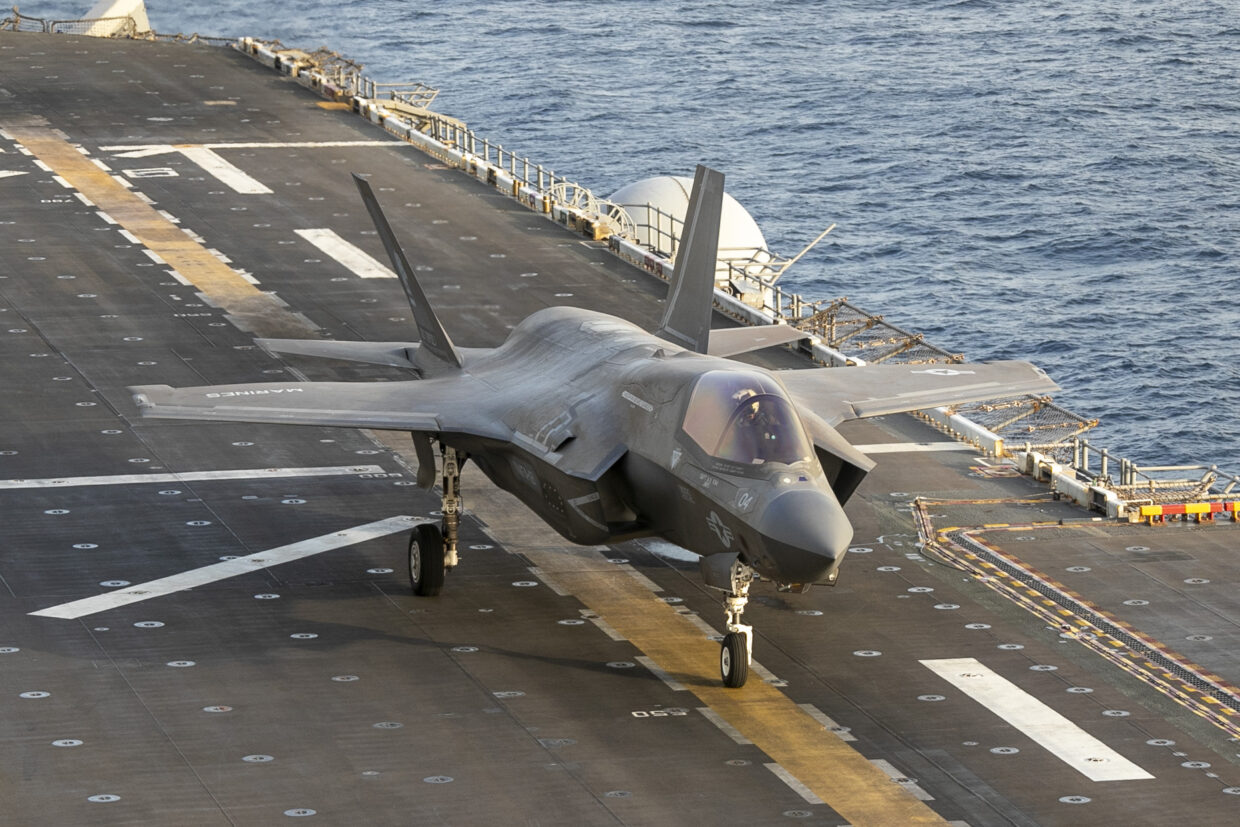
If negotiations fail, Washington could proceed with the military options reportedly under consideration. The scale and targets of any operation would depend on decisions by the US president and military leadership.
A renewed campaign could inflict additional damage on Iranian military, nuclear and infrastructure facilities. But it would not automatically produce Iranian capitulation or resolve the political disagreements behind the confrontation.
Tehran could respond through attacks against US interests, regional military facilities or Gulf infrastructure. Disruption to maritime traffic and energy exports could also intensify economic pressure on countries outside the conflict.
The most important question is whether military escalation would create conditions for a more favourable diplomatic settlement or further harden positions on both sides.
The experience of previous negotiations suggests that agreements will be difficult to sustain unless both governments believe their core security and economic concerns are being addressed.
Conclusion: A Narrow Diplomatic Window Remains
The latest diplomatic activity indicates that Washington, Tehran and regional mediators are still exploring ways to prevent another major escalation. JD Vance’s reported outreach, Qatar’s proposed seven-day framework and the involvement of Pakistan, Saudi Arabia and Turkey have created additional channels for communication.
However, the fundamental disagreements remain unresolved. Washington wants early and verifiable nuclear commitments, while Tehran insists that sanctions, the naval blockade and regional hostilities must be addressed.
A limited pause in hostilities could provide an opportunity to restart negotiations, but it would not settle the nuclear dispute or establish a lasting regional security arrangement.
The coming days will therefore be important in determining whether diplomatic pressure can produce an initial understanding or whether the United States and Iran move towards another round of military confrontation.
For regional governments, the immediate priority is to prevent a bilateral conflict from becoming a wider Middle Eastern war with consequences for energy supplies, maritime security and regional stability.