Wednesday, April 22, 2026
Home Blog Page 119

Germany is focusing on improving its defense strategy by proposing expanded civilian shelters

0
A sign for Mohrenstrasse subway station is seen in central Berlin, Germany.

Germany is in the process of developing a proposal aimed at increasing the number of shelters available for civilians. This initiative involves assessing both public and private facilities that could potentially be repurposed, as stated by the German interior ministry.

According to a ministry spokesperson on Monday, options for conversion include basements, underground parking garages, and subway stations. Additionally, a dedicated app will provide information on the nearest available bunkers.

The “bunker plan,” first reported by Bild newspaper, is being formulated in light of escalating international threats. However, the spokesperson did not elaborate on the current threat landscape or provide a timeline for when the proposal will be finalized.

Civil protection organizations in Germany have been advocating for a more rapid expansion of shelter options, including the construction of facilities capable of accommodating up to 5,000 individuals in a short timeframe.

Currently, there are 579 public shelters designated for civil protection, with a total capacity of approximately 480,000 people.

Since Russia‘s invasion of Ukraine in February 2022, Germany has increasingly prioritized its defense strategies on home soil, amid concerns of a broader conflict in Europe.

In a reflection of the pressing need for preparedness, a senior NATO military official urged businesses on Monday to ready themselves for potential wartime scenarios and to modify their production and distribution processes to reduce vulnerability to coercion from nations like Russia and China.

Under Operation Plan Germany, which was reported by German media earlier this month, federal and state governments, along with the military, security agencies, and emergency services, are collaborating on strategies to defend the nation in the event of a conflict.

According to a spokesperson from the German defense ministry last week, the confidential plan includes regular invitations for state army representatives to brief businesses on key considerations for their preparedness efforts.

U.S. legislators say Hong Kong is increasingly a hub for financial crime, per the Wall Street Journal

0
An evening view of the financial central district of Hong Kong, China.

U.S. House of Representatives lawmakers have urged Treasury Secretary Janet Yellen to reconsider the United States‘ relationship with Hong Kong’s banking sector, as reported by the Wall Street Journal on Monday.

According to a letter from the bipartisan leaders of the House Select Committee on the Chinese Communist Party, Hong Kong has become a center for numerous violations of U.S. trade regulations, including the export of restricted Western technology to Russia and the establishment of front companies for purchasing Iranian oil. This letter, which is set to be made public on Monday, indicates that Hong Kong has transitioned from a reliable global financial hub to a significant contributor to the growing authoritarian alliance among China, Iran, Russia, and North Korea.

The letter raises concerns about the appropriateness of the long-standing U.S. policy towards Hong Kong, especially regarding its financial and banking sectors. It highlights research indicating that nearly 40% of goods exported from Hong Kong to Russia in 2023 were high-priority items, such as semiconductors, which could aid Russia in its ongoing conflict in Ukraine.

The U.S. Treasury Department and the House Select Committee have not yet responded to requests for comments from Reuters. Additionally, Hong Kong’s trade office in New York was unavailable for immediate comment.


U.S. has awarded semiconductor chip contracts to BAE Systems and Rocket Lab

0
Signage is displayed at the BAE Systems plc booth at Special Operations Forces (SOF) Week for defense companies, in Tampa, Florida, U.S.

The U.S. Commerce Department announced on Monday that it is in the process of finalizing nearly $60 million in government subsidies for BAE Systems and Rocket Lab. These funds will support BAE Systems in the production of semiconductor chips essential for jets and satellites, while Rocket Lab will utilize the funds to manufacture compound semiconductors for satellites and spacecraft.

Specifically, the department is allocating $35.5 million to BAE Systems to significantly increase production capacity in New Hampshire for critical semiconductor chips utilized in F-35 fighter jets and commercial satellites. This investment is expected to reduce the company’s planned modernization timeline by 50%, according to the Commerce Department.

The Pentagon has earmarked $1.7 trillion for the F-35 program, which includes the acquisition of 2,500 aircraft over the next several decades. These semiconductor chips are vital for the operation of both F-15 and F-35 aircraft.

Additionally, the Commerce Department is finalizing a $23.9 million subsidy for Rocket Lab’s subsidiary, SolAero Technologies Corp. This funding is projected to enhance the company’s solar cell production by 50% within the next three years.

Founded in 2006 by New Zealander Peter Beck, Rocket Lab is one of two U.S. companies that specialize in the development of highly efficient, radiation-resistant compound semiconductors known as space-grade solar cells.

The solar cells produced by the company play a crucial role in supporting various U.S. space initiatives, such as missile detection systems, the James Webb Space Telescope, NASA’s Artemis missions to the Moon, the Ingenuity Mars Helicopter, and the Mars Insight Lander.

This month, Commerce Secretary Gina Raimondo informed Reuters that the department is working diligently to finalize as many agreements as possible under the Biden administration’s $52.7 billion “Chips and Science” initiative before President-elect Donald Trump, who has expressed criticism of the program, assumes office on January 20.

Earlier this month, the Commerce Department announced its first significant award, providing a $6.6 billion subsidy to the U.S. branch of Taiwan Semiconductor Manufacturing Co.

Additionally, last week, Commerce confirmed a $1.5 billion subsidy for GlobalFoundries to enhance semiconductor manufacturing capabilities in Malta, New York, and Vermont.

Russia’s military has increased in size over the past two years, but a NATO official reports a decline in its quality

0

Russia’s ground forces are currently larger than they were during the full-scale invasion of Ukraine in February 2022; however, their overall quality has diminished since that time, according to a senior NATO military official on Monday.

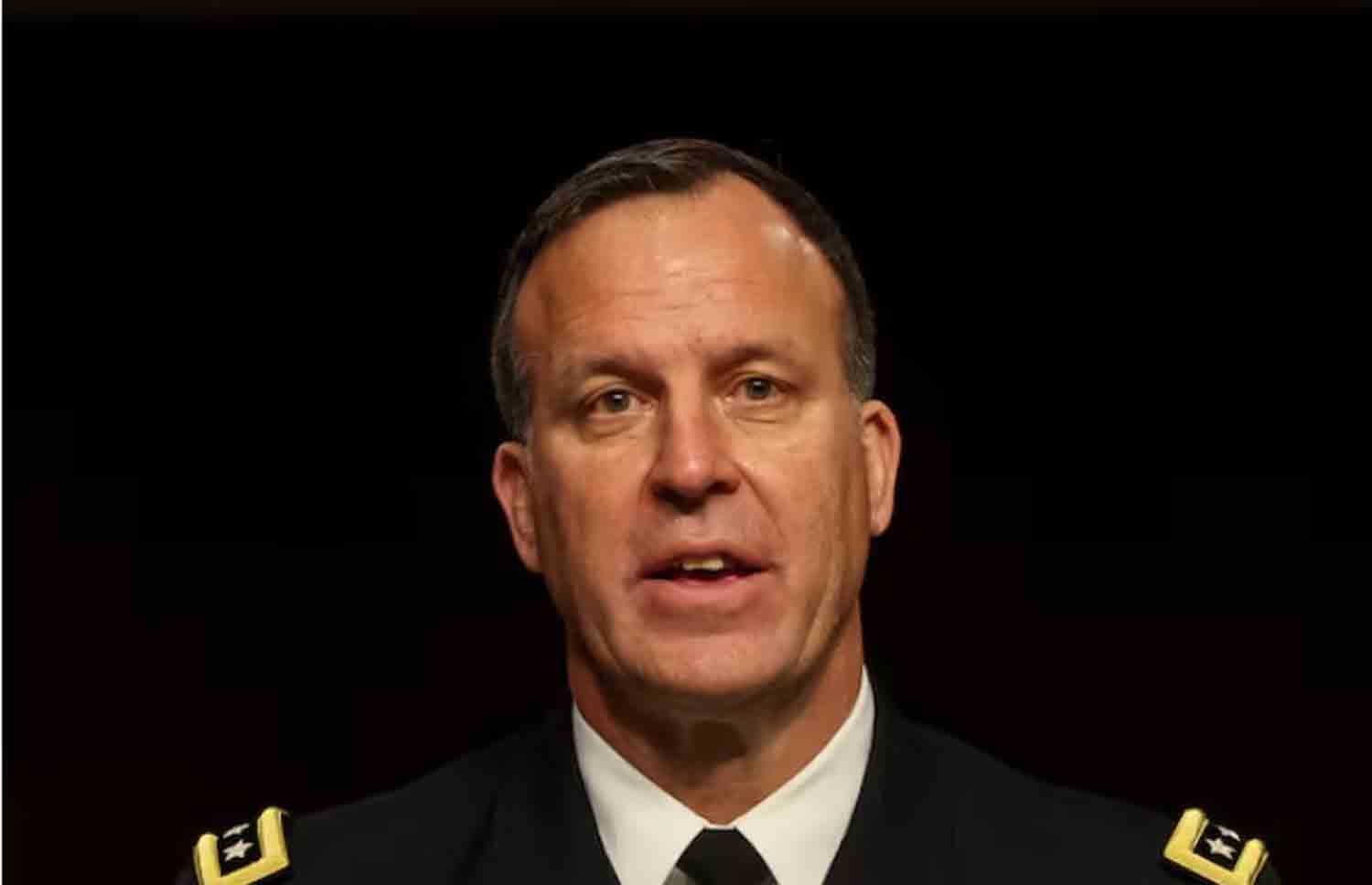
Admiral Rob Bauer, the Chair of NATO’s Military Committee, noted that the decline in quality is evident in both the condition of the equipment and the training levels of the soldiers.

He stated, “Currently, the Russian military does not pose the same level of threat as it did in February 2022, which gives us some time to enhance our preparedness,” emphasizing the need to increase investments in the defense sector.

senior NATO official urges business leaders to brace for a potential ‘wartime scenario’

0
NATO Military Committee Chief Admiral Rob Bauer

A senior NATO military official emphasized on Monday the necessity for businesses to prepare for potential wartime conditions and to modify their production and distribution processes accordingly, in order to reduce susceptibility to coercion from nations like Russia and China.

“The ability to ensure the uninterrupted delivery of essential services and goods is a fundamental aspect of our deterrence strategy,” stated Dutch Admiral Rob Bauer, chair of NATO’s military committee, during an event in Brussels.

At the European Policy Centre think tank gathering, he articulated that deterrence extends beyond mere military strength, as all available resources would be mobilized in times of conflict.

“We are witnessing an increase in acts of sabotage, and Europe has experienced this with its energy supplies,” Bauer remarked.

“We believed we had an agreement with Gazprom, but in reality, we were dealing with Mr. Putin. The same applies to infrastructure and goods owned by Chinese entities; our agreement is with President Xi Jinping.”

Bauer highlighted the West’s reliance on Chinese supplies, noting that 60% of all rare earth materials are produced there, with 90% processed in China. He also pointed out that chemical components for sedatives, antibiotics, anti-inflammatories, and medications for low blood pressure are sourced from China.

“It is naive to assume that the Communist Party will refrain from leveraging this power. Business leaders in Europe and the United States must understand that their commercial choices carry strategic implications for national security,” Bauer asserted.

“Businesses need to be prepared for a wartime scenario and adjust their production and distribution lines accordingly. Because while it may be the military who wins battles, it’s the economies that win wars.”

North Korea is reportedly ramping up missile production for Russia’s use in Ukraine, according to researchers

0
satellite image shows a suspected missile assembly building under construction (lower center of photo) at the "February 11 Plant" near Hamhung, North Korea.

North Korea is reportedly enhancing a significant weapons manufacturing facility that produces a type of short-range missile utilized by Russia in Ukraine, according to findings from a U.S.-based think tank that analyzed satellite imagery.

This facility, referred to as the February 11 plant, is part of the Ryongsong Machine Complex located in Hamhung, the second-largest city in North Korea, situated along the eastern coast.

Sam Lair, a research associate at the James Martin Center for Nonproliferation Studies (CNS) at the Middlebury Institute of International Studies at Monterey, indicated that this plant is the sole known producer of the Hwasong-11 series of solid-fuel ballistic missiles.

Ukrainian officials have identified these munitions, known in the West as the KN-23, as being employed by Russian forces during their operations in Ukraine. The recent expansion of this complex has not been previously disclosed.

Both Moscow and Pyongyang have refuted claims that North Korea has supplied weapons for Russia’s use in Ukraine, which was invaded in February 2022. In June, Russia and North Korea formalized a mutual defense agreement during a summit and committed to strengthening their military cooperation.

North Korea’s delegation to the United Nations did not provide a comment regarding this report.

Satellite imagery captured in early October by Planet Labs indicates the construction of an additional assembly building and a new housing facility, likely for workers, as analyzed by researchers at the Center for Nonproliferation Studies (CNS). The analysis also suggests that Pyongyang is enhancing the entrances to some underground facilities within the complex.

The removal of a disused bridge crane that previously obstructed access to a tunnel entrance implies a potential focus on that area of the facility, according to Lair.

“This indicates a significant effort to increase the operational capacity of this factory,” Lair noted.

The new assembly building is estimated to be approximately 60 to 70 percent the size of the earlier structure used for missile assembly.

In 2023, state media released images, depicting North Korean leader Kim Jong Un touring new buildings at the Hamhung complex, where workers were seen assembling tail kits and nose cones for what analysts believe to be the KN-23.

Historically, publicly available videos from North Korean state media have shown that the complex has produced a range of items, including tank wheels and rocket motor casings, according to Lair.

LOW-FLYING MISSILES

The KN-23 missile was initially tested in May 2019 and is engineered to bypass missile defense systems by operating on a lower, “depressed” flight path, according to experts. This capability may prove advantageous for Russia as it looks for methods to breach Ukraine’s air defenses.

Since the onset of the invasion, Russia has launched thousands of missiles. Relying on North Korea for supplementary supplies could alleviate pressure on its domestic production capabilities, as noted by Lair.

North Korea’s state-run news agency, KCNA, has announced that construction is currently taking place at the Ryongsong Machine Complex. This month, KCNA reported that the facility is actively pursuing modernization projects scheduled for completion this year. The efforts include renovating production facilities and assembling and installing equipment in machine workshops and a steel casting workshop.

Researchers from SI Analytics, a South Korean satellite imagery company utilizing AI technology for image analysis, have also verified the ongoing construction at the February 11 plant. In a report released on Monday, they indicated that some of the construction near the loading area is likely intended to obscure future factory operations from satellite observation.

“Given the abundance of construction materials, vehicles, and open-top freight cars loaded with supplies in the vicinity, the construction appears to be advancing swiftly,” the firm stated. The report indicated that the facility is involved in the production of ballistic missiles, although it did not specifically mention the KN-23.

Michael Duitsman, a research associate at CNS, indicated that the new construction observed in the satellite images might be a storage facility; however, he suggested it is more probable that it is a new assembly building.

While North Korean missiles represent only a small portion of Russia’s strikes in the ongoing conflict in Ukraine, their reported use has raised concerns in both Seoul and Washington. This development signals a potential shift in the nearly two-decade consensus among the permanent members of the U.N. Security Council regarding the prevention of Pyongyang’s ballistic missile program expansion.

On Monday, SI Analytics reported the identification of new construction at the nearby February 8 Vinalon Complex, which is thought to manufacture fuel for ballistic missiles. This construction could be aimed at increasing the production of solid propellants or UDMH, a crucial liquid rocket engine fuel.

Joseph Dempsey, a military analyst at the International Institute for Strategic Studies in London, noted that North Korea’s enhancement of short-range ballistic missile facilities is likely driven primarily by the intention to strengthen its own arsenal.

He also mentioned that it remains uncertain how much Pyongyang has increased its production capacity to accommodate the demands arising from its new collaboration with Moscow.

Over 10,000 North Korean soldiers have been stationed in the Kursk region of Russia, where Ukraine initiated a significant cross-border offensive in August, as reported by officials from Washington, Kyiv, and Seoul.

These troops are set to serve within Russia’s airborne forces and marine units, with some already engaged in combat operations in the ongoing conflict in Ukraine, according to a South Korean lawmaker who is a member of the parliamentary intelligence committee, speaking on Wednesday.

Russia has not refuted the presence of North Korean forces in the conflict, which has been ongoing since the full-scale invasion of Ukraine began in February 2022.

Biden appears to be attempting to shift blame onto Trump regarding the situation in Ukraine

0
Fyodor Lukyanov is a leading Russian authority on international relations and foreign policy. Since 1990, he has been active in journalism and has authored numerous works on contemporary international relations and Russia’s foreign policy.

In an analysis for RT regarding the situation in Ukraine, Lukyanov stated: The recent uproar follows the revelation that the US has authorized Ukraine to conduct long-range strikes deep within Russian territory. This development can be attributed to several factors.

Firstly, Moscow has issued clear warnings that such actions would be interpreted as NATO‘s direct involvement in the conflict. Secondly, there are significant repercussions stemming from the recent shifts in the political landscape in the US.

Notably, the differences between the outgoing and incoming American administrations are most pronounced concerning the Ukrainian issue. Meanwhile, Kiev is actively seeking strategies to counter a situation that is increasingly detrimental to its interests. Additionally, there is considerable uncertainty in Western Europe, where political leaders struggle to grasp the scale of the impending changes.

Fyodor Lukyanov further stated: The news, which appears to mark a significant turning point, was swiftly minimized, if not outright denied. The French and British quickly distanced themselves from any speculation suggesting they had also granted such authorizations, maintaining at an official level that they were merely contemplating the possibility.

In contrast, American sources connected to the current administration clarified the potential areas for use—specifically, only in regions where active hostilities are occurring. Notably, the range of responses from Western nations was remarkably diverse. Reactions varied from the unrestrained enthusiasm of Ukraine’s most fervent advocates among liberal NGO lobbyists, the EU’s firm Josep Borrell, and the governments of the more aggressive Eastern European nations, to the strong disapproval from representatives of the prospective Donald Trump-led American administration and officials from certain European countries.

In summary, the situation can be characterized as follows: while the deployment of the discussed weapons may complicate Russia’s operations, it is unlikely to alter the fundamental nature of the campaign. However, these weapons carry significant escalation potential, the extent of which remains uncertain. A common inquiry is: why has this decision, which Kiev has pursued throughout the year, been made at this moment? Once again, there are several purely speculative explanations.

Fyodor Lukyanov elaborated further: The official narrative suggests that the tipping point was the reported presence of North Korean units in the conflict zone, although there is no substantiating evidence for this claim. It is believed that the White House aims to convey a message to Pyongyang, urging it to cease its collaboration with Moscow by permitting strikes on these purported bases.

While the accuracy of these assertions is debatable, two aspects merit attention. Firstly, the reason behind the heightened concern regarding potential North Korean involvement remains ambiguous. Secondly, it raises the question of why Kim Jong-un, perceived in Washington as a harsh totalitarian leader, would suddenly feel compelled to respond to such a message and reconsider his previously alleged decisions, assuming those decisions were ever made.

An alternative perspective suggests that the US administration recognizes the inevitability of negotiations to resolve the conflict and that Ukraine is entering these discussions from a progressively weaker stance. Therefore, it is crucial to support Kyiv in enhancing its negotiating power, with the strategic aim of establishing a foothold in the Kursk border region for future negotiations. Whether this theory holds merit is uncertain, but history has shown that unexpected developments can occur.

Fyodor Lukyanov concludes: In conclusion, it is essential to consider the prevailing views among commentators from both the West and Russia. The Biden administration appears focused on solidifying its historical legacy while complicating the situation for Trump’s incoming team regarding the ongoing conflict in Ukraine. The legacy aspect is complex; it originated from an effort to strategically weaken Russia and reinforce American and Western dominance globally.

Currently, the objective seems to be to prolong the conflict, hoping for favorable developments for Ukraine while simultaneously impacting Russia negatively. The outcome of this situation remains uncertain. Some associates of Trump have expressed strong concerns, accusing Biden of attempting to instigate World War III. Should Trump inherit a peak confrontation, the implications would be significant, and his options for action would be constrained. Nevertheless, there is a perspective that this scenario might be advantageous for Trump and his supporters. The new president could potentially reshape American foreign policy upon taking office, citing the imminent risk of direct military involvement.

While this scenario is plausible, it is still uncertain how Trump will navigate this situation. His governance style is heavily influenced by his business background, which often leads to frequent mentions of potential deals. However, his first term did not demonstrate that business strategies could seamlessly translate into the realm of international relations.

The team members who will shape policymaking are notably diverse, including innovative figures like Elon Musk alongside established Republican leaders within the State Department and national security sectors. Achieving a harmonious balance will be challenging.

At the same time, all parties are entering a precarious period where the likelihood of escalating conflicts is higher than ever. The concluding days of Democratic governance in Washington are expected to be fraught with risk.

Trump plans to remove transgender soldiers from the military – Times

0

US President-elect Donald Trump is reportedly planning to implement a ban on transgender individuals serving in the US military, according to a report by The Times on Monday, which cites defense sources. The proposed plan involves Trump signing an executive order soon after his inauguration that would lead to the discharge of currently serving transgender personnel and prevent future enlistment of such individuals.

Approximately 15,000 active-duty service members are openly transgender. Those affected by the ban would be discharged on medical grounds, classified as unfit for service based on their gender identity. It remains uncertain whether any assessments will be required to verify their transgender status.

This new policy is viewed as a more stringent iteration of the ban Trump enacted during his first term. In 2018, he prohibited openly transgender individuals from joining the military but permitted those already in service to retain their positions. At that time, Trump asserted that he had consulted military experts and determined that transgender individuals should not serve in the armed forces “in any capacity.” He emphasized that their inclusion would incur “tremendous medical costs,” citing the need for costly hormone treatments.

The ban was lifted by outgoing President Joe Biden in 2021.

Pete Hegseth, who was nominated by Trump for the position of defense secretary, is anticipated to endorse this decision. The former Fox News personality and US National Guard veteran recently released a book titled ‘The War on Warriors,’ in which he criticized the US military for adopting what he perceives as woke ideology, claiming it has led to a more “effeminate” force due to its focus on diversity and inclusion. He also called on the next president to “clean house” and contended that the medical expenses associated with transgender service members are excessively burdensome for the Pentagon.

Various sources have indicated that implementing a potential ban would be ill-timed for the US military, which is currently facing challenges in meeting recruitment goals.

“Suddenly discharging over 15,000 service members, particularly when the military fell short by 41,000 recruits last year, would impose additional administrative challenges on combat units, disrupt unit cohesion, and exacerbate critical skill shortages,” stated Rachel Branaman, the head of the Modern Military Association of America, in an interview with the news outlet. She further noted that the experience lost due to the ban could take approximately 20 years and billions of dollars to recover.

Paulo Batista, an openly transgender analyst in the US Navy, expressed his opposition to the ban, cautioning that it would lead to significant disruptions throughout the entire US military.

“Removing 15,000 individuals like us means losing 15,000 leadership roles, each of us contributes crucially… If one of us is removed, others must step in to fill the gap. These positions may take months or even years to be adequately filled,” he stated to the news outlet.

Khamenei claims Israeli leaders deserve death sentences, not just arrest warrants

0

The supreme leader of Iran, Ayatollah Ali Khamenei, a supporter of Hamas and Hezbollah militants engaged in conflict with Israel in Gaza and Lebanon, stated on Monday that Israeli leaders should face death sentences rather than arrest warrants.

Ayatollah Ali Khamenei made these remarks in response to the International Criminal Court’s decision to issue arrest warrants on Thursday for Israeli Prime Minister Benjamin Netanyahu, his former defense chief, and Hamas leader Ibrahim Al-Masri.

“They issued an arrest warrant, but that is insufficient… A death sentence must be imposed on these criminal leaders,” Khamenei asserted, referring to the Israeli officials.

The ICC judges determined there were reasonable grounds to believe that Netanyahu and Yoav Gallant bore criminal responsibility for actions including murder, persecution, and the use of starvation as a weapon of war, as part of a “widespread and systematic attack against the civilian population of Gaza.”

This decision sparked outrage in Israel, which deemed it shameful and absurd. Residents of Gaza expressed hope that it might contribute to ending the violence and holding those accountable for war crimes.

Israel has dismissed the authority of the Hague-based court and denies any allegations of war crimes in Gaza.

The warrant for Hamas leader Ibrahim Al-Masri includes charges of mass killings during the October 7, 2023, attacks on Israel, which initiated the conflict in the long-blockaded Palestinian territory, along with charges of rape and hostage-taking.

Israel has announced the elimination of Masri, also referred to as Mohammed Deif, during an airstrike in July; however, Hamas has not confirmed or denied this claim.

China’s foreign minister states that China and the EU are not opponents

0

China and the European Union should be viewed as partners instead of rivals, stated Chinese Foreign Minister Wang Yi on Monday. He urged both parties to adopt each other’s viewpoints and pursue collaborative efforts.

Wang expressed these sentiments during a meeting with Luxembourg’s Deputy Prime Minister Xavier Bettel in Beijing, as reported by the Chinese foreign ministry.

“In light of increasing unilateralism and protectionist measures, we hope the EU will remain committed to its foundational goals and uphold its strategic autonomy. China is prepared to work alongside Luxembourg to foster the ongoing and healthy development of China-EU relations,” Wang remarked.

Ukraine, Russia’s nuclear threats, and Trump: Angela Merkel’s perspective

0
U.S. President Donald Trump greets Germany's Chancellor Angela Merkel after a joint news conference in the East Room of the White House in Washington, U.S., April 27, 2018.

Angela Merkel, the former Chancellor of Germany, was once regarded as the most powerful woman in the world. In an interview with the BBC’s Katya Adler, she discusses various topics, including the situation in Ukraine, the nuclear threats posed by Vladimir Putin, and her interactions with Donald Trump.

Merkel served as Germany’s leader for 16 years, navigating significant events such as the financial crisis, the migrant crisis of 2015, and notably, Russia’s invasion of Ukraine in 2014.

Critics question whether she was too lenient towards Moscow or too hesitant in supporting Kyiv. They ponder if the war could have been avoided had she not opposed Ukraine’s NATO membership in 2008.

On Monday, defense ministers from the UK, France, Germany, Poland, and Italy are convening to address the worsening conditions on the frontlines in Ukraine.

However, during her conversation with the BBC in Berlin, Merkel firmly defends her tenure. She asserts that had Ukraine pursued NATO membership in 2008, the conflict would have erupted sooner and potentially been more severe.

“It was evident to me that President Putin would not have passively accepted Ukraine’s NATO accession. At that time, Ukraine was not nearly as prepared as it was in February 2022,” she stated.

In contrast, Ukrainian President Volodymyr Zelensky believes Merkel’s NATO decision, supported by then-French President Nicolas Sarkozy, was a significant “miscalculation” that encouraged Russian aggression.

In a rare interview since her departure from politics three years ago, Mrs. Merkel has voiced her concerns regarding Vladimir Putin’s renewed threats to utilize nuclear weapons.

The two leaders developed a strong rapport over two decades of interaction.

“We must take every possible measure to avert the use of nuclear weapons,” the former German Chancellor stated.

“Fortunately, China also addressed this issue recently. While we should not be immobilized by fear, it is crucial to recognize that Russia is one of the two largest nuclear powers in the world, alongside the United States.

“The potential consequences are alarming.”

Despite maintaining high approval ratings throughout much of her tenure, Mrs. Merkel now finds herself in a vulnerable position.

She has recently released her memoir, titled Freedom, and the timing is noteworthy.

She asserts that she did everything within her power to promote peaceful cooperation with Russia.

Notably, Mr. Putin initiated his full-scale invasion of Ukraine just months after her exit from office.

This has led to a comprehensive reassessment in Europe regarding energy policies, diplomatic relations with Russia, and migration policies that had become standard during Mrs. Merkel’s administration.

Leading Europe’s largest economy, she was, as former Italian Prime Minister Matteo Renzi puts it, the de facto leader of Europe—”the boss of the European Union.”

“Do you recall when [former US Secretary of State] Henry Kissinger used to ask, ‘What is the telephone number of Europe?'” he remarks. “My response was clear: it was undoubtedly Angela Merkel’s mobile number.”

He emphasizes that when evaluating Merkel’s legacy—particularly regarding Russia and other matters—it is crucial to consider the context of the era.

“One cannot criticize Angela for her relations with Russia,” he states.

“In 2005 and 2006, fostering those ties was a priority for everyone in Europe, not just for Angela Merkel.”

During her tenure, Germany and its energy-dependent industries became reliant on Moscow, constructing two gas pipelines directly connecting to Russia.

President Zelensky characterized that affordable gas as a geopolitical instrument of the Kremlin.

Mrs. Merkel explained to the BBC that her motivations for the pipelines were twofold: to support German business interests and to preserve peaceful relations with Russia.

However, her approach faced strong opposition from fellow EU and NATO members in Eastern Europe.

Polish MP Radoslaw Fogiel asserted that German investments in gas contributed to Russia’s military funding for the invasion of Ukraine.

Mrs. Merkel maintains that she sought to mitigate Russian aggression towards Ukraine through diplomacy and negotiations, which she acknowledges ultimately did not succeed.

German industry has faced significant challenges due to sanctions on Russian energy, leading the country to seek alternative suppliers and resulting in costly LNG purchases. Businesses report being severely impacted by these expenses.

Mrs. Merkel notes that a “regrettable” new chapter in Europe’s relationship with Russia commenced following the full-scale invasion of Ukraine.

The 70-year-old is now compelled to defend her legacy in various other domains as well.

The 2015 migration crisis, during which she notably opened Germany’s borders to over a million asylum seekers, stands out as a pivotal moment of her tenure.

This decision was met with both fierce opposition and strong support.

US President Barack Obama commended her as a brave and principled leader.

Conversely, detractors accused her of revitalizing the far-right Alternative for Germany (AfD) party, which was then struggling for relevance.

Currently, the AfD is polling solidly in second place ahead of a snap general election scheduled for early next year.

The party’s primary platform centers around a staunch anti-migrant stance.

Angela Merkel acknowledges the significant gains made by the AfD but does not regret her political choices.

Regarding claims that her 2015 policies contributed to the rise of anti-immigration and far-right movements in other countries, such as the Netherlands, Poland, and France, particularly after her attempt to enforce migrant quotas across the EU, she asserts that she cannot be held accountable for the entire continent.

She believes that the most effective way to counter the far right is to curb illegal migration.

Merkel urges European leaders to invest more in African countries to enhance living conditions, thereby reducing the incentive for people to leave their homes.

However, with sluggish economies across Europe and rising concerns about the cost of living, governments express that there is little financial flexibility available.

Angela Merkel prioritized her nation’s economic interests, particularly in the context of purchasing Russian energy and during the eurozone crisis, when southern EU countries accused her of imposing austerity measures to protect German banks and businesses.

Domestically, she faces criticism for merely “managing” ongoing crises rather than implementing significant, potentially difficult reforms to secure the future of Germany and the EU.

Germany is now referred to by some as “the sick man of Europe.”

Once a dominant force in global exports, its economy is now teetering on the brink of recession.

Voters express dissatisfaction with her lack of investment in infrastructure such as roads, railways, and digital advancements, prioritizing instead a balanced budget.

Under Merkel’s leadership, Germany became increasingly dependent on Russia for energy and on China and the US for trade, decisions that have proven problematic over time.

With Donald Trump potentially returning to the White House in January, there are concerns about punitive tariffs on imports.

Merkel has insights for Europe’s anxious leaders as they prepare for a second term of Trump.

His initial presidency was characterized by frustration towards Europe, especially Germany, regarding low defense spending and trade imbalances—issues that remain unresolved.

What strategies does Angela Merkel suggest for engaging with Trump?

“It is crucial to identify your priorities, articulate them clearly, and not shy away, as Donald Trump can be quite direct,” she notes.

“He communicates his thoughts very explicitly. If you do the same, it fosters a level of mutual respect. That has been my experience.”

However, European leaders now confronting the US, China, and Russia are more anxious—perhaps even more than during Angela Merkel’s tenure.

Economic growth is stagnant, public sentiment is discontented, and traditional political structures are under strain from both the far-right and far-left.

China and Russia are increasingly assertive, while the West appears diminished on the global stage.

Conflicts rage in the Middle East and Europe, with Donald Trump seeming less inclined to support European security.

This may explain why Angela Merkel mentions that when familiar world leaders reach out to her for guidance, she is more than willing to assist.

Yet, when asked if she longs for her former influence and political role, her immediate response is: “No, not at all.”

South Korea and Malaysia agreed to collaborate on defense and mineral resources

0
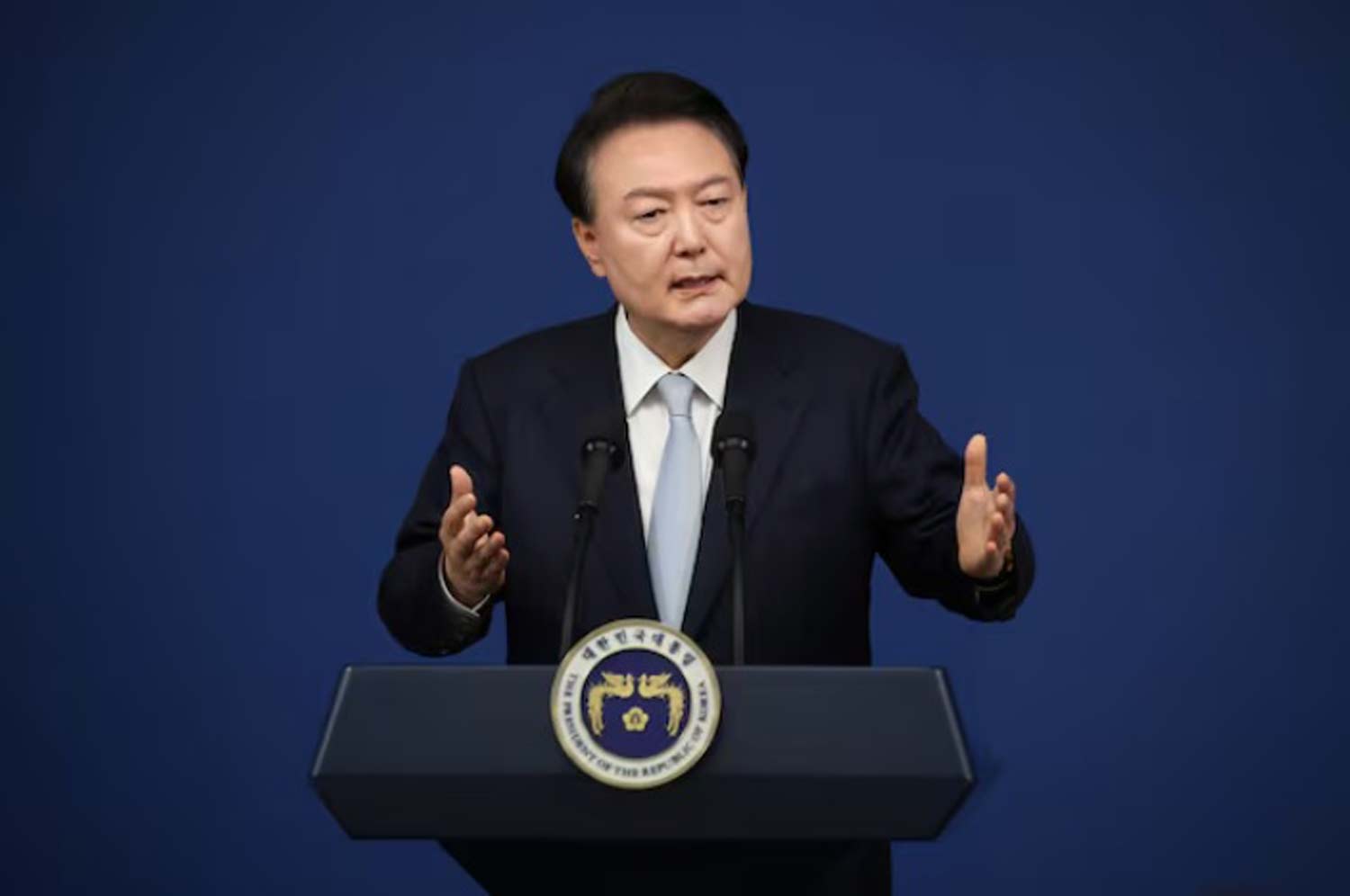
South Korean President Yoon Suk Yeol and Malaysian Prime Minister Anwar Ibrahim pose for photographs during their meeting at the Presidential Office in Seoul, South Korea.

South Korea and Malaysia formalized an agreement on Monday aimed at collaborating on the supply of essential minerals from Malaysia’s reserves, while also enhancing cooperation in the defense sector as Malaysia seeks to modernize its air force fleet.

During a summit, South Korean President Yoon Suk Yeol and Malaysian Prime Minister Anwar Ibrahim reaffirmed their dedication to finalizing a free trade agreement by next year, which will encompass additional sectors such as services, investment, and green energy, according to a statement from Yoon’s office.

South Korea has expressed ongoing interest from Malaysia as it initiates a project to replace light fighter jets, following a 2023 contract for the delivery of 18 jets worth $920 million, as noted in Yoon’s office statement.

The two nations also agreed to create a framework for collaboration on climate change, which includes a previously established memorandum of understanding regarding a carbon capture and storage initiative set to commence in 2029.

Yoon and Anwar also voiced their concerns regarding the increasing military collaboration between North Korea and Russia, as well as the humanitarian crisis in Gaza and the violence in Lebanon stemming from the Middle East conflict.

US allies are attempting to reassure one another that the situation will remain stable under Trump’s leadership

0

European allies dedicated the weekend to reaffirming their commitment to the lessons learned from the first Trump administration, aiming to prepare for a potential second term. However, there was uncertainty about whether they truly believed in their own reassurances.

“I don’t foresee the U.S. distancing itself from Europe in the upcoming years,” stated Gen. Onno Eichelsheim, the chief general of The Netherlands. “While that seems unlikely, it is possible that European nations will take on greater responsibilities. I see no reason why they shouldn’t.”

This sentiment was echoed, albeit cautiously, during panel discussions, informal conversations, and interviews throughout the Halifax International Security Forum—a three-day event featuring officials from NATO and its Indo-Pacific allies. Nevertheless, few attendees could clearly define their expectations for the future.

“I’m uncertain about the strategy regarding Ukraine and Russia,” admitted Adm. Rob Bauer, NATO’s leading military official. “Honestly, I don’t have the answers, so we must wait.”

A bipartisan delegation of U.S. lawmakers arrived to reassure anxious allies, but the lack of clarity regarding the new administration’s plans for ongoing support for Ukraine, coupled with anticipated demands for increased defense spending in Europe, presented significant challenges.

Sen. Mike Rounds (R-ND) expressed that he came to Halifax with a message emphasizing the continued existence of three branches of the U.S. government, asserting that the Senate will maintain its independence from the White House, even as the Republican-controlled Congress is likely to support most initiatives from the new administration.

Rounds mentioned that he spent the weekend working to “reset the narrative, reassuring everyone that all will be well, that we are progressing, and that there is a sense of continuity within the Senate, which we believe will extend to the House as we…prepare for the return of former President Trump as the president-elect.”

European representatives at the conference highlighted the measures they have implemented over the past few years that are likely to resonate positively with the president-elect.

“This is not 2016; we are significantly better prepared than we were then,” stated Tobias Lindner, Germany’s coordinator for transatlantic relations. “And this is not 2016 when considering my own country as well. Our defense spending has now surpassed 2 percent, we have reduced our reliance on Russian fossil fuels — Nord Stream is a thing of the past — and we have adopted a firmer approach towards China, particularly concerning our 5G infrastructure.”

However, these were the expectations set by Trump during his 2016 campaign. The new president may have different or more stringent requirements in 2025. Discussions are already underway regarding a potential new benchmark for NATO spending at the upcoming NATO summit in The Hague next July, where the aim may be for member states to allocate 3 or even 5 percent of their GDP towards defense.

Many participants at Halifax argued that while the first term of Trump was marked by unpredictability and rhetoric regarding NATO spending, the U.S. actually bolstered its troop presence in Eastern Europe near the Russian border, prompting alliance members to recognize the necessity of reinvesting in their declining military capabilities.

Both the Trump and Biden administrations advocated for NATO’s modernization, albeit with contrasting approaches. “It doesn’t matter whether it was Trump or Kamala Harris; they would have urged Europe to take responsibility,” Eichelsheim remarked.

A NATO official, who requested anonymity to discuss the forthcoming administration in Washington, emphasized the desire to engage with the Trump administration in a constructive way, rather than opposing everything or merely defending their own stance.

Many in Eastern Europe expressed support for Trump’s call for increased defense spending among NATO countries. Estonian Defense Minister Hanno Pevkur remarked in an interview at the conference, “I believe that Trump is not destabilizing; he’s encouraging allies to take greater responsibility.” He emphasized that to effectively deter Russia, it is crucial to demonstrate military readiness, stating, “The clear message to Russia is that our warehouses are full and our inventory is sufficient to defend our nations.”

However, some attendees described the atmosphere of the event as reminiscent of a “therapy session,” according to POLITICO.

NATO’s Bauer cautioned that the “strategic dilemmas” facing the U.S. and its allies in 2025 differ significantly from those of eight years prior, leaving uncertainty about how Trump might respond to global crises such as the situation in Ukraine.

The conflict has escalated with North Korean troops joining the fight alongside Russia, and a continuous barrage of missiles and drones from Iran and North Korea targeting Ukrainian cities, making it a concern for both Europe and allied nations in the Indo-Pacific.

This global dimension of the conflict was highlighted by Indo-Pacific commander Adm. Samuel Paparo, who warned that with approximately 12,000 North Korean troops deployed to Russia’s Kursk region, he anticipates Moscow will reciprocate by supplying missile and submarine technology to Pyongyang. Reports also surfaced on Sunday regarding Russia’s recruitment of mercenaries from Yemen, associated with the Iran-backed Houthi militant group, to participate in the conflict in Ukraine.

Despite these challenges, Pevkur chose to remain optimistic.

“At the end of the day, I genuinely believe that President Trump aims to align with the victors, and I firmly believe that the United States as a nation aspires to remain a bastion of democracy,” he stated. “It is essential to be transparent about what is at stake. What would the situation look like if Russia were to succeed? This is the only path to resolving the war in Ukraine.”

Rep. Andy Kim (D-N.J.), recently elected to the U.S. Senate from New Jersey for the upcoming Congress, noted that there is considerable anxiety surrounding the current unpredictability. He emphasized that this concern extends beyond Trump, highlighting the uncertainty related to Ukraine, the Middle East, and various other global issues.

Erdogan vowed to enhance trade ties between Türkiye and Russia following his talks with Putin

0

Turkish President Recep Tayyip Erdogan has committed to enhancing trade relations between Türkiye and Russia following a conversation with Russian President Vladimir Putin on Sunday.

In a statement issued after their discussion, Erdogan’s office indicated that the two leaders addressed “bilateral relations between Türkiye and Russia, as well as various regional and global matters.” Erdogan expressed his intention to “advance cooperation between Türkiye and Russia across multiple sectors, particularly by increasing the trade volume” between the nations.

The Kremlin also released a statement confirming that Erdogan and Putin discussed “a range of international issues,” highlighting the importance of boosting trade and economic collaboration.

Despite Türkiye’s membership in the US-led NATO alliance and its aspirations to join the EU, Erdogan has maintained a neutral stance regarding the conflict in Ukraine. Türkiye facilitated peace negotiations in 2022 and played a key role in the now-defunct Black Sea Grain Initiative, while also resisting US calls for economic sanctions against Moscow.

According to World Bank data, Türkiye ranks as the third-largest importer of Russian crude oil, with Russia being its most significant trading partner.

However, reports indicate that Ankara has acquiesced to some of Washington’s requests, such as restricting the export of certain ‘dual-use’ items to Russia in recent months, as noted by the Financial Times. Over several rounds of sanctions, the US has blacklisted approximately 20 Turkish companies since last year for allegedly supplying such items to Russian entities linked to the defense sector.

The term ‘dual-use’ refers to items that can serve both civilian and military purposes.

At the same time, Türkiye continues to supply weapons systems to Ukraine, including drones and small arms. Earlier this month, Russian Foreign Minister Sergey Lavrov remarked to the Turkish newspaper Hurriyet that these weapons “are utilized by the Ukrainian armed forces to kill Russians.”

This scenario is indeed surprising, especially considering the Turkish government’s claims of its willingness to mediate, Lavrov remarked.

Since the onset of Russia’s military operation in Ukraine in February 2022, Erdogan and Putin have held multiple meetings. Their most recent discussion took place during the BRICS summit in Kazan, Russia, in October. In September, Ankara announced its formal application to join BRICS, marking it as the first NATO member to seek full membership.

Lavrov informed Hurriyet that Russia would endorse Türkiye’s application and supports the enhancement of relations between the BRICS group and nations that prioritize strengthening multilateral principles, pursue an independent foreign policy, and refrain from participating in unilateral sanctions.

Trump’s national security pick reflects his vision for peace in Ukraine

0
Mike Waltz, speaks during a hearing on Capitol Hill.

US President-elect Donald Trump has selected Mike Waltz as his National Security Adviser, who has outlined the administration’s approach to the Ukraine crisis. Waltz stated that the Trump team intends to initiate negotiations from the very first day of Trump’s presidency, which commences on January 20.

In an interview on Fox News, Waltz underscored the importance of facilitating discussions between Russia and Ukraine, aiming to unite both parties to negotiate a ceasefire or peace settlement. He remarked, “We need to determine who will be involved in these discussions, whether it will lead to an agreement or a truce, how to engage both sides in negotiations, and what the parameters of the deal will be.”

Waltz, a congressman from Florida, also pointed out the necessity of including America’s European allies in the dialogue. “All our allies and partners must share this responsibility,” he asserted, emphasizing that resolving the conflict will demand international collaboration.

Trump has consistently pledged to bring the conflict to a close and has expressed concerns regarding its intensifying nature, particularly with the increased deployment of advanced weaponry. Waltz noted that recent actions, such as President Joe Biden’s endorsement of missile strikes by Kiev deep into Russian territory, have escalated the fighting. He characterized the situation as an “absolute meat grinder” for those engaged in combat.

As a retired colonel and recognized authority on national security issues, Waltz expressed optimism that the Trump administration would act promptly to reestablish deterrence and conclude the conflict.

“We must bring this to a responsible conclusion. It is essential to restore deterrence and peace, preventing further escalation rather than merely responding to it,” he stated.

Despite Trump’s commitment to cease hostilities, doubts persist in both the United States and Russia. Senator Mike Rounds from South Dakota has raised concerns about the feasibility of direct talks between Moscow and Kiev.

Ukrainian President Vladimir Zelensky has categorically dismissed any proposals for territorial concessions to Russia, asserting that he will not formally relinquish any land.

Waltz’s remarks come at a time of escalating tensions, as Moscow has reacted to the recent US missile authorization for Ukraine by unveiling its own advanced missile, the Oreshnik.

The peace plan proposed by the Trump administration is expected to take precedence once he assumes office, with the anticipation that America’s NATO allies will play a significant role in the negotiations. Waltz emphasized that foreign nations will not be able to take advantage of the leadership transition from Biden to Trump, stating, “We are hand in glove,” and reaffirming a cohesive stance during this period.

British mercenary apprehended in Russia’s Kursk, according to reports

0
James Scott Rhys Anderson

A 22-year-old man, previously a signalman in the British Army until 2023, has reportedly been captured in Russia‘s Kursk Region while fighting with the Ukrainian International Legion, a group of foreign recruits that Moscow classifies as mercenaries.

The individual, who identified himself as James Scott Rhys Anderson, was apprehended near the village of Plekhovo, roughly 5 kilometers within Russian territory, as reported by RIA Novosti and TASS news agencies. Various videos of his interrogation have surfaced on Russian Telegram channels.

Anderson mentioned that he served in the British Army as a signalman in the 1st Signal Brigade, 22 Signal Regiment, 252 Squadron from 2019 to 2023. Following his departure from the military, he encountered financial hardships and chose to enlist in Kiev’s International Legion after seeing a television advertisement.

“It was a foolish decision,” he remarked. “I had just lost everything – my job, and my father was incarcerated.”

He stated that he submitted an online application to join the Ukrainian foreign mercenary force, subsequently traveling from London to Krakow, Poland, and then taking a bus to Medyka at the Ukrainian border. When questioned about how he found himself fighting on Russian territory, Anderson asserted in a separate video that his commanders had sent him there against his wishes.

“I don’t want to be here,” he expressed to the interrogators, claiming that his commanders confiscated his belongings, including his passport and smartphone, and ordered him to “get into the car.”

The UK Ministry of Defence has refrained from commenting on the capture of the former serviceman, while the Foreign Office indicated that it is “supporting the family of a British man following reports of his detention,” as reported by The Guardian.

Earlier this month, a British man from Gunnislake, Cornwall, was reported killed while fighting for Kiev at an “undisclosed location,” just shy of his 22nd birthday, according to his family.

In August, Kiev deployed some of its most well-equipped and experienced troops to the northern border, aiming to impede Russian advances elsewhere along the front line and secure a significant bargaining position. However, since that time, Kiev has not only been losing ground in Donbass at an accelerating rate but has also incurred over 34,500 casualties and lost hundreds of tanks in Kursk, as reported by the Russian military.

Kiev is facing challenges in replenishing its military forces due to a significant decline in the number of volunteer fighters, while consistently rejecting any negotiations with Moscow. Russia has accused Ukraine of utilizing its soldiers as “cannon fodder” in what it describes as a Western proxy conflict, claiming that President Vladimir Zelensky is complicit in the ongoing violence as he aims to maintain his grip on power.

Moscow has characterized the Ukrainian offensive as a critical juncture in the conflict, asserting that peace negotiations cannot commence until all Ukrainian forces are expelled from the Kursk Region.

UK minister stresses the need for Britain and NATO to lead in the AI arms race

0

Britain and its NATO partners must maintain a leading position in “the new AI arms race,” according to British cabinet office minister Pat McFadden, who will emphasize on Monday that Russian cybercriminals are increasingly targeting nations that support Ukraine.

Speaking at a NATO Cyber Defence Conference in London, McFadden will announce the establishment of a new Laboratory for AI security in the UK, aimed at developing enhanced cyber defense tools and improving intelligence on cyber attacks.

In his latest warning regarding Moscow’s escalation of cyber attacks on countries that back Ukraine, McFadden will urge the U.S.-led military alliance, along with businesses and institutions, to take all necessary measures to secure their digital infrastructures against what he describes as a more aggressive Russia.

“Cyber warfare has become a daily occurrence, where our defenses are under constant scrutiny,” he will state, based on excerpts from his forthcoming speech.

“The magnitude of the threat must be countered by our unwavering commitment to address it and safeguard our citizens and systems. Seventy-five years after its inception, the necessity for NATO is more pronounced than ever.”

Moscow has consistently denied involvement in cyberattacks, with officials dismissing such claims as efforts to foster anti-Russian sentiment.

McFadden will assert that AI could be weaponized against nations supporting Ukraine since Russia’s full-scale invasion in 2022, intensifying what he refers to as the ongoing reality of cyber warfare faced by Britain and its allies.

AI is already transforming various aspects of life, including national security. However, as we advance this technology, there is a risk that it could be turned against us, as our adversaries are also exploring its applications in both physical and cyber warfare, he will state.

As Chancellor of the Duchy of Lancaster, McFadden is tasked with overseeing British national and cyber security.

The newly established laboratory, backed by an initial government investment of £8.22 million ($10.3 million), aims to unite academic and governmental experts to evaluate the implications of AI on national security and to gain insights into its utilization by Russia.

“Let there be no doubt: the United Kingdom and other nations present are closely monitoring Russia. We are fully aware of their actions and are actively countering their assaults both publicly and covertly,” McFadden will assert. “This is why we stand with Ukraine in its struggle to determine its own future.”

Taiwan has reported the sighting of a Chinese balloon, marking the first occurrence in six months

0

Taiwan’s defense ministry announced on Monday that it had detected a Chinese balloon over the waters to the north of Taiwan, marking the first such incident reported since April. Taipei perceives this as part of a broader pattern of intimidation from Beijing.

Taiwan, which China asserts as its territory, expressed concerns that in the weeks leading up to its presidential election in January, there was an “unprecedented scale” of Chinese balloon activity.

The ministry characterized these occurrences as elements of a Chinese pressure strategy, often referred to as grey-zone warfare, aimed at wearing down an adversary through unconventional tactics rather than direct confrontation.

Taiwan firmly rejects China’s claims of sovereignty and maintains that only the people of Taiwan have the authority to determine their own future.

In its routine morning briefing on Chinese military movements over the past day, the ministry reported that the balloon was detected at 6:21 p.m. (1021 GMT) on Sunday, approximately 60 nautical miles (111 km) north of Keelung port. The balloon disappeared about two hours later after flying at an altitude of 33,000 feet (10,000 meters), without entering Taiwanese airspace.

China’s defense ministry has not responded to requests for comment. Previously, China has dismissed Taiwan’s concerns regarding the balloons, asserting that they are intended for meteorological purposes and should not be politicized.

The issue of China potentially using balloons for surveillance gained international attention last year when the United States downed what it identified as a Chinese spy balloon. China contended that the balloon was a civilian device that had inadvertently strayed off course.

A regional source reports that a ceasefire between Israel and Hezbollah is imminent amid rising death tolls in Lebanon

0
A man walks on the rubble of damaged buildings in the aftermath of Israeli air strikes on Beirut's southern suburbs, Lebanon

A regional source informed CNN on Sunday that a ceasefire agreement between Israel and the Lebanese militant group Hezbollah is “very close,” despite a recent increase in Israeli attacks that has pushed the death toll in Lebanon since mid-September past a tragic threshold.

Since the escalation of hostilities began in mid-September, over 3,000 individuals have lost their lives due to Israeli strikes, highlighting the critical need for a ceasefire.

The source indicated that while progress has been made toward a deal, it has not yet been finalized. Officials from the US and Israel have warned that mediators have not yet received the go-ahead.

“We are making progress in this direction, but there are still several matters to resolve,” stated a spokesperson for Israeli Prime Minister Benjamin Netanyahu to media.

Recently, Hezbollah has been evaluating a proposal from the US and Israel for a 60-day cessation of hostilities, which some believe could serve as a foundation for a more enduring ceasefire.

Israel initiated a significant military campaign in Lebanon in mid-September, following months of reciprocal border skirmishes that began when Hezbollah launched an attack on Israel in support of Hamas and the Palestinian people in Gaza. Since that time, Israel has conducted a ground invasion, targeted several Hezbollah leaders—including one of its founders, Hassan Nasrallah—and caused injuries to thousands through attacks involving explosive devices.

US envoy Amos Hochstein has been engaged in discussions with regional officials this week in an effort to secure a deal. On Sunday, Axios reporter Barak Ravid reported that a source indicated Hochstein informed the Israeli ambassador to Washington on Saturday that if Israel did not respond favorably to the ceasefire proposal in the coming days, he would cease his mediation efforts.

Earlier on Sunday, an Israeli official informed CNN that Prime Minister Netanyahu had conducted a security consultation regarding the ceasefire proposals.

Rising Casualties

On Saturday, Israeli airstrikes resulted in the deaths of at least 84 individuals and left 213 injured, as reported by the Lebanese health ministry. This includes nearly 30 fatalities from a strike on a multi-story building in a densely populated area of central Beirut.

Since Israel intensified its operations against Hezbollah on September 16, a total of 3,072 individuals have lost their lives, and 13,426 have been injured, according to figures from the Lebanese health ministry.

Iran is set to engage in nuclear discussions with three European nations in Geneva this Friday

0

Iran is set to engage in discussions regarding its contentious nuclear program with three European nations on November 29, as announced by the Iranian foreign ministry on Sunday. This announcement follows a recent resolution passed by the U.N. atomic watchdog against Tehran.

In response to the resolution, which was introduced by Britain, France, Germany, and the United States, Iranian officials indicated that they would implement various measures, including the activation of several new and advanced centrifuges used for uranium enrichment.

According to Japan’s Kyodo news agency, which was the first to report the upcoming meeting scheduled for Friday in Geneva, the administration of Iranian President Masoud Pezeshkian is actively seeking a resolution to the nuclear stalemate before the inauguration of U.S. President-elect Donald Trump in January.

A senior official from Iran confirmed that the meeting will proceed as planned next Friday, emphasizing that Tehran has consistently maintained that the nuclear issue should be addressed through diplomatic means and has never withdrawn from negotiations.

Esmaeil Baghaei, spokesperson for the Iranian foreign ministry, later stated that the deputy foreign ministers of Iran, France, Germany, and Britain would participate in the discussions, which are expected to encompass both regional matters and the nuclear agenda.

Baghaei did not specify the location of the talks. A representative from the Swiss foreign ministry referred inquiries to the countries mentioned in the Kyodo report.

“Discussions will cover a variety of regional topics, including the situations in Palestine and Lebanon, as well as the nuclear issue,” Baghaei noted.

In 2018, the Trump administration withdrew from the 2015 nuclear agreement with Iran and six other major nations, subsequently reinstating severe sanctions against Iran. This action led Tehran to breach the nuclear restrictions outlined in the agreement, including actions such as increasing its enriched uranium stockpiles, enhancing the purity of the enrichment process, and deploying advanced centrifuges to accelerate production.

Efforts for indirect negotiations between President Joe Biden’s administration and Tehran aimed at restoring the agreement have not been successful. However, during his election campaign in September, Trump remarked, “We must reach an agreement, as the repercussions are untenable. We need to secure a deal.”