Israel’s defence minister said the Israeli military has killed two senior Iranian figures in overnight airstrikes, marking a significant escalation as the conflict between Iran and Israel enters its third week.
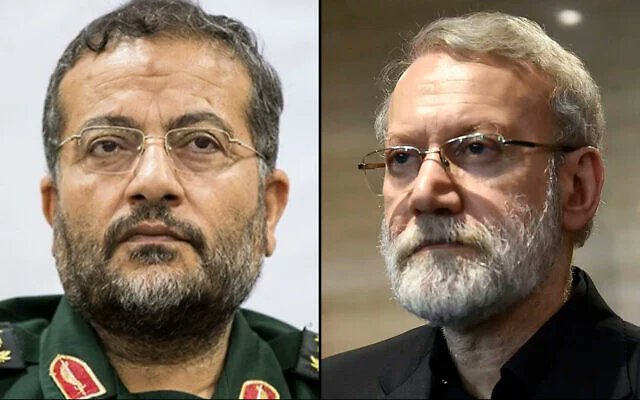
According to Defence Minister Israel Katz, Iran’s security chief Ali Larijani and Gholamreza Soleimani, the commander of the Basij militia, were killed in targeted strikes.
Israeli Claims and Iranian Response
Katz said he had been informed by the military that Larijani was killed in the operation.
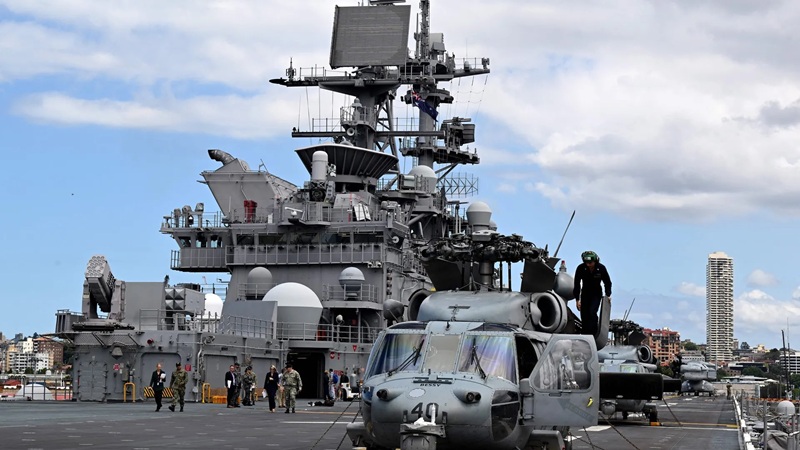
However, Iranian authorities have not confirmed the claim. State media instead released a handwritten note attributed to Larijani commemorating Iranian sailors killed in a recent U.S. strike.
If confirmed, Larijani would be among the most senior Iranian figures killed since the assassination of Supreme Leader Ayatollah Ali Khamenei at the start of the conflict on February 28.
Basij Commander Also Targeted
Israel also claimed the killing of Gholamreza Soleimani, head of Iran’s Basij militia.
The Basij is a paramilitary force under the control of the Islamic Revolutionary Guard Corps (IRGC), often used for:
- Internal security operations
- Crowd control and suppression of protests
- Support roles in military activities
Israeli Prime Minister Benjamin Netanyahu’s office said the strikes were part of a broader strategy targeting senior Iranian leadership.
War Enters Third Week With No Signs of De-escalation
The ongoing conflict between Iran and Israel has now entered its third week, with violence continuing on multiple fronts.
Key developments include:
- More than 2,000 people reported killed
- Continued Israeli airstrikes across Tehran
- Iranian missile attacks on Israeli territory
- Ongoing strikes on Hezbollah-linked targets in Beirut
Israeli officials have indicated that military planners have prepared for at least three more weeks of operations.
Strait of Hormuz Crisis Drives Global Oil Prices
The conflict has also triggered a major disruption in global energy markets.
The Strait of Hormuz, through which roughly 20% of global oil and liquefied natural gas flows, remains largely restricted.
Efforts by the United States to form a coalition to reopen the waterway have faced resistance from allies, increasing uncertainty in global energy supply.
As a result, oil prices have surged, adding pressure to global markets already affected by geopolitical instability.
Iran Maintains Strike Capability
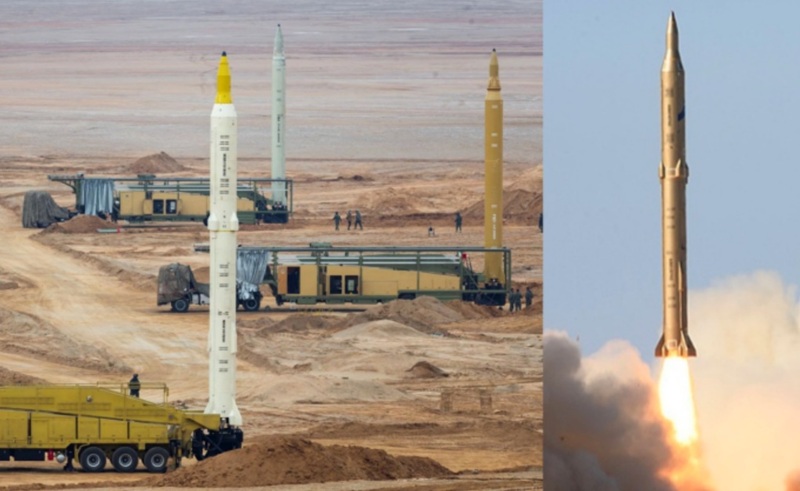
Despite sustained airstrikes by U.S. and Israeli forces, Iran continues to demonstrate its ability to launch long-range missile attacks.
Overnight missile launches targeting Israel highlight that:
- Iran retains operational strike capabilities
- Its missile infrastructure has not been fully neutralized
- The conflict is likely to continue in a prolonged and unpredictable manner
Expanding Scope of the Conflict
Israeli military operations are not limited to Iran alone.
Recent strikes have also targeted:
- Infrastructure in Tehran
- Hezbollah-linked sites in Beirut
This suggests the conflict is expanding into a broader regional confrontation involving multiple actors.
Strategic Outlook
The reported targeting of senior Iranian officials signals a shift toward decapitation strategies, aimed at weakening command structures.
However, continued missile attacks from Iran indicate that:
- Leadership losses may not immediately degrade operational capacity
- Decentralized structures could sustain ongoing military actions
With no clear path to de-escalation and key maritime routes disrupted, the conflict is increasingly shaping both regional security dynamics and global energy markets.
Timeline of Key Assassinations & Strikes
📅 February 28 (Day 1 of War)
- Start of U.S.–Israeli coordinated air campaign
- Iran’s Supreme Leader reportedly killed in initial strikes
- Major command-and-control infrastructure targeted
📅 Days 1–3
- Rapid AI-assisted targeting of high-value military and leadership nodes
- Senior IRGC-linked officials and command centers hit
- Iran begins shifting to decentralized command (Mosaic Doctrine)
📅 Days 4–10
- Continued strikes on:
- Military bases
- Missile launch sites
- Intelligence infrastructure
- Iranian leadership structure increasingly fragmented but not collapsed
📅 Day 13
- Reports indicate 15,000+ targets struck
- Iranian missile capability degraded significantly
- However, asymmetric operations intensify (drones, mines, swarm tactics)
📅 Mid-War Escalation (Week 2)
- Targeted assassinations of regional commanders and security officials
- Expansion of strikes beyond Iran:
- Hezbollah-linked targets in Lebanon
- Proxy networks disrupted
📅 Week 3 (Recent Developments)
- Israel claims killing of:
- Iran’s security chief (Ali Larijani – unconfirmed)
- Basij commander Gholamreza Soleimani
- Continued strikes on:
- Tehran infrastructure
- Military coordination networks
Strategic Pattern
Phase 1: Decapitation Strategy
- Target top leadership
- Destroy centralized command
Phase 2: Infrastructure Destruction
- Missile systems
- Military bases
- Intelligence networks
Phase 3: Persistent Targeting
- Mid-level commanders
- Proxy networks
- Logistics chains
Key Insight
Assassinations achieved tactical disruption — but not strategic collapse
- Leadership targeted rapidly
- Command structure damaged
- BUT decentralized system allowed:
- Continued missile launches
- Ongoing asymmetric warfare
- Sustained regional operations
Final Takeaway
Modern wars are no longer decided by leadership elimination alone
Even after high-level assassinations:
- Decentralized networks continue fighting
- Low-cost systems (drones, mines) sustain pressure
- Strategic objectives (like reopening Hormuz) remain unresolved