


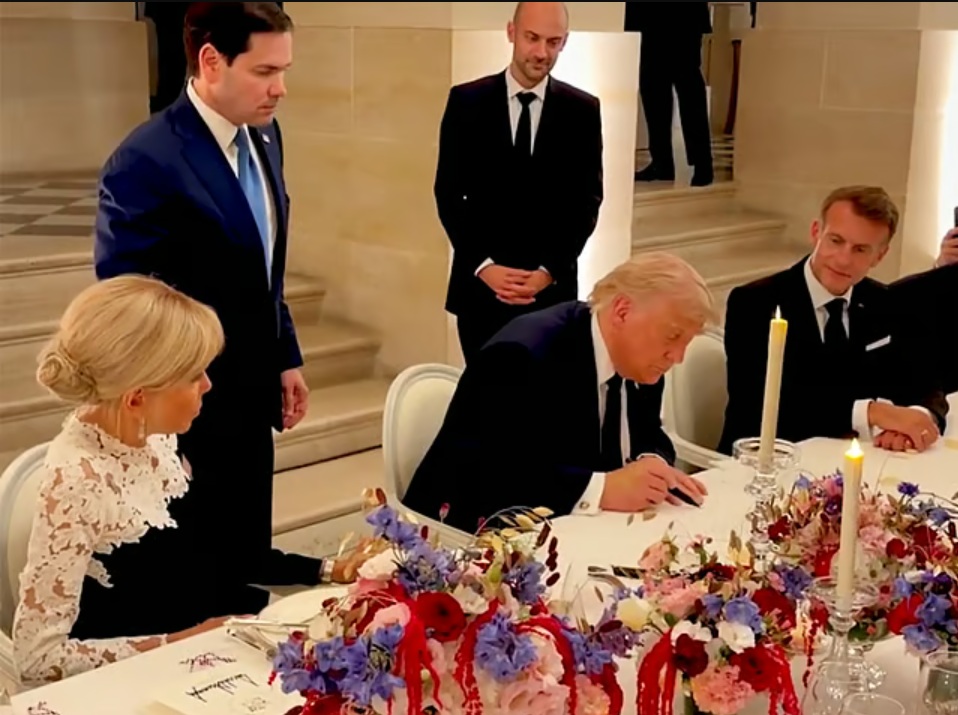
The 14-point memorandum of understanding (MOU) between the United States and Iran is being presented by the Trump administration as a diplomatic breakthrough capable of ending a costly conflict, reopening the Strait of Hormuz, and creating a pathway toward a broader settlement.
But critics argue the agreement may offer Iran substantial economic and strategic benefits immediately while postponing the most difficult issues — particularly Tehran’s nuclear program — to future negotiations.
At fewer than 800 words, the reported framework appears simple on paper.
In reality, it could become one of the most consequential and controversial Middle East agreements in recent decades.
The central question is straightforward:
What does each side actually receive, and when?
The Deal Is Really Two Agreements in One
The easiest way to understand the MOU is to view it as a two-phase arrangement.
Phase One begins immediately after signing and focuses on de-escalation, maritime security, sanctions relief, and economic measures.
Phase Two consists of negotiations over a final agreement during a 60-day period that can be extended if both sides agree.
This structure matters because most of the immediate obligations appear to fall on Washington, while many of the most difficult Iranian commitments are deferred to later talks.
That sequencing is already generating debate among analysts.
Phase One: Reopening the Strait of Hormuz
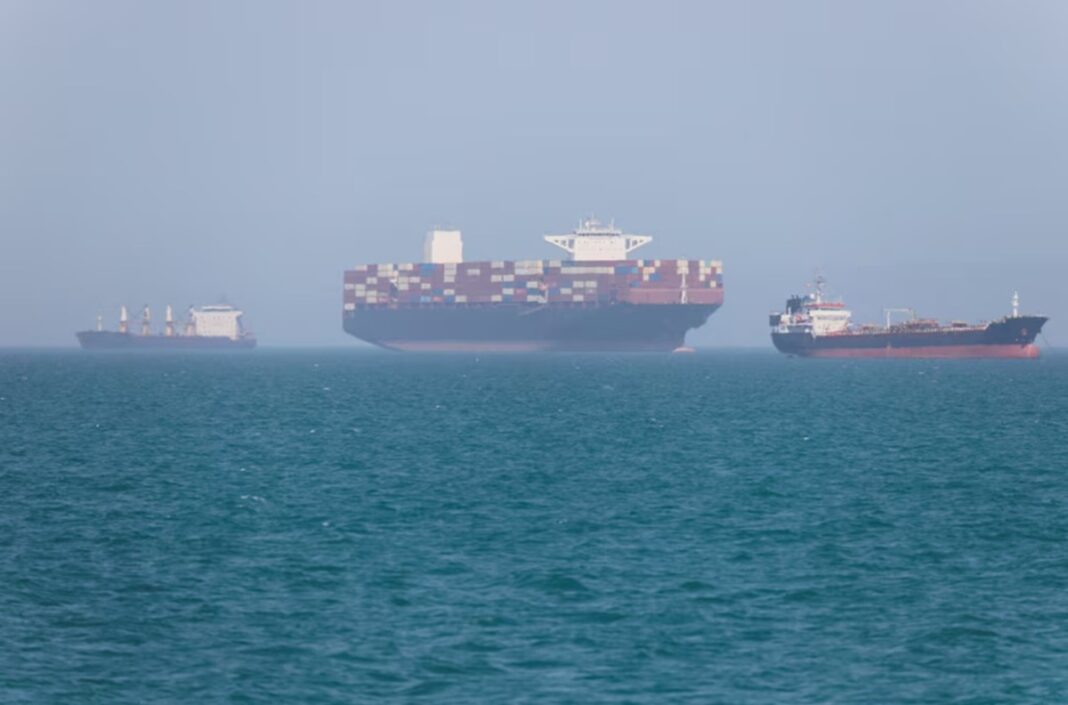
The most immediate objective is restoring freedom of navigation through the Strait of Hormuz.
Under the framework:
- The United States would begin lifting its naval blockade.
- Iran would remove military obstacles affecting maritime traffic.
- Commercial shipping would gradually return to pre-war levels.
- Tehran would facilitate safe passage for vessels moving between the Persian Gulf and the Gulf of Oman.
For global markets, this is the most important provision.
The Strait of Hormuz remains one of the world’s most critical energy chokepoints, carrying a substantial portion of global oil exports.
Reopening the waterway could reduce pressure on energy markets, lower shipping risk premiums, and ease concerns about inflation driven by higher fuel prices.
Massive Sanctions Relief for Iran
Perhaps the most controversial part of the agreement involves sanctions relief.
According to the text, Washington would issue waivers allowing Iranian oil, petroleum products, and petrochemicals to return to international markets while broader negotiations continue.
If implemented fully, the move would restore access to revenue streams worth tens of billions of dollars annually.
Critics argue this provides Tehran with immediate economic gains in exchange for reopening maritime traffic that had been available before the conflict erupted.
Supporters counter that restoring oil exports is necessary to stabilize both the Iranian economy and global energy markets.
Either way, the economic impact could be substantial.
The Frozen Assets Question
Another major provision concerns Iran’s frozen assets.
The framework indicates that restricted Iranian funds could become accessible under mutually agreed procedures negotiated by both sides.
The exact amount remains unclear.
Various estimates place Iranian frozen assets at well over $100 billion worldwide.
If significant portions become available, Tehran would gain access to resources capable of easing economic pressure, stabilizing domestic finances, and increasing investment capacity.
Unlike previous arrangements that limited how released funds could be spent, critics note that the current language appears broader and potentially more flexible.
That issue is likely to become a major political battleground in Washington.
The $300 Billion Reconstruction Proposal
Perhaps the most striking provision involves a proposed economic development and reconstruction framework, valued at no less than $300 billion.
The MOU does not immediately create such a fund.
Instead, it commits Washington and regional partners to developing a comprehensive economic rehabilitation plan for Iran.
If realized, the figure would dwarf many previous economic initiatives involving Iran.
Supporters argue that large-scale economic integration could strengthen incentives for long-term stability.
Critics see it differently.
They argue that discussing hundreds of billions of dollars in potential investment before resolving nuclear concerns fundamentally shifts negotiating leverage toward Tehran.
The Nuclear Issue Has Been Delayed
The most politically sensitive issue — Iran’s nuclear program — appears largely postponed rather than resolved.
Under the reported framework, Iran reaffirms that it will not develop nuclear weapons.
However, critics note that Tehran already made similar commitments under previous international agreements and under the Nuclear Non-Proliferation Treaty (NPT).
More importantly, major questions remain unanswered:
- What happens to Iran’s enriched uranium stockpile?
- Will uranium be removed from Iran or processed domestically?
- What enrichment levels will be permitted?
- How will compliance be verified?
- What role will international inspectors play?
These issues are expected to be negotiated during the second phase.
That means the agreement secures a pause rather than a final solution.
Why Verification May Be the Most Important Change
One potentially significant innovation appears to be the emphasis on phased and reciprocal implementation.
Unlike previous agreements, Iran reportedly intends to tie its own compliance directly to verified American actions.
In practical terms, Tehran may refuse to move forward unless it determines Washington has fulfilled earlier commitments.
This changes the negotiating dynamic.
From Iran’s perspective, it reduces the risk of repeating what happened after the United States withdrew from the 2015 nuclear agreement.
From Washington’s perspective, however, it may complicate implementation by creating multiple points where negotiations could stall.
What About Israel?
One of the biggest uncertainties remains Israel.
The MOU references ending military operations involving allies, but does not explicitly define Israel’s role in future implementation.
That ambiguity matters.
Recent Israeli military operations in Lebanon have already complicated negotiations.
If Israeli leaders view aspects of the agreement as insufficiently restrictive toward Iran, tensions could emerge even if Washington and Tehran remain committed to diplomacy.
In many ways, Israel may become one of the most important external variables affecting the agreement’s success.
The Bottom Line
The reported US-Iran MOU represents far more than a ceasefire framework.
It is an attempt to exchange immediate economic and maritime stabilization for a chance to negotiate a broader political settlement later.
Supporters see it as a pragmatic recognition that military pressure alone failed to solve the crisis.
Critics see an agreement that delivers substantial benefits to Iran upfront while leaving the hardest questions unanswered.
Both arguments contain elements of truth.
What is clear is that the agreement does not resolve the nuclear issue, sanctions architecture, or broader regional rivalry.
Instead, it creates a 60-day window in which those disputes must finally be addressed.
Whether that window produces a historic breakthrough or simply postpones another confrontation may determine the future of US-Iran relations for years to come.


[…] Trump’s Iran Deal Explained: What the 14-Point MOU Gives Tehran and Why Critics Are Alarmed […]