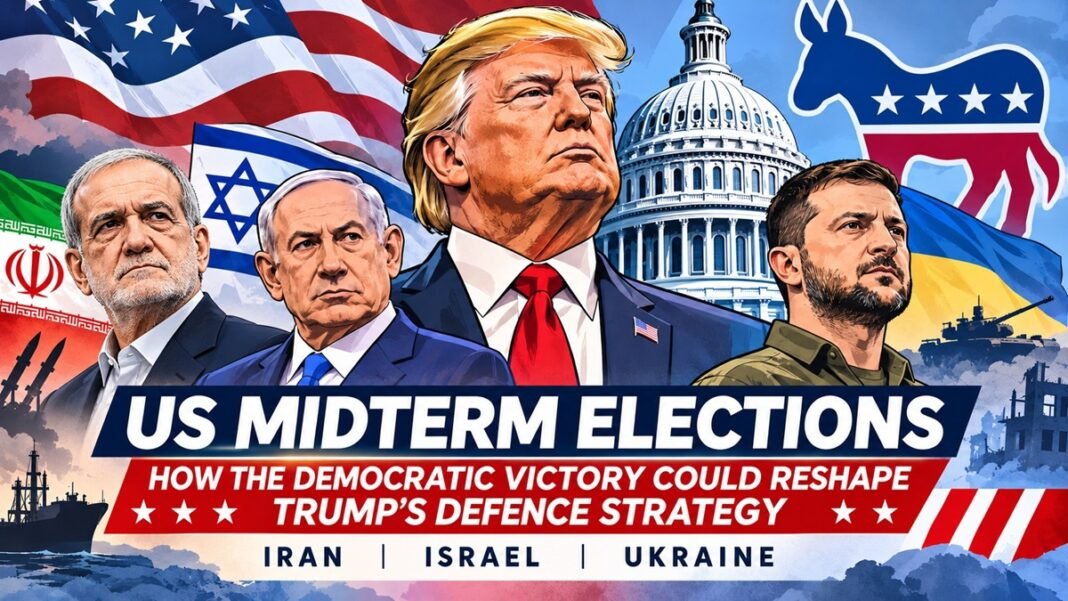
The Democratic takeover of Congress could put pressure on Donald Trump’s military strategy, reshape US defence commitments to Israel and revive support for Ukraine. But the election may constrain Washington’s foreign policy more than it changes it.
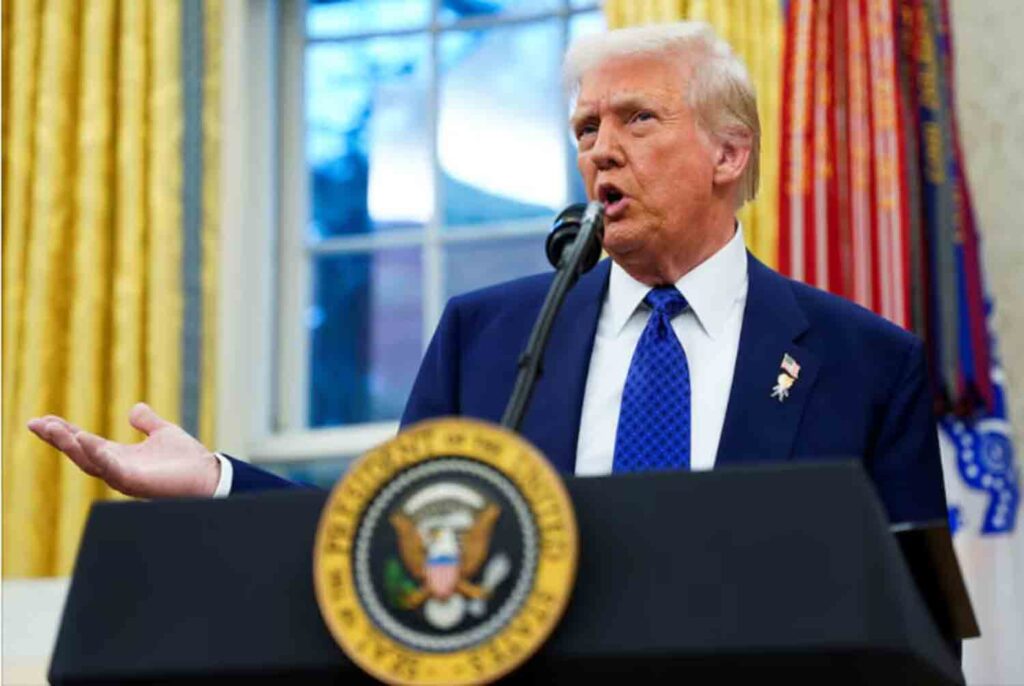
The sweeping Democratic victory in the US midterm elections has sent shockwaves far beyond Washington, raising questions about the future of American military commitments, defence alliances and ongoing conflicts across the Middle East and Europe.
President Donald Trump has spent nearly two years reshaping American foreign policy, challenging traditional alliances and pursuing a more unpredictable approach to international security. Now, with Democrats taking control of both chambers of Congress, Washington’s allies and adversaries are assessing whether the electoral setback will alter the direction of his administration’s military and diplomatic policies.
For Iran, Israel and Ukraine, the stakes extend well beyond the balance of power in the US Congress.
The results could influence the future of the US-Israeli military relationship, the direction of Washington’s confrontation with Tehran and the prospects for continued American assistance to Kyiv as it fights Russia.
The central question is whether Trump’s political defeat will encourage strategic restraint or provoke a more aggressive effort to achieve his foreign policy objectives before the new Congress takes office.
Democrats’ Midterm Victory Creates New Defence Policy Challenges
The November 3 midterm elections delivered a significant political setback for Trump, with Democrats winning control of both the House of Representatives and the Senate.
The results marked a dramatic reversal of the Republican position in Washington and opened the door to a more confrontational relationship between the White House and Congress.
The incoming Democratic majority will gain control of important congressional committees responsible for defence spending, foreign affairs, military assistance and national security oversight.
These powers could become particularly important as Washington continues to deal with the consequences of the Iran war, rising military expenditures and growing pressure to reassess its international commitments.
However, the election does not mean Democrats can immediately reverse Trump’s foreign policy.
The president retains substantial authority over military operations, diplomacy and national security decisions. Democrats will face additional obstacles because they lack the supermajorities necessary to override presidential vetoes.
Their influence will therefore depend heavily on congressional investigations, defence appropriations, legislation and negotiations over essential government spending.
According to the Council on Foreign Relations, the incoming Congress will have considerable leverage over foreign aid, defence budgets and national security appointments, even though its ability to directly overturn presidential decisions remains limited.
The result is likely to create a prolonged struggle over the limits of presidential authority in military affairs.

Iran War: Will Trump Choose Diplomacy or Military Escalation?
Iran represents one of the most immediate foreign policy challenges emerging from the midterm elections.
The conflict has already generated significant military, economic and political consequences for the United States, with rising energy prices contributing to voter frustration.
Trump acknowledged that the Iran war played a role in Republican electoral losses but continued defending his decision to launch military operations.
The president now faces a difficult strategic calculation.
Escalating the conflict could demonstrate military resolve and strengthen pressure on Tehran. However, a prolonged confrontation could further damage the administration politically by increasing energy prices, military expenditures and the risk of a wider regional war.
The election could therefore strengthen the argument for pursuing a diplomatic settlement.
Reuters reported that some Gulf governments believe Trump has greater incentives to seek an agreement with Iran following the Republican defeat.
Yet electoral pressure does not necessarily guarantee de-escalation.
Trump could also conclude that achieving a decisive military or diplomatic outcome before the new Congress takes office would strengthen his political position.
For Tehran, the election results offer both opportunities and risks.
Iranian officials have portrayed the Democratic victory as evidence of growing American opposition to the war. However, Supreme Leader Mojtaba Khamenei has reportedly warned against assuming that changes in congressional power will fundamentally alter Washington’s approach.
Iran’s strategic calculations are unlikely to depend exclusively on American electoral politics.
Tehran must continue preparing for the possibility of renewed military operations while exploring diplomatic opportunities through regional intermediaries.
The Strait of Hormuz remains central to this calculation.
Any further escalation involving the strategic waterway could threaten global energy supplies, intensify economic pressure on Washington and increase the costs of the conflict for regional states.
The midterm results may therefore strengthen the political case for diplomacy without removing the possibility of further military confrontation.
Israel’s Defence Relationship With Washington Faces a New Reality
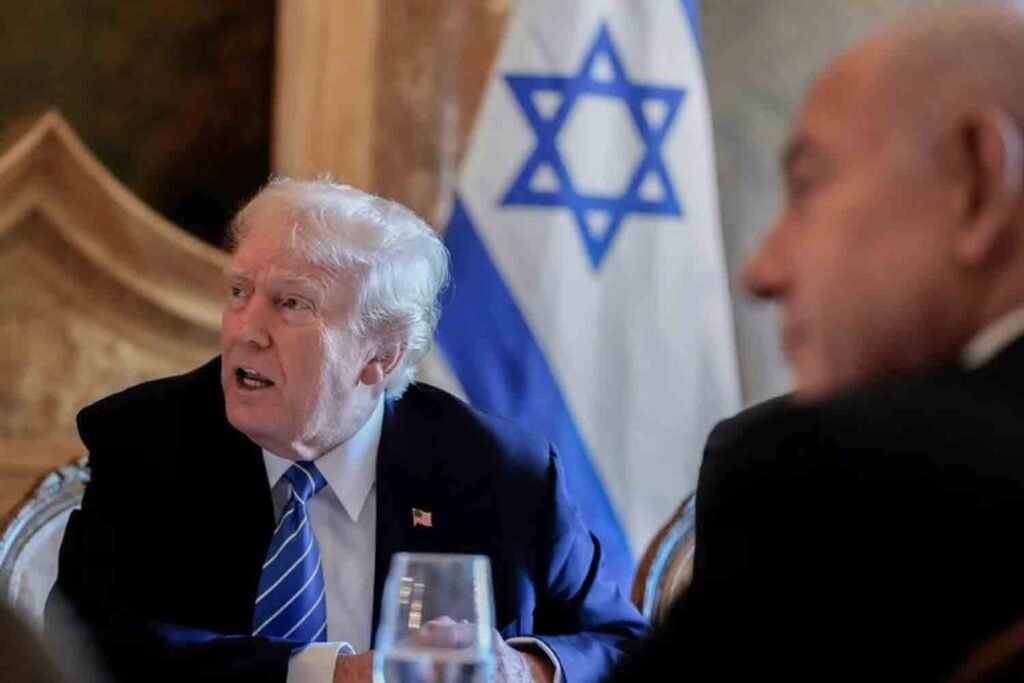
Israel could face one of the most consequential strategic implications of the Democratic electoral victory.
For decades, American support for Israel has remained a central pillar of Washington’s Middle East policy, supported by bipartisan congressional consensus.
However, that consensus has increasingly come under pressure.
The Gaza war, civilian casualties, regional military operations and disagreements over Netanyahu’s policies have intensified divisions within the Democratic Party.
The Iran war has further complicated the relationship, particularly among American voters concerned about military expenditures and the economic consequences of US involvement in the Middle East.
Trump’s announcement that Washington intends to end approximately $4 billion in annual military assistance to Israel in 2027 has added another dimension to the debate.
The decision, however, should not be interpreted as an immediate termination of the US-Israeli defence relationship.
The existing military assistance agreement runs through 2028, and Congress would play an important role in any major changes to the funding arrangement.
The future of American assistance will therefore depend on negotiations, congressional priorities and the broader strategic relationship between the two countries.
Could US Military Aid to Israel Be Reduced?
The potential consequences extend beyond direct financial assistance.
American support for Israel encompasses military equipment, intelligence cooperation, joint research and development, missile defence and access to advanced weapons systems.
The future of these arrangements could become a subject of greater congressional scrutiny.
Systems such as Iron Dome, David’s Sling and other jointly developed defence technologies demonstrate the depth of the US-Israeli military partnership.
However, reducing military assistance would not automatically terminate intelligence sharing or joint defence development.
These arrangements operate through different agreements and institutional frameworks.
The incoming Democratic Congress could nevertheless push for greater transparency, additional conditions on military assistance or restrictions linked to the conduct of military operations.
Such pressure could complicate Israel’s long-term defence planning.
For Israel, the challenge is not simply the possibility of reduced American funding. It is the risk that Washington’s political support could become less predictable.
Netanyahu Faces Growing Strategic Pressure

The changing political environment in Washington could also increase pressure on Israeli Prime Minister Benjamin Netanyahu.
Netanyahu has traditionally relied on close political and military cooperation with American administrations to support Israel’s regional security objectives.
However, the emergence of a Democratic-controlled Congress could complicate his efforts to maintain unrestricted American support for military operations.
Growing divisions within the United States over Israel’s conduct in Gaza and its confrontation with Iran could make future defence cooperation more politically contentious.
Israel may increasingly face demands to demonstrate that its military strategy remains aligned with American interests.
The strategic concern for Netanyahu is that a deterioration in political support could eventually affect the availability, conditions or timing of military assistance.
At the same time, the United States remains deeply invested in Israel’s security and its regional military capabilities.
A complete rupture in the relationship remains unlikely.
The more realistic possibility is a gradual transformation of the partnership, with greater political scrutiny and more complicated negotiations over military assistance.
Ukraine Sees an Opportunity for Renewed American Support
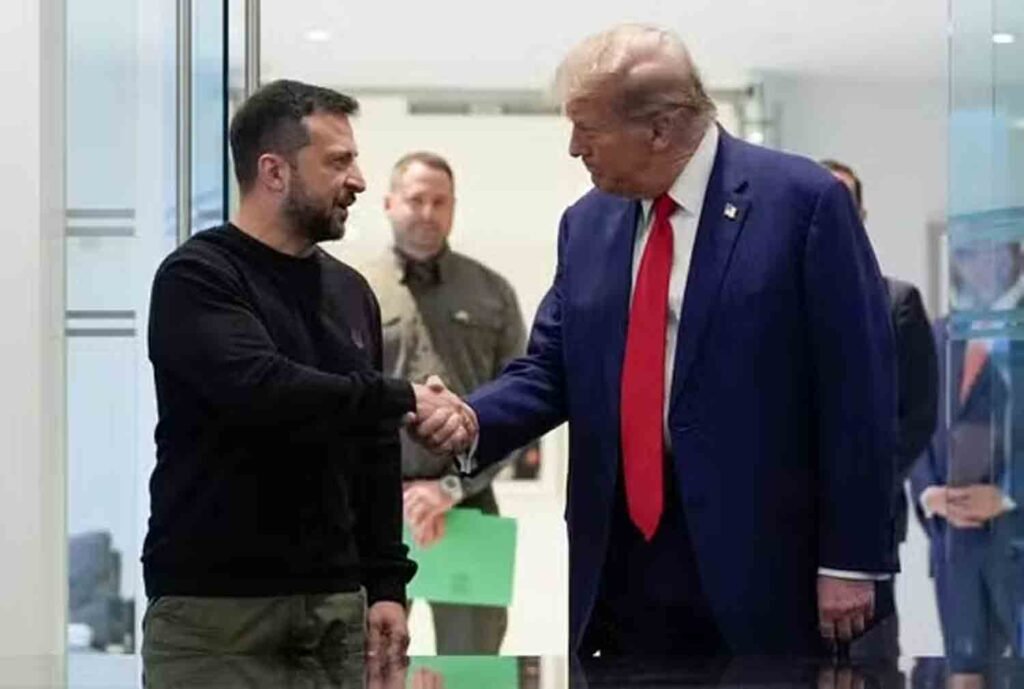
For Ukraine, the Democratic victory offers a potential opportunity to strengthen its position in the war against Russia.
President Volodymyr Zelensky has welcomed the electoral outcome, expressing hope that the incoming Democratic majority could help restore stronger American support for Kyiv.
In comments reported by Reuters, Zelensky said Democrats had spoken clearly about supporting Ukraine and providing assistance.
The Ukrainian leadership also hopes that a stronger congressional commitment to transatlantic cooperation could improve its diplomatic position against Moscow.
However, expectations should be measured against the political realities in Washington.
Trump has repeatedly expressed frustration with the costs of supporting Ukraine and has pursued diplomatic initiatives aimed at ending the war.
Democrats may seek to restore military assistance, increase pressure on Russia and strengthen cooperation with European allies.
Yet Congress cannot automatically dictate the president’s approach to diplomacy or guarantee the immediate delivery of weapons.
Could Congress Restore Military Assistance to Ukraine?
A Democratic-controlled Congress could use defence appropriations and legislative negotiations to push for additional support for Kyiv.
This could include funding for ammunition, air defence systems, military equipment and intelligence cooperation.
However, the United States faces competing military priorities.
The Iran war has placed additional pressure on American weapons inventories, particularly air defence interceptors and other high-demand systems.
The availability of weapons could therefore become as important as congressional political support.
Ukraine’s immediate military requirements may not be satisfied simply because Democrats have won the midterms.
The conflict also raises questions about the sustainability of American military assistance and the extent to which European countries must assume greater responsibility for Ukraine’s defence.
For Kyiv, the election provides a political opportunity rather than a guaranteed strategic breakthrough.
Russia Could Benefit From Washington’s Political Divisions
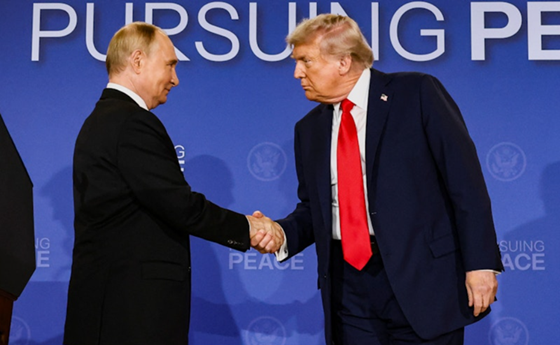
Moscow will closely monitor the implications of the Democratic victory for American military policy.
Russia has repeatedly sought to exploit divisions within the United States and Europe over the costs, objectives and duration of support for Ukraine.
The midterm results could create additional uncertainty about the future direction of Washington’s Russia policy.
A Democratic-controlled Congress may push for stronger support for Ukraine, while Trump could continue pursuing negotiations with Moscow.
This divergence could create an unpredictable policy environment.
Russia may seek to exploit disagreements between the White House and Congress to weaken Western unity.
However, Moscow should not assume that Democratic control automatically guarantees a stronger American military commitment to Ukraine.
The Democratic Party itself contains different views regarding military spending, diplomatic negotiations and the risks of escalation with Russia.
The outcome will depend on whether congressional opposition to Trump’s foreign policy translates into a coherent alternative strategy.
The Defence Budget Could Become Trump’s Biggest Political Battleground
One of the most important consequences of the midterm elections could emerge through the US defence budget.
Congressional control over appropriations gives Democrats significant leverage over military spending and foreign assistance.
The incoming majority could scrutinise the costs of the Iran war, demand greater transparency over military operations and seek restrictions on funding for specific activities.
This could create a difficult political environment for the Pentagon.
The administration may find it harder to secure additional funding for military operations without negotiating with Democratic lawmakers.
Defence spending could become a bargaining instrument in disputes over Iran, Israel, Ukraine and other military commitments.
However, a Democratic-controlled Congress does not necessarily mean reduced American military spending.
Many Democrats support a strong US military and remain committed to American alliances.
The principal disagreement may concern how military resources are allocated, which conflicts deserve priority and how much authority the president should exercise without congressional approval.
This distinction is particularly important for the defence industry.
American weapons manufacturers could face uncertainty over future procurement priorities, military assistance packages and the production requirements associated with ongoing conflicts.
At the same time, the election could strengthen congressional demands for more sustainable defence planning.
What the Midterm Elections Mean for Global Military Strategy
The Democratic victory represents more than a domestic political setback for Trump.
It introduces a new variable into the strategic calculations of countries involved in major international conflicts.
Iran may see an opportunity to pursue diplomacy while preparing for further military confrontation.
Israel may face increasing pressure to reconsider its dependence on American military assistance and political support.
Ukraine may hope that congressional support can strengthen its defence against Russia.
Meanwhile, Moscow could attempt to exploit the political divisions between the White House and Congress.
The broader implications extend beyond these three conflicts.
Washington’s allies in Europe, Asia and the Middle East will be watching closely to determine whether the election signals a more restrained American foreign policy or simply creates another period of uncertainty.
The central challenge for US allies is that electoral outcomes can change congressional priorities without immediately changing presidential strategy.
Trump retains substantial authority over military operations, diplomacy and national security decisions.
The new Congress, meanwhile, will have powerful tools to influence funding, oversight and future legislation.
The result could be a prolonged struggle over America’s military commitments at a time when global security tensions remain exceptionally high.
Conclusion: A Political Setback That Could Reshape Defence Policy
The 2026 US midterm elections have created a new political landscape for American defence and foreign policy.
The Democratic victory could strengthen congressional oversight of Trump’s military decisions, complicate the financing of the Iran war and increase scrutiny of American military assistance to Israel.
For Ukraine, the result offers hope of renewed congressional support, although the availability of weapons and the president’s diplomatic priorities will remain decisive.
The election does not automatically end Trump’s foreign policy agenda.
Instead, it creates a new balance of power in Washington, where military strategy, defence spending and international commitments are likely to become increasingly contested.
For Iran, Israel, Ukraine and the wider international community, the next phase of American foreign policy may be shaped less by a change in presidential authority than by the growing struggle between the White House and Congress over the future of US military power.
**The most important question is no longer whether Trump can continue his foreign policy agenda, but how much political, financial and strategic room he will have to