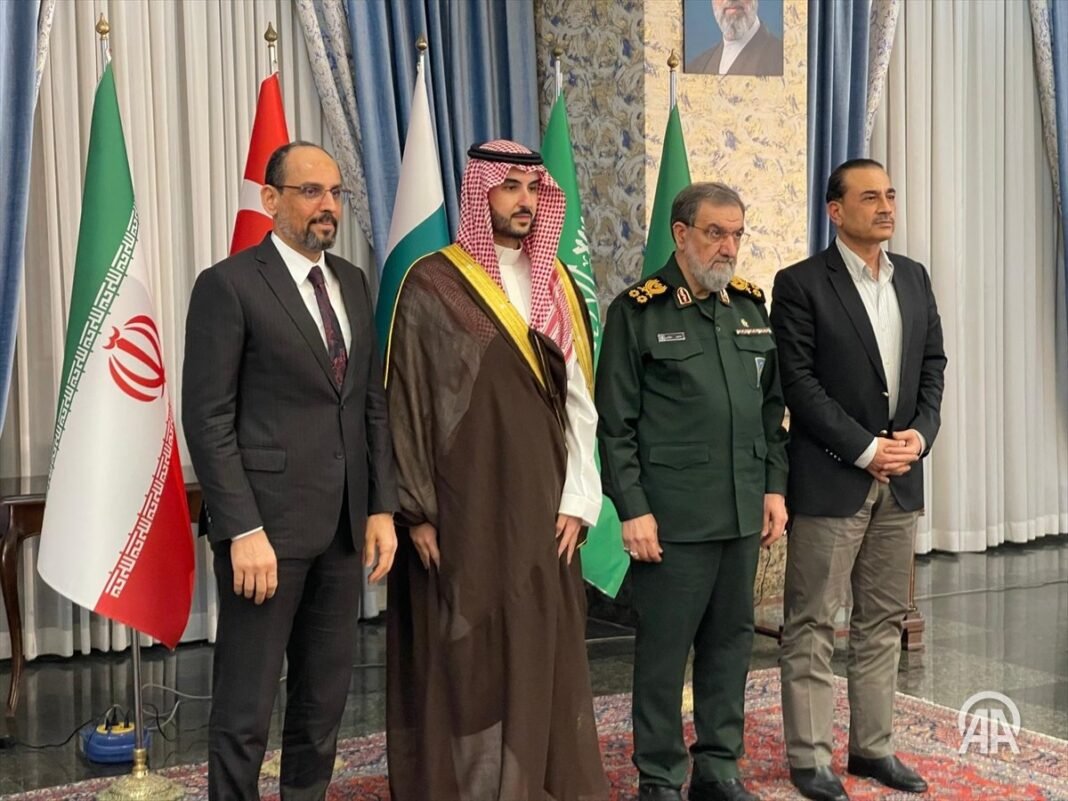
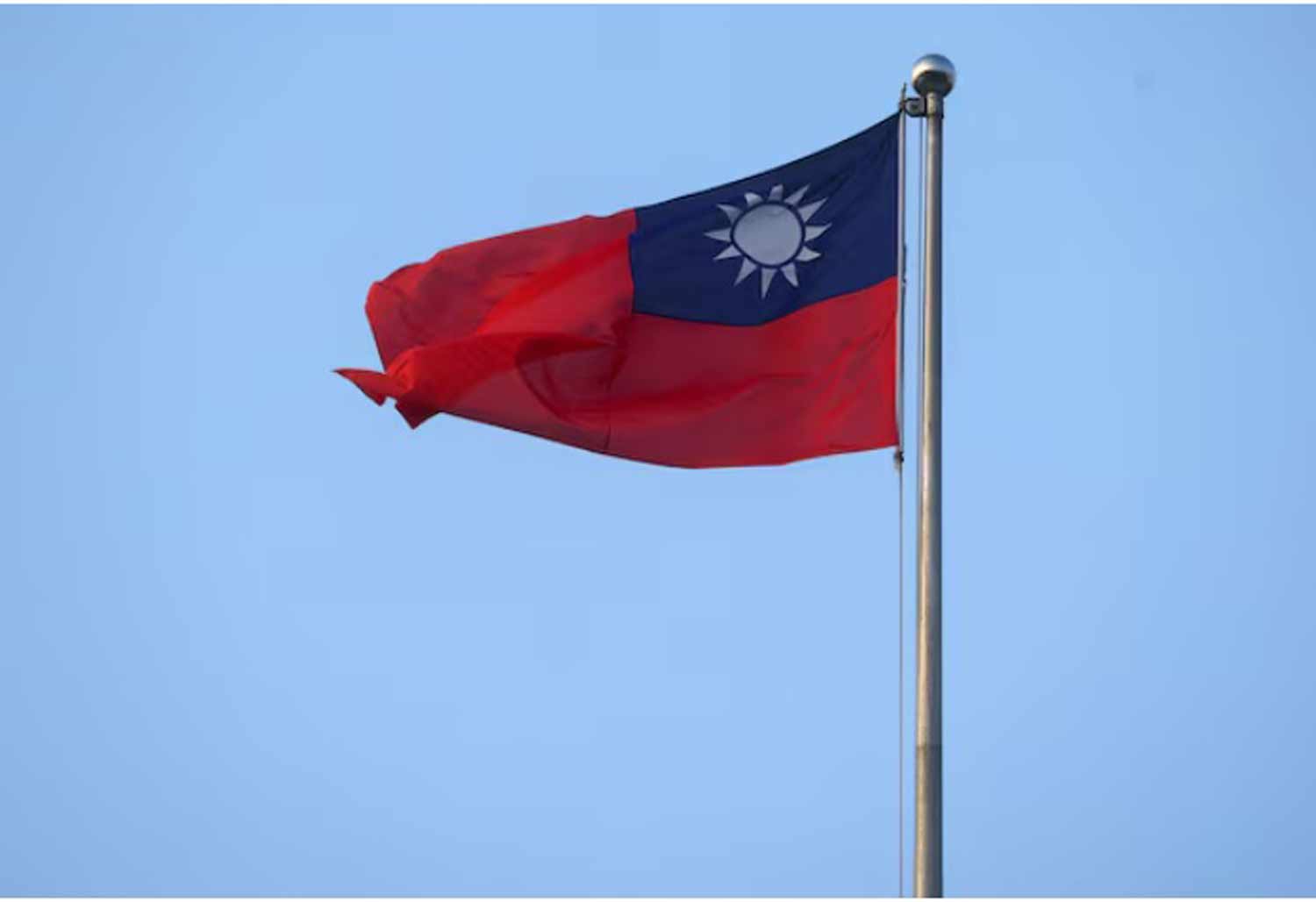
Pakistan has reportedly restricted Taiwanese airlines from using its airspace, forcing some Europe-bound flights to change routes. The development comes as Islamabad reiterates its support for Beijing’s One-China principle, although the reported aviation restriction has yet to be confirmed through an official notice.
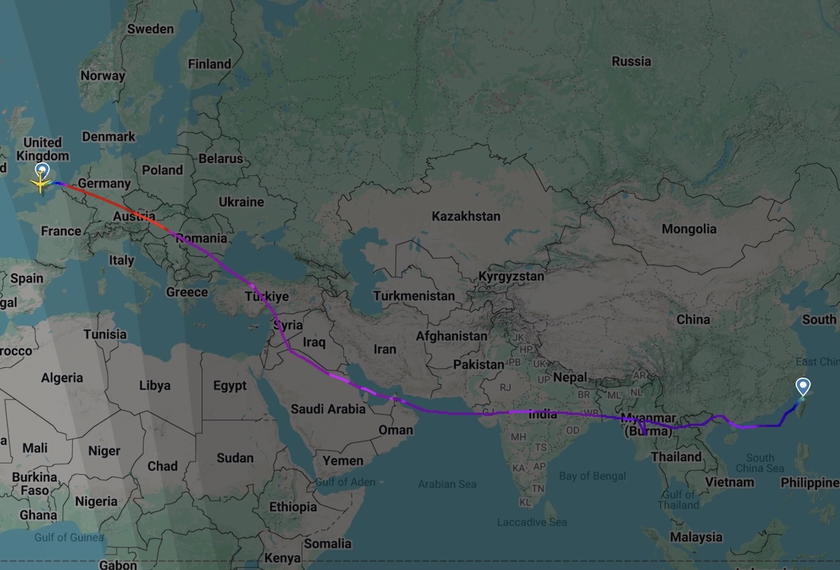
Pakistan has reportedly denied Taiwanese airlines access to its airspace, prompting changes to flight routes connecting Taiwan with Europe and raising questions about the intersection of aviation policy, diplomatic recognition and China’s One-China principle.
The reported restriction, said to have taken effect on October 25, 2026, has drawn attention because Pakistan occupies an important position along several routes linking East Asia with Europe. If confirmed, the measure could require affected airlines to use alternative corridors through the Middle East or northern Eurasia, potentially affecting flight duration, fuel consumption and operating costs.
The development also comes against the backdrop of Pakistan’s longstanding strategic partnership with China. Islamabad has repeatedly affirmed that it regards Taiwan as an integral part of China and supports Beijing’s position on the Taiwan question.
However, no official Pakistani aviation notice or government announcement confirming a blanket ban on Taiwanese carriers was located during research for this article.
Pakistan’s reported airspace restriction affects Taiwan-Europe flight routes
Aviation reporting published on October 28 has drawn attention to changes in the routes used by Taiwanese airlines following the reported restriction.
According to aviation website One Mile at a Time, China Airlines flight CI81, operating between Taipei and London, had regularly used Pakistani airspace before October 25. Subsequent flight-tracking observations indicated that the service had shifted to a route south of Pakistan, through the Middle East.
The same report noted changes involving China Airlines flight CI75, operating between Taipei and Rome. The flight was observed using Russian airspace around the beginning of the winter aviation season on October 25, rather than following its usual southern route through parts of South and Central Asia.
The report cited aviation-industry commentary suggesting that Pakistan’s reported restriction may explain some of the route changes. However, it acknowledged that the outlet had not found an official notice confirming a Pakistani ban on Taiwanese airlines.
This distinction matters because flight routes can change for several reasons, including seasonal winds, fuel efficiency, safety assessments, airspace restrictions and airlines’ operational decisions.
The available flight-tracking observations support further investigation into the reported restriction, but they do not independently establish the existence of a formal blanket ban or prove that every Taiwanese airline has been affected.

Pakistan’s One-China policy provides the diplomatic context
Pakistan’s longstanding position on Taiwan is well documented.
Islamabad recognises the People’s Republic of China as the government of China and does not maintain formal diplomatic relations with Taiwan. Pakistan has consistently supported Beijing’s One-China principle in bilateral relations and international forums.
In a joint statement issued on May 26, 2026, following Prime Minister Shehbaz Sharif’s visit to China, Pakistan reaffirmed its position that Taiwan is an inalienable part of the territory of the People’s Republic of China.
The statement also said Pakistan opposed any form of Taiwan independence and supported China’s efforts towards national reunification.
Pakistan’s Foreign Office reiterated the same position during a press briefing on May 14, 2026, describing its policy on Taiwan as firm and unchanged.
These statements establish the diplomatic background against which the reported aviation development is being discussed. They do not, however, confirm that Pakistan has adopted a new airspace restriction specifically targeting Taiwanese airlines.
Why Pakistani airspace matters for Taiwan-Europe flights
Pakistan’s geographic position makes its airspace an important option for some flights travelling between East Asia and Europe.
Depending on their destination, winds, operating requirements and available airspace, airlines can select routes through South Asia, Central Asia, the Middle East or northern Eurasia.
For Taiwanese airlines, the availability of these corridors is particularly relevant because their access to mainland Chinese airspace is constrained by the political dispute between Beijing and Taipei.
If Pakistani airspace is unavailable to Taiwanese carriers, airlines that previously used routes through Pakistan may have to consider two broad alternatives.
Southern routes through the Middle East
Flights may travel south of Pakistan before continuing towards Europe through airspace in the Middle East and beyond.
Such routes can increase the distance travelled compared with a more direct corridor, although the precise effect depends on the destination, weather, winds and the route available on a given day.
Northern routes through Russia and Central Asia
Where operationally and legally available, routes through northern Eurasia can provide an alternative for some Europe-bound flights.
One Mile at a Time reported that Taiwanese airlines had begun using Russian airspace again around October 25, following a change in Taiwan’s aviation restrictions on Russian overflights.
The timing overlaps with the reported Pakistani restriction, but the two developments should not automatically be treated as a single coordinated policy decision. Changes in Taiwan’s own aviation rules and airlines’ route planning may also explain the shift.
For carriers, the consequences could include changes in flight times, fuel requirements, crew scheduling and operating expenses. The scale of any additional cost would depend on the routes affected and the duration of the reported restriction.
Does the reported move represent a new form of diplomatic pressure?
If confirmed, a restriction specifically directed at Taiwanese airlines would have implications beyond flight planning.
Airspace access is governed by aviation regulations, international arrangements and decisions taken by individual states within the applicable legal framework. Governments can also use administrative and regulatory measures to reflect their foreign-policy priorities.
Pakistan’s close strategic relationship with China provides a clear diplomatic context for the reported development. Beijing regards Taiwan as part of its territory, while Taiwan’s government rejects Beijing’s sovereignty claim and maintains that the island’s future must be determined by its people.
Islamabad has consistently aligned itself with Beijing’s position on Taiwan in official diplomatic statements.
Nevertheless, there is an important difference between explaining the political context and establishing the motive behind a specific aviation decision.
Without an official Pakistani notification or a credible report identifying the decision-maker and the stated grounds, it would be premature to conclude that the reported restriction was imposed specifically at China’s request or as a newly announced measure to enforce the One-China principle.
The claim that Pakistan has become the first country to deny Taiwanese airlines access to its airspace also remains unverified. Establishing that distinction would require a review of comparable restrictions, aviation notices and official statements from other governments.
What does the development mean for China-Pakistan relations?
China and Pakistan describe their relationship as an all-weather strategic cooperative partnership. Their cooperation extends across defence, infrastructure, economic development and diplomatic coordination.
The Taiwan issue is among the matters Pakistan has repeatedly identified as a core Chinese interest.
In their May 2026 joint statement, the two governments reaffirmed their support for each other’s positions on core national interests. The document also addressed cooperation under the China-Pakistan Economic Corridor, regional security and coordination in international institutions.
Against this background, the reported airspace restriction has attracted attention because it could illustrate how diplomatic positions intersect with the practical operation of international aviation.
However, the evidence currently available does not establish that the restriction was part of a wider bilateral agreement, that China formally requested it, or that the measure represents a change in Pakistan’s declared Taiwan policy.
The more immediate question is whether Pakistan’s aviation authorities have issued a formal restriction and, if so, whether it applies to all Taiwanese operators, selected carriers or particular flight categories.
Taiwan’s position and the wider diplomatic dispute
Taiwan rejects Beijing’s claim that it is part of the People’s Republic of China and maintains its own government and institutions.
In a statement published on January 6, 2026, Taiwan’s Ministry of Foreign Affairs criticised the language used in the China-Pakistan joint communiqué concerning Taiwan, arguing that the statement misrepresented Taiwan’s political status.
The response illustrates the diplomatic disagreement underlying the reported aviation development. Beijing and its diplomatic partners maintain the One-China position, while Taiwan contests the assertion that it falls under the sovereignty of the People’s Republic of China.
The aviation issue therefore sits within a wider dispute over international recognition and Taiwan’s participation in international affairs.
If the reported restriction is confirmed, it would provide a concrete example of how the dispute could affect commercial transport and international connectivity. Until then, the distinction between established diplomatic policy and an unverified aviation measure remains essential.
What happens next?
Several developments will help establish the scope and significance of the reported restriction:
- Official confirmation: Whether Pakistan’s Civil Aviation Authority or another competent authority issues a notice concerning Taiwanese aircraft.
- Scope of the measure: Whether the restriction applies to all Taiwanese airlines, particular operators, scheduled passenger flights or other categories of aviation.
- Airline responses: Whether China Airlines, EVA Air or other affected carriers formally confirm changes to their flight plans.
- Operational impact: Whether the rerouting results in longer flights, additional fuel stops, increased costs or schedule changes.
- Diplomatic explanation: Whether Islamabad or Beijing publicly links the measure to the One-China principle.
These details will determine whether the development represents a formal policy decision, a temporary aviation restriction or a change in airlines’ operational arrangements.
Conclusion
Pakistan’s reported restriction on Taiwanese airlines has brought renewed attention to the relationship between its One-China policy and international aviation.
Islamabad’s support for Beijing’s position on Taiwan is firmly documented in official statements, and reported changes to Taiwan-Europe flight routes warrant further investigation. However, the existence and scope of a formal Pakistani airspace ban have not yet been independently confirmed by an official notice.
If verified, the restriction could affect route planning for some Taiwanese carriers and demonstrate how geopolitical disputes can influence commercial aviation. For now, the decisive evidence will be an official aviation notification or confirmation from the airlines concerned.