
NATO plans to deepen military and political cooperation with Armenia and Azerbaijan have reportedly been stalled for more than a year, exposing a new diplomatic dispute inside the alliance as both South Caucasus countries seek closer ties with the West.
Plans to expand NATO cooperation with Armenia and Azerbaijan — including military training, exercises, defence cooperation and political dialogue — have become caught in a dispute involving two NATO members, France and Türkiye, according to a report citing NATO diplomats.
Under the reported arrangement, France has withheld approval for a new partnership framework with Azerbaijan because of unresolved bilateral disputes with Baku. Türkiye has in turn opposed moving ahead with Armenia’s plan separately, arguing that the two partnership documents should be approved together.
The result has been a prolonged deadlock over NATO’s effort to update its partnership arrangements with the two South Caucasus states.
The dispute is significant because Armenia and Azerbaijan have been moving through a broader geopolitical transition following decades of conflict over Nagorno-Karabakh. Both countries are seeking new security and economic relationships, while Russia’s traditional influence in the region has weakened.
What is behind the NATO deadlock?
The reported disagreement centres on NATO’s Individually Tailored Partnership Programme, or ITPP.
The ITPP is NATO’s main framework for organizing cooperation with individual partner countries. It replaced earlier arrangements such as the Individual Partnership Action Plan and brings political dialogue, defence reform, military interoperability, training and other partnership activities into a single framework.
The system requires agreement between NATO and the individual partner, while the relevant partnership programmes are approved by NATO allies.
For Azerbaijan, NATO has been working toward finalizing an ITPP that could cover areas including defence education, demining, cyber defence, countering information threats, human security and defence-sector reforms.
During a January 2026 visit to Baku, NATO Deputy Secretary General Radmila Shekerinska said the alliance was working toward finalizing Azerbaijan’s ITPP. NATO described the relationship as a long-standing partnership involving more than three decades of political dialogue and practical cooperation.
A similar process is continuing with Armenia.
NATO’s Special Representative for the Caucasus and Central Asia, Kevin Hamilton, visited Yerevan in April and discussed the continued development of NATO-Armenia cooperation, regional security and the Armenia-Azerbaijan peace process. NATO also highlighted Armenia’s contribution to the alliance’s KFOR peacekeeping mission and efforts to modernize its armed forces and improve interoperability with NATO forces.
Why France is opposing Azerbaijan’s plan

France’s objections to Azerbaijan’s partnership programme are connected to the deteriorated relationship between Paris and Baku.
France and Azerbaijan have been involved in a serious diplomatic dispute for several years, particularly following Azerbaijan’s 2023 military operation that ended the self-declared Nagorno-Karabakh entity.
Paris has strongly supported Armenia and has repeatedly criticized Azerbaijan over issues connected with the conflict and human rights.
France itself describes the bilateral relationship as having deteriorated following Azerbaijan’s military operations in 2020 and 2023. The French government has also cited disputes involving detained French nationals and accusations of interference in French affairs.
The dispute has nevertheless shown signs of improvement.
France says diplomatic dialogue with Azerbaijan resumed in January 2025, while President Emmanuel Macron and Azerbaijani President Ilham Aliyev reaffirmed their desire to restore relations during a meeting in Copenhagen in October 2025.
But the normalization process has not completely removed the disagreements affecting broader European and NATO cooperation.
A September analysis by Poland’s Centre for Eastern Studies said normalization of French-Azerbaijani relations could help remove an obstacle to closer cooperation between Azerbaijan and both the EU and NATO, including the completion of Azerbaijan’s ITPP.
Türkiye links Armenia and Azerbaijan
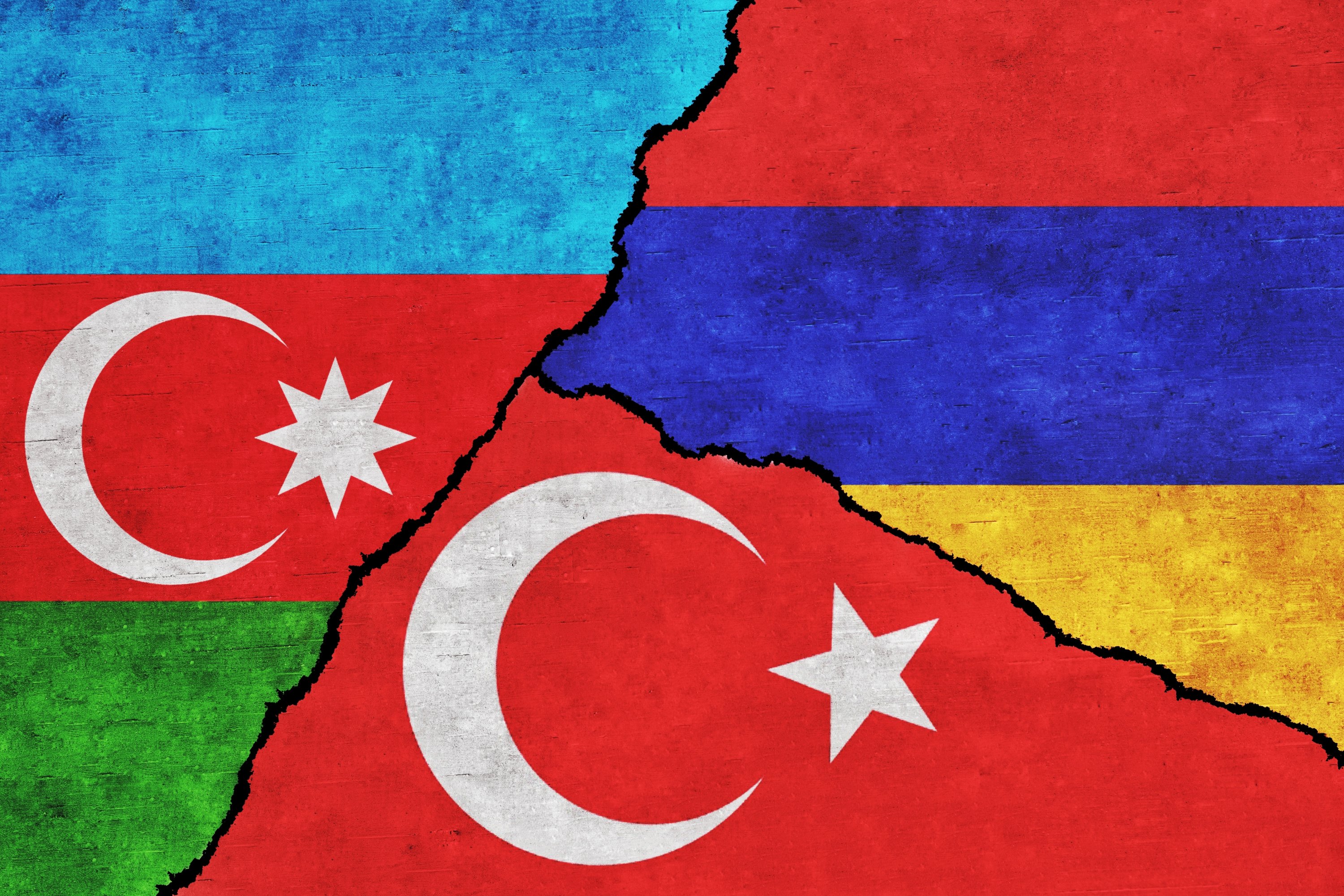
Türkiye’s position adds another layer to the dispute.
Ankara has extremely close strategic, political and military ties with Azerbaijan and has historically maintained a much more complicated relationship with Armenia.
According to the reported NATO diplomatic account, Türkiye has opposed approving Armenia’s partnership programme independently of Azerbaijan’s, effectively linking the two processes.
A Turkish official rejected the characterization that Ankara’s position represents a dispute with France or Armenia, saying Türkiye has long been prepared for the two documents to be approved simultaneously.
The disagreement therefore reflects a broader principle for Ankara: deeper NATO engagement with Armenia should not proceed in a way that separates it from the alliance’s engagement with Azerbaijan.
Armenia’s relationship with NATO is changing
The dispute comes as Armenia has been gradually reshaping its foreign and security policy.
For decades, Russia was Armenia’s principal security partner, while Armenia also participated in NATO’s Partnership for Peace framework and contributed troops to NATO-led missions.
Armenia’s relationship with NATO dates back to the early 1990s. It joined the Partnership for Peace in 1994 and later developed cooperation through the Individual Partnership Action Plan and other mechanisms. Armenian forces have also participated in NATO-led peacekeeping operations, including KFOR in Kosovo.
The relationship has gained additional importance as Yerevan has become increasingly dissatisfied with its traditional security arrangements with Moscow.
The deterioration of Armenia-Russia relations accelerated after Azerbaijan’s 2023 takeover of Nagorno-Karabakh and amid disputes over the role of Russian security structures in the region.
Armenia has subsequently expanded contacts with the European Union, the United States and NATO while attempting to diversify its security relationships.
NATO itself has stopped short of suggesting that Armenia is moving toward membership.
Instead, the alliance describes the relationship in terms of partnership, defence reform, interoperability, political dialogue and regional security cooperation.
Azerbaijan also wants deeper Western engagement
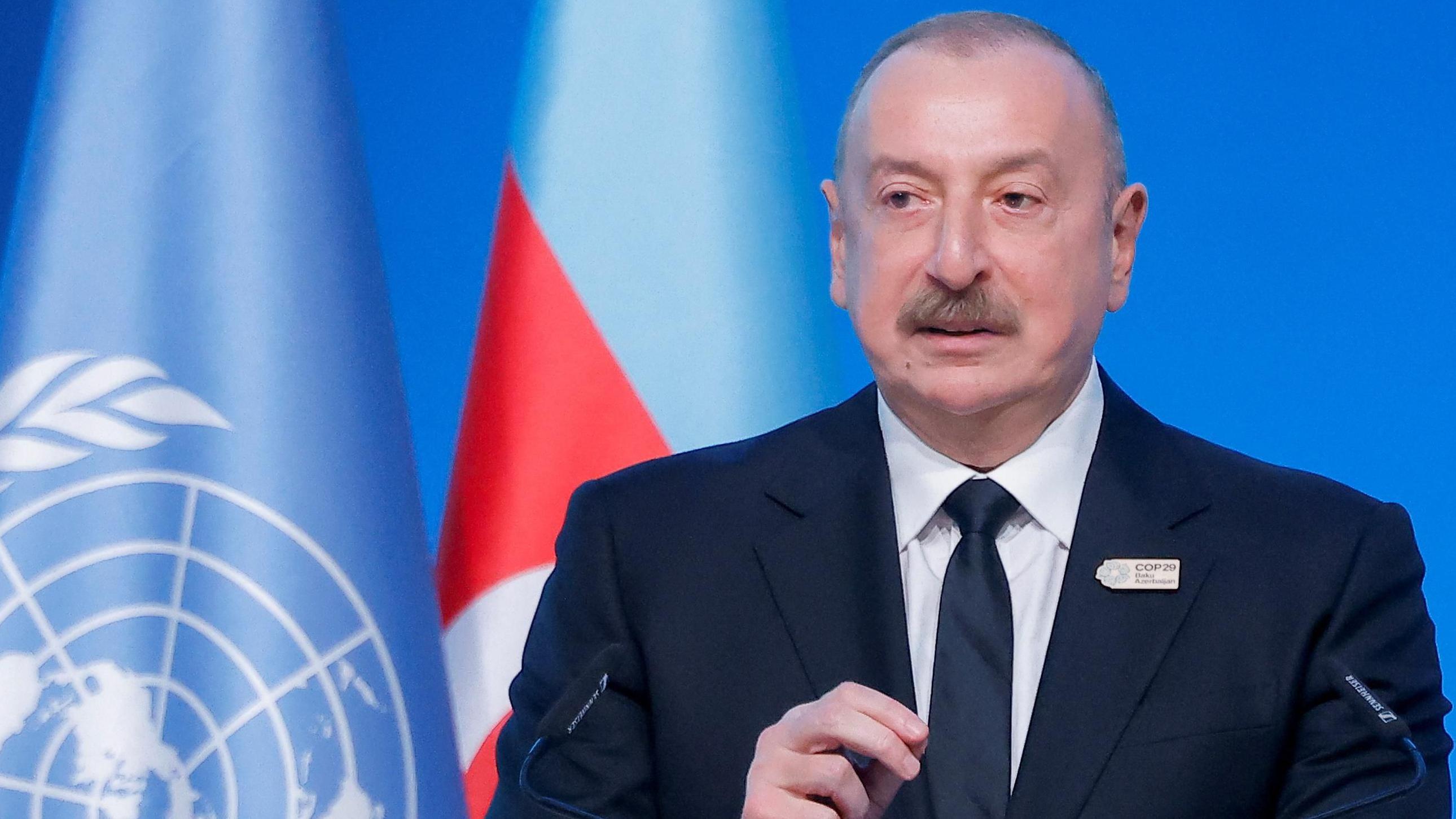
Azerbaijan’s relationship with NATO is different.
Baku has maintained close cooperation with the alliance for decades while simultaneously preserving its own independent foreign policy.
Azerbaijan participated in NATO-led operations in Afghanistan and has cooperated with the alliance on military interoperability and defence education.
NATO has also highlighted Azerbaijan’s importance to European energy security, particularly its role in supplying gas to European markets as countries seek alternatives to Russian energy.
Baku’s interest in closer Western engagement is therefore not limited to military cooperation.
Energy, transport connectivity and its position between Europe and Central Asia have increased Azerbaijan’s strategic importance.
The country’s role in the Middle Corridor, linking China and Central Asia with Europe through the Caspian Sea and South Caucasus, has also become more important as European countries seek alternative trade and transport routes.
Russia’s influence is an important part of the picture
The NATO deadlock comes during a broader restructuring of the South Caucasus.
Russia once occupied a central position in regional security, particularly through its military presence and relationships with Armenia and Azerbaijan.
That influence has weakened considerably since the 2020 Armenia-Azerbaijan war and Russia’s invasion of Ukraine in 2022.
The 2023 Azerbaijani offensive in Nagorno-Karabakh further altered the regional balance.
Azerbaijan now controls the territory that had been outside its effective control for decades, while Armenia is pursuing a peace settlement and greater integration with Western institutions.
The United States and European countries have become increasingly involved in the peace process.
A U.S.-brokered summit in Washington in August 2025 produced a joint declaration between Armenian Prime Minister Nikol Pashinyan and Azerbaijani President Ilham Aliyev, although implementation of the resulting framework has remained incomplete.
Armenia-Azerbaijan peace process remains central

The future of NATO’s partnership plans cannot be separated entirely from the Armenia-Azerbaijan peace process.
The two countries have made significant progress toward ending their decades-long conflict, but important issues remain.
Azerbaijan has continued to demand constitutional changes in Armenia before signing a final peace agreement. The issue concerns references in Armenia’s constitutional framework to the Nagorno-Karabakh issue.
Another major issue is regional connectivity.
Azerbaijan wants an uninterrupted transport connection between its mainland and the Nakhchivan exclave through southern Armenia.
The proposed route has become one of the most strategically important infrastructure questions in the South Caucasus because it could connect Azerbaijan and Türkiye with Central Asia while reducing dependence on existing routes.
It also has implications for Iran, Russia and the European Union.
NATO faces a difficult balancing act
The dispute over Armenia and Azerbaijan illustrates the complications NATO faces when dealing with partners that have unresolved disputes with one another.
The alliance is not attempting to make Armenia or Azerbaijan NATO members through these programmes.
Instead, the ITPPs are designed to structure practical cooperation.
According to NATO, partnership programmes can cover defence-sector reform, interoperability, military planning, training, cyber defence, resilience and preparation for participation in NATO-led activities.
For Armenia, deeper cooperation could support its effort to modernize its armed forces and diversify its external security relationships.
For Azerbaijan, an updated partnership framework could strengthen cooperation in defence education, cyber security, demining, military interoperability and other areas.
The longer the documents remain stalled, however, the greater the risk that political disputes between NATO members will interfere with practical cooperation involving both partner countries.
The deadlock does not mean NATO has abandoned either country
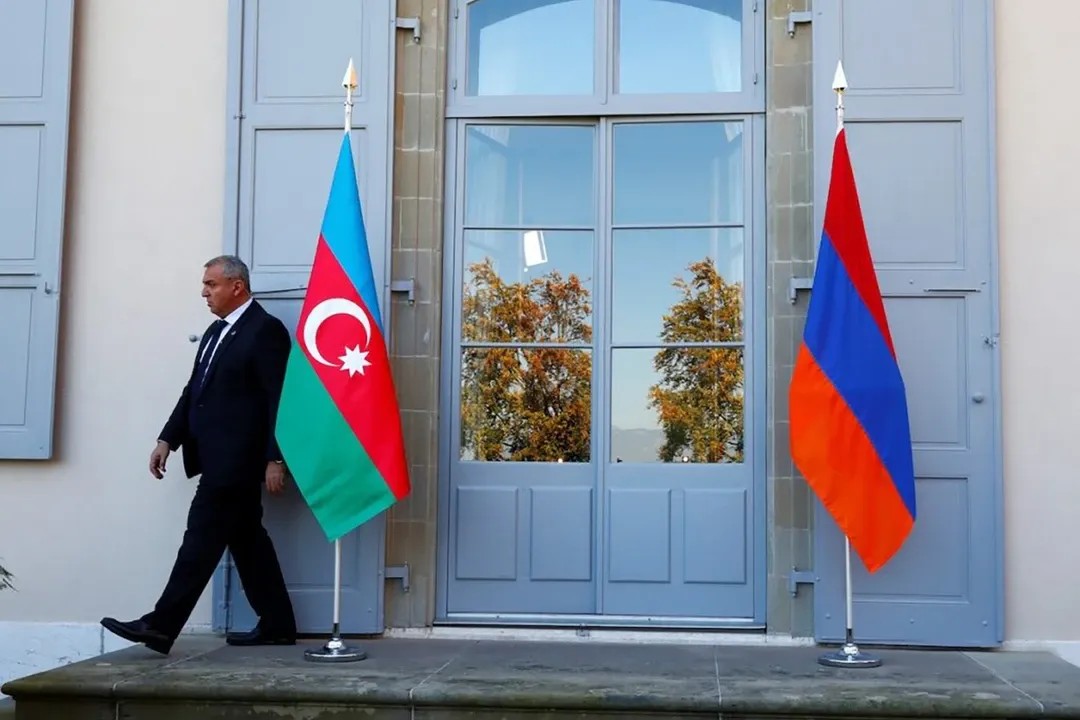
Despite the reported blockage, NATO has continued engagement with both Armenia and Azerbaijan.
The alliance’s deputy secretary general visited Azerbaijan in January.
Its special representative for the Caucasus and Central Asia visited Armenia in April.
A NATO delegation also visited Azerbaijan in September, according to Azerbaijan’s NATO mission.
These contacts suggest that the alliance continues to view both countries as important partners in the South Caucasus.
The issue is therefore not whether NATO wants relations with Armenia and Azerbaijan.
The dispute is over how far that cooperation can advance and under what political conditions.
A wider geopolitical contest in the South Caucasus
The developments have significance beyond NATO.
The South Caucasus sits between Russia, Türkiye and Iran while connecting Europe to Central Asia and the Caspian region.
The region has become increasingly important for energy supplies, transport corridors and military strategy.
Türkiye has strong cultural, political and military links with Azerbaijan and is also a NATO member.
France has developed close political and defence ties with Armenia.
Russia continues to have interests in the region.
Iran is closely watching developments around its northern borders, particularly proposals for new transport corridors that could alter regional connectivity.
The European Union and United States are meanwhile attempting to strengthen their economic and diplomatic role.
Against this backdrop, the Armenia-Azerbaijan NATO dispute is becoming part of a much larger contest over the future orientation of the South Caucasus.
What happens next?
The immediate question is whether France and Türkiye can reach an understanding that allows the two NATO partnership programmes to move forward.
The most practical solution could involve approving the Armenia and Azerbaijan frameworks together, as Ankara has reportedly advocated, while addressing France’s outstanding concerns with Baku separately.
But the diplomatic dispute demonstrates how bilateral disagreements among NATO members can affect the alliance’s relationships with non-member partners.
For Armenia and Azerbaijan, the stakes are also broader than military training.
Both countries are attempting to build new relationships with Western institutions while negotiating the terms of a post-conflict regional order.
NATO’s continued engagement shows that neither partnership has been abandoned.
But until the political obstacles are resolved, deeper military cooperation, exercises and institutional coordination could remain slower than either Yerevan or Baku would prefer.
For the South Caucasus, the episode is another indication that the region’s geopolitical realignment is underway — but far from complete.