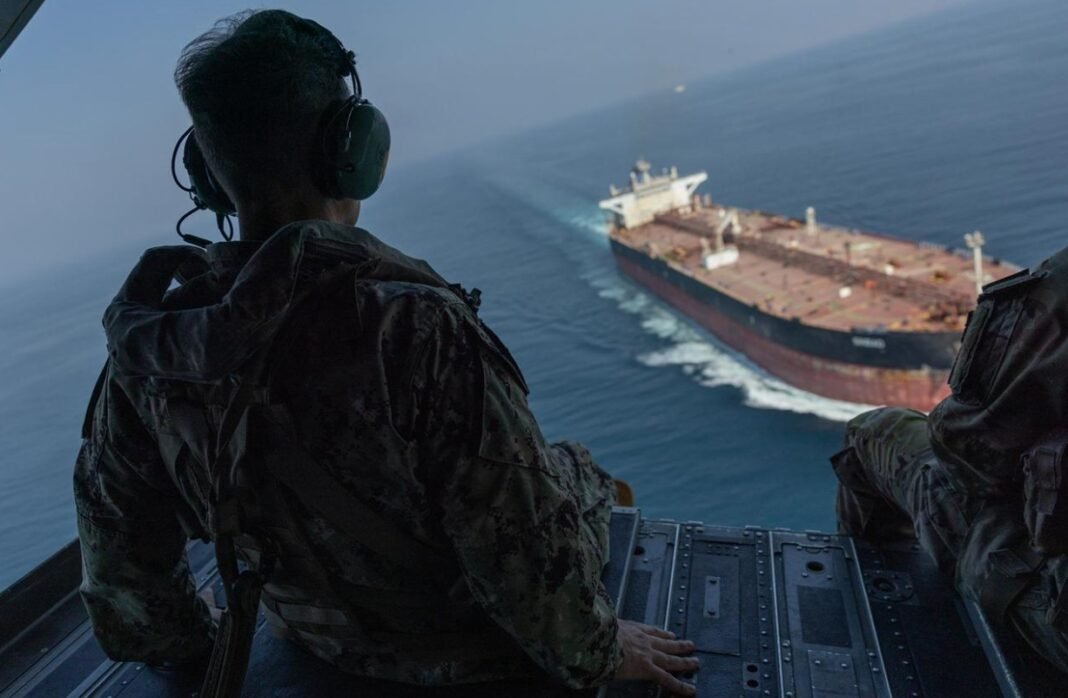
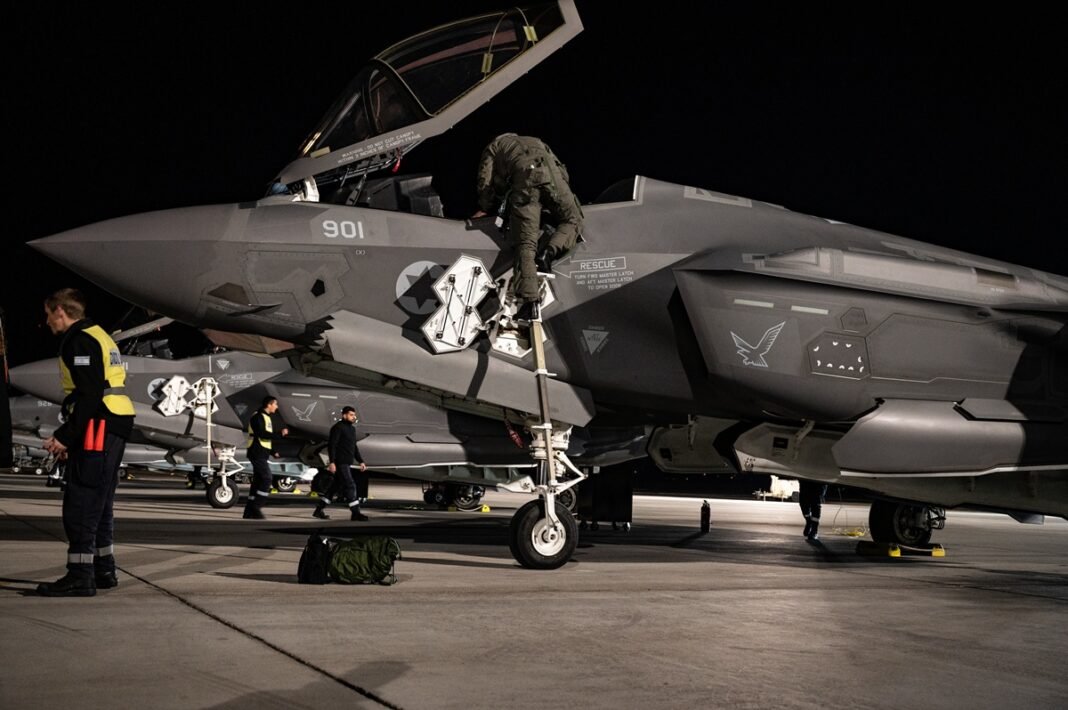
Israel’s reported military preparations have raised fears of renewed confrontation with Iran, but no strike has been officially announced. Tehran, meanwhile, is warning that any fresh US or Israeli attack could trigger retaliation against military installations far beyond the region.
Israel has reportedly instructed its military to accelerate preparations for possible new strikes against Iran, raising the prospect of another escalation at a time when diplomatic efforts to prevent a return to full-scale hostilities remain unresolved.
The reported directive from Israel’s security cabinet, chaired by caretaker Prime Minister Benjamin Netanyahu, was disclosed by Israeli public broadcaster KAN on November 11. The broadcaster said the instructions could lead to military activities capable of triggering another war.
Tehran has responded with increasingly expansive warnings. Iranian officials say any renewed attack would invite a much broader response, potentially targeting US military facilities outside the Middle East if they were used to launch operations against Iran.
The developments expose a dangerous gap between military preparations and diplomatic efforts: while Israel is reportedly increasing operational readiness, Washington and regional mediators are still trying to prevent the confrontation from returning to open warfare.
Israel increases military readiness amid political uncertainty
According to KAN, Israel’s security cabinet instructed the military to step up preparations for a possible attack on Iran. The report did not establish that Netanyahu had authorised a new strike or that an operation had been scheduled.
The timing is politically significant. Israel is navigating uncertainty following the October 27 elections, which weakened Netanyahu’s governing coalition. Opposition leader Gadi Eisenkot has urged the caretaker prime minister to avoid military operations that are not required by an immediate threat until a new government is formed.
KAN also reported that the security cabinet had last met in person on October 5, before the elections.
The reported preparations therefore carry two dimensions. Militarily, they signal that Israel is maintaining the option of renewed action against Iran. Politically, they raise questions about whether a caretaker government should make decisions that could draw the country into another major conflict.
There has been no public confirmation from Israel’s government or military that a fresh attack has been approved.
Iran warns that retaliation could extend beyond West Asia
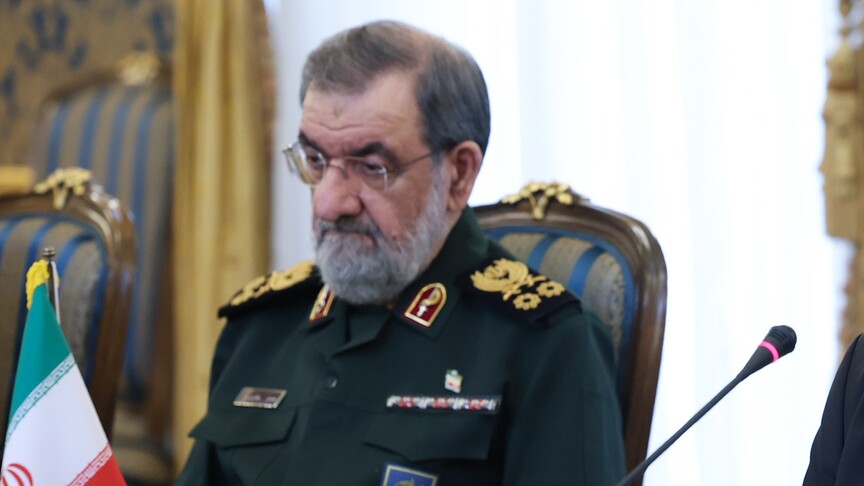
Tehran has sought to make clear that another attack would not necessarily produce a geographically limited response.
Mohsen Rezaei, secretary of Iran’s Supreme National Security Council, warned that any military base involved in renewed aggression against Iran could become a legitimate target, including installations in Europe.
“If the US launches another war against Iran, every military base involved in the aggression, from West Asia to Europe, will be a legitimate target for Iran’s lethal strikes,” Rezaei said in a statement reported by Al Jazeera.
His warning was accompanied by the message: “No safe distance. No safe haven. No immunity.”
Iranian military officials have also warned that countries allowing their territory to be used for attacks against Iran could face retaliation. Deputy chief of the Iranian Armed Forces’ General Staff Kioumars Heydari said US bases and interests were within the reach of Iranian missiles and drones.
The distinction is important: Tehran’s stated threat is directed at military facilities used in an attack on Iran, not at European countries as a whole. Whether Iran could successfully strike distant installations, penetrate their air defences and sustain such operations would depend on several military and technical factors.
Nevertheless, the warning raises the potential cost of any US decision to use overseas bases in a renewed campaign.
Washington faces a choice between military pressure and diplomacy
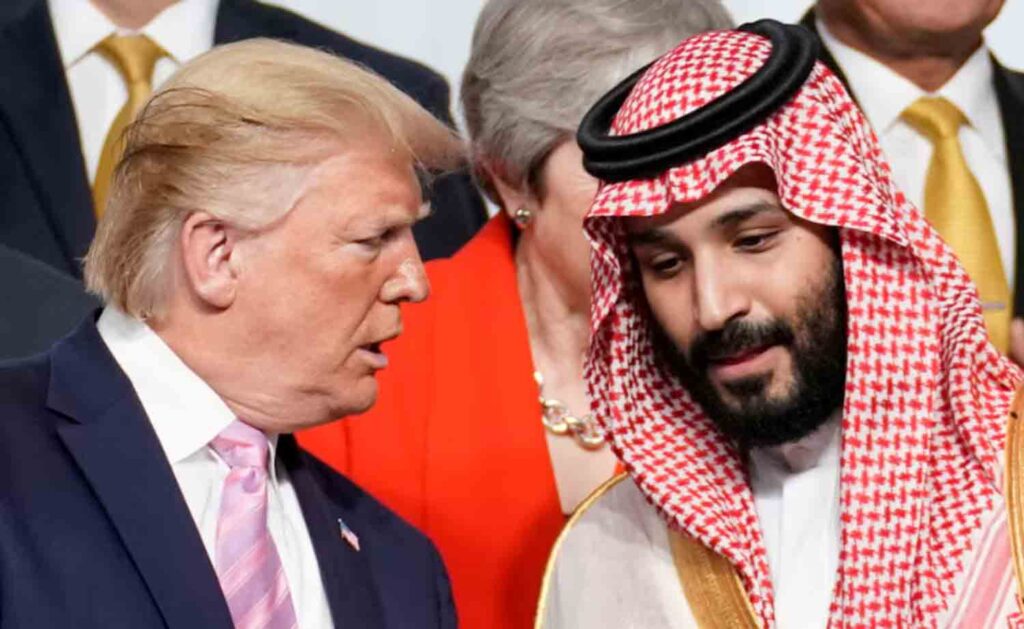
The latest developments come as the Trump administration weighs how to deal with Iran following months of military confrontation, economic pressure and disputes over maritime access.
President Donald Trump said he would hold off on fresh strikes for the time being following appeals from regional countries, including Qatar, Saudi Arabia, the United Arab Emirates, Bahrain and Kuwait. However, Washington has maintained its naval blockade and says US forces remain prepared.
Qatar has been involved in efforts to bridge differences between Washington and Tehran. The negotiations remain difficult, with major disagreements over sanctions, frozen Iranian assets, the US naval blockade and the future of the Strait of Hormuz.
US Secretary of State Marco Rubio has argued that economic pressure is weakening Iran and that a return to large-scale military operations may not be necessary unless Tehran crosses Washington’s red lines.
That position contrasts with the continuing military readiness on the ground and the pressure from Israeli leaders for a tougher approach.
The result is an uncertain strategic environment: Washington is keeping military options available while attempting to secure concessions through economic and diplomatic pressure.
Strait of Hormuz remains central to the confrontation
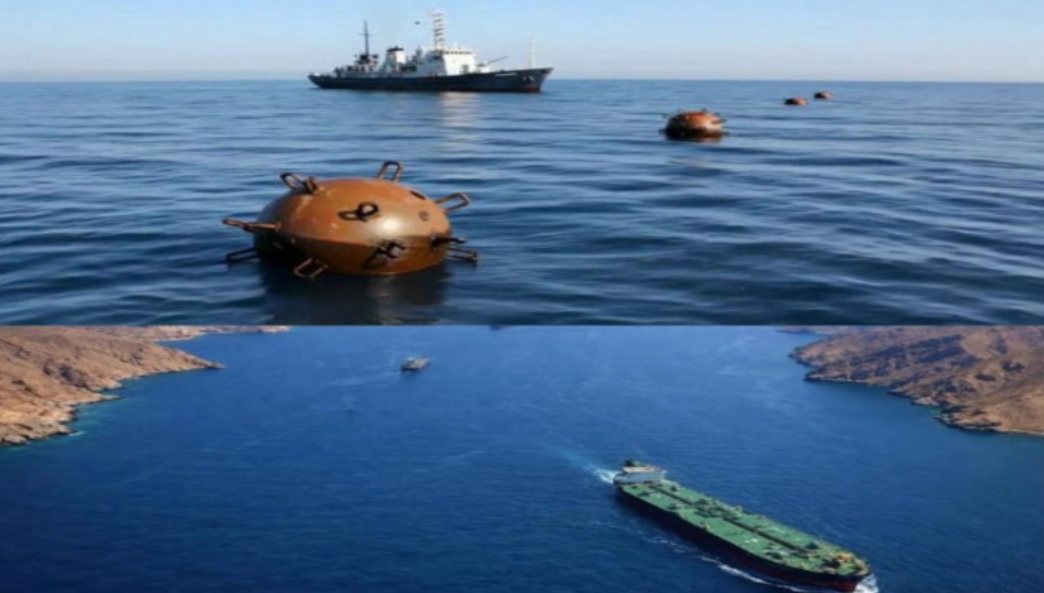
The Strait of Hormuz is one of the most important pressure points in the crisis. The narrow waterway carries a substantial share of global oil and gas shipments, making any disruption a direct concern for energy-importing countries.
Iranian Parliament Speaker Mohammad Bagher Ghalibaf has said the strait will not return to its pre-war status, linking its future to the outcome of negotiations and the security arrangements demanded by Tehran.
The United States, meanwhile, continues to enforce its naval blockade against Iran and says it is working to keep commercial shipping moving.
The disagreement is not simply about reopening a shipping route. It concerns who will control the security environment around the waterway, what restrictions will remain in place, and whether Iran can secure sanctions relief and other concessions in exchange for changing its maritime posture.
The issue also has a direct bearing on the calculations of Israel, the United States and Gulf states. A new military campaign could trigger further disruption to shipping, raise insurance costs and increase pressure on international oil markets.
Iran’s nuclear stockpile remains a major obstacle
The nuclear issue continues to complicate negotiations.
Iran has rejected proposals to transfer its enriched uranium stockpile to another country. Rezaei has reiterated that Tehran will not allow even a small quantity of enriched material to leave Iran.
The dispute is particularly sensitive because of the uranium that Iran had enriched to 60 percent before the June 2025 attacks on its nuclear facilities. The International Atomic Energy Agency had previously estimated the stockpile at 440.9 kilograms, but the quantity and condition of material that may have survived subsequent attacks remain uncertain.
Washington wants a verifiable arrangement addressing Iran’s nuclear programme. Tehran, however, insists that sanctions, the blockade and broader security issues must also be addressed.
This leaves little room for a quick agreement. Even if both sides avoid renewed military action, the nuclear question could remain a central obstacle to a durable settlement.
Could a new confrontation spread beyond the Middle East?
Iran’s latest warnings are designed to raise the strategic cost of another attack. By extending its stated target criteria to bases outside West Asia, Tehran is signalling that countries hosting US forces may face consequences if their facilities are used in military operations against Iran.
This does not mean a wider war is inevitable. Iran’s ability to strike distant targets, the defensive capabilities of host countries and the political consequences of such an escalation would all shape its decisions.
But the threat creates additional pressure on countries hosting American military facilities. European governments could face difficult choices if Washington sought to use bases on their territory for operations against Iran.
For Israel, the challenge is different. Its reported preparations suggest that the military option remains under consideration, but a renewed campaign could invite retaliation against Israeli territory and US-linked installations across the region.
The danger is that an operation initially intended to achieve limited military objectives could trigger a chain of retaliatory actions involving several countries.
What the latest escalation means for Pakistan and the region
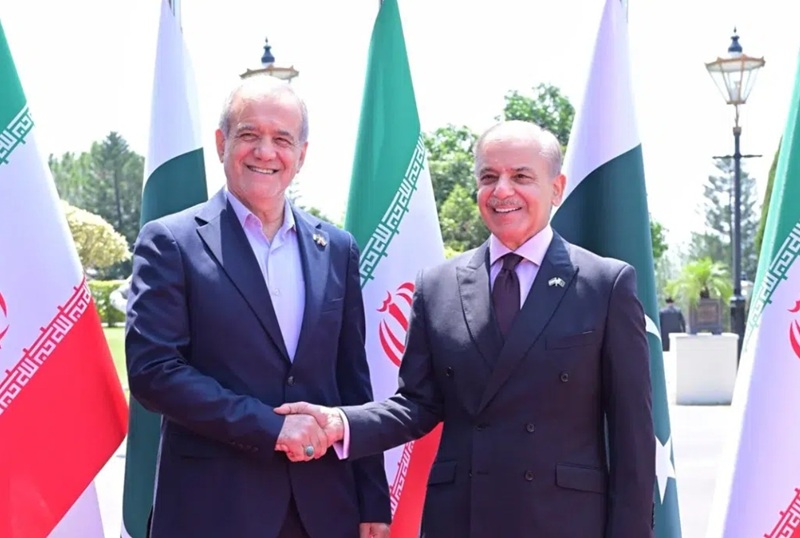
For Pakistan, renewed US-Israeli military action against Iran would carry serious security and economic implications.
Pakistan shares a long border with Iran and has consistently had to balance its regional relationships while avoiding direct involvement in conflicts between major powers. A wider confrontation could increase pressure along its western frontier, complicate border management and create fresh diplomatic challenges.
The economic consequences could be equally significant. Any prolonged disruption around the Strait of Hormuz would threaten energy supplies, increase shipping and insurance costs, and expose oil-importing economies to renewed price volatility.
Islamabad also has an interest in regional diplomacy that prevents the conflict from spreading. A wider war involving Iran, Israel and US military facilities across the region would make diplomatic balancing more difficult for Pakistan and other neighbouring states.
For Gulf countries, the stakes are immediate: energy infrastructure, ports, shipping lanes and the security of major cities could all be exposed to further instability.
A dangerous standoff, not yet a confirmed return to war
Israel’s reported decision to accelerate military preparations and Iran’s warning of retaliation beyond the Middle East have increased the risk of renewed confrontation. But the distinction between readiness, political authorisation and an actual military operation remains essential.
Israel has not publicly announced a new strike. Iran’s threats are conditional on renewed attacks, particularly the use of foreign military bases to conduct operations against it. Meanwhile, Washington has indicated that it is not rushing back into a large-scale military campaign and that diplomatic efforts remain active.
The central question is whether the parties can reach an arrangement over sanctions, the Strait of Hormuz and Iran’s nuclear programme before military calculations overtake diplomacy.
If negotiations fail, the next confrontation may not remain confined to the familiar Israel-Iran battlefield. The threat to US bases beyond the Middle East suggests that the geography of escalation could become considerably wider.
For now, the region is caught between military preparation and diplomatic uncertainty. The next move by Washington, Tehran and Israel could determine whether the current standoff moves towards a negotiated settlement or another round of conflict with consequences far beyond the Middle East.