
Ankara Weighs Transfer of Russian Air Defence Systems to UAE and Saudi Arabia as It Seeks to Resolve Long-Running Dispute with Washington
Turkey is exploring options to transfer its Russian-made S-400 air defence systems to Gulf countries, including the United Arab Emirates and potentially Saudi Arabia, in a move that could remove a major obstacle to Ankara’s return to the US-led F-35 fighter programme.
The reported initiative reflects a significant shift in Turkey’s defence procurement strategy. After years of refusing to abandon the Russian missile defence system despite American sanctions and exclusion from the F-35 programme, Ankara now appears to be examining whether the S-400s can be transferred to another country as part of a broader effort to rebuild defence relations with Washington.
The United Arab Emirates has emerged as the principal potential destination in earlier reporting, while Qatar has also been mentioned. Saudi Arabia’s possible involvement would introduce another dimension to the discussions, given Riyadh’s interest in expanding its advanced air defence capabilities and acquiring American fifth-generation fighter aircraft.
However, no final agreement involving the UAE or Saudi Arabia has been publicly confirmed. Moreover, the latest available reporting indicates that negotiations over a possible UAE transfer encountered difficulties, leaving Ankara’s F-35 ambitions unresolved.
UAE Emerges as Potential Destination for Turkish S-400 Systems
Reports of a possible Turkish S-400 transfer gained momentum in July 2026 after Turkish media reported that Ankara was negotiating with a Gulf country over the future of its Russian-made air defence systems.
The UAE emerged as the leading candidate, although Qatar was also mentioned as a possible destination.
A Reuters report published on July 10 said the Kremlin had confirmed that Moscow was in contact with Ankara regarding the future of the S-400 systems. Russian presidential spokesman Dmitry Peskov described the matter as extremely sensitive but confirmed that discussions with Turkey were continuing.
Turkey’s Foreign Minister Hakan Fidan also indicated that Ankara was working towards resolving the S-400 dispute and securing the removal of American restrictions on its defence industry.
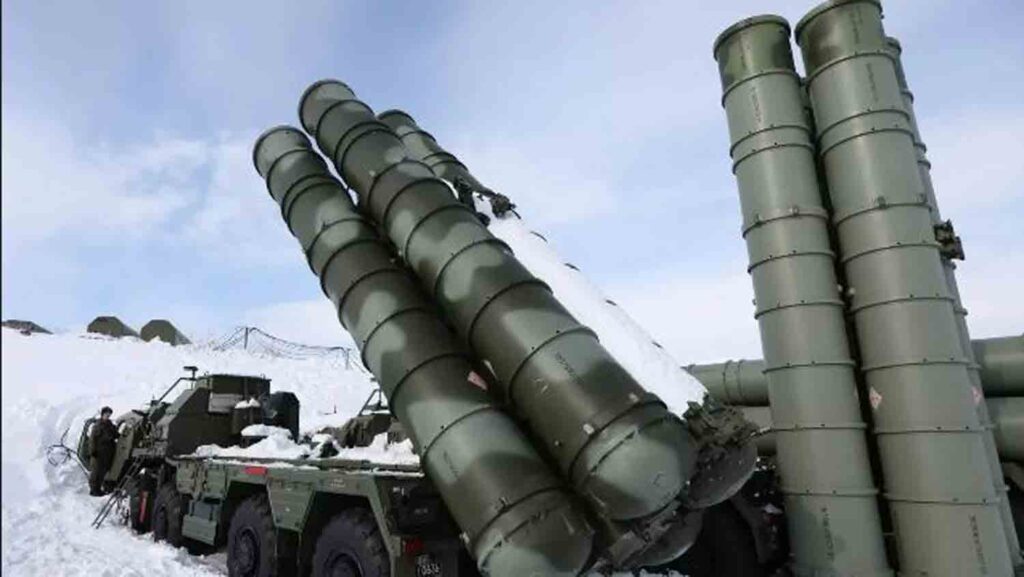
According to reports examined by Chatham House, the proposed transfer could involve two S-400 systems and approximately 120 interceptor missiles.
The UAE could be interested in expanding its air defence portfolio as it seeks to protect critical infrastructure, military installations and energy facilities against ballistic missiles, cruise missiles and unmanned aerial vehicles.
However, the potential purchase presents a complicated strategic choice for Abu Dhabi because the country also has longstanding defence cooperation with the United States and has previously pursued the acquisition of F-35 fighters.
Saudi Arabia’s Possible Role Adds a New Dimension
Saudi Arabia could represent another potential destination for Turkish S-400 systems as Riyadh continues to diversify its defence procurement and strengthen its integrated air and missile defence network.
The kingdom has been expanding its military capabilities through cooperation with the United States and other international defence suppliers.
Its interest in advanced air defence is particularly relevant amid growing regional missile and drone threats.
A Turkish S-400 transfer could theoretically offer Riyadh another layer of long-range air defence, while providing Ankara with an opportunity to resolve its dispute with Washington.
Nevertheless, there is an important distinction between Saudi Arabia’s broader interest in strengthening its air defence capabilities and evidence of an actual S-400 procurement negotiation.
Publicly available reporting has provided substantially stronger evidence of Turkish discussions involving the UAE than of a Saudi purchase agreement. Neither a Saudi acquisition nor a three-way arrangement involving Turkey, the UAE and Saudi Arabia has been officially confirmed.
The possibility of Saudi involvement therefore remains a developing aspect of the story rather than an established defence deal.
Why Turkey Wants to Get Rid of the S-400 Systems
Turkey purchased the Russian-made S-400 Triumf air defence system in a deal that became one of the most serious disputes between Ankara and Washington within NATO.
The acquisition was driven by Turkey’s requirement for a long-range air and missile defence capability and its disagreements with Western partners over alternative systems, including the American Patriot.
The first S-400 components arrived in Turkey in 2019, despite repeated American warnings that the purchase would undermine cooperation on advanced military technology.
Washington argued that operating Russian radar and sensor systems alongside the F-35 could expose sensitive information about the aircraft’s stealth characteristics, electronic warfare capabilities and operational performance.
The United States subsequently removed Turkey from the F-35 Joint Strike Fighter programme and imposed sanctions under the Countering America’s Adversaries Through Sanctions Act (CAATSA) in December 2020.
Turkey had previously been a production partner in the F-35 programme and planned to acquire approximately 100 aircraft.
It also paid for six F-35 fighters that remained undelivered following its exclusion from the programme.
The dispute consequently affected not only Ankara’s access to advanced fighter aircraft but also its defence industrial cooperation with the United States.
Trump Administration Opens Door to Resolving the F-35 Dispute
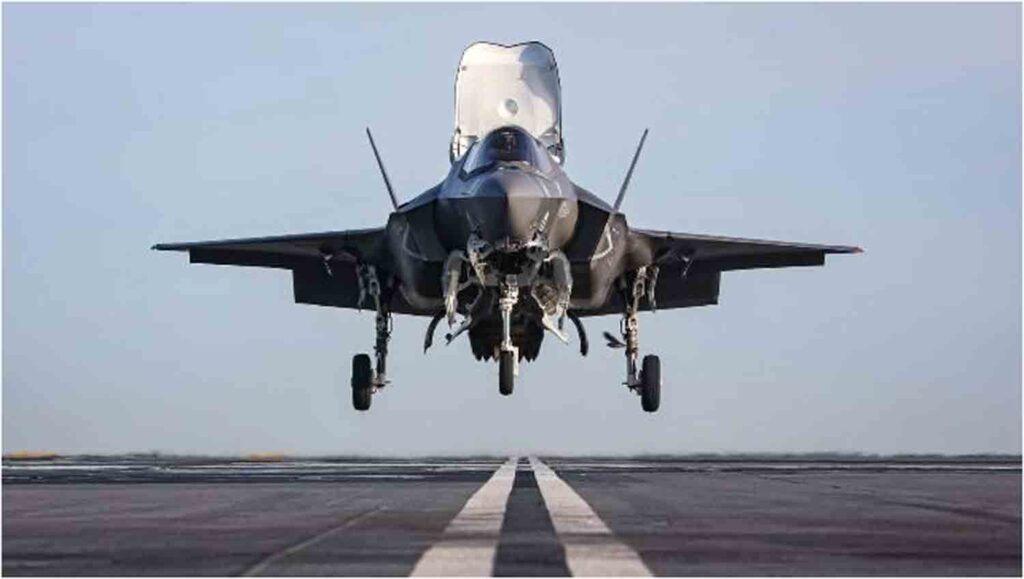
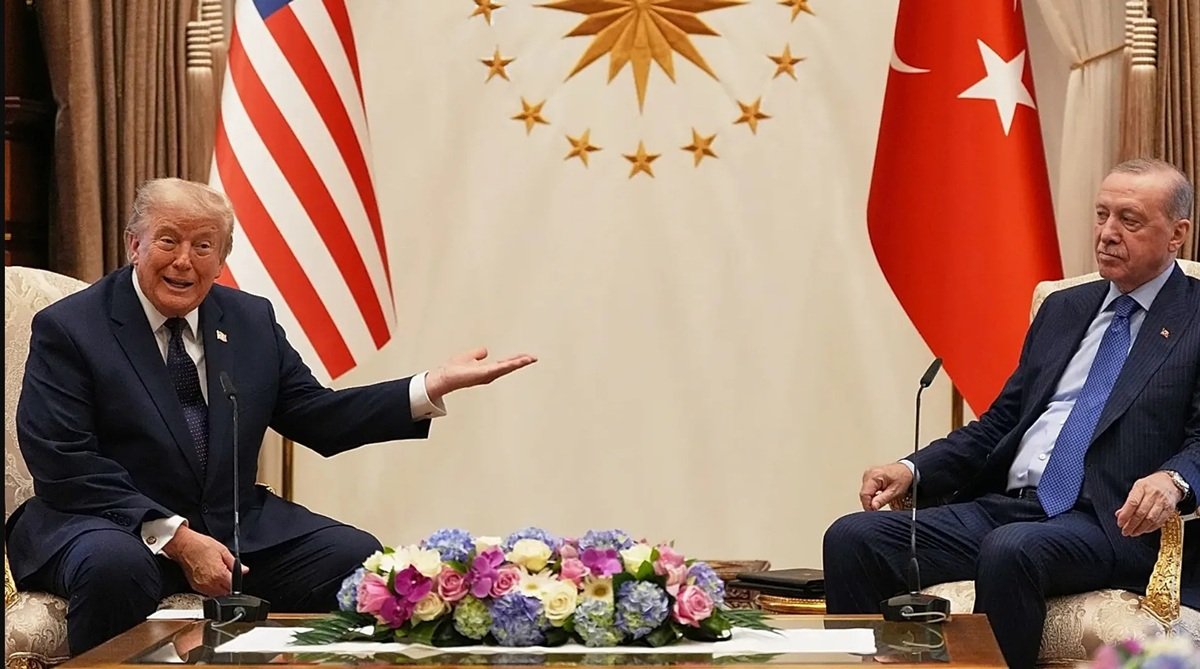
The possibility of Turkey returning to the F-35 programme gained renewed attention following diplomatic engagement between US President Donald Trump and Turkish President Recep Tayyip Erdogan.
During their July 2026 meeting in Ankara, the two leaders discussed bilateral defence relations and the possibility of resolving the restrictions affecting Turkey’s access to American military technology.
Trump indicated support for examining a possible F-35 arrangement, while Vice President JD Vance confirmed in June that the administration was reviewing the legal requirements governing a potential sale.
Reuters reported that the US administration was examining how Turkey could satisfy the conditions imposed by American law.
However, political support from the White House does not automatically remove the legal restrictions.
Under the relevant US legislation, the American secretaries of state and defence must certify to Congress that Turkey no longer possesses the S-400 system or associated equipment and has provided assurances that it will not acquire the system again.
This makes the physical transfer or disposal of the Russian equipment a central requirement in Ankara’s efforts to regain access to the F-35 programme.
Russia Holds an Important Position in Any S-400 Transfer
One of the most complicated aspects of the proposed arrangement is Russia’s role.
Turkey cannot simply transfer the Russian-made systems to another country without addressing the contractual and end-user restrictions associated with the original acquisition.
Moscow’s approval is therefore essential to any third-country transfer.
The Kremlin confirmed in July that discussions with Ankara were taking place, but it did not announce approval for a sale to the UAE, Saudi Arabia or another Gulf country.
Russia could also use the negotiations as leverage in its wider economic and diplomatic relationship with Turkey.
The S-400 issue therefore involves three separate interests: Turkey’s desire to regain access to American fighter technology, Russia’s control over the transfer of its defence equipment, and the Gulf states’ calculations regarding their military relationships with Washington.
Any agreement would require these interests to be reconciled.
Why the UAE Could Face the Same F-35 Problem as Turkey
An important complication concerns the UAE’s own ambitions to acquire the F-35.
Abu Dhabi previously reached an advanced stage of negotiations with Washington over a potential purchase of up to 50 F-35 aircraft. However, the discussions were suspended in 2021 amid disagreements over American conditions and technology-security requirements.
A transfer of Turkish S-400 systems to the UAE could create a similar problem.
The central American concern is that Russian radar and sensor technology could potentially collect sensitive information about the F-35’s stealth profile and operational characteristics.
Chatham House has highlighted the possibility that acquiring the S-400 could complicate any future attempt by the UAE to revive its F-35 procurement plans.
This creates a strategic contradiction for Abu Dhabi: acquiring an additional Russian air defence capability could strengthen its weapons portfolio while making access to certain American technologies more difficult.
The same concern would apply to Saudi Arabia if it considered acquiring the systems while pursuing its own F-35 ambitions.
Consequently, any Gulf purchase would require a careful assessment of the long-term implications for defence cooperation with Washington.
Turkey’s Return to the F-35 Programme Is Not Guaranteed
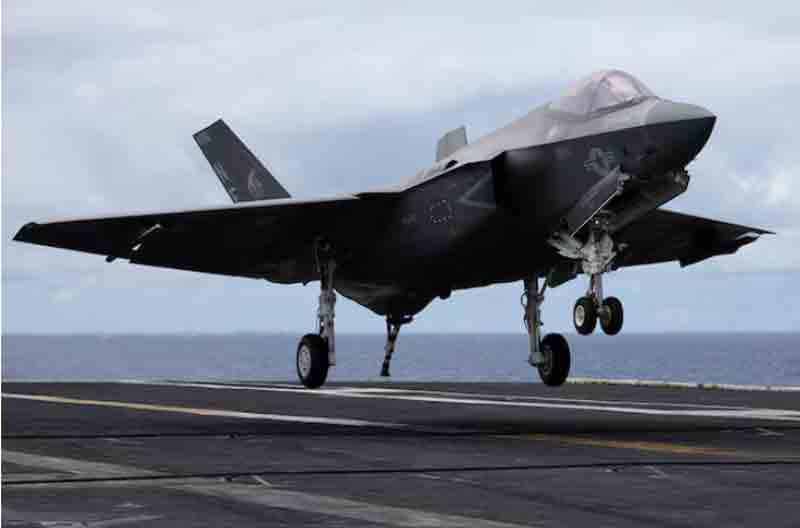
Even if Ankara successfully transfers the S-400 systems, its return to the F-35 programme would not be automatic.
The US Congress remains an important factor, with several lawmakers expressing reservations about providing advanced American fighter aircraft to Turkey.
Concerns include Turkey’s relationship with Russia, its defence policies within NATO, and regional tensions involving Greece, Cyprus and Israel.
Israeli officials have also expressed concerns about the implications of a Turkish F-35 acquisition for the regional military balance.
Another unresolved question is whether Turkey would return as a full production partner or simply become a customer purchasing completed aircraft.
The distinction matters because Ankara previously participated in the F-35 industrial programme and had invested heavily in manufacturing components.
The potential recovery of that industrial role would require additional negotiations beyond the disposal of the S-400 systems.
Reporting by Semafor in August indicated that discussions over a possible UAE transfer had stalled, leaving the wider F-35 issue unresolved.
Analysis: Turkey’s S-400 Dilemma Could Reshape Gulf Defence Procurement
Turkey’s reported efforts to transfer its S-400 systems illustrate how defence procurement decisions can influence relationships between major military powers.
For Ankara, the Russian system has become a strategic and diplomatic liability because its continued possession blocks access to one of the most advanced Western fighter programmes.
A transfer to a Gulf country could potentially allow Turkey to address the dispute without publicly reversing its earlier decision to purchase Russian equipment.
For the Gulf states, the proposition is more complicated.
The UAE and Saudi Arabia are seeking to strengthen their air defence capabilities, but both have significant reasons to preserve access to American military technology.
The S-400 is a capable long-range air defence system, but its integration into an existing network of Western-origin weapons, sensors and command systems would require careful technical and operational planning.
The financial cost, Russian maintenance requirements, ammunition supply arrangements and compatibility with existing command-and-control networks would also influence any purchasing decision.
Russia’s approval is another critical variable.
The larger strategic question is whether Washington would accept a transfer of Russian systems to a Gulf partner as sufficient evidence that Turkey has resolved the security concerns surrounding the F-35.
For Turkey, the potential reward is substantial: improved relations with Washington, renewed access to advanced fighter technology and the possibility of rebuilding defence industrial cooperation.
For the Gulf states, however, the decision would involve balancing additional air defence capabilities against their long-term relationships with the United States.
The S-400 negotiations are therefore about considerably more than relocating Russian missile batteries. They could become an important test of how Turkey, Russia, the United States and Gulf powers manage competing defence partnerships in an increasingly complex regional security environment.