Washington Holds Back from Fresh Military Attacks Following Gulf Appeals, but Naval Pressure and Iran’s Seven-Point Demands Leave Diplomatic Breakthrough Uncertain

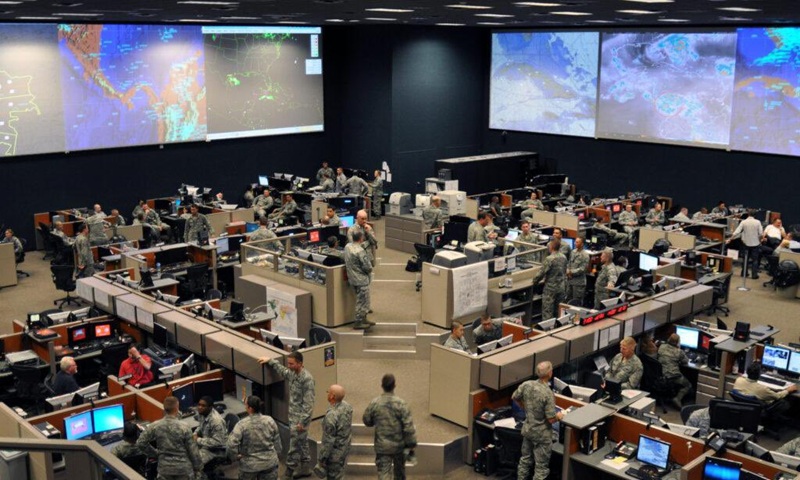
The United States has temporarily suspended plans for fresh military strikes against Iran following an intensive diplomatic push by regional Gulf governments, but Washington is showing little willingness to ease its economic and military pressure on Tehran.
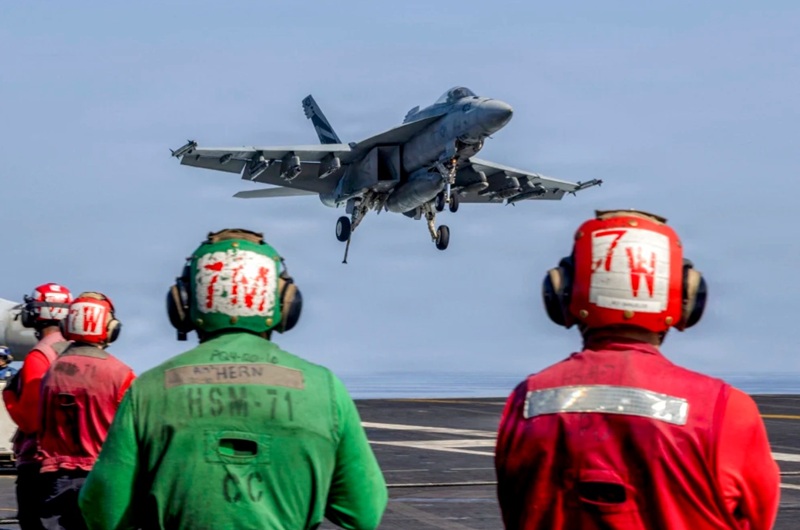
US President Donald Trump said on November 9 that he would hold off on launching additional attacks for the time being, responding to appeals from Qatar, Saudi Arabia, the United Arab Emirates, Bahrain and Kuwait. However, the American naval blockade targeting maritime traffic connected to Iranian ports will remain in place, keeping a major source of pressure on the Iranian economy.
The announcement followed a meeting between Trump and Qatari Prime Minister Sheikh Mohammed bin Abdulrahman Al-Thani at the White House. Qatar has emerged as a central intermediary in efforts to prevent the conflict from escalating into another phase of direct military confrontation.
The latest development represents a pause in the US military campaign rather than a negotiated ceasefire. Both countries continue to maintain competing conditions for ending the conflict, while incidents involving military targets and commercial shipping demonstrate that the regional security situation remains volatile.
Qatar Leads Renewed Diplomatic Efforts Between Washington and Tehran
Qatar’s diplomatic engagement has intensified as regional governments attempt to prevent another round of American and Iranian military escalation.
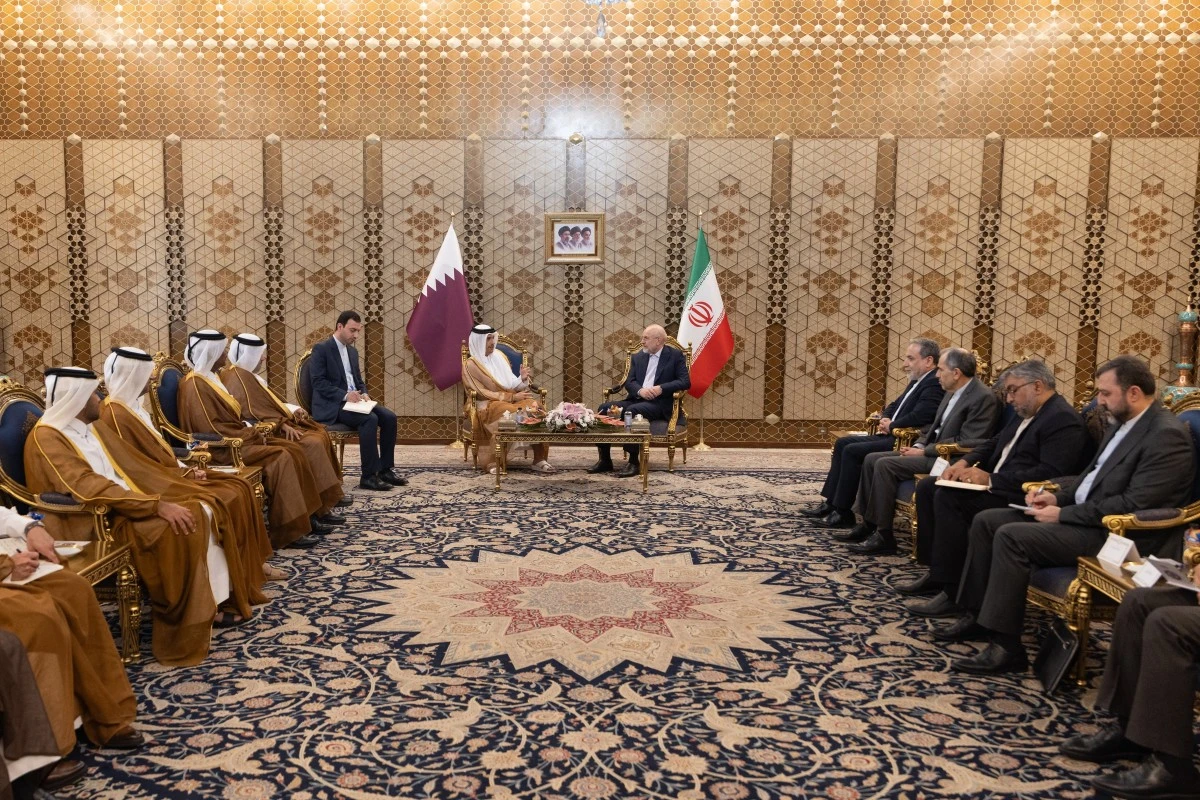
Prime Minister Sheikh Mohammed bin Abdulrahman Al-Thani held discussions with Trump and Vice President JD Vance in Washington after visiting Tehran the previous week. The Qatari prime minister described the discussions as positive and expressed hope for an agreement that could restore regional stability.
Trump subsequently acknowledged that several Gulf governments preferred a peaceful resolution and did not want Washington to resume large-scale attacks against Iran.
In an interview with Reuters, Trump said the United States remained prepared to conduct military operations if necessary but indicated that he was in no hurry to resume strikes while the naval blockade remained effective.
The diplomatic initiative also reflects growing regional concerns about the consequences of a prolonged confrontation, particularly for maritime trade, energy exports and the security of Gulf states.
Turkish President Recep Tayyip Erdogan has also urged dialogue, telling reporters that Ankara was making efforts to prevent another escalation.
However, the diplomatic momentum has not yet translated into an agreement. Senior US and Gulf officials have expressed doubts about the possibility of an immediate comprehensive settlement.
Iran Keeps Its Two-Day Proposal on the Negotiating Table
Iran has responded to the renewed diplomatic activity by reiterating that its existing two-day proposal remains available for negotiations.
Foreign Ministry spokesman Esmaeil Baghaei said Tehran had not submitted an entirely new proposal and maintained that the existing framework offered a practical route towards restoring security in the Strait of Hormuz.
According to Iranian statements reported by Anadolu Agency, Tehran’s conditions include:
- An end to the American naval blockade targeting Iranian ports.
- Relief from US sanctions.
- An end to military operations against Iran.
- The release of frozen Iranian financial assets.
- Recognition of arrangements concerning maritime navigation and security in the Strait of Hormuz.
- An end to hostilities across regional fronts.
Iran argues that maritime security cannot be restored while its ports remain under American blockade and its economic restrictions continue.
Tehran has also maintained that discussions concerning its nuclear programme and other outstanding issues should follow progress on the immediate conditions for ending the conflict.
The two-day proposal envisages a sequence in which Washington implements initial measures on the first day, followed by steps to restore navigation through the Strait of Hormuz on the second day.
Iranian officials have described the framework as a reasonable basis for negotiations, although Washington has repeatedly rejected Tehran’s conditions as unacceptable.
US Secretary of State Marco Rubio described the Iranian demands as unrealistic, highlighting the substantial gap between the two governments.
Washington Maintains Naval Pressure Despite Suspending New Strikes

The most significant aspect of Trump’s announcement is the decision to retain the naval blockade while postponing additional air and missile attacks.
This distinction is important because it allows Washington to maintain pressure on Iran without immediately reopening the possibility of a wider military campaign.
The blockade targets maritime traffic entering and leaving Iranian ports and coastal areas. Its consequences extend beyond military considerations, affecting Iran’s ability to export crude oil, conduct international trade and generate revenue.
The US military has previously said that its blockade operations have redirected more than 140 vessels and disabled nine non-compliant ships during an earlier enforcement period.
More recently, CENTCOM has expanded its approach beyond maritime restrictions.
On November 7, US Central Command announced the formation of Task Force Iron Gate, an approximately 20-person unit intended to support efforts to disrupt Iran’s use of land routes for transporting advanced weapons, dual-use technologies and other restricted materials.
According to reporting by The Washington Post, the initiative is designed to complement the naval blockade by targeting alternative transportation and supply networks.
This development indicates that Washington’s pressure campaign is not limited to naval operations. Even while fresh strikes are being postponed, the United States is pursuing additional mechanisms to restrict Iran’s access to strategic materials and revenue.
Military Incidents Continue Despite the Diplomatic Pause
The announcement of a temporary pause has not brought an end to military tensions.
Iranian state media reported that American forces struck targets on Qeshm Island overnight on November 8. Iranian officials said the attacks did not damage critical infrastructure or essential services.
Reuters reported that a senior Iranian source described the targeted installations as including radar systems used for air defence and maritime navigation, as well as facilities associated with missile launchers and mine-laying capabilities.
The United States has not publicly confirmed the specific details of the reported Qeshm operation.
Maritime security has also remained a serious concern.
Commercial vessels and tankers have faced attacks and incidents in the Gulf and Strait of Hormuz, with international maritime reporting indicating an increase in vessel-related incidents during October and November.
Iranian state television has also reported that several tankers were disabled during recent incidents.
These developments underline the difference between postponing new American strikes and achieving an actual cessation of hostilities. The maritime confrontation remains capable of triggering another military response.
Strait of Hormuz Remains the Strategic Centre of the Crisis
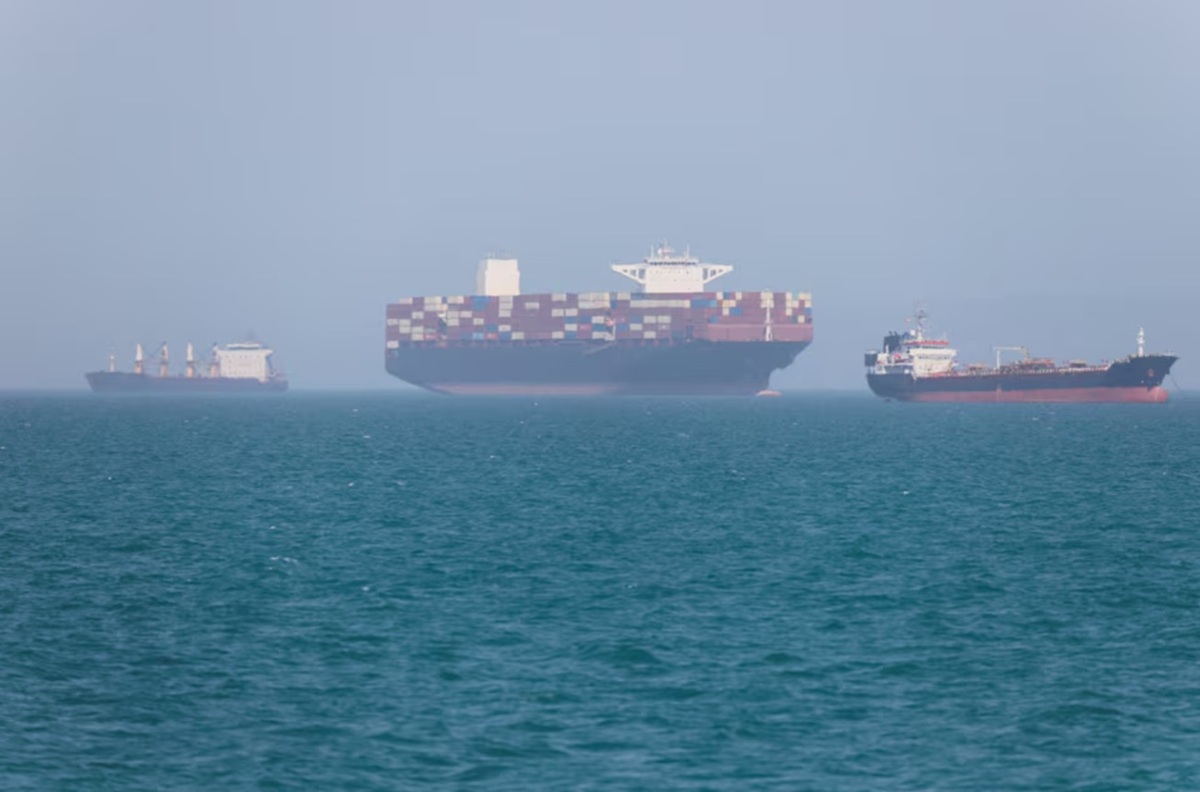
The Strait of Hormuz continues to be the most consequential pressure point in the US-Iran confrontation.
The narrow maritime passage connects the Persian Gulf with the Gulf of Oman and the Arabian Sea. It is a critical route for international energy shipments, making its security a concern for major oil-producing countries and importing economies.
The American blockade and Iran’s restrictions on maritime navigation have created competing sources of pressure.
For Washington, maintaining the blockade provides leverage over Iranian oil exports and international trade. For Tehran, its ability to influence maritime access creates an important bargaining instrument.
The resulting uncertainty has implications far beyond the two countries.
A prolonged disruption could affect oil prices, shipping insurance, tanker availability and energy supply chains, particularly in Asian markets heavily dependent on Gulf energy exports.
For Gulf countries, the consequences are especially significant because their economies depend on uninterrupted maritime trade and the security of energy infrastructure.
The diplomatic appeals from Qatar, Saudi Arabia, the UAE, Bahrain and Kuwait should therefore be understood against the wider economic and security risks of a prolonged conflict.
Why a Comprehensive Agreement Remains Difficult
Despite renewed diplomatic engagement, Washington and Tehran remain divided over the sequence and substance of any settlement.
Iran wants the United States to lift the naval blockade and provide sanctions relief before moving towards broader negotiations. Washington, meanwhile, wants a settlement that addresses its wider security concerns, including Iran’s nuclear programme and regional military capabilities.
The disagreement is not simply about whether the two sides are willing to negotiate. It concerns which government must make the first concessions and what guarantees will accompany any agreement.
There is also a wider regional dimension.
Iran wants the cessation of hostilities to extend across multiple fronts, including Lebanon, while Washington and its regional partners have their own security concerns regarding Iran’s military relationships and activities.
The domestic political environment in the United States is another consideration. The Iran conflict has become an increasingly important political issue following recent midterm election losses for Republicans. Senior Republican figures, including Vice President JD Vance, have faced pressure over the consequences of the war.
This political environment may increase the administration’s interest in a diplomatic outcome, although it does not necessarily mean Washington is prepared to abandon its military and economic objectives.
Analysis: A Tactical Pause, Not the End of the US-Iran Confrontation
Trump’s decision to postpone fresh strikes creates diplomatic space, but the continued naval blockade shows that Washington has not fundamentally changed its pressure strategy.
The United States appears to be separating two instruments of coercion: direct military attacks and economic pressure through maritime restrictions.
By postponing the former while maintaining the latter, Washington can give regional mediators additional time without immediately surrendering its leverage over Tehran.
Iran, meanwhile, is attempting to use the same diplomatic opening to secure concessions on sanctions, maritime restrictions and frozen assets.
The central question is whether both sides can agree on a sequence of reciprocal steps. Tehran wants the blockade lifted before wider negotiations, whereas Washington has little incentive to remove a major source of pressure without receiving concrete commitments in return.
Qatar’s mediation, supported by regional diplomatic engagement, could help bridge some of these differences. However, the continuing maritime incidents and disagreements over the nuclear issue make an immediate comprehensive settlement difficult to establish.
For now, the situation is best described as a military pause accompanied by continued strategic pressure. The next phase will depend on whether Washington and Tehran can convert diplomatic contacts into verifiable measures on maritime security, sanctions and the cessation of hostilities.
The Strait of Hormuz will remain the most important indicator of whether the confrontation is moving towards de-escalation or another round of military escalation.