
The U.S. military is taking another step in contingency planning for the Caribbean as the Trump administration intensifies pressure on Cuba, with the Army Reserve examining whether several specialized support formations could be available to U.S. Southern Command within the next four months.
According to an internal Army message reviewed by CBS News, Army Reserve headquarters asked subordinate commands to assess the availability of six categories of units that could potentially be placed under Southern Command authority.
The formations include military police, medical, engineering and logistics capabilities. The units could “possibly [be] needed in 90-120 days,” according to the message, which requested responses from subordinate commands by September 25.
The document itself does not identify Cuba, a specific operation, a location or a troop number. However, multiple U.S. officials told CBS News that the request forms part of continued military planning involving possible action against Cuba. The officials spoke anonymously because they were not authorized to discuss the planning publicly.
Importantly, the message does not constitute a deployment order, and there is no indication that the units identified in it have been ordered overseas.

What Army Reserve Units Are Being Considered?
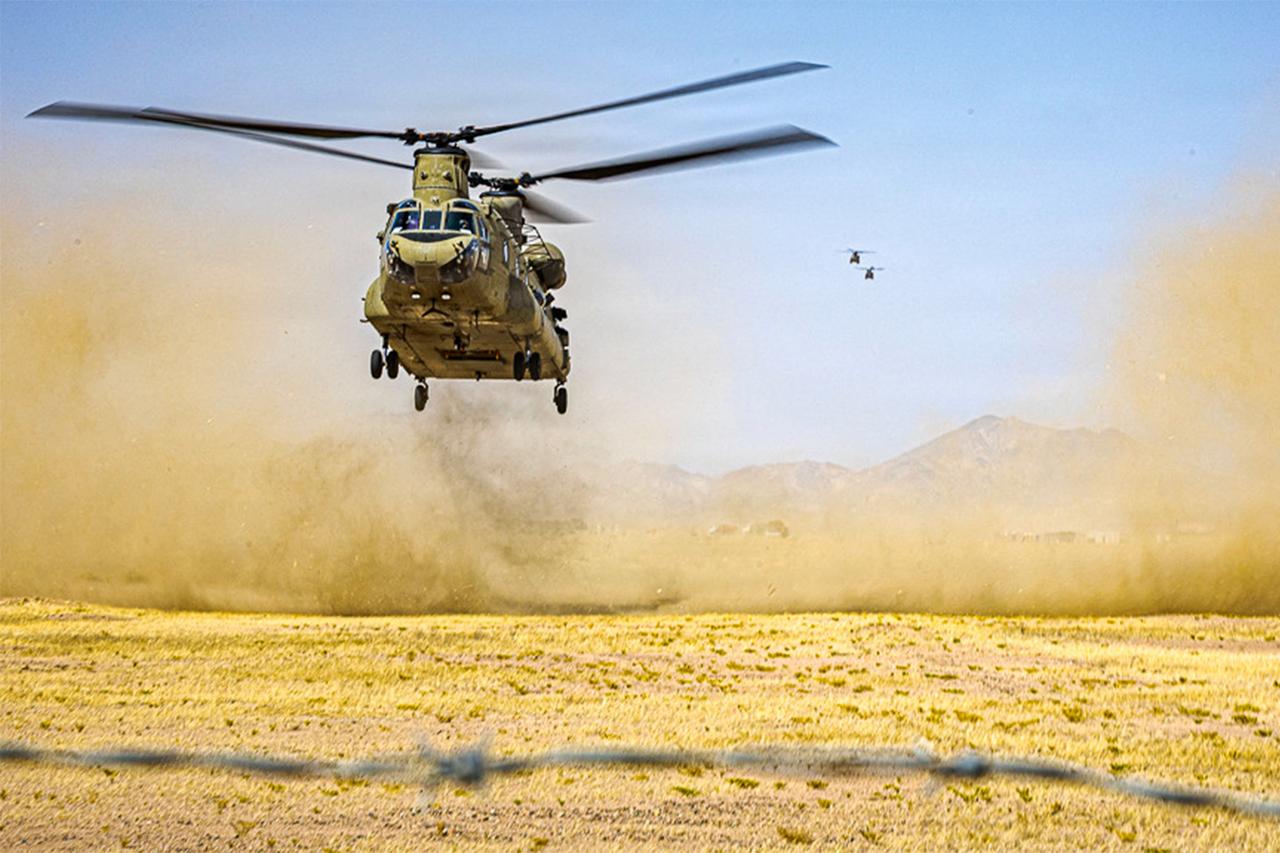
The internal request reportedly covers six types of formations that could provide the support normally required for a major military contingency.
Among them are:
- Combat sustainment support battalion — responsible for coordinating transportation, maintenance, fuel and supply requirements.
- Engineer battalion — capable of supporting construction, infrastructure, mobility and other engineering requirements.
- Expeditionary sustainment command — designed to coordinate logistics across a theater of operations.
- Medical brigade — responsible for coordinating medical forces and support.
- Forward resuscitative and surgical detachment — provides emergency surgery and trauma care closer to military operations.
- Military police brigade — provides military police capabilities including security, detention and law-enforcement-related functions.
Taken together, the requested formations are notable because they provide the support architecture required to sustain forces during a prolonged contingency, rather than representing a conventional assault force by themselves.
A Florida International University defense expert interviewed by CBS News described the Army request as a planning activity rather than an invasion order. He also noted that the types of units being considered could support humanitarian assistance as well as other potential missions.
Why Cuba Is Emerging as the Focus
The Army message does not mention Cuba. The connection comes from U.S. officials familiar with the planning and from a broader series of military and political developments involving Havana.
CBS News previously reported that U.S. military planners had examined possible options for action against Cuba, including an Army-led air assault involving thousands of troops and the 101st Airborne Division.
Those earlier discussions likewise did not mean that President Donald Trump or the Pentagon had made a final decision to launch an operation.
The latest Army Reserve request is significant because it concerns support and sustainment capabilities that could be needed after or alongside the movement of combat forces.
However, the available evidence does not establish that the United States has ordered an invasion force into position.
SOUTHCOM Maintains Planning for Multiple Contingencies
U.S. Southern Command is responsible for military activities across Latin America and the Caribbean.
Its area of responsibility includes 31 countries and 12 dependencies and areas of special sovereignty, covering Latin America south of Mexico, adjacent waters and the Caribbean Sea. Cuba is among the countries within its area of responsibility.
SOUTHCOM declined to discuss the specific planning cited by CBS News, saying operational movements and potential deployment timelines are not disclosed for security reasons.
The command said it continually coordinates with the Joint Force to assess potential requirements across its area of responsibility in support of assigned missions.
U.S. Military Activity Around Cuba Has Already Increased
The latest Army Reserve development follows earlier reports of heightened U.S. military activity around Cuba.
U.S. forces had conducted reconnaissance operations involving the seafloor and maritime approaches surrounding Cuba. U.S. airpower had been placed on heightened readiness and that personnel had been prepared for possible deployment.
Trump Administration Has Intensified Economic Pressure on Cuba
Military planning is unfolding alongside a much broader U.S. pressure campaign.
The White House issued Executive Order 14404 in May, imposing additional sanctions connected to the Cuban government and expanding the U.S. sanctions framework targeting people and entities linked to Cuba’s security apparatus and other sectors.
The U.S. Treasury Department subsequently expanded sanctions against Cuban entities.
On September 17, the Office of Foreign Assets Control announced additional measures targeting Cuba’s mineral resources and military modernization apparatus, including state-linked enterprises and military research and development entities.
Treasury’s Cuba sanctions program remains active and was updated again on September 17.
Washington has framed the measures as part of its effort to pressure the Cuban government over national security, repression and its relationships with foreign powers.
Havana has strongly rejected Washington’s characterization and has accused the United States of economic warfare.
Cuba’s Economic Crisis Adds Another Dimension
The confrontation is occurring as Cuba faces a severe economic and energy crisis.
Reuters reported this month that Cuba has experienced major shortages of cash, fuel and electricity, while inflation and currency depreciation have put additional pressure on households. The Cuban peso has lost substantial value since 2021, while power and internet outages have compounded economic problems.
Cuban officials have repeatedly argued that U.S. sanctions and restrictions on oil supplies are worsening the country’s humanitarian and economic conditions.
The United States, meanwhile, argues that pressure is directed at the Cuban government and its security apparatus rather than the Cuban population.
The competing narratives have become an important part of the wider confrontation.
Washington Points to Russia, China and Iran
Another factor behind Washington’s Cuba policy is Havana’s relationship with U.S. geopolitical competitors.
The 2026 U.S. Intelligence Community Annual Threat Assessment says Russia is seeking to expand its security and diplomatic ties with Cuba and Nicaragua, while China, Russia and Iran are seeking to maintain economic, political and military engagement across Latin America.
The White House has gone further, accusing Cuba of maintaining relationships with Russia, China and Iran and arguing that foreign military and intelligence activity on the island could threaten U.S. security.
For Washington, Cuba’s geographic position makes those relationships particularly sensitive because the island lies only about 90 miles from Florida.
Trump Says Cuba Must Undergo “Fundamental Change”
The military planning is also taking place against increasingly direct political statements from President Trump.
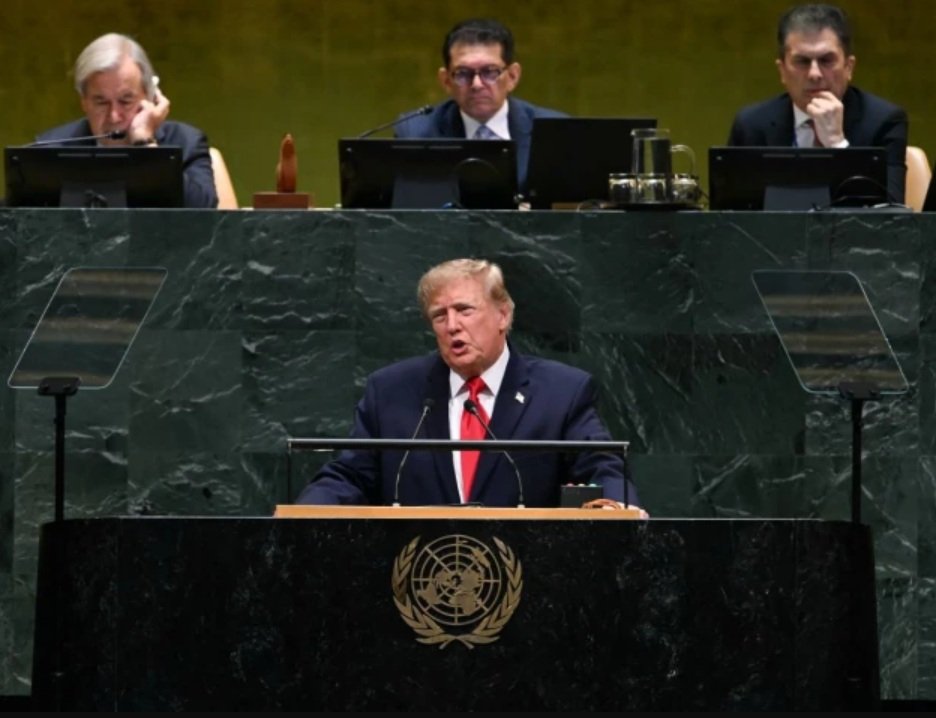
During his September 22 address to the United Nations General Assembly, Trump said his administration was seeking a “fundamental change” in Cuba and predicted that the country’s communist government would fall.
He also said Secretary of State Marco Rubio was deeply involved in negotiations with Havana while warning that Washington would not accept foreign adversaries establishing a stronger strategic foothold in the Western Hemisphere.
The Cuban delegation walked out during Trump’s remarks, according to reporting on the speech.
The statements followed months of increasingly forceful rhetoric from the administration over Cuba.
The “Donroe Doctrine” and a Wider U.S. Military Role
The Cuba issue is also part of a broader Trump administration effort to redefine U.S. security policy in the Western Hemisphere.
The administration has used the term “Donroe Doctrine” to describe an approach based on a revived interpretation of the Monroe Doctrine, with greater emphasis on restricting the influence of rival powers and expanding U.S. military and security activity in Latin America and the Caribbean.
Reuters reported that Trump used his September U.N. appearance to emphasize greater U.S. military power in the Western Hemisphere, while highlighting operations against drug-trafficking organizations and partnerships with regional governments.
That wider strategy provides an important context for the Cuba planning.
U.S. Strikes in the Caribbean Raise Legal Questions
The United States has also expanded military operations against suspected drug-trafficking vessels in the Caribbean Sea and eastern Pacific.
CBS News reported that more than 230 people had been killed in roughly 70 U.S. strikes since September. The operations represent a significant departure from the traditional U.S. approach of maritime interdiction, seizure and arrest in counter-narcotics operations.
The administration argues that it is engaged in an armed conflict with designated narcotics organizations.
Legal experts and human rights groups have challenged aspects of the policy, arguing that suspected criminal activity does not by itself establish the legal basis for lethal military force.
The Associated Press reported that a September 19 Caribbean strike killed four people and formed part of the administration’s broader campaign against alleged narcotics trafficking.
The controversy could become relevant if Washington were to move from regional counter-narcotics operations toward direct military action involving Cuba.

What the Latest Army Message Does — and Does Not — Mean
The most important point in the latest development is the distinction between planning and authorization.
The Army Reserve message indicates that U.S. military planners are examining whether particular support formations could become available to Southern Command within 90 to 120 days.
It does not show that:
- U.S. troops have been ordered to invade Cuba.
- A Cuba operation has been approved by President Trump.
- A deployment date has been established.
- A specific number of troops has been assigned.
- A specific target or military objective has been identified.
- The six requested formations have actually been mobilized.
CBS News reported that U.S. officials emphasized that earlier military briefings on Cuba did not represent a presidential or Pentagon decision to proceed.
At the same time, the request demonstrates that military planners are continuing to maintain options for a potential contingency.
Cuba Tensions Could Move Into a More Dangerous Phase
The latest development comes at a particularly sensitive moment.
Washington is simultaneously applying economic pressure, imposing sanctions, publicly demanding political change in Havana and maintaining military contingency planning under Southern Command.
Cuba’s government, meanwhile, has accused Washington of aggression and economic warfare and has said it would resist any attack.
Diplomatic signals remain mixed. Trump has publicly referred to negotiations involving Secretary of State Marco Rubio, while Cuban Foreign Minister Bruno Rodríguez previously said there were no ongoing or planned negotiations and accused Washington of maintaining a hostile economic policy.
That combination of military planning, economic pressure and competing diplomatic messages makes the latest Army Reserve request an important indicator of how seriously Washington is preparing for possible contingencies around Cuba.
For now, however, the evidence supports a more limited conclusion: the United States is maintaining and expanding military options for the Caribbean, while there is still no public evidence of an authorized U.S. invasion of Cuba.