
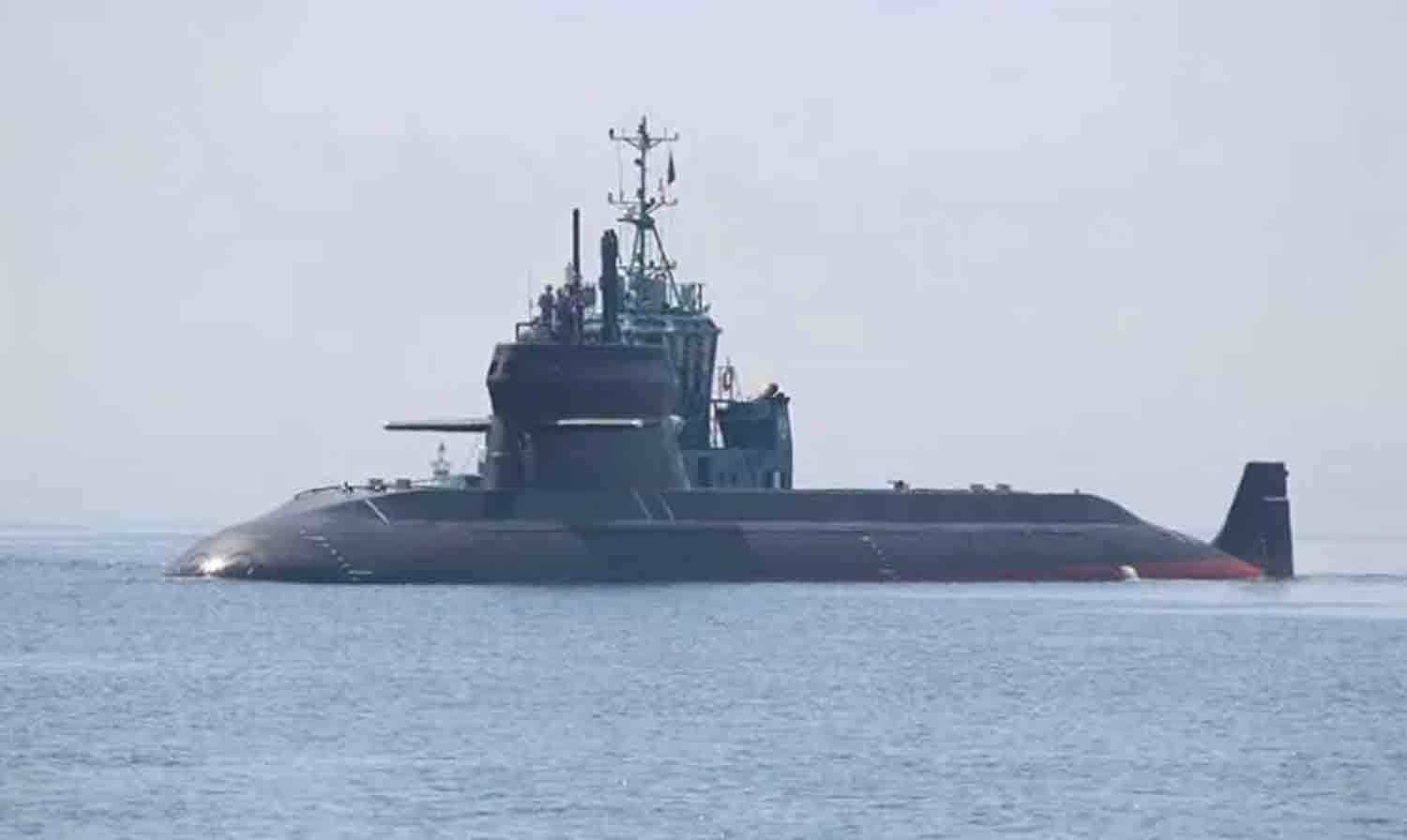
Pakistan Navy’s newly inducted PNS/M Hangor has successfully conducted its maiden live weapon firing in the North Arabian Sea, launching an anti-ship cruise missile against a designated long-range target in a demonstration of the submarine’s operational readiness and combat capability.

Pakistan Navy’s new-generation PNS/M Hangor has successfully completed its first live weapon firing, marking a major milestone in the induction of the Hangor-class submarine into Pakistan’s undersea warfare fleet.
During the exercise in the North Arabian Sea, the submarine accurately engaged a designated long-range target with an anti-ship cruise missile, according to the Pakistan Navy’s latest announcement.
Chief of the Naval Staff Admiral Naveed Ashraf NI, NI(M), T Bt witnessed the firing and praised the submarine’s combat performance. The naval chief also emphasized the importance of continuously strengthening Pakistan Navy’s subsurface warfare capabilities to maintain operational readiness and credible maritime deterrence.
The firing represents one of the first major publicly disclosed demonstrations of PNS/M Hangor’s weapons capability since the submarine entered Pakistan Navy service.
Pakistan Navy’s newly inducted submarine PNS/M HANGOR successfully conducted its maiden Live Weapon Firing in North Arabian Sea, launching an anti ship cruise missile and engaging the designated target with precision at extended range. 1/2 pic.twitter.com/bHn4VE9L79
— DGPR (Navy) (@dgprPaknavy) September 27, 2026
PNS/M Hangor Demonstrates Operational Readiness
The maiden live weapon firing is significant because it moves the submarine beyond induction and familiarization into a demonstrated operational capability.
The successful missile engagement indicates that the submarine, its combat management systems, sensors and weapon systems were able to work together during a live-fire scenario.
Pakistan Navy did not publicly disclose the missile’s exact designation, launch parameters, range, firing position or other sensitive technical details.
Those details are important operational information and are generally not released during live weapons testing.
The Navy described the target engagement as accurate and conducted at long range.

Hangor-Class Submarine Program
PNS/M Hangor is the first of eight Hangor-class submarines being acquired by Pakistan under a major Pakistan-China defence cooperation program.
The first submarine was commissioned in China in April 2026 before arriving at Karachi in June.
Pakistan Radio reported that PNS/M Hangor is equipped with advanced combat systems, modern sensors, Air Independent Propulsion (AIP) technology and enhanced stealth features. Its arrival in Karachi was described as an important milestone in the Pakistan Navy’s modernization program.
The wider program involves four submarines constructed in China, while four additional boats are being built in Pakistan at Karachi Shipyard & Engineering Works under a technology-transfer arrangement.
The eight-boat program is expected to substantially expand Pakistan’s AIP-equipped submarine fleet.
Why the Live Missile Firing Matters
A submarine’s effectiveness is not determined simply by the possession of a missile. Its operational value depends on the ability to detect, track, engage and destroy a target while maintaining the submarine’s own concealment.
A successful live firing therefore provides an indication that the platform is progressing through the operational validation process.
For Pakistan Navy, the development is particularly relevant because submarines provide a stealth-based maritime warfare capability that complements surface ships, maritime patrol aircraft and other naval assets.
The ability to remain concealed while operating in contested waters can complicate an adversary’s maritime surveillance and targeting calculations.
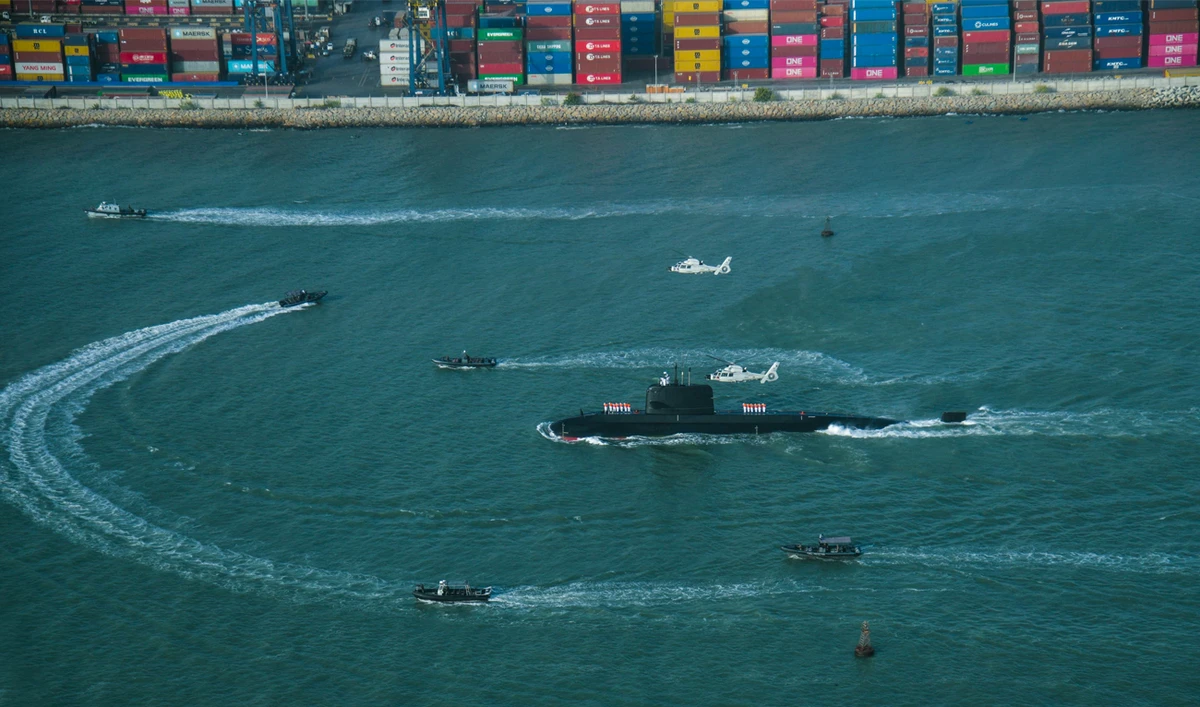
AIP Gives Hangor Greater Underwater Endurance
One of the key features associated with the Hangor class is its Air Independent Propulsion system.
Conventional diesel-electric submarines periodically need to use their engines and snorkel to recharge batteries, potentially increasing their exposure to detection.
An AIP-equipped submarine can generate power underwater without relying on atmospheric air for conventional diesel-engine operation, allowing it to remain submerged for longer periods.
Pakistan’s official description of PNS/M Hangor specifically highlights AIP technology and enhanced stealth features.
This combination is particularly relevant to Pakistan’s maritime geography, where the Navy has to protect sea lanes, ports, offshore infrastructure and approaches to the country’s coastline.
Hangor Program Expands Pakistan’s Subsurface Capability
The Hangor program is designed to give Pakistan Navy a larger modern submarine force.
A February 2026 analysis by the Islamabad-based Centre for International Strategic Studies described the Hangor submarines as diesel-electric platforms fitted with AIP and noted that the program involves Chinese construction of the initial boats followed by construction in Karachi under technology transfer.
Open-source assessments identify the Hangor design as being based on China’s Type 039B/Yuan-class family, although Pakistan Navy has not publicly released a complete technical weapons specification for the submarines.
Publicly reported dimensions for the class include a length of approximately 76 metres and displacement of around 2,800 tonnes, but detailed information about sensors, electronic warfare systems, acoustic performance and weapon integration remains limited.
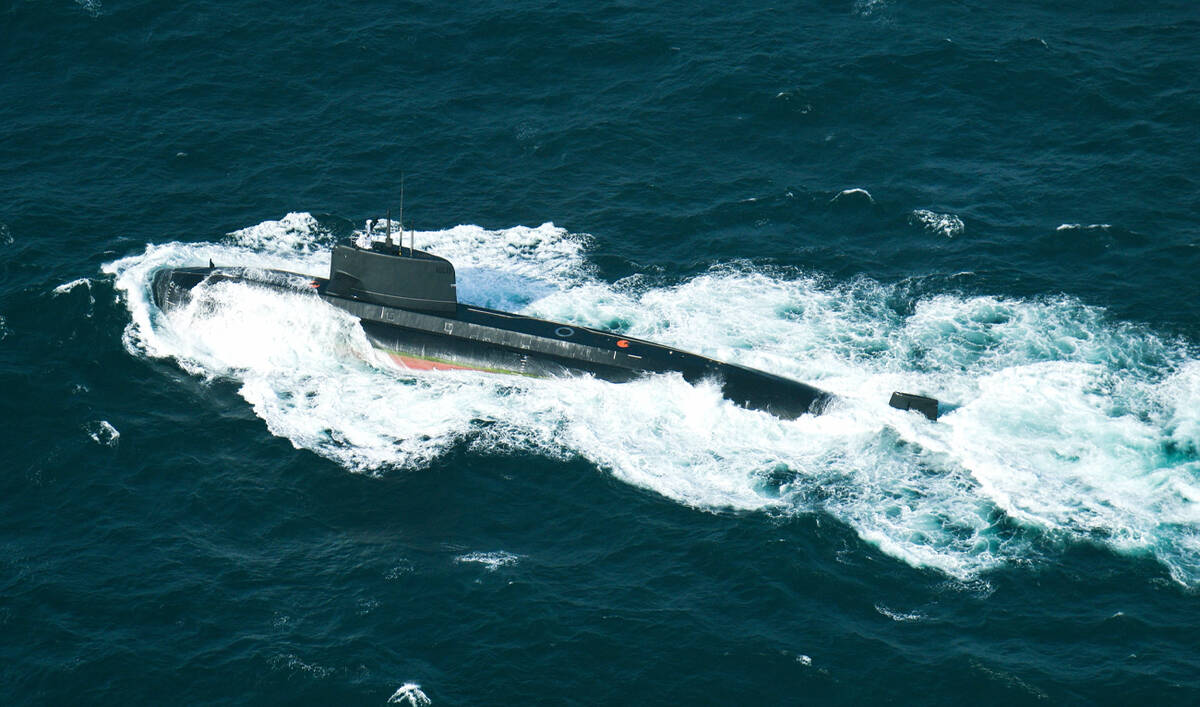
Missile Capability Adds to Submarine’s Anti-Surface Role
The latest firing confirms that PNS/M Hangor is capable of employing an anti-ship cruise missile in a live operational exercise.
Pakistan Navy has not identified the missile used in the firing or released its range.
That distinction is important because several missile capabilities have been discussed in open-source reporting in connection with Pakistan’s submarine force, but those reports should not be treated as confirmation of the specific weapon used in this firing.
The Navy’s official announcement only establishes that an anti-ship cruise missile was launched and successfully engaged the designated target at long range.
North Arabian Sea Provides a Relevant Operating Environment
The firing took place in the North Arabian Sea, an area of major strategic importance to Pakistan.
Pakistan’s coastline provides access to one of the world’s important maritime regions, connecting the Gulf and Arabian Peninsula with the Indian Ocean and major Asian trading routes.
The region also contains important commercial shipping routes and energy flows.
For Pakistan Navy, maintaining an effective undersea capability is therefore linked not only to conventional maritime warfare but also to protecting sea lines of communication and national maritime interests.
Admiral Naveed Ashraf has previously emphasized the importance of naval modernization because Pakistan’s geographic position places the country close to vital maritime trade and energy corridors.
Live Firing Follows Pakistan Navy’s SEASPARK-2026 Exercise
The Hangor firing comes amid a broader emphasis on operational readiness across Pakistan Navy.
Earlier this month, Pakistan Navy commenced SEASPARK-2026, a major maritime exercise designed to test combat readiness against conventional and emerging threats.
According to reporting on the exercise, SEASPARK-2026 integrates ships, submarines, aircraft, unmanned systems, Marines, special forces and elements from the Pakistan Army and Pakistan Air Force.
The exercise also involves multi-domain operations incorporating maritime, air, land, cyber and space-enabled capabilities.
The timing provides a broader context for the Hangor firing: Pakistan Navy is simultaneously testing integrated maritime capabilities while bringing a new generation of submarines into operational service.
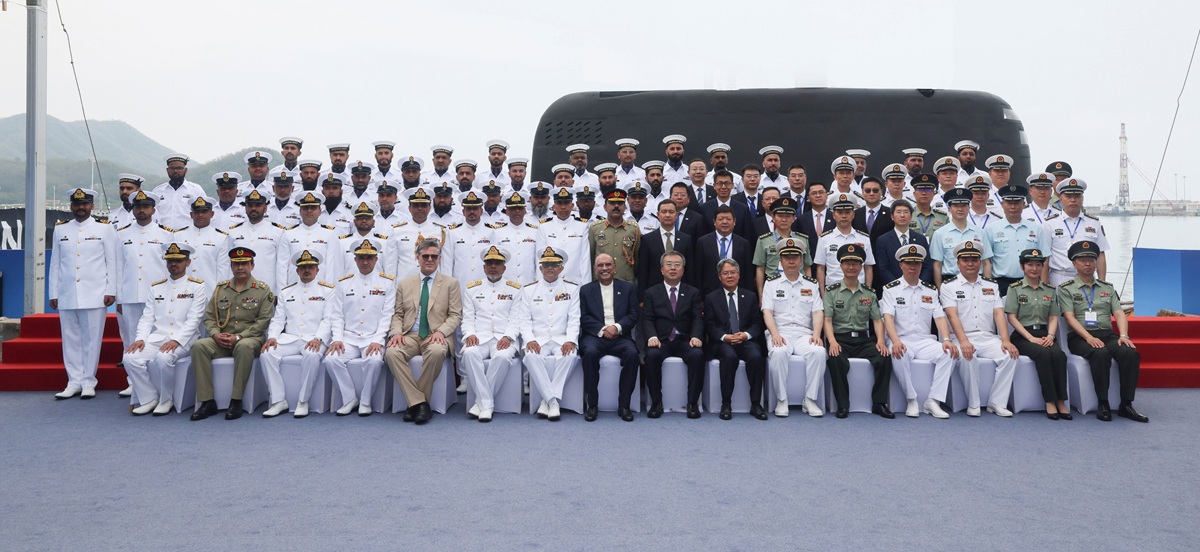
Pakistan-China Defence Cooperation
The Hangor program is also one of the most significant ongoing examples of Pakistan-China naval cooperation.
The first Hangor-class submarine was commissioned in Sanya, China, on April 30, 2026. The ceremony was attended by President Asif Ali Zardari and Admiral Naveed Ashraf.
The first PNS/M Hangor subsequently arrived in Karachi in June.
Its arrival was accompanied by a formal reception at Pakistan Navy Dockyard, with senior naval officers attending the ceremony. Pakistan Navy described the submarine’s advanced combat systems, sensors, AIP and stealth characteristics as important additions to its combat capability.
The program therefore combines submarine acquisition with a longer-term effort to develop domestic construction capability.
Pakistan Navy’s Submarine Fleet Modernization
The Hangor program is part of a wider modernization effort involving Pakistan Navy’s surface fleet, aviation, missiles and undersea capabilities.
The Navy has also been introducing new surface combatants and developing indigenous weapons.
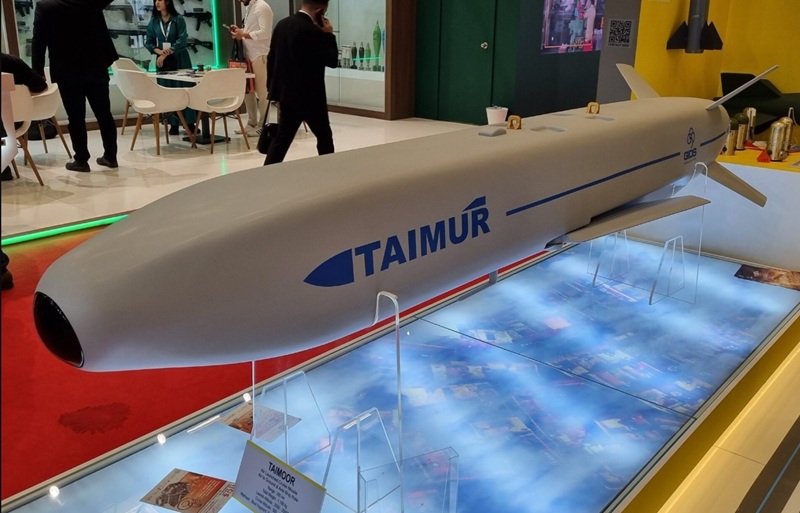
In April, Pakistan successfully tested the Taimoor air-launched cruise missile, while the Navy has continued exercises designed to improve coordination between ships, submarines, aircraft and other elements of the force.
The objective is increasingly centered on a networked force capable of operating across multiple domains rather than relying on individual platforms.
What the Hangor Firing Means for Maritime Deterrence
The successful firing gives Pakistan Navy another publicly demonstrated capability for long-range anti-surface warfare from a concealed underwater platform.
Submarines are inherently difficult to detect compared with surface combatants because they can exploit the underwater environment to reduce their visibility.
When combined with AIP, modern sensors and missile capability, the platform can potentially complicate an adversary’s maritime planning by forcing greater investment in anti-submarine warfare, surveillance and maritime patrol capabilities.
That is the broader deterrence value highlighted by Admiral Naveed Ashraf following the firing.
The Navy says the continued development of subsurface warfare capabilities is intended to ensure operational readiness and maintain credible maritime deterrence.
Eight Hangor-Class Submarines Planned
Pakistan’s Hangor program envisages eight submarines in total.
The first four are being built in China, while the remaining four are being constructed at Karachi under the technology-transfer component of the program.
The eventual completion of the program would provide Pakistan Navy with a considerably larger modern AIP-equipped submarine force than it currently operates.
For the Pakistan Navy, the long-term importance of the program therefore extends beyond the maiden firing of PNS/M Hangor.
The latest test demonstrates that the first boat has moved into a more mature stage of operational employment, while the remaining submarines will progressively expand the fleet’s undersea capacity.
Bottom Line
The maiden live weapon firing by PNS/M Hangor is a significant milestone in Pakistan Navy’s submarine modernization program.
The exercise confirms that the newly inducted submarine has conducted a successful live anti-ship missile engagement in the North Arabian Sea, while the Navy’s decision to highlight the firing underscores the importance Islamabad places on strengthening its subsurface deterrent.
With eight Hangor-class submarines planned, AIP technology, modern combat systems and a growing domestic construction component, Pakistan Navy is pursuing a substantial expansion of its undersea warfare capability.