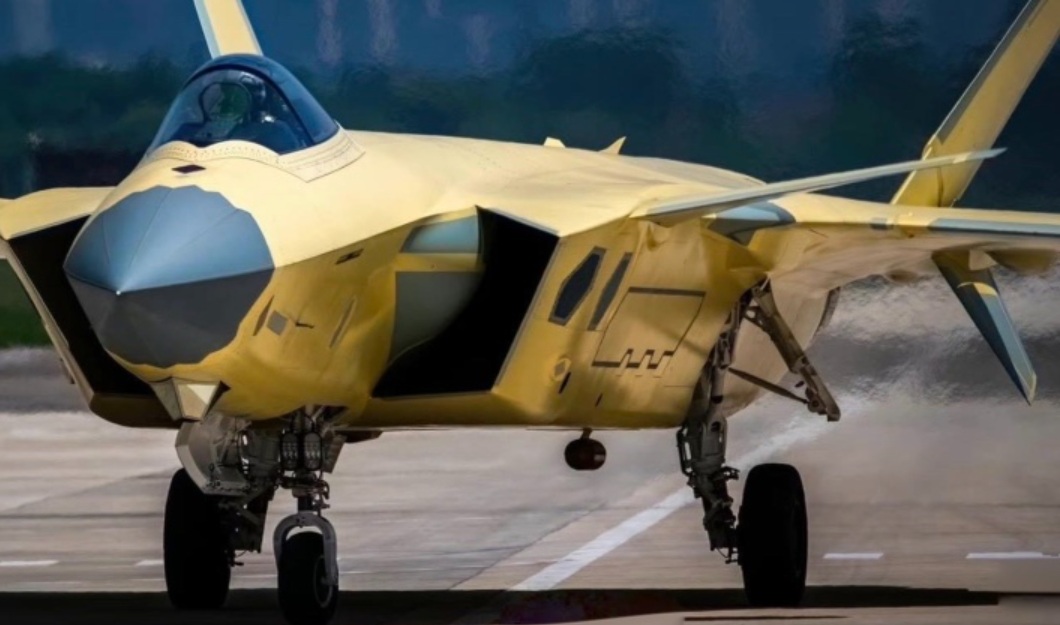
China has deployed at least 11 Chengdu J-20 Mighty Dragon stealth fighters across two airbases near the Indian frontier, marking the largest publicly observed concentration of China’s fifth-generation combat aircraft opposite the Line of Actual Control (LAC).
Commercial satellite imagery collected during late June and early July 2026 shows seven J-20s stationed at Hotan Airbase in Xinjiang and four additional aircraft at Damxung Airbase in Tibet, extending China’s stealth fighter presence across both the western and eastern sectors of the disputed border.
🇨🇳China just massed 11+ J-20 stealth fighters at high-altitude bases facing India – the largest concentration ever seen there.
No border incident triggered the move. Instead, fifth-generation operations against India have simply become routine for the Chinese Air Force.… pic.twitter.com/wb8szSiSAr
— Global Strategy (@World_At_War_6) July 28, 2026
While the imagery does not indicate imminent military action, defence analysts say the deployment represents a significant shift in China’s long-term military posture and presents a growing challenge for India’s air defence planning.
Where Are the J-20s Deployed?
Hotan Airbase (Western Sector)
- 7 J-20 stealth fighters observed
- Around 245 km from Daulat Beg Oldie
- Approximately 389 km northeast of Leh
- Provides rapid access to northern Ladakh
Damxung Airbase (Eastern Sector)
- 4 J-20 stealth fighters observed
- Around 344 km northwest of Tawang
- Extends Chinese stealth operations into Arunachal Pradesh sector
Together, these deployments create a dual-axis stealth fighter presence covering both of India’s most sensitive border regions.
Satellite Images Show Presence—Not Intent
Analysts caution that satellite imagery confirms aircraft locations but cannot determine:
- Weapons load
- Combat readiness
- Mission assignments
- Sortie rates
- Deployment duration
As a result, the deployment should be viewed as an indicator of increased military capability rather than evidence of an imminent conflict.
Why This Deployment Matters
Former Indian Air Force fighter pilot Sameer Joshi believes the deployment demonstrates that China’s fifth-generation operations facing India are becoming routine rather than temporary political signals.
Instead of occasional exercises, Beijing now appears capable of maintaining a persistent stealth fighter presence along the Himalayan frontier.
J-20 vs Indian Air Force: Capability Comparison
| Capability | China J-20 | India Rafale |
|---|---|---|
| Generation | Fifth-generation | 4.5 Generation |
| Stealth | Very Low Observable | Limited |
| Internal Weapons Bay | Yes | No |
| AESA Radar | Advanced | Yes |
| Long-range Missile | PL-15 | Meteor |
| Supercruise | Limited (WS-15 expected to improve) | Yes |
| Primary Role | Air Superiority / Counter-Air | Multirole |
Although India’s Rafale remains one of the world’s best 4.5-generation fighters, it lacks the low observable characteristics that define fifth-generation combat aircraft.
China’s Industrial Advantage
One of the report’s most important findings concerns China’s rapidly expanding defence industrial base.
Open-source estimates suggest:
| Year | Estimated J-20 Fleet |
|---|---|
| 2019 | ~50 aircraft |
| 2022 | 200+ aircraft |
| 2025 | Around 300 operational |
| Mid-2026 | Nearly 500 delivered |
| 2030 (projection) | Up to 1,000 aircraft |
Although exact numbers remain uncertain, nearly all independent assessments agree that China is producing J-20s at an unprecedented pace—estimated at 100–120 aircraft annually.
High-Altitude Operations Present Challenges
Operating stealth fighters from Tibetan airfields is not without difficulties.
High-altitude bases suffer from:
- Reduced engine thrust
- Longer take-off distances
- Lower payload capacity
- Complex logistics
- Higher maintenance requirements
However, China’s ability to operate J-20s simultaneously from multiple high-altitude bases suggests the PLA Air Force has significantly improved its logistics, maintenance and sortie-generation capabilities.
India Still Lacks a Fifth-Generation Fighter
The deployment also highlights India’s current capability gap.
The Indian Air Force currently fields:
- 36 Rafale fighters
- 260+ Su-30MKI
- Mirage 2000
- MiG-29
While these aircraft remain highly capable, none possess true fifth-generation stealth characteristics.
India’s indigenous Advanced Medium Combat Aircraft (AMCA) programme is progressing, but current timelines indicate operational service is unlikely before 2034–2035, leaving a decade-long capability gap.
India Will Need More Than New Fighters
Experts argue that responding to China’s growing stealth fleet will require a comprehensive “system of systems” approach rather than simply acquiring more fighter aircraft.
Priority areas include:
- Counter-stealth radar networks
- Passive detection systems
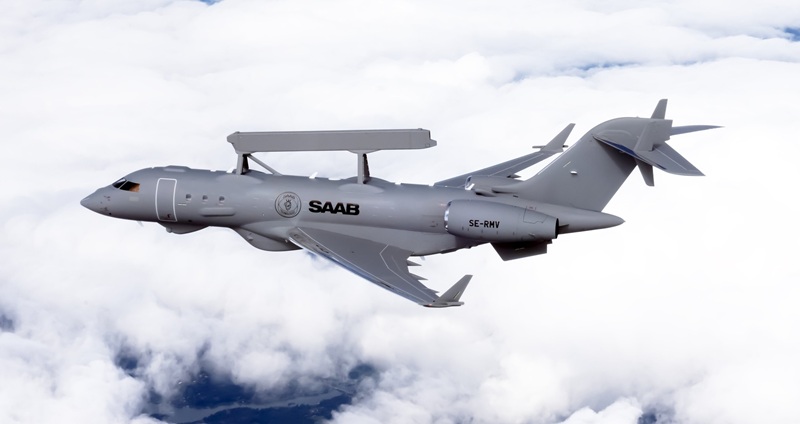
- Airborne early warning aircraft
- Electronic warfare capabilities
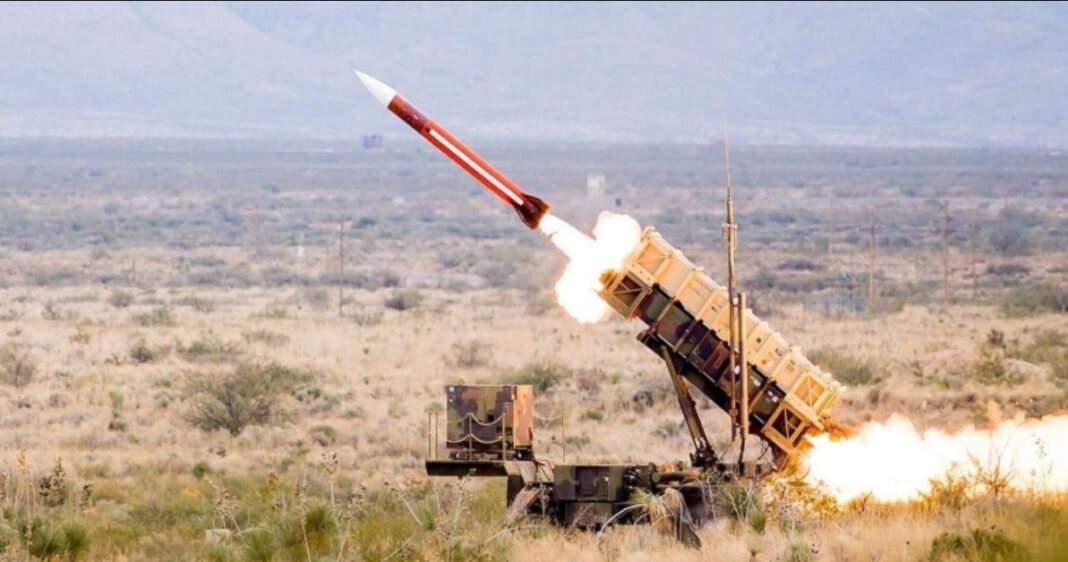
- Long-range surface-to-air missiles
- Hardened airbases
- Secure battlefield networking
No single radar or missile system can reliably defeat stealth aircraft; success depends on integrating multiple sensors and weapons into a unified air defence architecture.
Strategic Implications for the Indo-Pacific
China’s growing J-20 fleet was initially associated with Taiwan and the Western Pacific.
The latest deployment demonstrates that Beijing can now distribute fifth-generation fighters across multiple strategic theatres simultaneously—including the Taiwan Strait, South China Sea and Himalayan frontier—without significantly weakening its overall combat posture.
For India, this means additional military resources may need to be committed to the northern border, potentially reducing assets available for maritime operations in the Indian Ocean.
Conclusion
The deployment of at least 11 J-20 stealth fighters at Hotan and Damxung marks China’s largest publicly observed forward concentration of fifth-generation combat aircraft opposite India. While there is no evidence of an imminent attack, the move reflects the PLA Air Force’s growing confidence in operating advanced stealth aircraft from high-altitude frontier bases.
More importantly, it highlights China’s expanding defence-industrial capacity and the widening technological gap between the two Asian powers. As Beijing continues to increase J-20 production and forward deployments, India’s challenge will extend beyond acquiring new fighters to building an integrated, resilient air defence network capable of countering a sustained fifth-generation threat.